Southern Peru in 2 weeks: south coast, Arequipa, Titicaca and Cusco
Arequipa: 2-Day Classic Colca Canyon Tour
This itinerary is for travellers who want to go deep into southern Peru rather than tick off Lima. It concentrates the full two weeks on the coast south of Lima, the volcanic city of Arequipa, the Colca Canyon, Lake Titicaca and the Cusco–Machu Picchu region, with only the minimum time in the capital. It suits returning visitors, anyone who has seen Lima before, or people who simply prefer the Andes to a big city.
What is southern Peru?
Southern Peru is the band of country below Lima: the desert coast around Paracas and Nazca, the volcanic city of Arequipa, the deep Colca Canyon, Lake Titicaca on the Bolivian border, and the Cusco region with the Sacred Valley and Machu Picchu. It holds most of Peru's headline sights and is the focus of this two-week route.
| Where | South coast (Paracas, Nazca) to Arequipa, Colca Canyon, Lake Titicaca, Cusco and Machu Picchu |
| Duration | 14 days on the ground, minimal Lima time |
| Cost | Around USD 1,900–2,900 per person, ground costs only |
| Getting around | Long-distance buses plus one or two short domestic flights |
| Best time | Dry season, May–September, for the high passes and Machu Picchu |
Why skip Lima
Lima is worth a day on a first visit, mostly for the food and the Larco Museum. But if you have been before, or you would rather spend your two weeks in the mountains and on the coast, you can treat Lima purely as a transit point. This route uses Lima only to arrive, position for the south coast, and catch internal flights. You sleep there at most one night.
The altitude staging is the same proven sequence: sea-level coast, then Arequipa, then Colca, then Lake Titicaca at 3,800 m, then over to Cusco and down to Machu Picchu. Building up in steps means the highest days come after a week of adjustment. Read the Cusco acclimatization plan and the Peru domestic flights guide.
Getting between the regions
This route mixes overland travel and one or two short flights, and the choice matters more than it looks. The Lima–Arequipa hop is almost always a flight rather than the 15-hour bus, since burning a day on a coach undoes the point of skipping Lima. From Arequipa onward, though, everything connects by road: Arequipa to Colca is a shared van or private transfer, Colca to Puno is usually built into the same 2-day tour, and Puno to Cusco runs on the daytime Route of the Sun bus rather than a flight, because the bus stops are part of the trip.
See the Cusco to Arequipa transport guide for the return leg if you build a loop instead of a one-way route, and the Peru domestic flights guide for booking windows and typical fares.
Day 1: Arrive, head straight south
Land in Lima and, if your arrival time allows, transfer directly to the bus terminal for an afternoon or evening service to Paracas, about 4 hours. If you land late, sleep one night near the airport or in Miraflores and take a morning bus. Either way, you do not build a Lima sightseeing day into this route.
Day 2: Ballestas Islands and Paracas
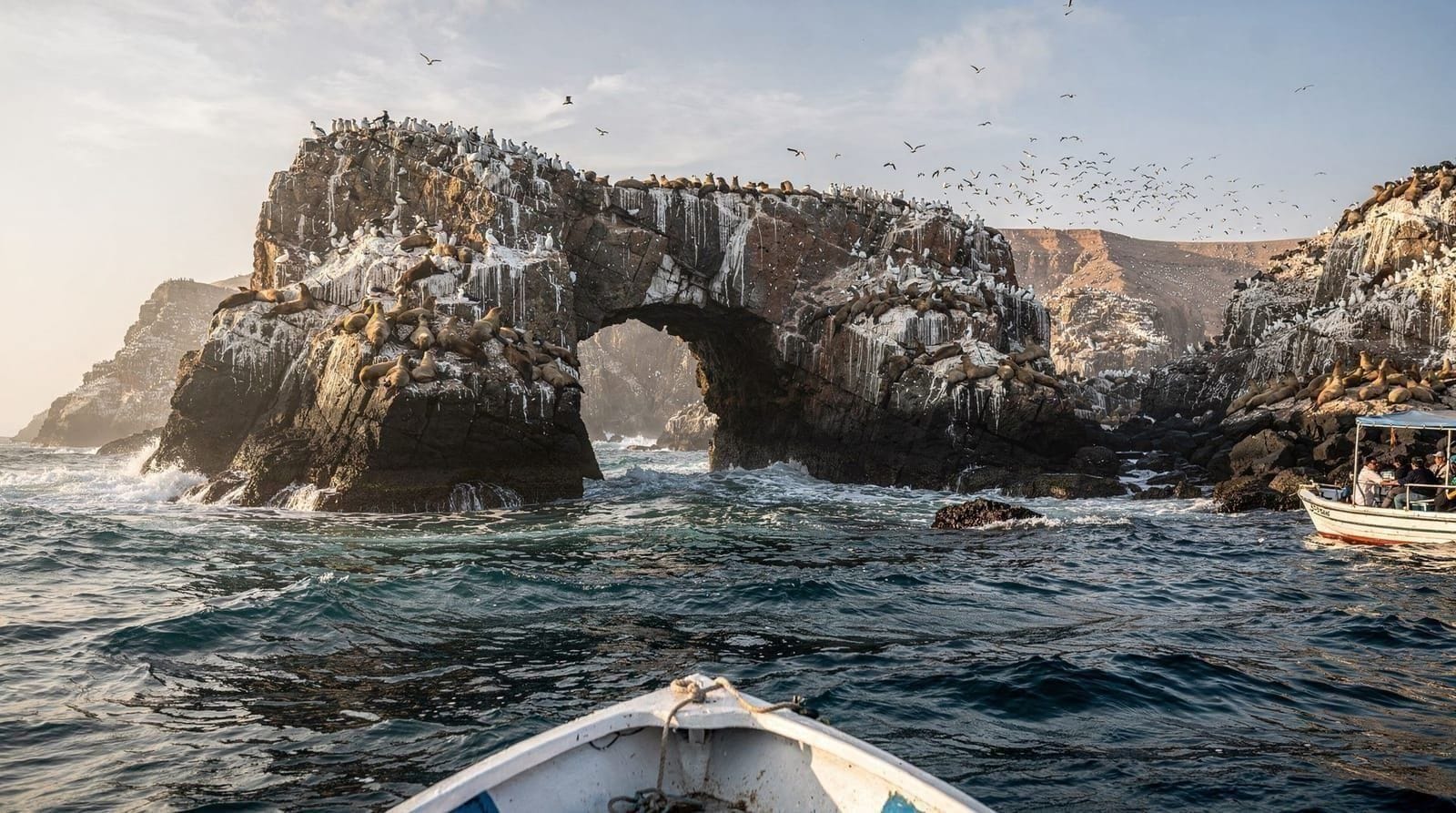
Early boat to the Ballestas Islands for the sea lions, penguins and seabirds, then explore the Paracas National Reserve with its red-sand beaches and desert-meets-ocean cliffs in the afternoon. If you are short on time later in the trip and have to choose, the Paracas versus Ballestas guide explains which half of the day matters more for your interests.
Ballestas Islands and Paracas Reserve tourDay 3: Huacachina and the Nazca Lines
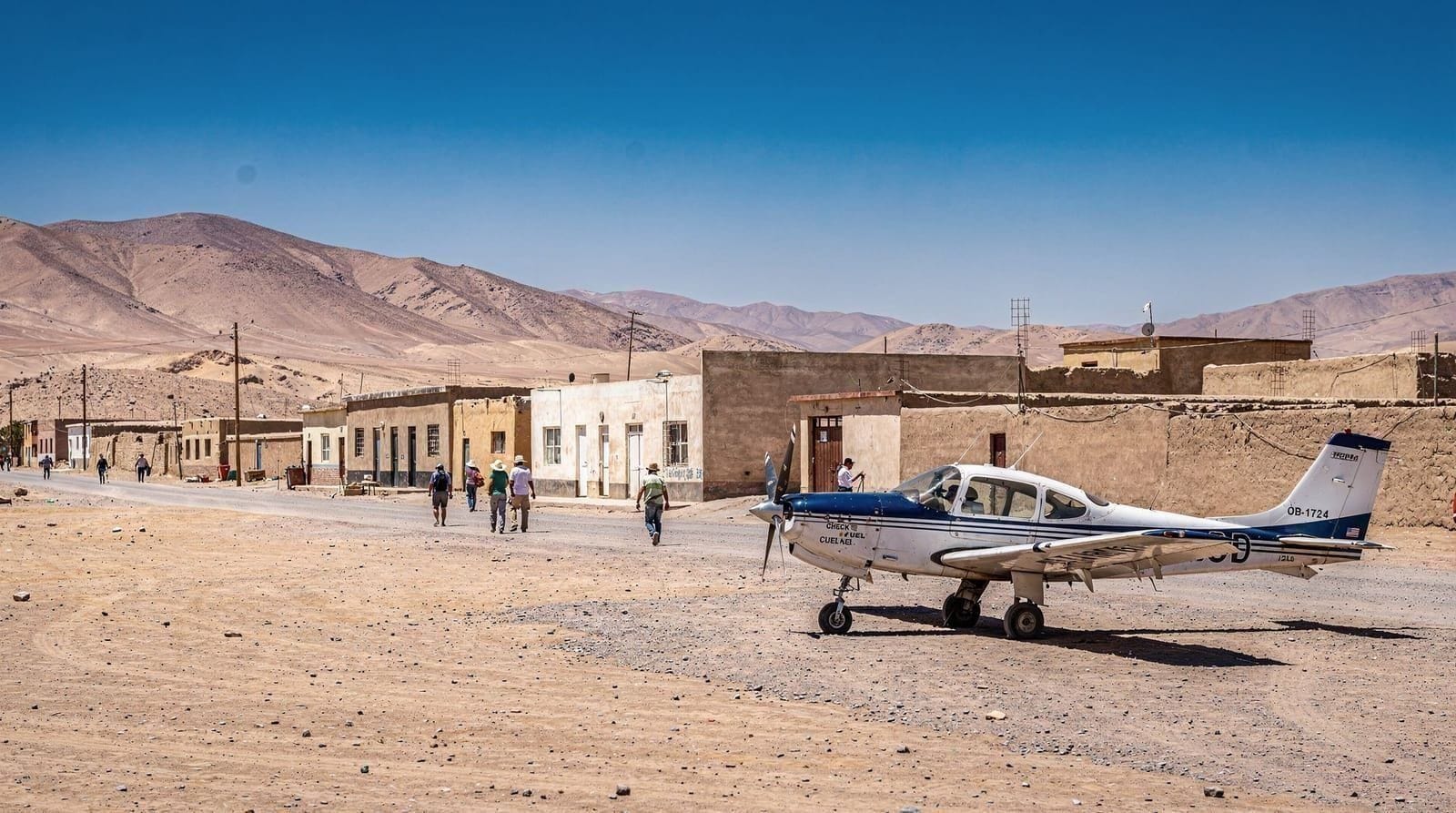
Move down to Huacachina for the desert oasis and a late-afternoon dune-buggy and sandboarding session at sunset. Continue toward Nazca, where the Nazca Lines flight is the main event; the figures only make sense from the air. If the flight’s cost or turbulence gives you pause, the is the Nazca flight worth it guide weighs the alternative viewing options honestly.
Nazca Lines flight from the south coastDay 4: Fly to Arequipa
Reposition to Arequipa. The most practical way is a flight from Lima, so plan a connection back through the capital or an onward flight; if you are coming straight from the coast, the overland alternative is a long bus. Aim to arrive in Arequipa by afternoon and settle into the historic centre. At 2,300 m this is your first gentle altitude step.
Day 5: Arequipa
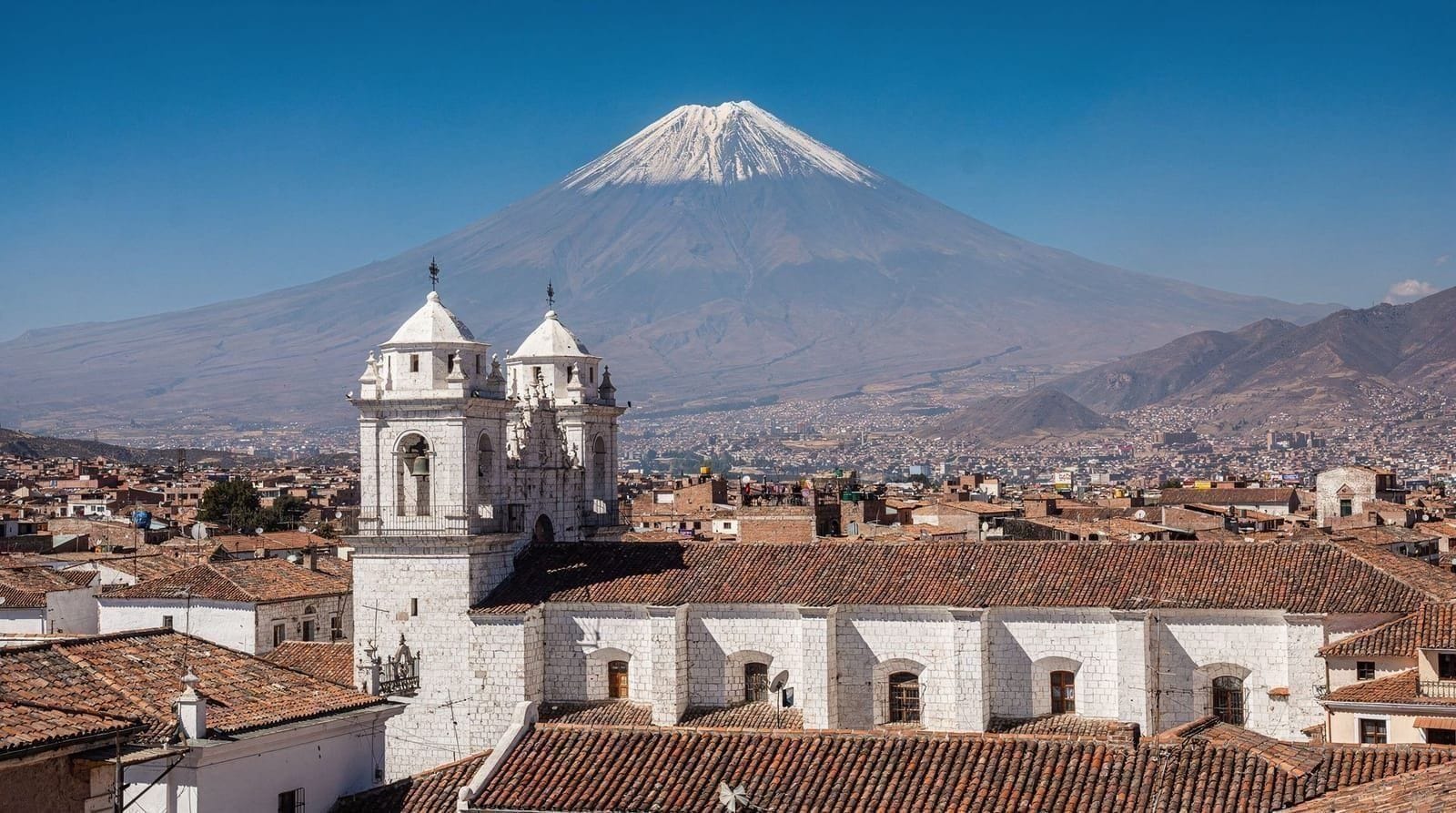
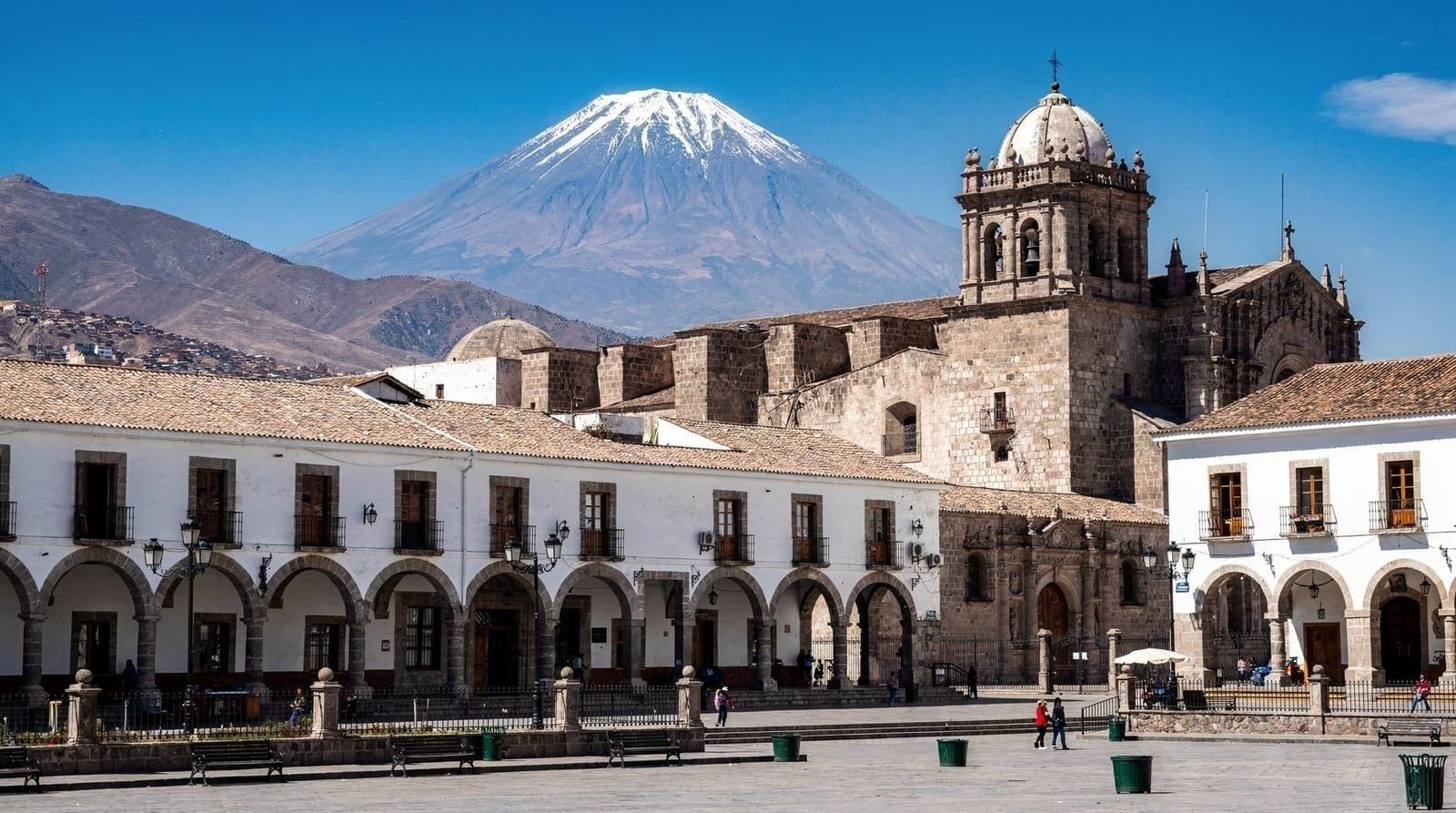
A full day in the white city: the Santa Catalina Monastery in the morning light, the cathedral and Plaza de Armas, and the Museo Santuarios Andinos with the Inca mummy “Juanita.” Arequipa has Peru’s most distinctive regional food, so book a picantería lunch.
Days 6–7: Colca Canyon
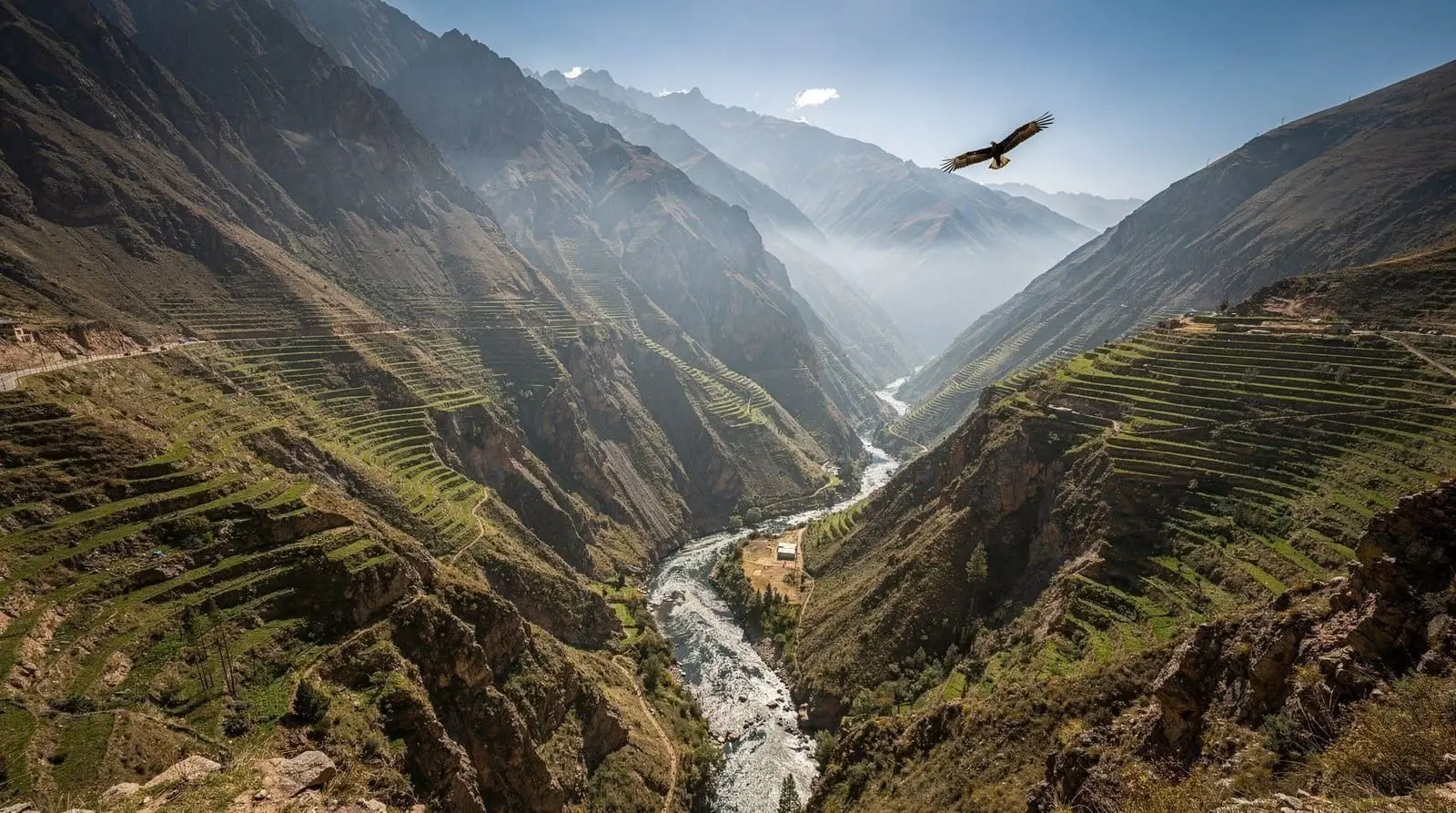
A two-day Colca Canyon trip with a night in Chivay, centred on the morning condors at the Cruz del Condor. The drive crosses passes above 4,800 m, which advances your acclimatisation before Titicaca. Choosing a tour that ends in Puno saves a backtrack. Arrive at the Cruz del Condor viewpoint by around 8am; the Colca condors guide explains why the morning thermals matter for sightings.
Colca Canyon 2-day trek ending in PunoDays 8–9: Lake Titicaca
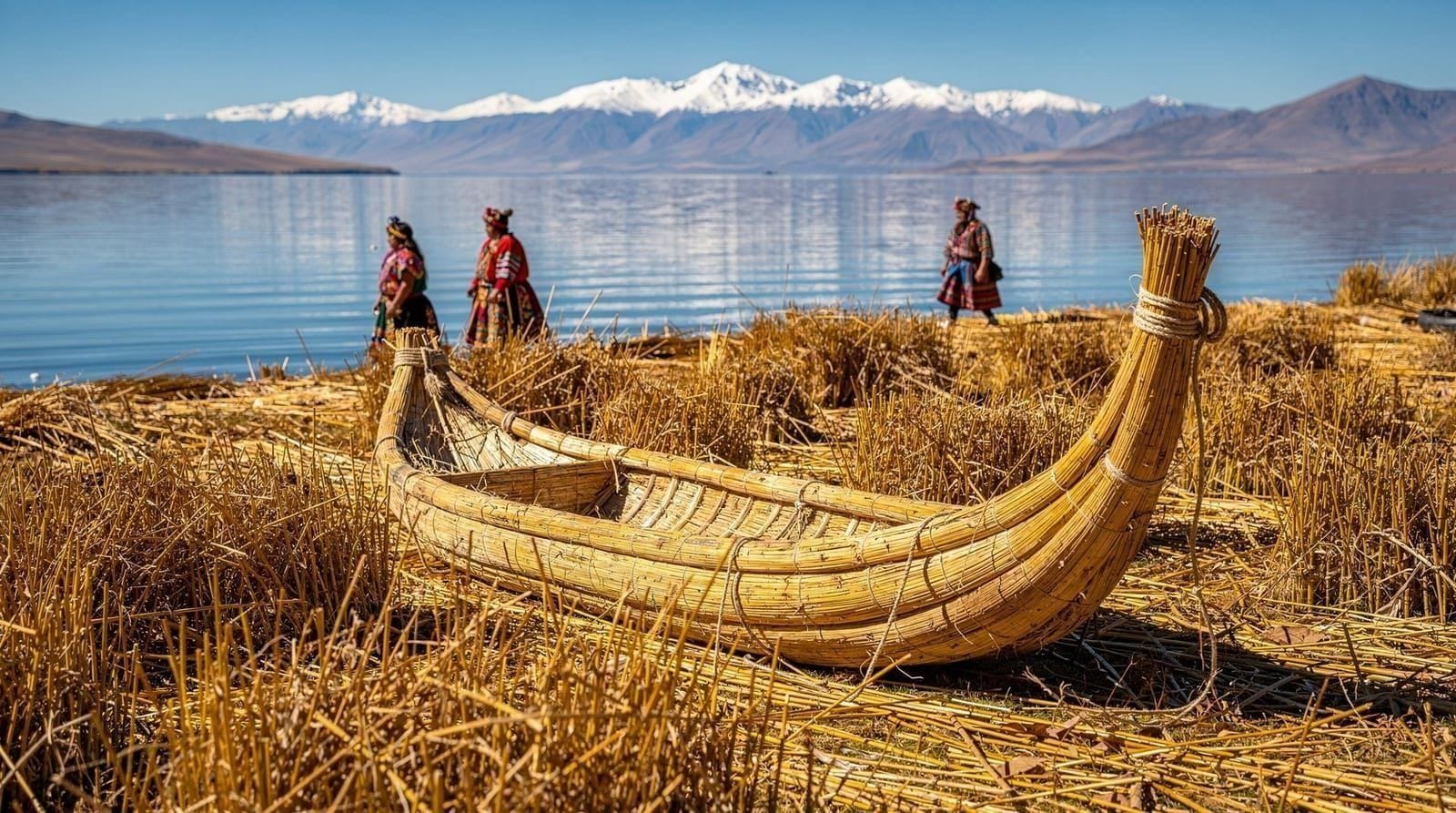
Two nights in Puno on Lake Titicaca, at 3,800 m. The full-day boat trip covers the floating Uros islands and the weaving community of Taquile; an Amantaní homestay is the immersive alternative. Pace yourself; this is the altitude high point. Beyond the islands, the lake also has genuine birdlife worth watching for from the boat — see the Lake Titicaca wildlife guide.
Lake Titicaca full-day Uros and Taquile tourDay 10: Overland to Cusco
The Route of the Sun bus across the altiplano to Cusco, stopping at Raqchi, Andahuaylillas and the La Raya pass. About 10 hours, but a sightseeing day in its own right.
Route of the Sun bus from Puno to Cusco with stopsDay 11: Cusco
A full day in Cusco, fully acclimatised: San Blas, Qorikancha, Sacsayhuamán and the Plaza de Armas. Mind the Cusco tourist traps and eat up in San Blas rather than on the plaza.
Day 12: Sacred Valley
The Sacred Valley circuit: Maras and Moray, Pisac and Ollantaytambo. Sleep in Ollantaytambo for the morning train.
Pisac, Maras, Moray and Ollantaytambo small-group tourDay 13: Machu Picchu
Train from Ollantaytambo to Aguas Calientes and the shuttle up to Machu Picchu. Timed entry ticket required well ahead; see the how to get to Machu Picchu guide and the ticket types compared. Machu Picchu itself sits lower than Cusco, around 2,430 m, so this day is a welcome break rather than another altitude test; the Machu Picchu altitude explained guide has the full comparison.
Machu Picchu day trip with train and entrance ticketDay 14: Fly home
Cusco to Lima in the morning, then your international connection, with a wide weather buffer at Cusco.
Route at a glance, day by day
| Days | Focus | Altitude step |
|---|---|---|
| 1 | Lima transit to Paracas | Sea level |
| 2–3 | Paracas, Huacachina, Nazca | Sea level |
| 4–5 | Arequipa | 2,300 m |
| 6–7 | Colca Canyon, Chivay | up to 4,800 m (day pass) |
| 8–9 | Lake Titicaca, Puno | 3,800 m |
| 10 | Overland to Cusco | 3,400 m |
| 11–12 | Cusco, Sacred Valley | 2,800–3,400 m |
| 13 | Machu Picchu | 2,430 m |
| 14 | Fly home via Lima | Sea level |
If two weeks feels rushed
Fourteen days is enough to see everything on this list without feeling frantic, but if you have three weeks instead, the extra time is best spent adding a night in Arequipa for the Colca canyon floor trek, a second night on Titicaca for an Amantaní homestay, or an extra Sacred Valley day for Chinchero and the Moray terraces at a slower pace. The Peru 3-week complete itinerary builds in exactly this extra breathing room using the same route.
What to pack for the altitude range
This trip runs from sea-level desert to 4,800 m mountain passes and back down to Machu Picchu’s subtropical cloud forest, so layers matter more than any single item. Bring a warm fleece or down layer and a windproof shell for Colca, Titicaca and the Puno–Cusco bus, sun protection for the coast and the high passes alike (UV is stronger at altitude), and lighter, quick-dry clothing for the humidity around Machu Picchu and Aguas Calientes. The what to pack for Cusco guide covers the Andean half of the trip in detail.
Where to sleep
- South coast: Paracas lagoon-front; Huacachina on the oasis.
- Arequipa: the historic centre.
- Chivay: thermal-spa hotels for the canyon night.
- Puno: lakeshore or central.
- Sacred Valley / Cusco: Ollantaytambo and San Blas.
Realistic budget
Per person on the ground, mid-range, excluding international flights:
- Domestic flights (one or two short legs): USD 80–230.
- South coast tours (Ballestas, Nazca flight, dunes): USD 160–250.
- Colca 2-day tour: USD 60–110.
- Titicaca tour: USD 30–80.
- Route of the Sun bus: USD 50–70.
- Machu Picchu (train, bus, entry): USD 170–230.
- Hotels (13 nights, mid-range double per person): USD 500–950.
- Food and incidentals: USD 30–50 per day.
A comfortable two weeks lands around USD 1,900–2,900 per person on the ground.
Frequently asked questions about the southern Peru itinerary
Is it really fine to skip Lima sightseeing?
Yes, if you have been before or prioritise the Andes and the coast. Lima’s main draws are food and the Larco Museum, both of which you can save for a future trip. You still pass through Lima for flights, so it is never fully off the route.
How does this differ from the standard 2-week grand tour?
Mainly the start. The standard grand tour builds in two days of Lima sightseeing. This version trades those for more breathing room on the coast and in the Andes, and is aimed at returning visitors.
Is the altitude sequencing the same?
Yes: sea-level coast, then Arequipa, Colca, Puno at 3,800 m, then Cusco and down to Machu Picchu. Climbing in steps is what makes the high days manageable.
What is the hardest part of this trip?
The altitude around Puno and the couple of long overland days. There is no serious hiking unless you opt into the Colca trek. Acclimatising properly and hydrating handle most of the difficulty.
Can I add Bolivia from Puno?
Lake Titicaca straddles the Bolivia border, and crossing to Copacabana and La Paz is a common extension. It would add several days and is beyond this Peru-only route, but Puno is the natural jumping-off point.
When is the best time to go?
The dry season (May–September) for the high passes and Machu Picchu; the coast is fine most of the year. See the best time to visit Peru guide.
Top experiences
Bookable activities with verified prices and instant confirmation on GetYourGuide.