Peru in 2 weeks: the grand tour from the coast to Titicaca and Machu Picchu
Arequipa: 2-Day Classic Colca Canyon Tour
Two weeks is the sweet spot for southern Peru. You get the coast, the white city of Arequipa, the deepest canyon, the highest navigable lake and the Cusco–Machu Picchu finale, all sequenced so that altitude builds gradually rather than hitting you all at once. This is a demanding but well-paced route that rewards travellers willing to use a mix of buses and one or two short flights.
Is 2 weeks enough to see Peru?
Two weeks covers the entire southern circuit: Lima, the Paracas and Nazca coast, Arequipa and the Colca Canyon, Lake Titicaca, Cusco, the Sacred Valley and Machu Picchu. It does not include the Amazon or northern Peru, which need a separate trip. The route works because altitude rises step by step, from sea level up to the lake at 3,800 m.
| Route | Lima, Paracas/Nazca, Arequipa, Colca, Puno, Cusco, Machu Picchu |
| Days needed | 14; two domestic flights, the rest overland |
| Altitude | Staged from sea level up to 3,800 m at Puno |
| Not included | Amazon and northern Peru (separate trips) |
| Best time | May to September for the high passes |
| Pace | Moderate; long but scenic transfer days |
The logic of the route
The single most important feature of this itinerary is altitude staging. You start at sea level on the coast, climb to Arequipa (2,300 m), go higher to the Colca Canyon and then to Puno on Lake Titicaca (3,800 m, the highest point you sleep), before finally crossing to Cusco and dropping down for Machu Picchu. By the time you reach the highest passes, your body has had a week to adapt. Doing this loop in reverse, flying straight into Cusco and then going to Titicaca, is far harder on most people.
You will use two domestic flights on this version: Lima to Arequipa near the start, and Cusco to Lima at the end. The Arequipa–Colca–Puno–Cusco stretch is done overland, which is part of the experience; the scenery on the altiplano is spectacular. Read the Peru domestic flights guide and the Cusco to Puno transport guide for specifics.
Day 1: Arrive in Lima
Land, transfer to Miraflores or Barranco, sleep. Treat the first night as logistics only.
Day 2: Lima
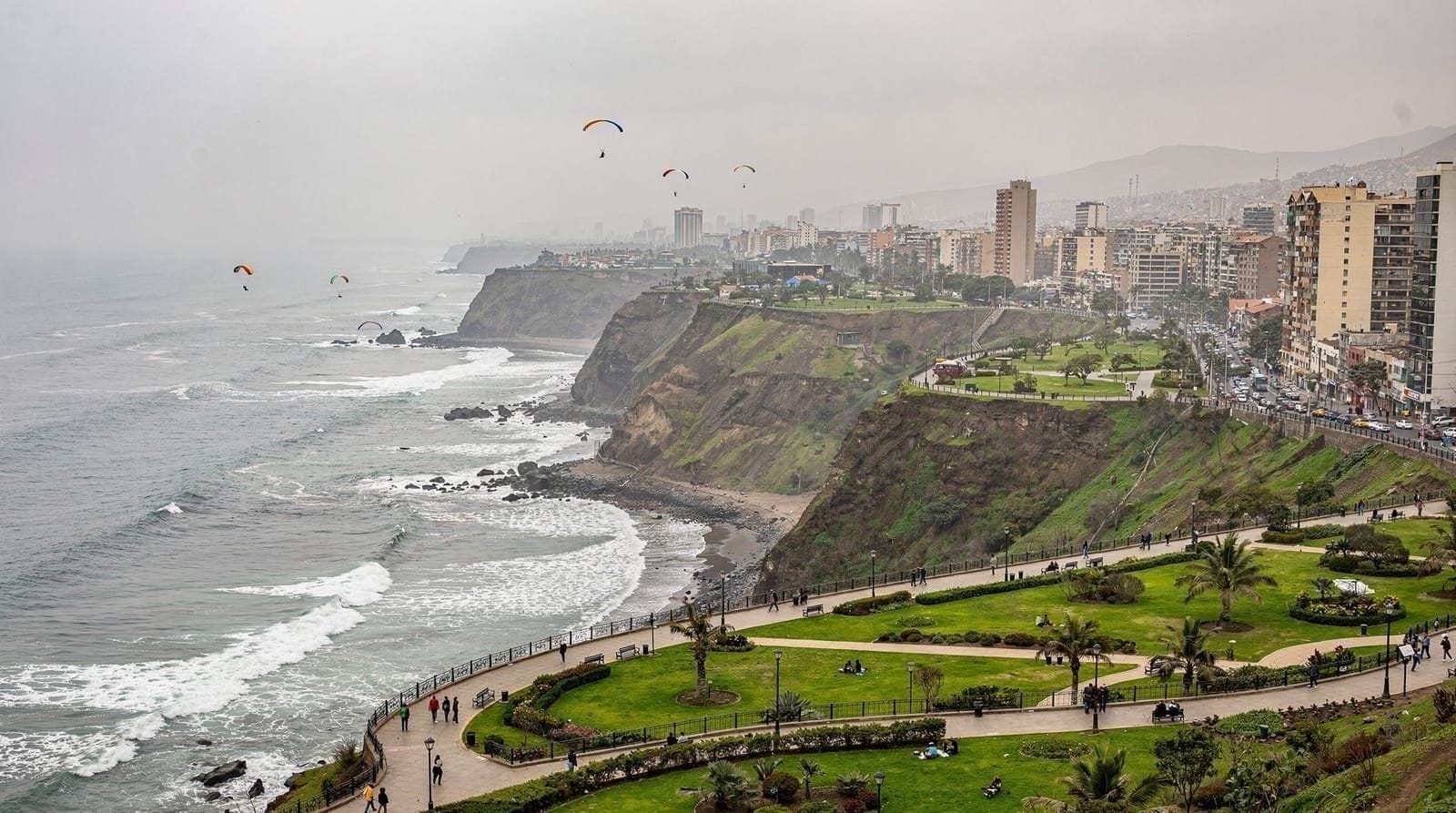
A full day in Lima: the Larco Museum, the colonial historic centre, and a food tour in Barranco or Miraflores. A combined city tour is the efficient option.
Lima city tour with the Larco MuseumDay 3: Bus to Paracas
Morning bus south to Paracas, about 4 hours. Afternoon in the Paracas National Reserve or relax by the lagoon.
Day 4: Ballestas Islands and the Nazca Lines
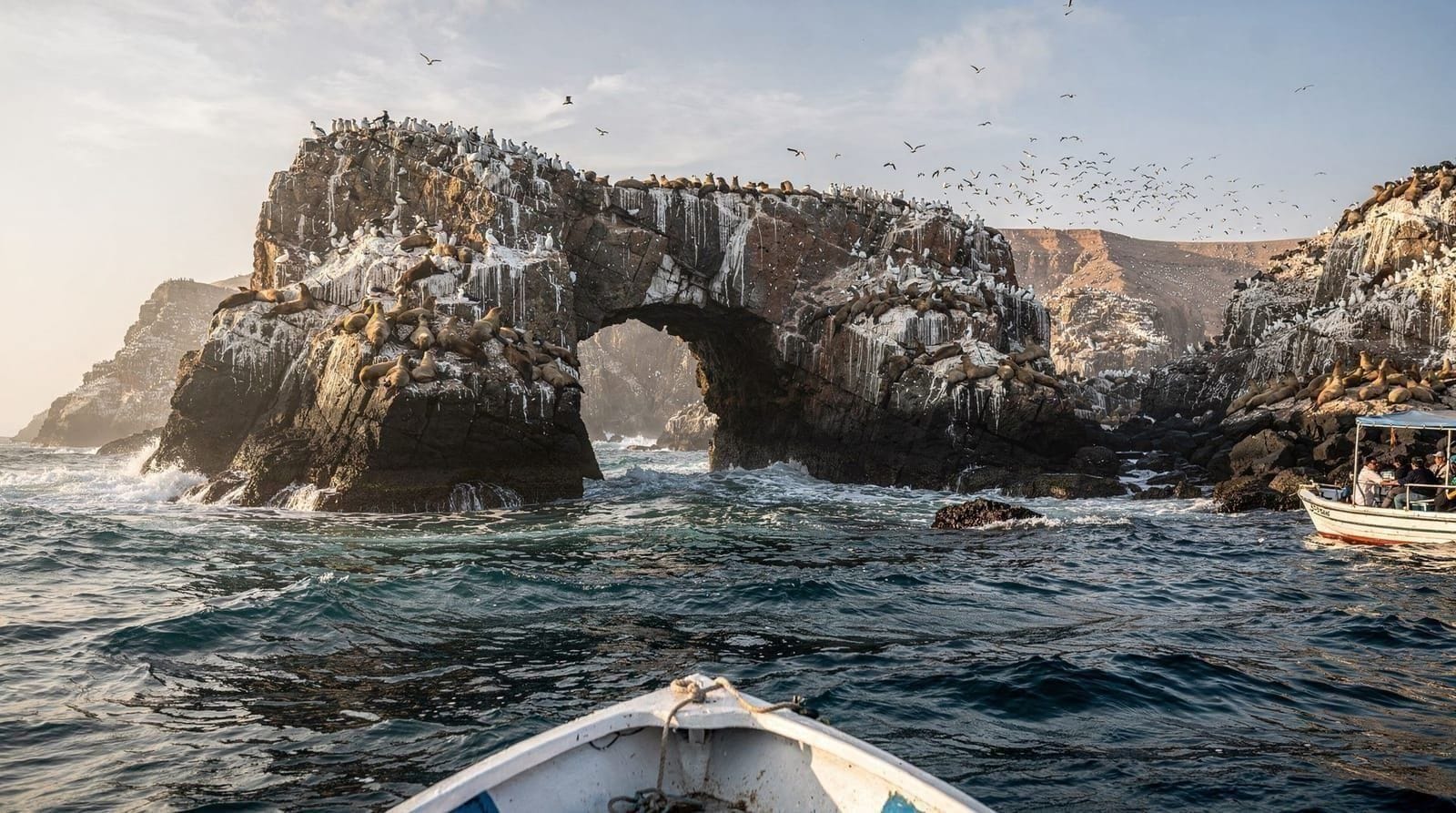
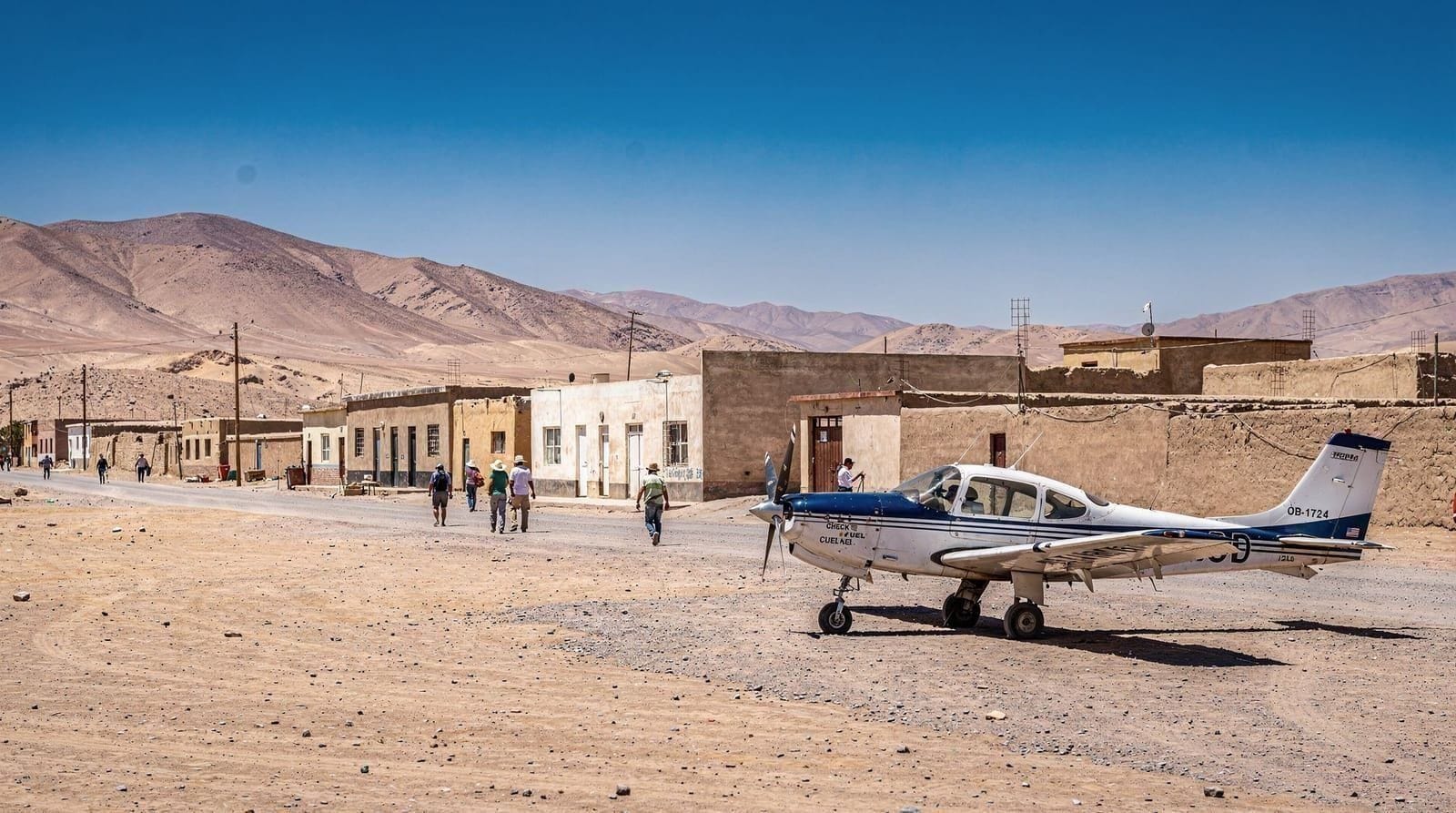
Early boat to the Ballestas Islands for sea lions and seabirds, then continue south toward Nazca. The afternoon or next morning is for the Nazca Lines flight, the only way to properly see the figures.
Ballestas Islands and Paracas Reserve tourDay 5: Fly to Arequipa
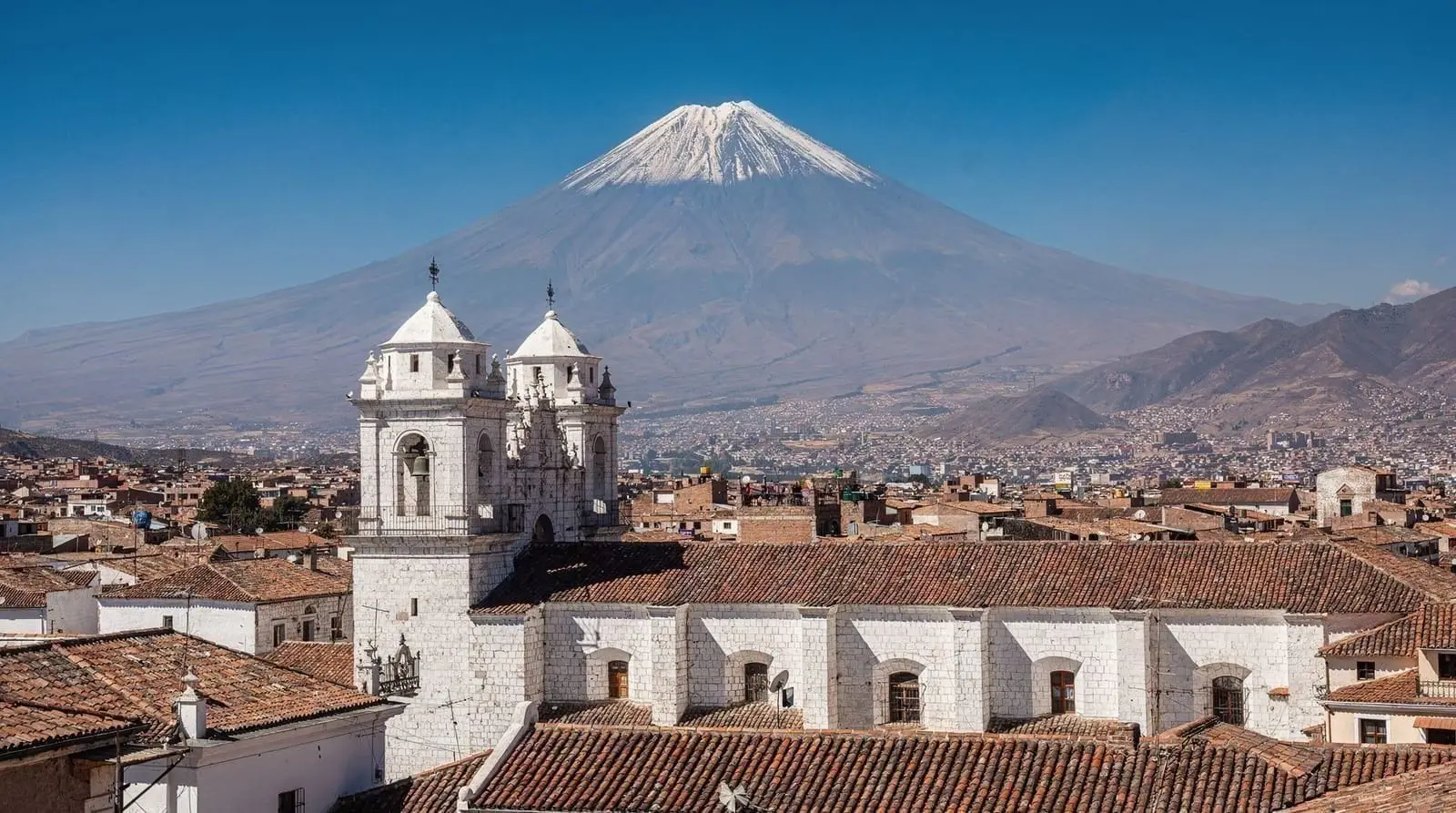
The cleanest way to reach Arequipa from the south coast is to fly from Lima, so most people loop back or fly out of Lima. Practically, fly Lima–Arequipa (about 1.5 hours). Arrive in Arequipa in time for an afternoon in the historic centre. The white volcanic-stone architecture and the Santa Catalina Monastery, a city within a city, are the highlights. Arequipa at 2,300 m is also your first gentle altitude step.
Day 6: Arequipa
A full day in Arequipa: the monastery in the morning when light floods the painted courtyards, the cathedral on the Plaza de Armas, and the Museo Santuarios Andinos to see “Juanita,” the preserved Inca mummy. Eat in a traditional picantería; Arequipa has Peru’s most distinctive regional cooking.
Days 7–8: Colca Canyon
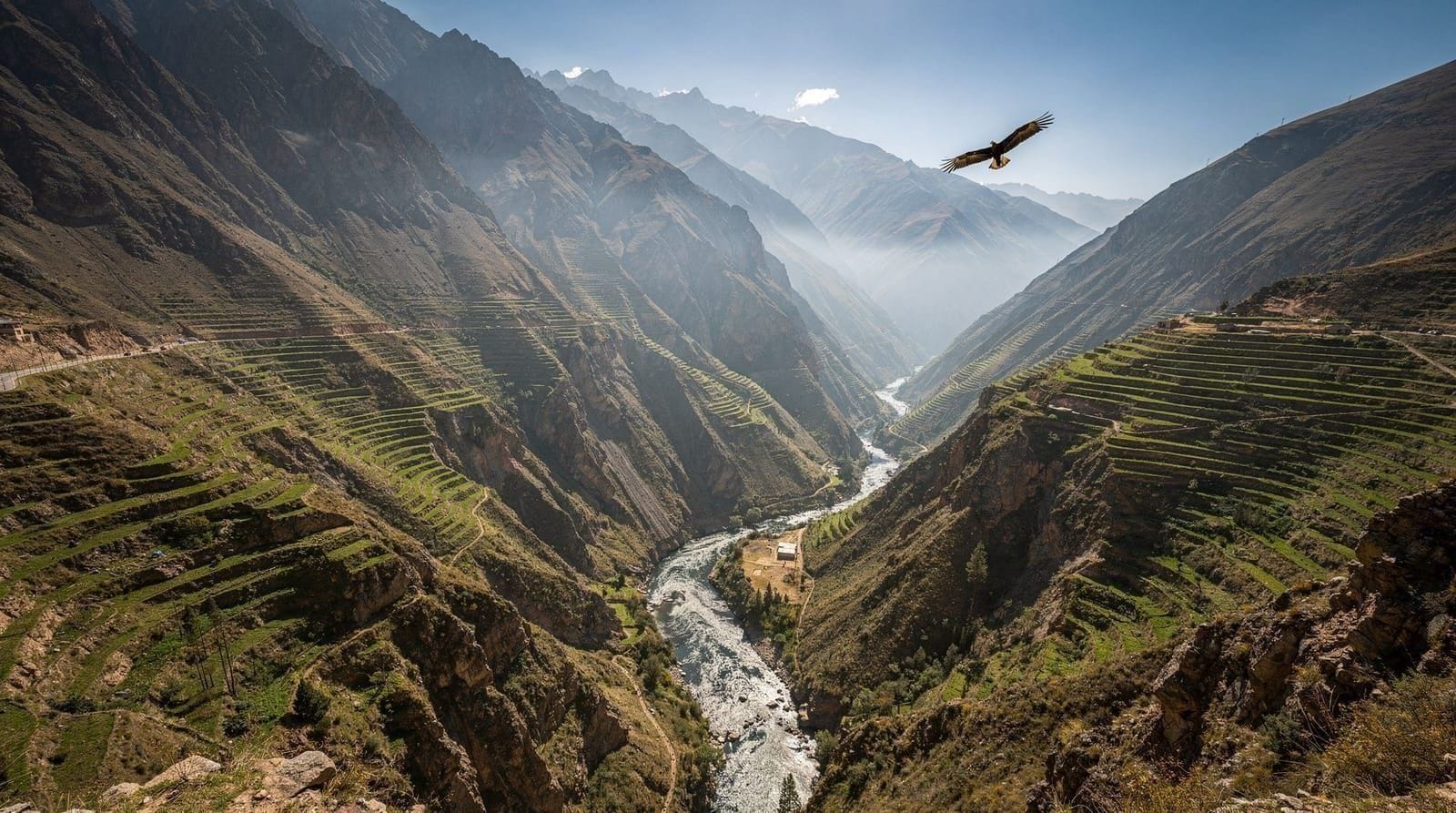
A two-day trip to the Colca Canyon, one of the deepest in the world, with an overnight in Chivay. The reason to go is the Cruz del Condor viewpoint, where Andean condors ride the morning thermals out of the canyon at close range, typically best mid-morning. The drive crosses high puna at over 4,800 m, so the canyon trip also pushes your acclimatisation. A two-day tour that ends in Puno is the most efficient way to combine the canyon with the next leg.
Colca Canyon 2-day trek ending in PunoDay 9: Lake Titicaca from Puno
Arrive in Puno on the shore of Lake Titicaca, at about 3,800 m, the highest you sleep on this trip. Take it slowly; this is where altitude is most likely to bite. The classic full-day boat trip visits the floating reed islands of the Uros and the weaving community of Taquile Island.
Lake Titicaca full-day Uros and Taquile tourIf you have the appetite, an overnight homestay on Amantaní instead of the day trip is one of the more memorable experiences in Peru, though it means a basic bed and a cold night.
Day 10: Puno to Cusco overland
Cross the altiplano from Puno to Cusco. The “Route of the Sun” tourist bus is the best option: it takes around 10 hours but stops at the ruins of Raqchi, the Andahuaylillas “Sistine Chapel of the Andes,” and the high pass at La Raya (4,335 m), turning the transfer into a sightseeing day. The plain night bus or a flight via Lima are faster but skip the scenery.
Route of the Sun bus from Puno to Cusco with stopsDay 11: Cusco
A full day in Cusco. You are well acclimatised by now, so take advantage: the San Blas quarter, Qorikancha, Sacsayhuamán and the Plaza de Armas. Be aware of the usual Cusco tourist traps.
Day 12: Sacred Valley
Transfer to the Sacred Valley and spend the day on the classic circuit: Maras and Moray, Pisac and Ollantaytambo. Sleep in Ollantaytambo for the morning train.
Pisac, Maras, Moray and Ollantaytambo small-group tourDay 13: Machu Picchu
Train from Ollantaytambo to Aguas Calientes and the shuttle up to Machu Picchu. Timed entry ticket required, booked well ahead; see the how to get to Machu Picchu guide and the ticket types compared.
Machu Picchu day trip with train and entrance ticketReturn to Cusco in the evening.
Day 14: Fly home
Morning flight Cusco to Lima, then your international connection. Leave a wide buffer because Cusco flights are frequently delayed by weather.
The 14 days at a glance
| Day | Base | Focus |
|---|---|---|
| 1-2 | Lima | Arrive, Larco Museum, food tour |
| 3 | Paracas | Bus south, Paracas reserve |
| 4 | Paracas/Nazca | Ballestas Islands, Nazca Lines flight |
| 5-6 | Arequipa | Fly in, Santa Catalina, picanteria lunch |
| 7-8 | Colca | Colca Canyon, Cruz del Condor, end in Puno |
| 9 | Puno | Uros and Taquile on Lake Titicaca |
| 10 | Cusco | Route of the Sun bus over the altiplano |
| 11 | Cusco | City tour and San Blas |
| 12 | Sacred Valley | Pisac, Maras, Moray, Ollantaytambo |
| 13 | Aguas Calientes | Machu Picchu |
| 14 | - | Fly Cusco-Lima and onward |
Arequipa is worth two nights, not one
It is tempting to treat Arequipa as a stopover between the coast and the canyon, but the white city rewards a proper stay. The Santa Catalina Monastery is a walled town-within-a-town that needs an unhurried morning, the Museo Santuarios Andinos holds the preserved Inca mummy Juanita, and Arequipa has arguably Peru’s most distinctive regional cooking, best sampled in a traditional picanteria.
At 2,300 m it is also your first gentle altitude step, so a relaxed pace here pays off later. If you are weighing the city against Cusco as a base, the Cusco vs Arequipa guide compares them, and the Cusco to Arequipa transport guide covers the connection if you reshuffle the route. From Arequipa the road climbs to the Colca Canyon, one of the deepest in the world.
Where two weeks reaches its limit
This route is deliberately the full southern circuit, and it is honest about what it leaves out. The Amazon does not fit without three or four extra days for the access flights and minimum lodge stays, so if the rainforest is a priority, the 3-week complete itinerary is the better plan. Northern Peru, meaning Chachapoyas, the north coast and Cajamarca, is a separate region entirely.
Within the two weeks, the parts most often shortchanged are Arequipa and the Colca condors, rushed because travellers front-load the coast; the Colca condor morning diary shows why the viewpoint deserves an unhurried start. For a slightly different two-week shape that leans harder into the deep south, compare the southern grand tour and the planning-focused 2-week itinerary guide.
Where to sleep
- Lima: Miraflores or Barranco.
- Paracas / Nazca: lagoon-front in Paracas; central in Nazca.
- Arequipa: the historic centre near Plaza de Armas.
- Chivay: spa hotels with thermal baths for the canyon night.
- Puno: lakeshore for views; central for restaurants.
- Sacred Valley / Cusco: Ollantaytambo and San Blas respectively.
Realistic budget
Per person on the ground, mid-range, excluding international flights:
- Two domestic flights (Lima–Arequipa, Cusco–Lima): USD 130–230.
- South coast tours (Ballestas, Nazca flight): USD 130–200.
- Colca 2-day tour: USD 60–110.
- Titicaca day or overnight tour: USD 30–80.
- Route of the Sun bus: USD 50–70.
- Machu Picchu (train, bus, entry): USD 170–230.
- Hotels (13 nights, mid-range double per person): USD 500–950.
- Food and incidentals: USD 30–50 per day.
A comfortable two weeks lands around USD 2,000–3,000 per person on the ground.
Frequently asked questions about the 2-week Peru grand tour
Why go up through Arequipa and Titicaca before Cusco?
For altitude. Climbing in steps, from sea level to Arequipa to Colca to Puno and only then to Cusco, gives your body a week to adjust before the highest days. Flying straight into Cusco and then heading to Titicaca reverses that and is much harder.
Is the overland Puno to Cusco trip worth the 10 hours?
On the Route of the Sun tourist bus, yes. The stops at Raqchi, Andahuaylillas and the La Raya pass turn a transfer into a full sightseeing day. The plain night bus is only worth it if you are squeezed for time.
Will the Colca Canyon altitude be a problem?
The viewpoints sit around 3,200 m but the road crosses passes over 4,800 m. By Day 7 you have had Arequipa to acclimatise, which helps. Go slowly, hydrate, and consider the spa hotels in Chivay for a restful canyon night.
Can I add the Amazon to two weeks?
Not comfortably. The Amazon needs at least three or four extra days because of the access flights and minimum lodge stays. If the rainforest is a priority, look at the 3-week complete itinerary instead.
How fit do I need to be?
This is a moderate route, not a trek. The hardest parts are coping with altitude and a couple of long travel days. No serious hiking is required unless you choose the Colca trek option.
What is the best time of year?
The dry season (May–September) is best for the high passes, the canyon and Machu Picchu. The coast is fine year-round though grey near Lima in winter. See the best time to visit Peru guide.
Top experiences
Bookable activities with verified prices and instant confirmation on GetYourGuide.