10 days in Cusco, the Sacred Valley, Machu Picchu and Lake Titicaca
Cusco: Machu Picchu + Tourist Train + Entrance Ticket
This route stays in the high Andes for the whole trip, pairing the Cusco region with Lake Titicaca and skipping the coast entirely. It works well if you are flying in via Lima but care about Inca sites and Andean culture more than beaches and desert, or if you are combining Peru with a Bolivia crossing at Titicaca. Because every night is spent at altitude, pacing the first few days is critical.
Can you combine Cusco and Lake Titicaca in 10 days?
Yes, ten days comfortably covers Cusco, the Sacred Valley, Machu Picchu and Lake Titicaca. The smart sequence is to start in the lower Sacred Valley to acclimatise, do Cusco and Machu Picchu, then take the scenic Route of the Sun bus to Puno for the Uros and Taquile islands. The whole trip stays above 2,800 m, so altitude pacing matters from day one.
| Route | Cusco to Sacred Valley to Machu Picchu to Puno (Lake Titicaca) |
| Days needed | 10, all spent above 2,800 m |
| Fly into | Cusco; out of Juliaca (Puno) or Cusco |
| Cusco-Puno | Route of the Sun bus, around 10 hours with stops |
| Best time | May to September for clear lake and mountain skies |
| Watch for | Altitude from day one; no sea-level warm-up |
How the route is built
Everything here sits high. The lowest point you sleep is around 2,800 m in the Sacred Valley; the highest is Puno at 3,800 m. Because there is no sea-level warm-up, the order of the first days does the acclimatisation work: you land in Cusco, transfer straight down to the Sacred Valley, and stay low for two nights before doing anything demanding. Lake Titicaca, the highest stretch, comes last, after a week of adjustment.
You fly into Cusco and out of either Cusco or Juliaca (the airport for Puno), depending on how you want to finish. The Cusco–Puno leg is best done overland on the Route of the Sun bus, which turns the transfer into a sightseeing day. Read the Cusco to Puno transport guide and the altitude sickness guide.
Day 1: Fly to Cusco, transfer to the Sacred Valley
Take a morning flight from Lima to Cusco. Do not check into Cusco; transfer directly to the Sacred Valley (Urubamba or Ollantaytambo), about 1 hour 15 minutes, where you sleep several hundred metres lower. Rest, hydrate, no alcohol, no hiking. See the Cusco acclimatization plan.
Day 2: Sacred Valley tour
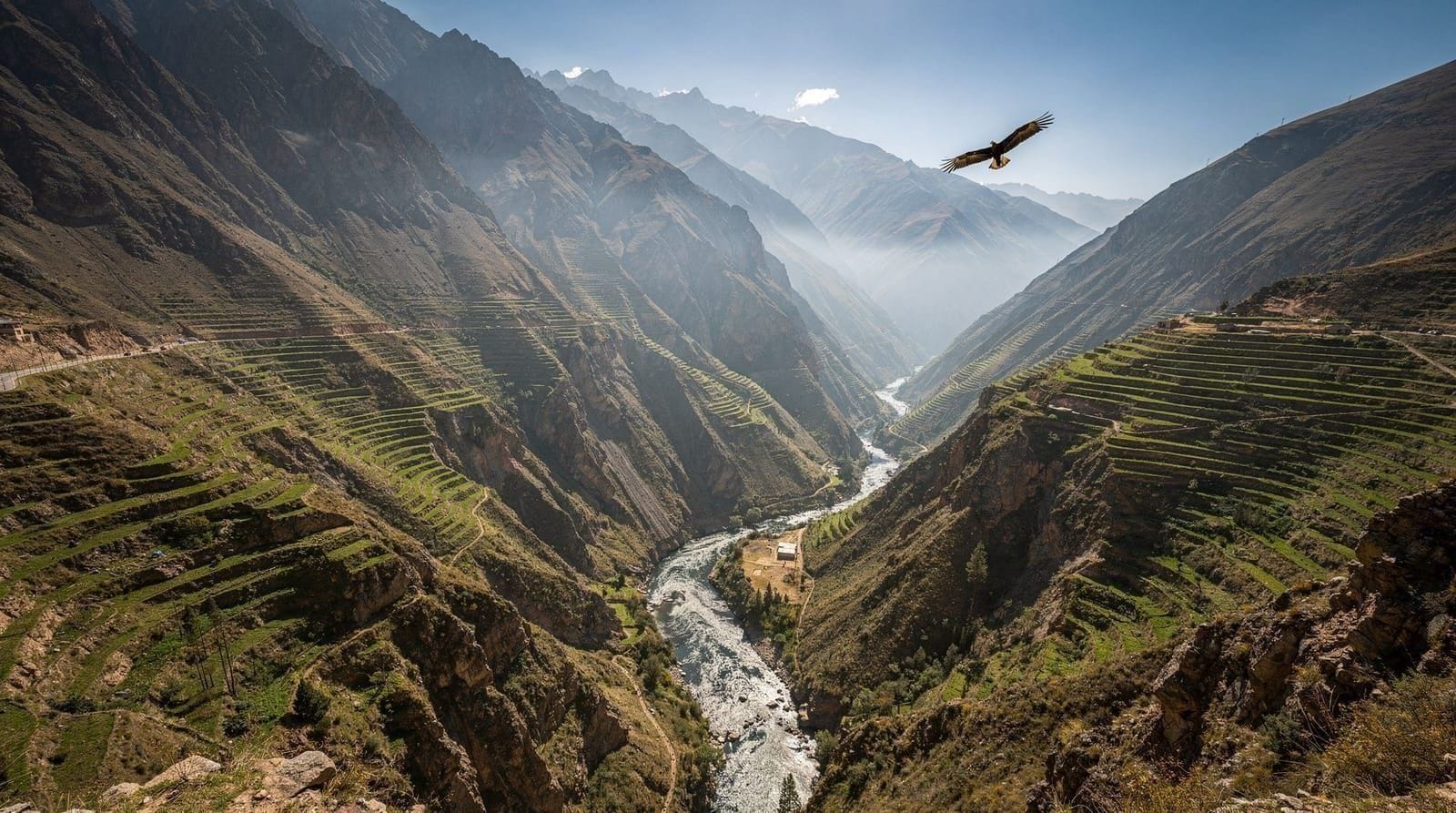
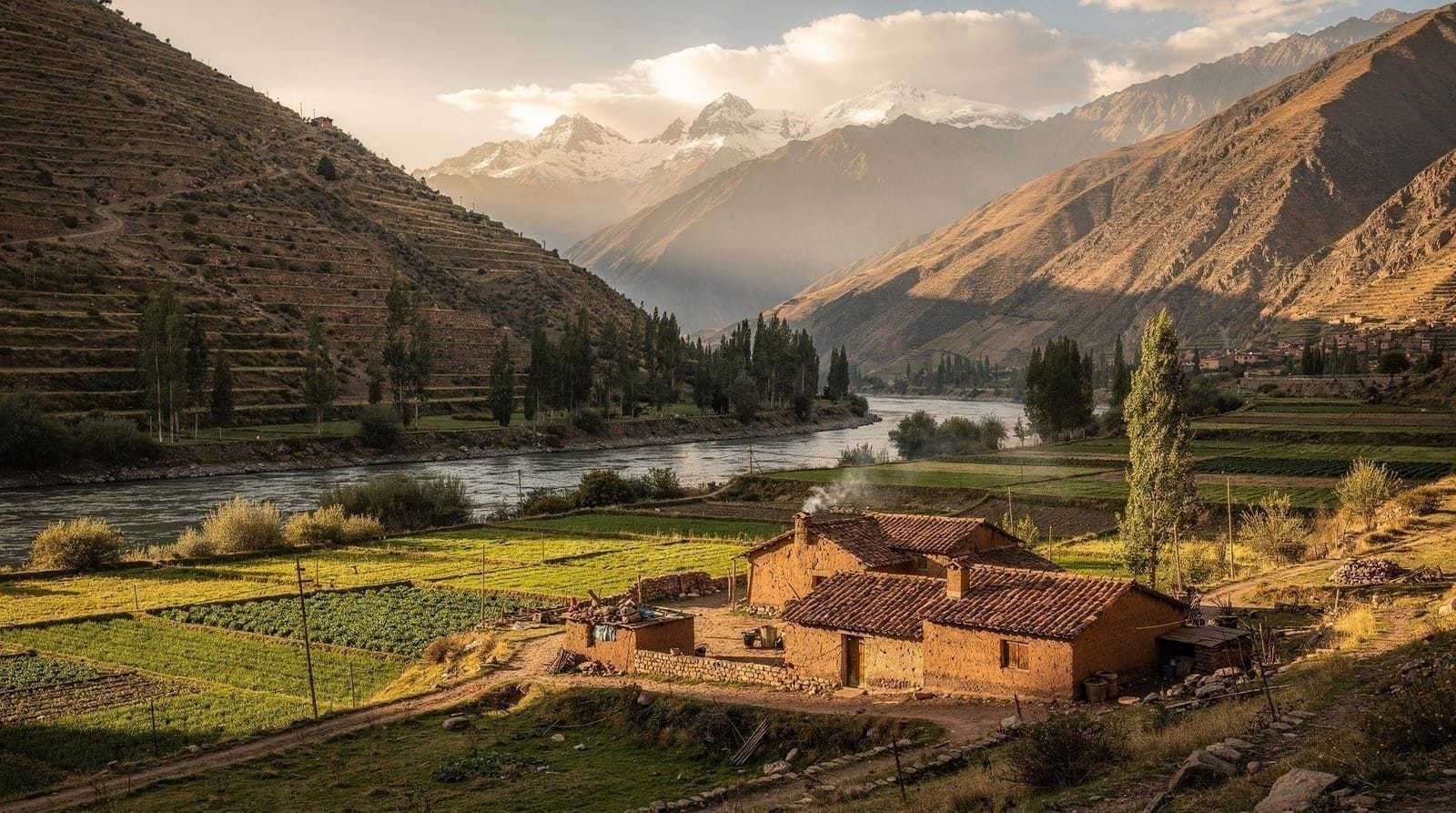
A full day on the classic Sacred Valley circuit: the terraces of Maras and Moray, the Pisac ruins and the fortress of Ollantaytambo. It is a gentle sightseeing day that doubles as acclimatisation.
Pisac, Maras, Moray and Ollantaytambo small-group tourSleep in Ollantaytambo for the morning train.
Day 3: Machu Picchu
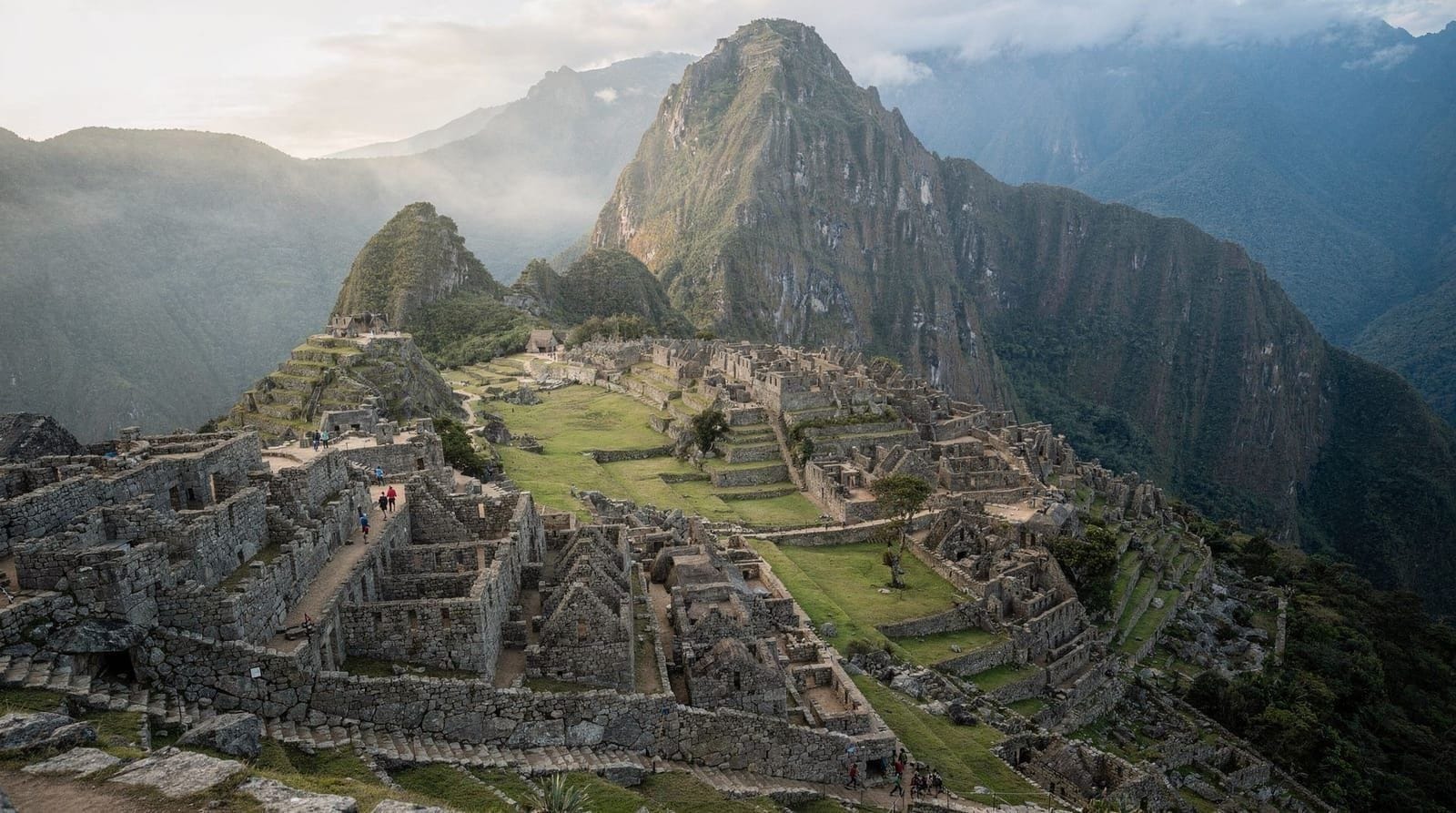
Train from Ollantaytambo to Aguas Calientes (about 1.5 hours), then the shuttle bus up to Machu Picchu. You need a timed entry ticket with a specific circuit, booked well ahead; see the how to get to Machu Picchu guide and the ticket types compared. A packaged day trip handles train and entry together.
Machu Picchu day trip with train and entrance ticketIf you can, sleep one night in Aguas Calientes and visit the ruins early the next morning before the day crowds; this turns Days 3 and 4 into a more relaxed two-day Machu Picchu segment.
Day 4: To Cusco
Return to Cusco and settle in. You are now well acclimatised. Use the afternoon for a gentle introduction to the city or a cooking class; the San Pedro market and a market-to-table cooking session are a good low-effort option after the Machu Picchu day.
Cusco cooking class and market tourDay 5: Cusco city
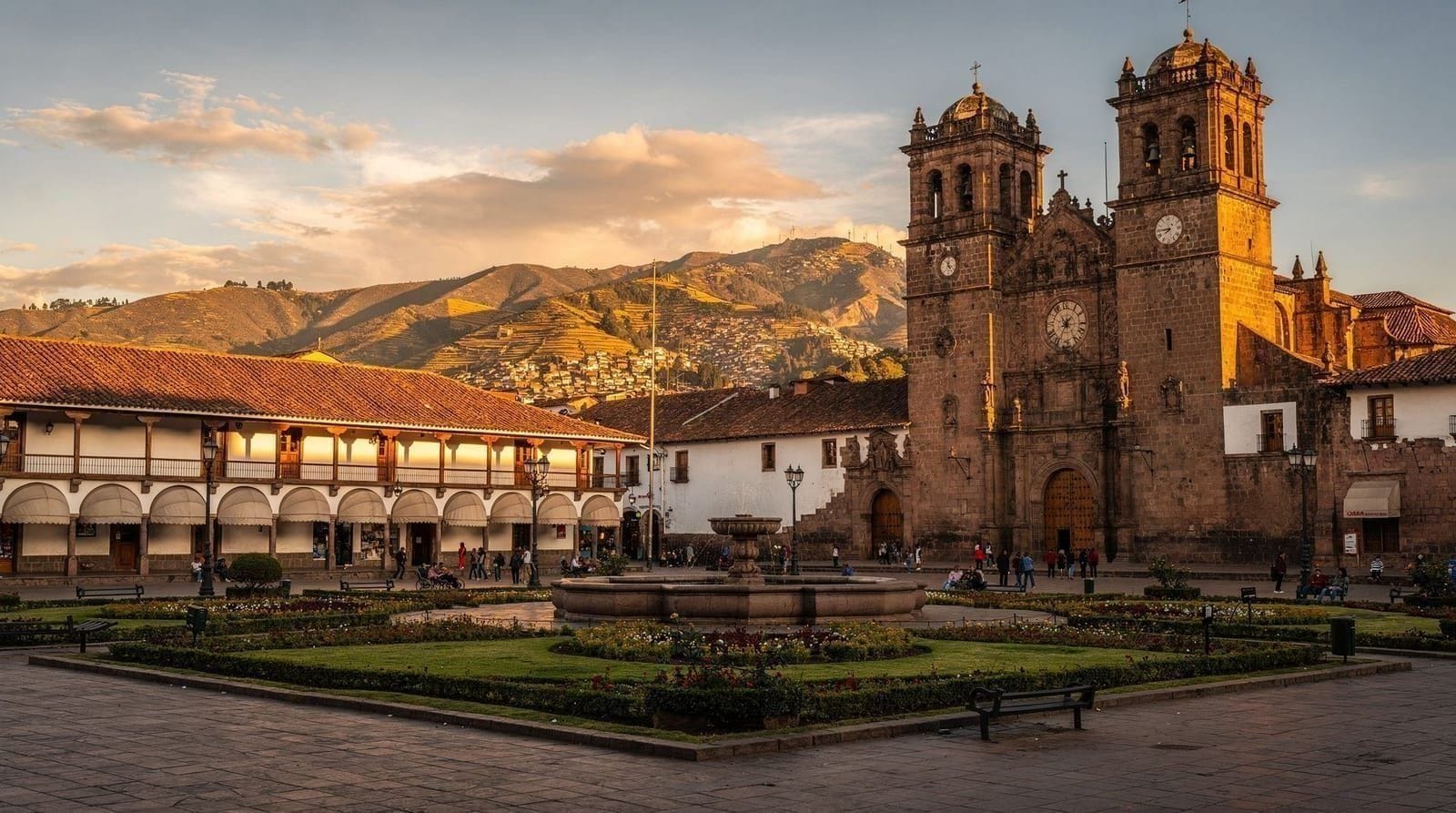
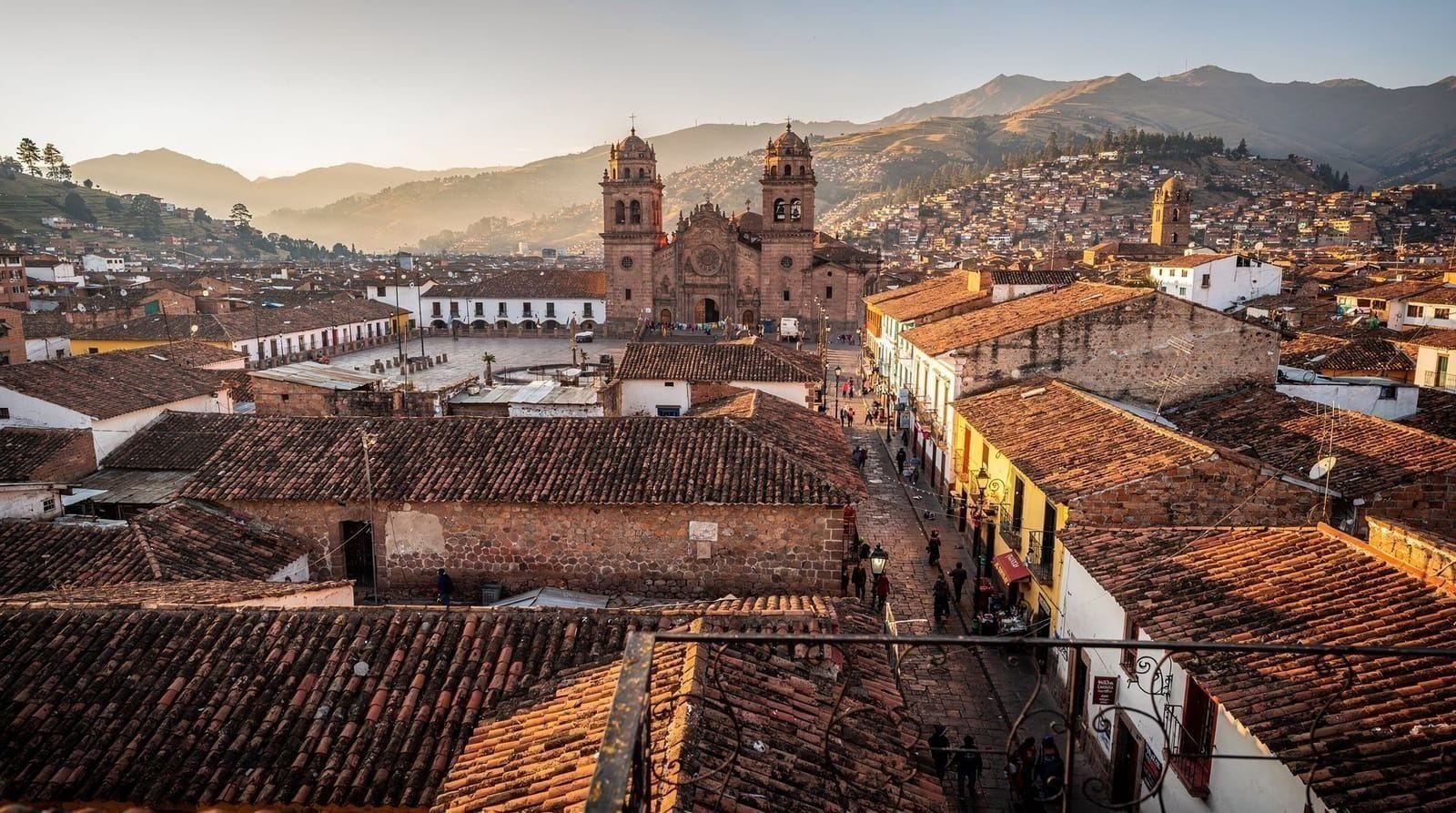
A full day in Cusco: the San Blas quarter, Qorikancha, Sacsayhuamán and the Plaza de Armas. A half-day city tour covers the major Inca and colonial sites efficiently. Watch for the Cusco tourist traps around the plaza.
Cusco half-day city tour with SacsayhuamánDay 6: Cusco region extra day
A spare day to go deeper. Options include a day hike to Rainbow Mountain or Humantay Lake, both long high-altitude days best done now; the south-valley ruins of Tipón and Pikillacta; or simply more of Cusco at a slower pace. If you would rather not push the altitude, the Pisac and Chinchero markets are an easier choice.
Day 7: Overland to Puno
Take the Route of the Sun tourist bus from Cusco to Puno, stopping at the Raqchi temple, the Andahuaylillas “Sistine Chapel of the Andes” and the La Raya pass at 4,335 m. About 10 hours, but a worthwhile sightseeing transfer rather than dead time.
Route of the Sun bus from Cusco to Puno with stopsArrive in Puno on Lake Titicaca at 3,800 m, the highest point of the trip; take the evening easy.
Day 8: Lake Titicaca
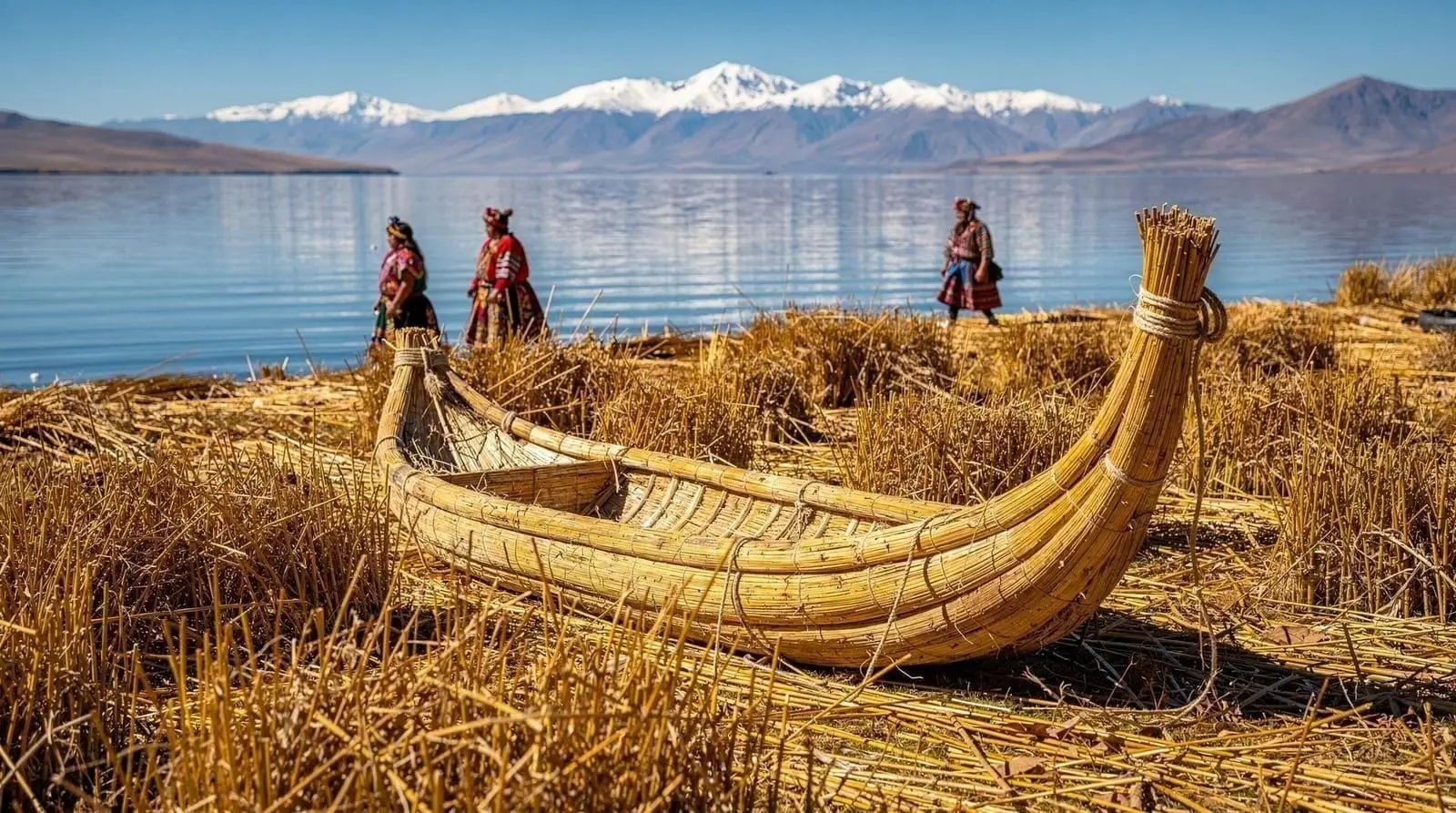
The classic full-day boat trip on Lake Titicaca visits the floating reed islands of the Uros and the weaving community of Taquile Island, where lunch is usually included. The lake light and the highland horizon are extraordinary.
Lake Titicaca full-day Uros and Taquile tourFor a deeper experience, swap the day trip for an overnight homestay on Amantaní, returning via Taquile the next day. It means a basic bed and a cold night, but it is one of the more genuine cultural experiences in the country.
Day 9: Puno and buffer
A flexible day. If you did the day trip on Day 8, use this for the Sillustani chullpa burial towers near Puno, a half-day excursion to dramatic funerary stone towers above a lagoon. If you did the Amantaní overnight, this is your return and rest day. It also acts as a buffer in case of transport delays.
Day 10: Fly home
Fly out from Juliaca (Puno’s airport, about 45 minutes from town) via Lima, or transfer back to Cusco if your ticket runs through there. Leave a wide buffer for the connection. If your trip is a Peru–Bolivia combination, this is the day to cross the border to Copacabana instead of flying.
The 10 days at a glance
| Day | Base | Focus |
|---|---|---|
| 1 | Sacred Valley | Fly to Cusco, transfer down to acclimatise |
| 2 | Sacred Valley | Pisac, Maras, Moray, Ollantaytambo |
| 3 | Aguas Calientes | Train and Machu Picchu |
| 4 | Cusco | Return, cooking class or gentle afternoon |
| 5 | Cusco | City tour: San Blas, Qorikancha, Sacsayhuaman |
| 6 | Cusco | Spare day: Rainbow Mountain, Humantay or markets |
| 7 | Puno | Route of the Sun bus over the altiplano |
| 8 | Puno | Uros and Taquile boat trip |
| 9 | Puno | Sillustani or Amantani return, buffer |
| 10 | - | Fly out from Juliaca or cross to Bolivia |
Getting the altitude order right
Because there is no sea-level warm-up on this route, the sequence of the first days does all the acclimatisation work. Landing in Cusco at 3,400 m and immediately transferring down to the Sacred Valley, several hundred metres lower, is the single most important decision on the trip. Spend two nights low, do the gentle valley circuit as your first real activity, and only then return to Cusco’s altitude once your body has adjusted.
Lake Titicaca at 3,800 m, the highest place you sleep, is left until the end for the same reason. If you are unsure whether to base in Cusco or the valley, the Cusco altitude vs Sacred Valley guide weighs it up, while the acclimatisation plan and the notes on coca tea and altitude remedies cover the day-to-day tactics.
Making the most of the Titicaca leg
Puno itself is a working port town rather than a sight, so the point of the leg is the lake. The standard day trip covers the Uros reed islands and Taquile, but the more memorable option is an overnight homestay on Amantani, where you eat and sleep with a local family; cold and basic, but genuine, as the Titicaca homestay diary describes.
The lake is also surprisingly rich in birdlife and its own endemic species, covered in the Lake Titicaca wildlife guide. However you spend the days, factor in that this is the highest, coldest part of the trip and the light is at its best in the early morning. Travellers wanting a broader southern loop can pair this with the southern grand tour.
Where to sleep
- Sacred Valley: Ollantaytambo for the train; Urubamba for the best hotels.
- Cusco: San Blas for charm; near the Plaza de Armas for convenience.
- Aguas Calientes: optional night for an early Machu Picchu visit.
- Puno: lakeshore for views; central for restaurants.
Realistic budget
Per person on the ground, mid-range, excluding international flights:
- Flights (Lima–Cusco in, Juliaca/Cusco–Lima out): USD 120–230.
- Sacred Valley tour: USD 35–60.
- Machu Picchu (train, bus, entry): USD 170–230.
- Cusco tours and an optional day hike: USD 60–150.
- Route of the Sun bus: USD 50–70.
- Titicaca tour or homestay: USD 30–80.
- Hotels (9 nights, mid-range double per person): USD 350–650.
- Food and incidentals: USD 30–50 per day.
A comfortable ten days lands around USD 1,300–2,000 per person on the ground.
Frequently asked questions about the Cusco and Titicaca itinerary
Is this trip harder because it skips the coast?
Slightly, because every night is at altitude with no sea-level warm-up. The first two nights in the lower Sacred Valley do the acclimatisation work, and Titicaca, the highest part, is left until the end. Pace the opening days and you will be fine.
Should I take the train, bus or plane from Cusco to Puno?
The Route of the Sun tourist bus is the best balance: about 10 hours but with worthwhile stops. The luxury Andean Explorer train is scenic and expensive; a plain night bus is cheapest but skips the sights. See the Cusco to Puno transport guide.
Day trip or homestay on Lake Titicaca?
The day trip is comfortable and covers the Uros and Taquile. The Amantaní homestay is more memorable but basic and cold. Choose the homestay if cultural depth matters more than comfort.
Can I continue into Bolivia from Puno?
Yes. Puno is the standard jumping-off point for crossing to Copacabana and La Paz on the Bolivian side of Lake Titicaca, which makes this itinerary a natural first half of a two-country trip.
Do I still need Machu Picchu tickets in advance?
Always. Timed entry with a fixed circuit and daily caps means high-season slots sell out weeks ahead. Book entry and train together as early as you can.
When is the best time to go?
The dry season (May–September) for clear skies on the lake and at Machu Picchu, though nights at Titicaca are cold year-round. Shoulder months (April, October) balance weather and crowds. See the best time to visit Peru guide.
Top experiences
Bookable activities with verified prices and instant confirmation on GetYourGuide.