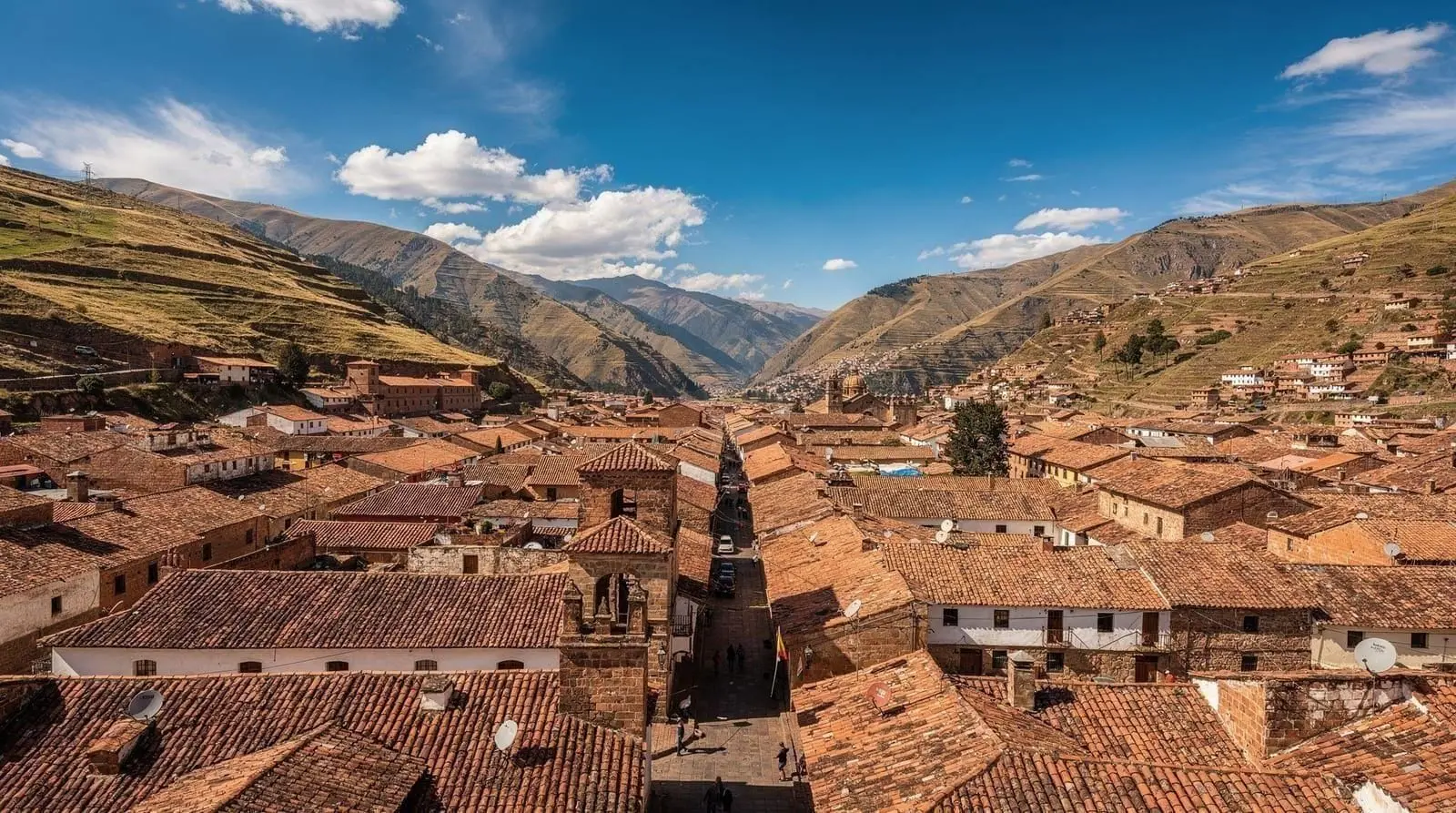
A day-by-day Cusco acclimatization plan that actually works
How many days do I need to acclimatise in Cusco?
Plan two to three days before any strenuous activity. Spend your arrival day resting, hydrate hard, skip alcohol, and ease into gentle walking on day two. By day three most people are ready for Machu Picchu, the Sacred Valley, or a high-altitude day trip.
Why the first 48 hours decide the rest of your trip
Cusco sits at 3,400 m (11,150 ft), where the air holds roughly a third less oxygen than at sea level. Fly in from Lima at sea level and your body lands in an environment it has no time to prepare for. The result, for a meaningful share of visitors, is soroche — altitude sickness — and it does not care about your fitness. Marathon runners get flattened; sedentary travellers sometimes sail through. It is unpredictable, and the only reliable defence is time and pacing.
| Where | Cusco, 3,400 m / 11,150 ft |
| Time needed | 2-3 days before strenuous activity |
| Cost | Free (rest, water); Diamox by prescription |
| Key trick | Sleep lower in the Sacred Valley first if possible |
| Best pace | Rest day 0, flat walking day 1, ruins day 2, high days from day 3 |
The mistake that ruins trips is treating arrival day as a full day. People land, dump their bags, and charge straight up the cobbled stairs to Sacsayhuamán or out to a high day trip, then spend night one headachy, nauseous, and unable to sleep. A little planning turns those wasted first days into the foundation that makes Machu Picchu, the Sacred Valley, and Rainbow Mountain enjoyable rather than miserable. This guide lays out a realistic day-by-day plan, plus the medication and red-flag information you should know before you go. It is general travel advice, not a substitute for talking to your own doctor.
The single best trick: arrive lower if you can
Before the day-by-day, the most useful structural decision: if your schedule allows, do not start in Cusco at all. Towns in the Sacred Valley sit several hundred metres lower — Urubamba at about 2,870 m, Ollantaytambo at about 2,790 m. Sleeping a night or two down there before coming up to the city is genuinely easier on your body than the reverse, because you ascend in smaller steps.
Many seasoned operators now build itineraries this way, and it also positions you closer to the train for Machu Picchu. The trade-off and the full reasoning are covered in Cusco altitude vs the Sacred Valley; if you can rearrange your route, it is the highest-value change you can make.
If you must start in Cusco — many flights and tours assume it — the plan below still works. You just have to be more disciplined about the first 48 hours.
Day 0: arrival day — do almost nothing
Treat the day you fly into Cusco as a rest day, not a sightseeing day.
- Move slowly from the airport. The terminal is at altitude too. Take a taxi to your hotel rather than hauling bags uphill.
- Rest for several hours. Lie down, nap if you can, and let your body register the elevation before you do anything.
- Hydrate aggressively. Aim for three or more litres of water across the day. Dehydration mimics and worsens altitude symptoms, and the dry mountain air dehydrates you faster than you notice.
- Skip alcohol entirely. A celebratory pisco sour on night one is the classic mistake; alcohol both dehydrates and depresses breathing.
- Eat light. Heavy meals divert oxygen-hungry blood to digestion. Soups, simple carbs, and small portions are kinder.
- Accept the free mate de coca most hotels offer in the lobby. It gives mild relief from headache and fatigue. It is legal and normal in Peru, though be aware it can trigger a positive drug test for cocaine metabolites for a few days.
If you feel a headache or breathlessness at rest on the first night, that is common and usually passes. Take an ordinary painkiller, drink water, and rest. Do not panic — but do read the red-flag section below so you know what is not normal.
Day 1: gentle, flat, low-effort
Your first full day is for easy, flat movement that lets you see the city without taxing your lungs.
- Walk the historic centre slowly. The area around the Plaza de Armas is mostly level. Wander, sit in the square, visit the cathedral or a museum — anything that does not involve sustained climbing.
- Avoid the steep stuff. Save Sacsayhuamán, the San Blas hill, and any uphill ruins for later. The gradient at this altitude is real and will leave you gasping if you push it now.
- Keep hydrating and keep alcohol off the table for at least the first day or two.
- Sleep well. Poor sleep is itself an altitude symptom; do not compound it with a late night out on the Plateros bar strip.
A licensed half-day city tour that drives you up to the ruins above town is a smart compromise on day one or two: it spares you the steep walk while still giving you context. But if you are still feeling rough, there is no shame in pushing it to day two.
Day 2: ease into elevation
By the second full day most people feel markedly better and can handle more.
- Take on the ruins above town. Sacsayhuamán and the cluster of Tambomachay, Qenqo, and Puka Pukara are now manageable. Go at a steady pace and rest when you need to.
- Climb into San Blas if you skipped it, taking the steep lanes slowly.
- Test your body before committing to anything extreme. If a gentle uphill still leaves you wrecked, you are not yet ready for a 4,000-metre-plus day trip; give it another day.
Day 3 onward: the high days
By day three, the great majority of travellers are acclimatised enough for the headline activities.
- Machu Picchu at 2,430 m is actually lower than Cusco, so the citadel itself is not the altitude concern — the trains and transfers are the logistics concern.
- The Sacred Valley full-day circuit is comfortable now.
- Rainbow Mountain (5,000 m+), Humantay Lake, and the high passes are the genuinely demanding excursions and should wait until you have at least two or three days at altitude behind you. Even acclimatised, these are hard; pace yourself ruthlessly.
Medication, supplements, and what actually helps
Acetazolamide (Diamox) is the one drug with solid evidence. It speeds acclimatisation and reduces symptoms, and it is most effective when started a day before ascent. It is a prescription medication with side effects — tingling fingers, frequent urination, an odd taste to carbonated drinks — so the right move is to discuss it with a doctor at home, not to buy “soroche pills” over the counter on arrival without knowing what you are taking. Sulfa allergies and certain conditions rule it out, which is exactly why a doctor should sign off.
Coca — as tea, leaves to chew, or hard candies — gives mild, real relief and is woven into Andean life. Treat it as a comfort aid, not a cure, and remember the drug-test caveat.
Oxygen is available: pharmacies on Avenida El Sol sell canisters, and several clinics deliver oxygen to hotels for travellers who are struggling. It relieves symptoms temporarily but does not replace acclimatising.
What does not work: being fit does not protect you, “powering through” makes things worse, and arriving and immediately doing a high trek is the surest route to a ruined first week.
Red flags: when to stop and descend
Ordinary altitude symptoms — headache, breathlessness on exertion, poor sleep, mild nausea, fatigue — are uncomfortable but normal and usually ease within a day or two. The following are not normal and are warning signs of the dangerous forms, high-altitude cerebral and pulmonary oedema (HACE and HAPE):
- Confusion, drowsiness, or an inability to walk a straight line.
- A severe headache that painkillers will not touch, with relentless vomiting.
- Breathlessness at rest that worsens, or a wet, gurgling, bubbling cough.
- Bluish lips or fingernails.
These require immediate descent and medical attention. Cusco has clinics accustomed to altitude cases, and descent to the lower Sacred Valley or Lima is itself a treatment. Do not gamble on these passing; they can escalate fast.
How acclimatisation fits the bigger trip
Build acclimatisation into your itinerary as a feature, not an afterthought. A clean southern-Peru sequence often runs Lima, then the lower Sacred Valley, then Cusco, then the high day trips and Machu Picchu — front-loading the gentler altitudes so your body steps up gradually. If your dates fall in a festival month like June, when Corpus Christi and Inti Raymi draw crowds, the same rules apply: keep your first day or two quiet regardless of what is happening in the plaza. For routing across the country, see /itineraries/ and the two-week Peru itinerary guide, and for seasonal weather, the best time to visit Peru.
The plan at a glance
| Day | Activity level | What to do |
|---|---|---|
| Day 0 (arrival) | Rest | Taxi to hotel, nap, hydrate, no alcohol, light food |
| Day 1 | Flat, low-effort | Walk the historic centre, avoid steep climbs |
| Day 2 | Moderate | Sacsayhuamán, San Blas hill |
| Day 3+ | Full activity | Machu Picchu, Sacred Valley, Rainbow Mountain, high passes |
Travelling with altitude-sensitive family members
Older travellers, young children, and anyone with heart or lung conditions should treat this plan as a minimum rather than a target. Add an extra rest day if the schedule allows, keep a closer eye on symptoms that a child might not describe clearly (unusual drowsiness, refusing food or water, unsteady walking), and have a clear plan for descending to the Sacred Valley or back to Lima if anyone develops the red-flag symptoms below. Travel insurance that covers altitude-related evacuation is worth checking before you go, particularly if your itinerary includes Rainbow Mountain or the high passes.