Lake Titicaca
Lake Titicaca explained honestly: Uros reed islands, Taquile, Amantaní homestays, day tour vs overnight, costs, altitude and avoiding the tourist traps.
Lake Titicaca 2-Day Tour to Uros, Amantani and Taquile
Quick facts
- Altitude
- 3,812 m / 12,507 ft — the highest navigable lake of its size
- Base town
- Puno (boats depart from the Puno port)
- Main islands
- Uros (floating reed), Taquile, Amantaní
- Best for
- Andean island culture, homestays, textile traditions
What Lake Titicaca actually is — and what it is not
Lake Titicaca is the largest lake in South America by volume and, at 3,812 m / 12,507 ft, the highest navigable lake of its size on Earth. It straddles the border between Peru and Bolivia; this guide covers the Peruvian side, reached from Puno. The water is a deep, almost improbable blue, the light at altitude is fierce, and the surrounding plateau (the altiplano) feels genuinely remote.
What it is not is a wilderness escape. The lake’s tourism is mature, organised and, in places, heavily commercialised. The trick to enjoying Titicaca is choosing the right kind of visit for who you are — a brisk day tour and an immersive two-day homestay deliver very different experiences from the same lake. This page lays out both honestly so you can pick correctly.
| Where | Puno, southern Peru, on the Peru-Bolivia border |
| Cost | Around S/100–160 day tour or S/150–250 for a 2-day homestay |
| Time needed | 1 day (Uros + Taquile) or 2 days (add an Amantaní homestay) |
| Getting there | Boats depart from Puno port; buses/trains reach Puno from Cusco and Arequipa |
| Best time | May to October for drier, sunnier days |
The three island groups
Uros — the floating reed islands
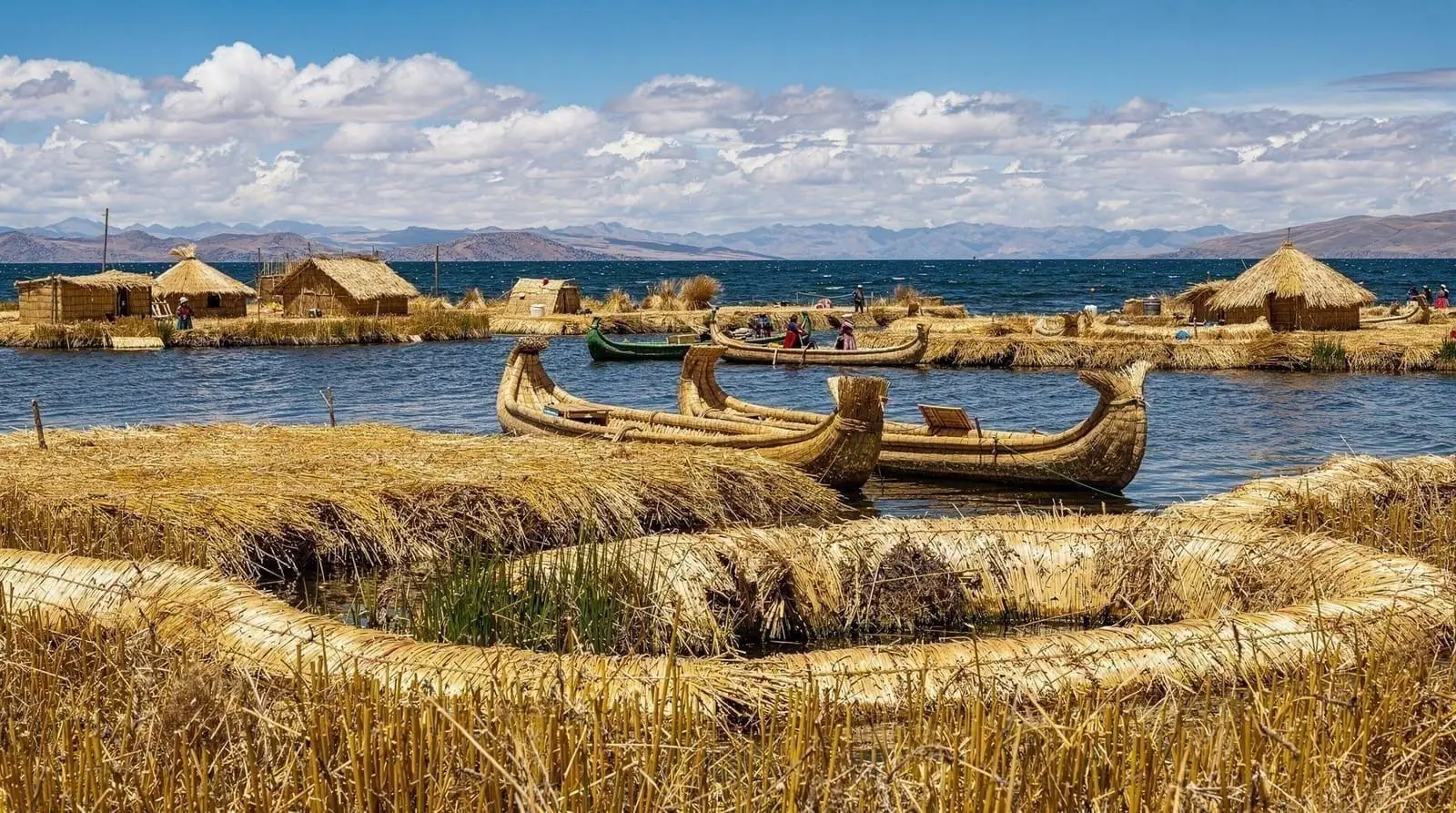
The Uros are clusters of artificial islands built from layered totora reeds, anchored a short boat ride (around 25–40 minutes) from Puno port. People genuinely live on them, and the reed-building tradition is real and continuous. The islands must be topped up with fresh reeds constantly as the base rots from below — a fact your host will demonstrate.
Here is the honest part: the closest Uros islands to Puno have become a textbook example of staged tourism. A typical stop runs 30–45 minutes and follows a script — a reed-construction demo, a welcome song, and then a clear invitation to buy embroidered textiles or pay extra (around S/10–15) for a ride on a decorative reed boat. It is friendly rather than aggressive, but it is unmistakably transactional.
This does not mean you should skip Uros. Seeing a functioning floating settlement is genuinely unusual, and the photographs are extraordinary. Just go in clear-eyed: bring small soles, decide in advance whether you want the reed-boat ride, and treat the handicraft sales as the islanders’ legitimate livelihood rather than a scam. Tours that travel further from Puno tend to reach less heavily visited islands.
Taquile — textiles and terraces
Taquile Island is a real, inhabited farming island about 2.5–3 hours by slow boat from Puno. Its community is famous for a textile tradition recognised by UNESCO, where the men knit and the social hierarchy is read in the colour and shape of woven hats. The island has terraced fields, no cars, and a steep climb from the dock — several hundred stone steps rising above 3,800 m, which is genuinely strenuous at this altitude. Lunch (usually fresh lake trout and quinoa soup) is typically eaten in the village. Full detail on the Taquile Island page.
Amantaní — the homestay island
Amantaní is larger, quieter and further out — the usual base for overnight homestays. Families host travellers in simple rooms, share home-cooked meals, and in the evening often dress guests in traditional clothing for a community dance in the village hall. The two hilltop temples, Pachatata and Pachamama, are a sunset walk above the village (a hard climb at altitude but worth it for the views). Amantaní’s homestays are the single most worthwhile experience on the Peruvian side of the lake for travellers who want substance over a photo stop.
Day tour vs overnight homestay — which to choose
The full-day tour (roughly 7–9 hours) covers Uros and Taquile, returning to Puno the same evening. It is the right choice if you are short on time, want to keep moving on your itinerary, or are not drawn to the idea of staying with a host family. The downside is a lot of boat time for two fairly brief island stops. The full-day Lake Titicaca tour to Uros and Taquile bundles the boat, guide, island entry fees and lunch into one booking, which is the simplest way to do the classic day trip.
The speedboat day tour covers the same Uros and Taquile circuit but spends far less time crossing the water, leaving more time on the islands or freeing up your afternoon. It costs more but is the efficient choice if you have a bus to catch. Compare on the Uros and Taquile speedboat tour.
The two-day homestay overnights on Amantaní and adds Taquile and Uros across two days. This is the immersive option: you eat with a family, sleep in their home, climb to the island temples at sunset and join the evening dance. It is rustic — expect basic bathrooms, cold nights and simple food — but it is the experience travellers remember years later. The two-day Lake Titicaca tour to Uros, Amantaní and Taquile arranges the host family, all transport and meals.
My honest steer: if you have the time and any interest in the culture, the homestay is worth the extra night. If you are tight on schedule or travelling with very young children, the full-day tour is the sensible call.
Costs and what is included
- Full-day Uros + Taquile tour: roughly S/100–160 / about $27–43, usually plus small island entry fees (around S/10–20 collected on each island) and lunch.
- Speedboat day tour: noticeably higher, often S/200–300 / about $54–80.
- Two-day Amantaní homestay: roughly S/150–250 / about $40–67 including all transport, the host family, and most meals.
Always confirm whether island entry fees, lunch and the reed-boat ride are included or extra — this is the most common source of dock-side confusion. Booking a package that states inclusions clearly avoids haggling at the port.
Altitude, weather and what to bring
At 3,812 m, Lake Titicaca is higher than Cusco and considerably higher than Arequipa. Acclimatise before you arrive — ideally a few nights in Cusco or a gradual climb from Arequipa. The island walks (Taquile’s steps, Amantaní’s temples) are real exertion at this elevation, so pace yourself and do not be embarrassed to stop.
The high-altitude sun is brutal on the open water — sunburn happens fast even on cold days. Pack:
- Strong sunscreen, sunglasses and a brimmed hat
- A windproof and warm layer (the lake is breezy and afternoons cool quickly)
- For the homestay: a head torch, warm sleeping clothes, and any toiletries you need (facilities are basic)
- Plenty of small-denomination soles for tips, handicrafts and island fees
- A reusable water bottle and any altitude medication you use
Mornings are generally calmer and clearer; afternoons can turn windy and choppy, which is one reason most tours depart early.
Responsible visiting
The island communities depend on tourism but also bear its strain. A few simple practices make your visit better for everyone: buy directly from the makers rather than haggling hard over a few soles, accept the homestay food graciously even when it is unfamiliar, ask before photographing people, and tip your host family fairly (S/20–40 is reasonable and genuinely appreciated). On Uros, paying for the reed-boat ride is a meaningful contribution to families who see only a sliver of the tour price.
Planning your wider trip
Lake Titicaca pairs naturally with the overland route between Cusco and Arequipa. Most travellers reach it via Puno, often arriving on the scenic Route of the Sun bus from Cusco and continuing to Arequipa and the Colca Canyon. See the itineraries hub for full routings and the planning tools to sequence the altitude legs.
Frequently asked questions about Lake Titicaca
Is Lake Titicaca worth visiting?
Yes, with the right expectations. The lake itself, Taquile’s textile culture and an Amantaní homestay are genuinely rewarding. The closest Uros islands are commercialised, so go understanding the format. Choosing the experience that fits your time and interests is the key to enjoying it.
Should I do a day tour or an overnight homestay?
If you have the time and any interest in island culture, the two-day Amantaní homestay is the more memorable experience. If you are short on schedule or prefer comfort, the full-day Uros and Taquile tour covers the highlights and returns to Puno the same evening.
Are the Uros floating islands real or fake?
They are real — people genuinely live on hand-built reed islands and the construction tradition is continuous. However, the islands closest to Puno run a heavily commercialised, scripted tourist stop. It is still worth seeing once if you understand the transactional nature in advance.
How high is Lake Titicaca and will I feel the altitude?
The lake sits at 3,812 m, higher than Cusco. Most travellers feel the altitude, especially on the steep island climbs. Acclimatise beforehand, take the walks slowly, stay hydrated and consider altitude medication if you are prone to symptoms.
How much does a Lake Titicaca tour cost?
A full-day Uros and Taquile tour runs roughly S/100–160 plus small island fees and lunch. A speedboat tour costs more for less water time. A two-day Amantaní homestay is roughly S/150–250 including transport, the host family and meals.
What should I bring to Lake Titicaca?
Strong sun protection (the altitude UV is intense over water), a warm windproof layer, plenty of small soles for fees and tips, and — for a homestay — a head torch, warm sleeping clothes and your own toiletries, since island facilities are basic.
Top experiences
Bookable activities with verified prices and instant confirmation on GetYourGuide.
