Peru in 10 days: Lima, the south coast, Cusco and Machu Picchu
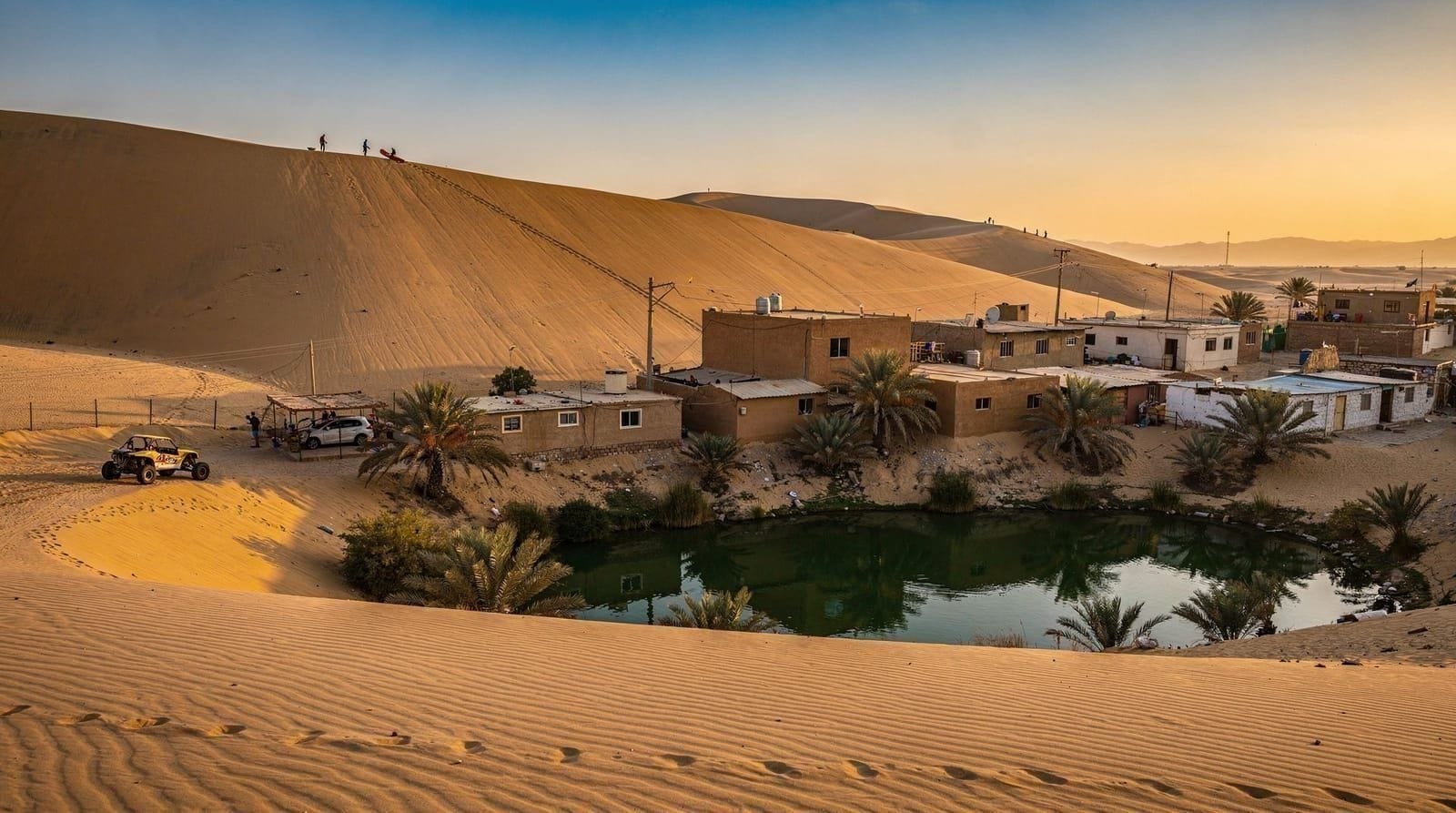
From Lima: Paracas–Huacachina and Nazca Lines 2 Days/1 Night
Ten days lets you add the south coast to the standard Andes circuit without rushing the mountains. The coast is at sea level, which is also useful: you start your trip low, gradually work south, and only fly up to Cusco once you have eased into the country. This is the itinerary I recommend most often for a first proper visit.
What can you see in Peru in 10 days?
Ten days is enough for Lima, the south coast (Paracas, Huacachina and the Nazca Lines) and the full Cusco, Sacred Valley and Machu Picchu loop. The south coast is reached by comfortable buses from Lima; the Andes leg needs one return flight. It is a balanced mix of coast, desert and mountains without the long detours to Titicaca or the Amazon.
| Route | Lima to Paracas, Huacachina, Nazca, Cusco and Machu Picchu |
| Days needed | 10; coast by bus, one return flight to Cusco |
| Altitude | Only from Day 6; the first five days are at sea level |
| South coast | Ballestas, Nazca flight, Huacachina dunes |
| Best time | May to September for the Andes; coast fine year-round |
| Pace | Balanced; no serious hiking required |
How the days break down
The first four days run south down the desert coast by bus, all near sea level. The remaining six cover Lima logistics plus the high Andes, where altitude pacing matters. Putting the coast first is not just about variety; it means your only altitude exposure comes in the second half, after your body has settled into Peruvian time and food.
You take a single domestic round-trip flight, Lima to Cusco and back, each leg about 1 hour 20 minutes. The coast is done on the ground because the distances (Lima to Paracas is roughly 3.5–4 hours) are easy by bus and there is no useful airport down there for this route. Read the Lima to Paracas and Nazca itinerary guide for the coast logistics in detail.
Day 1: Arrive in Lima
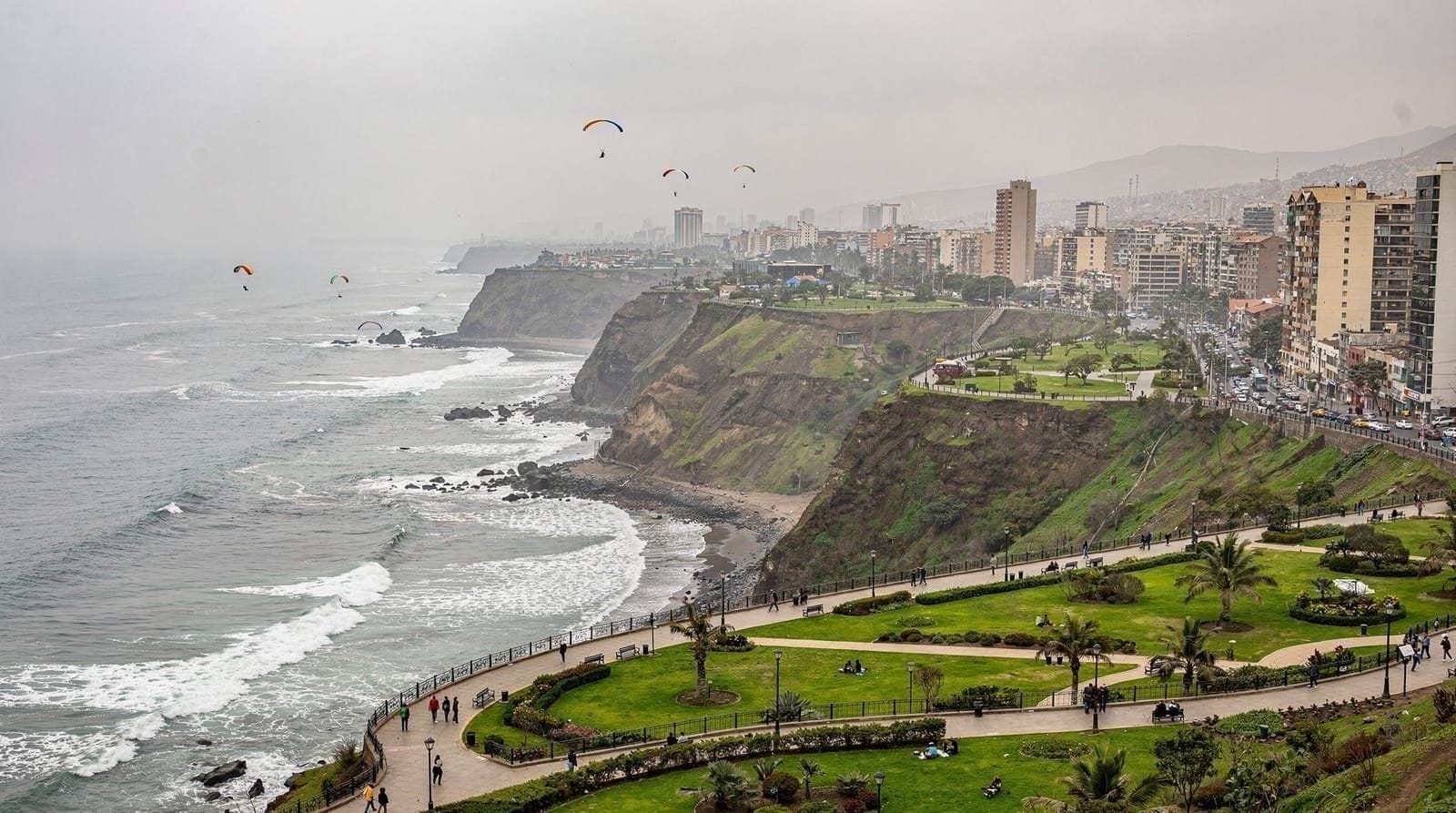
Land, get to Miraflores or Barranco, sleep. Use the official taxi desk inside the terminal or a ride-hailing app, around S/70–90 (USD 19–24) to Miraflores. If your flight gets in at a reasonable hour, walk the Malecón and have a first ceviche.
Day 2: Lima
One full day in Lima before heading south. The Larco Museum and the colonial historic centre are the priorities; a food tour through Miraflores or Barranco is the best afternoon. A combined city tour handles the museum and centre efficiently if you would rather not arrange transport.
Lima city tour with the Larco MuseumDay 3: Bus to Paracas
Take a morning Cruz del Sur or Peru Hop bus south to Paracas, about 3.5–4 hours. Paracas is a small coastal town next to a desert national reserve. In the afternoon, head into the Paracas National Reserve to see the red beaches and cliffs, or relax; the marquee activity is the next morning.
Day 4: Ballestas Islands and on to Huacachina
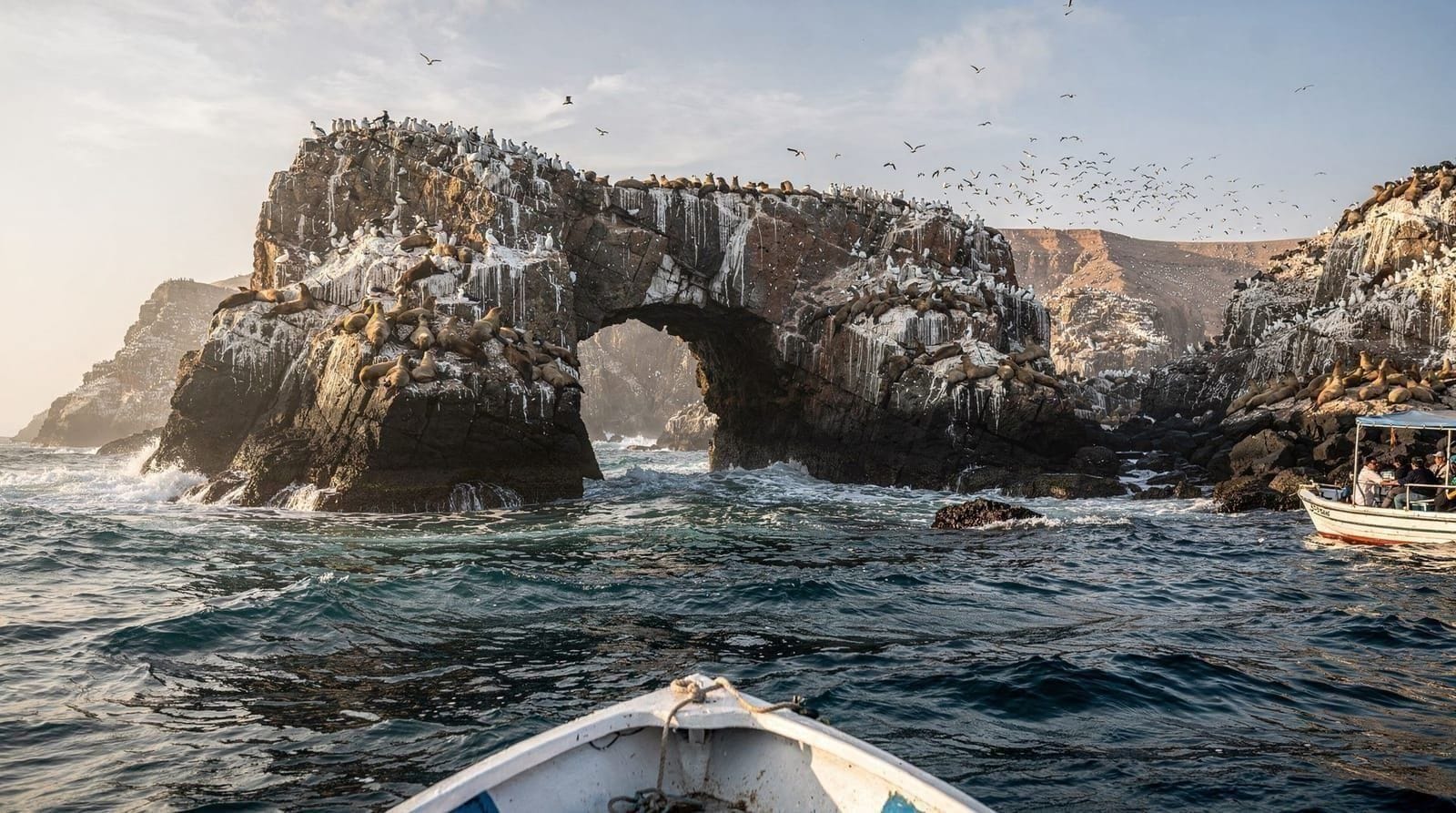
Start with an early boat to the Ballestas Islands, often called “the poor man’s Galápagos” for the sea lions, Humboldt penguins and dense seabird colonies. Boats leave around 8 am; it is a 2-hour round trip and the wildlife is genuinely impressive.
Ballestas Islands and Paracas Reserve tourIn the afternoon, transfer to Huacachina, a real oasis around a lagoon outside Ica, about 1.5 hours. The thing to do here is a dune-buggy and sandboarding session in the late afternoon, timed for sunset over the dunes. It is touristy but legitimately fun. Ica is also pisco country, so a bodega tour is an easy add-on.
Day 5: Nazca Lines, then night bus or onward
The Nazca Lines are best understood from the air. Small planes fly from Nazca or, more conveniently for this itinerary, from the airstrip near Ica or Pisco. The flights are short (about 30 minutes) and bumpy; take motion-sickness precautions. A combined day covering the lines flight from this stretch of coast saves a long detour.
Nazca Lines flight from the south coastIf you are flight-averse, you can view a few figures from the roadside mirador tower, but it is a poor substitute. After Nazca, return north toward Ica or Lima to position for your Cusco flight; many travellers take a night bus back to Lima to save a hotel night.
Day 6: Fly to Cusco, transfer to the Sacred Valley
Fly Lima to Cusco in the morning. On arrival, transfer straight down to the Sacred Valley (Urubamba or Ollantaytambo) rather than sleeping in Cusco; the valley is several hundred metres lower and far gentler on a body arriving from the coast. Take it easy for the rest of the day, hydrate, and skip alcohol. See the Cusco acclimatization plan.
Day 7: Sacred Valley tour
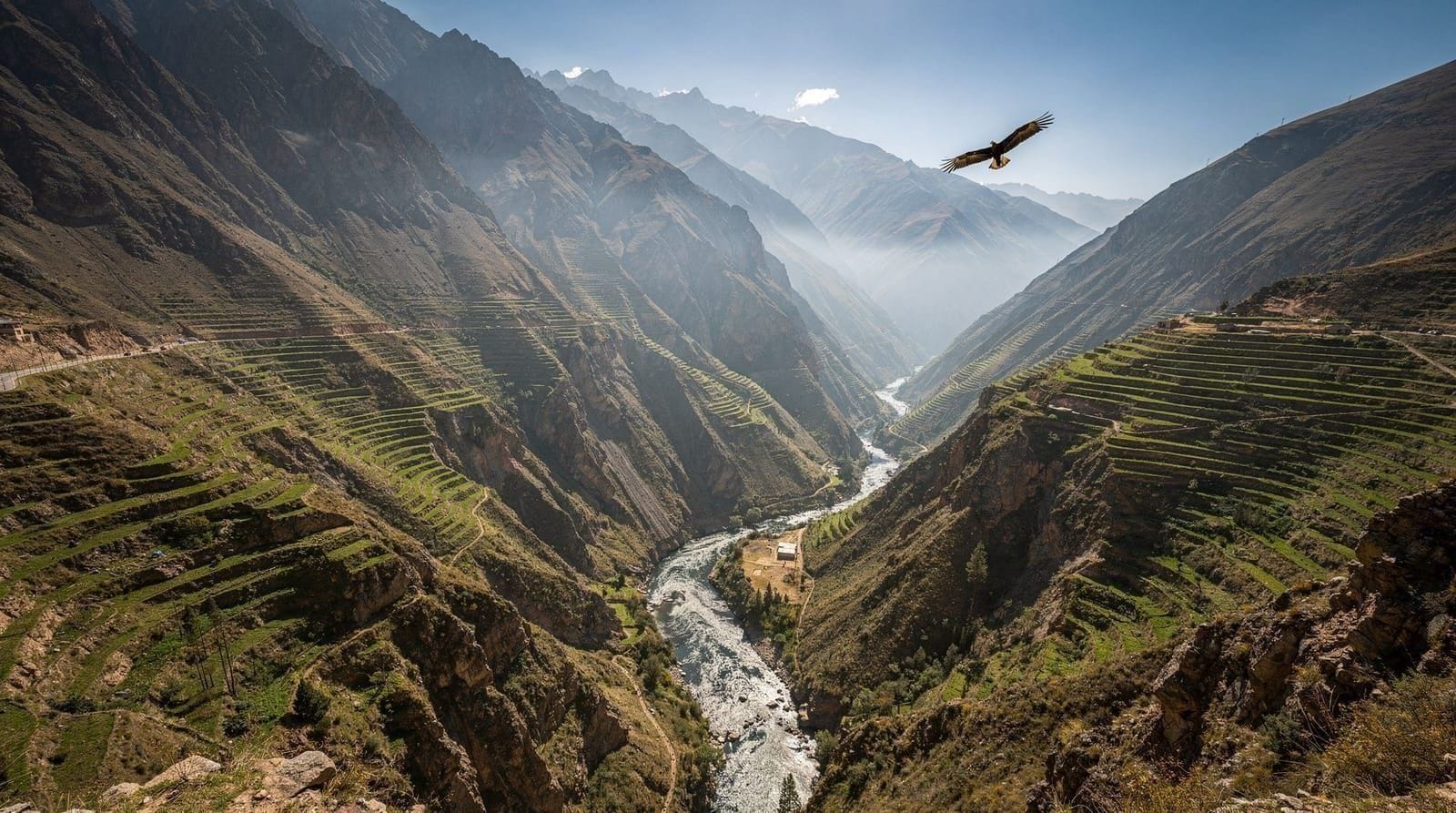
A full day in the valley: the terraces of Maras and Moray, the Pisac ruins and the fortress of Ollantaytambo. This sightseeing day doubles as acclimatisation.
Pisac, Maras, Moray and Ollantaytambo small-group tourSleep in Ollantaytambo so you are positioned for the morning train.
Day 8: Machu Picchu
Train from Ollantaytambo to Aguas Calientes (about 1.5 hours), then the shuttle bus up to Machu Picchu. You need a timed entry ticket with a specific circuit booked well in advance; the Machu Picchu ticket types compared and the how to get to Machu Picchu guide cover the details. A packaged day trip with train and entry handled removes most of the booking friction.
Machu Picchu day trip with train and entrance ticketReturn to the Sacred Valley or up to Cusco in the evening.
Day 9: Cusco
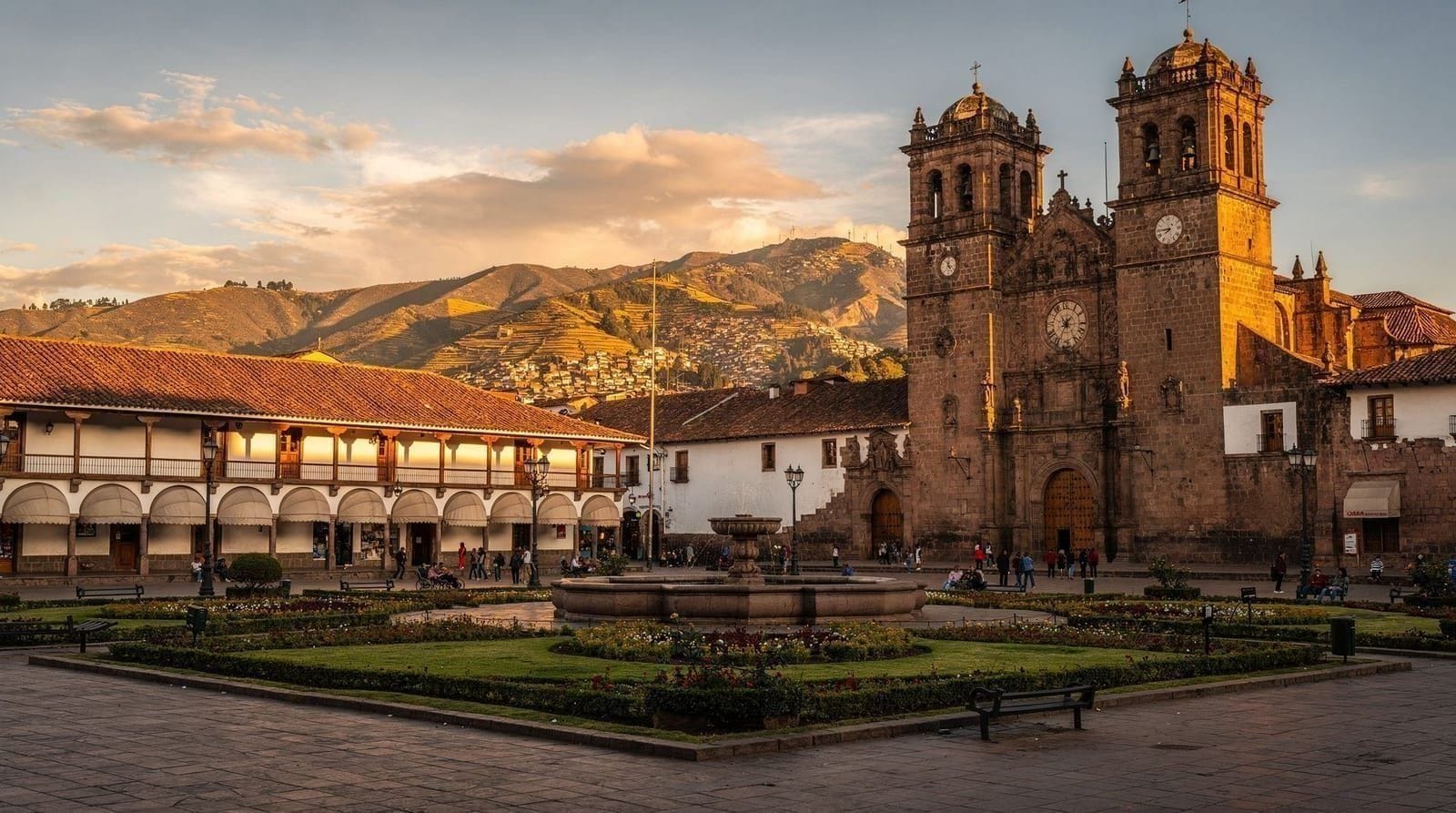
A full day in Cusco now that altitude is no longer an issue: the San Blas quarter, Qorikancha, Sacsayhuamán and the Plaza de Armas. Watch out for the standard Cusco tourist traps. Eat dinner up in San Blas rather than on the plaza.
Day 10: Fly to Lima and onward
Morning flight back to Lima. Leave a generous buffer before any international connection, because Cusco departures are frequently delayed by weather. A last lunch in Miraflores if your long-haul leaves at night.
The 10 days at a glance
| Day | Base | Focus |
|---|---|---|
| 1 | Lima | Arrive, Miraflores or Barranco |
| 2 | Lima | Larco Museum, historic centre, food tour |
| 3 | Paracas | Bus south, afternoon in the reserve |
| 4 | Huacachina | Ballestas Islands, then dune buggy at sunset |
| 5 | Ica / Lima | Nazca Lines flight, reposition north |
| 6 | Sacred Valley | Fly to Cusco, transfer down to acclimatise |
| 7 | Sacred Valley | Pisac, Maras, Moray, Ollantaytambo |
| 8 | Aguas Calientes | Machu Picchu |
| 9 | Cusco | City tour and San Blas |
| 10 | - | Fly Lima and onward |
Why the coast comes first
Running the desert coast before the Andes is not only about variety, though the change from ocean and dunes to high stone ruins is dramatic. The practical reason is altitude: your first five days are at or near sea level, so you arrive in Cusco already settled into Peruvian time and food, with your only high-altitude exposure packed into the second half. The Lima to Paracas and Nazca itinerary guide covers the coastal logistics in detail.
The two coastal set-pieces are the Nazca Lines, which only make sense from a small plane, and the is the Nazca flight worth it guide is honest about the turbulence, and the Huacachina dunes, where a late-afternoon buggy-and-sandboard run timed for sunset is the thing to do; see the Huacachina dune buggy guide.
Trimming or extending the route
Ten days is a balanced length, but it flexes both ways. If your time is tighter, dropping the south coast leaves the 7-day classic route, which keeps Lima, the Sacred Valley, Machu Picchu and Cusco. If you have more time and want Arequipa, Colca and Lake Titicaca as well, the 2-week grand tour is the logical expansion.
Travellers unsure how long to commit should read the how many days in Peru guide, which sets the common trip lengths side by side. If you only want a taste of the coast, the south coast 2-day guide compresses Paracas and Huacachina, and the Nazca lines from above report gives a sense of the flight before you book it.
Where to sleep
- Lima: Miraflores or Barranco.
- Paracas: small town; lagoon-front or near the boulevard.
- Huacachina: right on the oasis for the dune sunsets.
- Sacred Valley: Ollantaytambo for the train; Urubamba for hotels.
- Cusco: San Blas or near the Plaza de Armas.
Realistic budget
Per person on the ground, mid-range, excluding international flights:
- Lima–Cusco round-trip flight: USD 120–220.
- South coast buses and tours (Paracas, Nazca flight, dune buggy): USD 180–280.
- Machu Picchu (train, bus, entry): USD 170–230.
- Hotels (9 nights, mid-range double per person): USD 350–650.
- Food and incidentals: USD 30–50 per day.
Expect roughly USD 1,400–2,100 per person on the ground for a comfortable ten days.
Frequently asked questions about the 10-day Peru itinerary
Is the south coast worth adding over the 7-day version?
If you have the days, yes. The Ballestas Islands, the Nazca Lines and the Huacachina dunes are completely different landscapes from the Andes, and the coast doubles as gentle pre-altitude time. Skip it only if you would rather slow down in the mountains.
Bus or fly down the coast?
Bus. Cruz del Sur and Peru Hop run comfortable services, and the distances (Lima–Paracas about 4 hours) are manageable. There is no practical flight that serves this coastal stretch for a tourist itinerary.
Are the Nazca Lines flights safe?
Operators vary, and the small planes can be turbulent. Fly with established companies, take motion-sickness medication beforehand, and book through a reputable provider rather than the cheapest airstrip tout. The flight is the only way to actually understand the figures.
Do I still need to book Machu Picchu in advance?
Yes, exactly as in the shorter itinerary. Timed entry with a specific circuit, daily caps, and high-season sell-outs make advance booking essential.
Where does altitude come in on this route?
Only from Day 6, when you fly to Cusco. Because you spend the first five days at sea level, you arrive in the Andes well into the trip; sleeping low in the Sacred Valley first still matters.
When is the best time to do this trip?
The dry season (May–September) is ideal for the Andes; the coast is pleasant most of the year, though it can be grey and damp around Lima in winter (June–September). See the best time to visit Peru guide.
Top experiences
Bookable activities with verified prices and instant confirmation on GetYourGuide.