The gringo trail explained
Lima: City Tour, Larco Museum and Huaca Pucllana
What is the gringo trail in Peru?
The gringo trail is the well-worn backpacker and tour route through Peru's headline sights — Lima, Cusco, the Sacred Valley, Machu Picchu, Lake Titicaca, Arequipa, and the south coast — that most international travellers follow. It is the path of least resistance: cheap, well-served by buses and hostels, and easy to navigate, but also the most crowded part of the country.
What people actually mean by the “gringo trail”
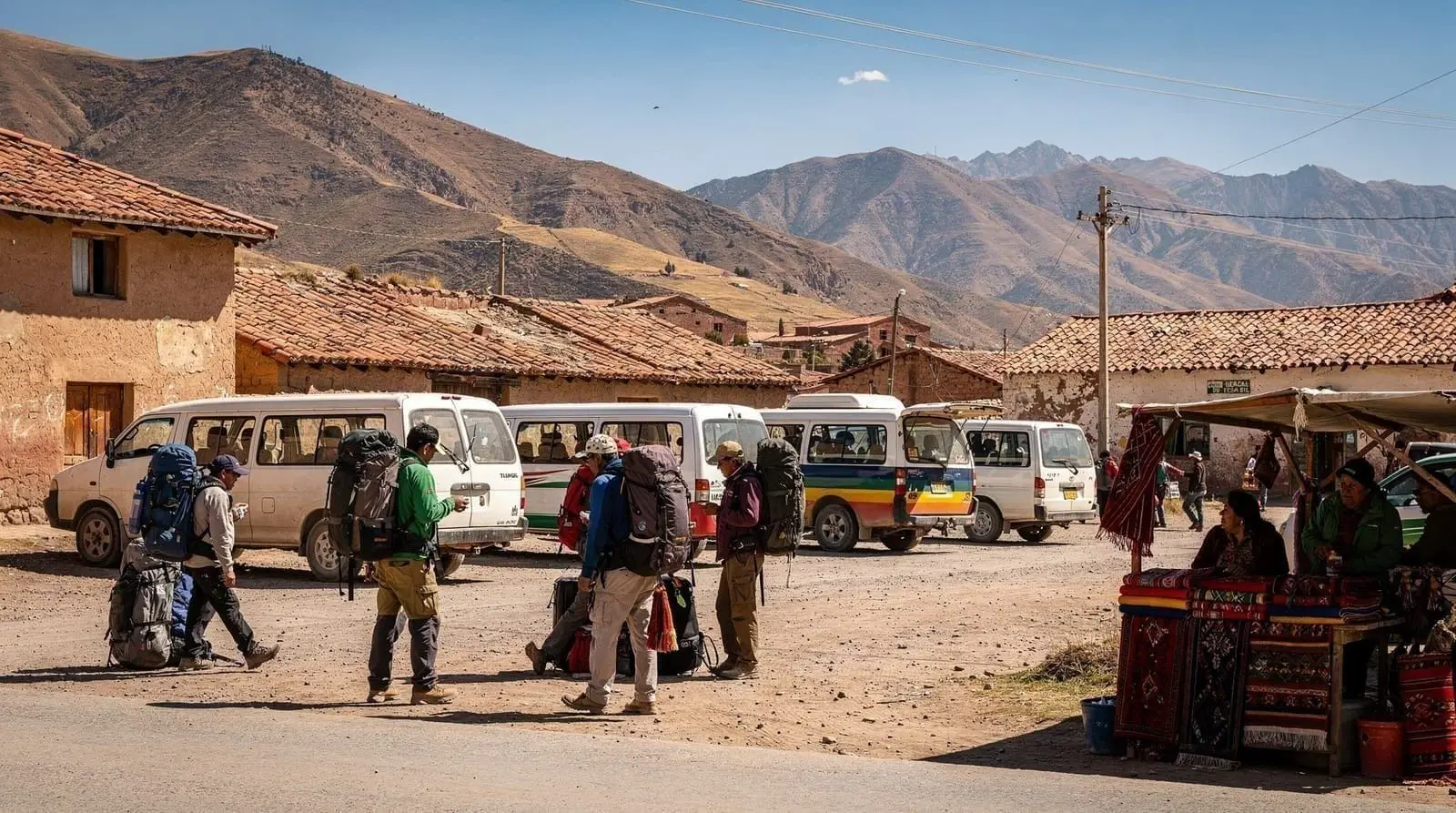
“Gringo trail” is travel slang, not an official route. It describes the well-worn corridor of headline sights that the vast majority of international visitors follow through Peru — and, by extension, through the wider Andes into Bolivia and beyond. In Peru it runs, broadly: Lima → Cusco and the Sacred Valley → Machu Picchu → Lake Titicaca → Arequipa, with a common south-coast spur to Paracas, Huacachina, and the Nazca Lines.
The term is descriptive, not derogatory. “Gringo” in Peru is mild and rarely hostile — it just means a foreigner, usually Western. The “trail” exists because these destinations are genuinely the country’s most spectacular, and because decades of traveller traffic have built up dense, cheap infrastructure along the route: hourly buses, hostels in every price bracket, tour operators on every corner, and English-speaking guides everywhere.
This guide explains what the trail is, why it formed where it did, where it gets uncomfortably crowded, and — most usefully — how to follow its spine while stepping off it just enough to have a better trip than the average. If you want a literal day-by-day plan along this route, our two-week itinerary and three-week itinerary are essentially the gringo trail done well.
| Core route | Lima → Cusco/Sacred Valley → Machu Picchu → Titicaca → Arequipa |
| Time needed | 2-3 weeks for the core route comfortably |
| Busiest months | June-August |
| Best shoulder months | April-May, September-October |
| Off-trail options | Northern Peru, deep Amazon, Cordillera Blanca |
The standard route, leg by leg
Lima: the gateway
Almost every Peru trip starts in Lima because Jorge Chávez airport is the country’s main international hub. Most travellers spend a night or two — a colonial-centre walk, a Larco Museum visit, ceviche — then fly to Cusco. The classic gringo move is to treat Lima as a stopover; the smarter move is to give it a proper day, because the food scene rewards it. The Lima city tour with Larco Museum and Huaca Pucllana covers the anchor sights without burning a full independent day.
Cusco and the Sacred Valley: the hub
Cusco is the trail’s beating heart — the old Inca capital, now wall-to-wall hostels, cafés, agencies, and acclimatising travellers nursing coca tea. From here the trail fans out to the Sacred Valley (Pisac, Ollantaytambo, Maras and Moray), to Rainbow Mountain, and to Machu Picchu. Spend a few days acclimatising here regardless of your plans — Cusco sits at 3,400 m and altitude does not negotiate.
Machu Picchu: the summit of the trail
The single most-visited site in South America, and the reason most people come. Entry is capped with timed slots that sell out in high season, so this is the one leg you cannot improvise. The crowd-free version is an early-morning slot or the off-the-train arrival via a trek. The Machu Picchu day trip with tourist train and entrance ticket packages the awkward train-bus-ticket logistics for travellers who want the citadel without the trek.
The treks: the trail’s rite of passage
Reaching Machu Picchu on foot is the classic gringo-trail badge. The four options, in rough order of popularity:
- Inca Trail (4 days) — the famous one, ending at the Sun Gate. Permits are strictly limited and sell out months ahead, so it requires the most forward planning. The 4-day Inca Trail guided trek to Machu Picchu is the standard guided version.
- Salkantay (4–5 days) — higher, wilder, no permit cap, and many trekkers’ favourite. The Salkantay route and Machu Picchu 4-day trek is bookable far closer to your dates.
- Short Inca Trail (2 days) — a one-night taste of the trail for those short on time or fitness.
- Lares / Choquequirao — the genuinely off-trail options for trekkers wanting solitude.
If you are deciding between them, the rule of thumb is: book the Inca Trail months out or accept you’ll do Salkantay, which is no consolation prize.
Lake Titicaca and Arequipa: the southern swing
From Cusco the trail rolls south to Puno and Lake Titicaca — the floating Uros islands and Taquile — then on to white-stone Arequipa and the condors of the Colca Canyon. Many backpackers continue from Puno across the border to Copacabana and Bolivia, which is where the Peruvian trail joins the wider South American one.
The south-coast spur
A separate branch runs south from Lima down the desert coast: Paracas and the Ballestas Islands, the Huacachina dune oasis, and the Nazca Lines. It is the easiest part of the trail to do independently by bus and a popular warm-up or wind-down either side of the Andean core.
Where the trail gets crowded — and when
The gringo trail’s popularity is also its main drawback. In the June–August high season, the marquee sights feel saturated: timed Machu Picchu slots fill, Rainbow Mountain’s summit ridge backs up with day-trippers, and the Cusco plazas hum with tour groups. Prices peak and the best train times and trek permits vanish first.
The honest fixes:
- Travel in shoulder season. April–May and September–October keep good weather while thinning the crowds and softening prices. Our best time to visit guide breaks down the trade-offs month by month.
- Go early. A dawn Machu Picchu slot, an early Rainbow Mountain departure, or a first-train Sacred Valley start consistently beats the midday crush.
- Choose the alternative trek. Salkantay and Lares see a fraction of the Inca Trail’s foot traffic on the approach, even if everyone converges on Machu Picchu at the end.
- Pick the quieter version of a sight. Palccoyo is a calmer rainbow-mountain alternative to Vinicunca; the Sacred Valley’s smaller ruins empty out by late afternoon.
How to step off the trail
The single best upgrade to a gringo-trail trip is to spend a few days off it. Peru’s least-crowded experiences sit just beyond the main corridor:
- Northern Peru. Chachapoyas, the cliff-top Kuélap fortress, Gocta waterfall, and the Moche pyramids near Trujillo and Chiclayo see a fraction of the south’s visitors. Our northern Peru route guide maps it out, and the north vs south comparison helps you decide if it is worth the slower roads.
- The deep Amazon. Tourist Tambopata is accessible and busy by Amazon standards; flying instead to Iquitos for the Pacaya-Samiria reserve gets you into genuinely remote rainforest.
- The Cordillera Blanca. Huaraz and the turquoise Laguna 69 offer world-class high-mountain hiking that most gringo-trail travellers skip entirely because it is not on the Cusco–Lima axis.
You do not have to abandon the trail to benefit from it. The ideal trip uses the trail’s cheap, easy spine for the headline sights and peels off for a quieter region or two where it counts.
Doing the trail independently vs by tour
The gringo trail is famous as a budget, do-it-yourself route, and most of it genuinely is: public buses connect every major stop, hostels need no advance booking outside peak weeks, and many sights sell walk-up tickets. The bus travel guide covers the overland legs worth doing yourself.
A handful of segments are simply easier guided:
- Machu Picchu — the train, bus, and timed ticket chain is fiddly to assemble solo.
- Rainbow Mountain — remote, high, and far from Cusco; transport is the hard part.
- Lake Titicaca islands — boats are tour-run anyway.
The pragmatic approach is to go independent on the easy legs (the south coast, intercity buses, Cusco and the valley on foot) and book a guide only where logistics or altitude make it worthwhile. Browse the tours hub for the guided segments and the itineraries hub for full routes; the planning tools help you stitch your own version together.
So, should you follow the gringo trail?
For a first trip, follow its spine without apology — those sights are famous because they earn it, and the easy logistics let you focus on the experience rather than the planning. Then do two things the average traveller doesn’t: shift your dates into shoulder season, and carve out a few days off the main route. That combination gives you Peru’s greatest hits with a fraction of the crowds.
Second-time visitors: skipping the trail almost entirely
Returning travellers, or those with three-plus weeks and no first-timer obligation to Machu Picchu, often choose to skip most of the classic trail and build a trip almost entirely from the off-trail regions above. A route through Chachapoyas, Kuélap and Huaraz, with maybe a single Cusco stopover, delivers a genuinely different Peru with a fraction of the tourist infrastructure — and, honestly, fewer of the comforts that make the trail easy for a first trip. This is not a “better” way to see Peru, just a different one, best attempted once you already know roughly what you like and are comfortable navigating with less English and fewer hostels.
Budgeting the trail
Costs along the gringo trail vary less by region than by choices: bus versus flight between cities, dorm versus private room, and how many big-ticket tours (Machu Picchu train, Rainbow Mountain, a multi-day trek) you add. A no-frills backpacker covering the core route can get by on a modest daily budget dominated by hostel dorms and set-lunch menús, while adding flights instead of buses, private rooms, and every marquee tour pushes the same route into mid-range territory fast. The Peru trip cost guide breaks down real numbers for both approaches across the whole trail.