Peru Amazon in 7 days: Cusco and the rainforest
Puerto Maldonado: 3-Day Amazon Jungle Tour with Lodging
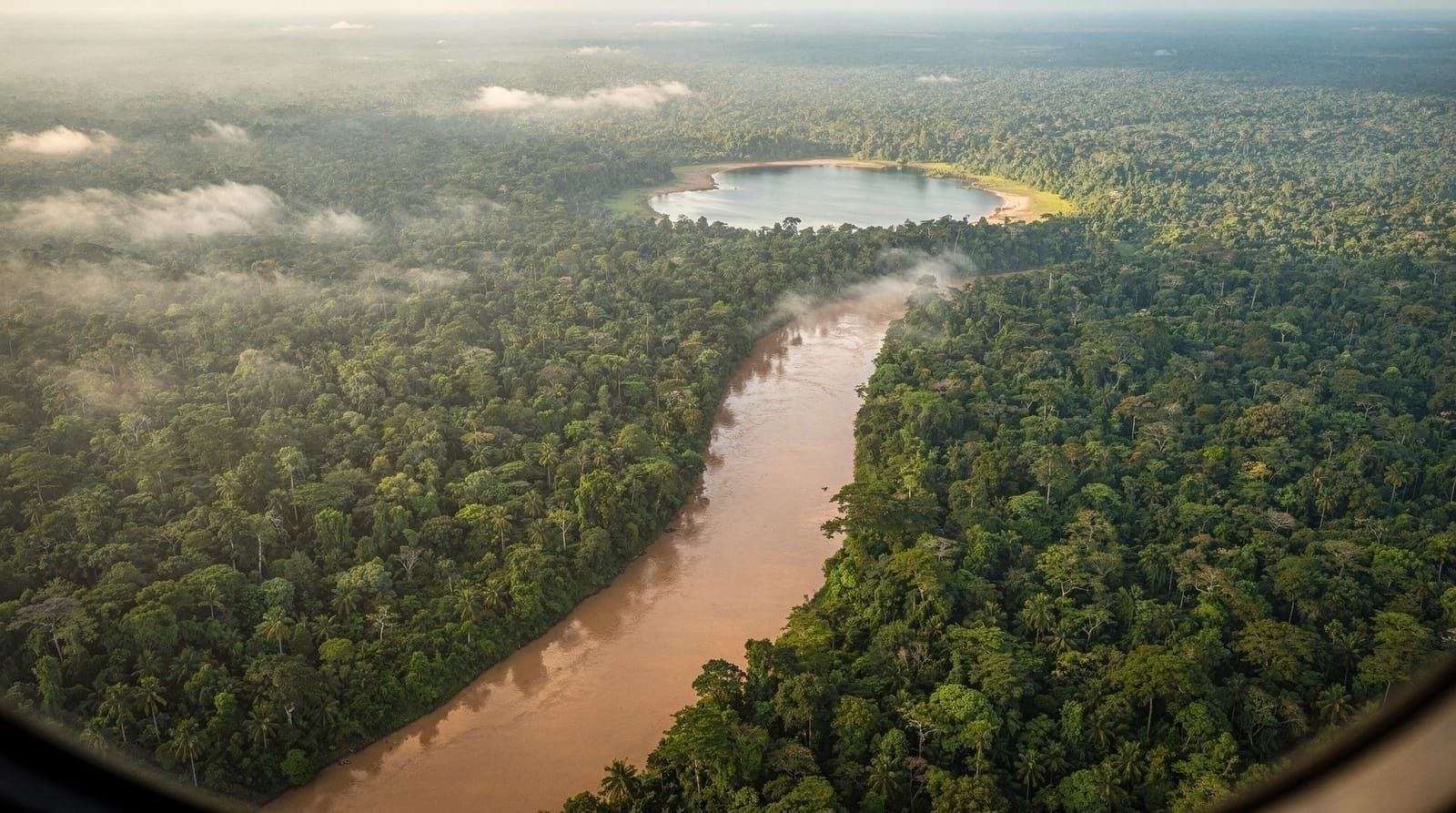
Most people come to Peru for the Andes and leave without realising that more than half the country is rainforest. This week fixes that, pairing a few days in Cusco (the obvious cultural anchor) with a proper jungle stay. The first real decision is which Amazon: the southern Tambopata, an easy hop from Cusco, or the deep northern jungle around Iquitos, reachable only by plane or boat. Both are covered here so you can pick.
| Pairing | Cusco (culture, altitude) plus the Amazon (wildlife, lowland) |
| Days needed | 7; linked by one short domestic flight |
| Tambopata | 45 min from Cusco, cheaper, easy logistics |
| Iquitos | Deeper jungle, but via Lima and pricier |
| Best time | May to October concentrates wildlife |
| Altitude | Only in Cusco (3,400 m); the jungle is near sea level |
Quick answer: Tambopata or Iquitos for a week with Cusco?
If you are already in Cusco, Tambopata near Puerto Maldonado is the logical choice: a 45-minute flight, lower cost, and excellent wildlife including macaw clay licks and giant otters. Iquitos reaches deeper, primary rainforest and the Pacaya-Samiria reserve, but it is a longer, pricier detour with no road access. For a tight seven-day trip built around Cusco, Tambopata wins on logistics; Iquitos wins if the wildest jungle is your priority. The full comparison is in Iquitos vs Puerto Maldonado.
How this week connects
The two halves are linked by a domestic flight, since there is no sensible road between Cusco and either jungle gateway.
- Lima to Cusco: 1 h 20 flight (LATAM, Sky, JetSMART). Cusco sits at 3,400 m, so altitude matters here.
- Cusco to Puerto Maldonado (Tambopata): 45-minute flight, then a road and river transfer to the lodge, 1-3 h depending on how deep you go.
- Cusco to Iquitos: there is no direct flight; you connect via Lima, so budget most of a travel day. Iquitos is the largest city on earth unreachable by road.
Day 1: Arrive in Cusco, go slow
Fly into Cusco and do almost nothing. At 3,400 m, altitude sickness is real and your first day should be horizontal: rest, coca tea, plenty of water, light food, no alcohol. The proper acclimatisation plan is in our Cusco acclimatization plan, and the medical side is in the altitude sickness guide.
When you feel up to it, a gentle wander through San Blas, the artisan quarter, is the right pace for day one.
Day 2: Cusco city and ruins
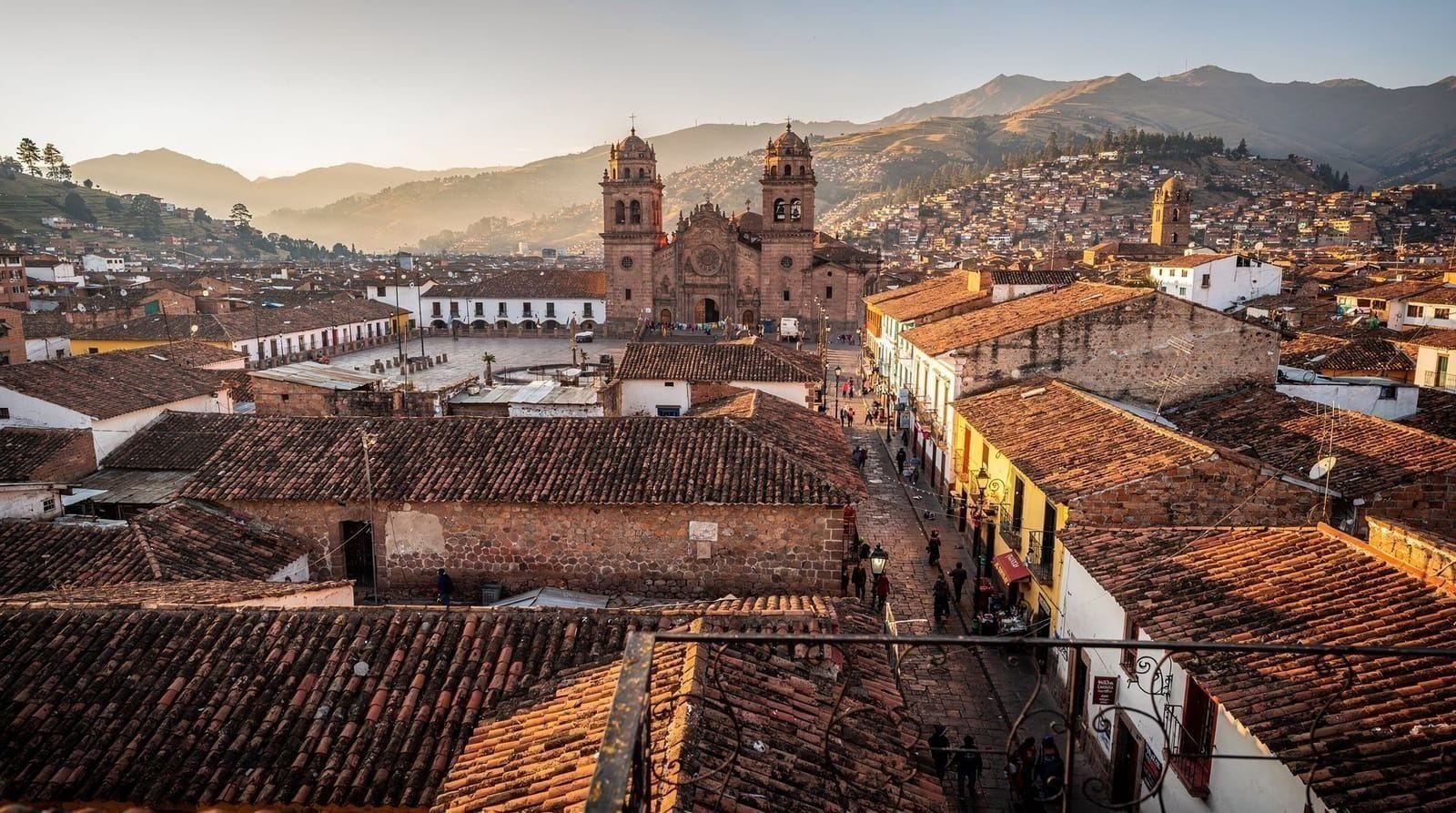
With a day under your belt, see the city proper. The historic centre, Qorikancha (the Inca sun temple buried under a colonial church), and the megalithic walls of Sacsayhuamán on the hill above town make a full half-day. A guided city tour is the efficient way to cover the scattered sites:
Cusco: half-day city tour with Sacsayhuamán and Q’encoNote the tourist ticket (boleto turístico) needed for the ruins; how it works is in the boleto turístico explained guide. Eat well tonight; the jungle lodges serve simpler food. The best restaurants in Cusco list has options.
Day 3: Fly to the jungle
This is where the route forks.
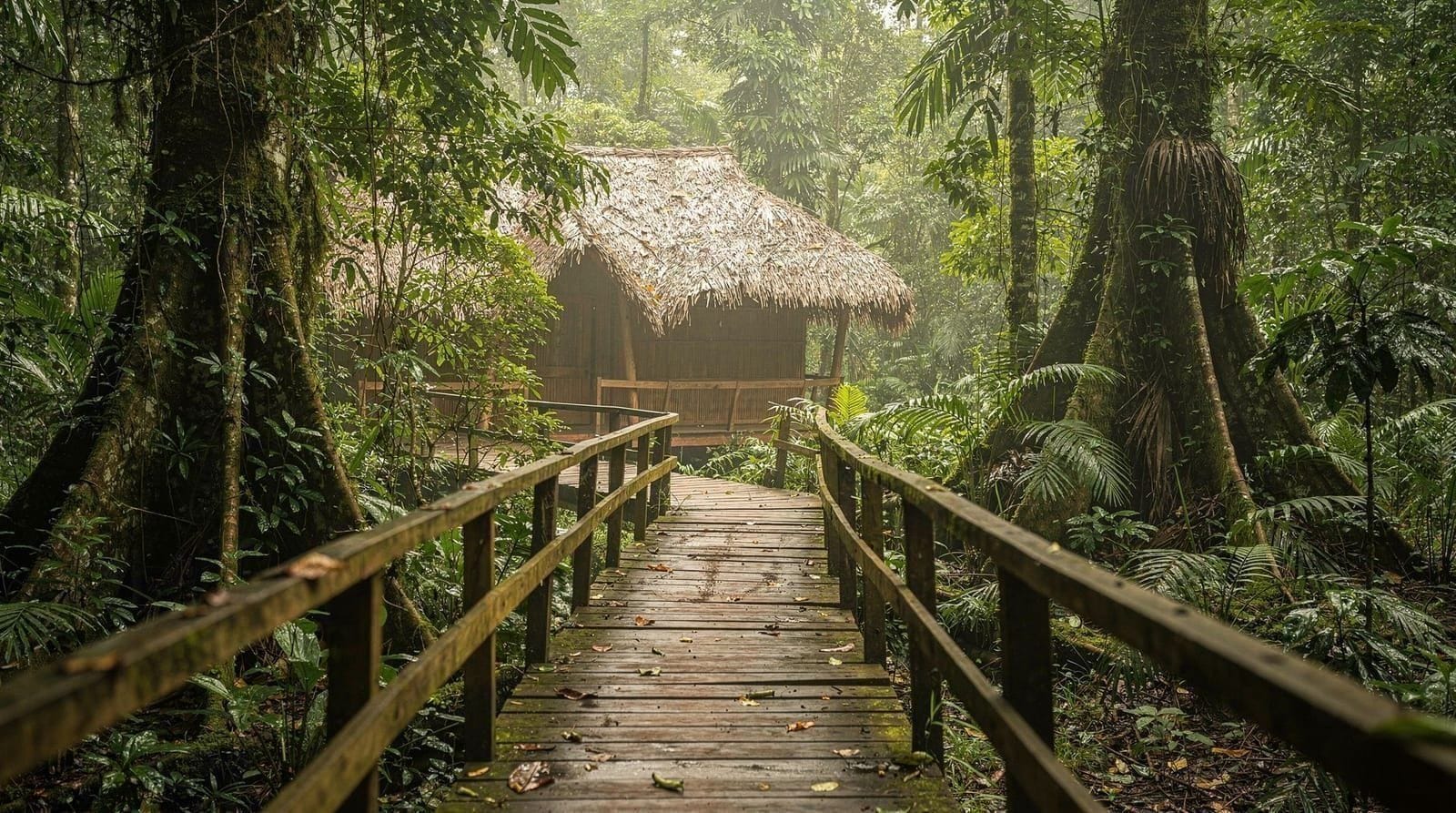
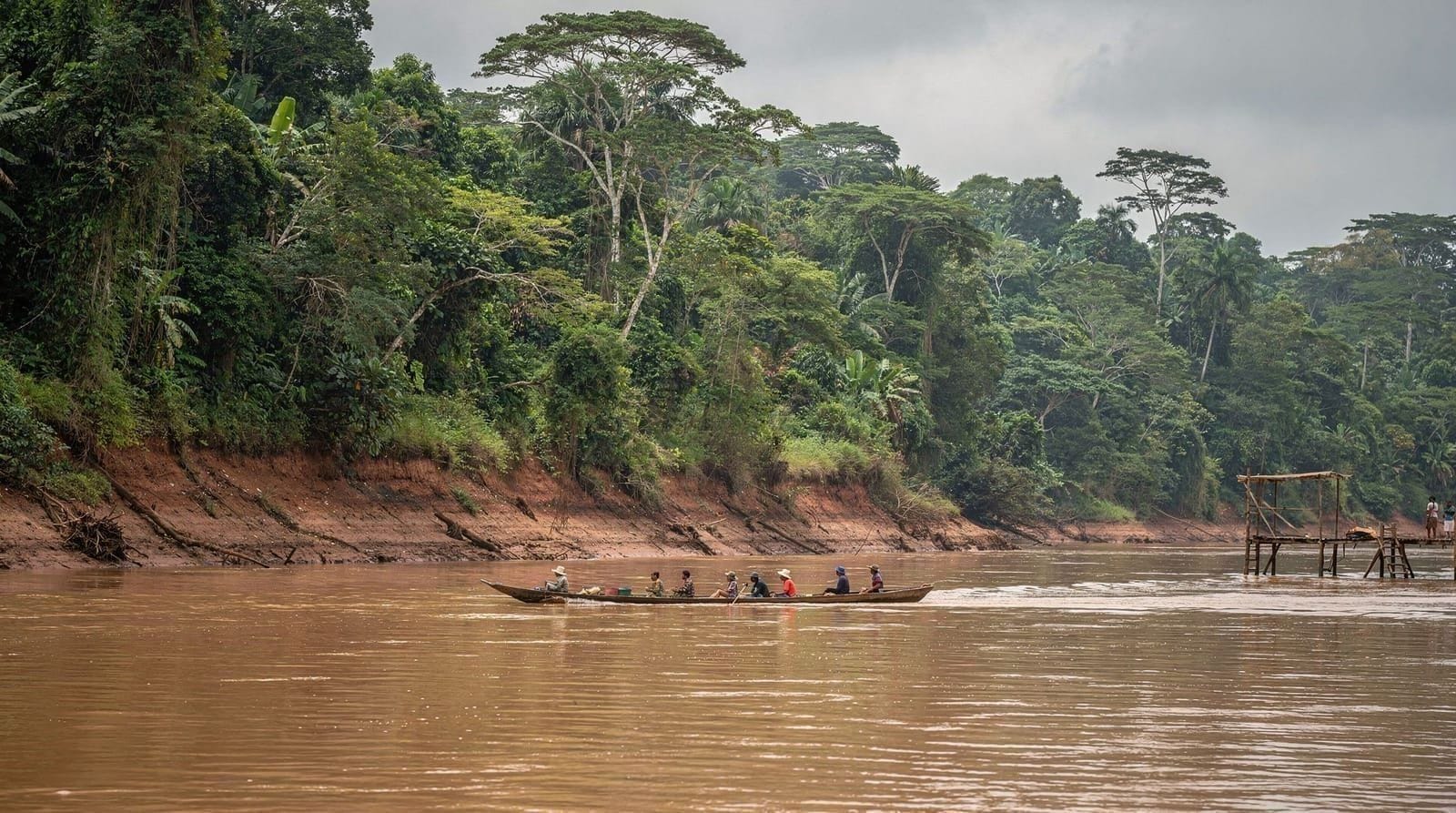
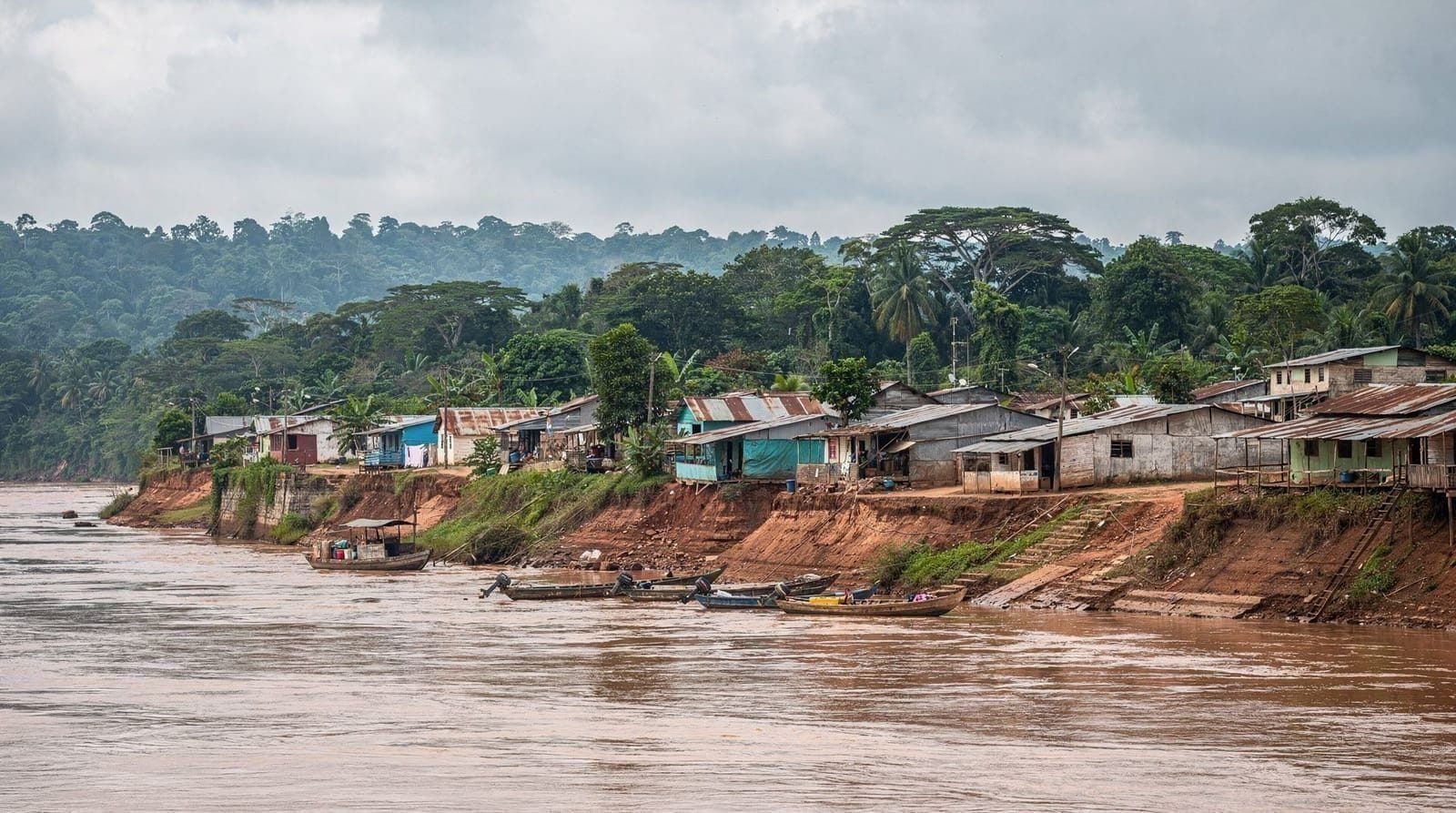
Option A, Tambopata (recommended for a 7-day trip): Take the short morning flight to Puerto Maldonado, then transfer by road and river into the Tambopata reserve. By afternoon you are at a lodge on the Tambopata or Madre de Dios river, listening to the forest. Most lodges sell two- to four-night packages including all transfers, meals and guided activities.
Puerto Maldonado: 3-day Amazon jungle tour with lodgingOption B, Iquitos (for the deeper jungle): Fly back to Lima and on to Iquitos, a full travel day. Iquitos is a chaotic river-port city, fun in its own right, and the launch point for lodges far up the Amazon proper. Spend the first afternoon on a city tour and the floating slum-market of Belén.
Iquitos: city tour and the Belén marketThe full lodge picture for each is in the Tambopata guide and the Iquitos jungle lodges guide.
Day 4: Deep in the rainforest
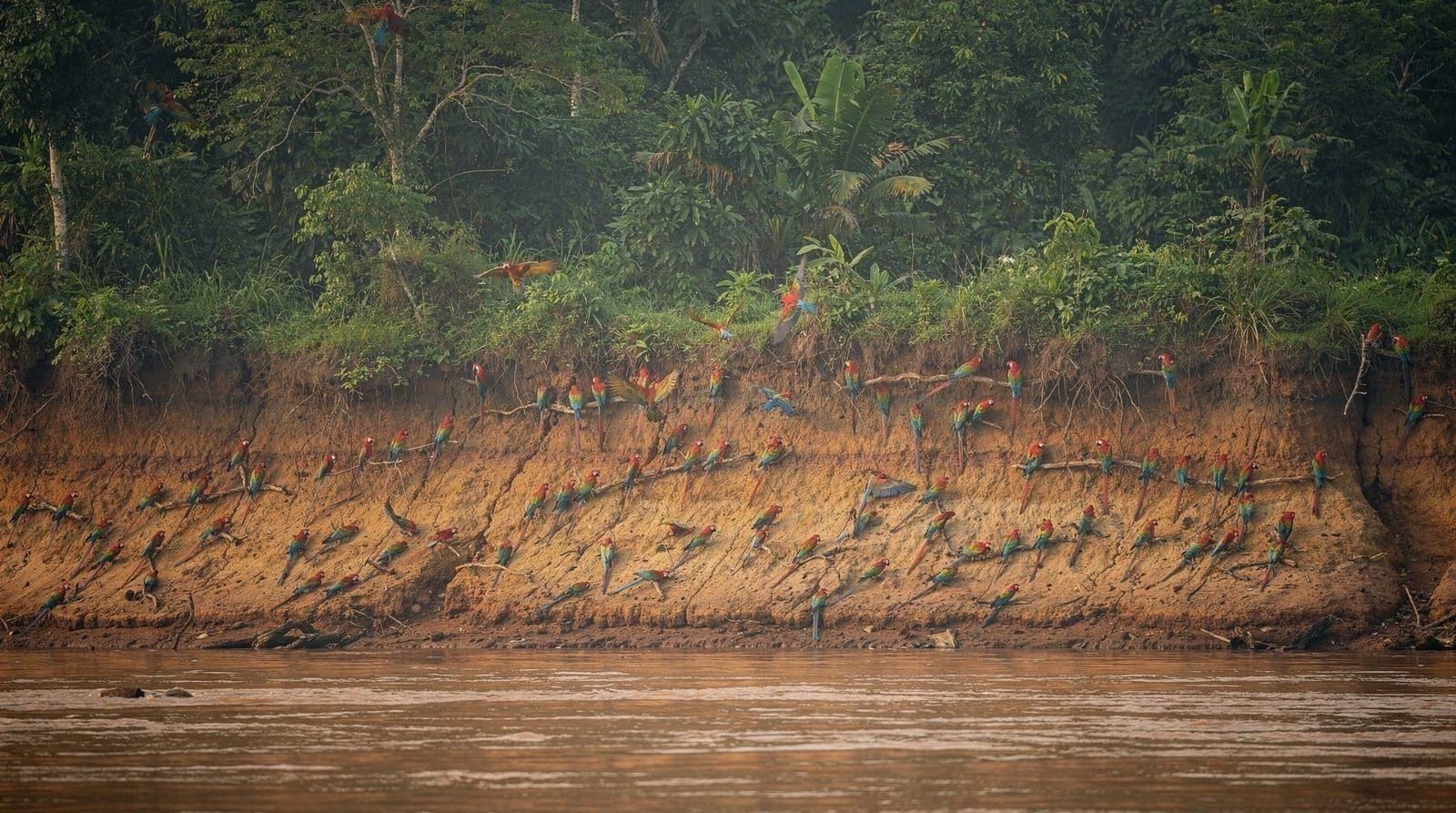
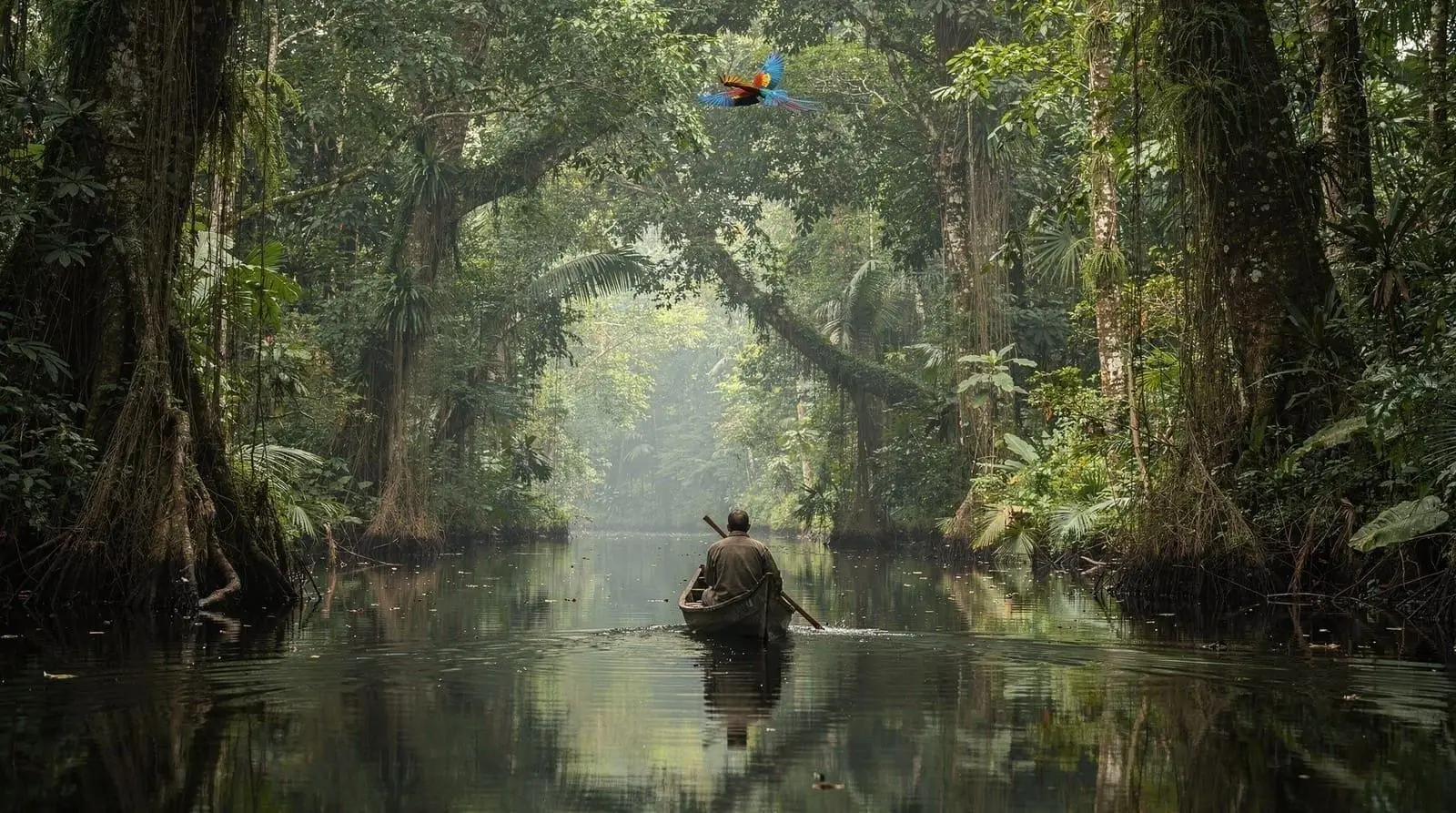
A full jungle day is the heart of the trip. In Tambopata, the highlights are dawn at a macaw clay lick where hundreds of parrots and macaws gather, a visit to an oxbow lake to look for giant river otters, a canopy tower, and night walks for caiman, tarantulas and frogs. Mammals are shy; manage expectations and treat any sighting as a bonus.
In Iquitos, multi-day lodge packages run pink-river-dolphin spotting, piranha fishing, jungle walks with a local guide, and visits to riverside communities. The Pacaya-Samiria reserve, deeper still, has the best primary-forest wildlife.
Iquitos: 3-day, 2-night guided Amazon jungle tourEither way, the jungle is hot, humid and buggy. What to bring (long sleeves, repellent with DEET, a headlamp, quick-dry everything) is laid out in what to pack for the Amazon.
Day 5: More forest, or start back
Use a second full jungle day for activities you missed: a longer trek, a community visit, or simply more time at the clay lick and the canopy. Wildlife rewards patience and repeat outings.
If you chose Iquitos and need the travel buffer, you may start back today, since the return via Lima eats time. The seasonal differences (wet season floods open more channels by boat; dry season concentrates wildlife on beaches and licks) are explained in best time for the Amazon in Peru.
Day 6: Return to Cusco or Lima
Transfer out of the lodge and fly back. From Puerto Maldonado it is a quick hop to Cusco, leaving you an afternoon there; from Iquitos you connect through Lima. If you flew Tambopata, you can use a returning Cusco afternoon for the San Pedro Market and last-minute textiles, covered in the San Pedro market food guide.
Day 7: Onward
Fly Cusco-Lima (or you are already in Lima from the Iquitos route) and connect to your international flight. As always with Peru’s domestic network, give yourself margin; afternoon weather delays out of Cusco and the jungle airfields are common.
Why pair the Amazon with Cusco at all
Because the contrast is the point. You go from thin Andean air and stone temples to dripping lowland forest in under an hour’s flight, two of the planet’s great ecosystems back to back. Many travellers add the jungle to a Cusco-Machu Picchu trip without a separate flight home, since both run through the same hub. If you would rather reach the jungle directly from Cusco without backtracking, the Amazon from Cusco guide and the Peru Amazon complete guide lay out the routings.
The 7 days at a glance
| Day | Base | Focus |
|---|---|---|
| 1 | Cusco | Arrive, go slow, San Blas wander |
| 2 | Cusco | City tour, Sacsayhuaman, Qorikancha |
| 3 | Jungle | Fly to Tambopata (or via Lima to Iquitos) |
| 4 | Jungle | Clay lick, oxbow lake, night walk |
| 5 | Jungle | Second full day, or start back (Iquitos) |
| 6 | Cusco/Lima | Return flight, San Pedro market |
| 7 | - | Fly onward |
Reading the seasons in the jungle
The Amazon is a year-round destination, but the season changes what you see. The dry months, roughly May to October, drop the river levels and concentrate wildlife on beaches and clay licks, making trails easier and sightings more reliable; the wet season floods the forest, opening more channels to boat and revealing a different, greener landscape. Neither is better so much as different, and the best time for the Amazon guide weighs them in detail.
Where you go matters as much as when: Tambopata and the wilder Manu National Park offer the southern rainforest, compared in Tambopata vs Manu, while the far north around Iquitos reaches the vast Pacaya-Samiria reserve. For a feel of the northern river itself, the Iquitos Amazon river diary is an honest first-hand account.
If you would rather see Machu Picchu too
Many travellers want the citadel and the jungle in one trip, and seven days is not quite enough to do both without rushing something. If Machu Picchu is non-negotiable, the cleaner solution is a dedicated combined route: the Cusco and Amazon 7-day itinerary is built around the same Cusco hub, while stepping up to nine or ten days lets you fit the Sacred Valley and Machu Picchu in properly.
For the full picture of how Cusco, Machu Picchu and the rainforest slot together, the Peru 2-week itinerary guide is the place to start, and the 3-week complete itinerary shows the unhurried version with the Amazon at the end.
Where to sleep, by stop
- Cusco: Miraflores-style comfort exists here too; Casa Andina, El Mercado, or budget hostels in San Blas, S/ 120-450.
- Tambopata lodges: Refugio Amazonas, Posada Amazonas, Inkaterra Reserva, sold as all-inclusive packages from roughly USD 280-600 for two to three nights.
- Iquitos lodges: ExplorNapo, Heliconia, Muyuna, similarly packaged, USD 350-800 for three nights depending on distance from the city.
What this week costs, roughly
The jungle dominates the budget because lodges are all-inclusive and remote. Tambopata is the cheaper option, with a 3-day package roughly USD 280-600; Iquitos runs higher, USD 350-900, plus the extra Lima connection. Cusco days add S/ 250-450 (USD 65-120) a day mid-range. The domestic flights total roughly USD 150-300. The full breakdown sits in our Peru trip cost guide.
Frequently asked questions about the Peru Amazon in 7 days
Should I choose Tambopata or Iquitos?
For a week built around Cusco, Tambopata, because it is a short flight from Cusco, costs less, and still delivers macaw clay licks and giant otters. Choose Iquitos if reaching deeper, primary rainforest and the Pacaya-Samiria reserve matters more than convenience. The honest head-to-head is in Iquitos vs Puerto Maldonado.
How much wildlife will I actually see?
Birds, monkeys, caiman and insects are near-guaranteed; large mammals like jaguars, tapirs and anteaters are rare and lucky. Macaw clay licks and oxbow-lake otters are the most reliable headline sightings, both stronger in the dry season. Manage expectations and you will not be disappointed.
Do I need to worry about altitude in the Amazon?
No. The jungle is near sea level, so altitude is only a concern for the Cusco half of the trip, where it is significant at 3,400 m. Acclimatise properly in Cusco first, covered in the Cusco acclimatization plan.
When is the best time to visit the Peruvian Amazon?
The dry season (May to October) concentrates wildlife and makes trails easier; the wet season (November to April) floods the forest, opening more areas to boat and revealing different scenery. Both have merits, weighed in best time for the Amazon in Peru.
Can I add Machu Picchu to this week?
Not comfortably in seven days alongside a proper jungle stay; something would be rushed. If Machu Picchu is non-negotiable, extend to nine or ten days. Our Peru 2-week itinerary guide shows how Cusco, Machu Picchu and the Amazon fit together.
Is the Amazon trip suitable for families?
Yes, especially Tambopata, where shorter transfers and gentler activities suit children, and the canopy walkways and wildlife spotting keep them engaged. Bring strong repellent and cover up. The packing essentials are in what to pack for the Amazon.
Top experiences
Bookable activities with verified prices and instant confirmation on GetYourGuide.