Altitude sickness in Cusco: a practical guide
How bad is altitude sickness in Cusco?
For most visitors it is a temporary discomfort — headache, breathlessness, poor sleep, mild nausea — that eases within 24–48 hours of resting, hydrating, and avoiding alcohol. It is unrelated to fitness and largely unpredictable. Severe forms are rare but real and require immediate descent. Cusco sits at 3,400 m, where the air holds about 35 percent less oxygen than at sea level.
The planning fact that shapes your whole trip
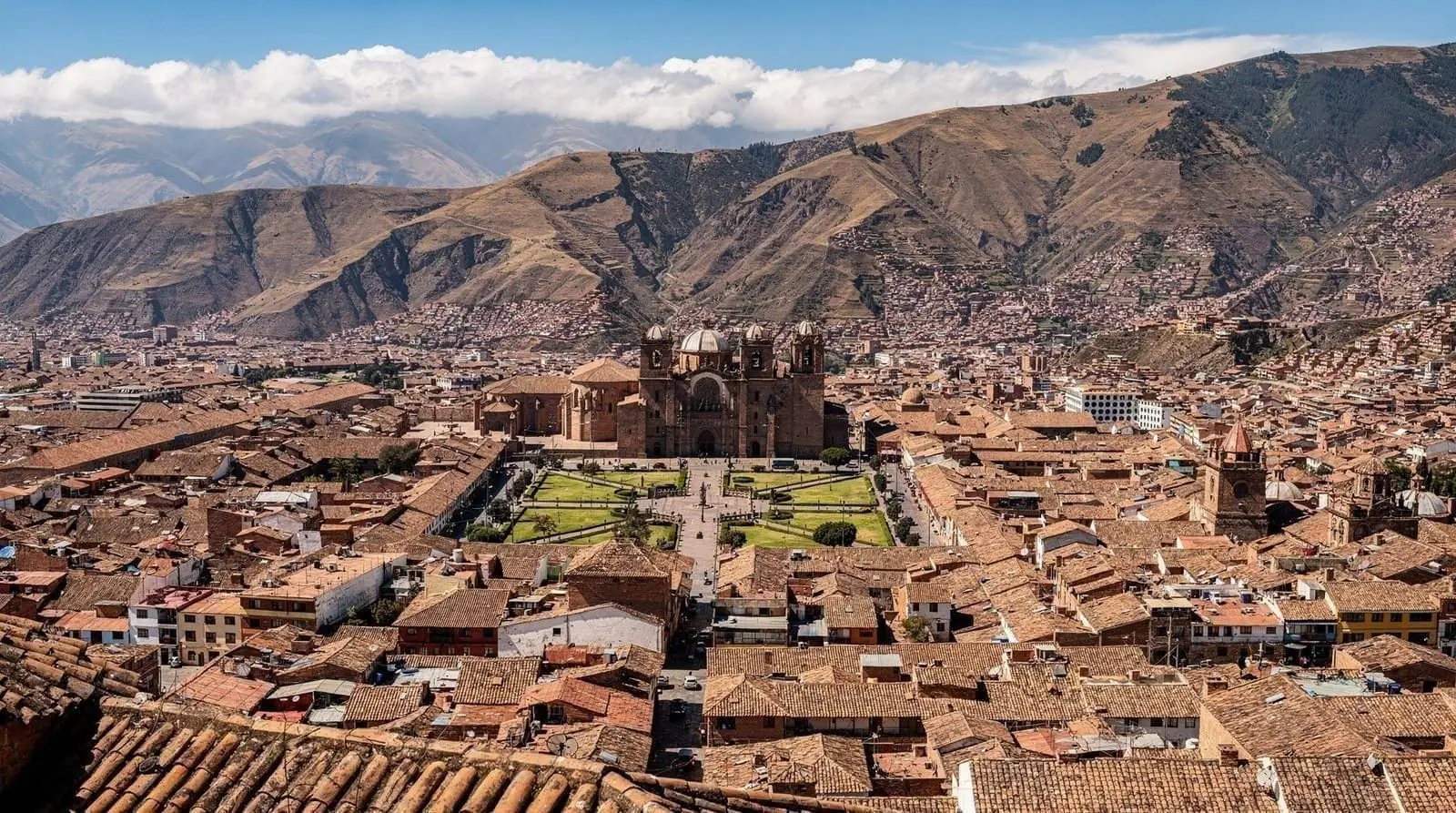
Cusco’s elevation is the single most important thing to plan around, and the one most often underestimated. The city sits at 3,400 m (11,150 ft) — high enough that flying in from sea-level Lima and immediately charging up a flight of cobbled stairs leaves a measurable share of visitors short of breath, headachy, and occasionally vomiting on their first night. People arrive treating Cusco as a quick checkpoint before Machu Picchu. That instinct is backwards. Cusco is where your body adjusts so the rest of your Andean trip works at all.
Altitude sickness — soroche in local Spanish — is caused by the thinner air. At 3,400 m there is roughly 35 percent less oxygen in every breath than at sea level. Your body responds by breathing faster and, over days, making changes to carry oxygen more efficiently. The gap between arriving and adapting is when soroche bites. This guide covers what it actually feels like, how to prevent and manage it, and — crucially — the danger signs that mean stop and descend.
This is practical travel information, not medical advice. Altitude illness can turn serious, and anything beyond mild discomfort warrants a doctor.
| Altitude | Cusco 3,400 m; about 35% less oxygen per breath than sea level |
| Onset | Usually within a few hours to a day of arrival |
| Typical duration | Peaks 12–24 hrs, eases over 1–2 days with rest and hydration |
| Best prevention | A night or two lower in the Sacred Valley before Cusco |
| Danger signs | Confusion, loss of coordination, breathlessness at rest, wet cough — descend immediately |
What soroche actually feels like
Mild to moderate altitude sickness — the kind most travellers experience — typically shows up within a few hours to a day of arrival:
- A thumping, persistent headache, often worse when you bend over or exert yourself.
- Breathlessness on mild effort — stairs, a gentle slope, even talking while walking uphill.
- Poor sleep, including periodic breathing where you briefly stop breathing in your sleep and wake gasping. Unsettling but common.
- Nausea and reduced appetite, sometimes mild vomiting.
- Fatigue, dizziness, and a general flatness.
These symptoms are unpleasant but usually harmless, peaking in the first 12–24 hours and easing over the next day or two as you acclimatise. The key signal is direction: symptoms that improve over your first 48 hours are normal acclimatisation; symptoms that worsen are a warning.
A counter-intuitive point worth repeating: fitness offers no protection. Soroche is unrelated to how athletic you are. It is individual and unpredictable. Plan for it regardless of your condition.
The best prevention: go up slowly
Acclimatisation is something your body does on its own timetable, and the most effective thing you can do is give it time at moderate altitude before pushing higher.
The Sacred Valley trick. If your schedule allows, go to the Sacred Valley before Cusco. Towns like Urubamba (2,870 m) and Ollantaytambo (2,790 m) sit several hundred metres lower than the city. Sleeping a night or two down there, then coming up to Cusco, is genuinely easier on your body than the reverse. Many seasoned operators now structure itineraries this way, and it is the highest-value altitude move you can make. It costs nothing extra beyond sequencing your nights differently.
If you must start in Cusco, the rules for the first 24–36 hours are simple and they work:
- Do nothing strenuous on arrival day. No Sacsayhuamán climb, no uphill walking. Rest.
- Hydrate aggressively — three or more litres of water a day. Dehydration mimics and worsens altitude symptoms.
- Skip alcohol for the first day or two. The night-one celebratory pisco sour is the classic mistake.
- Eat light. Heavy meals pull oxygen-hungry blood toward digestion.
- Avoid sleeping pills, which can suppress the breathing you need to acclimatise.
Pace your sightseeing into the altitude: the flat historic centre on day one, the gentle Qorikancha and San Blas on day two, the uphill ruins on day three.
Coca tea, oxygen, and medication
Mate de coca (coca-leaf tea) is offered free in most hotel lobbies. It is a mild stimulant that can ease a headache and settle the stomach. It is legal, culturally normal, and pleasant — but it is a comfort, not a cure. It does not speed acclimatisation. Note it can trigger a positive drug test for cocaine metabolites for several days.
Acetazolamide (Diamox) is the one medication with strong evidence. It nudges your body to acclimatise faster. It is prescription-only, best started the day before ascent, and not for everyone — people with sulfa-drug allergies should avoid it, and it has side effects like tingling fingers and frequent urination. Get it from a doctor at home, not over a Cusco pharmacy counter.
Oxygen comes in two very different forms. The little aerosol cans sold in pharmacies give a few seconds’ lift and no real acclimatisation benefit — poor value. Medical oxygen delivered by a clinic, on a continuous flow, is genuine care for someone who is struggling. For a full breakdown of which altitude products are worth your money and which prey on tourist anxiety, see the altitude medicine scams guide.
The danger signs: when to descend
This is the part that matters most. The vast majority of soroche is harmless, but two severe forms are medical emergencies, and they can develop in people who started with only mild symptoms.
High-altitude cerebral edema (HACE) — fluid on the brain. Warning signs:
- Confusion, disorientation, or odd behaviour.
- Loss of coordination — unable to walk a straight line (the “heel-to-toe” test is a common field check).
- Severe, unrelenting headache that does not respond to rest or painkillers.
- Drowsiness progressing toward unconsciousness.
High-altitude pulmonary edema (HAPE) — fluid in the lungs. Warning signs:
- Severe breathlessness at rest, not just on exertion.
- A wet, gurgling, or frothy cough.
- Chest tightness and a blue tinge to lips or fingertips.
- Extreme fatigue and an inability to keep up with companions.
For both, the response is the same and non-negotiable: descend immediately and seek medical attention. Going down even a few hundred metres often brings dramatic improvement. Do not “push through” these symptoms or wait until morning. Pharmacies on Avenida El Sol sell oxygen, and several Cusco clinics provide oxygen on call to hotels and have experience with altitude emergencies. Travel insurance that covers altitude and emergency evacuation is worth confirming before you go — see /guides/peru-travel-safety-2026/.
A sample acclimatisation timeline
It helps to see how a sensible first few days actually look. This is the pattern experienced operators build into southern Peru itineraries, and you can replicate it independently.
Before you arrive. If you flew into Peru via Lima at sea level, treat the journey up as a staged climb rather than a single jump. Where the schedule allows, route through the lower Sacred Valley before Cusco rather than landing in the city and climbing straight to a high day trip.
Day 1 — arrival. Land, transfer, drop your bags, and do almost nothing. Rest in the afternoon, drink water steadily, eat a light dinner, and skip alcohol. If you feel a headache coming on, lie down rather than pushing out for sightseeing. An early night sets you up for everything that follows.
Day 2 — gentle. Tackle only flat, low-effort activity. In Cusco that is the historic centre and the Plaza de Armas, which are mostly level. Keep hydrating, keep alcohol minimal, and notice whether yesterday’s symptoms are easing — they should be.
Day 3 — moderate. If you feel well, add some gradual uphill: the Qorikancha and the San Blas lanes, or an easy half-day out. This is the point where most people feel substantially adjusted.
Day 4 onward — high days. Only now should you attempt the high-altitude headline trips: Rainbow Mountain near 5,000 m, Humantay Lake, or a trek. Your body has had time, and the difference in how these feel is dramatic compared with attempting them on day one.
The whole logic is to climb in steps and front-load rest. Days are cheap insurance against a ruined trip; rushing the altitude is the false economy that lands people in a clinic on what should have been a highlight day.
Practical extras worth knowing
A few smaller points that round out the picture:
- Caffeine and altitude. Coffee and the caffeine in coca tea are mild diuretics, so balance them with extra water rather than relying on them to feel better.
- Carbohydrates help. Your body uses oxygen more efficiently burning carbs than fat at altitude, which is part of why heavy, fatty meals sit badly. Lean toward soups, rice, and potatoes in the first days.
- Sleep is when symptoms peak. Periodic breathing — briefly pausing breathing in your sleep and waking with a start — is common and unsettling but usually harmless. It eases as you acclimatise.
- Returning to altitude. If you go down to the jungle or the coast mid-trip and come back up to Cusco, you may feel a milder version of soroche again. Plan a gentle re-entry day.
- Children and older travellers acclimatise broadly like everyone else but may show symptoms differently; watch them closely and pace their days.
Planning higher altitudes after Cusco
Cusco at 3,400 m is only the start. Several headline attractions go considerably higher, and acclimatising in Cusco first is what makes them tolerable.
- Rainbow Mountain (Vinicunca) tops out around 5,000 m (16,400 ft) — far higher than Cusco. Do not attempt it on your first days. Give yourself at least two or three nights at Cusco altitude first, and be honest with yourself if you are still struggling.
- Humantay Lake sits around 4,200 m with a steep hike to reach it.
- Salkantay and the Inca Trail cross high passes; reputable trek operators build acclimatisation days in for a reason.
- Puno and Lake Titicaca sit at about 3,800 m — higher than Cusco, so it is not automatically a “rest” stop.
The honest takeaway: respect the sequence. Lower Sacred Valley first if you can, then Cusco, then the high day trips and treks once you have a few nights at altitude behind you. Browse /itineraries/ for routings that pace the altitude sensibly, and the planning tools at /tools/.
Travel insurance and what it should cover
Because the severe forms of altitude illness are genuine medical emergencies, it is worth checking your travel insurance policy specifically for altitude-related claims and emergency evacuation before you fly. Not every standard policy automatically covers high-altitude trekking or medical descent by vehicle or helicopter, and some exclude activities above a set elevation unless you add a rider. Confirm your policy covers Cusco (3,400 m), Rainbow Mountain (around 5,000 m), and any trek passes you plan to cross, and keep the insurer’s emergency number saved offline, since mobile signal is unreliable at altitude. See /guides/peru-travel-safety-2026/ for the fuller safety and insurance picture.
It is also worth telling your hotel or trek guide about any pre-existing heart, lung or blood-pressure condition before you go up. Reputable operators build in acclimatisation days and carry basic oxygen precisely because they have seen how individual and unpredictable altitude response is — flagging a condition early lets them plan around it rather than react to it mid-trek.