Cusco and Amazon 7-day itinerary
Puerto Maldonado: 3-Day Amazon Jungle Tour with Lodging
Seven days is the sweet spot for pairing the Andes with the Amazon: enough time to acclimatise in Cusco, see Machu Picchu, and then drop down into the rainforest for a proper multi-day lodge stay. The logic of this itinerary is altitude-driven — you do all the high-altitude activity first while your body is fresh, then fly down to the warm, oxygen-rich jungle for the back half of the trip, where the worst that happens is mosquito bites. This guide covers the route, the flight from Cusco, the choice between Tambopata and Manu, and what a jungle lodge stay actually involves.
| Structure | 4 days highlands, 3 days Amazon lodge |
| Route | Cusco → Sacred Valley → Machu Picchu → Puerto Maldonado/Tambopata |
| Cost per person | around USD 1,200–2,200 mid-range, excl. international flights |
| Best time | Dry season (May–Sept) for the highlands; jungle is good year-round |
| Book ahead | Machu Picchu circuit ticket and the lodge, weeks ahead |
Quick answer: can you combine Cusco and the Amazon in a week?
Yes — seven days comfortably covers Cusco, the Sacred Valley, Machu Picchu, and a 3-day Amazon lodge stay. The standard structure is four days in the highlands followed by three days in the rainforest, reached by a short flight from Cusco to Puerto Maldonado. Doing the high-altitude part first lets you acclimatise and then unwind in the jungle. The Amazon from Cusco guide covers the connection in detail.
Tambopata or Manu? Choose before you book
The jungle half of this trip can go to one of two places, both reached via Cusco:
- Tambopata, accessed from Puerto Maldonado, is the easier, faster, and cheaper option. A 35-minute flight from Cusco, then a boat to a lodge. Excellent wildlife — macaw clay licks, monkeys, caimans — with far less travel time. Best for a 7-day trip.
- Manu National Park is wilder and richer in biodiversity but harder to reach, often involving a long overland drive or pricier flights and more days. It is better suited to travellers with more than seven days or a bigger budget.
For a week-long itinerary, Tambopata is the practical choice. The Tambopata vs Manu comparison and the Manu National Park page help you decide if you can stretch your trip. This itinerary assumes Tambopata.
Day 1 — Arrive in Cusco, rest, acclimatise
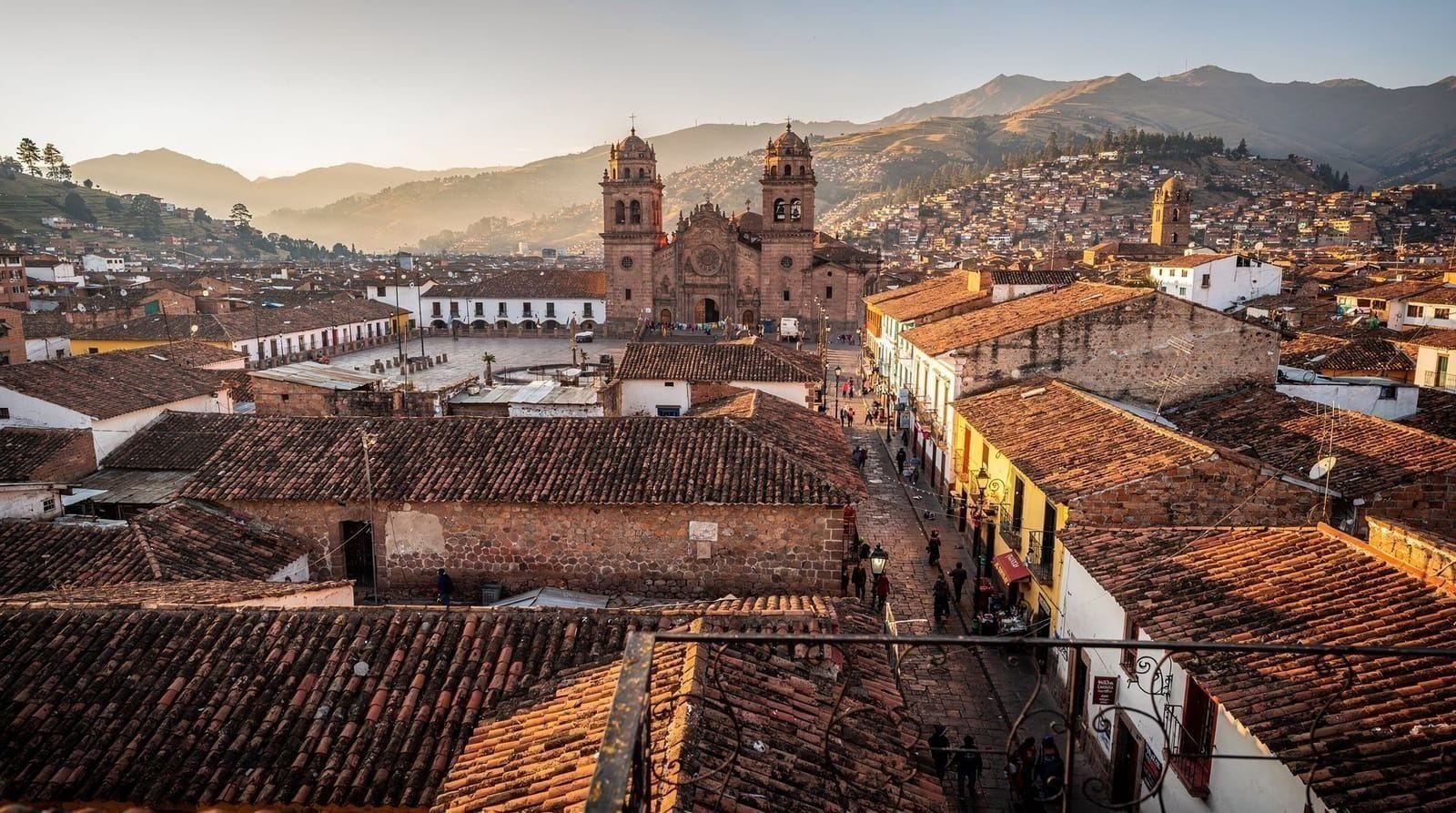
Fly into Cusco (3,400 m) and take it easy. Do not plan anything strenuous on arrival day. Rest at your hotel, then a gentle evening stroll around the Plaza de Armas and up into San Blas for dinner. Drink water, go easy on alcohol, and let your body start adjusting. The Cusco acclimatisation plan and altitude sickness guide are worth reading before you arrive.
- Theme: arrival and rest
- Sleeping altitude: ~3,400 m
- Avoid: hard hikes on day one
Most flights into Cusco connect through Lima, so check the Lima to Cusco flights guide before booking — earlier flights are generally more reliable than late-morning ones, which can back up if Cusco’s small airport has weather delays.
Day 2 — Sacred Valley (acclimatise lower)
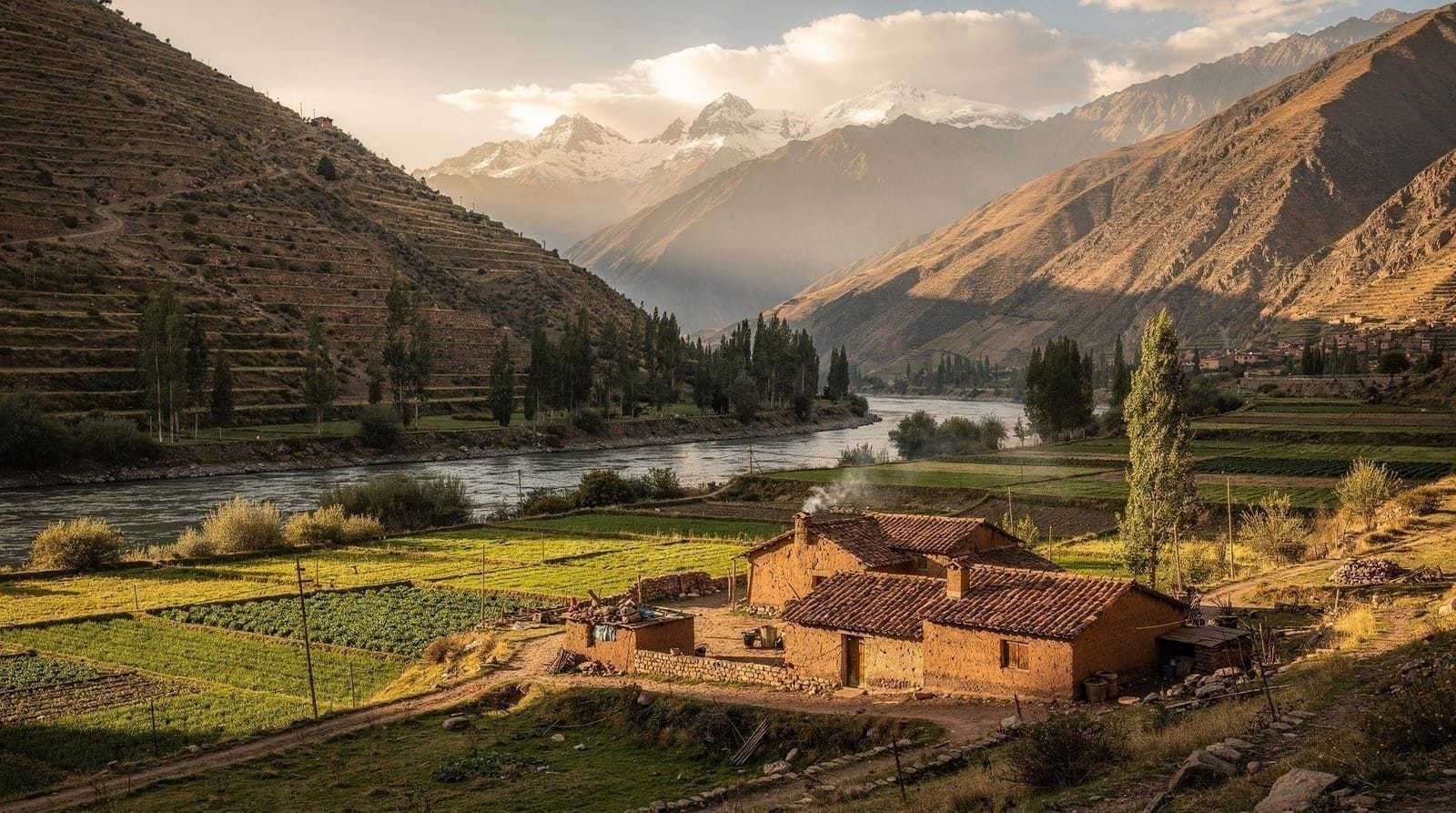
Spend day two in the Sacred Valley, which sits lower than Cusco and is gentler on the lungs — perfect while you acclimatise. A classic loop takes in Pisac, the salt pans of Maras, the terraces of Moray, and the town of Ollantaytambo. The Sacred Valley complete guide and Sacred Valley day trip cover the route.
Sleeping in the valley tonight, rather than back in Cusco, also positions you for the train to Machu Picchu from Ollantaytambo the next day.
Book the Sacred Valley small-group tour- Theme: lower-altitude sightseeing
- Highlights: Pisac, Maras, Moray, Ollantaytambo
- Tip: stay overnight in the valley near the train station
Day 3 — Machu Picchu by train
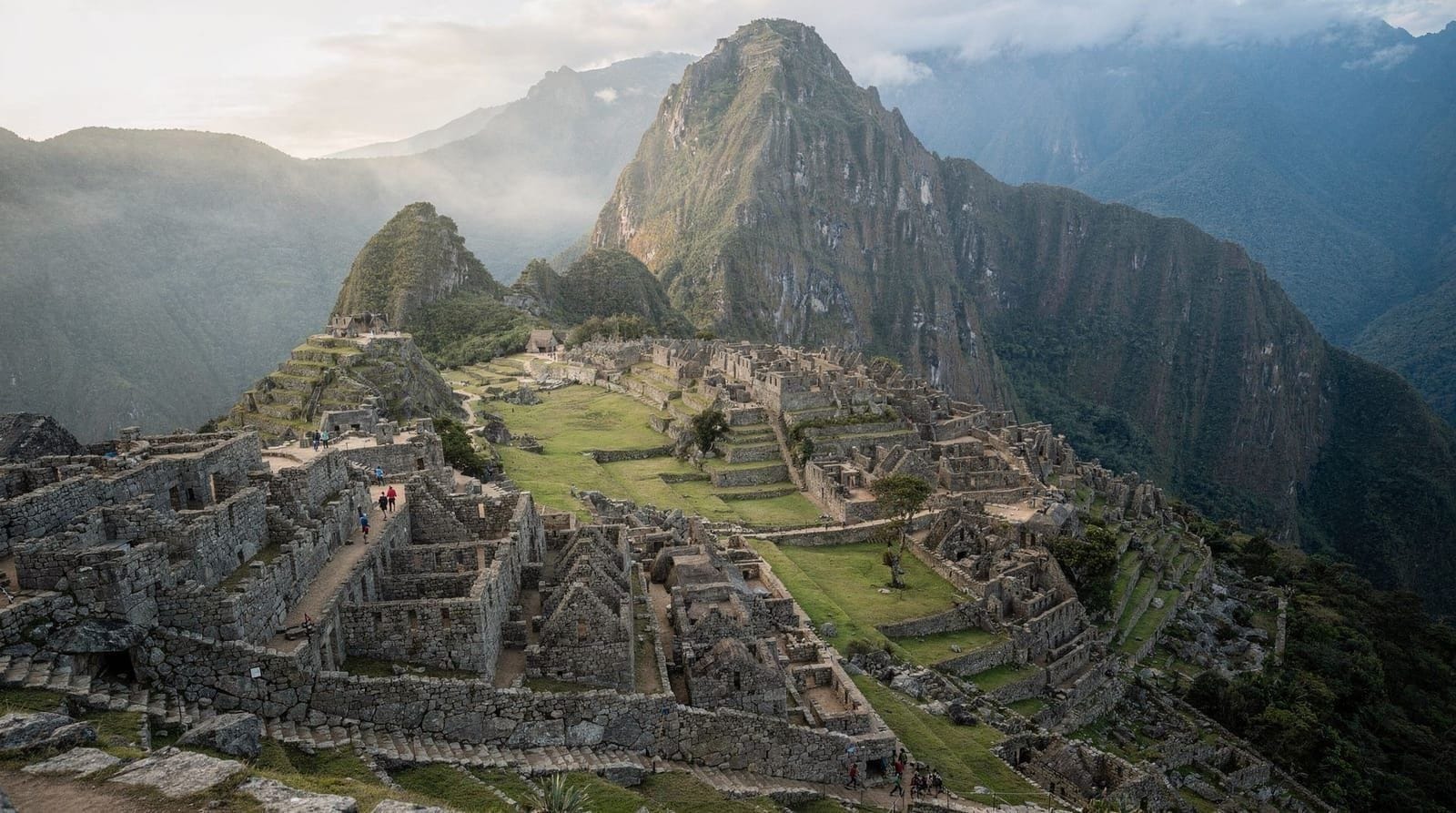
Day three is Machu Picchu. Take the train from Ollantaytambo to Aguas Calientes (about 1.5-2 hours), then the shuttle bus up to the site. Meet a guide at the entrance for a two-hour tour along your booked circuit. The Machu Picchu complete guide and Machu Picchu circuits compared help you plan, and Machu Picchu by train covers the rail options.
Return to Cusco in the evening by train and van. This is a long day, so an early night follows.
Book the Machu Picchu day trip by train- Travel: train + shuttle bus, no trekking
- At the site: 2-3 hours guided
- Note: book your timed circuit ticket well in advance
Day 4 — Cusco city and prepare for the jungle
A lighter day in Cusco to enjoy the city and repack for the rainforest. Visit the Qorikancha, the cathedral, and the ruins of Sacsayhuamán above town, or just wander San Blas and the markets. The Cusco archaeological sites guide helps you choose.
Use the afternoon to organise your jungle bag — lodges usually let you store your main luggage in Cusco and take only a small bag. Now is the time to read what to pack for the Amazon in Peru: light long sleeves, insect repellent, a rain layer, and a headlamp are the essentials.
- Theme: city highlights and jungle prep
- Tip: most lodges store your big luggage in Cusco free of charge
If you have not tried Peruvian food beyond restaurant meals, a short cooking class fits well into this lighter day and gives you skills to bring home. It is also a good indoor option if the weather turns.
Cusco cooking class with market visitDay 5 — Fly to Puerto Maldonado and into Tambopata
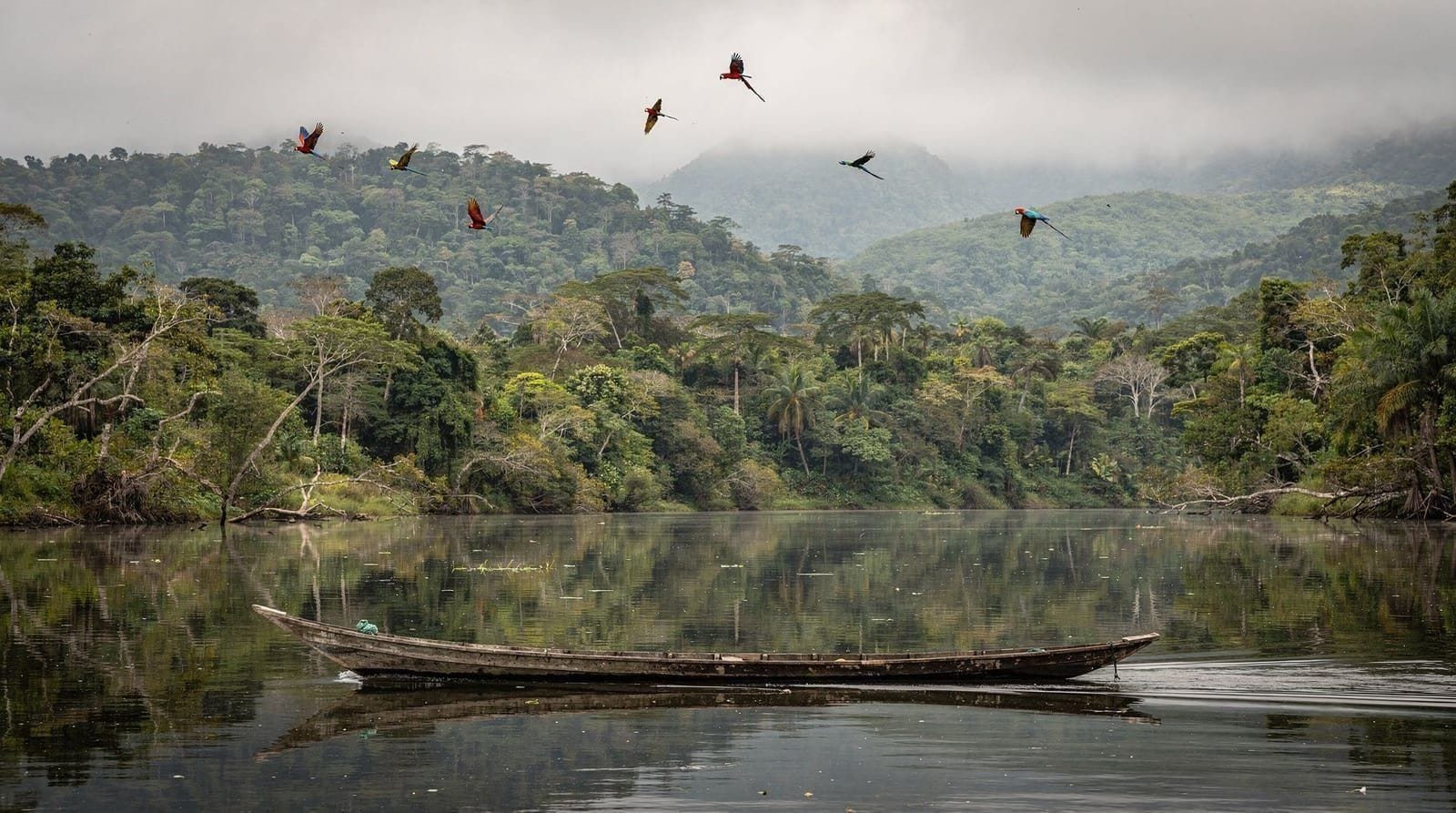
A short morning flight from Cusco to Puerto Maldonado (about 35 minutes) drops you from 3,400 m to around 200 m — a wonderful relief for the lungs and an instant change of climate to hot and humid. From the airport you transfer to the river port and take a motorised boat up the Tambopata or Madre de Dios river to your lodge, often one to three hours depending on how deep into the reserve it sits.
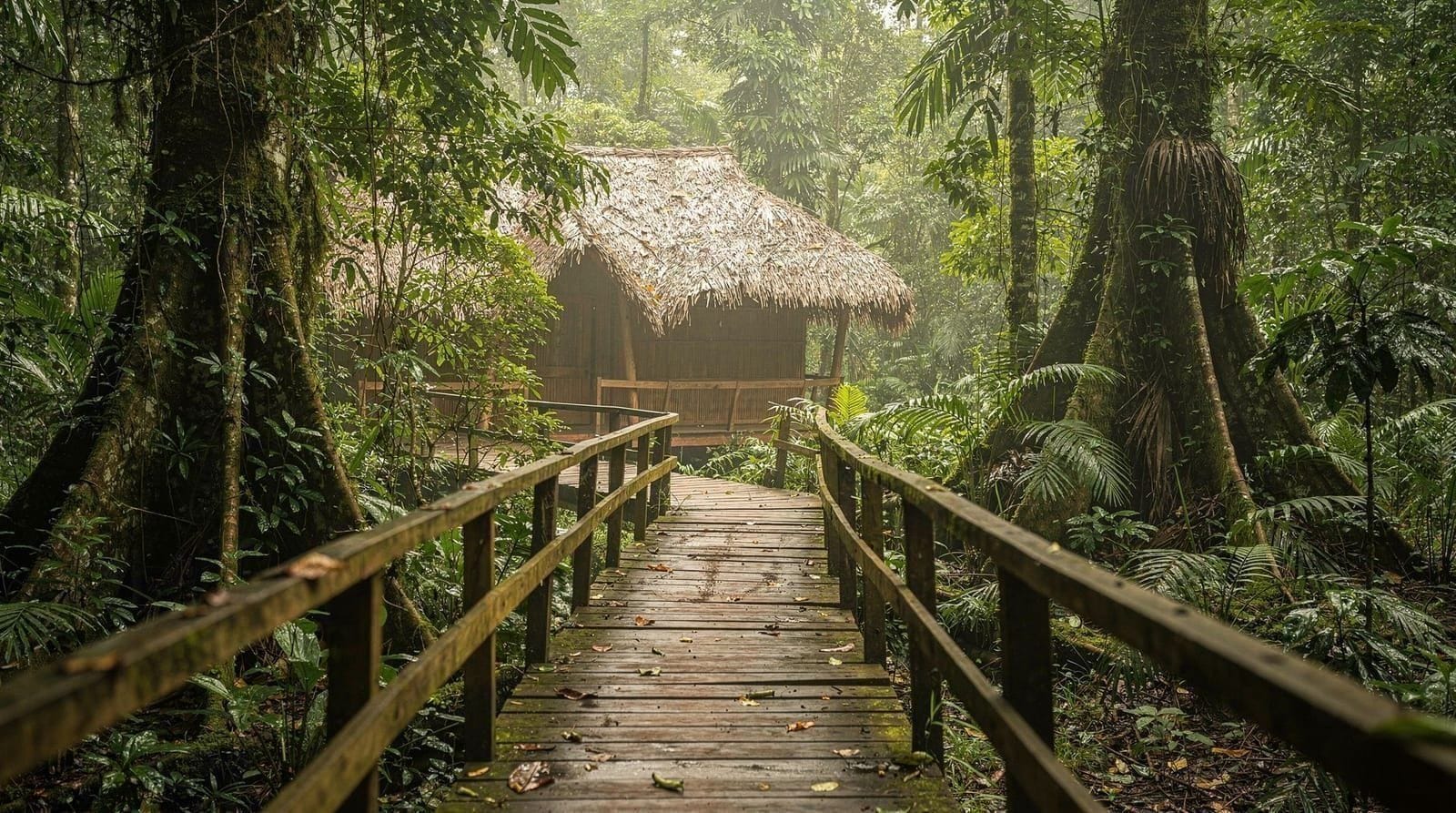
By afternoon you are at a jungle lodge in Tambopata, with an introductory walk or a sunset boat ride. Lodges range from rustic (shared bathrooms, candlelight) to comfortable (private bungalows, screened rooms). The Puerto Maldonado guide and Tambopata guide explain the area and what to expect.
Book the 3-day Tambopata jungle lodge tour- Travel: 35-min flight, then 1-3 hr boat
- Altitude: drops to ~200 m — easy breathing at last
- First activity: orientation walk or river sunset
Day 6 — Full day in the rainforest
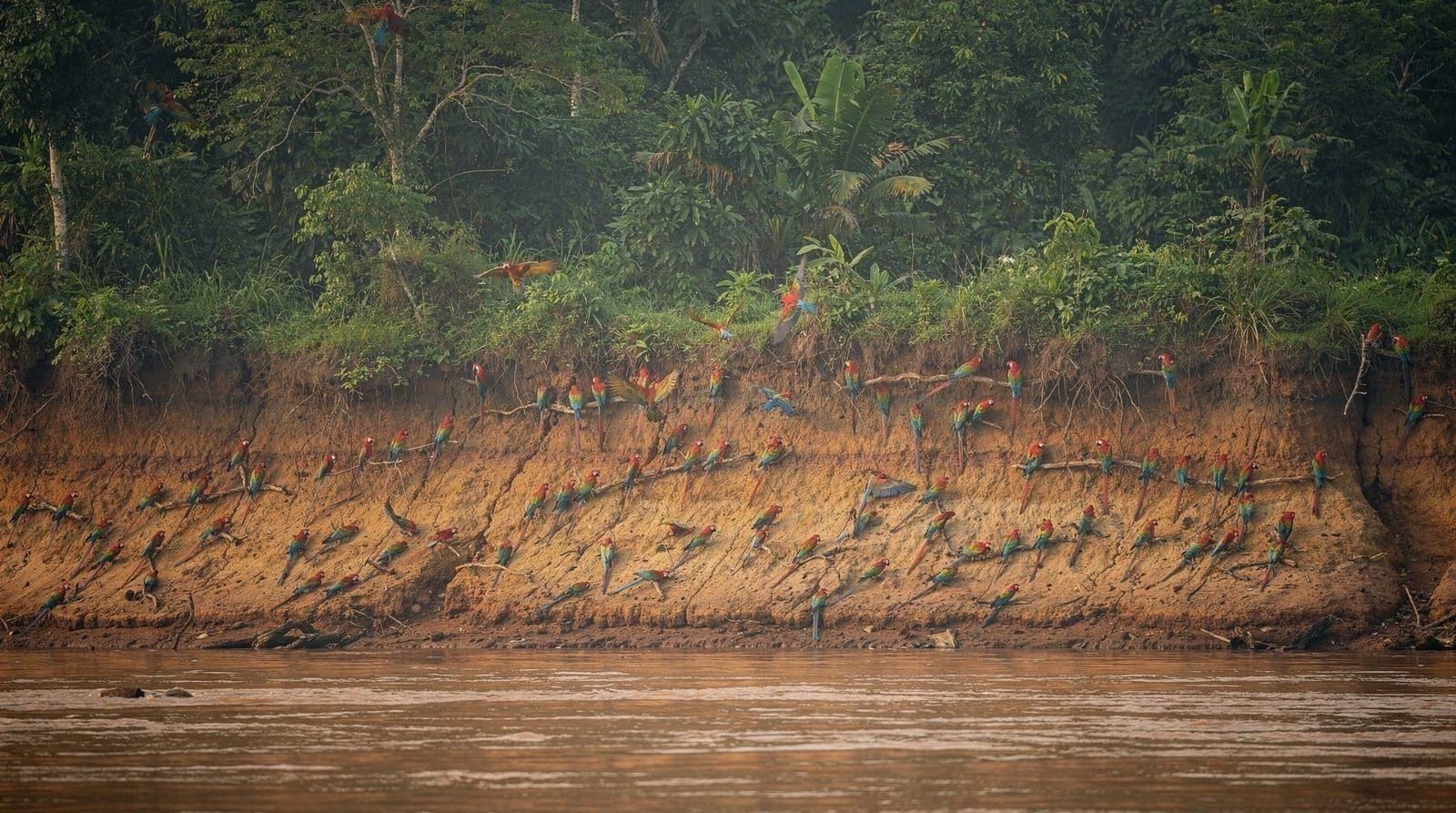
A full day of guided rainforest activities from your lodge. A typical programme includes an early-morning visit to a macaw or parrot clay lick, jungle trail walks to spot monkeys, caimans, and insects, a visit to an oxbow lake (cocha) by canoe to look for giant otters and herons, and a night walk to find frogs, spiders, and nocturnal life.
This is the heart of the trip — slow, immersive, and rewarding if you manage your expectations. Wildlife is wild; you will see plenty of birds and monkeys, but jaguars and tapirs are rare sightings. The tips on the best time for the Amazon in Peru explain how the season affects what you see and how high the rivers run.
- Activities: clay lick, trails, oxbow lake, night walk
- Pace: early starts, midday rest, evening activity
- Bring: binoculars, repellent, patience
Day 7 — Boat out, fly back to Cusco (or onward)
On the final morning you may have one last short activity before the boat back to Puerto Maldonado and the flight to Cusco. From Cusco you can connect onward to Lima the same day if your flights are timed for it, or spend a final night in Cusco. Build in a comfortable buffer between the jungle flight and any international connection — Andes weather occasionally delays Cusco flights.
If you have more time, this itinerary extends naturally: add a night in Aguas Calientes for a relaxed Machu Picchu, more jungle days, or a side trip to Rainbow Mountain. The Peru Amazon complete guide covers deeper jungle options.
- Travel: boat out, flight to Cusco, optional onward connection
- Tip: don’t book a tight same-day international connection from Cusco
Health and practical prep before you go
Two health items matter more here than on a Cusco-only trip. First, altitude: give your body the full day one and two to adjust before anything strenuous, and read the altitude sickness guide so you recognise symptoms early rather than pushing through them. Second, the jungle: yellow fever vaccination is commonly recommended for Amazon travel in Peru (check current guidance with a travel clinic well before departure), and anti-malarial advice varies by how deep into the reserve your lodge sits — ask your lodge directly rather than guessing. Bring your own repellent with a high DEET or picaridin concentration, since jungle-strength repellent is not always available to buy locally.
Money-wise, lodges in Tambopata are typically all-inclusive once you arrive (meals, activities, guiding), so your main outstanding costs are the Cusco portion — hotels, the Sacred Valley tour, Machu Picchu tickets, and city meals. The Cusco on a budget guide has ideas if you want to trim the highland half without cutting corners on the jungle lodge.
How much does a Cusco-plus-Amazon week cost?
Excluding international flights, a mid-range version of this trip — decent hotels, the Cusco-Puerto Maldonado flight, a comfortable jungle lodge, Machu Picchu by train, and guided tours — typically runs USD 1,200-2,200 per person. Budget travellers can do it for less with cheaper lodges and the Sacred Valley by collective transport; luxury lodges push it higher. The Peru trip cost guide for 2026 breaks down realistic spending.
Frequently asked questions about combining Cusco and the Amazon
Why do Cusco before the Amazon?
So you acclimatise to altitude while fresh and then descend to the easy-breathing jungle for the relaxing back half of the trip. Doing the Amazon first and then going up to 3,400 m means arriving in Cusco still needing to acclimatise.
How do you get from Cusco to the Amazon?
The simplest way is a 35-minute flight from Cusco to Puerto Maldonado, then a boat to a Tambopata lodge. Manu can also be reached overland from Cusco but takes much longer. See the Amazon from Cusco guide.
Is Tambopata or Manu better for a 7-day trip?
Tambopata, because it is faster and cheaper to reach, leaving you more time for the highlands. Manu is more pristine but needs more days and budget. Read Tambopata vs Manu.
What wildlife will I actually see?
Realistically: many bird species, several types of monkey, caimans, capybaras, and at clay licks, flocks of macaws and parrots. Giant otters and rarer mammals are possible but not guaranteed. Large cats are very rarely seen.
When is the best time for this trip?
The dry season (roughly May to September) gives the most reliable highland weather and easier jungle trails, though wildlife viewing in the Amazon is good year-round. The wet season brings higher rivers and more mosquitoes. See best time to visit Cusco and best time for the Amazon.
What should I pack for the jungle portion?
Lightweight long sleeves and trousers, strong insect repellent, a rain layer, quick-dry clothes, a headlamp, and binoculars. Most lodges store your main luggage in Cusco so you carry only a small bag. The what to pack for the Amazon guide has a full list.
Do I need vaccinations for the Amazon part of this trip?
Yellow fever vaccination is commonly recommended for Amazon travel in Peru — confirm current requirements with a travel clinic several weeks before you go, since some vaccines need time to take effect. Anti-malarial advice depends on exactly where your lodge sits; ask the lodge directly rather than assuming.
Could this itinerary work in reverse, jungle first then Cusco?
It works logistically, but it is the harder way round: arriving in Cusco after the warm, low-altitude jungle means acclimatising on the back half of your trip, often after a few tiring days, which makes altitude sickness more likely. Highlands-first, as in this itinerary, is the easier order for most people.
Top experiences
Bookable activities with verified prices and instant confirmation on GetYourGuide.