A night on Amantaní: my Lake Titicaca homestay diary
The part of the trip I almost skipped
I nearly didn’t do the homestay. The reviews I’d read were split down the middle: some people called it the most authentic experience of their Peru trip, others called it staged poverty tourism dressed up with folklore. I went anyway, partly out of stubbornness, and I’ve been turning it over in my head ever since. This is the honest account.
| Where | Puno, Lake Titicaca, Amantaní island |
| Cost | Around S/ 130 (USD 35) for the 2-day/1-night route |
| Time needed | 2 days, 1 night (Uros, Amantaní, Taquile) |
| Altitude | Around 3,800m — the highest navigable lake in the world |
| Bring | Warm layers, small cash, a gift or purchase for the host family |
The trip was the standard two-day route out of Puno: a morning on the floating Uros islands, lunch and a night with a family on Amantaní, then Taquile island on the way back. I booked it through a small agency near Puno’s main square for about S/ 130 (around USD 35), which covered the boat, the family’s hosting, and all meals. That price always nags at me — more on that later.
The Uros islands: I went in cynical
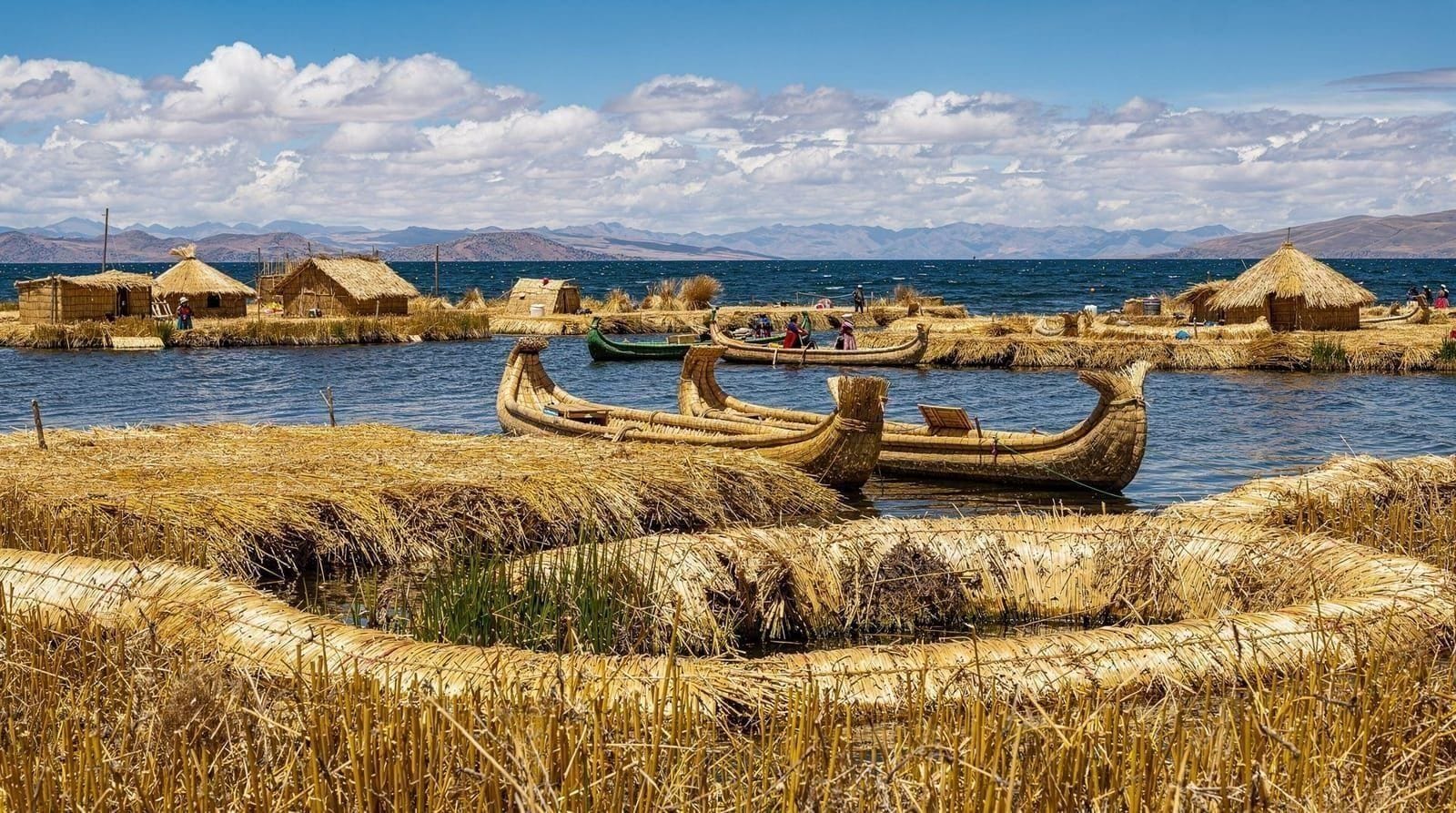
First stop, the Uros floating reed islands. I’ll be straight: this is the part that feels the most like a performance. The islands are real — people genuinely live on platforms of layered totora reeds that they rebuild constantly — but the tourist visit is brisk and transactional. A demonstration of how the reeds are cut and stacked, a chance to buy crafts, a short ride on a reed boat for an extra few soles.
And yet I’m glad I went. Standing on a surface that gives slightly underfoot, ankle-deep in spongy reeds, with the lake going on forever and the light hard and blue at 3,800 m — that part isn’t fake. The commerce is, a little. The place isn’t.
Crossing to Amantaní
The boat to Amantaní took a few hours across water so flat and bright it hurt to look at. Lake Titicaca is the highest navigable lake in the world and you feel the altitude in the thinness of the light and the cold that arrives the second a cloud passes the sun.
At the little harbour, the families were waiting. This was the moment I’d dreaded — the bit where you get “assigned” to a household and walk off with strangers. My host was a woman called Rosa, maybe sixty, in the layered skirts and embroidered blouse that women here actually wear, not as costume but as clothes. She took my bag before I could stop her and set off up the hill at a pace that left me wheezing in the thin air.
The awkward middle hours
Here’s the honest part nobody puts in the brochure: the afternoon was awkward. Rosa spoke Quechua and some Spanish; my Spanish was clumsy and my Quechua nonexistent. We sat in her courtyard and didn’t say much. I helped peel potatoes because I didn’t know what else to do with my hands. There were long silences.
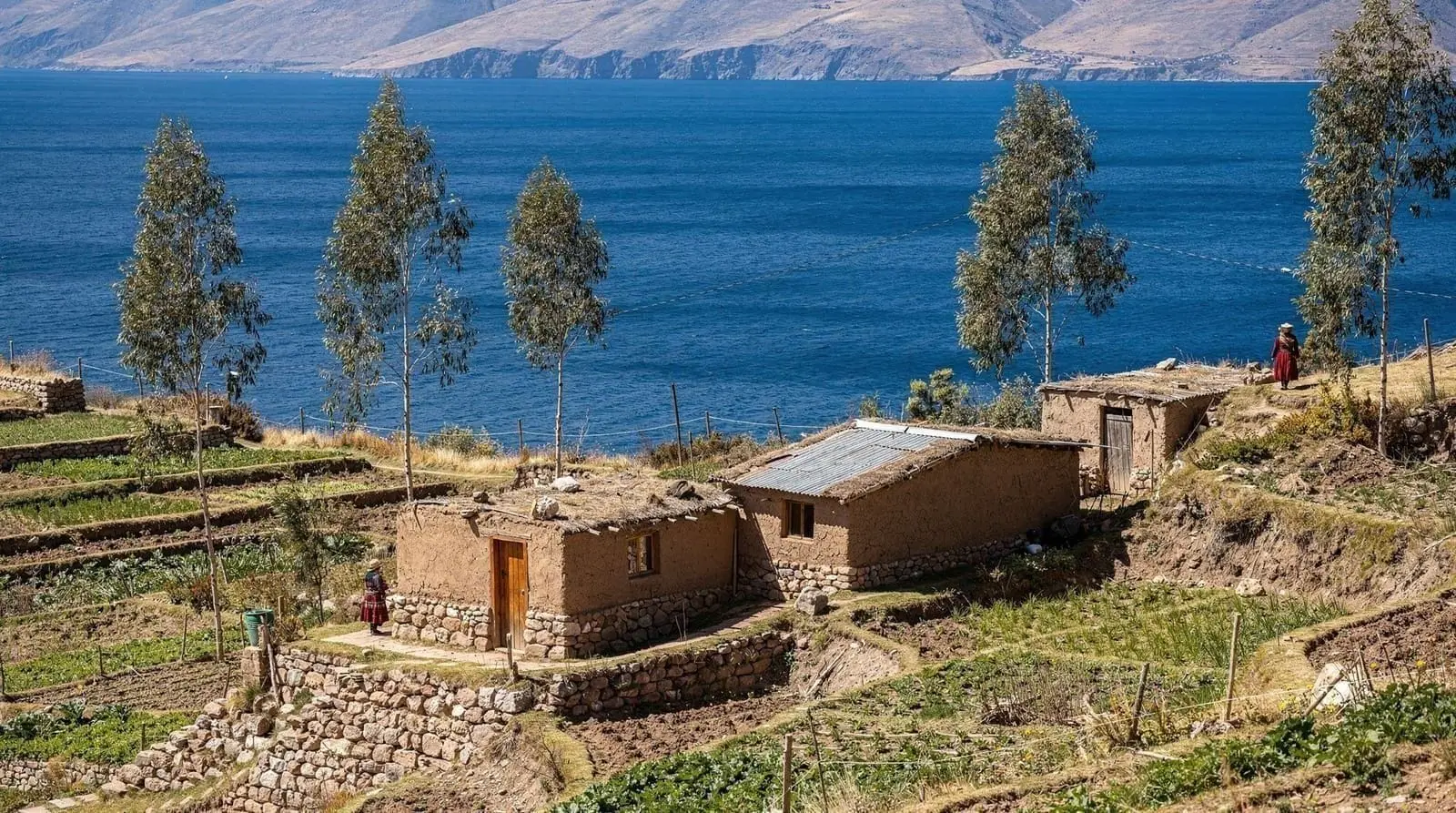
And somewhere in those silences, the awkwardness turned into something better. Her grandson appeared and taught me to count to ten in Quechua, laughing at my pronunciation. Rosa showed me the small plot where the family grows the potatoes, quinoa and beans that make up most of what they eat. The house had electricity but no heating and a single cold tap. This is genuinely how the family lives — the homestay income supplements subsistence farming, it doesn’t replace it.
That’s where I land on the “staged poverty” criticism: it’s not staged. The poverty, if you want to call it that, is real and ordinary, and the family has decided to share their home for income on their own terms. Whether your visit is extractive or respectful is mostly down to how you behave in it. I tried to be a guest, not an audience.
The Quechua culture guide gives the wider context I was missing in the moment — the cargo system, the reciprocity called ayni that underpins how these communities organise. I wish I’d read it before, not after.
Dinner, and the dance
Dinner was quinoa soup, then potatoes and a fried cheese with muña tea — a local mint that’s also good for the altitude. Simple, hot, exactly right for the cold. We ate in the kitchen by a single bulb.
Then came the part I’d been quietly dreading more than the silences: the evening “fiesta.” The families dress visitors in traditional clothes — for me a poncho and a knitted chullo hat — and walk you up to the community hall for music and dancing. On paper this is peak cringe-tourism. In practice, in the dark, freezing, slightly altitude-drunk, spinning badly to a panpipe band with Rosa laughing at me — it was disarming and genuinely fun. I’d braced for embarrassment and got joy instead.
The cold night and the stars
The night was cold. Amantaní sits above 3,800 m and there’s no heating; Rosa piled four heavy blankets on the bed and I slept in everything I’d packed. I woke at some point needing the outdoor toilet and stepped out into the most absurd sky I’ve ever seen — no light pollution for hundreds of kilometres, the Milky Way thrown across the whole dome of it, the lake a sheet of black below. I stood there shivering for ten minutes anyway.
Taquile and the way back
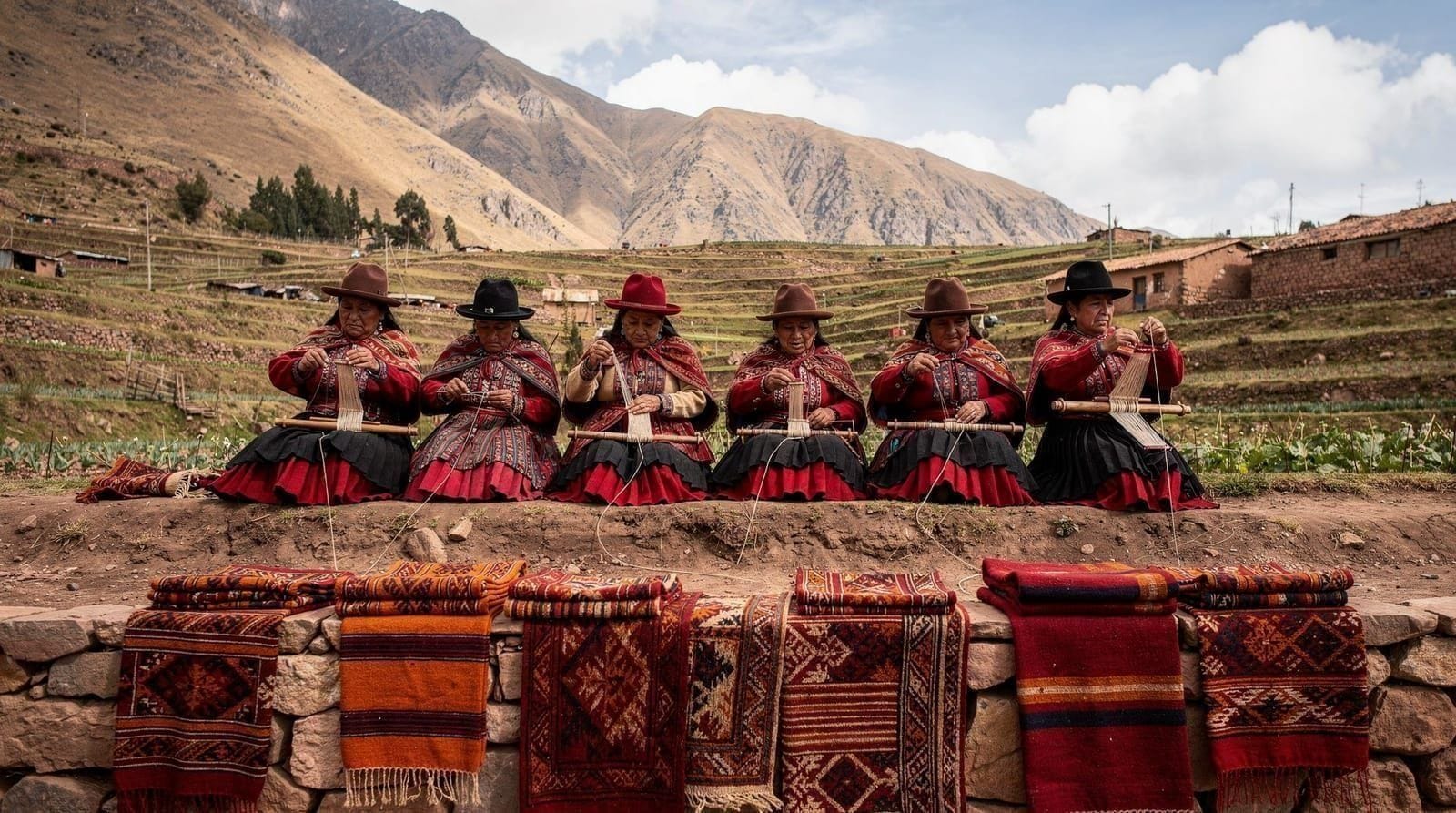
Morning was breakfast — pancakes and more muña tea — and a steep climb to the island’s twin peaks, Pachatata and Pachamama, before catching the boat to Taquile island. Taquile is famous for its textiles, which are UNESCO-listed, and where the men knit. It’s lovely, but after a night on Amantaní it felt more like a normal tourist stop. The intimacy was on Amantaní.
So — was it worth it? And the price problem
Here’s my real reservation, and it isn’t about authenticity. It’s the money. I paid S/ 130 for two days including a family hosting me overnight and feeding me four meals. Even accounting for the agency’s cut, the boat fuel and the guide, the family’s slice of that is small. I left a tip and bought textiles directly from Rosa, and I’d urge you to do the same — bring small bills, buy a thing, tip generously. The economics only work ethically if the money reaches the household, and the rock-bottom tour price makes that hard.
If you’d rather book the overnight directly so more of the value stays local, the standard 2-day Lake Titicaca tour to Uros, Amantaní and Taquile is the same route I did. Whoever you book through, ask how much reaches the host families and pad it yourself in cash on the island.
If you only have time for one day, the floating islands on a day trip will still show you the lake — but you’ll miss the night, which was the whole point for me.
What I’d tell a friend
Do the overnight. Go in expecting awkward hours, not instant connection. Bring warm layers you’ll actually sleep in, small cash to spend directly with the family, and the humility to be a guest in a house, not a visitor to an exhibit. Learn to count to ten in Quechua before you go — it’ll get you a laugh and break the ice faster than anything.
Choosing an agency without overthinking it
I asked around after the fact and the honest answer is that most Puno agencies run the same basic route with the same rotation of host families, so the difference between operators is smaller than the marketing suggests. What matters more than the agency name is whether they brief you honestly before you go — on what to bring, on tipping norms, on how much the family actually receives — and whether they let you choose a slightly higher price point in exchange for a fairer split. If an agency can’t answer “how much of this reaches the host family,” that’s a fair reason to ask another one. I’d rather pay S/20 more and know it lands with Rosa’s household than save it and wonder.
How this compares to the wider lake
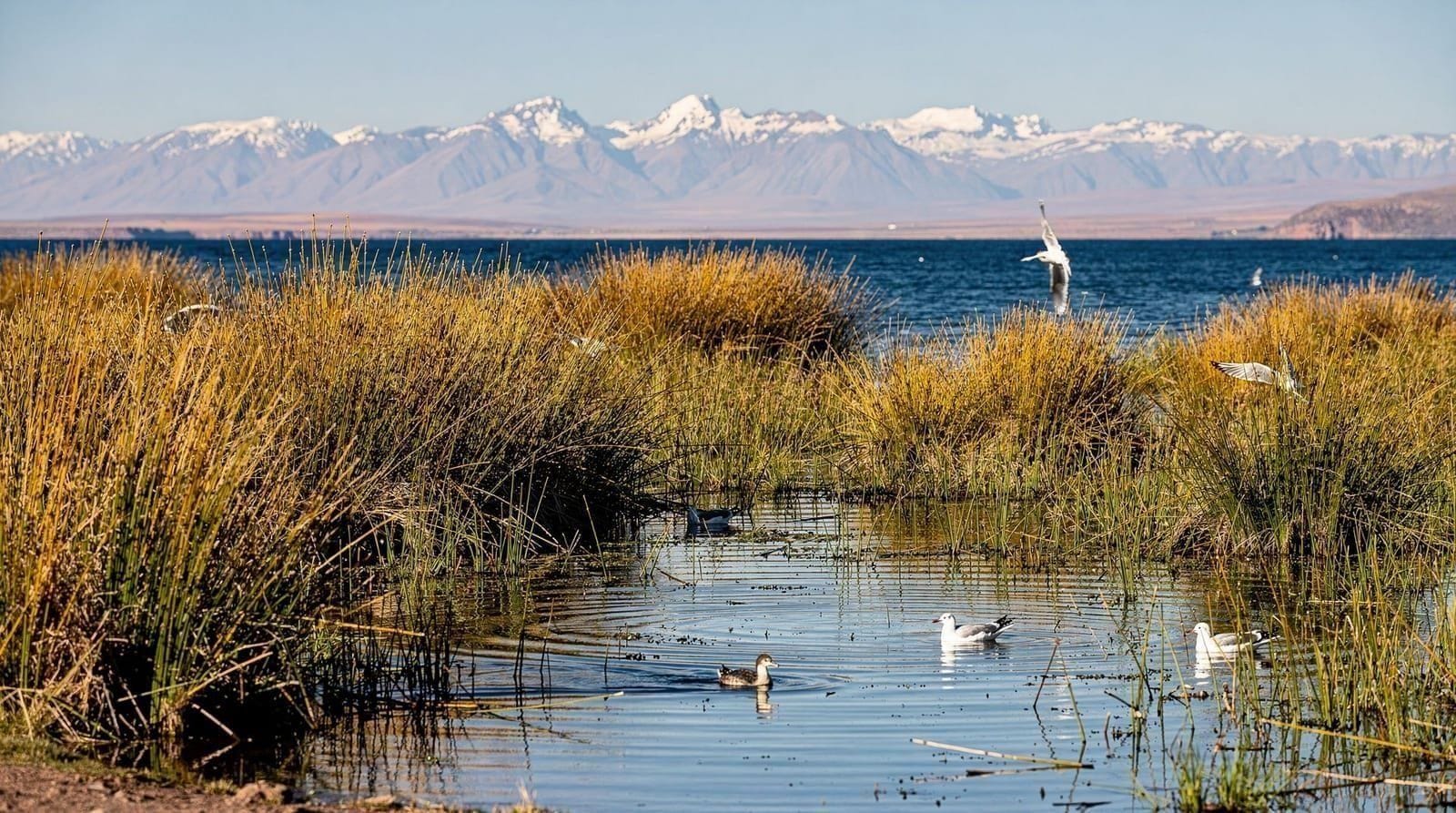
The homestay is only one way to experience Lake Titicaca. If wildlife and birdlife interest you as much as culture, the Lake Titicaca wildlife guide covers the totora reed ecosystem the Uros islands are built from, and the birdlife around the lake’s quieter bays. Some visitors skip the homestay entirely and do a single day covering Uros and Taquile without the overnight — you’ll see more of the lake’s surface area that way, but you’ll miss the part that actually stayed with me.
What it wasn’t
I want to be honest about what the homestay is not, because I went in braced for something more performative. It is not a cultural show staged for visitors; there was no dancing troupe rehearsing a routine, no gift shop disguised as a “traditional home.” It is an actual family’s actual house, and the awkward hours are awkward precisely because nobody is performing anything. If you want guaranteed constant entertainment, this isn’t that. If you want a real, sometimes silent, sometimes joyful evening inside someone else’s ordinary life at 3,800 metres, it delivers exactly that.
It wasn’t the prettiest part of my Peru trip. It might have been the most human. A year on, it’s Rosa’s cold kitchen and that ridiculous sky I remember, not the postcards.