Peru in 7 days: the classic Lima, Cusco, Sacred Valley & Machu Picchu route
Cusco: Machu Picchu + Tourist Train + Entrance Ticket
Seven days is the most common amount of time people give Peru, and it is just enough to do the southern Andes circuit properly without spending half the trip on planes. This route deliberately puts the Sacred Valley before Cusco so your body acclimatises at a lower altitude first, then ends at Machu Picchu when you are fully adjusted.
Is 7 days enough for Peru?
Seven days is enough for the classic loop: Lima, the Sacred Valley, Cusco and Machu Picchu. It is not enough to add Lake Titicaca, the Amazon or the south coast without rushing. Budget two nights in Lima, sleep in the Sacred Valley before Cusco to manage altitude, and book Machu Picchu entry tickets weeks ahead.
| Route | Lima to Sacred Valley to Machu Picchu to Cusco |
| Days needed | 7; two domestic flights (Lima-Cusco return) |
| Altitude tactic | Sleep low in the Sacred Valley before Cusco |
| Book ahead | Machu Picchu timed entry and train, weeks out |
| Best time | May to September; April and October quieter |
| Not included | Titicaca, the Amazon or the south coast |
How this week is structured
The biggest planning mistake on a 7-day Peru trip is flying straight from sea-level Lima to Cusco at 3,400 m and then attempting a hard day. Cusco sits higher than the Sacred Valley (around 2,800–2,900 m at Urubamba and Ollantaytambo), so the smart move is to land in Cusco, transfer down to the valley the same day, and spend your first two nights low. You return to Cusco at the end, by which point altitude is a non-issue.
You will take two domestic flights: Lima to Cusco at the start, and Cusco to Lima at the end. Both are roughly 1 hour 20 minutes. Book the earliest Cusco-bound flight you can; afternoon departures are routinely delayed or cancelled because of mountain weather. Read the Peru domestic flights guide before booking, and the Lima to Cusco flights guide for airline specifics.
Day 1: Arrive in Lima
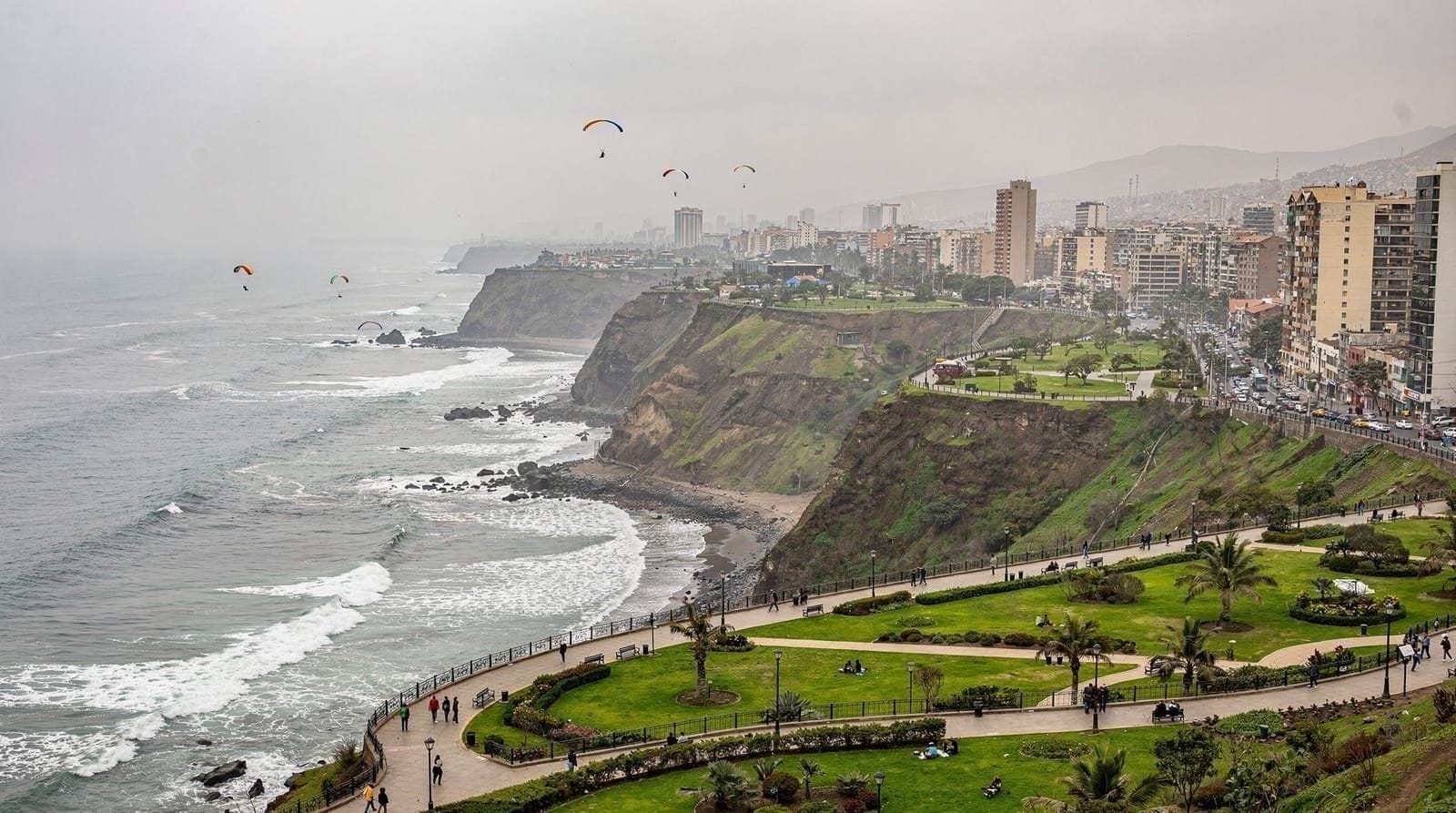
Most intercontinental flights land in Lima late at night, so treat Day 1 as a logistics day rather than a sightseeing one. Stay in Miraflores or Barranco, the two neighbourhoods worth your time. Miraflores is safer-feeling and walkable along the clifftop Malecón; Barranco is the bohemian district with the best bars and street art a short taxi ride south.
If you arrive early enough, walk the Malecón at sunset and have your first ceviche. Expect to pay S/45–70 (about USD 12–19) for a good ceviche at a sit-down place like Canta Rana in Barranco or La Mar in Miraflores (La Mar is pricier and does not take dinner reservations). Avoid the restaurants directly on Parque Kennedy that have menu touts outside; they exist for tourists who do not know better.
Use an airport taxi from the official counter inside the terminal, or a ride-hailing app. The fixed-rate taxi desk to Miraflores costs roughly S/70–90 (USD 19–24). Do not accept rides from people approaching you in the arrivals hall.
Day 2: Lima city and food
Give Lima one full day before you head to the mountains. The single most rewarding stop is the Larco Museum, a private collection of pre-Columbian art in a colonial mansion with a genuinely good café in the garden. The historic centre, with the Plaza Mayor and the catacombs of San Francisco monastery, is worth a couple of hours in the morning when it is quieter.
A guided half-day tour is an efficient way to see both the colonial centre and the Larco in one go without arranging your own transport.
Lima city tour with the Larco MuseumIn the afternoon, do a food walk in Miraflores or Barranco, or simply pick a target lunch: tiradito, lomo saltado, anticuchos. If you only do one organised activity in Lima, a food tour is more memorable than another museum.
Fly to Cusco the next morning, so pack and get to bed early.
Day 3: Fly to Cusco, transfer to the Sacred Valley
Take a morning flight to Cusco. On arrival, do not check into a Cusco hotel. Arrange a private transfer or shared van directly to the Sacred Valley (Urubamba or Ollantaytambo), about 1 hour 15 minutes to Urubamba. Sleeping 500–600 m lower than Cusco on your first two nights makes a real difference to how you feel.
Spend the rest of the day taking it slow: a gentle walk, plenty of water, and coca tea if you want it. Do not hike, do not drink alcohol, and do not plan anything strenuous. Altitude symptoms (headache, breathlessness, poor sleep) usually peak in the first 24–48 hours. The Cusco acclimatization plan and the altitude sickness guide cover what to expect and when to worry.
Ollantaytambo is the better base if you value atmosphere; its Inca street grid is the only one still lived in, and the train to Machu Picchu leaves from here. Urubamba is more central for a valley tour and has the best hotels.
Day 4: Sacred Valley tour
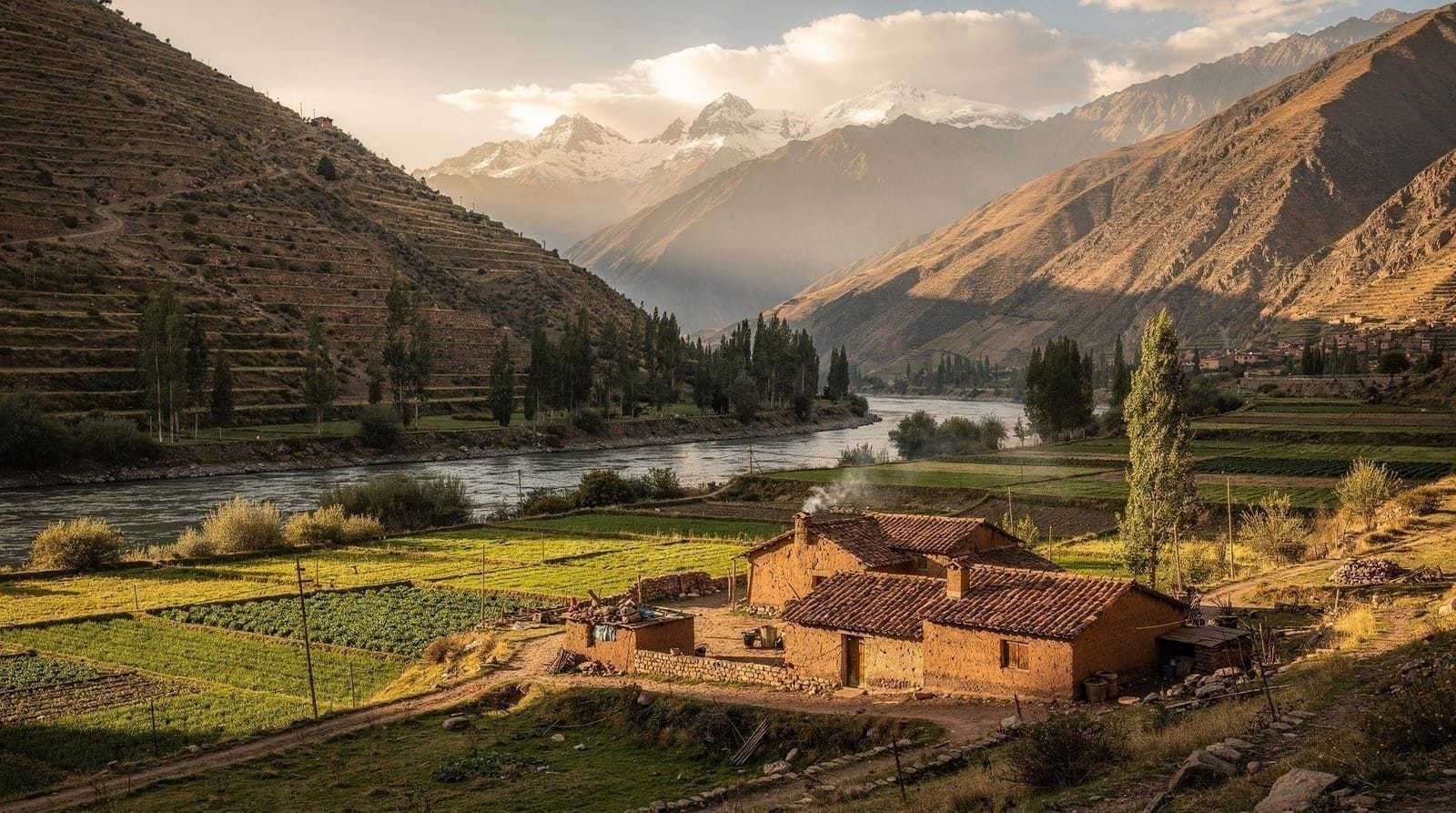
A full day touring the Sacred Valley acclimatises you while you sightsee. The standard circuit covers the agricultural terraces and circular depressions of Maras and Moray, the dramatic Pisac ruins above the river, and the fortress town of Ollantaytambo. Read the Sacred Valley complete guide to decide what to prioritise.
Pisac, Maras, Moray and Ollantaytambo small-group tourEnd the day in Ollantaytambo if your Machu Picchu train leaves from there the next morning, which is the usual arrangement. Buy your train ticket in advance; PeruRail and Inca Rail both run the route and seats sell out in high season (May–September).
Day 5: Machu Picchu
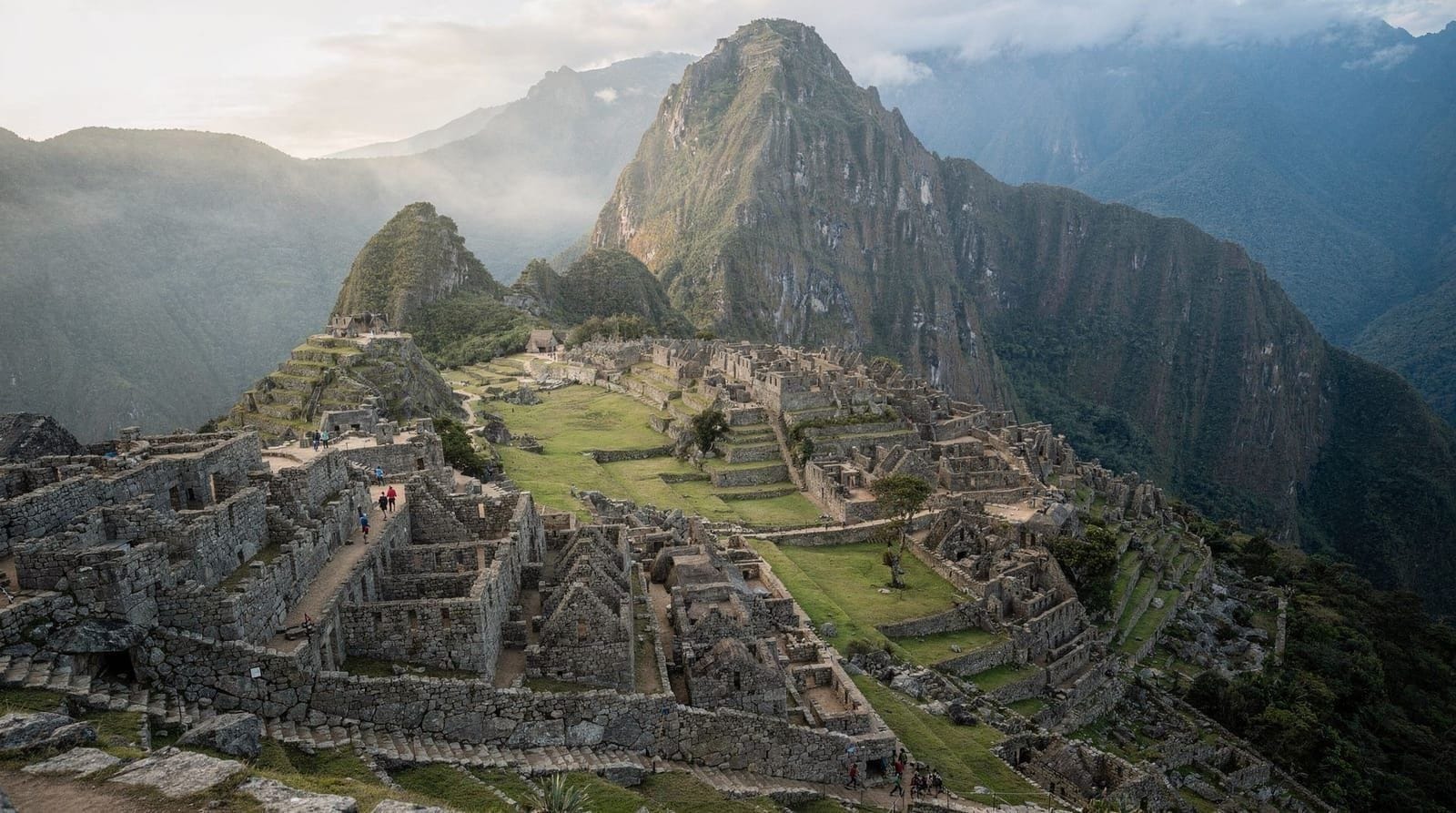
This is the day everything is built around. The train from Ollantaytambo to Aguas Calientes (the town below the ruins, also called Machu Picchu Pueblo) takes about 1 hour 30 minutes through the valley. From Aguas Calientes a shuttle bus climbs 25 minutes of switchbacks to the entrance, or you can walk up in roughly 1 hour 15 minutes if you are fit.
You must have a timed entry ticket booked in advance with a specific circuit; same-day tickets are not realistic in high season. Read the Machu Picchu ticket types compared before you buy, and the how to get to Machu Picchu guide for the full logistics. If you want a guided round-trip including train and entrance handled for you, a packaged day trip removes most of the booking stress.
Machu Picchu day trip with train and entrance ticketMost day-trippers return to Ollantaytambo or Cusco the same evening. If you would rather not rush, sleep one night in Aguas Calientes and visit the ruins early the next morning before the crowds and before your return train. That turns this into a two-day Machu Picchu segment and is worth considering if you can spare the night.
Day 6: Cusco
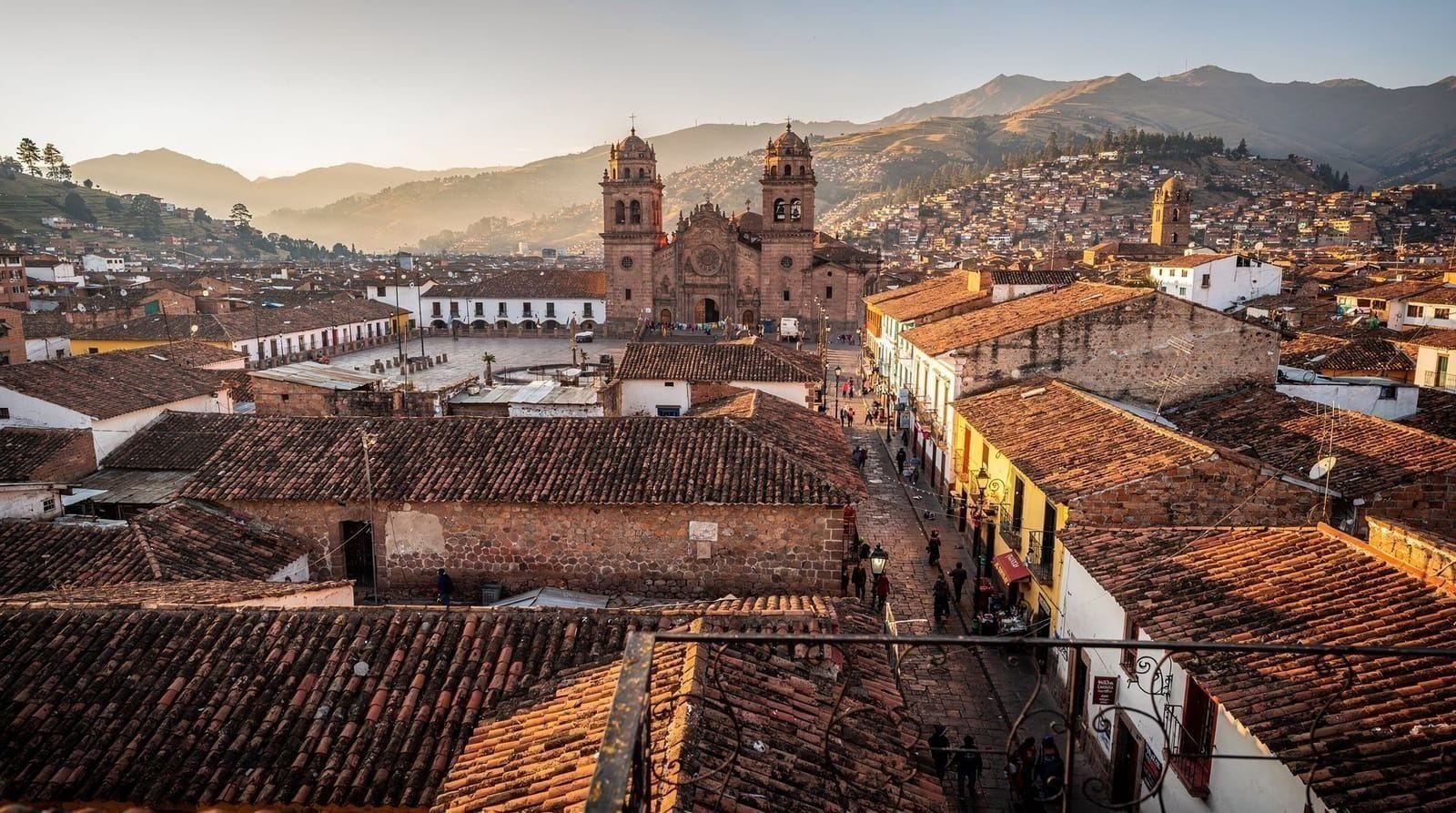
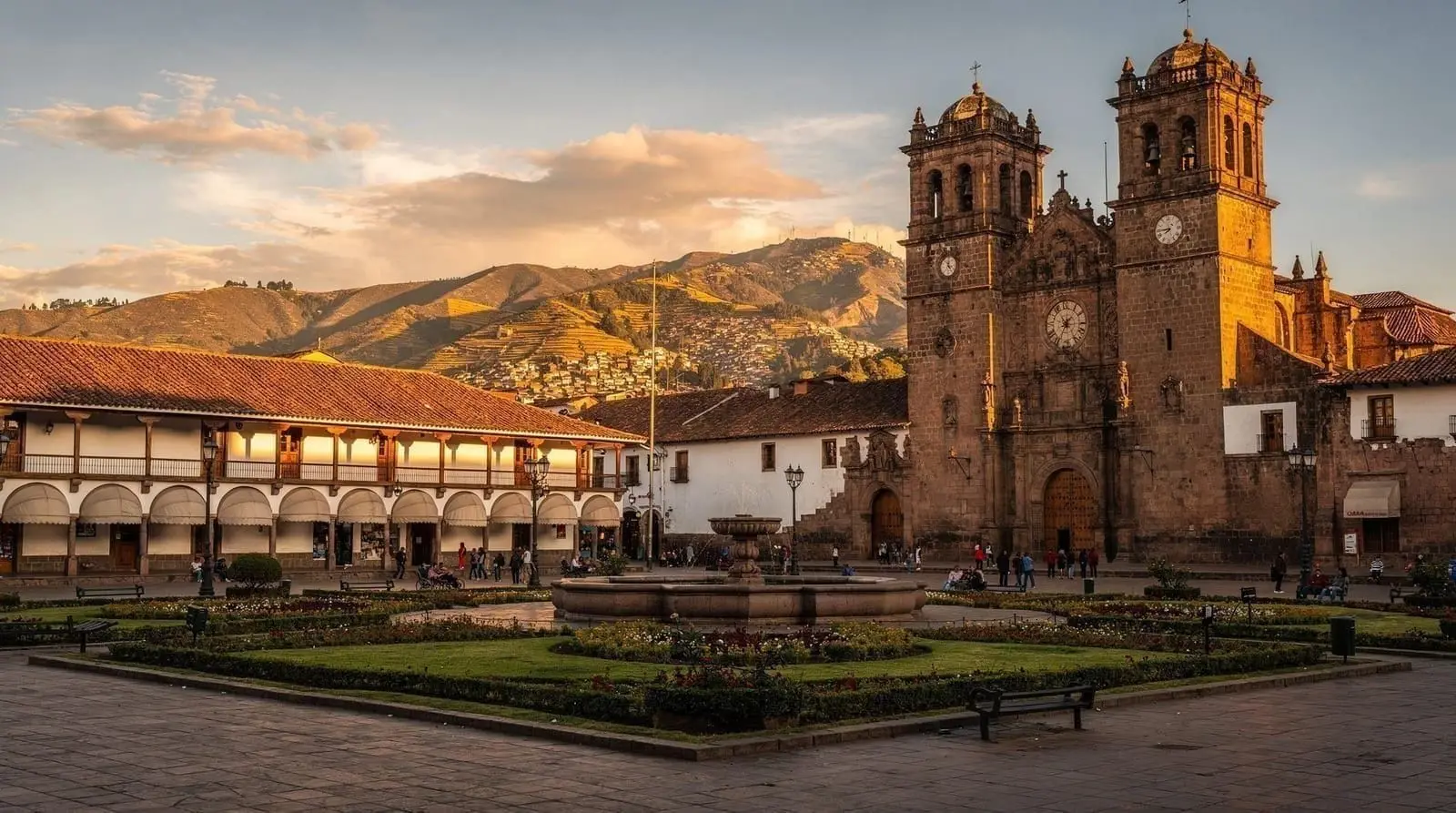
Transfer up to Cusco and spend a full day in the city now that you are acclimatised. The compact historic core rewards walking: the Plaza de Armas, the Inca-stone alleys of San Blas, the Qorikancha sun temple buried under a colonial church, and the massive walls of Sacsayhuamán on the hill above town.
Cusco half-day city tour with SacsayhuamánIf you have not yet bought a Cusco Tourist Ticket (boleto turístico), note that it bundles several sites including Sacsayhuamán; the Cusco tourist ticket guide explains which version is worth it. Be aware of the well-known Cusco tourist traps, from overpriced “Inca massage” touts to alpaca-photo scams in the plaza.
In the evening, eat in San Blas rather than on the plaza. Picantería-style spots and small restaurants up the hill are better value and better food.
Day 7: Fly to Lima and onward
Take a morning flight from Cusco back to Lima. If your international flight leaves the same night, you can store luggage at your Lima hotel and have a last lunch in Miraflores. If your connection is tight, do not book the last possible Cusco flight; weather delays are common and you do not want a missed long-haul connection. Leaving a buffer of several hours, or an overnight in Lima, is the safe play.
The 7 days at a glance
| Day | Base | Focus |
|---|---|---|
| 1 | Lima | Arrive, Miraflores or Barranco |
| 2 | Lima | Larco Museum, historic centre, food walk |
| 3 | Sacred Valley | Fly to Cusco, transfer down to acclimatise |
| 4 | Sacred Valley | Pisac, Maras, Moray, Ollantaytambo |
| 5 | Sacred Valley/Cusco | Machu Picchu by train |
| 6 | Cusco | City tour, San Blas, Sacsayhuaman |
| 7 | - | Fly Cusco-Lima and onward |
If you can spare one extra day
Seven days is tight but complete; an eighth or ninth day changes what is possible. The most rewarding additions from Cusco are a high-altitude day you are now acclimatised for, such as Rainbow Mountain or Humantay Lake, or a slower second day at Machu Picchu with a night in Aguas Calientes for an early, crowd-free visit.
If you have two or three extra days rather than one, it is usually better to step up to a longer itinerary than to pad this one: the 10-day route adds the south coast, while the 10-day Cusco and Titicaca route swaps in Lake Titicaca. The how many days in Cusco guide and the shortlist of best day trips from Cusco help you decide where an extra day earns its keep.
The booking order that actually matters
Not everything on this trip needs reserving months ahead, but the things that do are non-negotiable. Machu Picchu entry is capped by timed slot and circuit and sells out weeks in advance in high season, so book it first; the Machu Picchu tickets explained guide walks through the types. Train seats from Ollantaytambo go next, on either PeruRail or Inca Rail, and the train tickets guide and the PeruRail vs Inca Rail comparison cover classes and timings.
Domestic flights to Cusco are worth locking in early for the cheapest fares and the earliest departures. If you are considering the classic Inca Trail instead of the train, note that its permits sell out months ahead and are covered separately in the Inca Trail permits guide. Everything else, meaning hotels, tours and transfers, can be arranged closer in.
Where to sleep
- Lima: Miraflores for first-timers (walkable, safe-feeling). Barranco if you want atmosphere over convenience.
- Sacred Valley: Ollantaytambo for character and train access; Urubamba for the best hotels and central location.
- Cusco: San Blas for charm, or near the Plaza de Armas for convenience. Anything above the plaza means steep climbs at altitude.
Realistic budget
Per person, excluding international flights and assuming mid-range hotels:
- Two domestic flights (Lima–Cusco round trip): USD 120–220.
- Machu Picchu (train both ways, bus, entry): USD 170–230.
- Sacred Valley tour: USD 35–60.
- Hotels (6 nights, mid-range double, per person): USD 250–450.
- Food and incidentals: USD 30–50 per day.
A comfortable mid-range week lands around USD 1,100–1,600 per person on the ground. Budget travellers can cut this substantially by using the Hidroeléctrica route to Machu Picchu instead of the train and staying in hostels.
Frequently asked questions about the 7-day Peru itinerary
Should I go to Cusco or the Sacred Valley first?
The Sacred Valley first. It sits several hundred metres lower than Cusco, so sleeping there on arrival eases altitude adjustment. You return to Cusco at the end of the trip when you are fully acclimatised.
Do I need to book Machu Picchu tickets in advance?
Yes. Entry is by timed slot and specific circuit, with daily caps. In high season (May–September) and around holidays, popular times sell out weeks ahead. Book entry and train together as early as you can.
Can I skip Lima?
You can shorten it, but you cannot fully skip it because most international flights route through Lima. One full day is the minimum to make the stop worthwhile; the Larco Museum and a food tour justify it.
Is one day enough for Machu Picchu?
One day is enough to see the citadel on a guided circuit, but it is rushed. If you can add a night in Aguas Calientes, an early-morning visit before the day-trip crowds arrive is far more pleasant.
Will I get altitude sickness?
Mild symptoms are common above 3,000 m: headache, breathlessness, broken sleep. They usually ease within 48 hours. Sleeping low in the Sacred Valley first, hydrating, going slow on day one and avoiding alcohol all help. See the altitude sickness guide for warning signs that need attention.
What is the best time of year to do this route?
The dry season (May to September) has the most reliable weather for Machu Picchu and the high passes, but also the biggest crowds and highest prices. April and October are good shoulder months. See the best time to visit Peru guide.
Top experiences
Bookable activities with verified prices and instant confirmation on GetYourGuide.