Cusco, Sacred Valley and Machu Picchu: 7-day itinerary
Sacred Valley & Machu Picchu by Train: 2-Day, 1-Night Tour
Quick answer: Seven days is the sweet spot for the Cusco region. You acclimatize properly, give the Sacred Valley two unhurried days, sleep at Machu Picchu, and still have room for one big high-altitude day — Rainbow Mountain or Humantay Lake — plus a slow final day. Nothing is rushed, and you keep a weather buffer for the train and flights.
| Structure | 2 days acclimatize, 2 valley/Machu Picchu, 1 high-altitude day, 1 slow day |
| Cost per person | around USD 700–1,000 mid-range, excl. flights |
| Best time | Dry season (May–Sept) for trains and the Rainbow Mountain day |
| Book ahead | Machu Picchu circuit ticket, train, and the day-six tour |
| Flexible | Rainbow Mountain, Humantay Lake, or Palccoyo for day six |
Why seven days is the region’s natural length
Most people who regret their Cusco trip booked too few days and spent the trip catching their breath. Seven days fixes that. Cusco sits at 3,400 m (11,150 ft), and the high day trips climb well above 5,000 m, so a week lets you stage your altitude exposure instead of gambling on it.
This plan covers the full classic circuit — Cusco, the Sacred Valley, and Machu Picchu — and adds the one extraordinary day most shorter plans cut. It assumes a morning arrival on day one and a departure on the evening of day seven or the morning of day eight.
If a multi-day trek is your real goal, see the 4-day Inca Trail itinerary instead. If you have less time, the 5-day plan covers the core.
Day 1 — Arrive in Cusco, rest
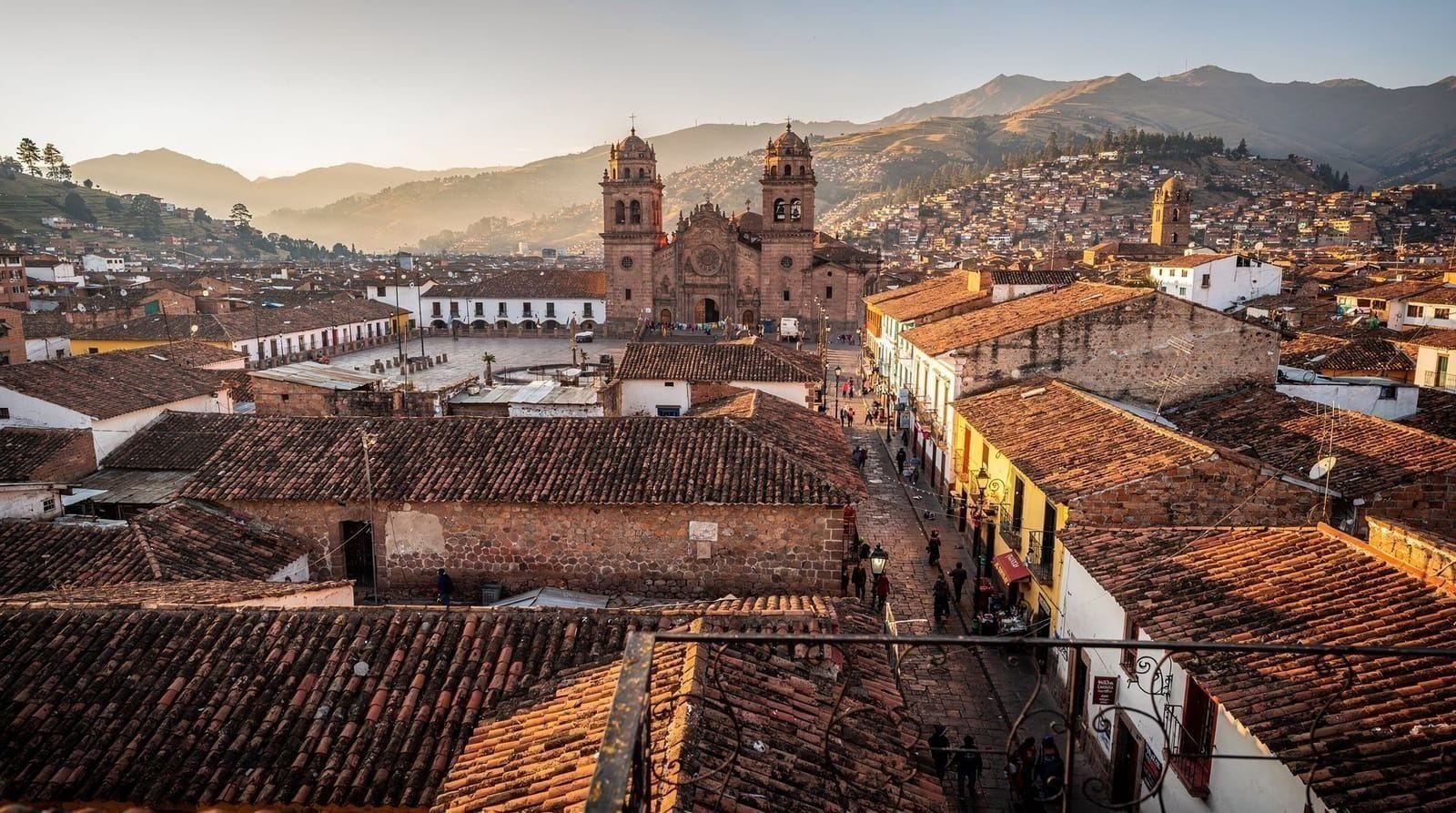
Transfer in from the airport (official booth taxi S/ 30–40 / USD 8–11), drink coca tea, and rest. A slow evening walk to the Plaza de Armas is plenty. Hydrate, skip alcohol, and read the Cusco acclimatization plan before you sleep.
Where to sleep: Historic centre or San Blas, S/ 200–350 (USD 55–95).
Most flights into Cusco connect through Lima — check the Lima to Cusco flights guide so you book a morning departure with a safer buffer against weather delays.
Day 2 — Cusco gently
A half-day city tour does the cathedral, Qorikancha and Sacsayhuaman without hard climbing, then an afternoon in the San Pedro Market and the historic centre. This is also a good day for a cooking class — relaxed, indoors, and a real taste of the food.
Cusco cooking class with market tourTwo nights of acclimatization done means you are cleared for the harder days ahead.
If you would rather have the whole week bundled into one guided package instead of arranging the Sacred Valley, the train and Machu Picchu separately, an 8-day guided trip covering the Sacred Valley and Machu Picchu handles the logistics for you, at the cost of some flexibility on timing.
Day 3 — Sacred Valley, sleep in the valley
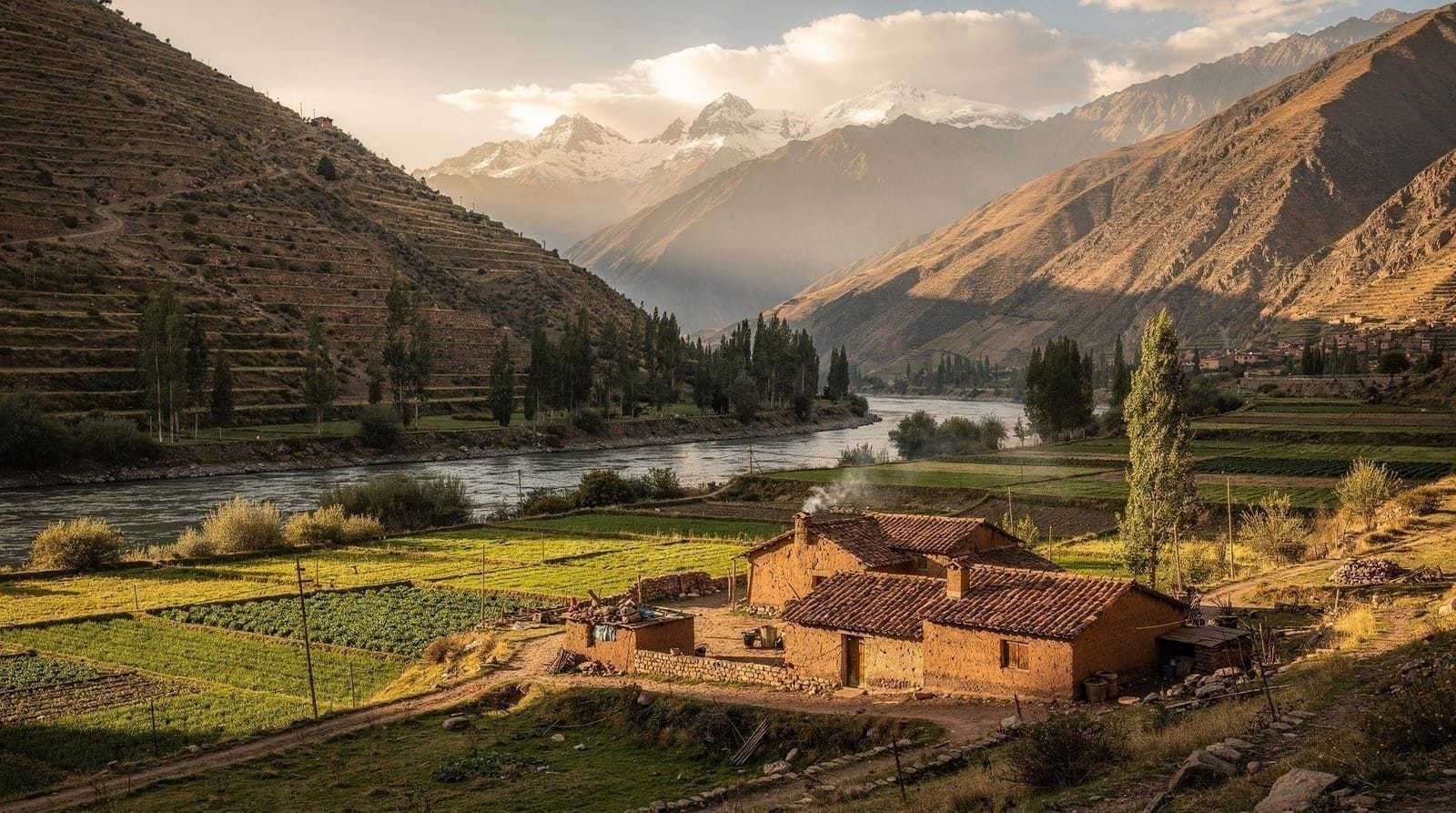
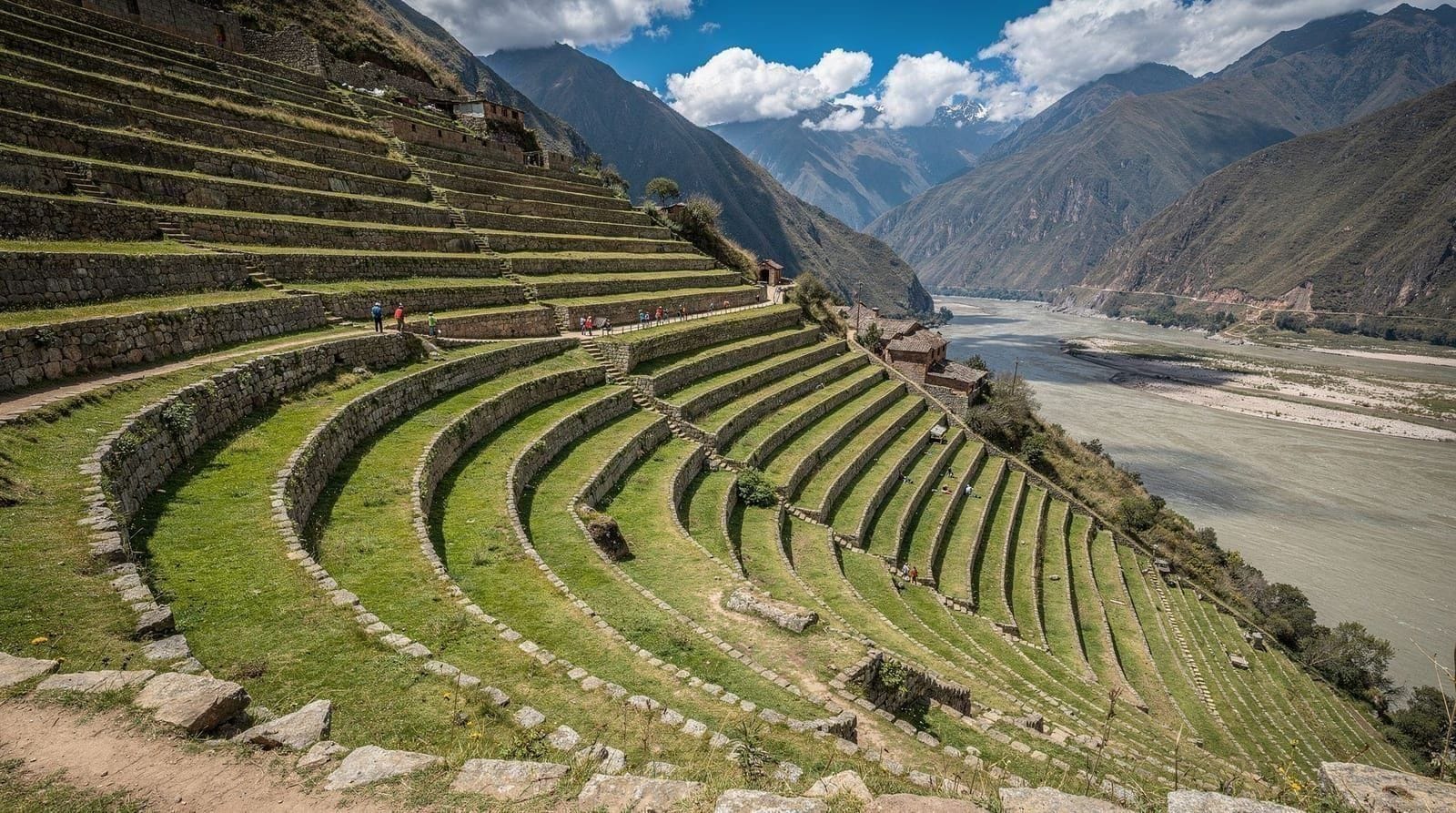
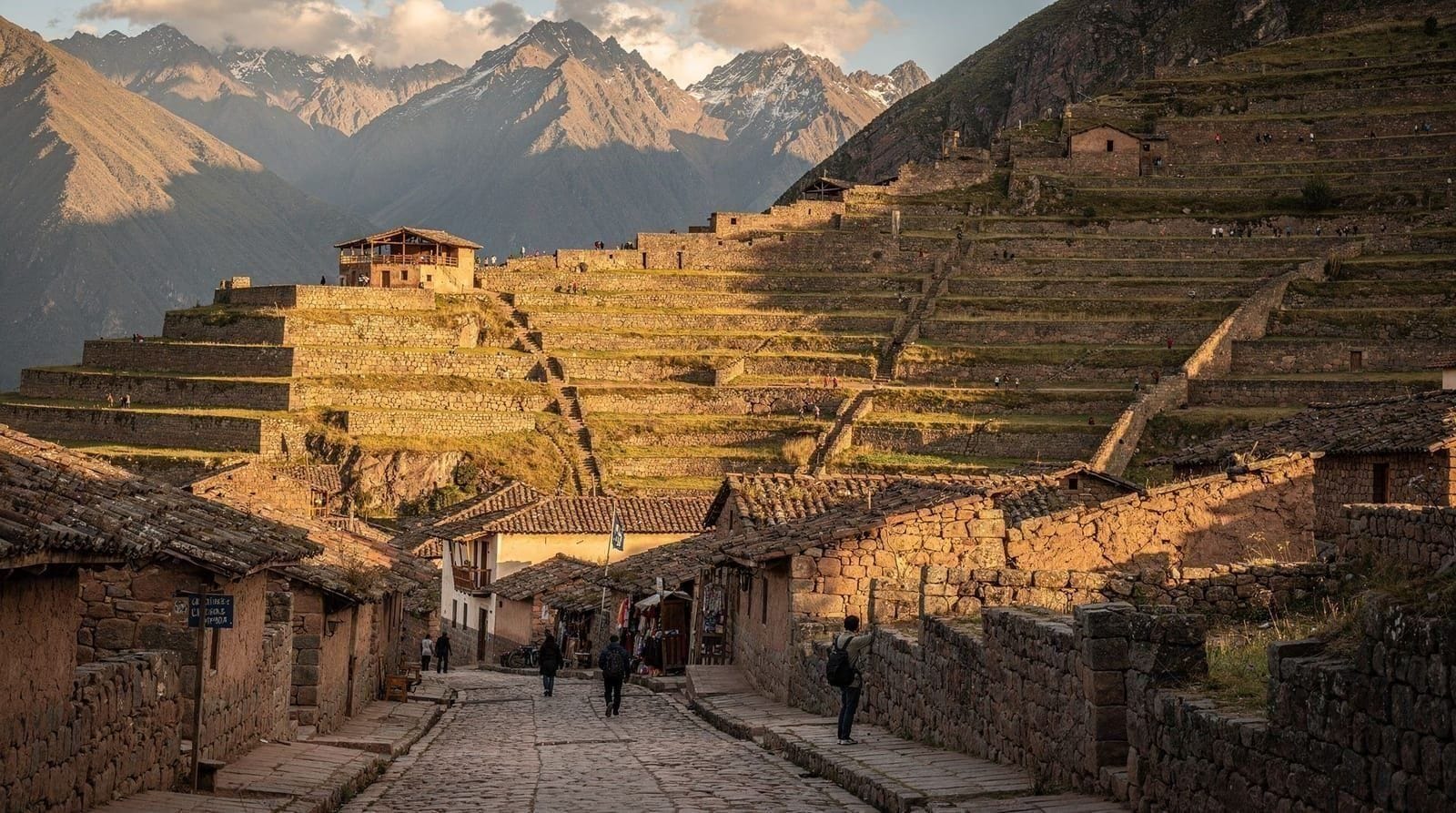
The full valley loop: Pisac ruins and market, then the terraces of Moray and the salt pans on the Maras–Moray side, ending in Ollantaytambo. A small-group tour handles the driving between scattered sites.
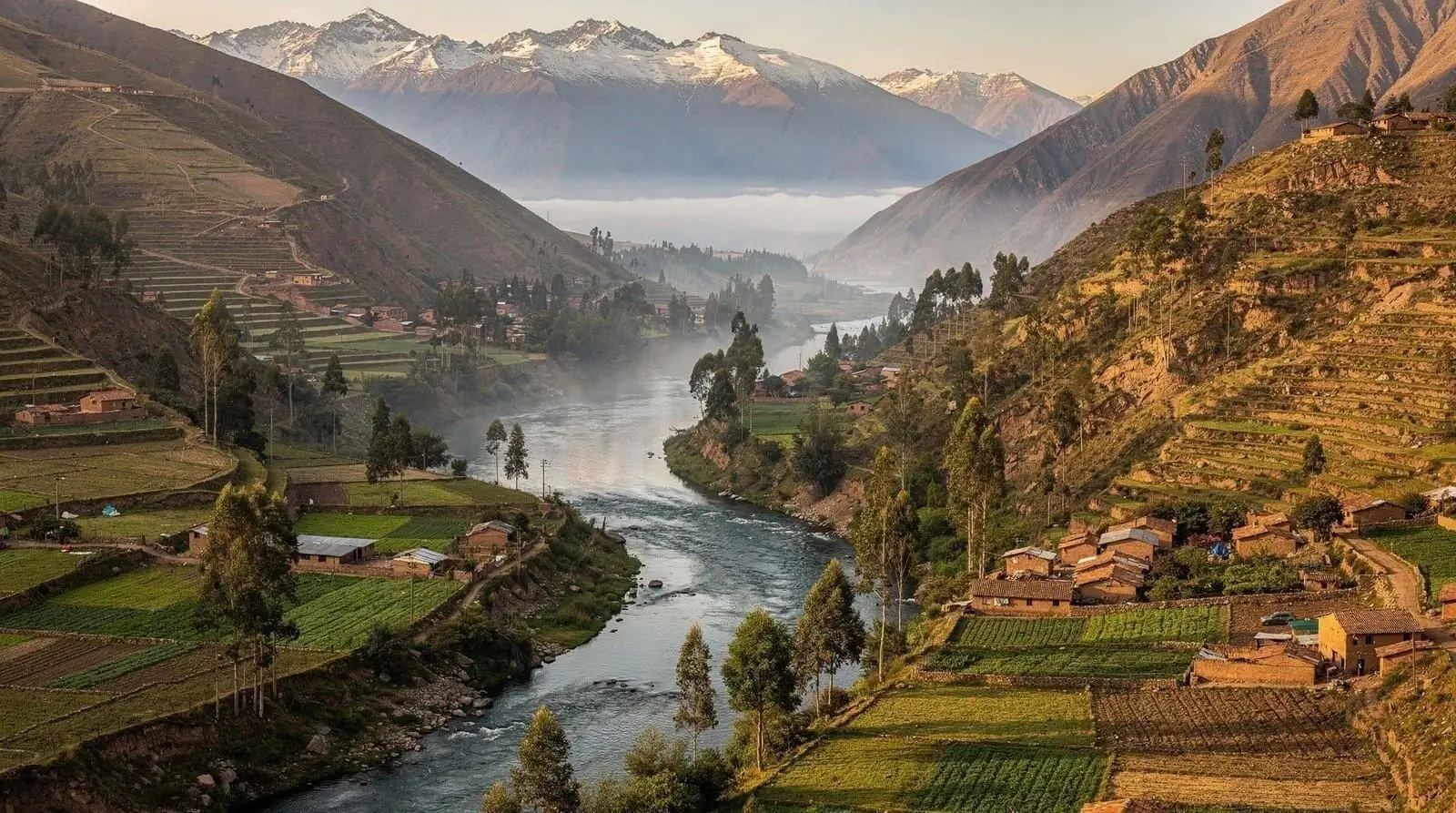
Pisac, Maras, Moray and Ollantaytambo small-group tourStay overnight in the valley around Ollantaytambo (2,800 m). You sleep lower, recover faster, and set up an easy start for Machu Picchu. See getting around the Sacred Valley for the connections.
Where to sleep: Ollantaytambo or Urubamba, S/ 180–400 (USD 50–110) mid-range.
Day 4 — Train to Aguas Calientes, afternoon Machu Picchu
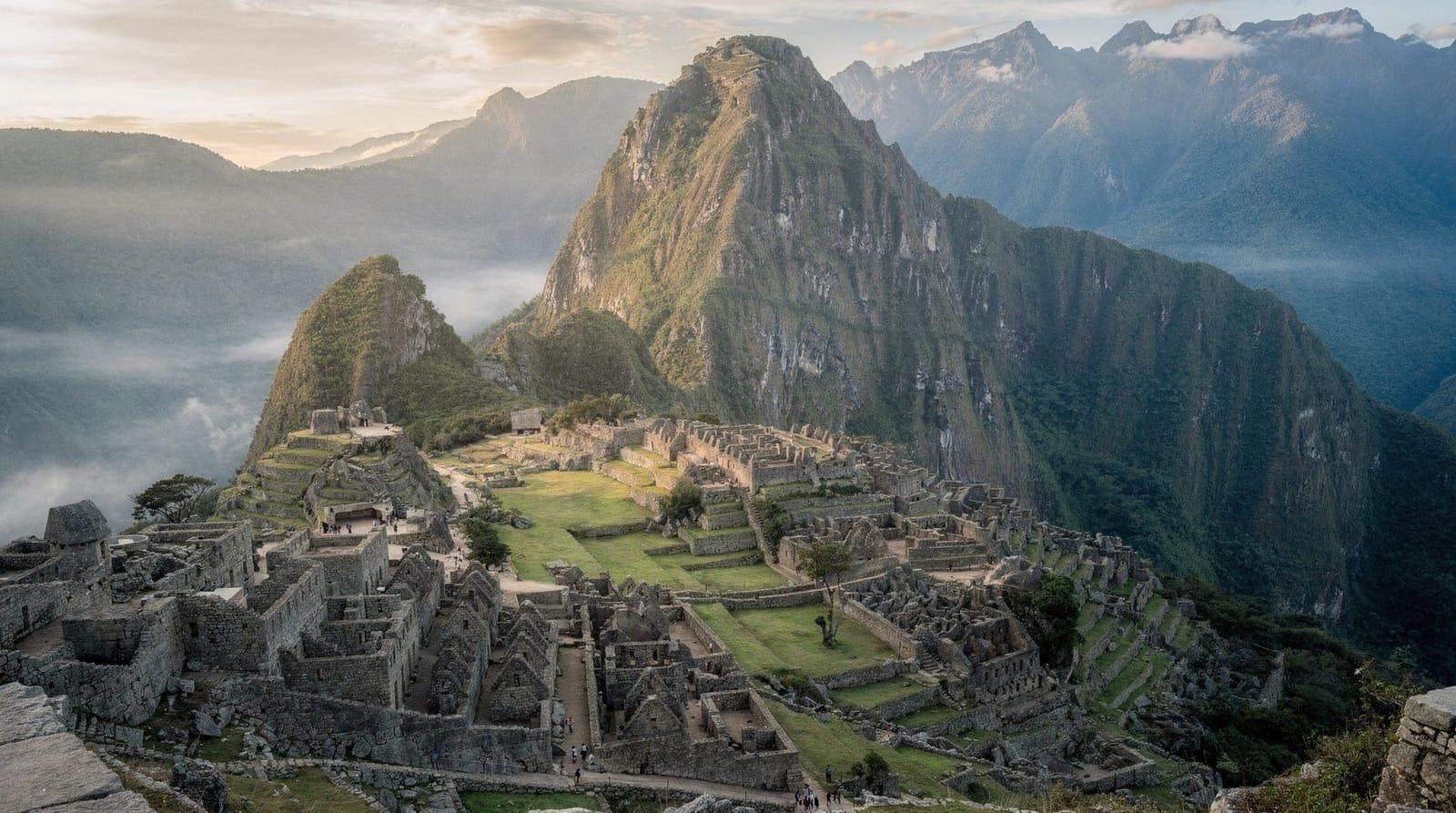
Mid-morning train from Ollantaytambo to Aguas Calientes (about 1 hour 40 minutes). Check in, lunch, then an afternoon visit to Machu Picchu — quieter once the day-trippers leave. Bus up is USD 24 round trip; entry is by fixed circuit and time slot, so book Circuit 2 for the classic view (the circuits explained guide covers options).
Sacred Valley and Machu Picchu by train: 2-day, 1-night tourWhere to sleep: Aguas Calientes, S/ 150–600 (USD 40–160).
Day 5 — Optional sunrise Machu Picchu, return to Cusco
With a week in hand, a second early-morning entry is worth considering — the citadel at opening, mist on the terraces, is the version that earns its reputation. A second ticket is a separate booking; see ticket types compared.
Either way, take a late-morning or early-afternoon train back to Ollantaytambo and transfer up to Cusco. Sleep in Cusco tonight — you need to be at altitude before tomorrow’s high day trip.
Where to sleep: Back in Cusco.
Day 6 — One big high-altitude day
This is the day shorter itineraries cannot fit, and it is the reason to take a full week. Two strong options:
- Rainbow Mountain (Vinicunca): a long day (4 a.m. start) climbing to over 5,000 m. The colours are real but the altitude is brutal if you are not acclimatized — which, after five days, you now are. See is Rainbow Mountain worth it and rainbow mountain altitude tips.
- Humantay Lake: a shorter, also-high (4,200 m) hike to a turquoise glacial lake — less of a slog than Vinicunca and gorgeous. See the Humantay Lake day trip.
If high-altitude hiking is not your thing, swap in Palccoyo — a gentler “alternative rainbow mountain” — covered in vinicunca vs palccoyo.
What to pack for a week that spans two altitudes
This trip moves between Cusco (3,400 m), the Sacred Valley (2,800 m) and a high-altitude day above 4,000 m, so layering matters more than any single jacket choice. Bring a warm layer and windproof shell for early starts and Rainbow Mountain or Humantay Lake, breathable clothes for valley afternoons, sturdy walking shoes, and a daypack for train travel. The what to pack for Cusco guide has the fuller checklist, and the Rainbow Mountain altitude tips guide covers what that specific day needs.
Day 7 — Slow Cusco morning and departure
Use the morning for what you skipped: the Sacsayhuaman hill at a relaxed pace, San Blas workshops, or a final market run for chocolate and textiles. Leave a generous airport buffer — Cusco flights are weather-prone in the rainy season. The Cusco airport guide covers the realities.
Costs: a rough 7-day budget per person
Mid-range 2026 estimates, excluding international and Lima–Cusco flights.
- Machu Picchu entry: S/ 152 (USD 41) per visit
- Round-trip train: USD 120–180
- Buses up to the site: USD 24 round trip per visit
- Sacred Valley tour: USD 40–65
- Rainbow Mountain or Humantay day trip: USD 35–60
- City tour + cooking class: USD 50–90
- Lodging (6 nights, mid-range): USD 360–660
- Food: USD 20–40 per day
For the full picture, see the Peru trip cost guide for 2026.
Frequently asked questions about a 7-day Cusco and Sacred Valley trip
Is 7 days too long for Cusco?
No — it is arguably the ideal length. A week lets you acclimatize safely, see the full classic circuit, and add a high day trip without rushing. If anything, slow travellers use the time to add a Cusco rest day. See how many days in Cusco.
Rainbow Mountain or Humantay Lake — which on day six?
Rainbow Mountain has the dramatic colours but is higher and more exhausting. Humantay Lake is a shorter, gentler hike to a stunning glacial lake. If you dislike crowds or extreme altitude, Humantay or Palccoyo are kinder choices. Compare in vinicunca vs palccoyo vs ausangate.
Can I add a trek to this 7-day plan?
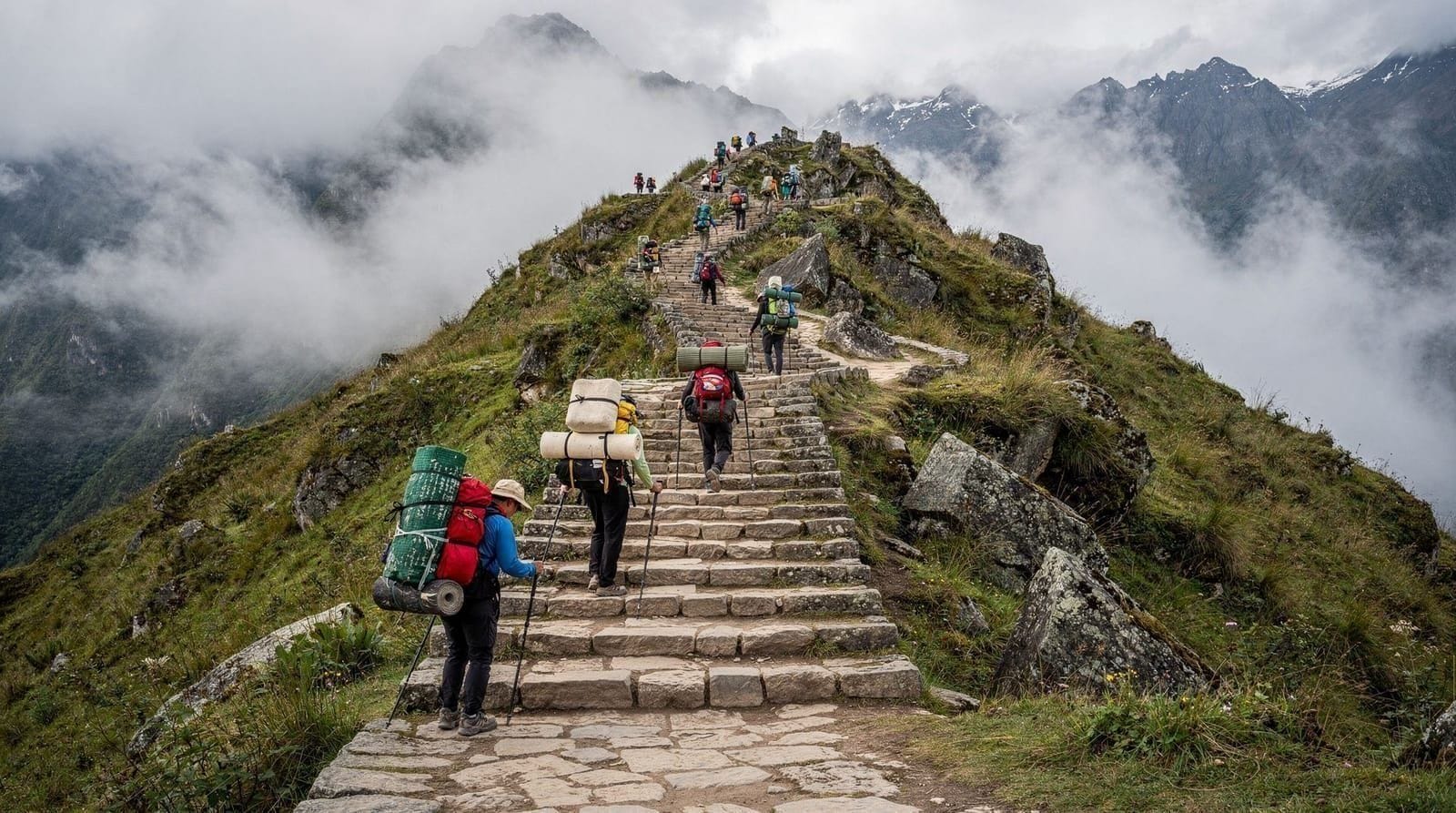
A short trek, yes — the 2-day Short Inca Trail fits if you swap days. The classic 4-day Inca Trail needs its own dedicated plan; see the 4-day Inca Trail itinerary.
Where should I base myself — Cusco or the Sacred Valley?
This plan bases you in Cusco with two valley nights, which suits most people. If altitude troubles you, some travellers base longer in the valley (lower) and day-trip up. The Cusco altitude vs Sacred Valley guide weighs both.
Do I need two Machu Picchu tickets?
Only if you want both an afternoon and a sunrise visit. One thorough visit satisfies most travellers. Each ticket is a separate booking with its own time slot — see Machu Picchu tickets explained.
Is the rainy season a problem for a 7-day trip?
A week actually helps in the rainy season (December–March) because the buffer absorbs a washed-out afternoon or a delayed train. Rainbow Mountain is the most weather-dependent day; have a flexible backup. See Cusco rainy season guide.
Is this itinerary suitable if I only want a mid-range budget?
Yes — the estimates above assume mid-range hotels and standard group tours throughout. You can trim costs further with the Hidroeléctrica route to Machu Picchu instead of the train, or fewer paid activities on the slower days; see the Cusco on a budget guide for specifics.
Could I swap a day for the Amazon instead of a second Sacred Valley day?
It is possible but tight, since reaching Puerto Maldonado and back eats most of a day each way even with the short flight. If jungle time matters to you, the dedicated Cusco and Amazon 7-day itinerary is built for exactly that trade-off instead of trying to squeeze both into one week.
Top experiences
Bookable activities with verified prices and instant confirmation on GetYourGuide.