Humantay Lake day trip from Cusco
Humantay Lake Tour from Cusco
Is the Humantay Lake day trip worth it?
Yes, if you are acclimatised. The turquoise glacial lake at 4,200 m below Salkantay is genuinely stunning. But it is a hard early-start day — a 2–4 am pickup, a 5–6 hour round-trip drive, and a steep 60–90 minute uphill hike at altitude. Tours run roughly S/50–120 (about $14–32) plus a S/20 entrance fee.
What the day actually demands
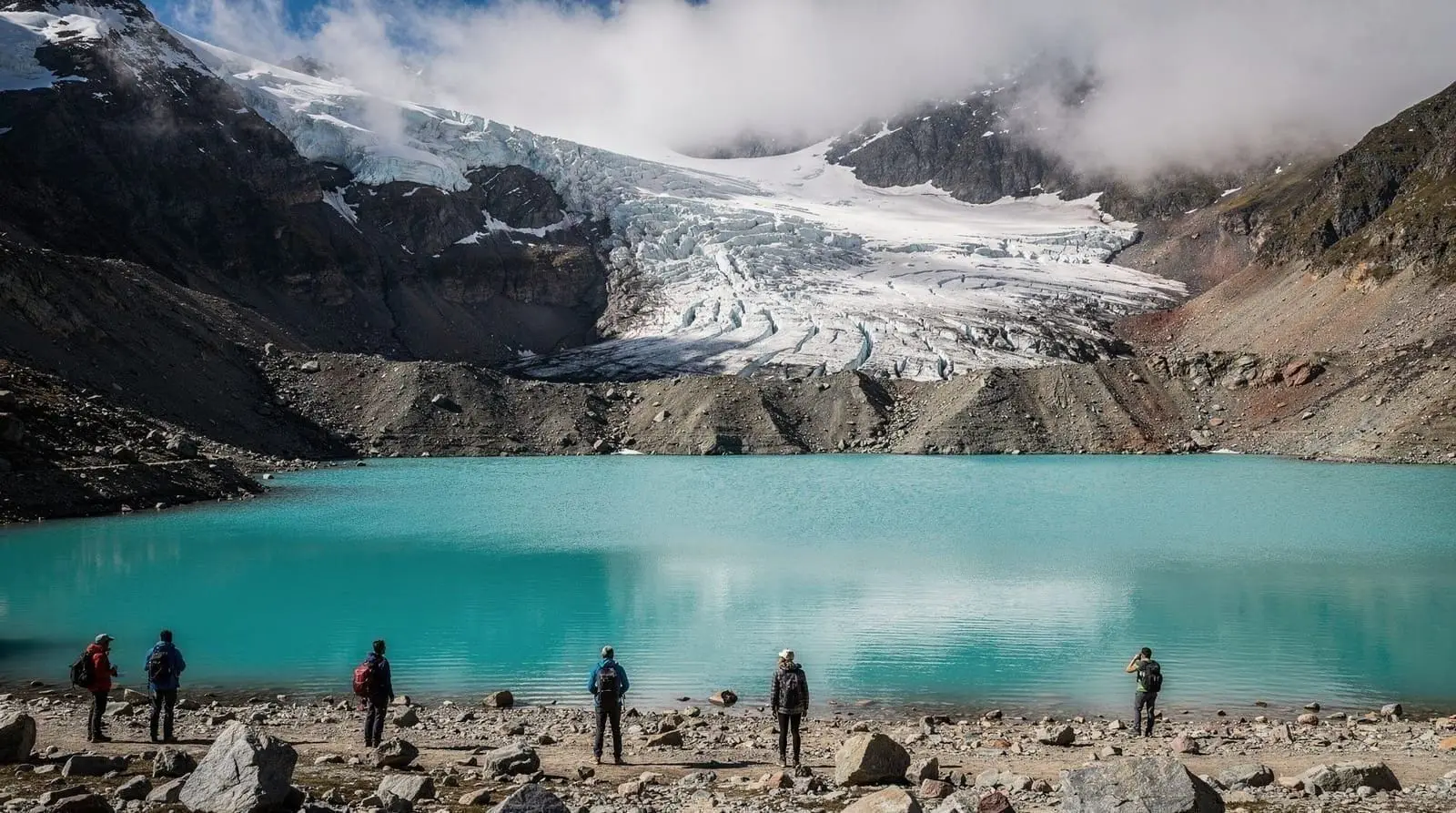
Humantay Lake — Laguna Humantay — is the photogenic star of countless Cusco day-trip ads: a milky-turquoise glacial lake cupped beneath the snow flank of Nevado Humantay and the bulk of Salkantay, the second-highest peak in the Cusco region. The pictures are not faked; the colour really is that surreal blue-green, fed by glacial meltwater that holds suspended rock flour.
What the pictures hide is the day around it. This is not a gentle outing. A standard Humantay tour means a 2–4 am pickup from your Cusco hotel, a three-hour drive out to the village of Mollepata for breakfast, a further bumpy stretch up to the Soraypampa trailhead (~3,900 m), a steep 60–90 minute hike climbing to the lake at 4,200 m (13,780 ft), time at the top, then the whole drive back — returning to Cusco in the late afternoon or early evening. Budget a 12–14 hour day on your feet and in a van.
It is absolutely worth it for the right traveller at the right point in their trip. The whole point of this guide is making sure you are that traveller: properly acclimatised, realistic about the effort, and not booking the cheapest van without checking what it includes.
| Where | Soraypampa trailhead, near Salkantay, ~3hrs from Cusco |
| Cost | Around S/50–120 ($14–32) tour, plus S/20 entrance |
| Time needed | Full day, 12–14 hrs door to door |
| Hike | ~2–3 km each way, 300 m gain, 60–90 min up |
| Best time | Dry season, May–September, early slots |
Altitude first: the rule that decides everything
The lake is higher than Cusco. Cusco is 3,400 m; the Humantay trailhead is 3,900 m and the lake 4,200 m. That extra altitude, combined with a steep climb, is exactly the wrong thing to attempt on your first day or two in the Andes.
The non-negotiable rule: do not do Humantay until you are acclimatised — ideally on day three or later in Cusco, after the gentle city days. If you have just flown in from sea-level Lima, this hike can turn a great trip into a miserable, headachy ordeal, or worse. Read the altitude sickness guide for the warning signs and the Cusco acclimatisation plan for how to pace your first days so Humantay is enjoyable rather than punishing.
The honest framing: the hike is not technically difficult — there is no scrambling, no exposure, no danger underfoot in dry conditions. The entire challenge is the thin air. A 300 m climb that would be trivial at sea level becomes a stop-every-fifty-paces grind at 4,000 m. Pace yourself, breathe deliberately, and do not race the fit twenty-somethings up the slope.
The hike, step by step
From the Soraypampa trailhead the path climbs steadily up the moraine. It is roughly 2–3 km each way with about 300 m of ascent — short in distance, long in feel.
- Going up: 60–90 minutes for most people, more if altitude bites. The first section is the steepest; it eases near the top.
- At the lake: most tours give you 30–45 minutes. Time enough to walk part of the shoreline, take photos, and (if you are an organised group) do a small apacheta stone-stacking ritual that guides often lead.
- Coming down: 40–60 minutes, easier on the lungs but hard on the knees on the loose sections.
Horses are available to hire at the trailhead — roughly S/80–100 — and ferry you most of the way up if the climb defeats you. There is no shame in it at this altitude; the same animal-welfare cautions from any Andean horse hire apply (check the horse’s condition before you mount).
A warning about the weather at the top: it is cold, often near freezing, and wind off the glacier cuts hard. Cloud frequently rolls in by late morning and can hide the lake entirely, which is the real reason for the brutal pre-dawn start — early groups get the clearest views and the calmest light.
What it costs in 2026
Prices in soles; dollars at roughly S/3.70.
- Group day tour: S/50–120 (about $14–32), typically including round-trip transport, breakfast, and a buffet lunch.
- Entrance fee: about S/20, paid separately on-site (often not included in the tour price — confirm).
- Horse hire: S/80–100 if you want it.
- Trekking poles rental: a few soles, worth it for the descent.
The very cheapest tours (under S/50) usually cut something: a worse lunch, a more rushed schedule, a larger group, or an older van. The mid-range options are the sweet spot. The Humantay Lake tour from Cusco covers the standard day with transport and meals, and the Cusco Humantay Lake tour and hike is the guided-hike version for travellers who want a leader setting the pace on the climb.
How to choose a tour (and what to ask)
- Pickup time and group size. Earlier is better for views; smaller groups move at a saner pace.
- What’s included. Confirm whether breakfast, lunch, the S/20 entrance, and oxygen are part of the price.
- Van quality and driver. It is a long mountain drive; a decent vehicle matters.
- A guide who hikes with the group, not one who waits in the van — useful if anyone struggles with altitude.
What to wear and carry
- Layers. It is cold at the trailhead, colder at the lake, and warm during the climb. A base layer, a fleece, and a windproof shell cover the range.
- Hat and gloves. The wind off the glacier is genuinely cold.
- Sun protection. At 4,200 m the UV is fierce even when it feels cold — sunscreen, sunglasses, a brimmed hat.
- Sturdy footwear with grip for the loose moraine.
- Water and snacks, plus any altitude remedies you use.
- Cash in soles for the entrance fee, horse hire, and tips.
Why the lake is that colour (and other things worth knowing at the top)
The surreal turquoise is not a filter. Glacial meltwater carries rock flour — ultra-fine particles ground from the bedrock by the moving ice of Nevado Humantay above. Suspended in the water, these particles scatter light toward the blue-green end of the spectrum, giving the lake its milky, luminous colour. The effect is strongest in bright sun, which is another reason the early, clear-sky arrival matters so much: under cloud the lake looks flat and grey, and the magic largely vanishes.
The lake also sits in a genuinely sacred landscape. Salkantay (Apu Salkantay) is one of the most revered apus, or mountain deities, in the Cusco region, and the apacheta stone stacks you will see — and may be invited to add to — are small offerings to the mountain and to Pachamama. It is a living tradition rather than a tourist invention, so treat it with the respect a guide’s framing invites rather than as a photo prop.
Practical note for the summit: it is cold enough that lingering long is uncomfortable, and the altitude means you will not want to exert yourself with much extra walking around the shore. Take your photos, do the short loop your guide suggests, breathe, and start down before you chill — hypothermia in wet, windy conditions at 4,200 m is a real if rare risk for the unprepared.
Humantay vs the alternatives
If you are choosing one big Cusco day hike, weigh Humantay against the field — the best day trips from Cusco guide ranks them all.
- Versus Rainbow Mountain: Rainbow Mountain climbs higher (to ~5,000 m) and draws far bigger crowds; Humantay is lower, quieter, and the hike is shorter though steeper. If altitude worries you, Humantay is the gentler choice.
- Versus the Ausangate lakes: Ausangate is higher, wilder, and far less visited — a better pick if you want solitude and have the acclimatisation for serious altitude.
Humantay also doubles as a taster of the Salkantay trek, which passes the same trailhead on day one — if the lake lights you up, the multi-day Salkantay route to Machu Picchu is the natural next ambition.
A realistic hour-by-hour timeline
So you know what you are signing up for, here is how a typical group day unfolds:
- 2:00–4:00 am — hotel pickup in Cusco. Bring your bag the night before and try to sleep early.
- ~5:30 am — arrive Mollepata (about 3,000 m) for breakfast at a roadside comedor. Most tours include this; it is basic but warm.
- ~7:00 am — continue up the rough road to the Soraypampa trailhead (~3,900 m).
- 7:30–9:30 am — the hike up, with the group spreading out by fitness. Guides usually wait at the top.
- ~9:30–10:15 am — at the lake. Photos, a short walk along the shore, the stone-stacking ritual if your guide leads one.
- ~10:30 am — start down; back at the trailhead within an hour.
- ~12:00–1:00 pm — lunch, usually a buffet back near Mollepata.
- ~2:00 pm — begin the long drive back.
- ~5:00–7:00 pm — return to Cusco, depending on traffic and stops.
The early start is not sadism — it is the only way to beat the cloud that routinely swallows the lake by late morning. Groups that leave late often arrive to a grey, viewless lake.
When to go and when to skip it
The dry season (May–September) is the reliable window: firmer trail, clearer skies, and the best odds of that turquoise colour glowing under sun. Nights and early mornings are bitterly cold, so the pre-dawn start is genuinely freezing — dress for it.
In the wet season (November–March) the trail turns muddy and slick, the drive is more prone to delays and landslides, and cloud cover frequently hides the lake entirely. It is not impossible — green hills and fewer crowds are the upside — but you are gambling on the view. If a clear photo of the lake is the whole reason you are going, weight your trip toward the dry months or build in a flexible spare day.
Skip Humantay altogether if you are not yet acclimatised, if you have a heart or serious respiratory condition, or if a 2 am start followed by a steep high-altitude hike sounds more like an ordeal than an adventure. There is no shame in choosing a gentler day trip from Cusco instead — the Sacred Valley and Maras salt pans deliver beauty without the brutal altitude and timing.
If you want more than a day: Salkantay and Ausangate
Humantay Lake is a taster of two much bigger routes, and it is worth knowing what each one adds if the day trip leaves you wanting more. The full Salkantay trek starts at the same Soraypampa trailhead and continues over the Salkantay pass itself before descending toward Machu Picchu over four to five days — the 5-day Salkantay itinerary lays out the full route, and the Salkantay trek diary gives a first-person account of what those extra days feel like.
If solitude matters more than a glacial lake specifically, the Ausangate trek guide and the Vinicunca vs Palccoyo vs Ausangate comparison cover a wilder, far less crowded high-altitude alternative in the same region. For a traveller’s honest take on whether the early alarm and steep climb were worth it, the Humantay Lake day diary is a useful reality check before you book.
Salkantay trek 4 days, 3 nights, from Cusco