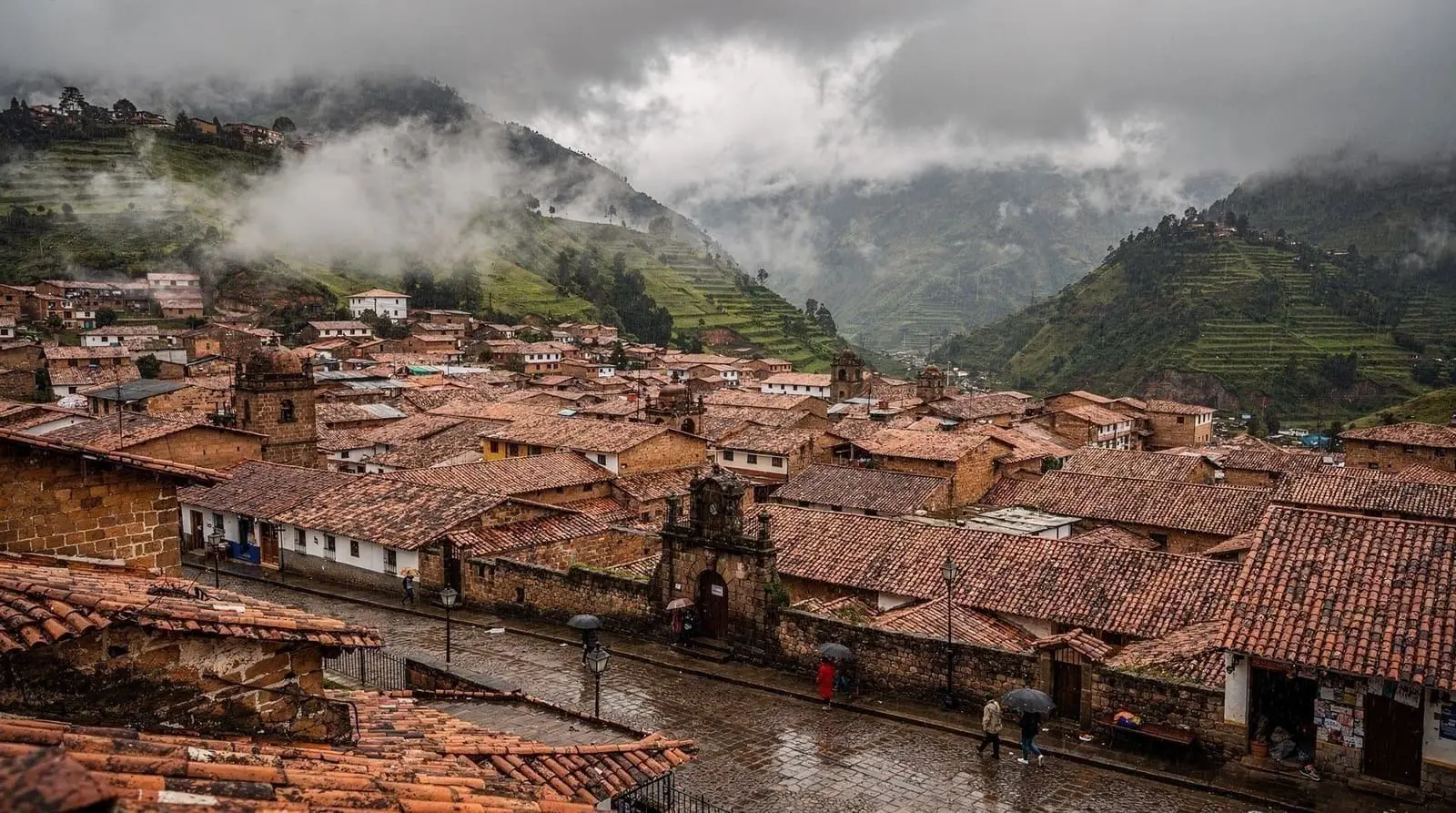
Cusco in the rainy season: November to March, honestly
From Cusco: Salkantay Route and Machu Picchu – 4D/3N Tour
When is the rainy season in Cusco?
Cusco's rainy season runs roughly November to March, peaking in January and February. Rain usually falls as predictable afternoon downpours rather than all-day rain, so mornings are often clear. The trade-off is muddy trails, cloud-covered views and occasional transport disruption — but also green landscapes, far fewer crowds and the year's lowest prices.
The season most travellers write off too quickly
The Cusco rainy season has an image problem. “Rainy season” sounds like a write-off — grey skies, ruined plans, a trip spent staring out of café windows — and so the months from November to March get skipped by travellers who’d actually enjoy them. The reality is more nuanced. Rain in the Andes usually arrives on a schedule: clear or hazy mornings, then heavy downpours in the afternoon and evening. That pattern leaves real room to see Cusco and its surroundings, if you plan around the weather rather than against it.
What you gain in exchange for the rain risk is significant: hillsides green and alive instead of dry and dusty, the year’s thinnest crowds, the lowest prices on beds, trains and tours, and milder nights than the bone-cold dry season. This guide is honest about both sides — the genuine downsides (mud, cloud over the views, landslide risk, the February trail closure) and the genuine upsides — so you can decide whether the wet season suits how you travel.
| When | Roughly November–March, peaking January–February |
| Pattern | Clear-ish mornings, heavy afternoon downpours |
| Trail closure | Classic Inca Trail closed all of February |
| Best for | Savings, thin crowds, green landscapes |
| Watch for | Landslide-related transport disruption, Jan–Feb |
Rainy-season months at a glance
| Month | Rain intensity | Crowds | Prices | Notes |
|---|---|---|---|---|
| November | Increasing, intermittent | Low | Low | Good balance |
| December | Wetter, holiday spike | Moderate (holidays) | Moderate (holidays) | Santurantikuy |
| January | Heavy, frequent | Lowest | Lowest | Muddy treks |
| February | Wettest | Lowest | Lowest | Inca Trail closed |
| March | Easing | Low | Low-moderate | Trail reopens |
What the rain actually does
At 3,400 m the wet season is wet but not tropical. The defining rhythm is the afternoon downpour: mornings often open clear or partly cloudy, the sky builds through the day, and the heaviest rain falls from mid-afternoon into the evening, especially in the January–February peak. This is the single most useful planning fact of the season — it means front-load your outdoor activities into the morning and treat the afternoons as flexible or indoor.
The cobbled streets of central Cusco become genuinely slippery when wet, so footwear with grip matters more than in any other season. Trails turn muddy. And the cloud that builds in the afternoon frequently sits over the high ruins and viewpoints, so the dramatic clear-sky panoramas of the dry season are less reliable — though mist curling over Machu Picchu has an atmosphere of its own that many travellers come to prefer.
Month by month through the wet season
November: the gentle opening
November is the soft start of the rains. Showers are increasing but still intermittent, the landscape is greening up after the dry months, and crowds and prices remain low between the peaks. It’s arguably the best wet-season month for balance: enough dry spells to sightsee comfortably, with the lushness arriving and the high-season prices gone. A smart, under-the-radar time to visit.
December: festive and wetter
December sees the rains intensify, particularly in the second half of the month. The exception is the Christmas–New Year window, when domestic and holiday travel briefly spikes prices and crowds. On 24 December, the Plaza de Armas hosts the huge Santurantikuy artisan market, a genuine highlight. Outside the holiday days, December offers green scenery and quiet, with a higher chance of afternoon rain disrupting plans.
January: deep in the wet
January is firmly in the heart of the rainy season — frequent, heavy afternoon downpours and saturated trails. It’s also one of the cheapest and least crowded months, so the trade is stark: low prices and solitude against a high chance of rain and cloud. Mornings still offer windows for sightseeing, but multi-day treks are demanding and muddy. Build buffer time into any tight schedule.
February: the wettest month — and the trail closure
February is the wettest month and the one to approach with the most caution. The classic Inca Trail closes entirely for maintenance all month, the landslide risk to the Machu Picchu road and rail routes is at its highest, and rain can be relentless. That said, Machu Picchu itself stays open, the Salkantay and Lares alternative treks still run, and prices and crowds hit rock bottom. If you come in February, leave generous margins around connections and don’t schedule a no-buffer flight home.
4-day Salkantay trek to Machu PicchuMarch: the tide turns
March is the transition back toward the dry season. Rain eases through the month, the countryside is at its greenest after a full wet season, and crowds remain low. Late March can feel like the best of both worlds — green, increasingly dry, and still cheap. The Inca Trail reopens after the February closure. A strong shoulder-edge month for travellers who want lushness with falling rain risk.
The honest downsides to weigh
Before you book the wet season for its prices and quiet, weigh the real costs:
- Cloud over the views. The big clear panoramas of Machu Picchu, Rainbow Mountain and the high ruins are far less reliable. You may get a misty, atmospheric version instead of a postcard one.
- Mud and slippery footing. Trails and Cusco’s cobbles get treacherous. Trekking is harder and less scenic.
- Landslide and transport disruption. Heavy rain occasionally cuts the road and rail to Machu Picchu, mostly in January–February. It’s usually brief but can derail tight schedules.
- The February trail closure. No classic Inca Trail at all that month.
- Shorter daily sightseeing windows. Front-loading mornings works, but you lose the long, all-day clear weather the dry season offers.
If guaranteed clear skies and prime trekking are your priorities, the dry season guide makes the case for April–October instead.
The genuine upsides
The wet season earns its defenders:
- Lowest prices of the year on accommodation, trains and tours — central to a tight Cusco budget.
- Thinnest crowds. Machu Picchu, the Sacred Valley and the city are at their quietest; viewpoints you’d queue for in July are nearly empty.
- Lush green landscapes instead of the dry-season dust, with waterfalls and rivers at full flow.
- Milder nights. Cloud cover keeps the freezing dry-season night chill at bay.
- Atmosphere. Mist drifting through the ruins is a different, moodier beauty that photographs beautifully when the cloud breaks.
What the rain does to the big-ticket sights
Each major attraction reacts differently to the wet season, and knowing how helps you decide what to prioritise. Machu Picchu stays open and is genuinely atmospheric in mist — the cloud rolling through the terraces is a sight in itself — but distant panoramas come and go, so an early-morning slot and a flexible date give you the best shot at clear views. Rainbow Mountain is the wet season’s biggest casualty: the colours that make it worth the high-altitude slog are routinely buried under cloud, and the approach trail turns to mud. If Rainbow Mountain is a priority, the wet season is the wrong time for it.
The Sacred Valley holds up well — the terraces of Pisac and Ollantaytambo, the salt pans at Maras and the circular terraces at Moray are lush and uncrowded, and a morning visit usually beats the rain. City sightseeing in Cusco is the most rain-proof option of all, since the cathedral, Qorikancha and the museums are indoor or quickly sheltered, making the wet season’s afternoons ideal for the city’s roofed attractions. The honest hierarchy: city and Sacred Valley sights are wet-season-friendly, Machu Picchu is a flexible-date gamble that often pays off, and high-altitude colour-dependent trips like Rainbow Mountain are best saved for the dry season.
Why the wet season is greener — and what that’s worth
The lushness isn’t a minor cosmetic bonus; for some travellers it’s the whole point. Months of rain transform the Andes from the dusty, straw-coloured slopes of the late dry season into vivid green hillsides, with rivers and waterfalls running full and the terraced fields planted and growing. The countryside on the train ride to Machu Picchu, the Sacred Valley’s agricultural terraces, and the high passes all look dramatically more alive than they do in August.
Photographers in particular often prefer the wet season for exactly this reason: the green saturation, the dramatic skies when cloud breaks, and the soft, even light of an overcast morning can produce images the harsh dry-season midday sun can’t. Add the near-empty viewpoints and you can photograph icons like Machu Picchu without a crowd in the frame — a near-impossibility in July. If your trip is about landscape and atmosphere rather than guaranteed clear summits, the wet season’s green, moody beauty is genuinely undersold.
How to plan a wet-season trip well
The season rewards a flexible, buffered itinerary more than any other. The practical playbook:
- Front-load mornings. Schedule Machu Picchu entry, ruins and treks for early in the day before the afternoon rain builds.
- Build in buffer days. Especially in January–February, leave margin around the Machu Picchu logistics chain and never schedule a tight same-day connection to your international flight.
- Pack for wet. A proper waterproof jacket, quick-dry layers, grippy footwear and a dry bag for electronics. Ponchos are sold cheaply everywhere if you forget.
- Pick your Machu Picchu day for weather. If your dates allow, keep the Machu Picchu visit flexible so you can choose the clearer of two mornings.
- Avoid February for the Inca Trail. If a classic Inca Trail trek matters, either shift dates or take Salkantay/Lares instead.
For a side-by-side of when to come overall, the best time to visit Cusco guide weighs the wet season’s savings and quiet against the dry season’s reliability.
Packing specifically for the wet season
The wet season demands a different kit from the dry, and getting it right is the difference between a soggy, miserable day and a comfortable one. The non-negotiables:
- A proper waterproof jacket with a hood — not water-resistant, genuinely waterproof. This is the single most important item.
- Quick-dry clothing in synthetic or merino layers that shrug off moisture and dry overnight; cotton stays wet and cold.
- Grippy footwear. Cusco’s cobbles and the trails turn slick; shoes or boots with real tread prevent falls.
- A dry bag or waterproof pouch for your phone, camera and documents.
- A packable rain cover for your daypack, or a liner bag inside it.
- Warm layers for the cool, humid evenings — milder than the dry season but still cool at 3,400 m.
You don’t need to overpack, because cheap plastic ponchos are sold everywhere in Cusco for a few soles if you get caught out, and vendors materialise the moment rain starts. But arriving with a real waterproof shell and grippy shoes means you spend the wet afternoons exploring rather than sheltering.
Who genuinely benefits from a wet-season trip
The wet season isn’t a compromise for everyone — for some travellers it’s the objectively better choice. Budget-conscious travellers get the year’s lowest prices on beds, trains and tours, often 20–40% below the June–August peak. Repeat visitors who’ve already seen Cusco under blue skies often come back in the wet season specifically for the green landscapes and empty viewpoints.
Photographers chasing moody light and uncrowded compositions frequently prefer it outright. Travellers with flexible dates can pick their Machu Picchu day for weather and simply skip the wet ones. The traveller who benefits least is someone with a single, fixed date, a strong preference for the classic Inca Trail, and a non-negotiable need for guaranteed clear panoramas — for that profile, the dry season is the honestly better bet.
Comparing the wet season to the dry season directly
Set side by side, the trade-off is stark and worth stating plainly: the dry season (April–October) gives you reliable clear skies, firm trails and the full Inca Trail calendar, at the cost of the year’s biggest crowds and highest prices, plus bitterly cold nights. The wet season (November–March) gives you the year’s lowest prices, thinnest crowds and lush green scenery, at the cost of afternoon rain, occasional cloud over the big views, and the February Inca Trail closure. Neither season is objectively “better” — they suit different priorities, and the best time to visit Cusco guide lays out the full decision framework if you’re still weighing the two.