Cusco, Sacred Valley and Machu Picchu in 5 days
Sacred Valley & Machu Picchu by Train: 2-Day, 1-Night Tour
Quick answer: Five days is the comfortable version of the classic Cusco–Machu Picchu trip. It adds the one thing four days squeezes out: breathing room. You get a full acclimatization day in Cusco, a proper two-day Sacred Valley stretch, and an overnight in Aguas Calientes so you can enter Machu Picchu at opening before the day-trip crowd arrives.
| Sleeping altitude | Cusco (3,400m) → Ollantaytambo (2,800m) → Aguas Calientes (2,040m) |
| Cost per person | around USD 450–650 mid-range, excl. flights |
| Best time | Dry season (May–Sept) for reliable trains and clear views |
| Book ahead | Machu Picchu circuit ticket, train and Aguas Calientes room |
| Room to add | A second Machu Picchu entry, or a slow half-day, not a trek |
What the extra day actually buys you
The difference between four and five days at altitude is not “one more attraction.” It is margin. Cusco sits at 3,400 m (11,150 ft), and the people who enjoy this trip are the ones who took the first 48 hours slowly instead of cramming a city tour, a market, and a 5 a.m. bus into one wheezing day.
This plan front-loads rest, keeps day two low in the Sacred Valley, and uses the fifth day as both a Machu Picchu morning and a weather buffer. It assumes a morning arrival on day one and a departure on the evening of day five or the morning of day six.
If you want to add Rainbow Mountain or a trek, this is not quite enough — jump to the 7-day Sacred Valley and Machu Picchu plan instead. If you are tight on time, the 4-day version covers the same highlights faster.
Day 1 — Arrive and acclimatize
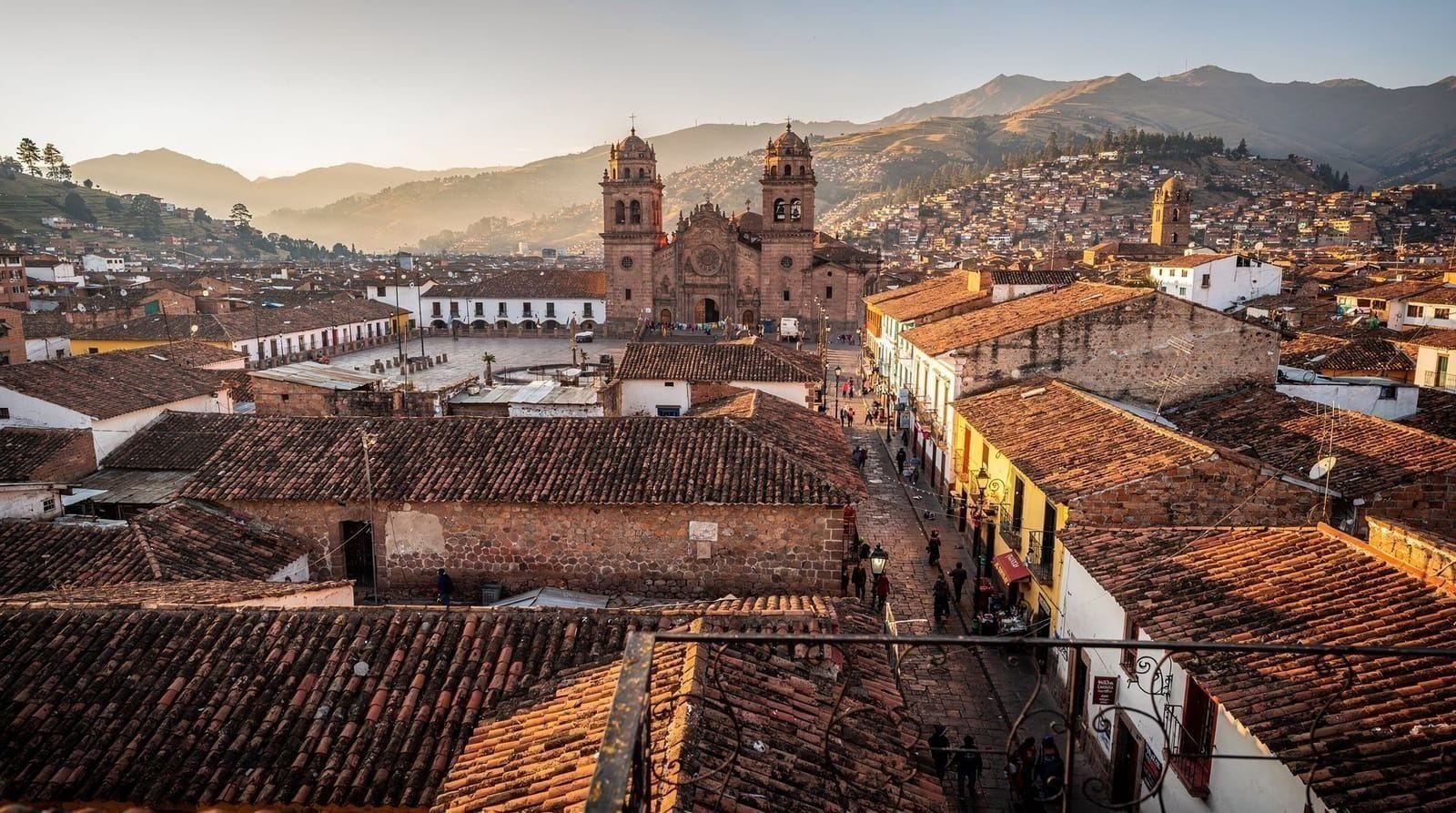
Land, transfer in, and do as little as possible. The official airport taxi booth charges around S/ 30–40 (USD 8–11) into the centre. Drink coca tea, rest for an hour or two, and only then take a slow walk around the Plaza de Armas.
The single most useful thing you can do today is hydrate and avoid alcohol. Headaches and shortness of breath on the first afternoon are normal; if they are severe, read the altitude sickness guide and consider seeing a clinic rather than buying dubious “oxygen shots” from the street — the altitude medicine scams piece explains what to avoid.
Where to sleep: Historic centre or San Blas, S/ 200–350 (USD 55–95) for mid-range.
Most travellers connect through Lima to reach Cusco — the Lima to Cusco flights guide explains why an earlier flight is a safer bet against Cusco’s occasional weather delays.
Day 2 — Cusco at a gentle pace
Now you can do the city properly, but still without lung-busting climbs. A half-day city tour covers the cathedral, Qorikancha and Sacsayhuaman with transport doing the uphill work.
Half-day Cusco city tour with SacsayhuamánIn the afternoon, slow culture: the San Pedro Market, the historic centre lanes, and San Blas’s workshops. If you enjoy food, a market-and-cooking class is a great way to spend a relaxed afternoon and learn what you have been eating.
Cusco cooking class with market tourYou are now two nights into acclimatization — the safe point to do anything more demanding.
Some operators do squeeze Rainbow Mountain into five days as a single guided package — the 5-day Machu Picchu, Sacred Valley and Rainbow Mountain tour bundles all three, though it moves noticeably faster than the pace this itinerary recommends.
Day 3 — Sacred Valley, sleep in Ollantaytambo
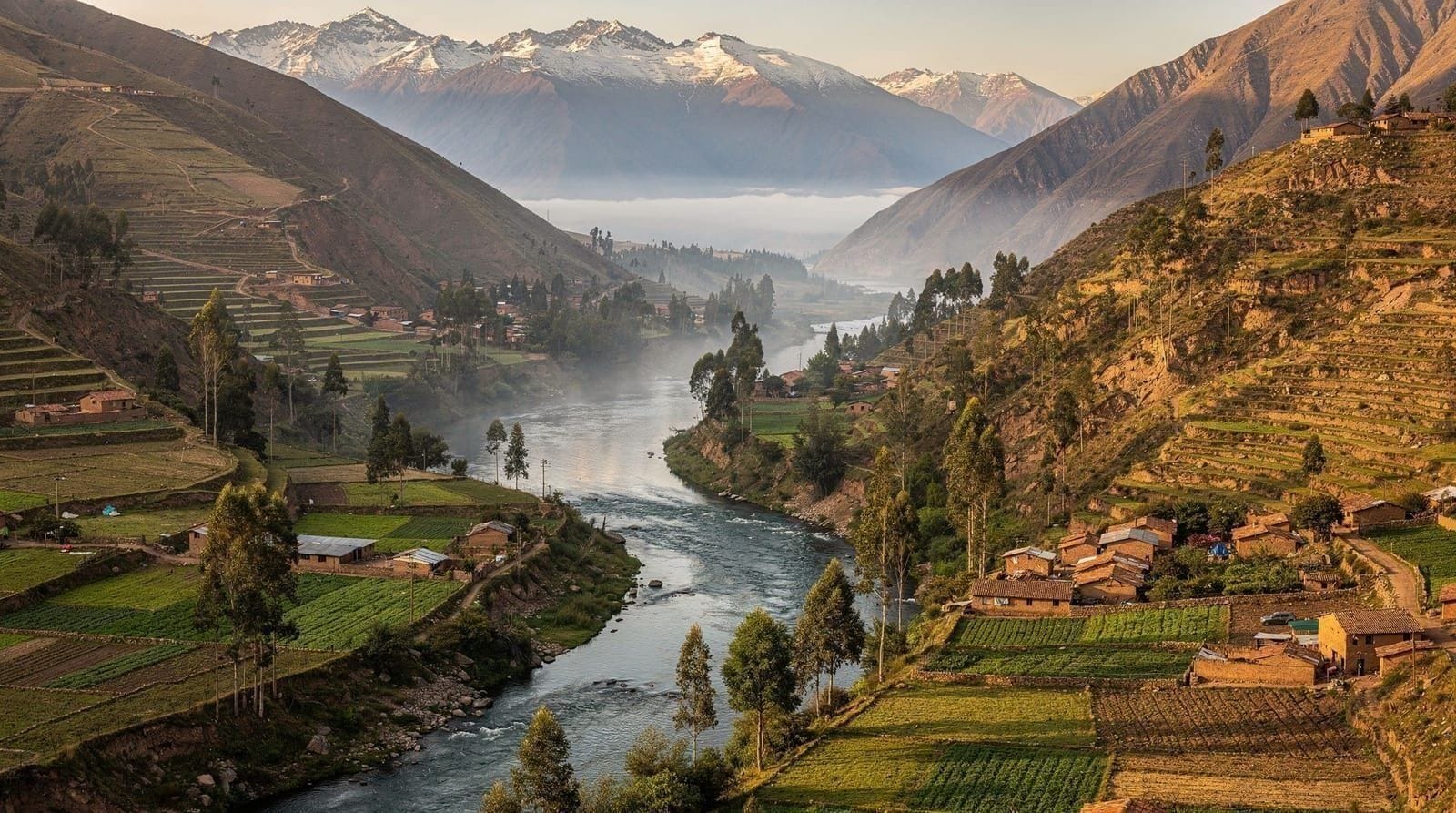
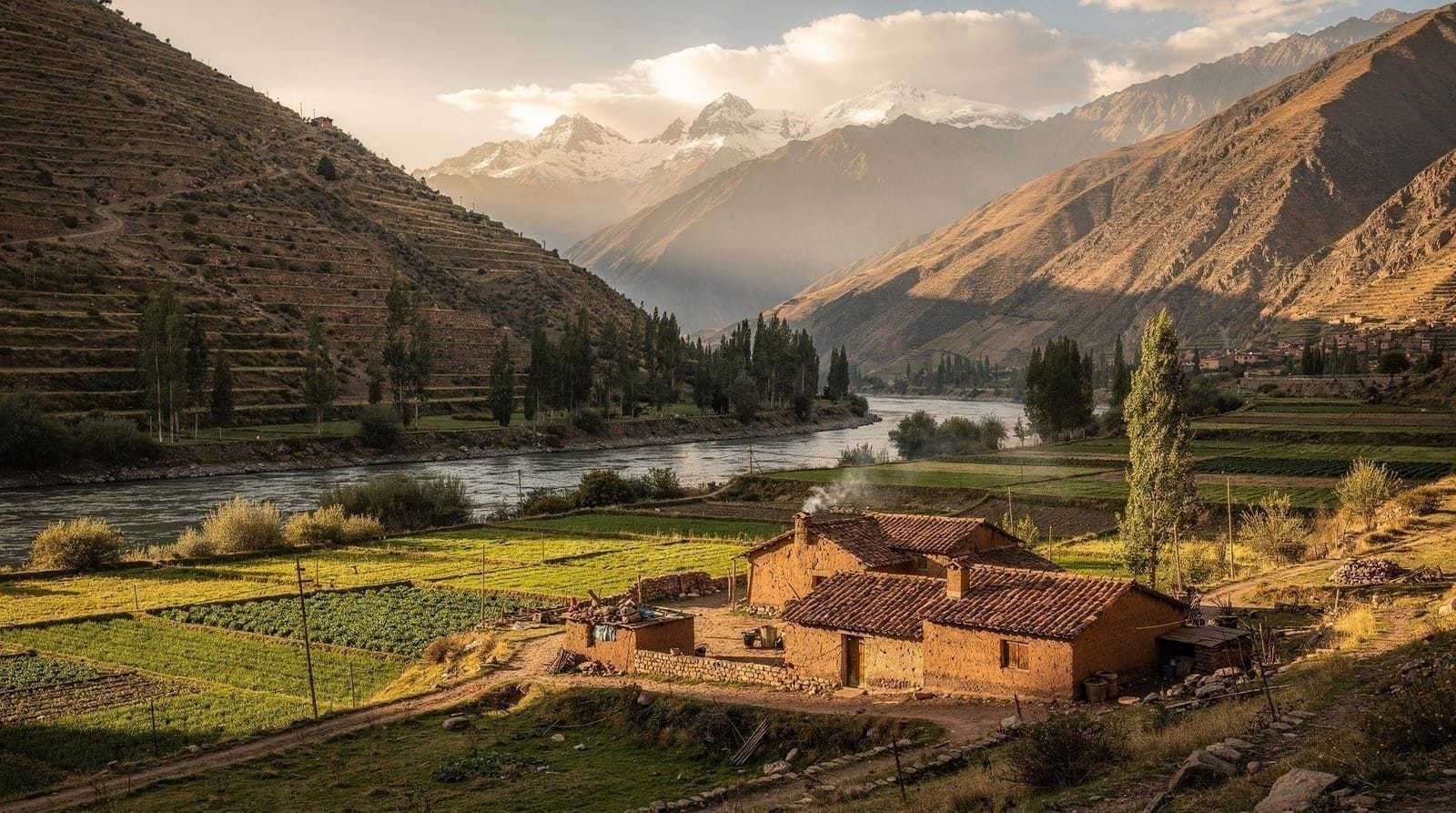
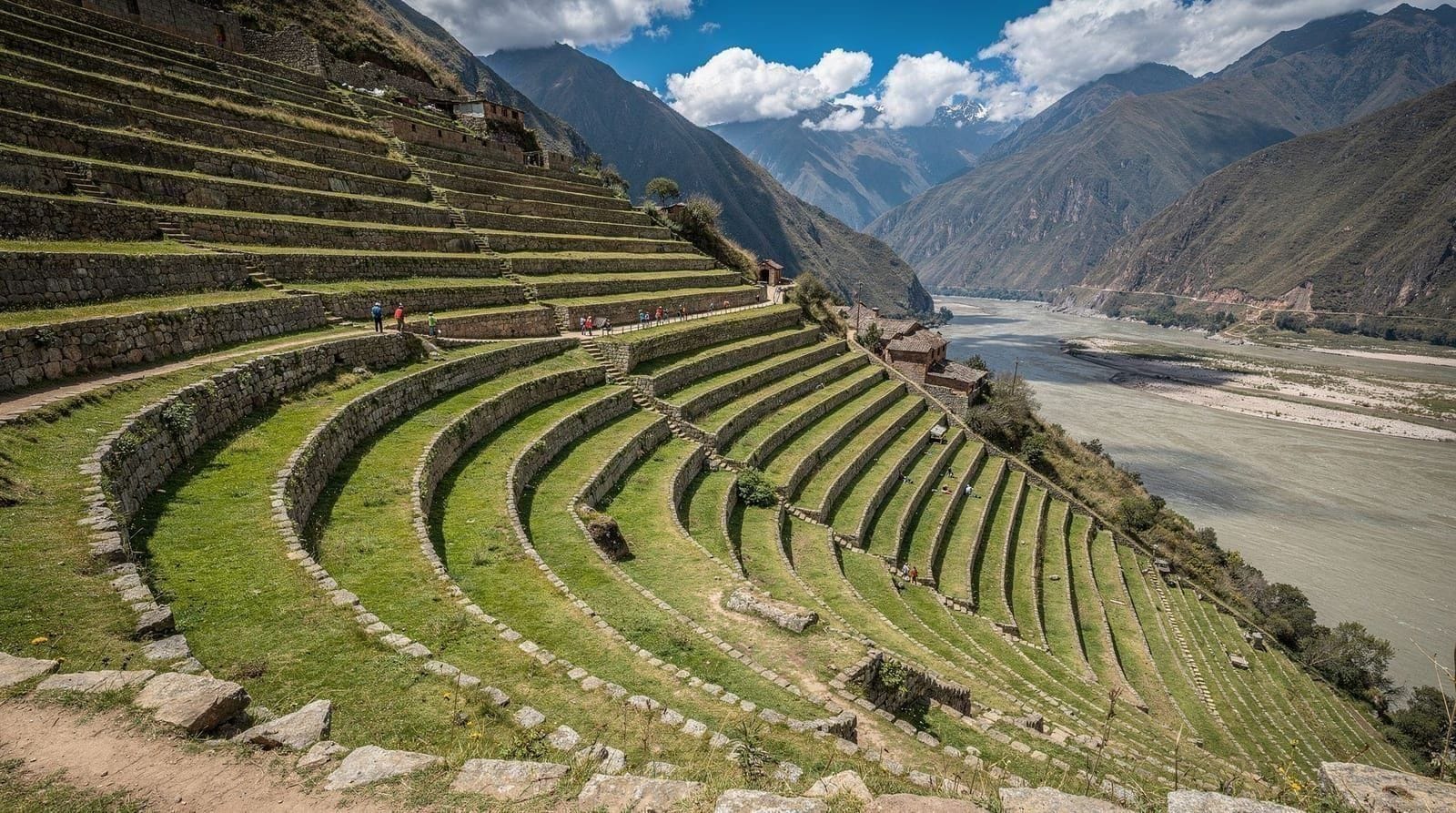
Drop into the valley. The fuller loop adds Maras and Moray to the standard Pisac–Ollantaytambo route: the circular terraces of Maras–Moray and the salt pans are a highlight, and the small-group tour handles the awkward driving between them.
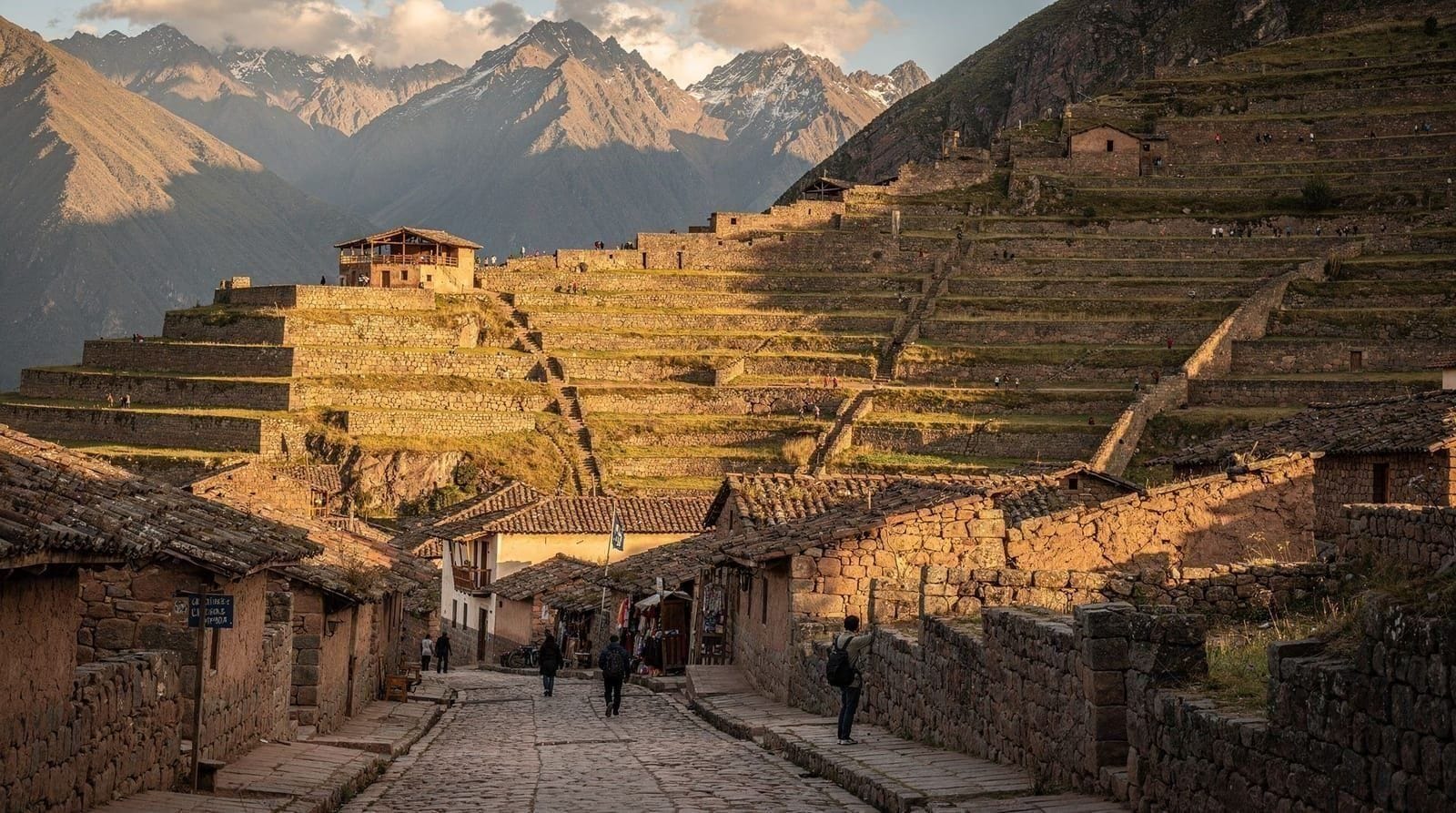
Pisac, Maras, Moray and Ollantaytambo small-group tourStart at Pisac for the ruins and market, then Moray and the salt pans, finishing in Ollantaytambo. End the day there — it is the train station for Machu Picchu and sits lower at 2,800 m, so you sleep better and skip a pre-dawn drive tomorrow.
Where to sleep: Ollantaytambo town. S/ 60–100 (USD 16–27) budget; S/ 180–300 (USD 50–80) comfortable. For how the valley connects, see getting around the Sacred Valley.
Day 4 — Train to Aguas Calientes, afternoon at Machu Picchu
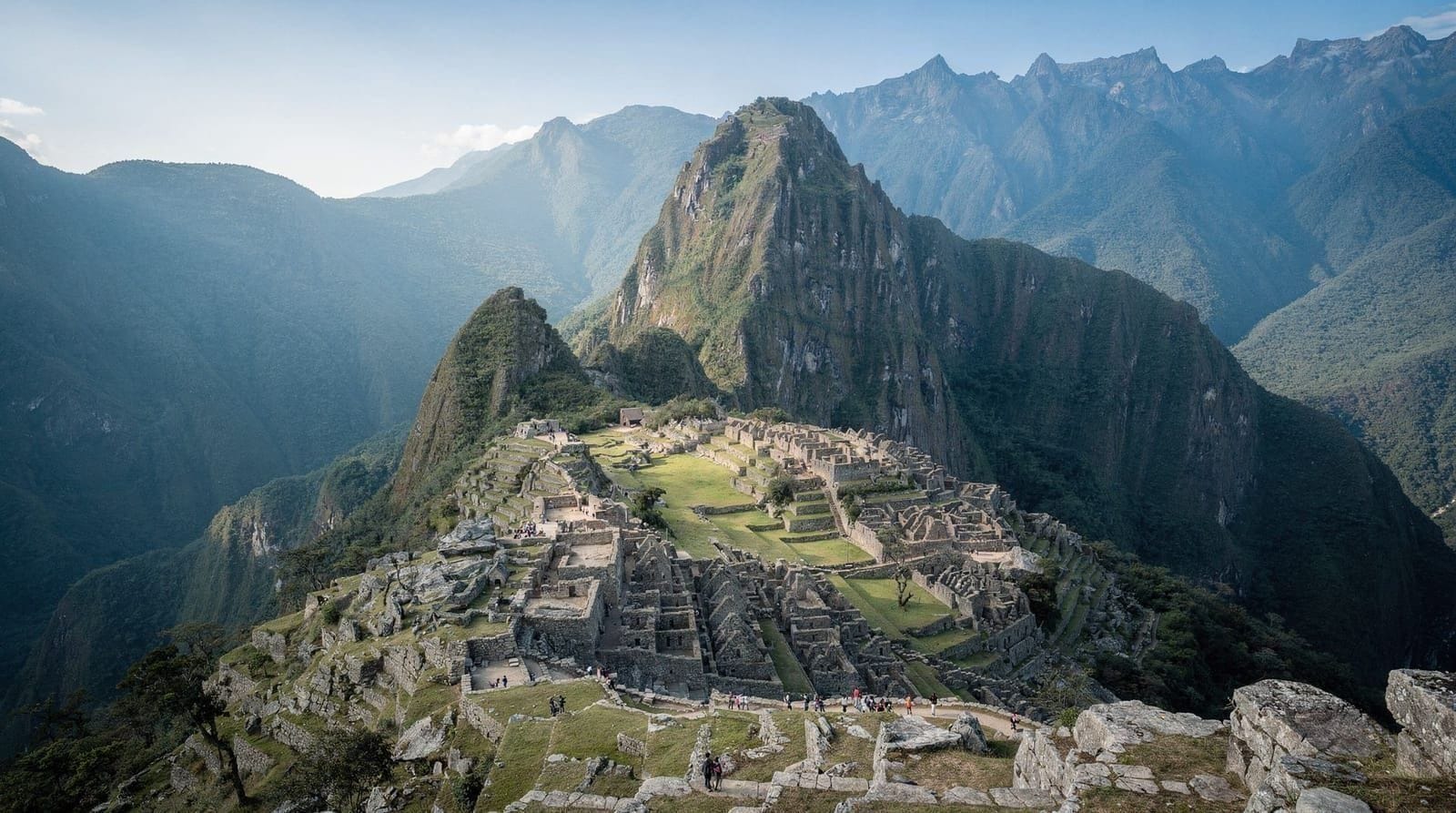
This is where five days pays off. Take a mid-morning train from Ollantaytambo to Aguas Calientes (about 1 hour 40 minutes through the Urubamba gorge). Check into your hotel, eat lunch, then visit Machu Picchu on an afternoon time slot.
Afternoon entry is quieter than the morning rush — many day-trippers have left by 1 p.m. The bus up costs about USD 24 round trip and takes 25 minutes; buy the ticket on arrival. Your entry ticket fixes a circuit and a time, so book Circuit 2 for the classic view (the circuits explained guide details the rest).
A two-day train package bundles the train, the overnight, and entry, which removes most of the booking friction.
Sacred Valley and Machu Picchu by train: 2-day, 1-night tourWhere to sleep: Aguas Calientes. Rooms run S/ 150–600 (USD 40–160). The town is touristy and not cheap, but sleeping here is the whole point of the five-day plan.
Day 5 — Machu Picchu at opening (optional second visit), then back
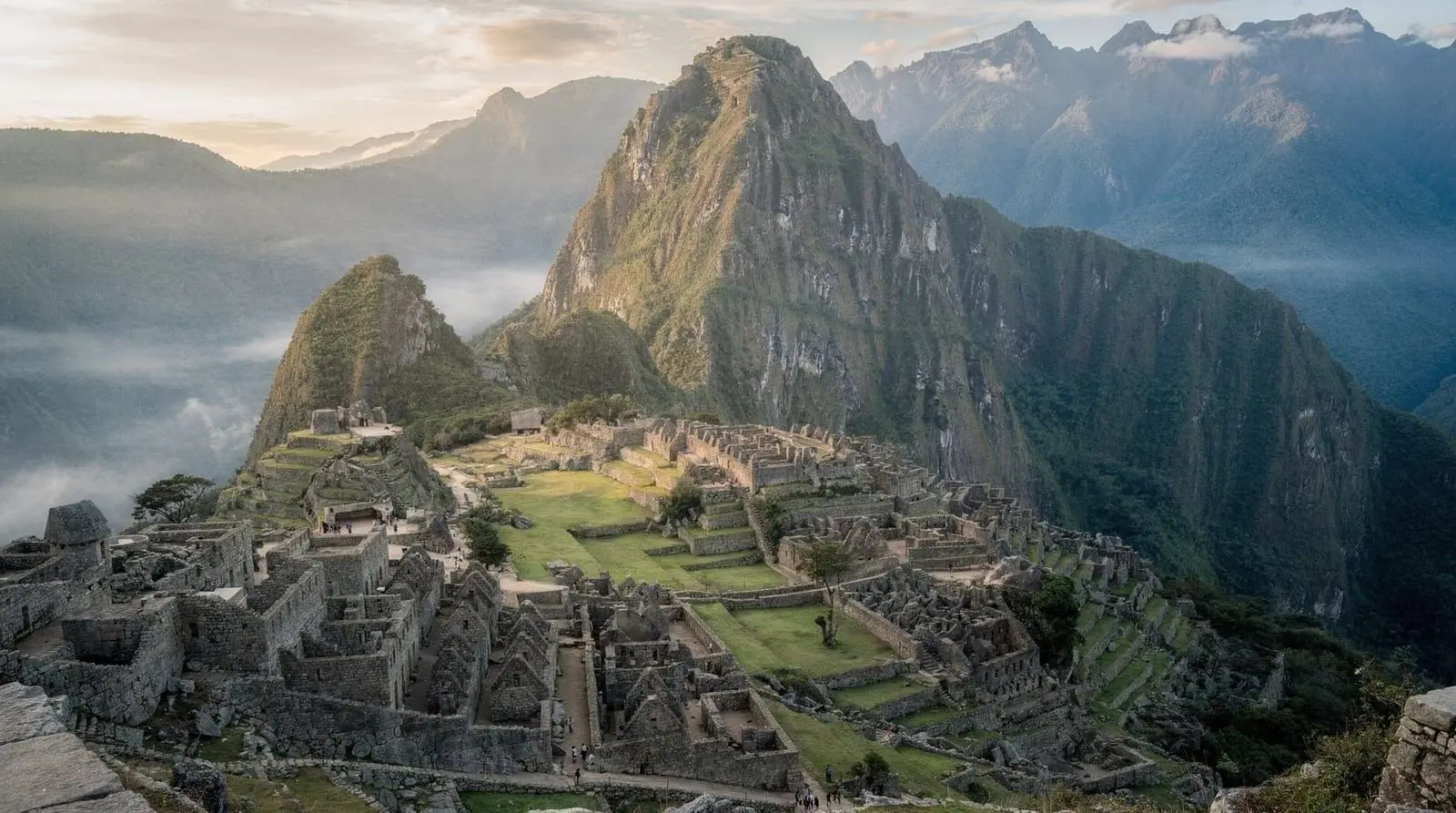
If you bought a second-day entry, ride the first buses up and enter when the gates open — the citadel in early light, with mist lifting off the terraces, is the version people travel for. A second ticket is a separate purchase, so decide in advance.
If one visit was enough, sleep in, wander Aguas Calientes, and take a late-morning train back to Ollantaytambo with an onward transfer to Cusco. Position yourself in Cusco for the evening or for a morning flight on day six.
Leave a generous buffer for the airport — Cusco flights are weather-sensitive, especially in the rainy season (December–March). Do not book a tight Lima connection.
What to pack for the pace of this trip
Because the plan moves from Cusco’s cold, dry altitude down to the warmer, more humid Aguas Calientes, layers matter more than any single “right” jacket. Bring a warm layer and a light rain shell for Cusco evenings, breathable clothes for the valley and Aguas Calientes, sturdy walking shoes for cobbles and ruins, and a daypack for the train (overhead space is limited). The what to pack for Cusco guide has the fuller list, including what to leave at your hotel while you are at Machu Picchu.
Costs: a rough 5-day budget per person
Mid-range 2026 estimates, excluding international and Lima–Cusco flights.
- Machu Picchu entry: S/ 152 (USD 41) per visit
- Round-trip train: USD 120–180
- Bus up to the site: USD 24 round trip
- Sacred Valley tour: USD 40–65
- City tour + cooking class: USD 50–90 combined
- Lodging (4 nights, mid-range): USD 240–440
- Food: USD 20–40 per day
For the full breakdown and how to trim costs, see the Peru trip cost guide for 2026 and, for budget travellers, Cusco on a budget.
Frequently asked questions about a 5-day Cusco itinerary
Is 5 days better than 4 for Cusco and Machu Picchu?
Noticeably, yes. The fifth day adds a full acclimatization buffer and an overnight at Machu Picchu, letting you enter at opening time instead of mid-morning. If you have the days, take them. Compare the 4-day plan.
Can I add Rainbow Mountain to a 5-day trip?
It is tight. Rainbow Mountain is a long, high-altitude day (the summit is over 5,000 m) that needs its own slot. Doing it in five days means cutting something else. The is Rainbow Mountain worth it guide helps you decide; otherwise build it into the 7-day plan.
Should I buy two Machu Picchu tickets for the overnight?
Only if you genuinely want to enter twice. Many travellers do one strong afternoon or morning visit. A second ticket is a separate cost and another time slot to book ahead. See Machu Picchu ticket types compared.
Is Aguas Calientes worth staying in?
It is functional rather than charming, and prices are inflated, but the location is unbeatable for an early entry. One night is the right amount. The Aguas Calientes guide covers where to eat and sleep without overpaying.
How do I get from Cusco to Ollantaytambo?
Colectivos (shared vans) from Pavitos street in Cusco cost around S/ 15 (USD 4) and take about 1 hour 45 minutes; a private taxi runs S/ 120–160. On day three, your Sacred Valley tour drops you there. See getting around the Sacred Valley.
What if my train or flight is delayed?
The five-day plan has a built-in buffer on day five, which is exactly why it is more relaxed than four days. Keep your Lima onward connection loose, and read Cusco airport guide for weather-delay realities.
Is this itinerary suitable for families with kids?
Yes, more so than the 4-day or 3-day versions, because the slower pace and full acclimatization day reduce the risk of a child feeling unwell at altitude. See the Cusco with kids guide for age-specific tips, and consider the dedicated 6-day Cusco with kids itinerary if you want even more slack.
Should I book Circuit 2 for both Machu Picchu visits if I buy two tickets?
Not necessarily. If you enter twice, consider Circuit 1 or 3 for the second visit to see different terraces and viewpoints rather than repeating the same route. The circuits compared guide lays out what each one covers.
Top experiences
Bookable activities with verified prices and instant confirmation on GetYourGuide.