The classic 4-day Inca Trail itinerary to Machu Picchu
From Cusco: 4-Day Inca Trail Guided Trek to Machu Picchu
Quick answer: The classic 4-day Inca Trail covers about 43 km from km 82 near Ollantaytambo to the Sun Gate above Machu Picchu, crossing two passes over 3,900 m. You must book through a licensed operator months ahead because permits are capped at 500 people a day (porters and guides included). It is challenging but not technical — the hard parts are altitude and the long uphill of Dead Woman’s Pass on day two.
| Distance | ~43 km, km 82 to the Sun Gate |
| High point | Dead Woman’s Pass, 4,215 m (day 2) |
| Cost per person | around USD 650–900, permit and crew included |
| Book ahead | 4–6 months for dry season (May–Sept) |
| Closed | Every February for trail maintenance |
What this trek actually demands
The Inca Trail’s reputation is earned, but misunderstood. There is no climbing, no exposure, no rope work. What makes it hard is sustained walking at altitude — the high point, Warmiwañusca (“Dead Woman’s Pass”), sits at 4,215 m (13,830 ft), and you climb to it over several hours of stone steps on day two. If you can comfortably hike 6–7 hours a day on hilly terrain, and you have acclimatized first, you can do this trek.
Two non-negotiables before you read further:
- Permits are capped and book out months ahead. Only 500 permits are issued per day, and most go to porters, guides, and cooks — leaving roughly 200 for trekkers. Dry-season dates (May–September) sell out 4–6 months in advance. You cannot walk the trail independently; a licensed operator is mandatory. The Inca Trail permits guide explains the booking window in detail.
- The trail closes every February for maintenance. If you are planning for February, you need an alternative trek — see why the Inca Trail closes in February.
This four-day plan is the trek itself. You should arrive in Cusco at least two days earlier to acclimatize — do not fly in and start walking. Pair this with the front end of a longer trip; the 7-day Cusco and Sacred Valley plan shows how the rest days fit.
The four days at a glance
| Day | Distance | Sleep altitude | Highlight |
|---|---|---|---|
| 1 | ~11–12 km, easy | Wayllabamba, ~3,000 m | Llactapata ruins views |
| 2 | ~12 km, hard climb | Pacaymayo, ~3,600 m | Dead Woman’s Pass, 4,215 m |
| 3 | ~16 km, longest | Wiñay Wayna, ~2,650 m | Sayacmarca, Phuyupatamarca, Wiñay Wayna ruins |
| 4 | Short, pre-dawn | — | Sun Gate sunrise, Machu Picchu |
Before you start: acclimatize in Cusco
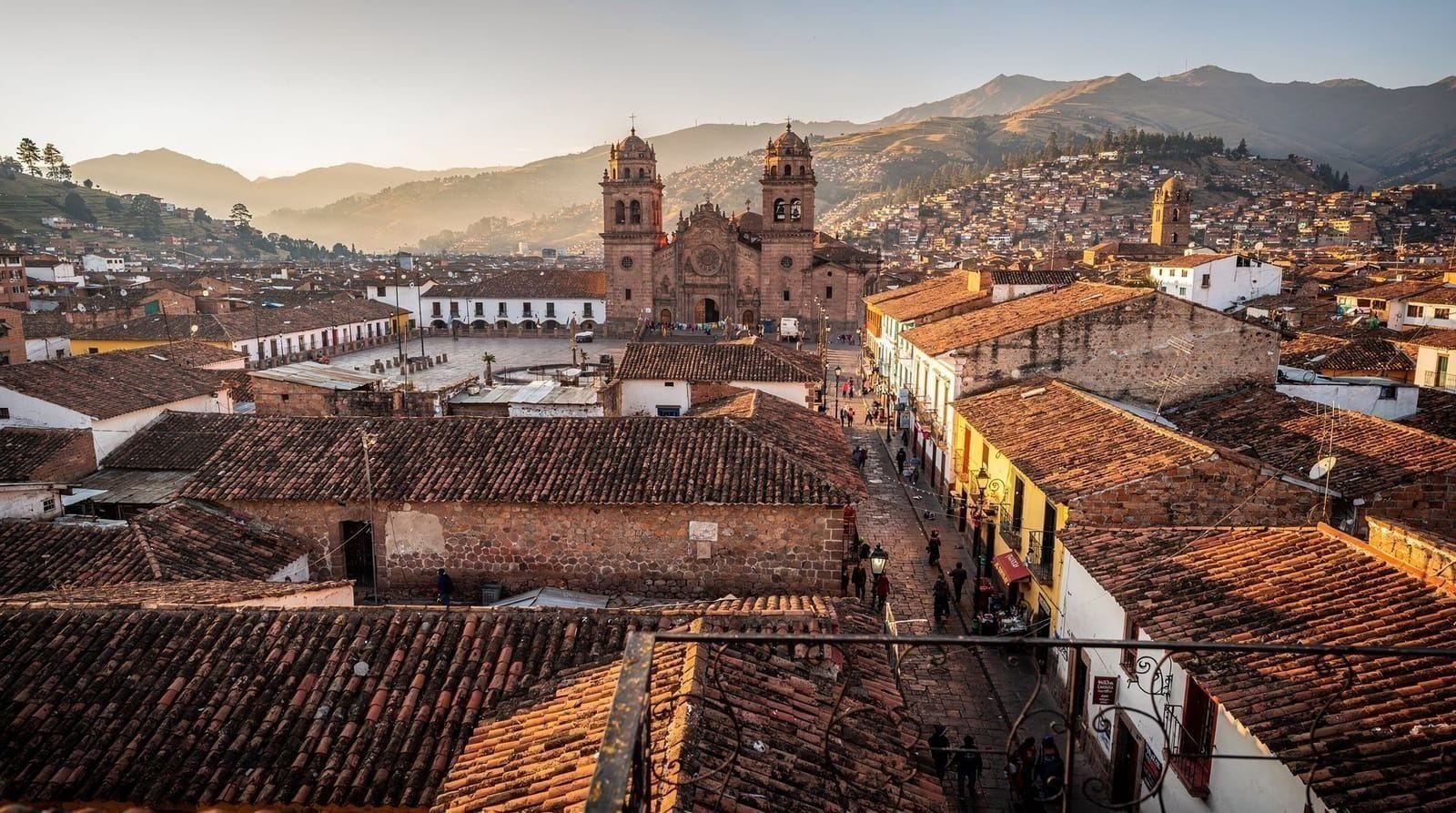
Spend a minimum of two full days in Cusco (3,400 m) before the trek. Walk the city, do a gentle Sacsayhuaman visit, hydrate hard, and avoid alcohol. A relaxed half-day tour is a good acclimatization activity that still shows you something.
Half-day Cusco city tour with SacsayhuamánThe night before the trek, your operator briefs you and you pack a small duffel for the porters (weight-limited, usually 6–7 kg including your sleeping bag) plus a day pack you carry yourself. The what to pack for the Inca Trail guide is the checklist to follow.
Most travellers reach Cusco via a connecting flight through Lima — check the Lima to Cusco flights guide before you book, since you need those two acclimatization days to actually happen, not to be eaten by a delayed connection.
Training before you fly
Altitude aside, the trek rewards genuine cardio fitness. In the two to three months before your trip, build up to hiking 3–4 hours on hilly terrain back to back, ideally with a loaded daypack, and add stair climbing or a stepper machine if you do not have hills nearby. You do not need to be a serious athlete, but showing up completely untrained makes the long days — especially day two and day three — needlessly miserable.
Day 1 — Km 82 to Wayllabamba (easy start)
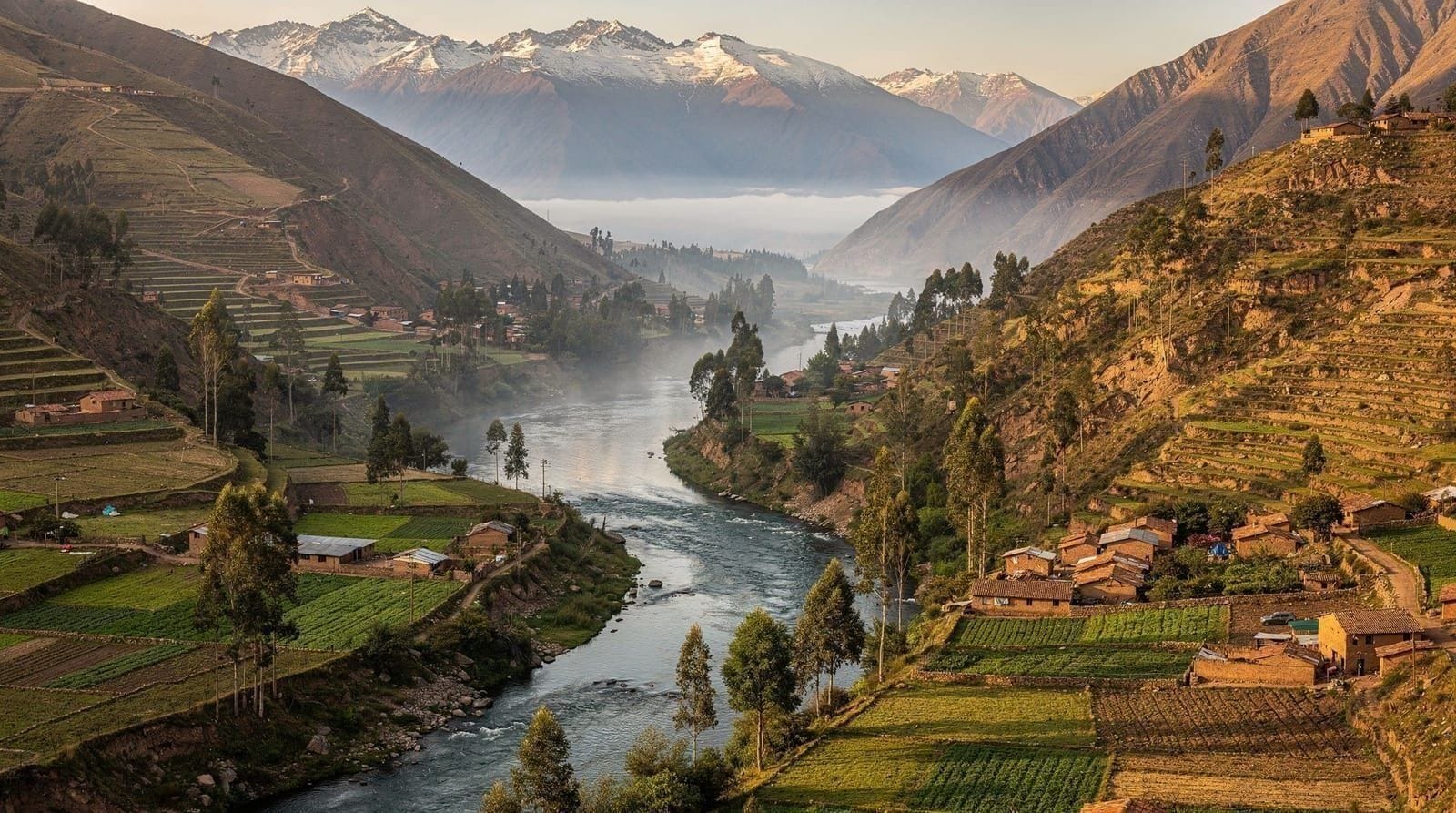
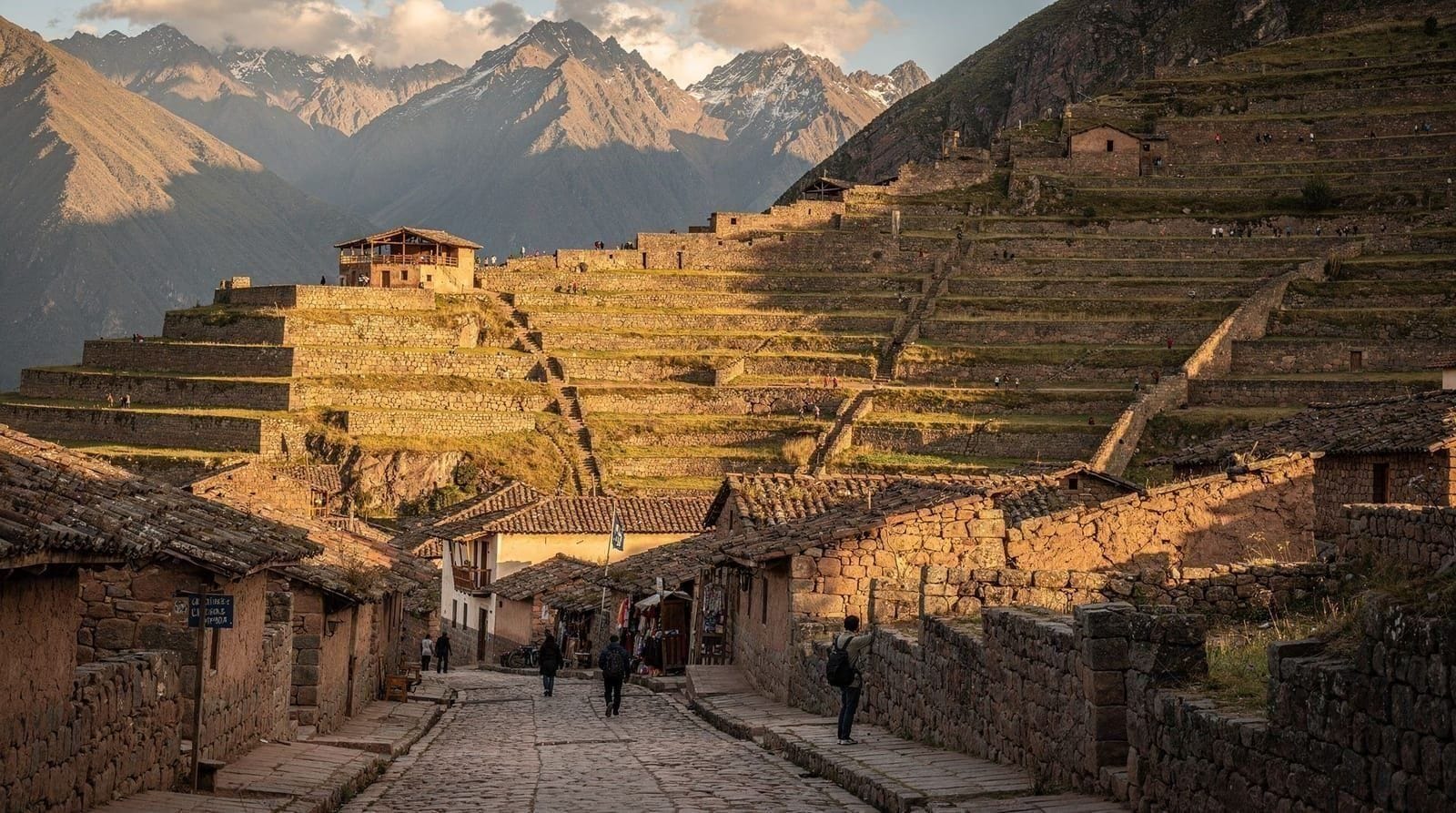
An early pickup drives you to Ollantaytambo for breakfast, then on to the trailhead at km 82 (2,720 m), where you pass the control checkpoint with your passport and permit. Today is the gentlest day by design: roughly 11–12 km of mostly flat-to-rolling trail along the Urubamba, with first views of the Llactapata ruins below.
You climb gradually to the first campsite near Wayllabamba (about 3,000 m), reached by mid-to-late afternoon. The porters will have your tents and a hot lunch ready — the food on a good Inca Trail operator is genuinely excellent, which is part of what you pay for.
Sleep: Wayllabamba camp, around 3,000 m. Use the afternoon to rest your legs and drink water; tomorrow is the hardest day.
This is the day to gauge the operator. A licensed, ethical company carries proper gear, respects porter weight limits, and pays fairly. Booking the official 4-day group trek through a reputable channel avoids the unlicensed operators that the unlicensed tour agencies in Cusco guide warns about.
4-day Inca Trail guided trek to Machu PicchuDay 2 — Dead Woman’s Pass (the hard day)
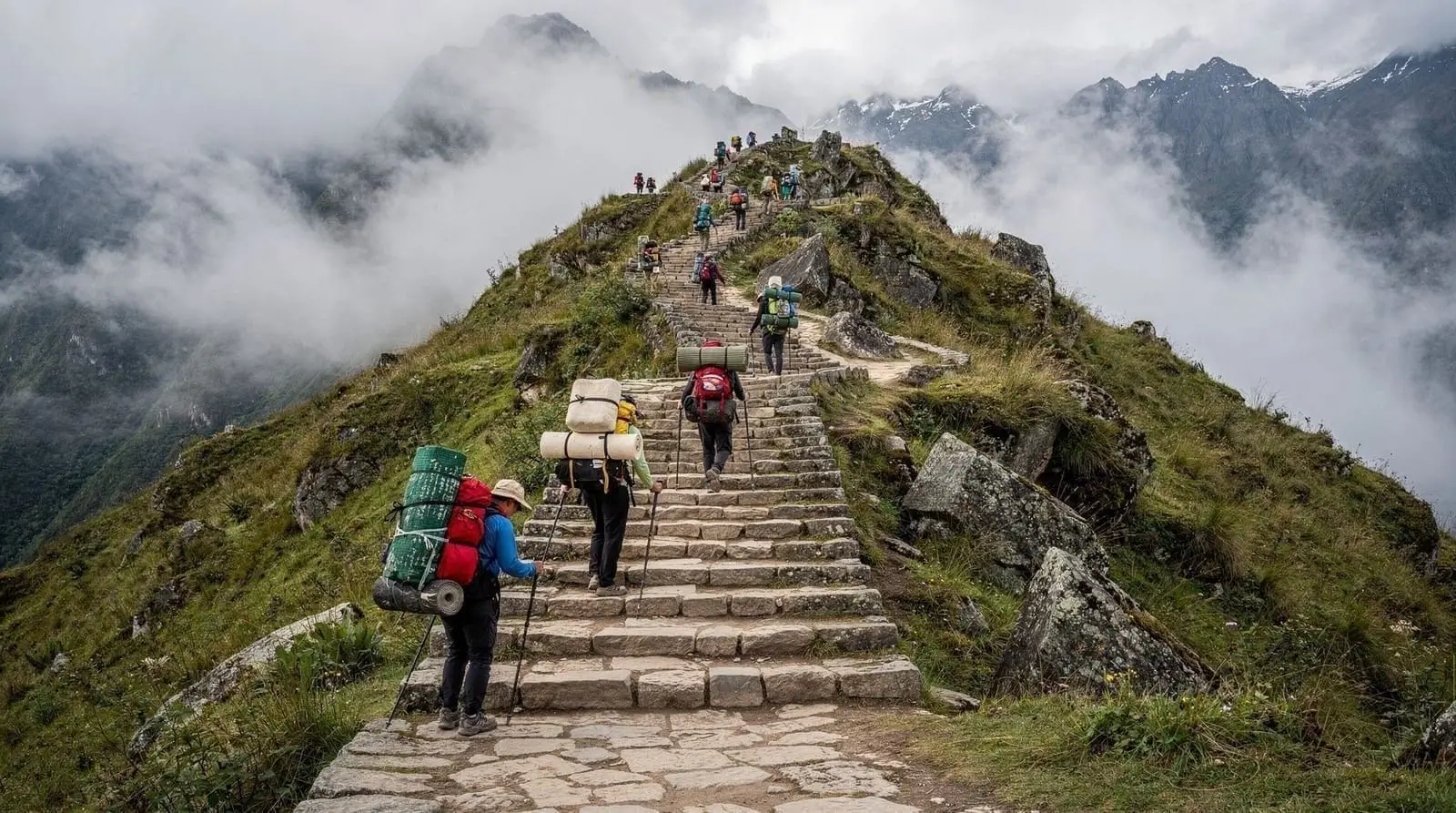
This is the day people remember. You climb roughly 1,200 vertical metres over about 12 km, the bulk of it a relentless stone staircase up to Warmiwañusca, “Dead Woman’s Pass,” at 4,215 m. There is no shortcut and no shame in going slowly — the guides set a sustainable pace and you stop often. Altitude, not distance, is the enemy here.
From the pass, you descend steeply into the Pacaymayo valley to the second campsite (about 3,600 m). The downhill is hard on knees, so trekking poles earn their keep. Expect 6–8 hours of walking.
Sleep: Pacaymayo camp, around 3,600 m. If altitude is hitting you, this is the moment to tell your guide — they carry first-aid and oxygen and have evacuation protocols. The altitude sickness guide covers warning signs.
Day 3 — The longest, most beautiful day
The signature day. You cross a second pass (Runkurakay, about 3,950 m), then walk through cloud forest past a string of Inca sites — Sayacmarca, Phuyupatamarca, and finally Wiñay Wayna, one of the most impressive ruins on the entire route. The trail today is the most varied and arguably the most scenic, with long sections of original Inca paving and tunnels cut through rock.
It is also long — 9–10 hours and roughly 16 km, mostly downhill after the morning pass. You reach the Wiñay Wayna campsite (about 2,650 m) in the afternoon, the final camp before Machu Picchu and the lowest you have slept since day one, so most people sleep better tonight.
Sleep: Wiñay Wayna camp, around 2,650 m. Tip your porters and crew tonight — it is customary and they have earned it. Budget roughly S/ 250–350 (USD 70–95) per trekker, pooled, depending on group size.
Day 4 — Sun Gate and Machu Picchu
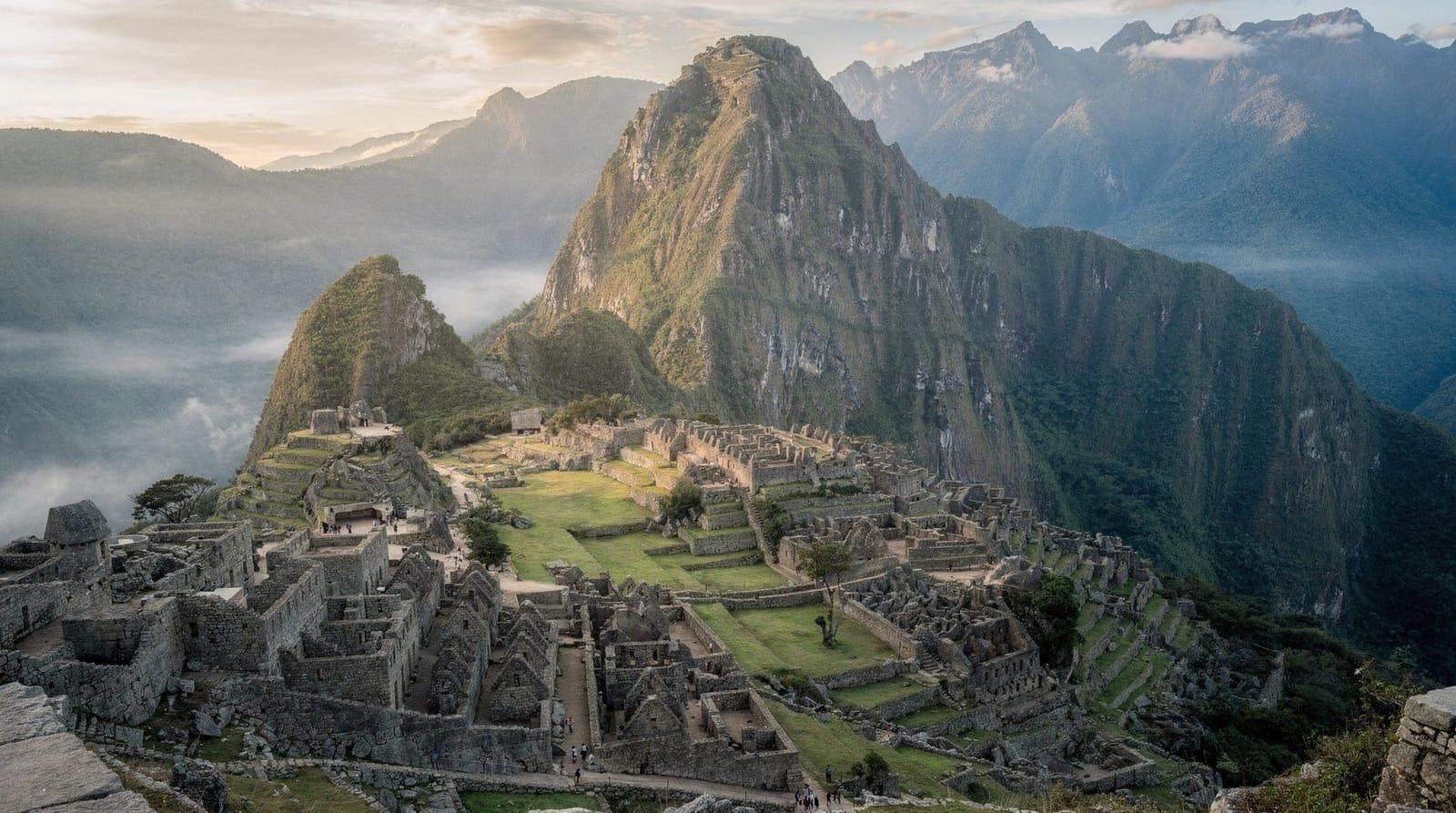
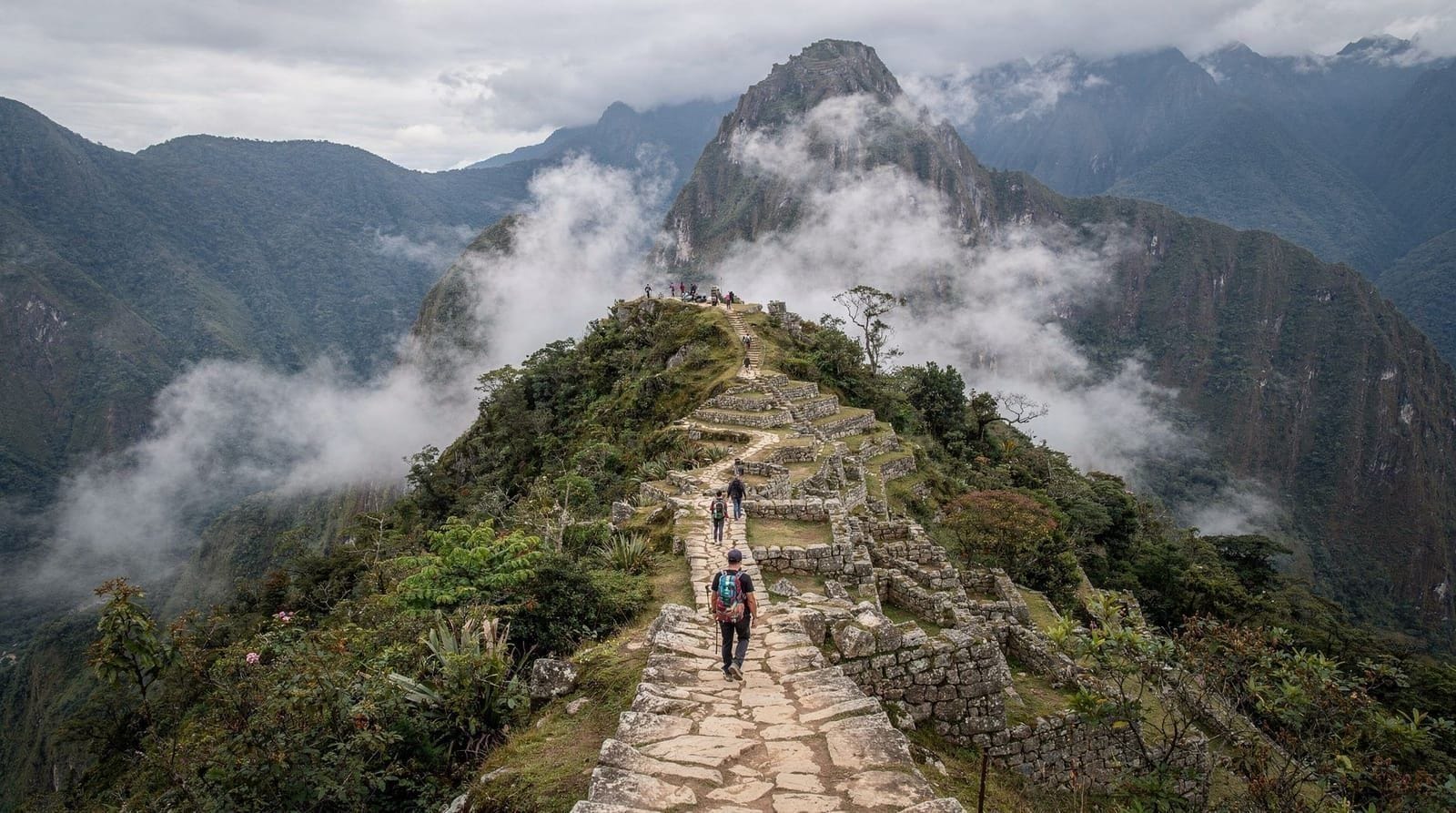
A pre-dawn start (often 3:30–4 a.m.) gets you to the final checkpoint, which opens around 5:30 a.m. You walk the last stretch to Inti Punku, the Sun Gate, arriving as the light comes up over Machu Picchu below — the payoff for three days of walking, and a genuinely different arrival from the bus-up day-trippers.
You descend into the citadel for your guided tour. Note that trekkers enter on a specific circuit and time, and re-entry rules apply, so listen to your guide about what you can and cannot revisit. The Machu Picchu circuits explained guide covers the layout.
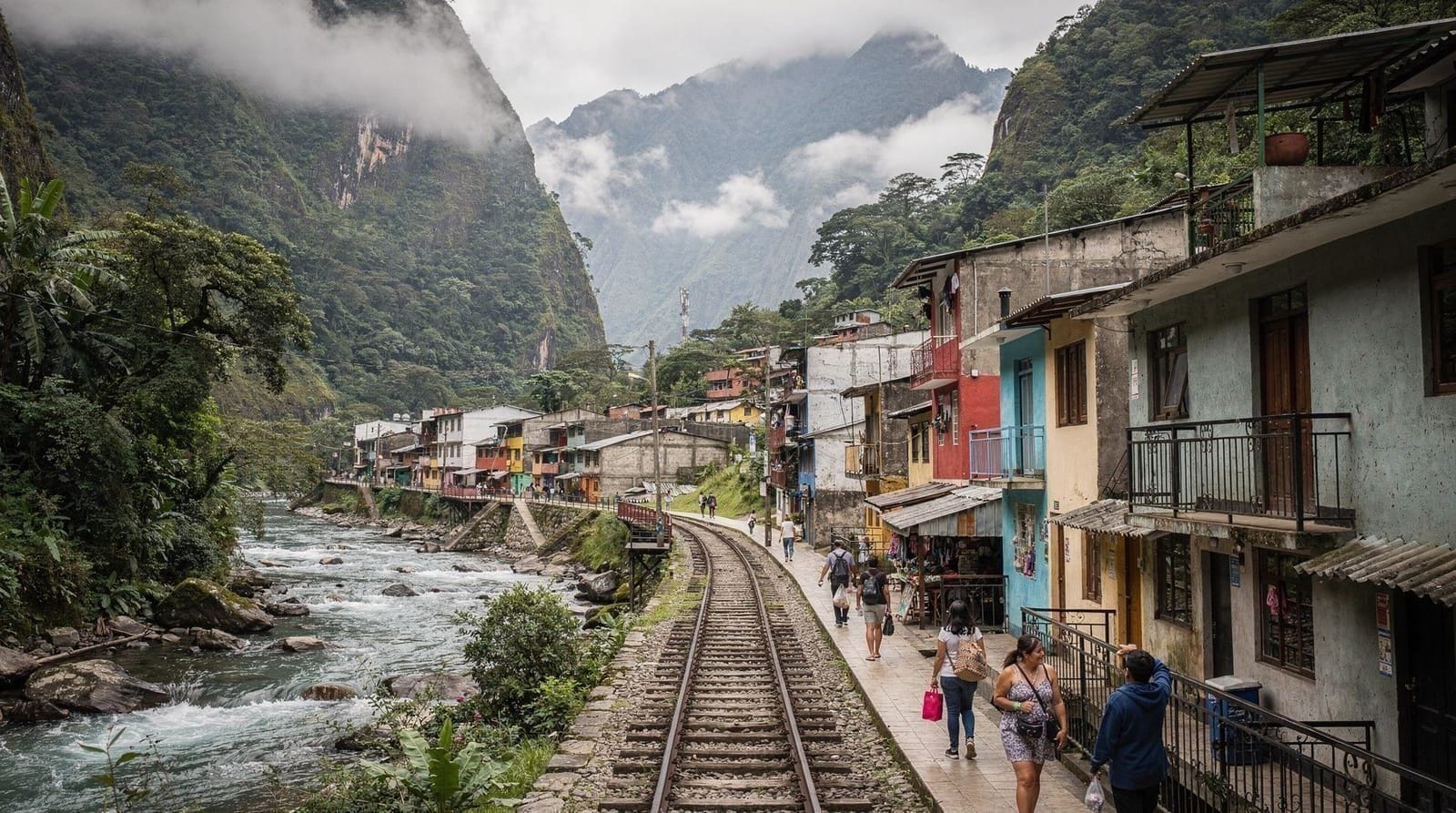
After the tour you walk or take the bus down to Aguas Calientes (bus USD 24, or roughly 1.5 hours on foot), have lunch, and take the afternoon train back to Ollantaytambo, then transfer to Cusco — arriving tired and triumphant in the evening.
Fitness, season and the honest verdict
You do not need to be an athlete, but you do need baseline cardio fitness and the ability to walk long days back to back. The trek is harder than its distance suggests purely because of altitude. If you are unsure the classic trail is right for you, the Inca Trail vs Salkantay comparison and the best treks to Machu Picchu overview lay out the alternatives — Salkantay is higher and more remote but needs no permit; the 2-day Short Inca Trail is the gentle option.
Best months are the dry season (May–September), though it is busiest and coldest at night then. The shoulder months (April, October) are quieter with more cloud. February is closed. The full mechanics are in the Inca Trail complete guide, and the train-versus-walking trade-off is in train vs trek to Machu Picchu.
Costs: a rough 4-day trek budget per person
Mid-range 2026 estimates, excluding international and Lima–Cusco flights and pre-trek Cusco nights.
- 4-day classic Inca Trail group trek (licensed operator): USD 650–900 — this typically includes permit, guide, porters, camping gear, meals, train back, and Machu Picchu entry
- Single supplement (private tent): USD 80–150
- Porter/crew tip: S/ 250–350 (USD 70–95)
- Sleeping bag / pole rental (if not your own): USD 20–40
- Pre-trek Cusco lodging (2 nights): USD 110–190
The all-in price reflects the capped permits and the crew you are supporting — be suspicious of trips priced far below this range, as they tend to cut corners on porter welfare. For the wider budget context, see the Peru trip cost guide for 2026.
Frequently asked questions about the 4-day Inca Trail
How fit do I need to be for the 4-day Inca Trail?
Fit enough to hike 6–8 hours a day on steep terrain for four consecutive days. No technical skills are needed, but the altitude makes it tougher than the distance suggests. Acclimatize in Cusco first and train with hill walking beforehand. See the Inca Trail complete guide.
How far in advance do I need to book the Inca Trail?
For dry-season dates (May–September), 4–6 months ahead — permits are capped at 500 per day and sell out. Shoulder months book a few months out. You cannot do it last-minute or independently. The permits guide has the timing.
Can I do the Inca Trail without a guide?
No. Since regulations changed, independent trekking is banned. You must book through a licensed operator who arranges your permit, guide, and porters. Beware unlicensed sellers — see unlicensed tour agencies in Cusco.
What is Dead Woman’s Pass and how hard is it?
It is the highest point of the trek, Warmiwañusca, at 4,215 m, reached on day two after a long uphill of stone steps. The difficulty is altitude and sustained climbing, not technical terrain. Go slow and you will get there. The altitude sickness guide helps you prepare.
When is the Inca Trail closed?
The entire trail closes every February for maintenance and to let the route recover from the wet season. If you want to trek in February, choose an alternative like Salkantay. See why the Inca Trail closes in February.
Is the classic Inca Trail better than Salkantay?
They are different. The Inca Trail ends through the Sun Gate and passes Inca ruins, but needs a permit booked far ahead. Salkantay is higher, more remote, more flexible, and needs no permit. The Inca Trail vs Salkantay comparison weighs both.
What should I pack for the Inca Trail?
Layers for cold nights and warm days, broken-in boots, a rain shell, trekking poles, a headlamp, sunscreen, and a small day pack. Porters carry the rest within a weight limit. The full checklist is in what to pack for the Inca Trail.
How much should I train before attempting the Inca Trail?
Aim to build up to hiking 3–4 hours on hilly terrain, back to back on consecutive days, in the two to three months before you go. You do not need elite fitness, but genuine cardio conditioning makes day two and three noticeably more enjoyable rather than a grind.
What happens if I cannot finish a day’s walk?
Guides carry first-aid and monitor the group closely; if you are struggling, they can adjust the pace, and in serious cases arrange a horse (available on some sections) or evacuation. This is another reason a licensed operator with a proper safety protocol matters more than the cheapest price. See unlicensed tour agencies in Cusco for what to avoid.
Top experiences
Bookable activities with verified prices and instant confirmation on GetYourGuide.