Cusco to Machu Picchu: a realistic 4-day itinerary
Cusco: Machu Picchu + Tourist Train + Entrance Ticket
Quick answer: Four days is enough to see Cusco, a slice of the Sacred Valley, and Machu Picchu without rushing the most important part — acclimatizing to 3,400 m before you do anything strenuous. The trick is to spend day one slow, sleep one night lower in the valley around Ollantaytambo (2,800 m), and time your train so you reach Machu Picchu before the late-morning crowd peaks.
| Sleeping altitude | Cusco (3,400m) → Ollantaytambo (2,800m) → Cusco |
| Cost per person | around USD 350–500 mid-range, excl. flights |
| Best time | Dry season (May–Sept) for reliable trains and weather |
| Book ahead | Machu Picchu circuit ticket and train, weeks ahead |
| Not included | Rainbow Mountain, Inca Trail — need extra days |
Why four days is the honest minimum
People land in Cusco at lunchtime, feel the thin air by dinner, and then wonder why they have a headache on a 5 a.m. bus the next morning. Cusco sits at 3,400 m (11,150 ft), higher than most ski resorts. A four-day plan works because it builds in a genuine rest day, drops you to a lower altitude for the Machu Picchu leg, and still leaves a buffer in case a train is delayed or the weather closes in.
This is not a luxury schedule and it is not a death march. It assumes you arrive on the morning of day one (most Lima–Cusco flights land between 7 a.m. and noon) and fly out on the morning of day four or later. If your flight out is on the evening of day four, even better — you get an unhurried final morning.
A quick word on what four days does not buy you: a multi-day trek. The classic Inca Trail needs four days on its own, plus acclimatization before it. If trekking is your goal, see the dedicated four-day trek plan instead.
Day 1 — Land in Cusco, do almost nothing
Resist the urge to “make the most of it.” Your job today is to let your body adjust.
Take an official airport taxi or a pre-booked transfer into the centre. The fixed-rate booth inside the terminal charges around S/ 30–40 (about USD 8–11) to the historic centre; street taxis just outside will quote S/ 20–25 if you walk to the road, but the booth is the safer first-day choice. Check into your hotel, drink the welcome coca tea, and lie down for an hour.
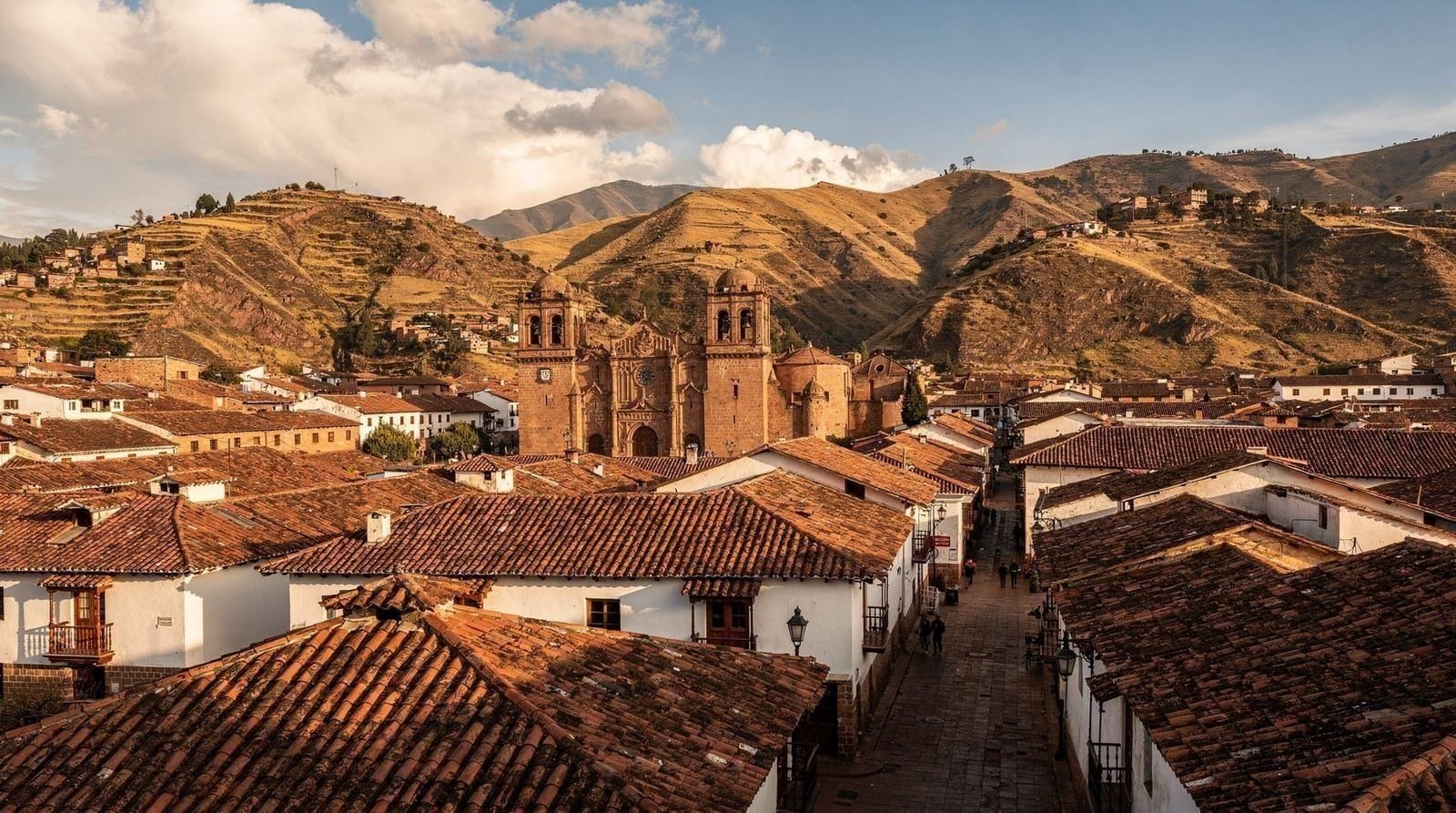
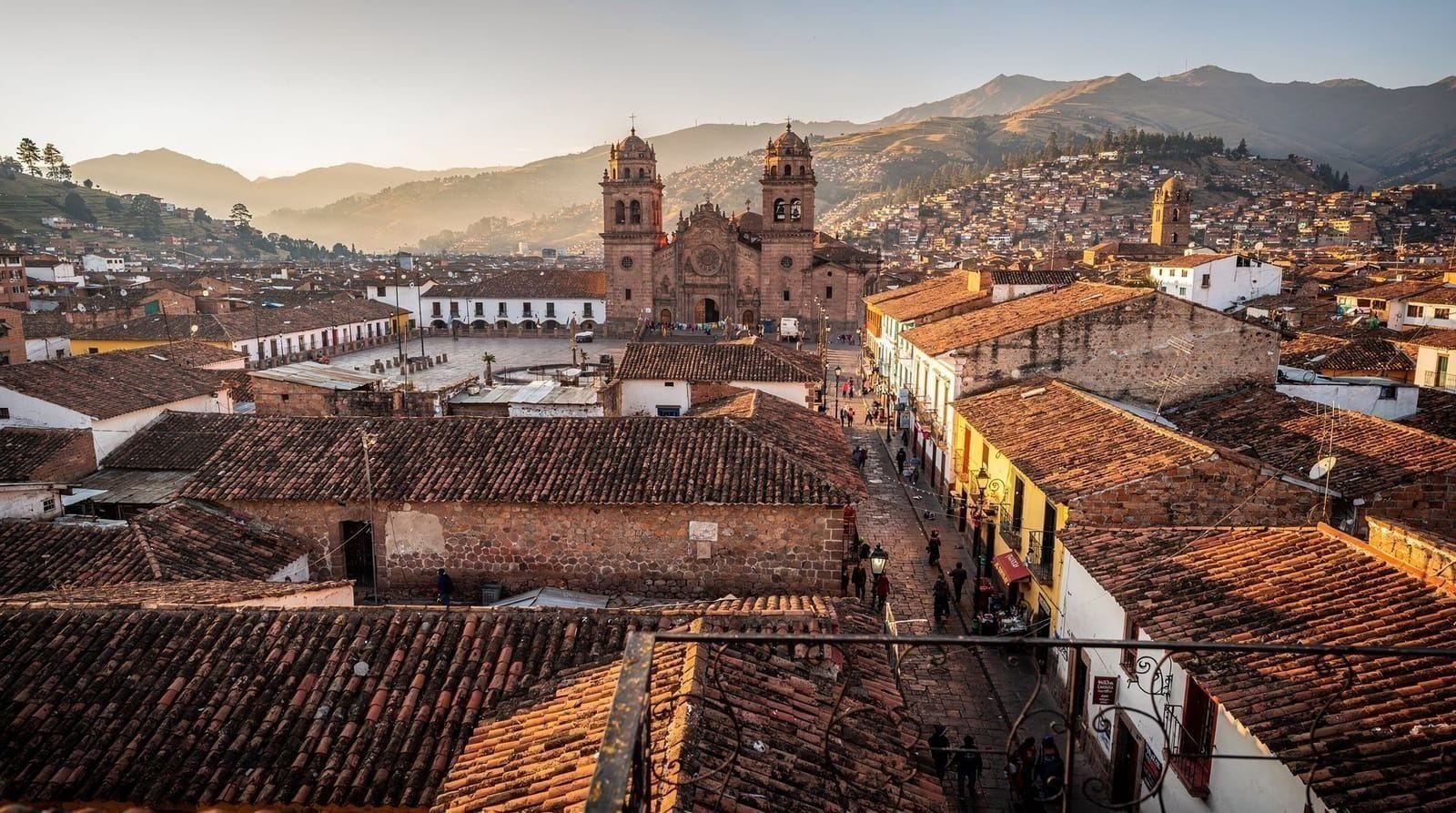
In the afternoon, walk — slowly — to the Plaza de Armas and the cathedral, then up toward San Blas, the artisan quarter. It is uphill and cobbled, so pace yourself and stop often. This is also the moment to do the practical errands: buy bottled water, withdraw soles from a bank ATM (BCP and Interbank are reliable), and confirm your train and Machu Picchu tickets are printed or saved offline.
If you only want one paid activity, a relaxed half-day city tour covers the cathedral, Qorikancha, and the hilltop fortress of Sacsayhuaman without any hard climbing. Book the afternoon slot, not the morning one.
Half-day Cusco city tour with SacsayhuamánWhere to sleep: Stay in the historic centre or San Blas tonight so you are close to everything. Mid-range rooms run S/ 200–350 (USD 55–95). For altitude advice that actually matters on this first night, read the Cusco acclimatization plan.
Eat: Skip heavy, greasy food on night one. A light soup at a picantería near the plaza, or pollo a la brasa, sits better at altitude than a big steak.
Most visitors reach Cusco via a connecting flight through Lima — check the Lima to Cusco flights guide so you book a morning departure with a safer buffer against weather delays. If you decide this itinerary is too slow, the 3-day short itinerary shows what you give up by compressing it further.
Day 2 — Sacred Valley, then sleep low
Today you trade altitude for scenery and set yourself up for an easier Machu Picchu day. The Sacred Valley sits 400–600 m lower than Cusco, so you both see spectacular ruins and sleep somewhere your body recovers faster.
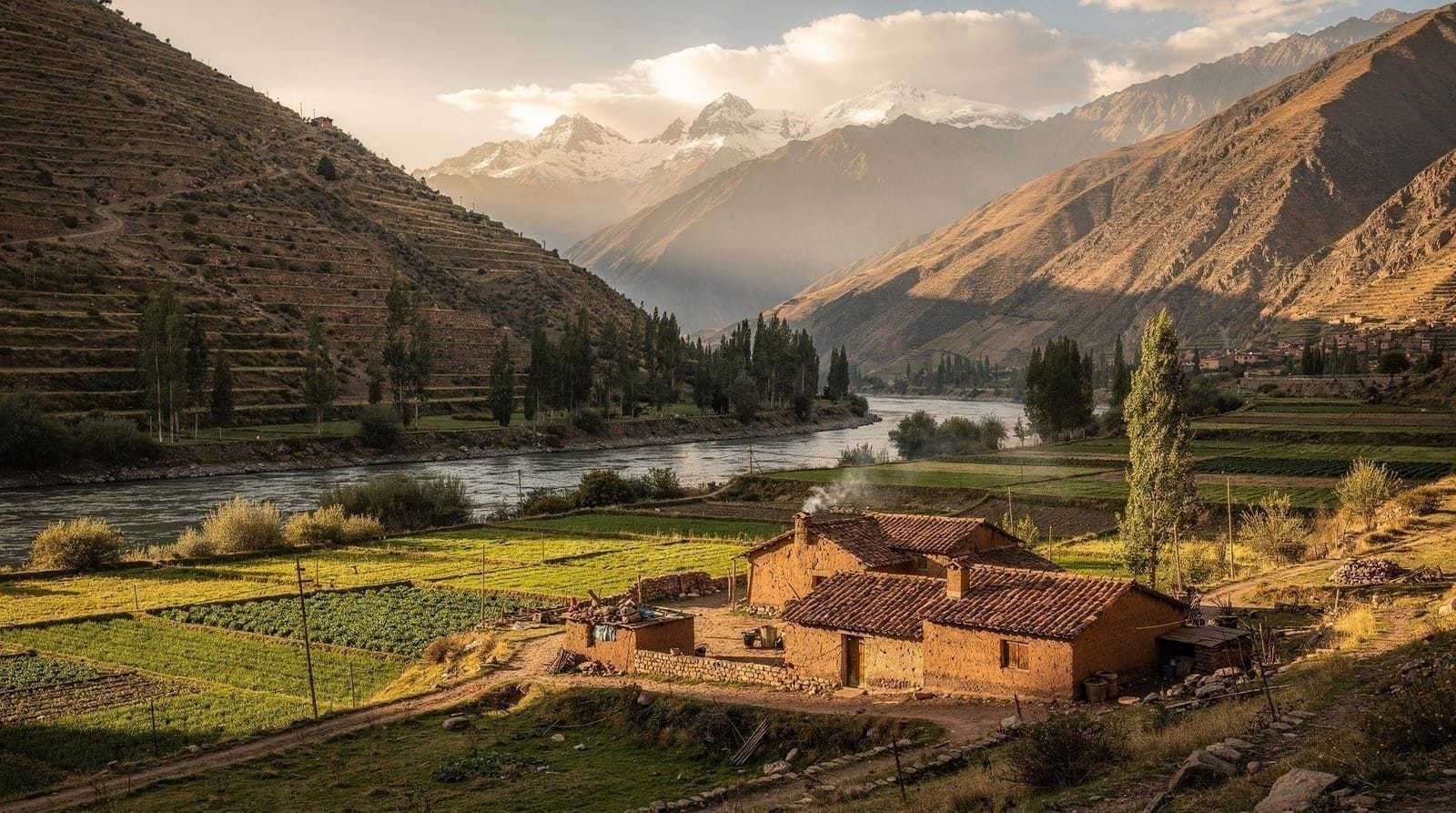
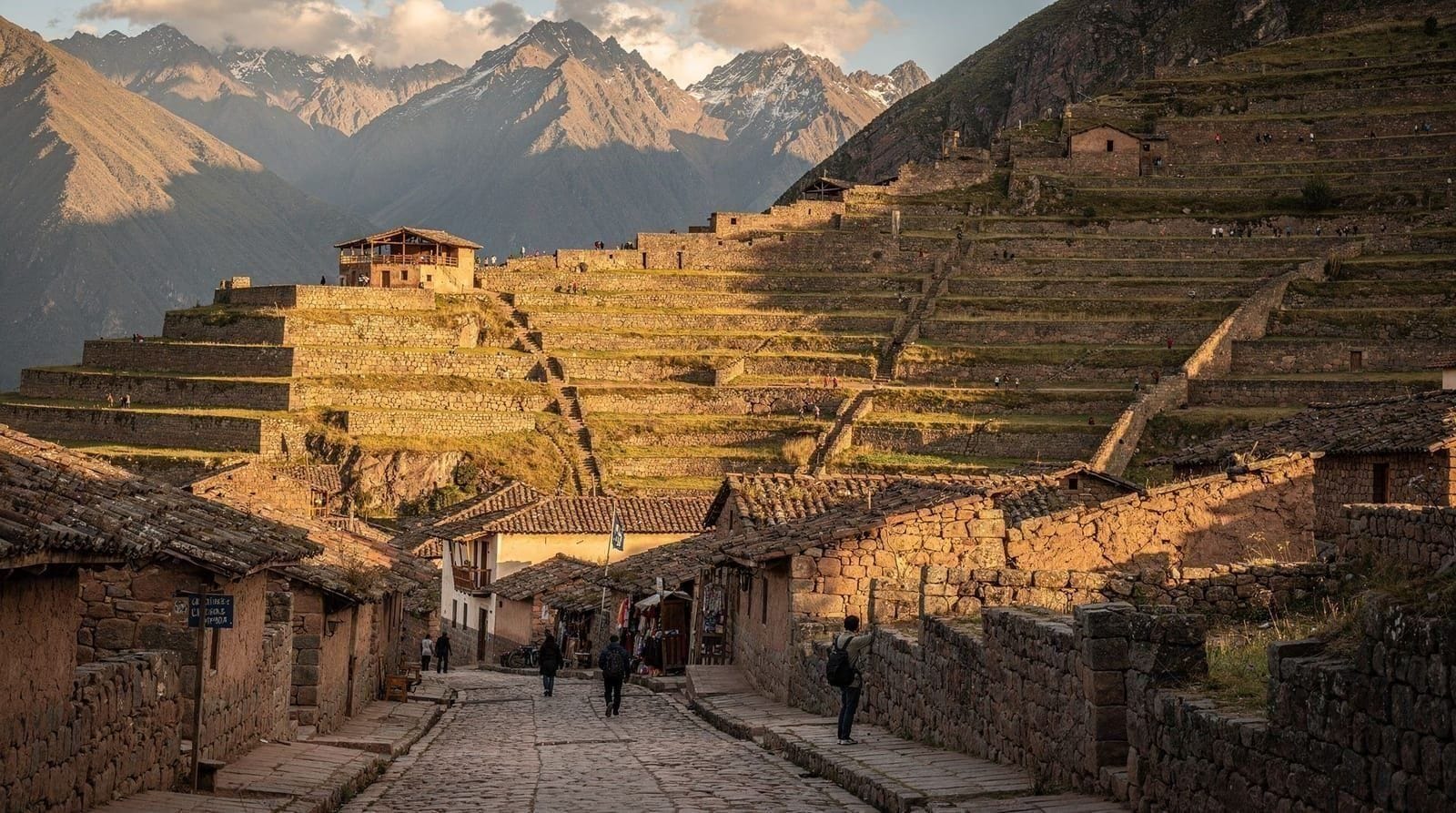
Leave mid-morning. The classic loop hits the market and terraces of Pisac, then the agricultural terraces and salt pans on the Maras–Moray side, and finishes at the fortress town of Ollantaytambo. A small-group tour handles the driving and the boleto turístico logistics, which is genuinely useful when you only have one day.
Sacred Valley day tour: Pisac and OllantaytamboThe key decision: end the day in Ollantaytambo, not back in Cusco. Ollantaytambo is the train station for Machu Picchu, so sleeping here saves you a pre-dawn drive tomorrow and puts you at 2,800 m. For how the valley transport actually connects, see getting around the Sacred Valley.
Where to sleep: Ollantaytambo town. Budget hostels go for S/ 60–100 (USD 16–27); comfortable guesthouses near the plaza, S/ 180–300 (USD 50–80). Book ahead in dry season (May–September).
Tickets reminder: You need a valid Sacred Valley boleto turístico for Pisac and Ollantaytambo ruins. The boleto turístico guide explains which partial ticket makes sense if you are not visiting Cusco’s sites separately.
Day 3 — Machu Picchu
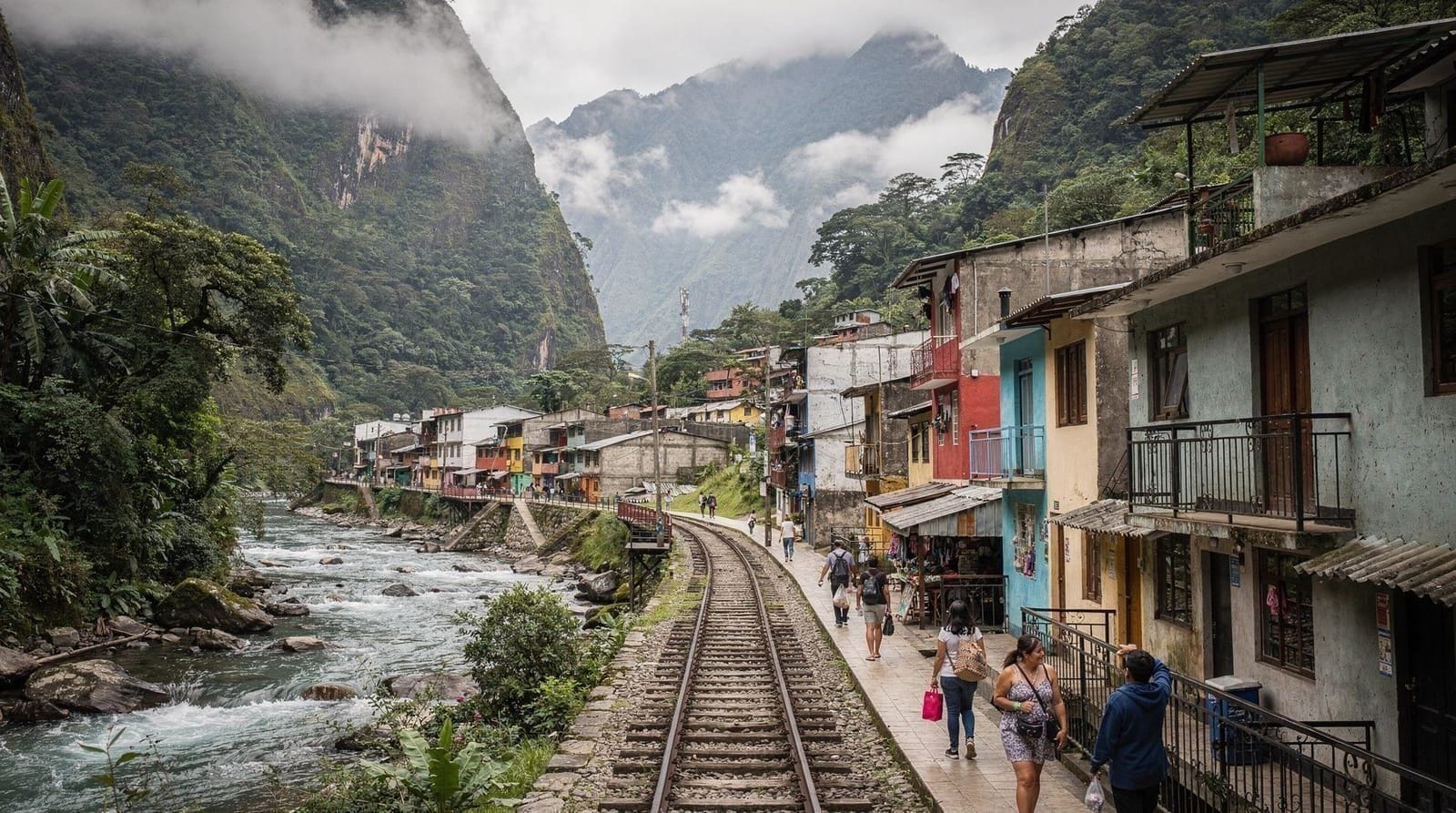
This is the day everything was building toward. From Ollantaytambo, the train to Aguas Calientes takes about 1 hour 40 minutes through the Urubamba gorge. Aim for a morning departure (PeruRail and Inca Rail both run several); the earliest trains are pricier and busiest, so a mid-morning train often hits a sweet spot of price and a less frantic site.
At Aguas Calientes (the town below the ruins, also called Machu Picchu Pueblo), the bus up the switchbacks takes about 25 minutes and costs around USD 24 round trip for foreign visitors — buy the bus ticket the day before or first thing, because the queue grows fast. You can walk up instead in roughly 1.5 hours of steep stairs if you are fit and acclimatized.
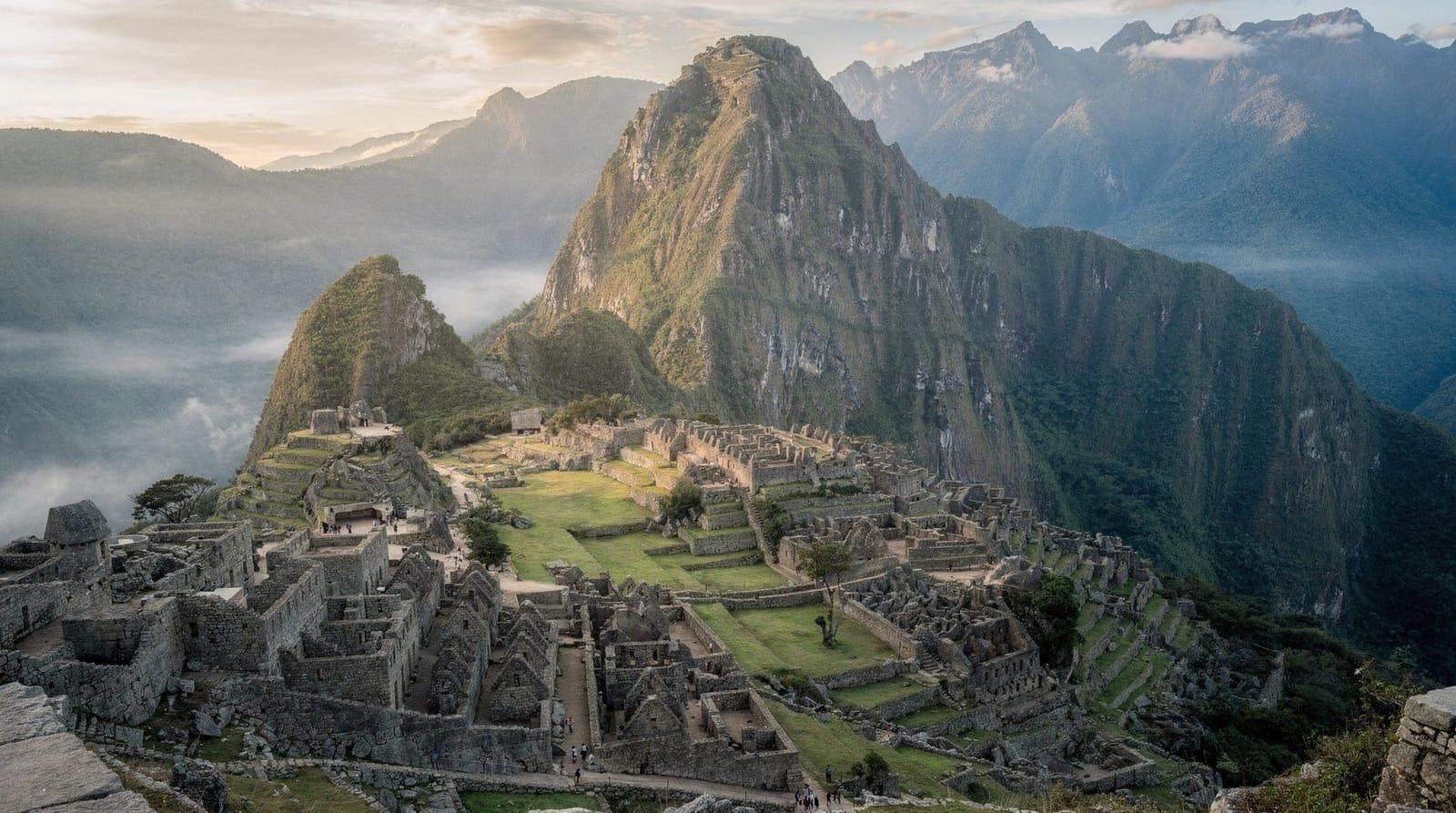
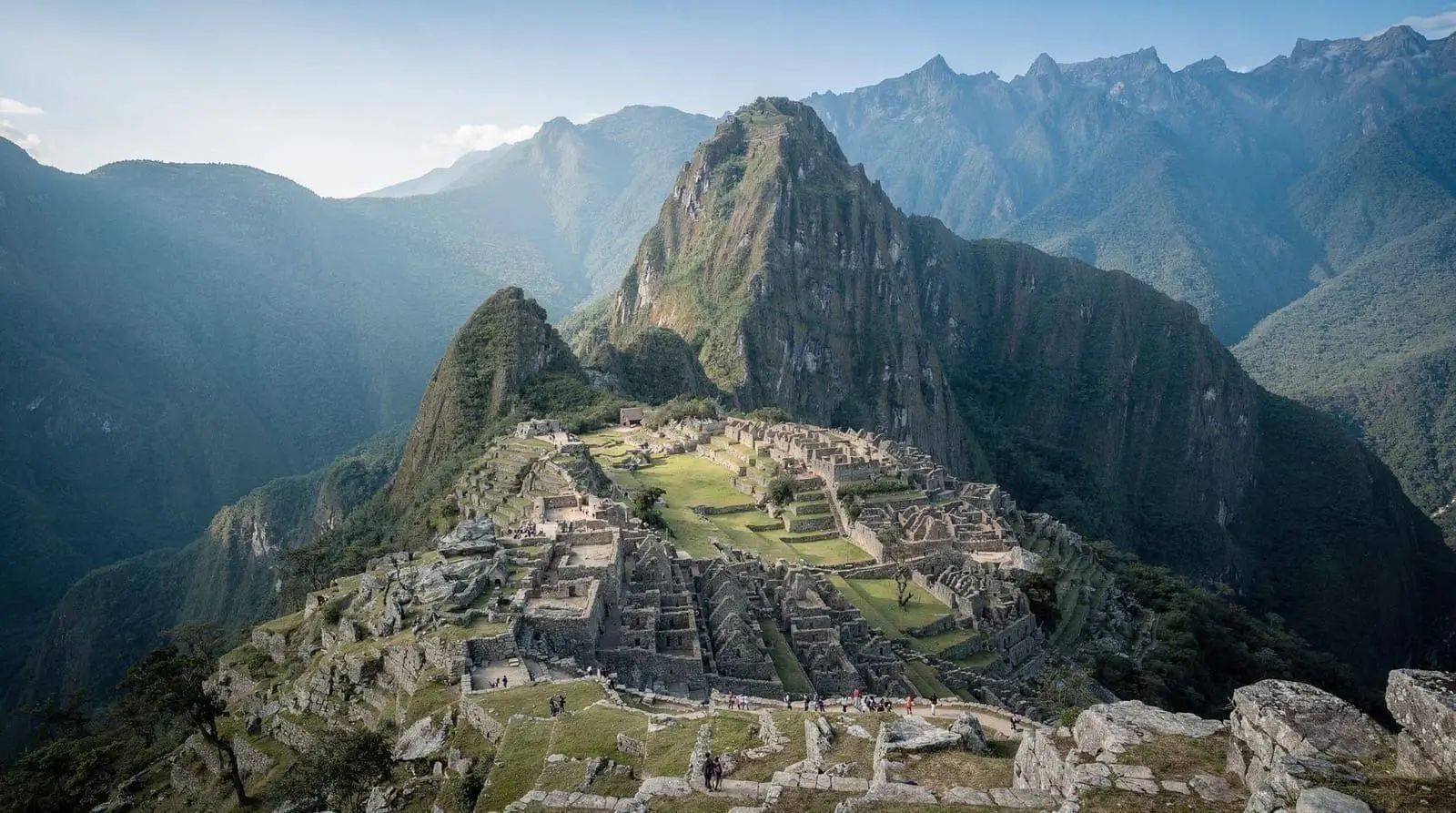
Your entry ticket specifies a circuit and a time slot — this is non-negotiable and enforced. Circuit 2 is the classic route most first-timers want, because it includes the postcard viewpoint over the citadel. The Machu Picchu circuits, explained breaks down which circuit matches what you actually want to see. If you would rather not juggle train, bus, and entry separately, a combined package handles all three.
Machu Picchu day trip with tourist train and entranceHire a guide at the entrance (around S/ 100–180 / USD 27–48 for a small group) if your ticket did not include one — the site makes far more sense with context, and unguided wandering is increasingly restricted.
Where to sleep: Most four-day travellers take an afternoon train back to Ollantaytambo and a transfer up to Cusco the same evening, so you are positioned for the flight home. If your budget allows, sleeping one night in Aguas Calientes lets you visit the ruins at opening and avoid the day-tripper wave entirely; rooms run S/ 150–600 (USD 40–160).
Day 4 — Cusco morning and departure
If you slept back in Cusco, use the morning for what you skipped on a foggy day one. The San Pedro Market is the most honest place to buy chocolate, coffee, and textiles, and the food stalls do a cheap, good lunch. A short walk through the historic centre closes the loop nicely.
Leave for the airport at least 2 hours before a domestic flight. Cusco’s airport is small and notorious for weather delays in the rainy season (December–March), so do not schedule a tight onward connection in Lima.
If your flight is late afternoon, you have time for a cooking class or one more archaeological site. Otherwise, this is a gentle morning by design — the buffer you hoped you would not need is now a relaxed café and an easy departure.
Cusco cooking class with market visitSeasonality: when to run this itinerary
| Season | Months | What to expect |
|---|---|---|
| Dry, high season | June–August | Clear skies, cold nights, busiest trains and trails |
| Dry, shoulder | May, September | Similar weather, fewer crowds, easier bookings |
| Wet season | December–March | Afternoon rain, greener valley, higher delay risk |
| Wet, low season | January–February | Cheapest, some Inca Trail closures do not affect this train-based plan |
Costs: a rough four-day budget per person
These are realistic 2026 mid-range estimates, excluding international flights and the Lima–Cusco flight.
- Machu Picchu entry: S/ 152 (foreign adult, standard circuit), about USD 41
- Round-trip train Ollantaytambo–Aguas Calientes: USD 120–180 depending on service
- Bus up to Machu Picchu (round trip): USD 24
- Sacred Valley tour: USD 35–60
- Cusco city tour: USD 20–35
- Lodging (3 nights, mid-range): USD 180–330
- Food: USD 20–40 per day
Budget travellers can cut this substantially with the Hidroeléctrica route instead of the train — see the budget Machu Picchu via Hidroeléctrica. For the full picture, the Peru trip cost guide for 2026 is the most current reference.
Frequently asked questions about a 4-day Cusco and Machu Picchu trip
Is 4 days enough for Cusco and Machu Picchu?
Yes, for a first visit. Four days lets you acclimatize for a day, see the Sacred Valley, and visit Machu Picchu without trekking. It is not enough to add Rainbow Mountain or a multi-day hike — those need extra days. See how many days in Cusco for longer plans.
Should I sleep in Aguas Calientes or do Machu Picchu as a day trip?
A day trip from Ollantaytambo works in four days. Sleeping in Aguas Calientes one night is better if you want to enter at opening time, before the day-trippers arrive, but it adds cost. Compare both in the Machu Picchu day trip guide.
Which Machu Picchu circuit should I book?
Circuit 2 is the standard choice for first-timers because it includes the classic upper viewpoint. Circuit 1 is shorter; Circuit 3 is lower and skips the iconic view. The circuits comparison covers each in detail.
How early do I need to arrive in Cusco before this trip?
Arrive on the morning of day one if you can. A full first day at altitude before any exertion dramatically reduces the chance of altitude sickness. If you feel rough, read the altitude sickness guide.
Can I do this trip in the rainy season?
Yes, but expect afternoon downpours from December to March and a higher risk of train and flight delays. The site stays open year-round except when landslides close the line. The Machu Picchu in each month guide shows what to expect.
Do I need to book Machu Picchu tickets in advance?
Always. Daily entry is capped and time slots sell out weeks ahead in dry season. Buy from the official channel or a reputable operator, and read fake Machu Picchu tickets so you do not get scammed.
Should I do the Sacred Valley before or after Machu Picchu?
Before, as in this itinerary. Visiting the valley on day two and sleeping in Ollantaytambo puts you at a lower altitude and closer to the train station, so day three starts with a short walk to the platform instead of a pre-dawn drive from Cusco. See getting around the Sacred Valley for how the transfers connect.
What if I want to add Rainbow Mountain to this trip?
You would need at least one extra day, since Rainbow Mountain is a full-day excursion on its own and does not fit around the Machu Picchu logistics. The Cusco Machu Picchu 5-day itinerary has room for it; on a strict four days, choose one or the other.
Top experiences
Bookable activities with verified prices and instant confirmation on GetYourGuide.