Cusco in 3 days: the short, honest itinerary
Cusco: Machu Picchu + Tourist Train + Entrance Ticket
Quick answer: Three days is the bare minimum for Cusco and Machu Picchu, and it only works if you accept the trade-offs. You will not get a full acclimatization day, you will skip the Sacred Valley, and Machu Picchu will be a long day trip. It is doable and worthwhile — but go in with eyes open about altitude, because three days leaves no buffer if you feel rough.
| Best for | Time-pressed travellers, short layovers, weekend add-ons |
| Minimum nights | 2 in Cusco (arrival night + Machu Picchu night) |
| Cost per person | around USD 300–450 mid-range, excluding flights |
| Altitude risk | High — no full acclimatization day, plan accordingly |
| Book ahead | Machu Picchu entry + train weeks ahead in dry season (May–Sept) |
The honest case for (and against) three days
Let us be straight: three days in Cusco is a compromise. The textbook advice is to spend your first day at altitude doing nothing strenuous, then visit Machu Picchu later. A three-day plan cannot fully honour that, because Machu Picchu has to happen on day two or three to leave time for anything else.
It still works for many people — short layovers between other South America stops, business trips with a tacked-on weekend, travellers who simply do not have more time. The key is to manage altitude aggressively from the moment you land, and to accept that this is a focused hit, not a relaxed week. If you can stretch to four days, the 4-day itinerary is dramatically more comfortable.
This plan assumes a morning arrival on day one and a departure on the evening of day three or the morning of day four. Most travellers reach Cusco via a connecting flight through Lima — check the Lima to Cusco flights guide before you book, since morning departures from Lima are far less prone to the fog delays that hit early flights later in the season.
Day-by-day at a glance
| Day | Focus | Pace |
|---|---|---|
| 1 | Arrival, acclimatize, gentle city walk | Slow, low exertion |
| 2 | Machu Picchu (train, site, return) | Long, 14–16 hours door to door |
| 3 | Free morning or departure | Flexible, travel-dependent |
Day 1 — Arrive, acclimatize, see the city slowly
Transfer in from the airport (official booth taxi S/ 30–40 / USD 8–11), check in, drink coca tea, and rest for at least an hour. Do not hike, do not drink alcohol, do not over-exert. This is your only acclimatization window, so use it.
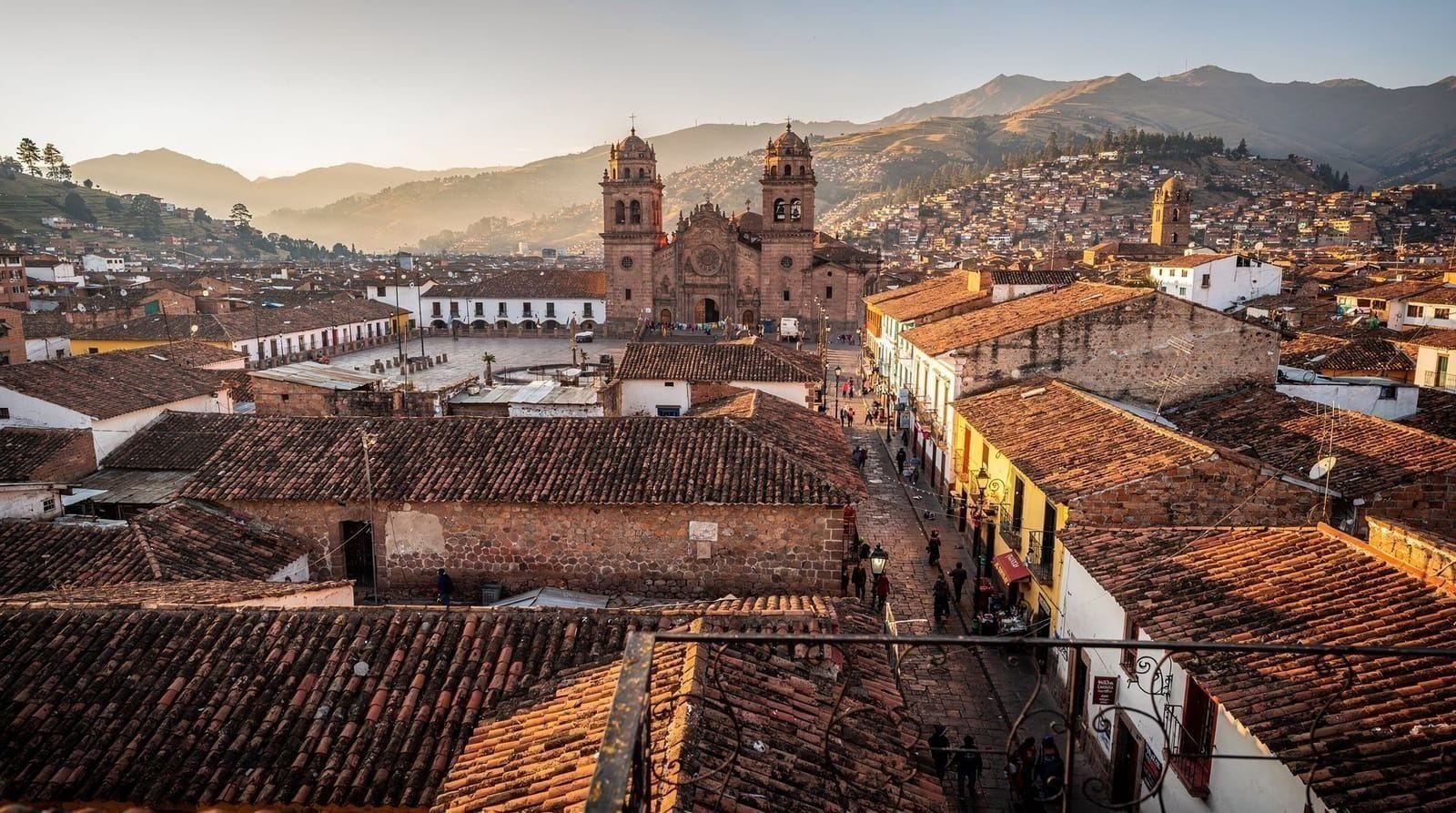
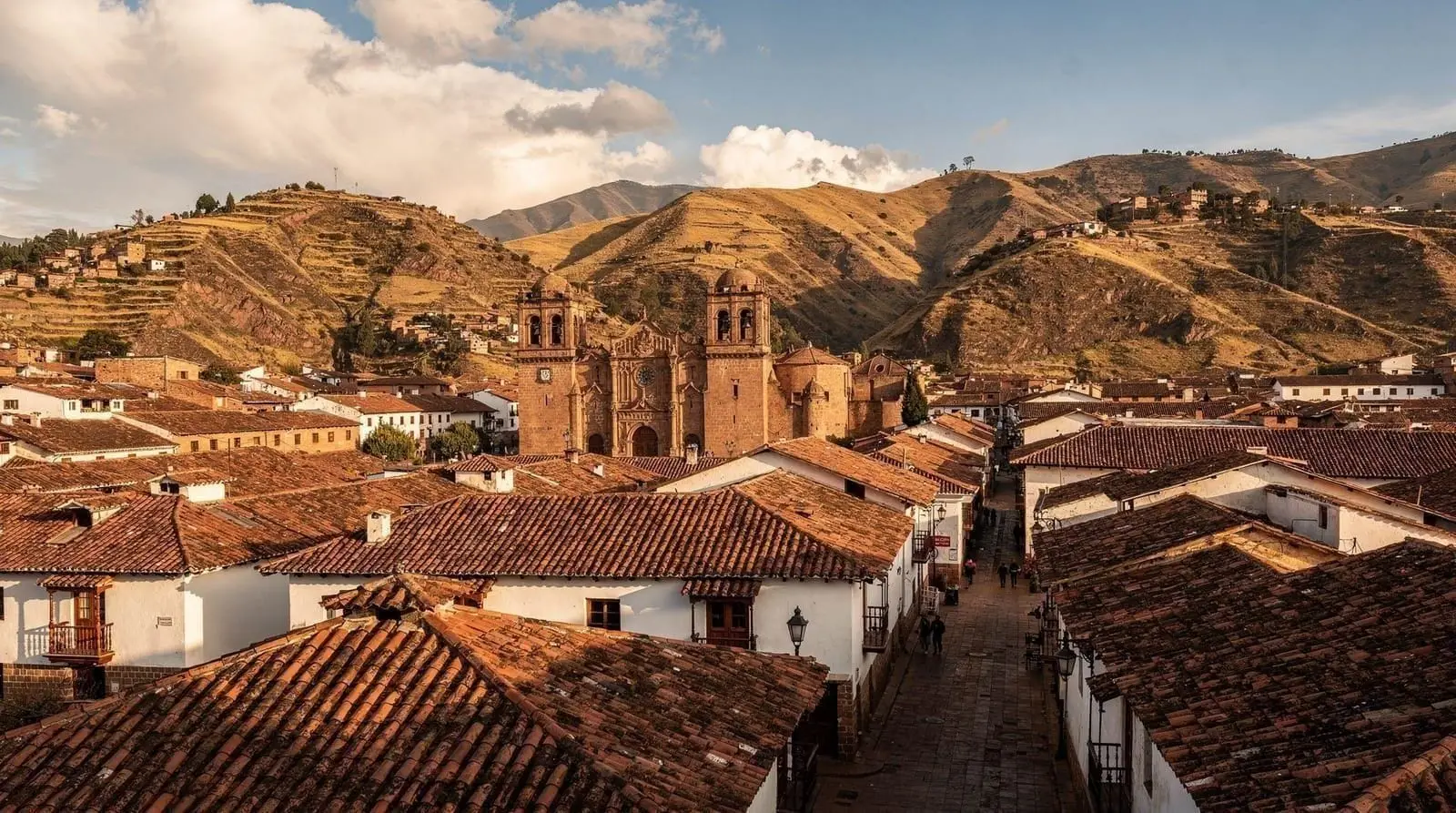
In the afternoon, see Cusco on foot at a slow pace. A guided city or walking tour is ideal because it sets the pace for you and adds the history. The San Blas walking tour stays in the centre and is gentle enough for day one.
Cusco centre and San Blas walking tourIf you would rather see the big-hitters with transport doing the climbing, a half-day city tour covers Qorikancha and the Sacsayhuaman fortress above town.
Half-day Cusco city tour with SacsayhuamánWhere to sleep: Historic centre or San Blas, S/ 200–350 (USD 55–95). Read the altitude sickness guide before bed — three days leaves no slack if you get sick.
Keep the evening light: a short cooking class is a gentle, low-altitude-stress way to spend a couple of hours without adding to day one’s fatigue, and it doubles as an easy introduction to Peruvian food before the trip gets busier.
Cusco evening cooking class, market visit includedSort out cash and SIM logistics tonight rather than on a rushed morning — see the Cusco taxi and money tips guide for where to withdraw soles safely and what a fair taxi fare looks like.
Day 2 — Machu Picchu, the full long day
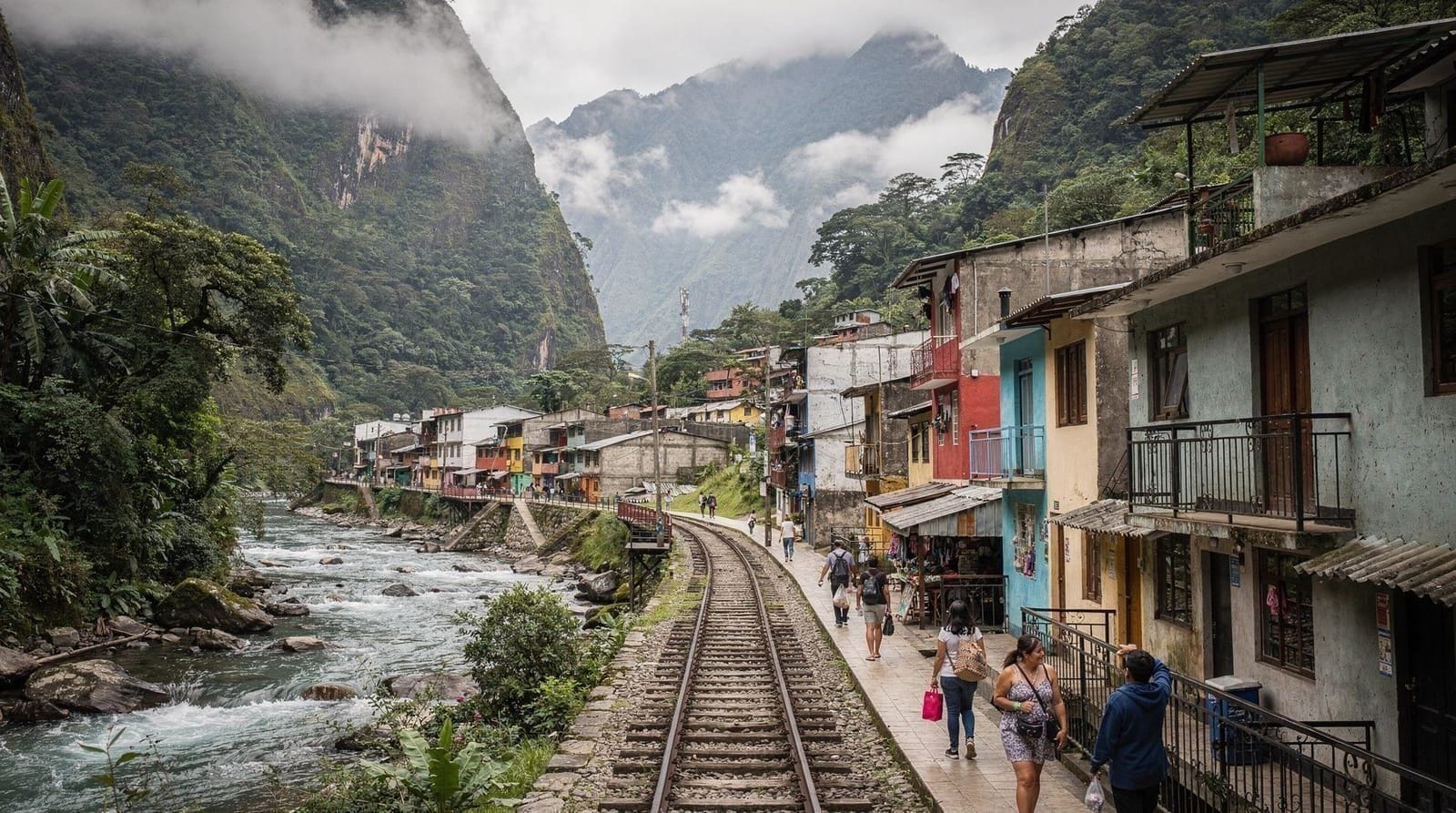
This is the centrepiece, and it is a long one. From Cusco, you transfer to Ollantaytambo (about 1 hour 45 minutes by colectivo or private car) to catch the train, then ride to Aguas Calientes (about 1 hour 40 minutes). The bus up the switchbacks takes 25 minutes and costs roughly USD 24 round trip.
Because the logistics are unforgiving on a tight schedule, a single combined package — train, bus, and entry — is genuinely worth it here. It removes the risk of mistiming a connection you have no buffer to absorb.
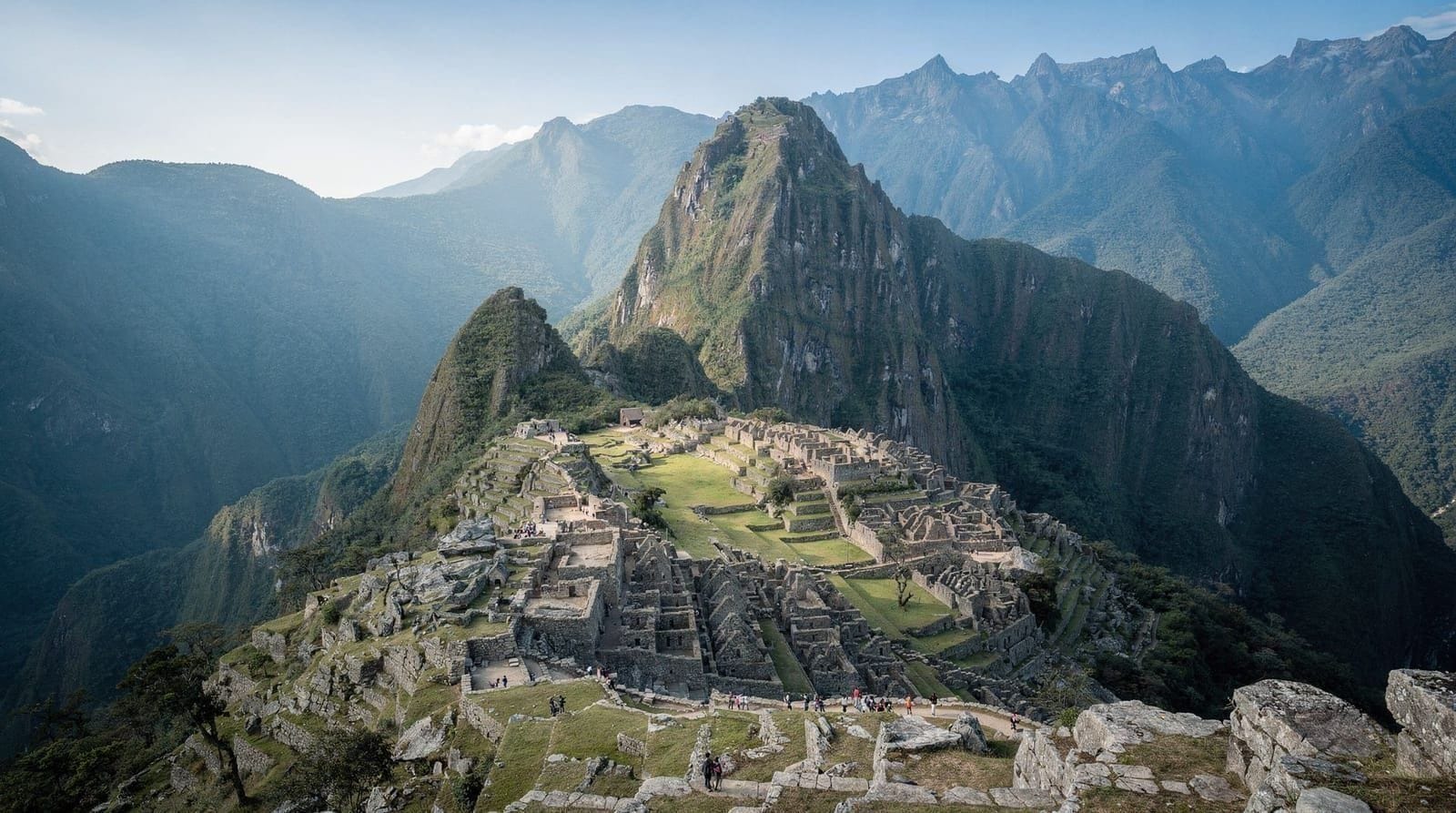
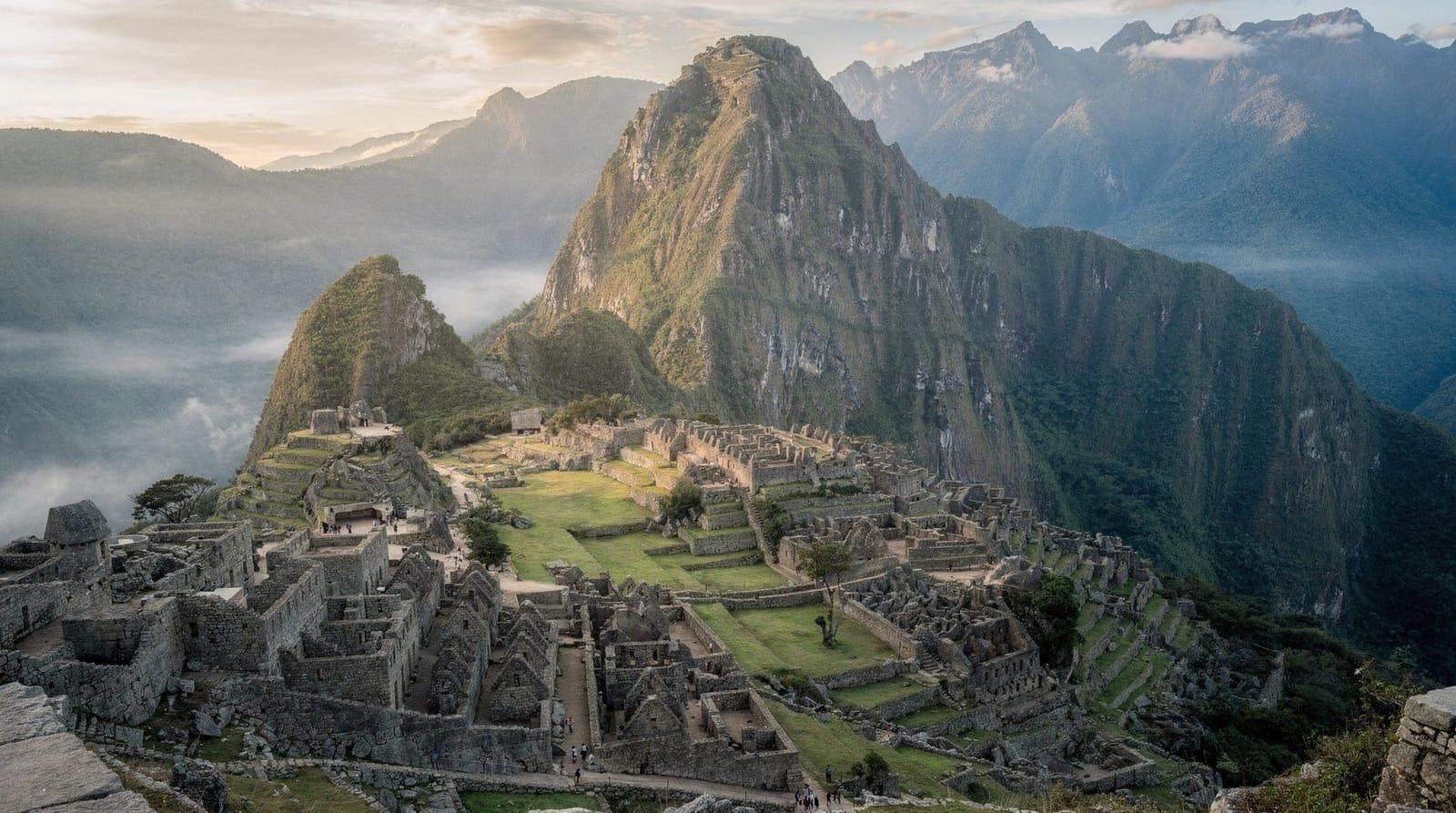
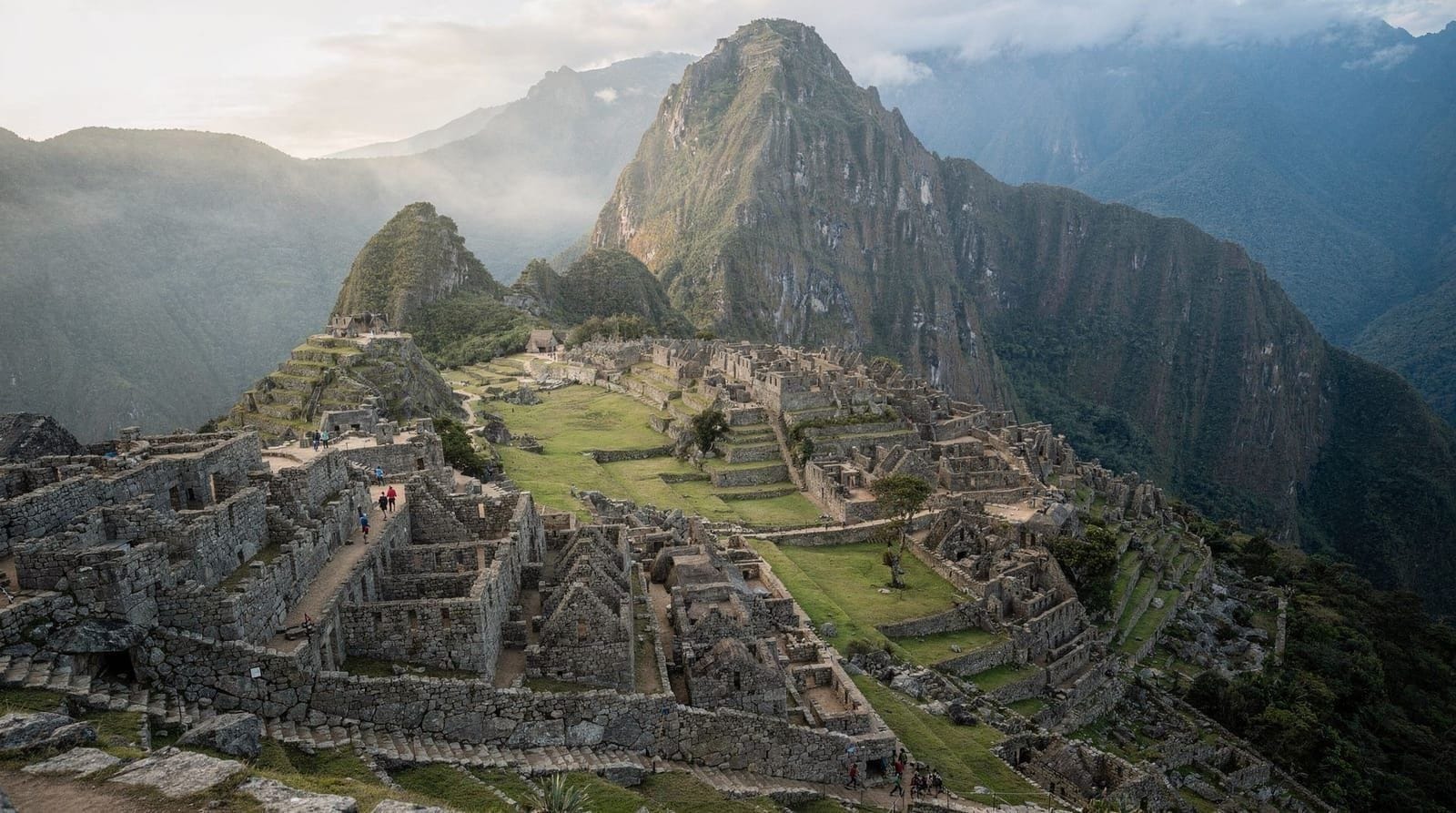
Machu Picchu day trip with tourist train and entranceYour entry ticket fixes a circuit and time slot. Circuit 2 is the classic first-timer route with the postcard viewpoint; see the circuits explained guide. Hire a guide at the gate if your ticket did not include one — the site is far richer with context, and unguided entry is increasingly restricted.
Expect a 14–16 hour day door to door. You will be back in Cusco late, so keep the evening free. For the full mechanics of the day trip, read Machu Picchu day trip from Cusco.
Where to sleep: Back in Cusco.
Day 3 — Cusco morning and departure
Your final morning depends on your flight. If you leave in the afternoon or evening, fill it with what you missed: the San Pedro Market for chocolate, coffee and textiles, the historic centre lanes, or a relaxed café in the Sacsayhuaman area if you have energy.
If your flight is in the morning, accept that day three is mostly travel. Leave for the airport at least 2 hours early — Cusco’s airport is small and prone to weather delays in the rainy season (December–March), and you have no buffer for a missed Lima connection. See the Cusco airport guide.
What you are skipping (and whether it matters)
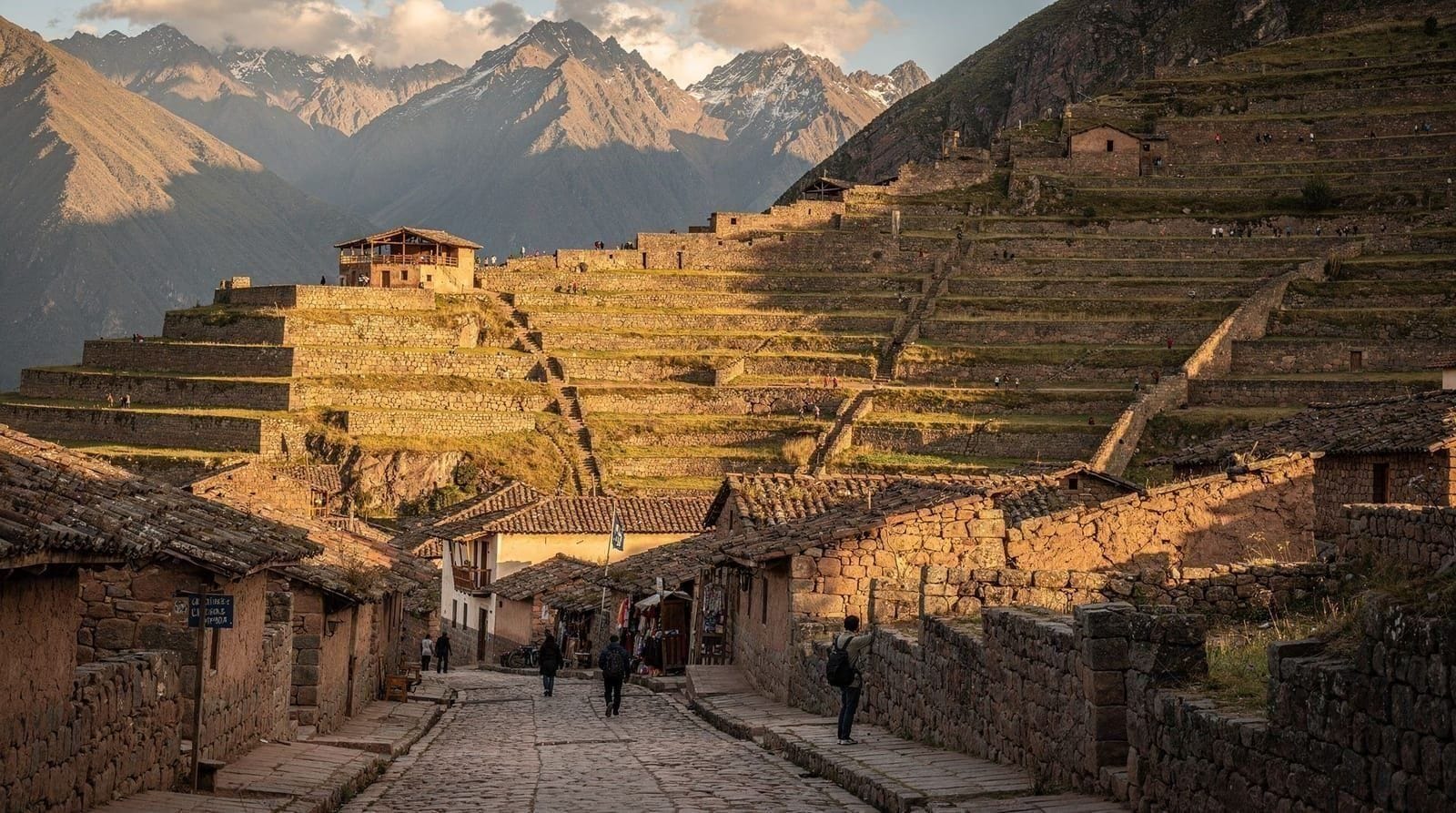
Three days means cutting the Sacred Valley, Rainbow Mountain, and any trek. The valley in particular is a real loss — Pisac, Maras–Moray and Ollantaytambo’s ruins are highlights in their own right. If skipping them stings, that is your signal to find a fourth day. The how many days in Cusco guide lays out exactly what each extra day adds.
Packing light for a fast trip
Because there is no slack in this schedule, pack so that nothing derails a tight connection: layers for cold mornings and warm middays, a light rain shell even in dry season, sturdy walking shoes rather than trainers, sun protection, and your passport (it is checked at the Machu Picchu gate and cannot be substituted with a photo). The what to pack for Cusco guide has the full list. Keep valuables in a daypack you carry on the train, since overhead space is limited.
If your flight times shift
Short trips are the most vulnerable to a delayed or rescheduled flight, since there is no buffer day to absorb it. If your arrival slips to the afternoon, swap day one’s walking tour for something shorter and push the market visit to day three instead. If Cusco’s tourist ticket sites interest you at all, note that most of them (Sacsayhuaman included) require the boleto turístico, which is separate from your Machu Picchu entry — buy it on day one so it is not a scramble later.
Costs: a rough 3-day budget per person
Mid-range 2026 estimates, excluding international and Lima–Cusco flights.
- Machu Picchu entry: S/ 152 (USD 41)
- Round-trip train: USD 120–180
- Bus up to the site: USD 24 round trip
- Cusco–Ollantaytambo transfers: USD 8–40 depending on private vs colectivo
- City or walking tour: USD 18–35
- Lodging (2 nights, mid-range): USD 120–220
- Food: USD 20–40 per day
Budget travellers can cut the train cost with the Hidroeléctrica route, but it is a much longer day that does not fit a three-day plan well — see machu picchu budget via Hidroeléctrica. For the full picture, the Peru trip cost guide for 2026 is the reference.
Frequently asked questions about a 3-day Cusco trip
Is 3 days enough for Cusco and Machu Picchu?
It is the minimum. You can see Cusco and visit Machu Picchu, but you sacrifice a real acclimatization day and skip the Sacred Valley entirely. Four days is far more comfortable — compare the 4-day itinerary.
Can I do Machu Picchu on day one of a 3-day trip?
Strongly not recommended. Visiting Machu Picchu the day you arrive at altitude, with a pre-dawn start, is how people end up miserable or sick. Use day one to acclimatize and visit Machu Picchu on day two. See the acclimatization plan.
Should I book a combined Machu Picchu package for a short trip?
Yes. On a three-day schedule you have no buffer to absorb a mistimed train or bus connection. A combined train-plus-entry package removes that risk. Read how to get to Machu Picchu for the options.
Will I get altitude sickness in 3 days?
You might feel it regardless, since you cannot fully acclimatize first. Hydrate, avoid alcohol, eat light, and consider asking a doctor about acetazolamide before you travel. The altitude sickness guide explains symptoms and what to do.
Can I fit the Sacred Valley into 3 days?
Not properly. You could glimpse Ollantaytambo on the way to the train, but a real valley day needs its own slot. If the valley matters to you, add a fourth day. See the Sacred Valley complete guide.
Is a 3-day trip worth it at all?
Yes, if it is the time you have. Standing in Machu Picchu is worth a tight schedule for most people. Just go in informed about the altitude trade-off and keep your travel-day buffers as loose as you can.
What if I get altitude sickness on day one?
Rest, hydrate, and avoid pushing on with plans if you feel more than mild discomfort — on a three-day trip it is tempting to push through, but that risks a much worse day two at Machu Picchu. Pharmacies in Cusco sell altitude remedies over the counter; see the altitude medicine and scams guide for what actually helps versus what is oversold to tourists.
Top experiences
Bookable activities with verified prices and instant confirmation on GetYourGuide.