The Nazca Lines from above: a slightly queasy diary
| Where | Nazca, Peru’s south coast |
| Cost | Around USD 90 for a ~35-minute flight from Nazca; more from Ica/Pisco/Lima |
| Time needed | Under 2 hours door-to-door from Nazca itself |
| Best time | Morning flights — calmer air, less turbulence than afternoon |
| Bring | Motion sickness tablet, light or no breakfast, sunglasses |
A six-seater plane and a man weighing my backpack
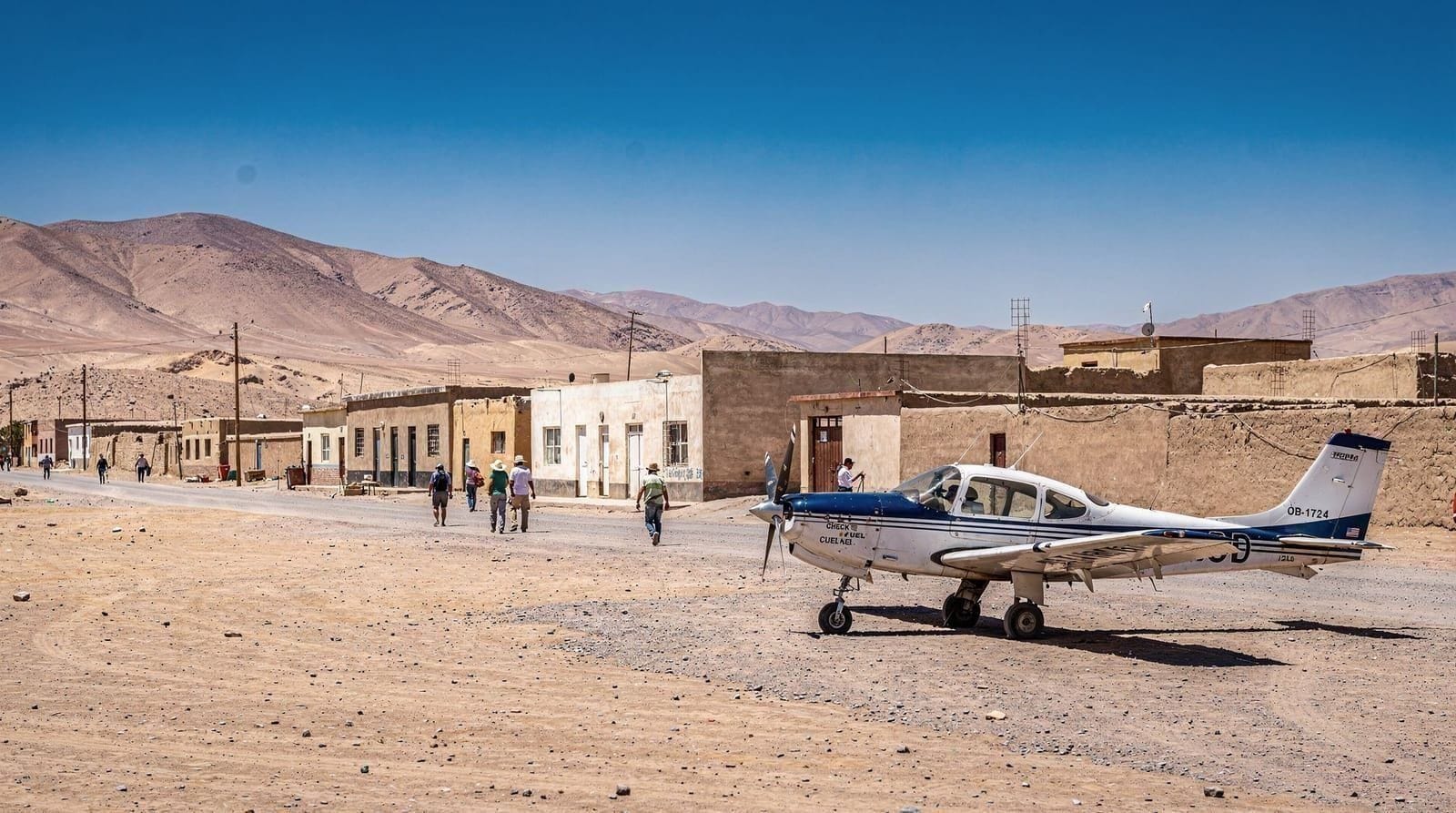
The morning of the flight, the small office at the Nazca aerodrome weighed me, then weighed my daypack, then rearranged where everyone would sit based on the numbers. This is not a confidence-building start to a flight, but it is the correct one — these are tiny aircraft and weight balance is real. I was put in the front-right seat next to the pilot, which I later realised was the lucky draw.
I had read the warnings about motion sickness and assumed, in the way you do, that they applied to weaker stomachs than mine. Reader, they did not. But I am getting ahead of the diary.
Why I flew at all
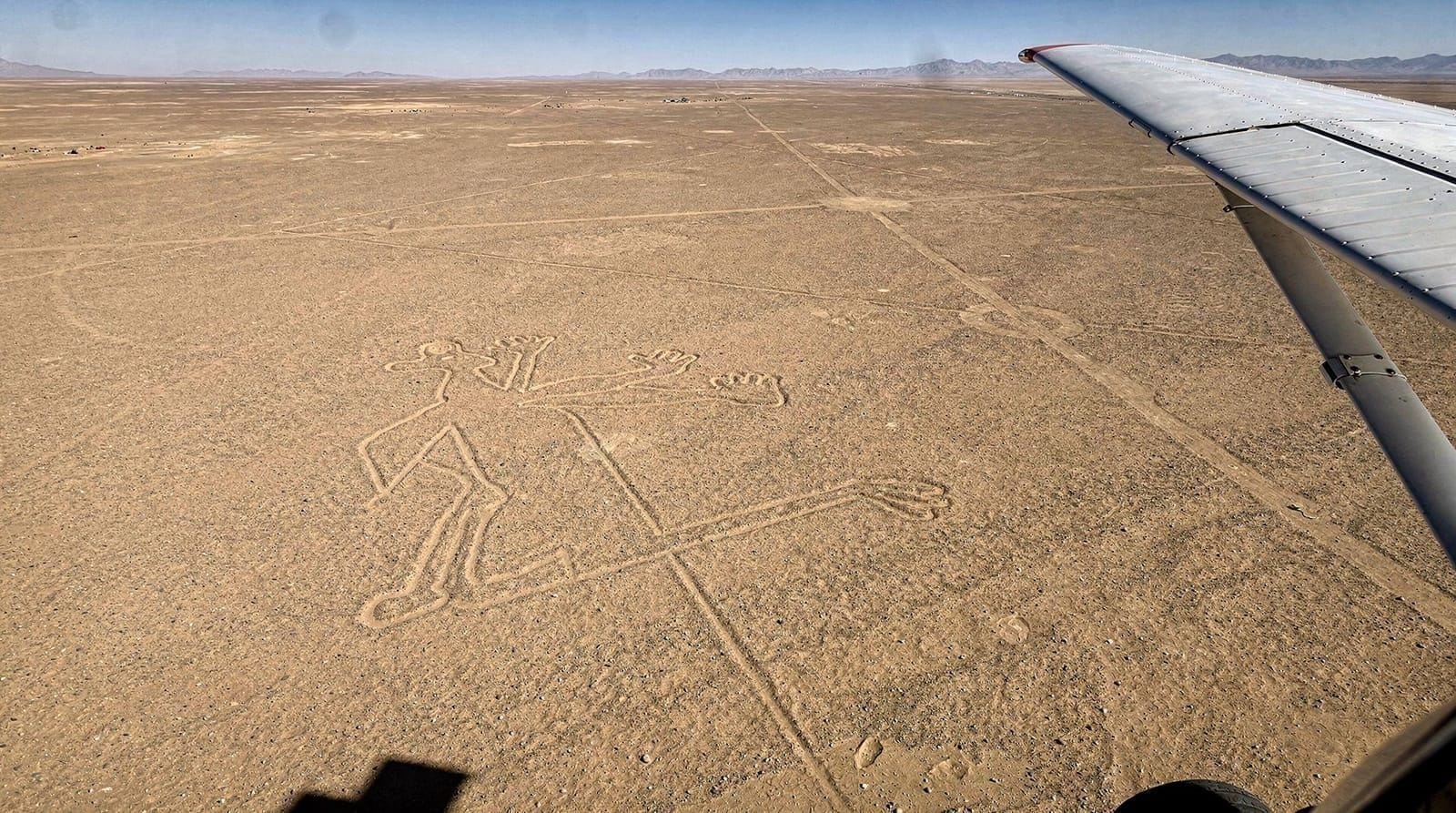
You cannot really see the Nazca Lines from the ground. There is a roadside viewing tower on the Panamericana that gives you a flat, foreshortened glimpse of two or three figures, and it costs almost nothing, and it is genuinely underwhelming. The lines are enormous geoglyphs scratched into the desert over a kilometre across in places, and they only resolve into shapes — the hummingbird, the monkey, the spider, the astronaut — from a few hundred metres up.
So the flight is the experience, full stop. Whether that experience justifies the price and the nausea is the real question, and it is the one I went in genuinely unsure about. The honest pros-and-cons, separate from my queasy account, are weighed up in is the Nazca flight worth it.
The price, plainly
I paid around 90 dollars for a roughly 35-minute flight departing from Nazca itself. Prices fluctuate — the airport tax (around S/30) is sometimes separate, sometimes baked in, and you should confirm which before you hand over money. Flights from Ica or Pisco are longer in the air and cost more because you spend much of the time getting to the lines and back. Flights all the way from Lima are a long, expensive day but exist for people who can’t reroute their trip through the south coast.
I booked mine for that morning rather than pre-booking, and that worked in May, but in peak dry season I would not gamble on a walk-up. The version I’d book in advance now, knowing how the day flows, is the straightforward Nazca departure.
From Nazca: 30-minute flight over the Nazca LinesThe part where I saw the hummingbird
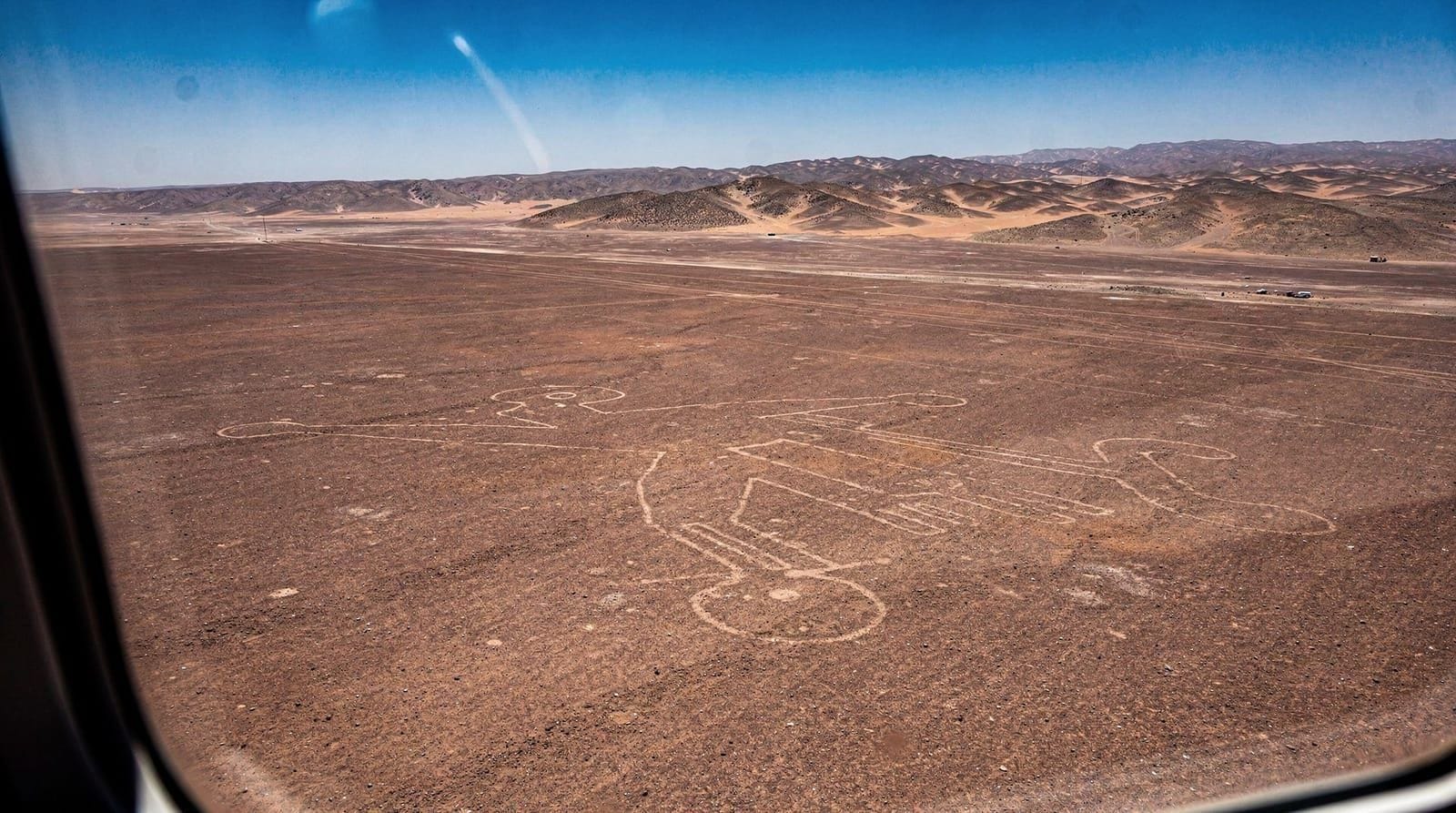
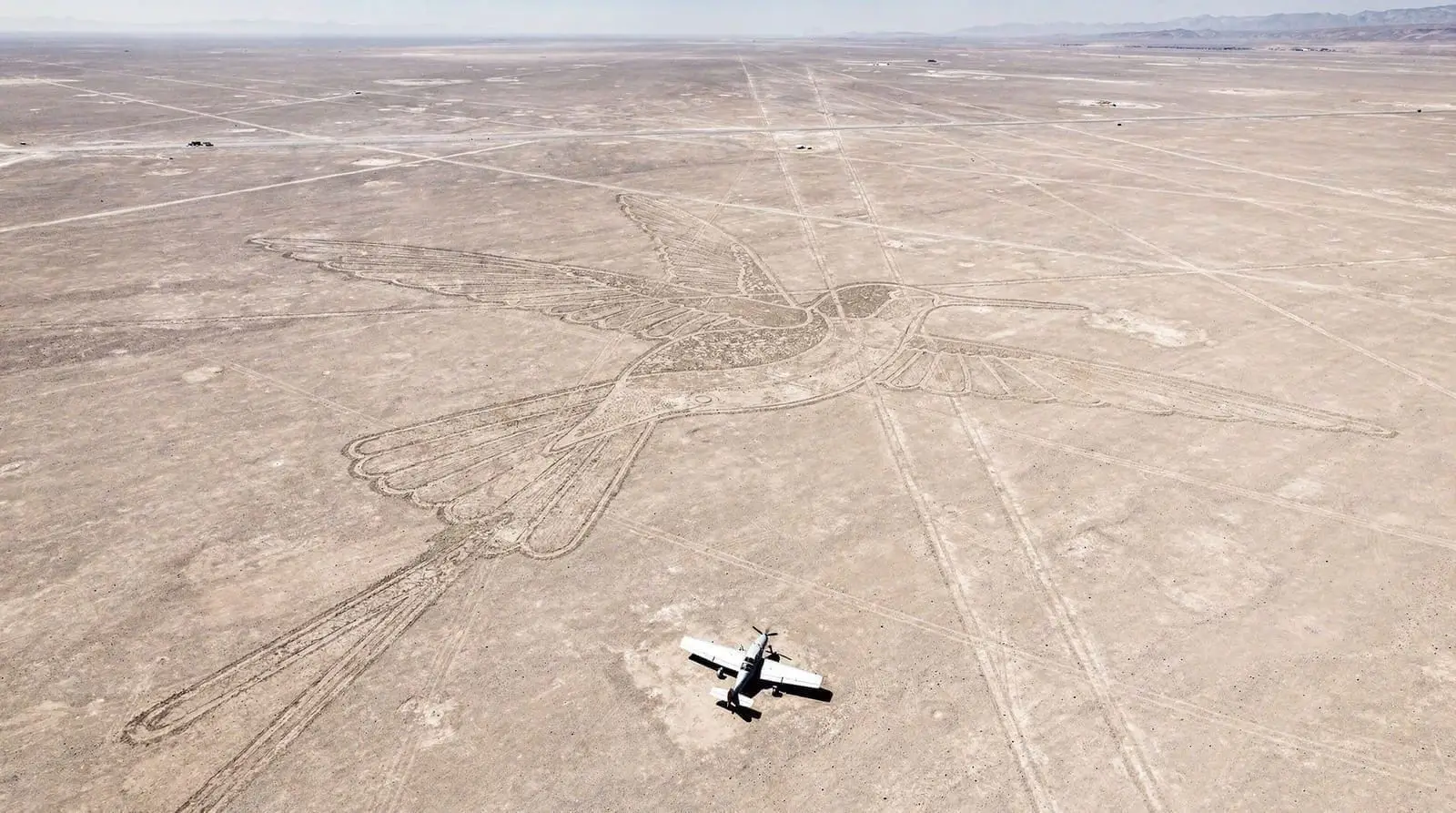
For the first few minutes the desert below was just desert — brown, cracked, endless. Then the pilot banked hard left, pointed, and said “the whale,” and at first I saw nothing because I was looking for something obvious and the lines are subtle, pale scratches against pale ground. Then my eye caught the edge and the whole figure snapped into focus, and I understood why people fly out here.
The pilot flew each figure twice — once banking left so the people on the left side could see, once banking right. This banking is exactly why people get sick. He’d announce the figure, then tip the plane on its wing so you were looking almost straight down at the ground rotating below you, then repeat it the other way for the other side.
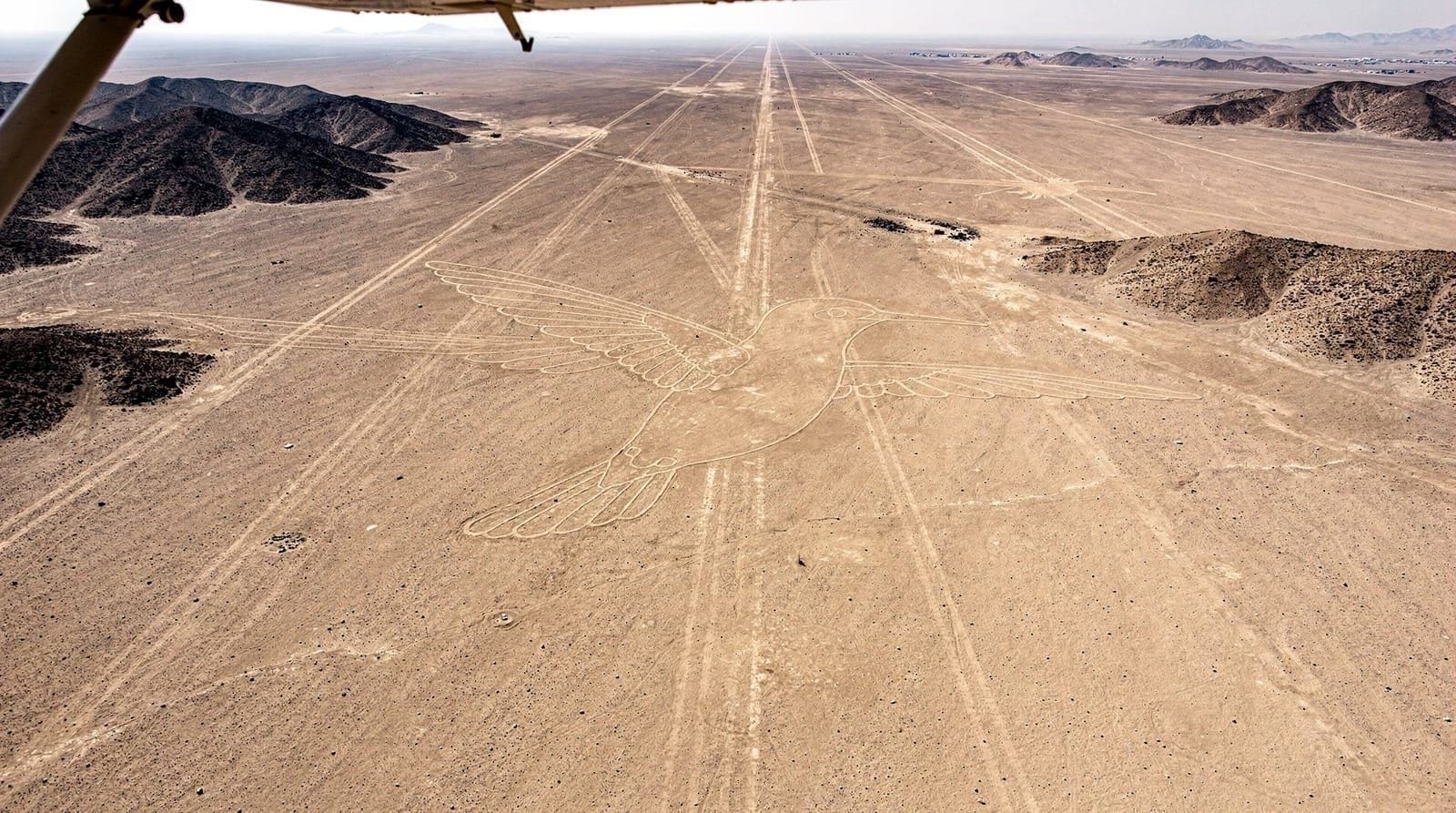
The hummingbird was the one. Wings spread, an impossibly long beak, perfectly proportioned, drawn by a culture that could never have seen it from the angle that makes it legible. That fact — that they made something only the sky could read — is the thing the flight gives you that no photo does. The why behind these lines, the theories from astronomical calendar to ritual paths, is laid out properly in the Nazca Lines complete guide.
The part where I regretted breakfast
Somewhere around the spider — figure six or seven of about a dozen — the banking caught up with me. I had eaten a full breakfast, which was my mistake. The repeated steep turns in a hot, small cabin with no fresh air did exactly what the warnings said. I did not disgrace myself, but I spent the last two figures staring grimly at the horizon, breathing through my nose, and not lifting the camera.
What I’d do differently: eat very lightly beforehand, or not at all. Take a motion-sickness tablet 30–60 minutes before, which I’d dismissed and shouldn’t have. Ask for a morning flight when the air is calmer — afternoon thermals make the ride bumpier. And keep your eyes on the lines or the horizon, never on the camera screen, which is a nausea accelerant.
The safety side of these flights has a real history worth knowing before you fly — operator standards have tightened a lot, and the Nazca flight safety guide covers what to check.
Back on the ground, oddly elated
We landed, the pilot taxied in like it was nothing, and I climbed out onto the tarmac feeling green and grinning at the same time. There is a specific euphoria to finishing something slightly unpleasant that was also genuinely amazing, and the Nazca flight delivers exactly that combination.
With the rest of the day I drove out to the Chauchilla cemetery — pre-Columbian mummies still sitting in their desert tombs, hair and textiles preserved by the dry air, which is macabre and fascinating and a good ground-level counterweight to the aerial morning. Many people pair the two, and there are tours that bundle the cemetery with the surrounding desert sites if you want a fuller day.
So, worth it?
Yes — with conditions. If you get motion sick easily, take it seriously and medicate, because the banking is relentless and there is no toning it down. If you’re on a tight budget, know that this is one of the few things in Peru where the cheap alternative (the roadside tower) genuinely doesn’t substitute. And if you can route your trip through Nazca or nearby Ica and fly from close by, do that rather than the marathon day flight from Lima.
Comparing where to fly from
| Departure | Flight length | Rough cost | Best for |
|---|---|---|---|
| Nazca | ~30-35 min | Around USD 90 | Cheapest, shortest, most figures per dollar |
| Ica / Pisco | ~45-60 min | Higher | Travellers already based on the south coast |
| Lima | Full day | Highest | Only if you can’t route through the south coast at all |
Where to fly from, and how the day actually flows
The thing nobody quite explains until you’re planning it is that “the Nazca Lines flight” is several different days depending on where you launch. Flying from Nazca itself is the cheapest and shortest — you’re over the figures within minutes, and the whole thing including weigh-in, briefing, and flight took me under two hours at the aerodrome. Flying from Ica or Pisco adds a long transit each way over empty desert before you reach the figures, so you pay more for more air time that is mostly nothing-to-see.
The full-day flight from Lima exists for travellers who refuse to route through the south coast, and I understand the appeal of not moving hotels, but it’s a very long day in a vehicle and a small plane for the same 30 minutes of figures. My strong recommendation, having done the south-coast version, is to build Nazca into a Lima-Paracas-Ica loop so the flight is one beat in a multi-day trip rather than a marathon errand.
Pairing it with the rest of the south coast
The flight is short, so the smart play is to surround it. The morning I flew, I’d come down from Paracas and the Ballestas Islands the day before, and after the cemetery I pushed on to the dunes at Huacachina that evening. The south coast strings together neatly: marine wildlife at Ballestas, desert geoglyphs at Nazca, wine and dunes around Ica. None of them alone justifies the trip from Lima; together they make a genuinely full three or four days.
If you’re trying to slot all of this into a route, the Lima to Paracas and Nazca itinerary sequences it sensibly, including which order minimises backtracking. I did it slightly out of order and lost half a day to it, which is the kind of mistake a diary exists to spare you.
Is the roadside tower ever a real substitute?
I get asked this a lot, so the honest answer: no, not really. The mirador on the Panamericana gives you two, maybe three figures at a steep, flattened angle, and it costs almost nothing, which is exactly why people ask. If your budget genuinely cannot stretch to the flight, the tower is better than nothing and pairs fine with the Chauchilla cemetery as a budget half-day. But it is not the experience this post is describing, and I’d rather someone skip the tower entirely and save for the flight on a future trip than leave thinking they’ve “done” Nazca from the ground.
The honest verdict
I saw something a civilisation drew for the sky two thousand years ago, from the sky, and felt slightly ill doing it. That is a fair trade. I’d do it again — just on an empty stomach.