Ica
Peru's pisco and wine capital — Tacama vineyards, El Catador bodega, Huacachina oasis next door, and an honest guide to using Ica as your south-coast base.
From Ica or Huacachina: Tacama Vineyard & Artisanal Winery
Quick facts
- Country
- Peru
- Altitude
- 406 m (1,332 ft)
- Currency
- Peruvian sol (S/) — USD widely used
- Best for
- Pisco distilleries, wine bodegas, Huacachina access
Ica does not get the attention of its neighbours. Huacachina is 5 km away and gets all the Instagram posts; Paracas has the wildlife; Nazca has the mystery. Ica itself is a mid-sized Peruvian city — dusty, functional, unhurried — and its appeal is quieter: the oldest commercial winery in South America, some of the finest pisco in Peru, a geology museum with whale fossils found in the desert, and a market where you can eat freshly made tejas (a local sweet of pecan or fruit coated in sugar fondant) for S/1 each.
| Where | South coast Peru, 5 km from Huacachina |
| Cost | Bodega tour around S/50–80; hotels 30–40% cheaper than Paracas |
| Time needed | Half day for bodegas; a full day with the museum and market |
| Getting there | Bus from Lima (4.5–5 hrs) to Terminal Terrestre |
| Best time | March–April for the grape harvest; May–November dry season |
For travellers doing the south coast circuit, Ica earns its place not as a destination in its own right but as the best-value base in the region. Hotels cost 30–40% less than Paracas for equivalent quality, the bus connections are excellent in every direction, and the bodega visits make a genuine half-day of something that would otherwise just be a transfer.
Pisco and wine: understanding the difference
Ica’s valleys — Ica, Chincha, and Pisco — produce most of Peru’s pisco and table wine. Pisco is a grape brandy: grapes are fermented into wine, then distilled once into a clear or slightly golden spirit with a grape-forward aroma. Peruvian law mandates no dilution after distillation, which gives pisco a higher and more variable alcohol content than, say, Chilean pisco (which the Peruvians will tell you is an inferior imitation product, a view contested energetically in Santiago).
The main grape varieties used in pisco include Quebranta (the dominant non-aromatic variety, giving pisco its typical body), and the aromatic Moscatel, Italia, and Torontel grapes. A pisco sour — the national cocktail of Peru, made with pisco, lime juice, egg white, and bitters — is built around Quebranta or a blend. A straight pisco should be sipped like brandy, not shot.
Ica also produces table wine at reasonable commercial quality. The altitude and desert climate (combined with irrigation from Andean snowmelt) create good sugar levels in the grapes. Tacama makes the most credible Peruvian fine wine; others (El Catador, Vista Alegre) are better known for pisco and affordable house wine.
Tacama: the oldest winery in the Americas
Hacienda Tacama dates to the 1540s, making it the oldest functioning winery in the Western Hemisphere, though the current commercial operation is more 20th century than colonial. It sits about 11 km from central Ica in the Ica valley, accessible by taxi for S/20–25 return.
Tours run daily and cover the vineyard, the fermentation halls, the barrel room where they age their Gran Vino Tacama label, and the pisco distillery. The tasting session typically includes two wines and a pisco, with the option to purchase bottles at winery prices (significantly cheaper than Lima shops or export markets). The Gran Tinto and Blanco Selección are their flagship labels; the Selección Especial pisco wins most of the awards.
From Ica or Huacachina: Tacama Vineyard & Artisanal WineryThe tour costs approximately S/30–45 per person including tasting, though booking through an agency may bundle transport. Self-guided visits are possible but a guide adds considerably more context about the viticulture. Booking in advance is advisable for weekends or the harvest season (March–April), when tours fill quickly.
El Catador: artisanal pisco
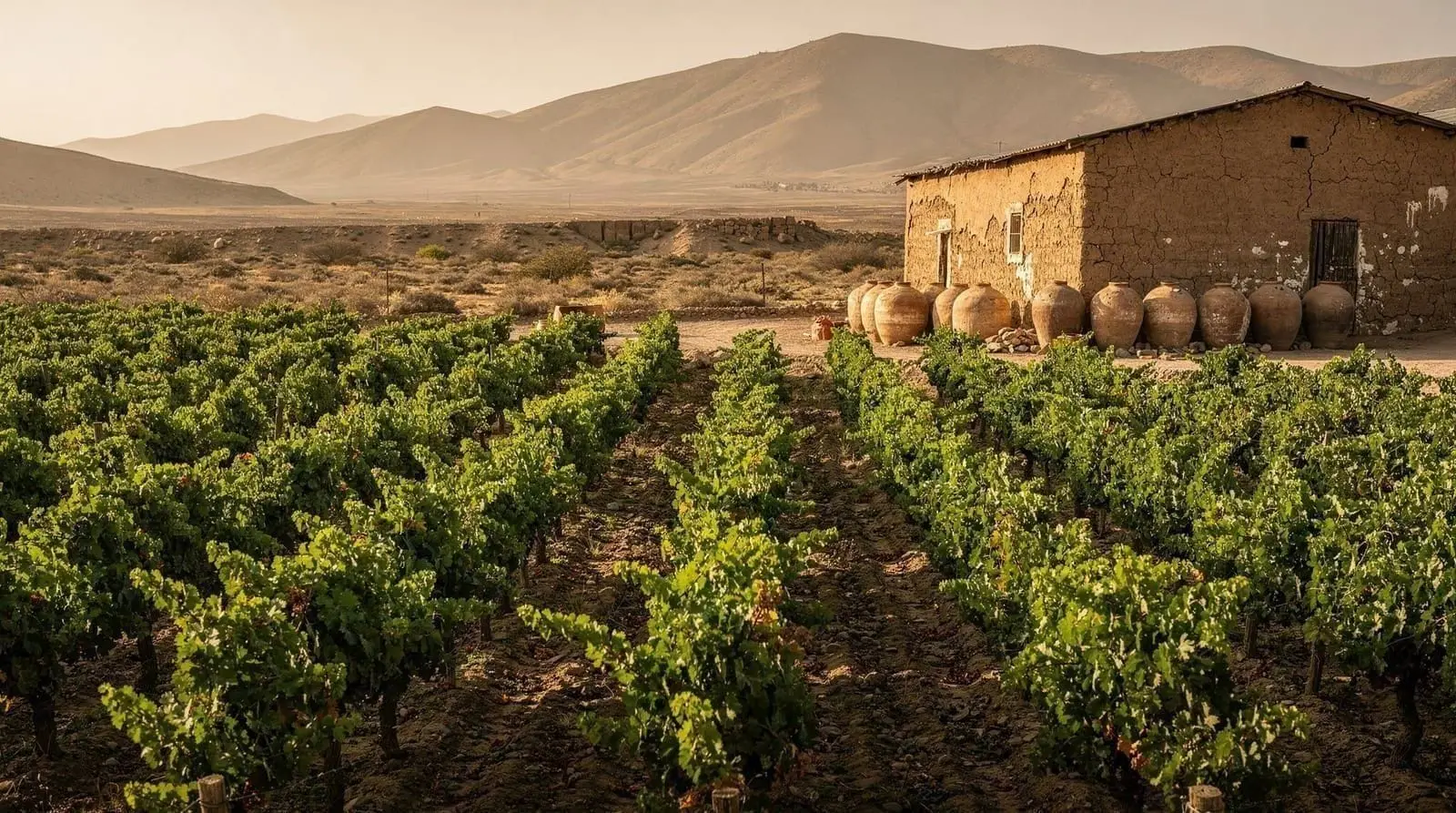
While Tacama represents Ica’s premium wine production, El Catador is a smaller, more artisanal operation focused almost entirely on pisco. The bodega preserves traditional production methods including clay fermentation pots (botijas), which impart slightly earthier flavours than stainless steel. The tasting experience here is less formal than Tacama — more of a tour with a family-run bodega feel, with someone enthusiastic about pisco explaining the process in some detail.
El Catador sits about 7 km from central Ica. Most combined bodega tour packages include both Tacama and El Catador, making a satisfying half-day circuit. The agency-run wine and pisco tour is the most popular way to visit both in one go:
From Ica or Huacachina: Wine and Pisco Vineyards TourBodega tours from Ica typically run S/50–80 per person for a half-day covering two or three estates, including transport and tasting. Going independently by taxi is possible and cheaper if you have a group (negotiate S/80–100 for a 4-hour taxi circuit including waiting time).
The Regional Museum of Ica
One of Peru’s better provincial museums, the Museo Regional de Ica on Avenida Ayabaca displays Paracas and Nasca textiles, ceramics, and skulls — including examples of the intentional cranial deformation that characterised Paracas elite culture. The most striking exhibits are the mummified remains in sitting position, still wrapped in partial textile bundles, and the collection of Nasca polychrome ceramics that show the same animals as the Nazca Lines (condors, spiders, orcas) rendered in red, black, and white.
Admission is S/10 for adults, S/5 for students. The museum is worth 90 minutes if you have an interest in pre-Columbian cultures. Photography is permitted without flash.
There is also a small display of whale and marine mammal fossils found in the Ica desert — a reminder that this region was underwater roughly 40 million years ago. The Ocucaje Formation near Ica is one of the richest marine fossil sites in the world; specimens excavated here have rewritten the evolutionary history of whales.
Ica as a base for the south coast
The practical argument for basing yourself in Ica rather than Paracas or Huacachina: bus connections. The main terminal receives services from Lima (Cruz del Sur, Oltursa, Flores — 4.5–5 hours, S/40–80 semi-cama), and colectivos run frequently to Paracas (1 hour, S/10–15), Nazca (2 hours, S/15–20), and the coast. Huacachina is a S/8 taxi from anywhere in the city centre.
Hotels in Ica’s city centre include mid-range options at S/150–250 for a double with air conditioning — important in summer — compared to S/250–400 for equivalent quality in Paracas. The trade-off is ambience: Ica is a working Peruvian city without a sea view, while Paracas has the waterfront.
A full-day tour from Paracas or Lima that covers Ica’s highlights alongside Huacachina’s dunes:
From Ica or Huacachina: Dune Buggy at Sunset & SandboardingThe Ica Desert Formation and fossil beds
Few visitors know that the desert around Ica is one of the most important vertebrate palaeontology sites in the world. The Ocucaje Desert, 40 km south of Ica, contains the Pisco Formation — marine sediments laid down 7–16 million years ago when this coastline was an open ocean. The fossil beds have yielded hundreds of whale skeletons, including the extinct Livyatan melvillei (a raptorial sperm whale with teeth up to 36 cm long, named partly after Herman Melville), extinct giant penguins, proto-dolphins, and a 35 million-year-old four-legged ancestor of modern whales.
The fossils are not accessible to casual visitors (the beds are within a protected reserve and clandestine fossil trafficking has been a serious problem), but the regional museum in Ica displays key specimens. Several Ica-based tour operators offer licensed geology tours to the formation’s accessible margins — a genuinely unusual half-day for anyone interested in natural history who does not need another pisco tour.
The tejas trail and Ica’s food culture
Ica’s food culture goes beyond the bodegas. The city is the centre of Peru’s tejas production — the sugar-coated sweets that have been made here since the colonial era when Dominican nuns adapted a Spanish confection using local pecans and manjar blanco. The Ica market on Calle Lima is the best place to try them fresh: a pecan encased in hard almond sugar fondant, made the same morning and costing S/1–2.
The local diet also runs to carapulcra con sopa seca — a pairing unique to Ica of slow-cooked dried-potato-and-pork stew served with fideos (vermicelli pasta) that originated in the Afro-Peruvian communities of the Ica valley. It sounds like an unlikely combination and is, in fact, excellent. Look for it in the better comedores (local lunch spots) around the Plaza de Armas for S/15–20.
Getting around Ica
The city centre is walkable, though the bodegas are spread 5–15 km out. Mototaxis cover local trips for S/3–5. Standard taxis for bodega circuits cost S/80–120 for a half-day hire. Uber is not available; InDriver and Beat apps work in Ica for cheaper rides.
The Panamericana Sur runs along the eastern edge of the city. Northbound buses toward Pisco and Lima or southbound toward Nazca can be boarded at the main terminal (Terminal Terrestre) on the highway.
Practical planning
Best time: March and April bring the grape harvest (vendimia), with festivals, cheap wine flowing, and bodegas at their most vibrant. May through November is reliably dry and cooler. December through February is hot (35°C+), dusty, and occasionally windy.
Safety: Ica is a normal Peruvian provincial city. Exercise standard precautions: don’t display expensive equipment, take licensed taxis, and avoid poorly-lit areas late at night. There are no specific threats to tourists, but petty theft occurs at the bus terminal.
Food: Look for local specialities — tejas (pecan or fruit in sugar fondant), frejoles (bean stew with rice), and the carapulcra (dried potato and pork stew) that originates in the Ica region. The central market on Calle Lima has stalls selling all of these from S/8–15 for a plate lunch.
For a broader itinerary connecting Ica with the full south coast, see the Lima to Paracas and Nazca route guide, and the south coast things to do page. If you are planning to travel from Cusco overland, Ica also sits on the direct bus route — a long but scenic journey.
The key point about Ica is this: it is not trying to be a tourist destination, and that is precisely what makes it useful. You do not need to engineer a reason to enjoy it. A morning at Tacama and El Catador, lunch with carapulcra in the market, an afternoon taxi to Huacachina for the sunset buggy — that is an excellent day by any measure. The city asks nothing of you except that you show up with a reasonable appetite for pisco.
Frequently asked questions about Ica
What is the difference between Ica and Pisco (the city)?
Pisco is a small port city about 70 km northwest of Ica, also in the Ica region. Despite the name, most pisco production has historically been centred in the Ica valley. The city of Pisco was severely damaged in the 2007 earthquake (7.9 magnitude) and is still partially rebuilt. Ica was also affected but recovered faster. Confusingly, the Chilean pisco industry claims the spirit originated in or near the port of Pisco — a claim Peruvian producers contest.
Can I visit Huacachina and Ica in the same day?
Yes. Huacachina is 5 km from central Ica — a 10-minute taxi. A typical day: morning bodega visits in Ica, lunch back in the city, afternoon transfer to Huacachina for the sunset dune buggy. The combination works well and costs nothing extra in transport.
Is Tacama wine worth buying?
By South American standards it is good value for money. By international fine wine standards it is a curiosity. The Selección Especial range (both white and red) is the most consistent; the pisco is more reliably excellent than the wine. Prices at the winery are lower than Lima retailers: expect S/35–80 for a bottle depending on the label.
How do I get from Lima to Ica?
Several bus companies serve this route directly: Cruz del Sur, Oltursa, Flores, Tepsa. Semi-cama (reclining) seats cost S/50–80 and the journey takes 4.5–5 hours, arriving at Ica’s Terminal Terrestre. The highway section through the desert is fast and well-maintained.
Is it safe to drink pisco at the bodegas?
Artisanal pisco can reach 40–48% ABV and pours are generous on bodega tours. Eat beforehand, pace yourself, and be aware that dehydration in the Ica heat amplifies the effects of alcohol significantly. Designated driver arrangements are worth considering if you are renting transport.
What is a tejas and where can I buy them?
Tejas are Ica’s most famous sweet: a coating of almond paste or hard sugar fondant over a filling of pecan (nuez), fruit paste, or manjar blanco (caramel). They are made by hand in most Ica kitchens and sold in the central market, at corner stalls, and packaged for export. The best ones are from small producers in the market, not the supermarket-packaged versions. Budget S/1–3 per piece.
Do I need a full day in Ica?
A half-day is enough if your only goal is bodega visits. A full day allows the museum, the market, a leisurely bodega circuit, and the evening transfer to Huacachina. If you are already staying in Huacachina, the bodega circuit from there is easy to organise as a morning excursion.
Top experiences
Bookable activities with verified prices and instant confirmation on GetYourGuide.
