Salkantay trek 5-day itinerary to Machu Picchu
Cusco: 5-Day Salkantay Ultimate Trek to Machu Picchu
The Salkantay trek is the most popular Inca Trail alternative, and the classic 5-day version trades the stone steps and permits of the original route for raw mountain scenery: the 4,630 m Salkantay Pass, the turquoise Humantay Lake, and a long descent into cloud forest before you reach Machu Picchu on the final morning. It is not an easy walk. You cover roughly 70 km over five days and spend the second day climbing to an altitude where breathing is genuinely hard. This itinerary lays out each day honestly — the distances, the camps, what is included in a typical agency package, and where people most often underestimate the effort.
| Distance | Around 70 km over 5 days |
| High point | Salkantay Pass at 4,630 m (Day 2) |
| Difficulty | Challenging; consecutive 6-8 hour days |
| Permit | None required (unlike the Inca Trail) |
| Cost | Around S/ 1,100-1,900 (USD 290-510) all-in |
| Best time | May to September for clear passes; coldest nights |
Quick answer: is the 5-day Salkantay worth it over the 4-day version?
The 5-day route adds a gentler first day and a calmer final approach, so you arrive at Machu Picchu less wrecked than on the rushed 4-day trek. The extra day costs around USD 60-100 more but spreads the hardest climbing over more rest. If you have the time and want to enjoy the cloud forest rather than route-march through it, the 5-day version is the better choice. Fit, time-pressed hikers who acclimatise well can do the 4-day instead.
Before you start: acclimatisation is not optional
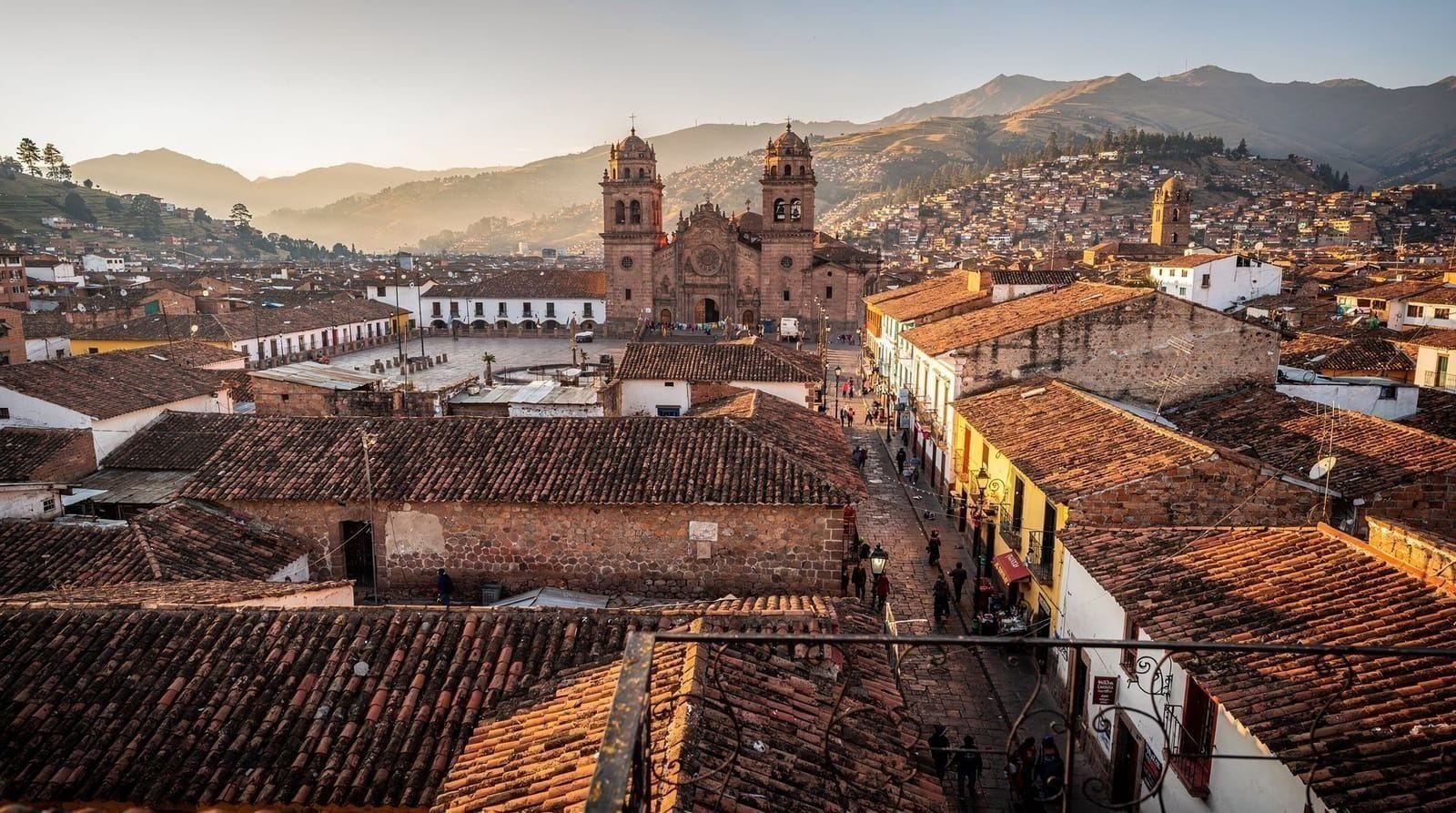
Cusco sits at 3,400 m. Salkantay Pass is 4,630 m. If you fly into Cusco and start trekking within 48 hours, day two will be brutal and you risk acute mountain sickness on the pass. Spend at least two full days in Cusco or, better, in the lower Sacred Valley (around 2,800-2,900 m) before the trek. Our Cusco acclimatisation plan walks through a sensible schedule, and the altitude sickness guide covers symptoms and when to turn back.
Coca tea, slow walking, and hydration help. Diamox (acetazolamide) is widely used; talk to a doctor before your trip. Be wary of pharmacies pushing expensive “oxygen shots” — see our note on altitude medicine scams in Cusco.
What a typical package includes
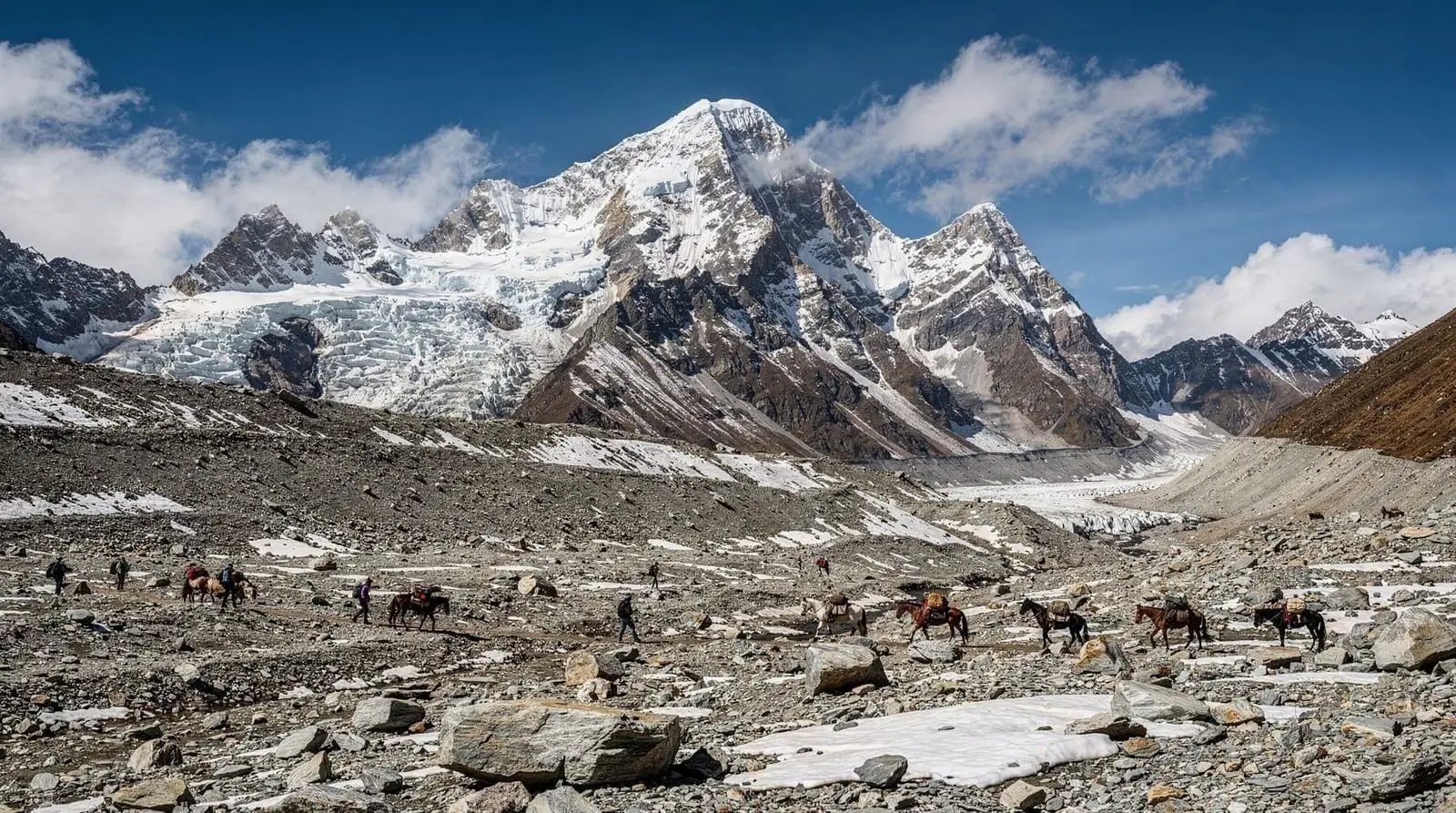
Most agencies sell the 5-day Salkantay as an all-inclusive package: transport from Cusco, a guide, cook, mule support for shared gear, breakfast/lunch/dinner, camping or basic lodge accommodation, and the Machu Picchu entrance plus train and bus on the last day. Expect to carry a daypack with water, layers, and your camera while mules carry the heavy duffel (usually a 5-7 kg limit).
Prices in 2026 typically run S/ 1,100-1,900 (about USD 290-510) per person depending on whether you camp or use the “sky dome” lodges, and whether the package uses the train or the cheaper Hidroeléctrica route. Compare operators carefully and avoid the cheapest options that cut corners on guides and food — see unlicensed tour agencies in Cusco.
Book the 5-day Salkantay trekDay 1 — Cusco to Soraypampa and Humantay Lake (acclimatising start)
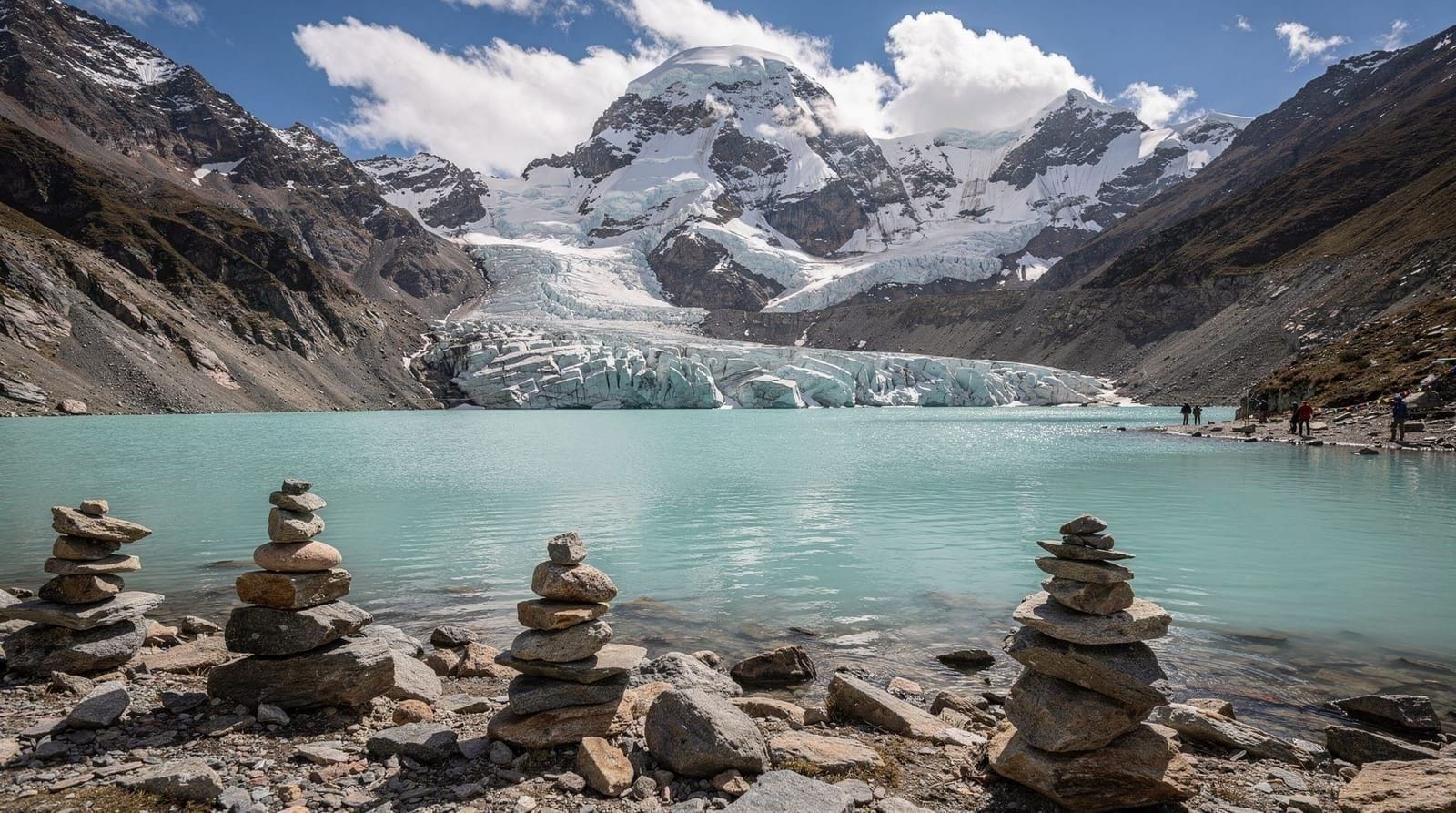
You leave Cusco early (often 4:00-5:00 am) for the three-hour drive to Mollepata and then up to the trailhead at Soraypampa, around 3,900 m. After breakfast and a rest, the day’s centrepiece is the side hike up to Humantay Lake at roughly 4,200 m — a steep but short climb of about 45-90 minutes each way to a glacial lake the colour of antifreeze.
This is a deliberately gentle start: only a few kilometres of actual trekking, designed to let your body adjust before the pass. You sleep at Soraypampa, often in geodesic glass domes or basic cabins. Nights here are cold, frequently below freezing. Read the Humantay Lake day trip guide for what the lake looks like without the full trek.
- Walking: ~5-7 km including the lake side trip
- Sleeping altitude: ~3,900 m
- Hardest part: the short, lung-busting push up to the lake
Day 2 — Soraypampa over Salkantay Pass to Chaullay (the big one)
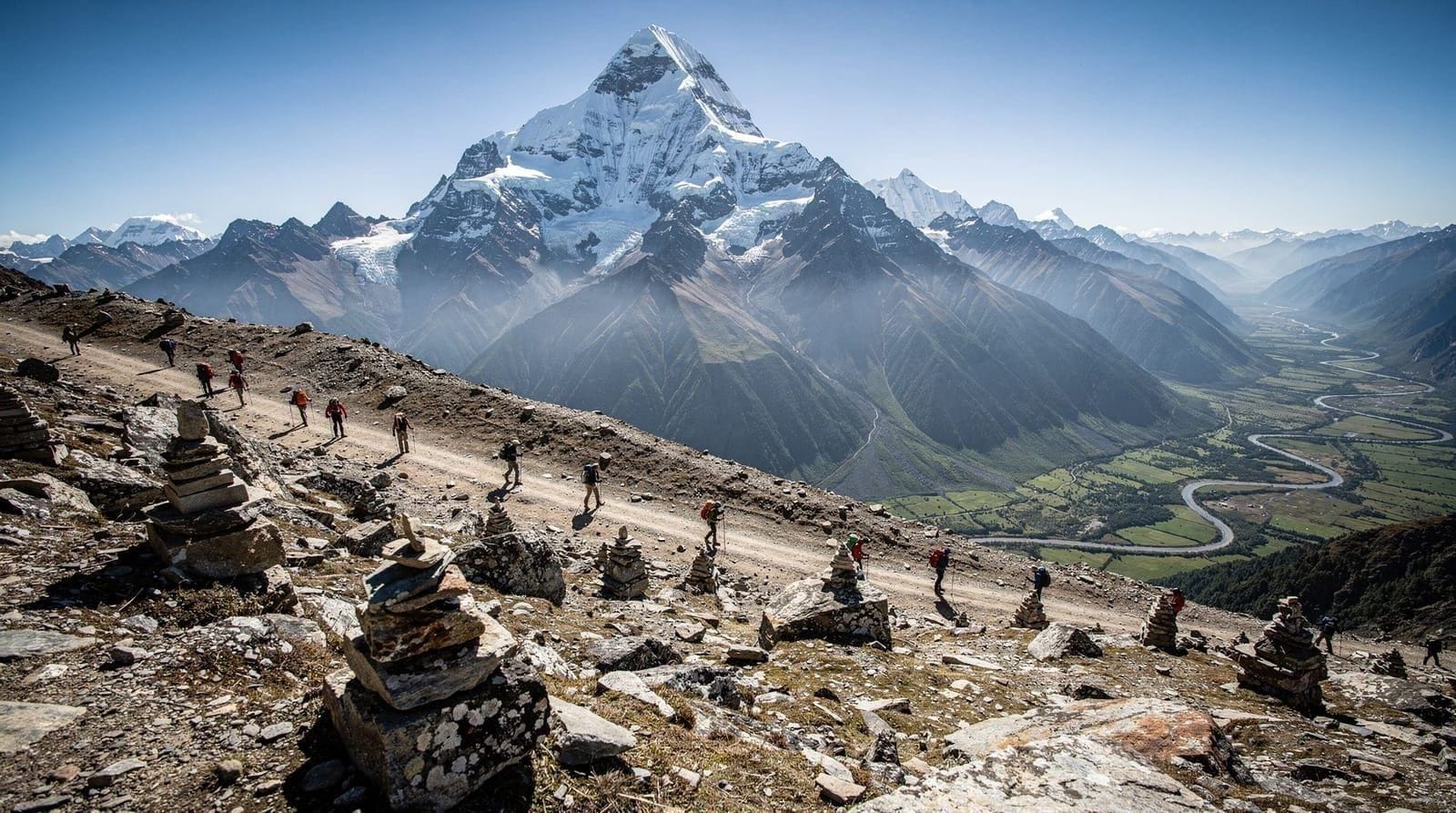
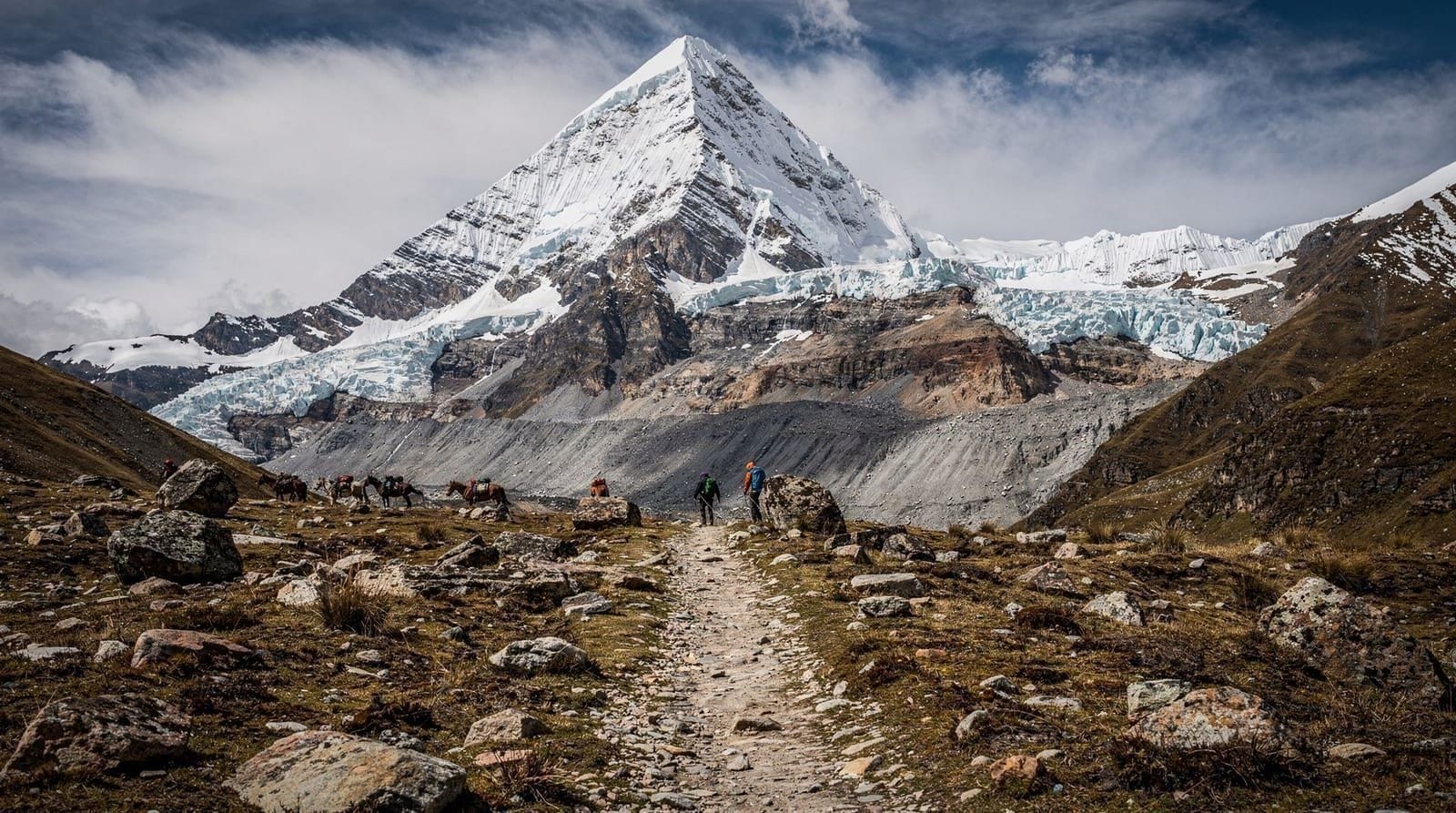
This is the day the trek is built around. You start before dawn and climb steadily from 3,900 m to the Salkantay Pass at 4,630 m, with the glaciated bulk of Nevado Salkantay (6,271 m) above you. The ascent takes three to five hours and the air is thin enough that even strong hikers slow to a crawl near the top. This is where altitude sickness shows up if you skipped acclimatisation.
From the pass you descend a long way — often 1,500 m or more of downhill — into a changing landscape, from bare high Andes to scrubby valley. You camp around Chaullay or Collpapampa at roughly 2,900 m. Knees take a beating; trekking poles are worth their weight here.
- Walking: ~22 km, the longest day
- High point: 4,630 m at the pass
- Hardest part: the climb to the pass, then the relentless descent
Day 3 — Cloud forest, hot springs, and the Llactapata option
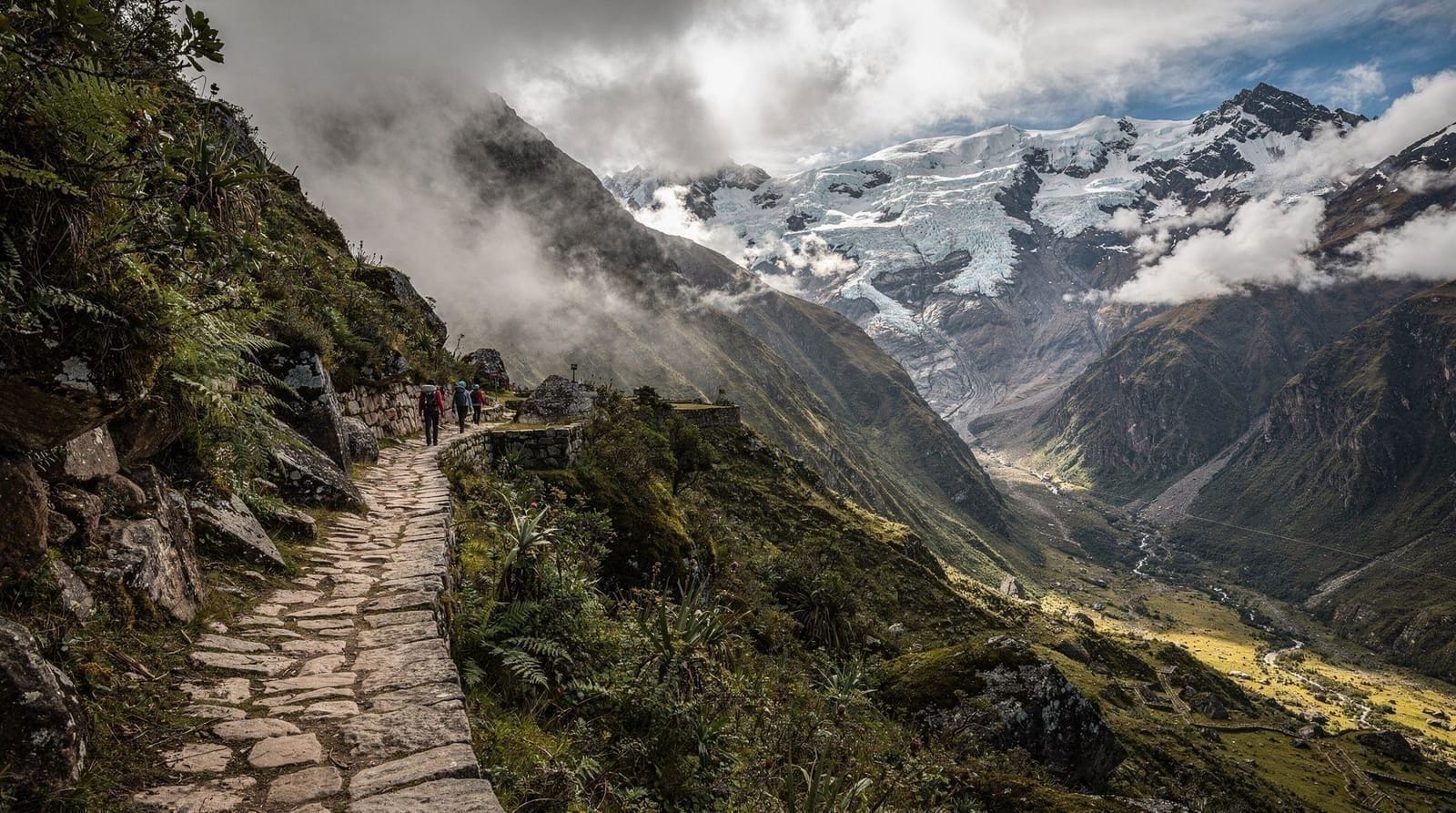
The third day is far easier on the lungs as you drop into humid cloud forest. The trail passes coffee farms, passion fruit, avocado trees, and waterfalls — a complete change from the alpine day before. Many packages stop at the Cocalmayo hot springs near Santa Teresa (a small extra fee, often S/ 10-20), which is a welcome soak after two hard days. Some operators add an optional zipline near Santa Teresa.
You sleep around Santa Teresa or Lucmabamba, typically near 2,000 m. If your package includes the Llactapata viewpoint, that usually falls on day four; confirm with your operator, as routings vary.
- Walking: ~12-16 km, mostly downhill and flat
- Sleeping altitude: ~1,900-2,100 m
- Best moment: warm air, green forest, and the hot springs
Day 4 — To Hidroeléctrica and walk into Aguas Calientes
Day four is the transition to Machu Picchu. Depending on the package you either walk a forest trail (sometimes via the Llactapata ruins with their distant view of Machu Picchu) or take transport to Hidroeléctrica. From Hidroeléctrica you walk roughly 10-12 km along the train tracks beside the Urubamba River to Aguas Calientes (also called Machu Picchu Pueblo). This flat track walk takes two to three hours.
You spend the night in a hostel or hotel in Aguas Calientes rather than a tent — a real bed and a hot shower before the early start. For background on the town, see the Aguas Calientes guide. If you want to understand why this railway-walk route is so cheap, the budget Hidroeléctrica route to Machu Picchu explains it in detail.
- Walking: ~14-20 km depending on routing
- Sleeping altitude: ~2,040 m (Aguas Calientes)
- Note: this is the day people relax — but it is still a long walk
Day 5 — Machu Picchu
The final morning you reach Machu Picchu. Most groups take the early shuttle bus up the switchbacks from Aguas Calientes (about USD 12 each way) rather than climbing the 1,700 stone steps in the dark, though the steps are free if you want them. You meet your guide at the entrance for a roughly two-hour tour following one of the official circuits.
Your ticket is for a specific circuit and entry time — your operator books this in advance. If you want to add Huayna Picchu or Machu Picchu Mountain, request it well ahead, as those tickets sell out months in advance. Read Machu Picchu circuits compared and Huayna Picchu vs Machu Picchu Mountain to choose.
After the visit you return to Aguas Calientes, take the train to Ollantaytambo, and a van back to Cusco, usually arriving in the evening. The Machu Picchu complete guide covers the site itself in depth.
Add a guided Machu Picchu experienceThe five days at a glance
| Day | Route | Distance | Sleep altitude |
|---|---|---|---|
| 1 | Cusco to Soraypampa, Humantay Lake | ~5-7 km | ~3,900 m |
| 2 | Salkantay Pass to Chaullay | ~22 km | ~2,900 m |
| 3 | Cloud forest to Santa Teresa | ~12-16 km | ~1,900-2,100 m |
| 4 | Hidroelectrica to Aguas Calientes | ~14-20 km | ~2,040 m |
| 5 | Machu Picchu, return to Cusco | shuttle or steps | - |
Salkantay versus the Inca Trail and other routes
Salkantay is the default Inca Trail alternative, but it is not the only one, and the choice comes down to what you want from the walk. The classic Inca Trail trades raw mountain scenery for stone-paved Inca history and the Sun Gate arrival, at the cost of a permit that sells out months ahead. Salkantay is bigger and wilder, built around the 4,630 m pass and the glaciated peak above it, and can be booked at short notice.
The Inca Trail vs Salkantay comparison is the head-to-head, and the Inca Trail vs Salkantay real talk diary gives the unvarnished version. If neither quite fits, the gentler Lares trek leans into weaving villages, the Inca Jungle trek mixes biking and rafting with the walk, and the wider field is surveyed in best treks to Machu Picchu.
Camp or dome, train or Hidroelectrica
Two package choices shape both the price and the experience. The first is where you sleep: basic tents are cheapest, while the geodesic sky-dome lodges cost more but add a warm bed and often a real shower after the freezing pass night. The second is how you cover the final approach, either the standard train from Aguas Calientes or the cheaper Hidroelectrica route that walks the railway tracks in.
The budget Hidroelectrica route explains why that option is so much cheaper, and the broader train vs trek to Machu Picchu guide sets the trekking routes against simply taking the train. For a day-by-day feel of the whole walk, the Salkantay trek diary is a useful companion to this plan, and the Salkantay trek guide covers operators and gear in more depth.
How fit do you need to be?
You do not need to be an athlete, but you do need to be comfortable walking 6-8 hours on consecutive days with significant ascent and descent at altitude. The pass day is the filter: if you cannot climb stairs without stopping at sea level, train before you come. Regular hikers in normal health who acclimatise properly finish the trek without drama. Read Inca Trail vs Salkantay if you are still choosing between routes.
What to pack
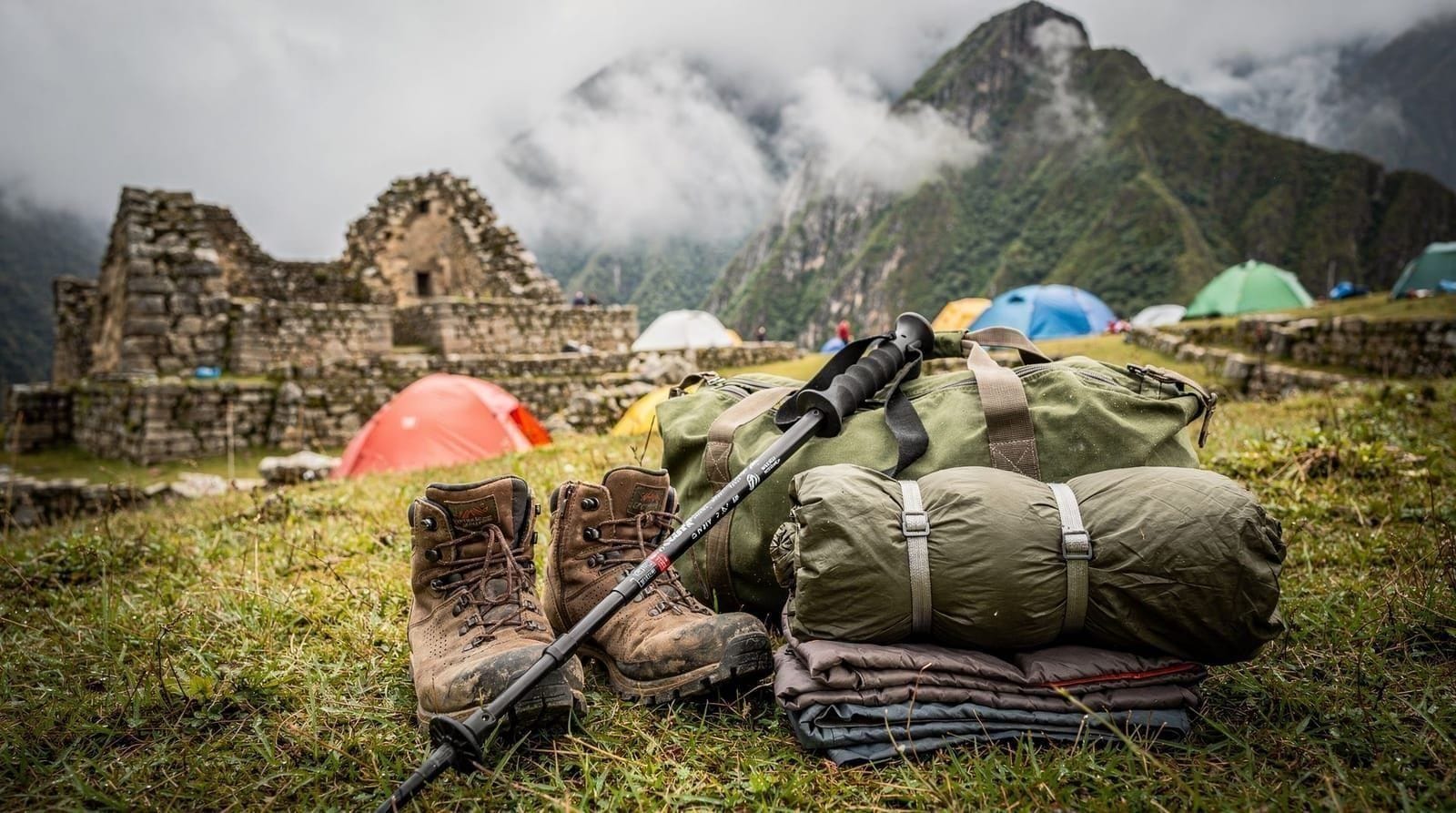
Layers are everything — you go from below freezing on the pass to humid cloud forest in the same trek. Bring a warm sleeping-bag-friendly outfit, a rain shell, broken-in boots, trekking poles, a headlamp, sun protection, and water purification or tablets. Our Inca Trail packing list applies almost exactly to Salkantay.
Frequently asked questions about the 5-day Salkantay trek
Do I need a permit for the Salkantay trek?
No. Unlike the classic Inca Trail, Salkantay does not require a government trekking permit, which is why it can be booked at short notice. You still need a Machu Picchu entrance ticket for the final day, and that should be reserved in advance.
How cold does it get?
At the Soraypampa and Chaullay camps, night temperatures regularly drop below freezing, sometimes to -5°C or colder in the dry season. The cloud forest nights later in the trek are mild. Pack for both extremes.
Can I do the Salkantay trek without an agency?
It is physically possible to hike the route independently, but few do. Going with an operator gets you mule support, cooked meals, the Machu Picchu logistics, and a guide who knows the weather and route. The cost saving of going solo is small once you account for food, transport, and the entrance.
Is altitude sickness common on this trek?
It is the most frequent reason people struggle, almost always because they started too soon after arriving in Cusco. Acclimatise for at least two days first and the pass becomes hard work rather than dangerous.
When is the best time to do it?
The dry season from May to September has the most reliable weather and the clearest mountain views, but also the most trekkers and the coldest nights. The shoulder months of April and October can be quieter with a higher chance of rain. See best time to visit Cusco.
What happens on the train and bus on the last day?
Your package normally includes the Machu Picchu shuttle bus, the train from Aguas Calientes to Ollantaytambo, and a van transfer to Cusco. Confirm exactly which train class and times your operator uses, as this affects how late you get back.
Top experiences
Bookable activities with verified prices and instant confirmation on GetYourGuide.