Inca Trail vs Salkantay: real talk after doing both
I did both, a year apart, and people keep asking me which is better
Most “Inca Trail vs Salkantay” articles are written by someone who did one and read about the other. I’ve done both — the classic four-day Inca Trail one year, the Salkantay to Machu Picchu the next — and the honest answer to “which is better” is “they’re genuinely different trips and the right one depends on what you actually want.” But that’s a cop-out, so let me give you the real, opinionated breakdown.
| Inca Trail | Salkantay | |
|---|---|---|
| Permit | Capped, book 5–6 months ahead | None, book weeks ahead |
| High point | 4,215m (Dead Woman’s Pass) | ~4,600m (Salkantay Pass) |
| Length | 4 days | 4–5 days |
| Arrival at Machu Picchu | Sun Gate, on foot | Train/bus from Aguas Calientes |
| February | Closed for maintenance | Open year-round |
| Cost | Higher (permit + porters) | Noticeably cheaper |
The fundamental difference nobody states clearly
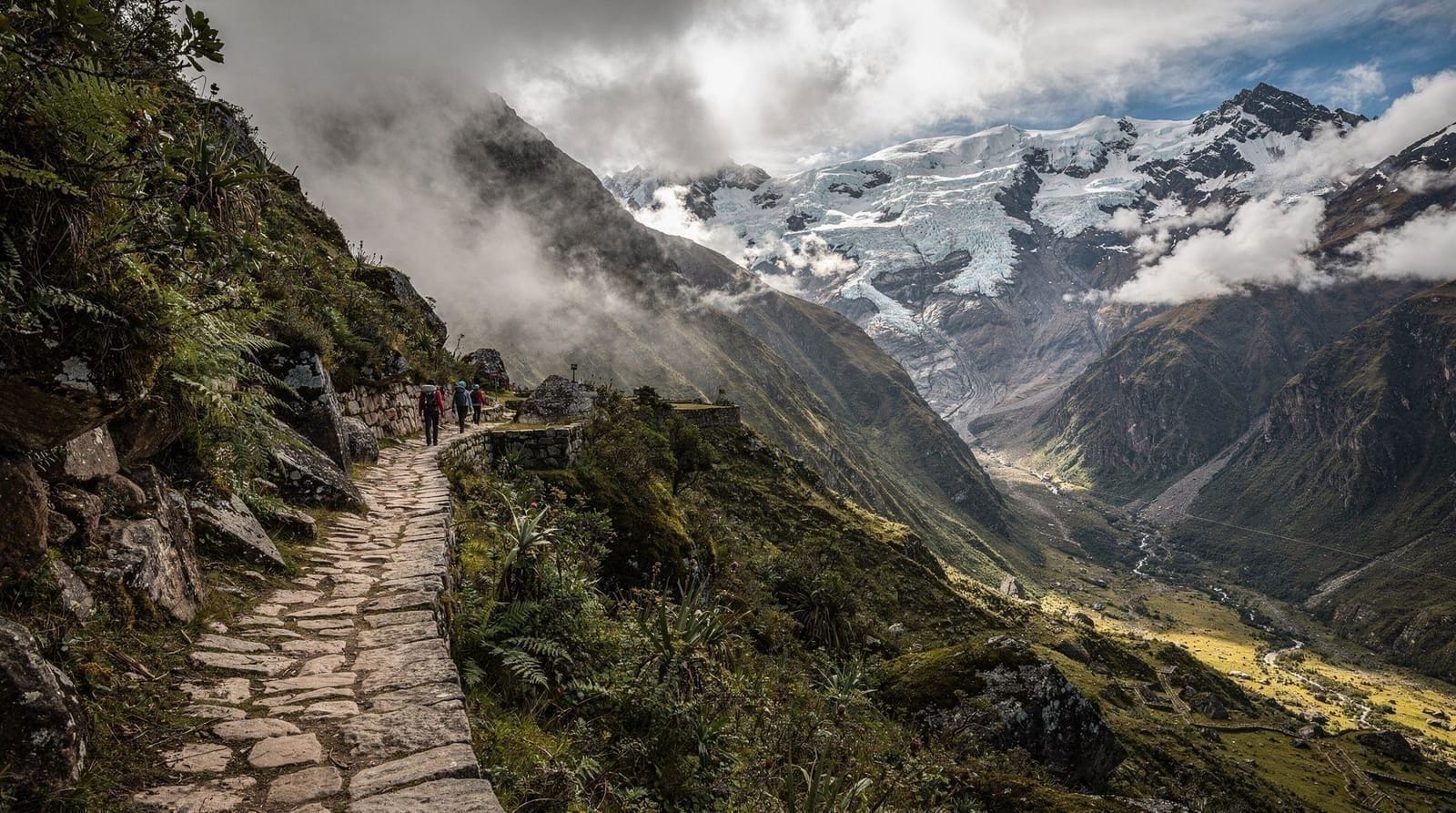
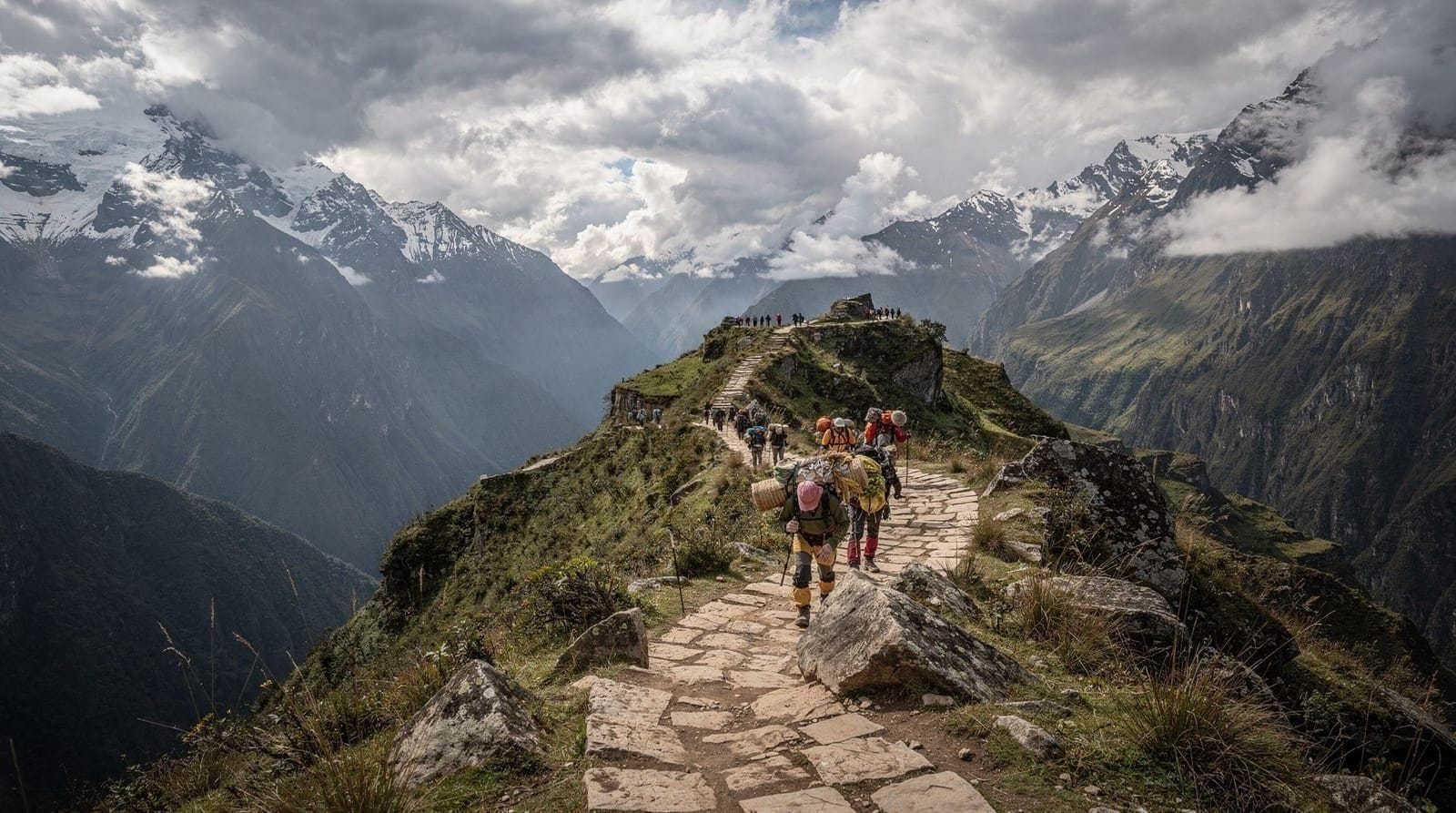
The Inca Trail’s whole point is that you walk on the original Inca road, past ruins only trekkers ever see, and arrive at Machu Picchu through the Sun Gate above the city — the way it was designed to be approached. It’s a history trek.
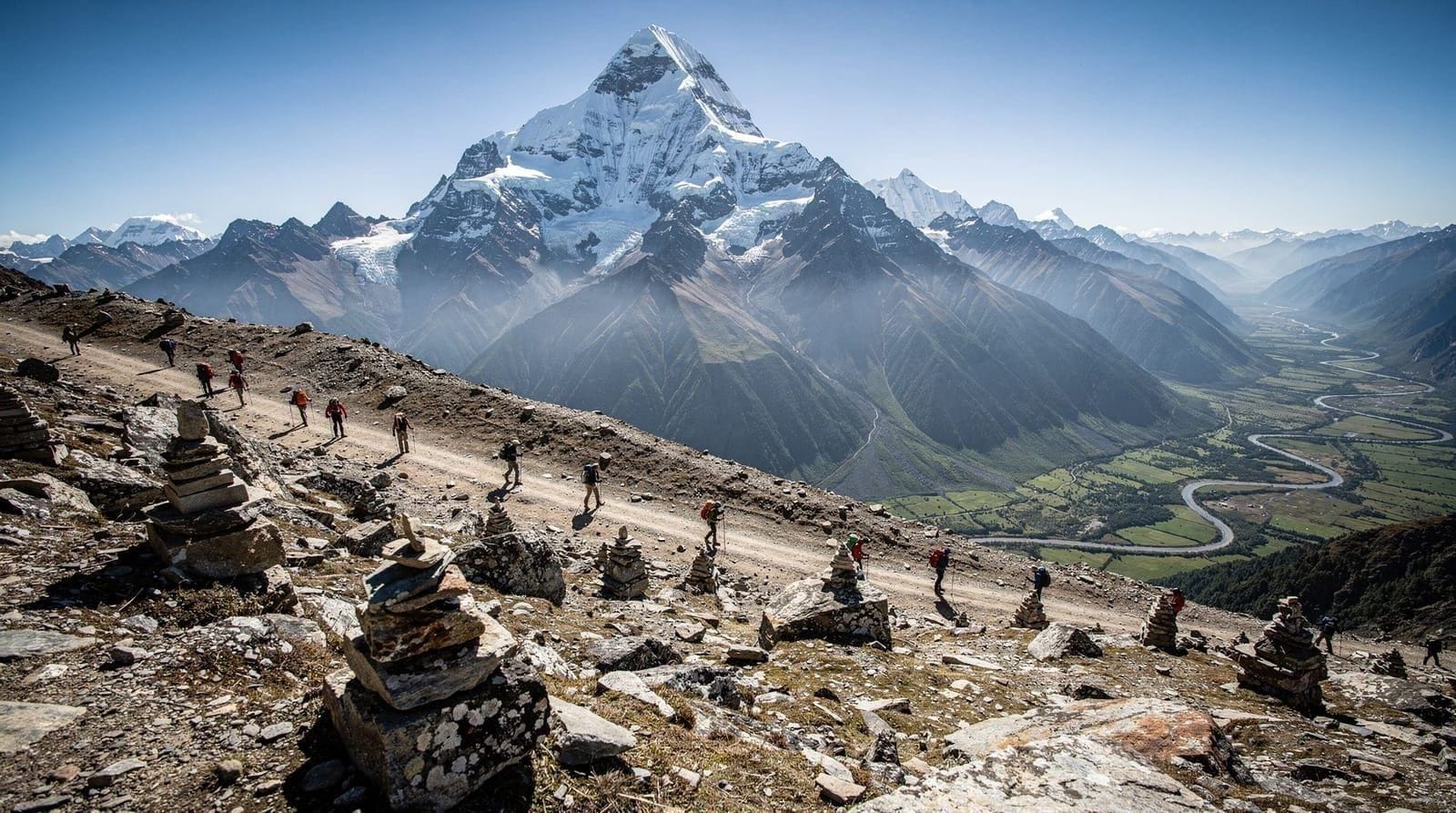
Salkantay’s point is the mountains. You don’t walk to Machu Picchu on an Inca road; you trek a high, wild route past the towering Salkantay glacier and the turquoise lakes beneath it, then reach Machu Picchu by other means at the end — a train or a walk along the railway from Aguas Calientes, not the Sun Gate. It’s a scenery trek.
That’s the core trade. Inca Trail: ruins, archaeology, the iconic arrival. Salkantay: bigger, wilder mountain scenery, no Sun Gate finish. The Inca Trail vs Salkantay guide tables this out, but living it made the distinction obvious in a way no table did.
Permits and planning: not even close
This one’s lopsided. The Inca Trail requires a permit, the permits are strictly capped, and they sell out months ahead — I booked roughly six months out. You cannot do it last-minute, you cannot do it independently, and it closes entirely in February. If you didn’t plan ahead, the Inca Trail simply isn’t an option.
Salkantay needs no permit. You can book it days before you go, plenty of operators run it, and it stays open year-round including February when the Inca Trail is shut. For anyone who decided to trek once they were already in Cusco, Salkantay is the realistic choice, and that flexibility is a genuinely big point in its favour. The Salkantay trek guide covers the booking side.
Cost: Salkantay wins, clearly
The Inca Trail is expensive — the permit, the licensed-operator requirement and the porter system push the price up. I paid a meaningful premium for it. Salkantay came in noticeably cheaper for a comparable number of days, because there’s no permit and more operator competition. If budget is a deciding factor, Salkantay gives you a multi-day mountain trek to Machu Picchu for less money. The best treks to Machu Picchu guide compares the price brackets across all the routes.
Difficulty: different kinds of hard
People ask which is “harder” expecting a clean answer. They’re hard in different ways.
The Inca Trail’s signature suffering is Dead Woman’s Pass on day two — a sustained, lung-crushing climb to 4,215 metres on stone steps. It’s a concentrated dose of pain followed by easier days.
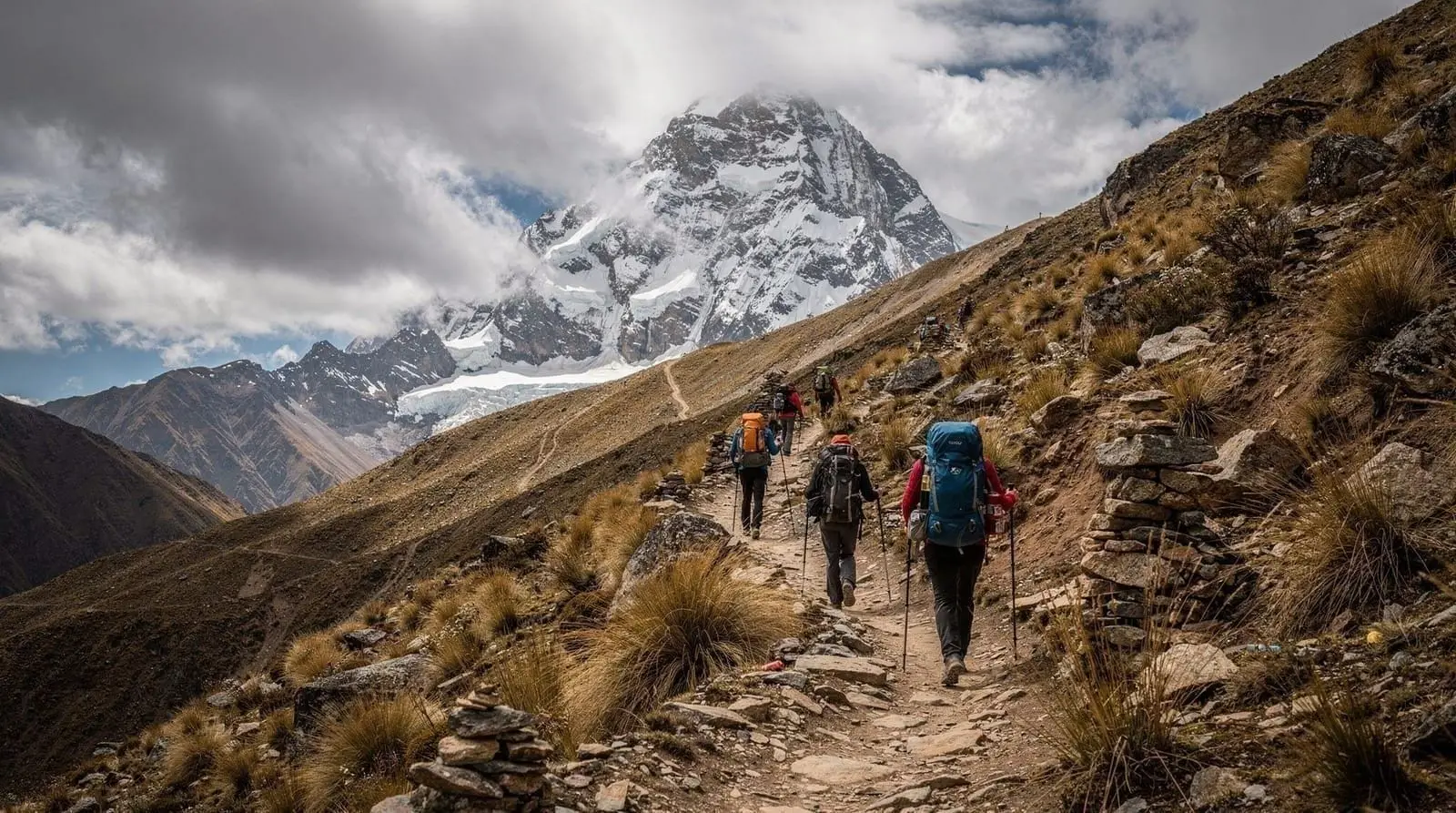
Salkantay’s hard day takes you over the Salkantay Pass at around 4,600 metres — higher than anything on the Inca Trail — and the route overall covers more distance with bigger daily swings. But Salkantay then descends a long way into warmer cloud forest, so the back half is gentler and lower.
My honest read: Salkantay’s high point is higher and the trek is longer, but the Inca Trail’s day two felt more relentlessly punishing in the moment. Both demand proper acclimatisation in Cusco or the Sacred Valley first — neither is forgiving if you fly in and trek on day two. The salkantay trek 5-day itinerary shows the altitude profile.
Crowds and atmosphere
The Inca Trail caps numbers via permits, so it never feels like a highway — but you’re walking the famous route with other groups, and the campsites are shared. Salkantay is less regulated and on the popular sections you’ll see plenty of other trekkers, but it also has stretches of genuine wildness where you’re alone with the mountain in a way the Inca Trail’s managed corridor rarely allows.
The Salkantay scenery, frankly, is more dramatic on a pure mountain-spectacle level — that glacier and Humantay Lake at the start are jaw-dropping. The Inca Trail’s drama is cumulative and historical, building to the Sun Gate rather than hitting you with one giant peak.
The arrival: the Inca Trail’s trump card
Here’s where the Inca Trail simply wins and there’s no argument. Walking through the Sun Gate at dawn and seeing Machu Picchu reveal itself below you, after four days on the original road, is an experience the Salkantay cannot replicate. On Salkantay you arrive at Aguas Calientes, sleep in a hostel, and go up to Machu Picchu the next morning like everyone else who took the train. It’s a fine arrival. It is not the Sun Gate.
If that specific moment — earning Machu Picchu on foot, from above, the Inca way — matters to you, that alone might decide it. For me it was the single most memorable thing about the Inca Trail.
So which would I pick?
Honestly? If I could plan six months ahead, afford the premium, and the Sun Gate arrival mattered to me, I’d do the Inca Trail every time — it’s the more complete, more meaningful experience and the history under your boots is irreplaceable. This is roughly what I booked.
4-day Inca Trail guided trek to Machu PicchuBut if I’d left planning late, wanted to trek in February, was watching the budget, or cared more about raw mountain scenery than archaeology, I’d pick Salkantay without feeling I’d settled — it’s a spectacular trek in its own right, not a consolation prize. This is the version I did.
5-day Salkantay trek to Machu PicchuBooking logistics: how far ahead, really
For the Inca Trail, treat the six-month mark as the safe default for peak season (May–September), and don’t count on anything shorter working for July or August dates specifically, since those sell out fastest. Shoulder months (April, October) sometimes have permits available two to three months out. For Salkantay, two to four weeks ahead is genuinely fine most of the year, and even a week or two out works outside peak season — the flexibility is real, not just marketing.
The food and camps: closer than you’d think
People assume the pricier Inca Trail means plusher camps and better food. In my experience the gap was small. Both treks fed me astonishingly well for the middle of nowhere — hot soups, fresh-cooked mains, even cakes produced from a tent kitchen. The cook teams on both were the unsung heroes.
Where they differ: the Inca Trail’s camps are fixed designated sites you share with other permitted groups, while Salkantay has more variety, including the option on some itineraries of a night in a “sky lodge” or basic cabin rather than a tent. Salkantay also drops to lower, warmer altitudes for its later camps, which made for genuinely more comfortable sleeping than the cold high camps on the Inca Trail. If you sleep badly in the cold, that’s a real point for Salkantay.
Which suits which kind of traveller
If I had to sort people: history nerds, photographers chasing the iconic Sun Gate shot, and anyone for whom “I walked the original Inca road to Machu Picchu” is the dream — that’s the Inca Trail, and the planning and cost are worth swallowing.
Budget travellers, last-minute deciders, February visitors, people who prioritise raw mountain scenery and bigger summits, and those who want a warmer back half to the trek — that’s Salkantay, and you won’t feel short-changed. Either way, acclimatise first. Both treks punish people who fly in and start walking too soon, and the salkantay trek 5-day itinerary and inca trail 4-day itinerary both make that point.
The actual answer
The Inca Trail is the better trek if you can get a permit and the historical arrival matters. Salkantay is the better trek if you value flexibility, cost, year-round availability and big mountain scenery. There is no wrong choice here — I’m genuinely glad I did both, and if you’ve got the time and the legs, doing them in separate trips a year apart, like I did, is a pretty great way to see two different sides of these mountains.
A note on the shorter and alternative options
One thing worth flagging for anyone for whom four or five days of trekking simply isn’t realistic: these two aren’t your only routes. There’s a two-day “Short Inca Trail” that walks the final, most scenic stretch and still delivers a version of the Sun Gate arrival without the full four-day commitment or the same brutal permit scramble. It’s a genuine option for people short on time or unsure about their fitness, and it still puts you on the original Inca road for the part that matters most.
There are also the Lares and Inca Jungle routes, each with a different character — Lares leaning more cultural, passing weaving villages, and the Inca Jungle mixing biking and rafting with hiking. I haven’t done those, so I won’t pretend to compare them from experience, but the best treks to Machu Picchu guide lays them all out side by side, and the Lares trek guide and Inca Jungle trek guide cover those two specifically. The point is that “Inca Trail vs Salkantay” is the headline matchup, but it isn’t the only question worth asking.
Acclimatisation matters more than the choice between them
Whichever trek you pick, the single biggest predictor of a good time isn’t fitness, it’s how many days you’ve already spent at altitude in Cusco or the Sacred Valley beforehand. I watched fit people struggle on both treks because they’d flown in and started walking within a day or two, and I watched less-fit people cruise both because they’d given themselves three or four days first. The Cusco acclimatization plan is worth reading regardless of which trek you book — it matters more than the trek choice itself.
What I’d tell a friend in one sentence
If a friend texted me “Inca Trail or Salkantay?” with no other context, I’d reply: can you book six months ahead and afford the premium? If yes, Inca Trail, for the Sun Gate. If no, Salkantay, and don’t feel like you’ve missed out — you really haven’t.