Inca Jungle trek guide
From Cusco: Machu Picchu Short Inca Trail 2-Day Tour
What is the Inca Jungle trek?
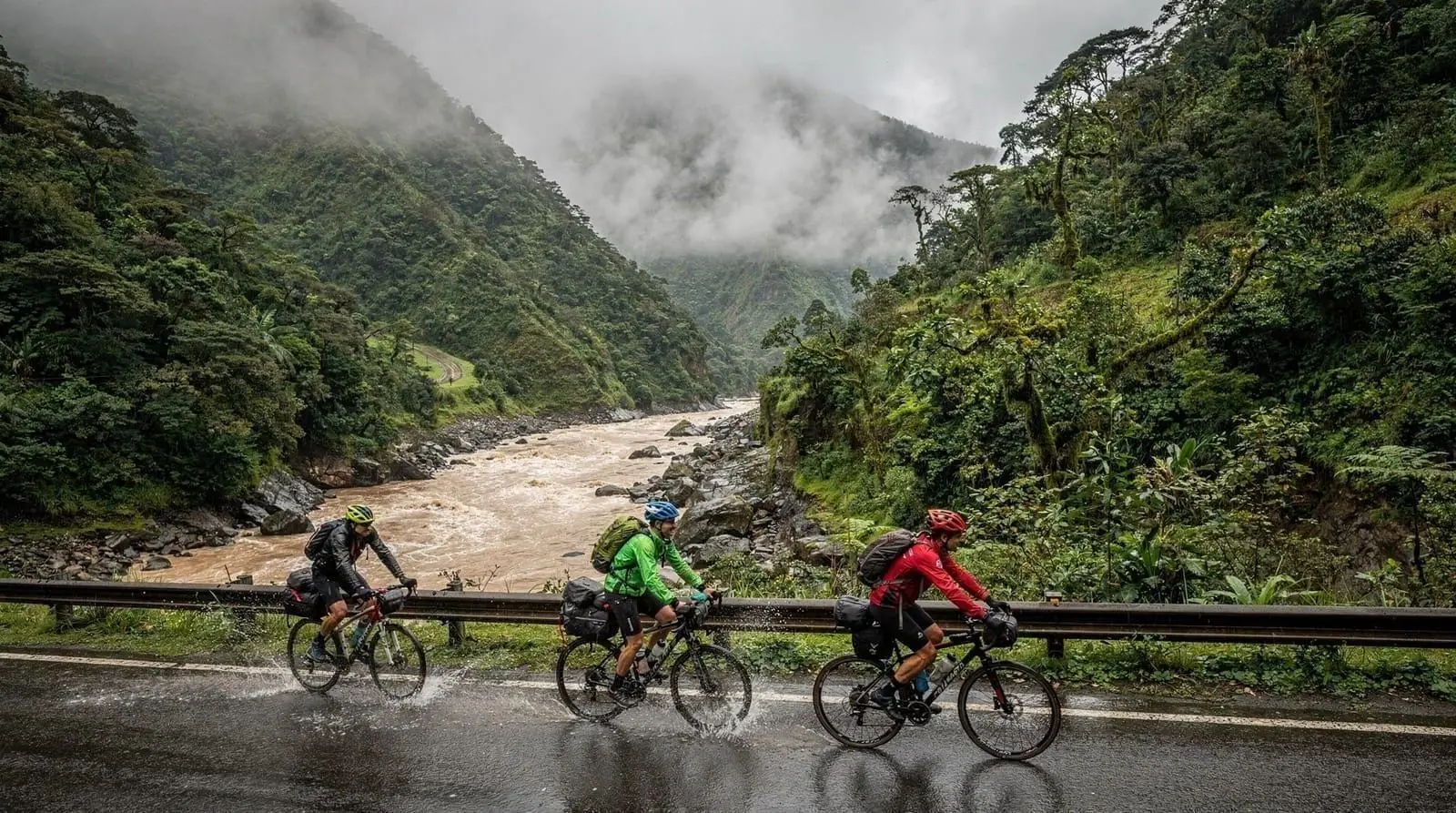
It is an adventure route to Machu Picchu mixing downhill mountain biking, hiking, and optional rafting and ziplining over three or four days. It needs no permit, is cheaper than the Inca Trail, reaches lower and warmer altitudes, but skips the famous Inca ruins along the classic path.
The adventurous, permit-free route to Machu Picchu
The Inca Jungle trek is the route people choose when they want the journey to Machu Picchu to be a multi-sport adventure rather than a pilgrimage along ancient stone. It threads together a long downhill mountain-bike descent, hiking days through warm river valleys, and optional bursts of rafting and ziplining, ending — like every route — at the citadel. Crucially, it needs no permit, so it can be booked days, not months, ahead. That combination of adrenaline and flexibility has made it one of the most popular alternatives to the famous Inca Trail, especially for younger travellers and anyone who missed out on permits.
It is worth being clear-eyed about the trade-off from the start: the Inca Jungle is named for the lush, lower-altitude terrain it crosses, not for any string of Inca ruins. You will not walk on original Inca paving past archaeological sites, and you will not enter Machu Picchu through the Sun Gate. What you get instead is variety, warmth, lower altitude and a genuinely fun trip. This guide lays out exactly what each day involves, what it costs, and who should choose it over the alternatives.
| Where | Abra Málaga to Aguas Calientes, via Santa María/Santa Teresa |
| Cost | Around $250–400 (S/950–1,500), 3–4 days |
| Permit | None needed, can book days ahead |
| Difficulty | Moderate, lower altitude than Inca Trail/Salkantay |
| Best time | Dry season, May–September, for the bike descent |
What the trip actually involves, day by day
The Inca Jungle runs as a 3-day or 4-day trip; the 4-day simply adds a more relaxed pace and sometimes an extra activity. A typical itinerary:
- Day 1 — the bike descent. A van climbs from Cusco to the high Abra Málaga pass (around 4,300 m), and from there you ride downhill for several hours on a paved mountain road, dropping thousands of metres into warmer, greener country. A support vehicle follows. The afternoon often adds optional white-water rafting on the Urubamba. Night in Santa María or Santa Teresa.
- Day 2 — hiking and ziplines. A hiking day along river valleys and old footpaths, passing coffee and fruit plantations, with the chance to soak in the Cocalmayo hot springs near Santa Teresa. Many operators offer a zipline circuit here as a paid add-on. Night in Santa Teresa.
- Day 3 — to Aguas Calientes. A scenic walk along the railway line to Aguas Calientes, or a short train hop, arriving in time to rest before the citadel. Night in town — the Aguas Calientes guide covers where to stay and eat before your Machu Picchu morning.
- Day 4 — Machu Picchu. An early start up to Machu Picchu for a guided tour, then the train and transfer back to Cusco. On the 3-day version, days three and four are compressed.
How it compares to the other Machu Picchu routes
| Route | Permit | Days | Terrain | Cost |
|---|---|---|---|---|
| Inca Jungle | None | 3–4 | Bike descent, warm valley hiking | $250–400 |
| Classic Inca Trail | Required, months ahead | 4 | High pass, original Inca paving | $700+ |
| Salkantay | None | 4–5 | High pass (~4,650 m), varied terrain | $250–500 |
| Train only | None | 1 (day trip) | No trekking | Varies |
The Inca Trail complete guide and the Inca Trail permits guide cover the classic route’s booking process in full if the ruins-and-Sun-Gate experience matters more to you than the adventure sports, and the Salkantay trek guide does the same for that permit-free mountain alternative.
The activities, honestly assessed
The biking. This is the headline, and it is genuinely enjoyable — a long, swooping descent with big views. But it is on an open public road shared with cars, trucks and buses, so the real risk is traffic, not gnarly terrain. You do not need technical mountain-biking skill, but you do need to be comfortable controlling a bike at speed and following your guide’s instructions about staying in line and stopping at points. The single biggest safety variable is your operator’s equipment: well-maintained bikes with good brakes, proper helmets and a following support van are essential, and the cheapest operators are exactly where corners get cut.
The rafting and ziplining. Both are optional, usually paid extras of roughly USD 25 to 40 (around S/ 95 to 150) each, and both are run by separate adventure operators rather than your trekking guide. The rafting is class II–III depending on water levels; the ziplines are a series of cables across a valley. Neither is essential to the trip, so skip them if they are not your thing. If rafting is the part you actually care about, the standalone rafting near Cusco guide covers dedicated day trips at higher water-quality sections than the quick add-on offered mid-trek.
The hiking. Real but moderate, at lower and warmer altitudes than the Inca Trail, with no 4,000 m pass to grind over. The heat and humidity replace altitude as the main challenge, so the best treks to Machu Picchu guide is worth checking to compare effort levels across routes.
What it costs
The Inca Jungle is the budget-friendly adventure option. Expect roughly USD 250 to 400 (around S/ 950 to 1,500) per person for a 3 or 4-day trip, including the bike day, guide, meals, basic lodging, Machu Picchu entry and transport. That is meaningfully cheaper than the classic Inca Trail’s USD 700-plus, largely because there is no permit fee and the accommodation is simple hostels rather than camping logistics.
Budget for extras: rafting and ziplining add-ons, tips for guides and drivers, the Cocalmayo hot-springs entry, the shuttle bus up to the citadel if you do not want to walk, and meals not covered. For how this fits your wider spending, see the Peru trip cost guide for 2026.
Choosing an operator without getting burned
Because no permit ties you to a licensed company, the Inca Jungle market is crowded and uneven. The honest guidance:
- Inspect the bike day’s gear. Ask specifically about bike maintenance, brake checks, helmet quality and whether a support vehicle follows the whole descent. This is where safety is won or lost.
- Confirm group size and what is included. Machu Picchu entry, the citadel bus, hot-springs entry and the optional activities should be spelled out, not discovered en route.
- Be wary of the cheapest quote. As with any Cusco adventure, rock-bottom prices usually mean tired equipment, overstuffed groups or hidden costs. The Cusco tourist traps guide covers the wider pattern.
There is no dedicated Inca Jungle listing in our verified catalogue, so book it on the ground only with an operator you have vetted in person. If you want a verified permit-based or alternative trek instead, the short Inca Trail 2-day tour still delivers the Sun Gate, and the 4-day Salkantay route is the classic permit-free mountain trek.
How fit you need to be, and the altitude angle
A common misconception is that the Inca Jungle is “easy” because it starts with a bike ride. It is the gentlest of the multi-day routes to the citadel, but it is not effortless. The biking demands concentration and some upper-body and core stamina over hours of braking on a winding descent. The hiking days that follow are real walks of several hours each, often in heat and humidity that sap energy in a different way to cold-altitude trekking.
The altitude story is the route’s biggest practical advantage. After the high start at the Abra Málaga pass, the trek spends most of its time at far lower elevations than the Inca Trail or Salkantay — warm river valleys rather than 4,000 m passes. That means altitude sickness is much less of a threat once you are past day one, which makes the Inca Jungle a reasonable choice for travellers who worry about how they will cope at extreme height.
You should still acclimatise in Cusco before the trip, because day one tops out high and the bike start is at altitude, but the route as a whole is forgiving. The altitude sickness in Cusco guide covers the precautions that still apply.
What to pack for the Inca Jungle
The mix of biking, hiking, water and warmth makes the packing list a little different from a high-altitude trek:
- Comfortable, quick-drying clothing for warm, humid days, plus one warm layer for the high, cold start of the bike descent.
- A waterproof jacket — rain is possible year-round in the cloud forest and certain in the wet season.
- Sturdy trainers or light hiking shoes that you do not mind getting muddy; full mountaineering boots are overkill here.
- Swimwear and a quick-dry towel for the Cocalmayo hot springs and any rafting.
- Insect repellent, which matters far more here than on the high Inca Trail, given the lower, warmer terrain.
- Sun protection for both the exposed bike road and the open valleys.
- A small dry bag for electronics during rafting and rain.
- Cash in small soles notes for hot-springs entry, the optional activities, snacks, tips and the citadel bus.
Who the Inca Jungle suits, and who should skip it
Choose the Inca Jungle if you want adventure and variety over archaeology, if you are travelling on short notice without an Inca Trail permit, if warm lower-altitude terrain appeals more than a high pass, or if a sociable young crowd and a bit of adrenaline are part of the draw. Skip it if your reason for coming to Peru is to walk on Inca stone past ruins and arrive at the citadel through the Sun Gate — for that, only the classic Inca Trail will do, and the Inca Trail vs Salkantay comparison helps you weigh the trekking purist’s options.
To slot any route into a full trip, the itineraries hub and the tools page cover timing and logistics, while the Cusco trip planning guide for 2026 ties the Cusco days together.
Frequently asked questions about Inca Jungle trek
Does the Inca Jungle trek need a permit?
How hard is the Inca Jungle trek?
Is the downhill biking dangerous?
How much does the Inca Jungle trek cost?
Does the Inca Jungle reach the Sun Gate?
Is the Inca Jungle good for first-time trekkers?
Can I do standalone rafting or ziplining without the full trek?
How does the Inca Jungle compare in cost to Salkantay?
Top experiences
Bookable activities with verified prices and instant confirmation on GetYourGuide.

