Salkantay trek diary: five days to Machu Picchu
I chose the Salkantay over the classic Inca Trail for two unromantic reasons: the permits were sold out, and it was cheaper. What I got was five days that beat me up, fed me extraordinarily well, and delivered me to Machu Picchu on foot through some of the most dramatic terrain I’ve ever walked. Here’s how it went, day by day, without the gloss.
| Where | Cusco to Machu Picchu via the Salkantay Pass |
| Cost | Around USD 300-350 all-in (guide, cook, mules, food, entry) |
| Time needed | 5 days / 4 nights, standard route |
| High point | Salkantay Pass, 4,630m |
| Best time | Dry season (May-Sept), for clear passes and drier trails |
Day one: the soft start that wasn’t
We left Cusco at 4:30am - the early start is a constant on every Cusco trek - and drove to Mollepata for breakfast, then to the trailhead at Soraypampa. Day one is billed as a warm-up, and the hiking is gentle, but the optional side trip to Humantay Lake is a brutal hour of uphill to 4,200 metres that punishes anyone who arrived underprepared for altitude.
I’d been in Cusco a week and still felt it. The lake itself - a turquoise glacial pool under a hanging glacier - was worth every wheezing step. We camped that night in sky-domes at Soraypampa, and I learned my first lesson: it gets cold. Properly cold. I slept in everything I’d packed and was still chilly. The provided sleeping bag was rated optimistically.
Cost note: I booked the standard five-day group trek in Cusco for around USD 320, all in - guide, cook, mules for the heavy bags, food, accommodation, and the Machu Picchu entry. That’s roughly half what the Inca Trail goes for, and the food turned out to be better.
Day two: the pass
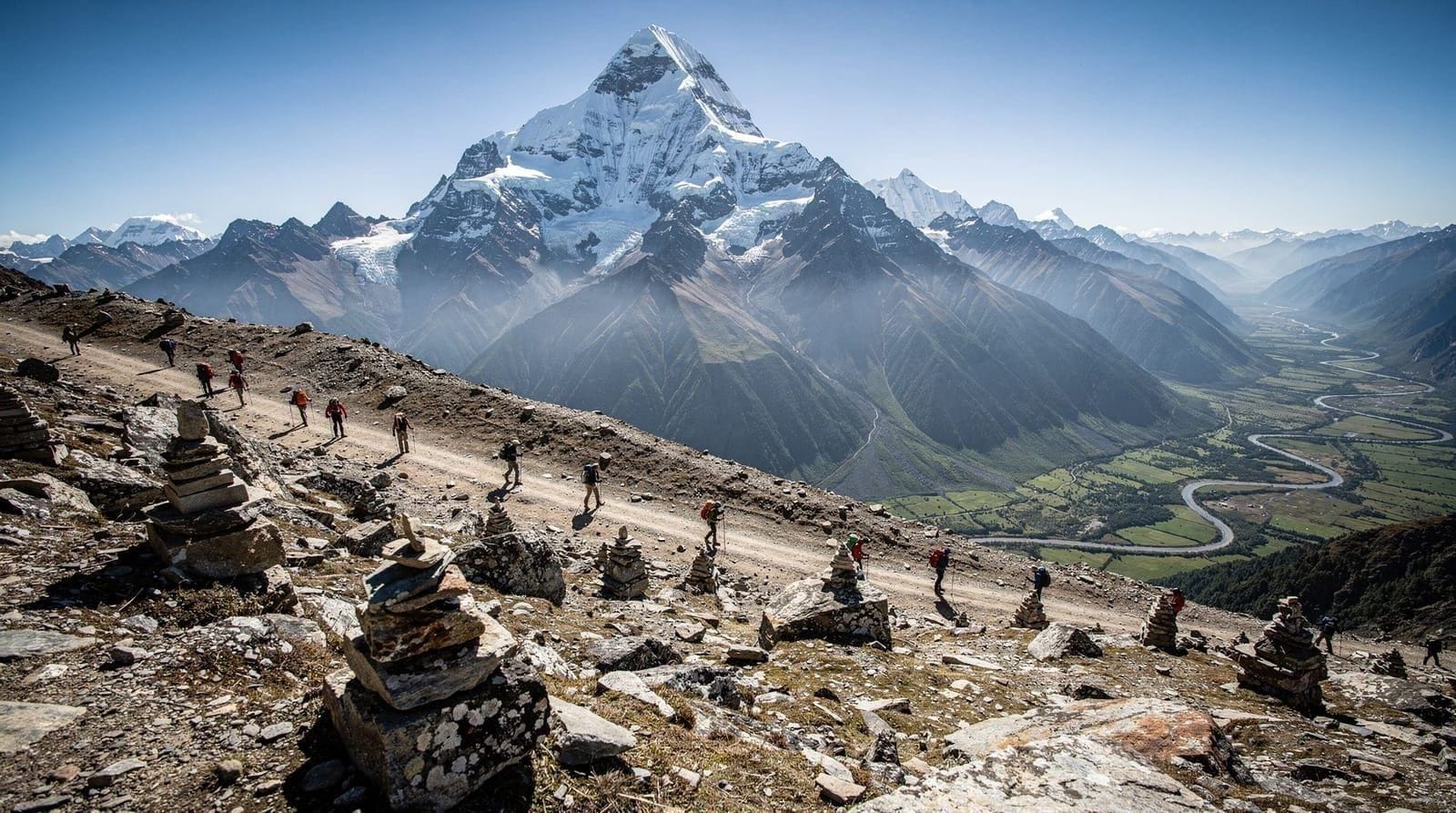
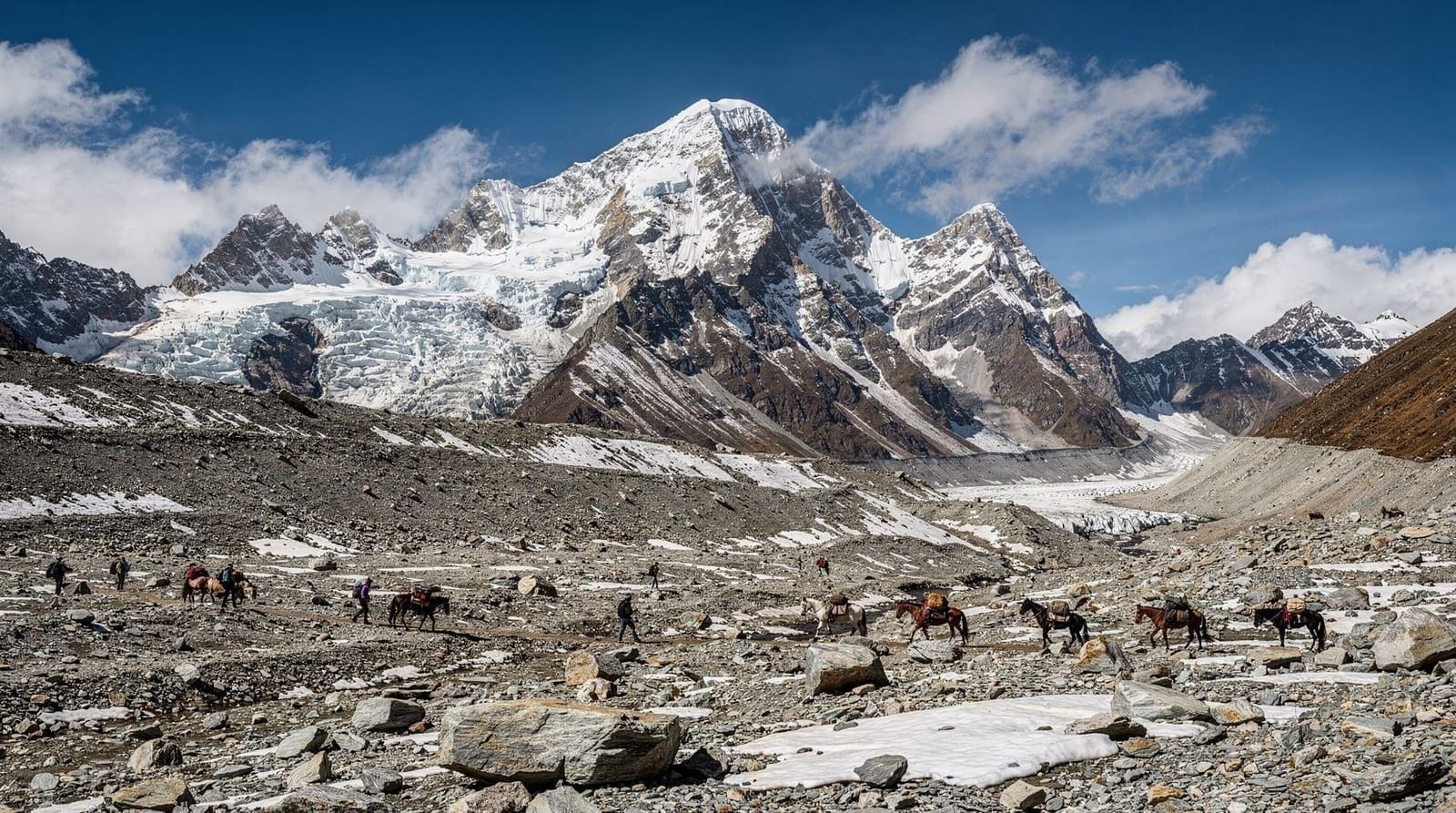
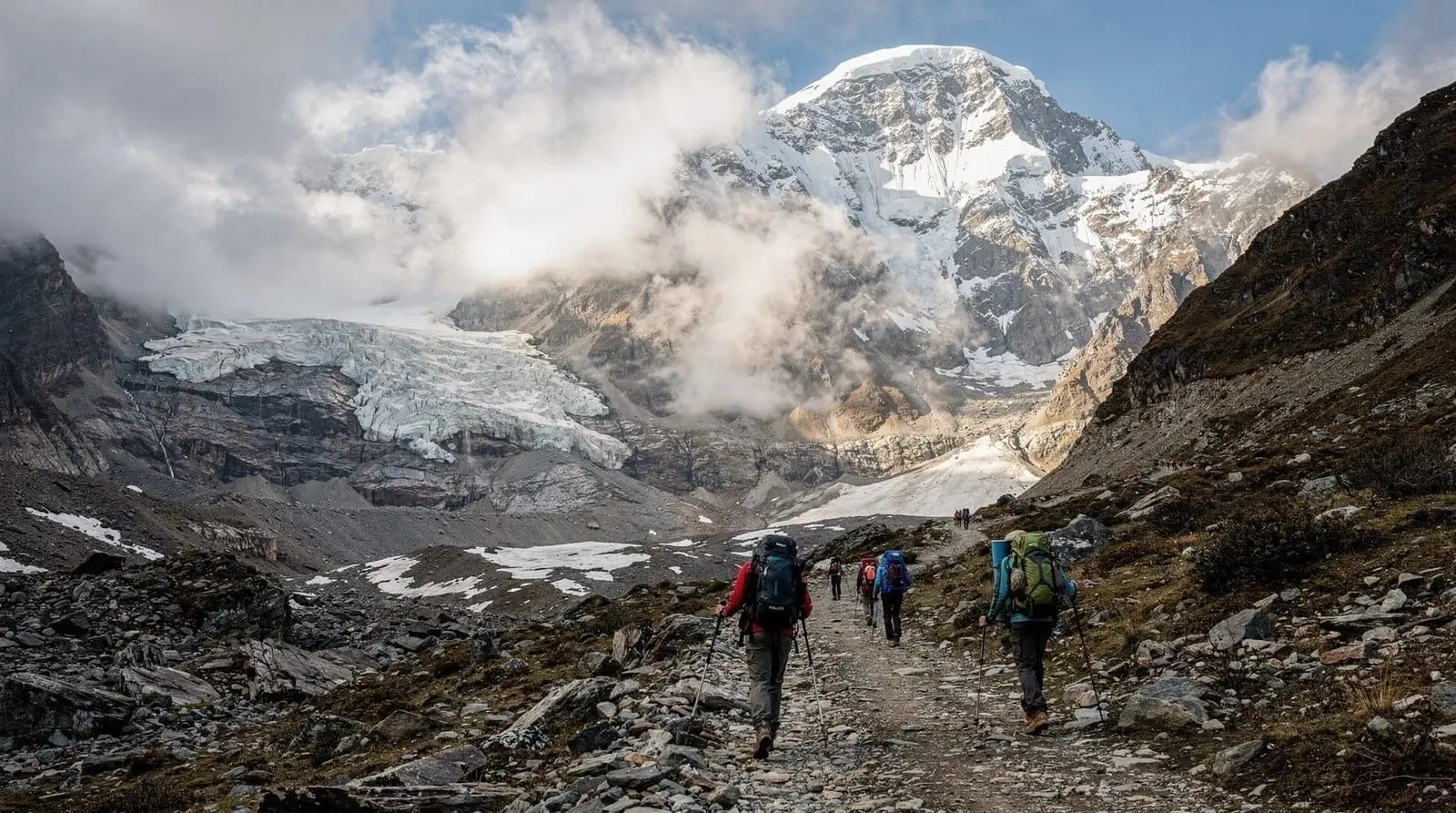
This is the day everyone warns you about, and they’re right to. We woke at 5am to frost on the tents and started the long climb to the Salkantay Pass at 4,630 metres, the highest point of the trek, under the south face of Salkantay mountain itself - a 6,200-metre wall of ice that looms over the whole valley.
The climb is relentless. Not technical, just up, for hours, in thin air. My legs were fine; my lungs were not. I did the last hour at a pace I can only describe as geriatric, stopping every twenty steps. At the pass there’s a cairn, prayer flags, and a wind that cuts straight through you. Our guide had us each add a stone and say something to the apu, the mountain spirit. Standing up there, hollowed out and freezing, it didn’t feel like a tourist ritual at all.
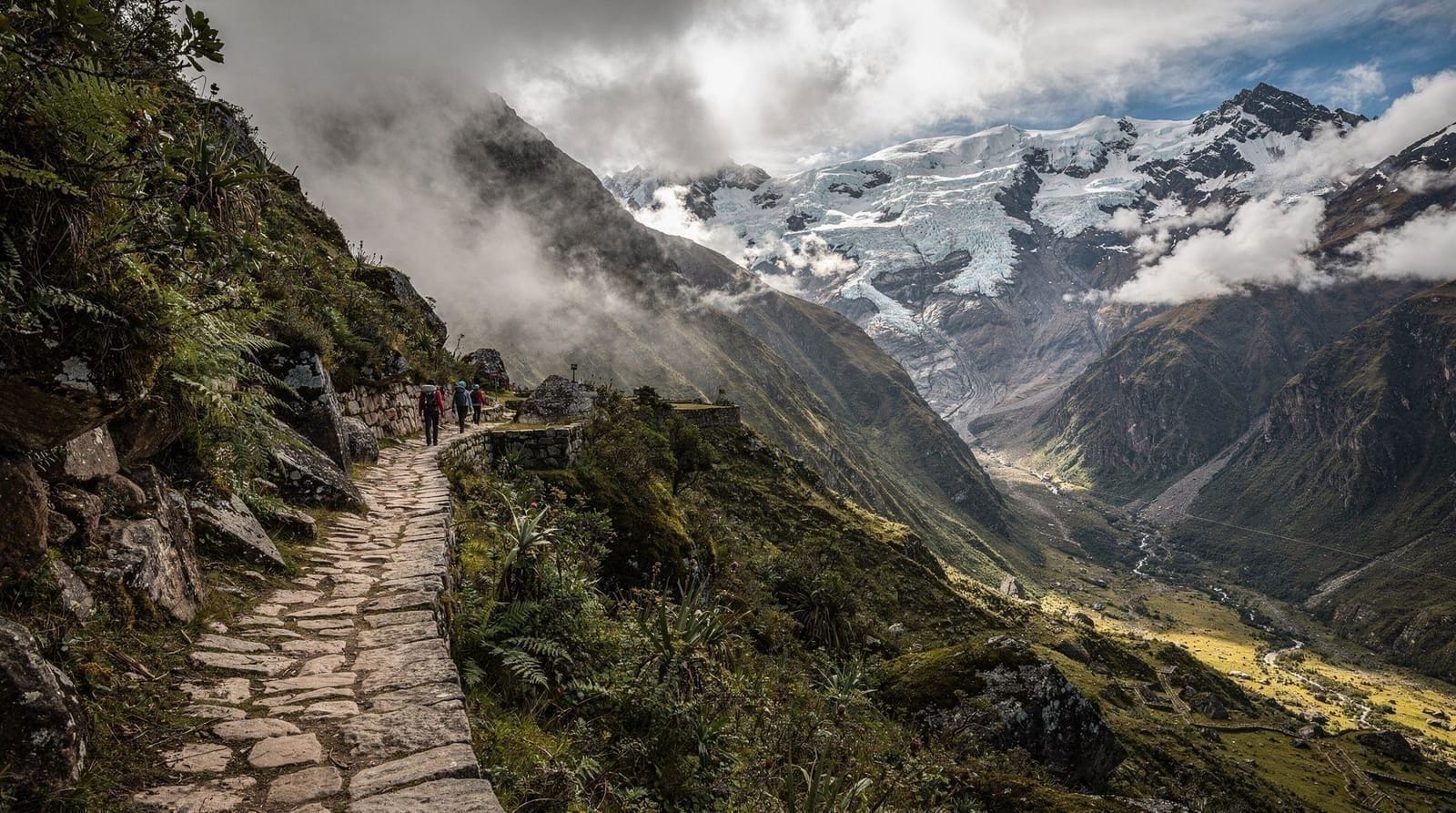
Then comes the descent, which is long and hard on the knees but takes you out of the high cold and into greenery. The transition over a single afternoon - from glaciated rock to the edge of the cloud forest - is one of the most extraordinary things about this route, and the main reason I’d recommend it over the Inca Trail to anyone who cares more about landscape than archaeology.
Day three: the long green descent
The longest walking day, but the easiest to enjoy. We dropped steadily into the Santa Teresa valley, the air thickening and warming, the vegetation exploding into ferns, orchids, and coffee plants. By afternoon I was in a t-shirt for the first time in days. We passed through a coffee-growing area where a family let us try their roast, and the contrast with the frozen pass twenty-four hours earlier felt unreal.
That night we camped near hot springs, which after three days of cold camps was close to a religious experience. A few soles for the entry and I sat in a warm pool in the dark, every muscle slowly forgiving me.
Day four: the easy day before the big one
Day four is the relaxed one. Some groups do an optional zipline (I skipped it), then it’s a walk along the railway tracks from the hydroelectric station into Aguas Calientes, the town below Machu Picchu. The track walk is flat, hot, and oddly meditative - jungle on both sides, the river beside you, the occasional train forcing everyone off the rails.
Aguas Calientes is a slightly mad little town that exists entirely to funnel people to Machu Picchu, with restaurant touts on every corner. After four nights of tents, a real bed and a hot shower felt like luxury, even in a basic hostel. We ate early and went to bed early, because the next morning was the reason we’d come.
Day five: Machu Picchu on foot
Up at 4am again - of course - to climb the steep stone path up to the citadel rather than pay for the bus. In hindsight the bus is worth it; the climb in the dark on already-trashed legs was a final gratuitous punishment. But arriving at the gate as the sun came over the ridge, after four days of walking to get there, hit completely differently than it would have off a train.
Machu Picchu under the morning mist, with the trek still aching in my legs, is an image I’ll keep forever. We did Circuit 2 with our guide explaining the site, then I climbed a little higher for the classic view. The Machu Picchu complete guide covers the practicalities of the site itself far better than I can in a diary.
If you’d rather lock in the trek with a vetted operator before you arrive, the five-day version is the standard:
5-day Salkantay trek to Machu PicchuAnd there’s a slightly shorter four-day route for tighter schedules:
Salkantay route and Machu Picchu 4-day tourThe five days, at a glance
For anyone weighing it up without reading the whole diary:
| Day | Distance/effort | Highlight | Night |
|---|---|---|---|
| 1 | Moderate, plus optional Humantay side trip | Turquoise glacial lake | Cold camp, Soraypampa |
| 2 | Hard, all-day climb and descent | Salkantay Pass, 4,630m | Warmer camp, lower valley |
| 3 | Long but easy | Cloud forest, coffee | Camp near hot springs |
| 4 | Easy, flat walk | Hydroelectric to Aguas Calientes | Real bed, hostel |
| 5 | Steep climb or bus | Machu Picchu at sunrise | Return to Cusco |
What I’d tell someone deciding between Salkantay and the Inca Trail
I get asked this constantly, so the short version: choose Salkantay if the landscape matters more to you than the archaeology, if you booked late and the Inca Trail permits are gone, or if budget matters - it runs roughly half the Inca Trail’s price. Choose the Inca Trail if you want to walk between ancient Inca sites the whole way and arrive through the Sun Gate, and if you book early enough to actually get a permit. Neither is easier; they’re hard in different ways, and the Inca Trail vs Salkantay comparison breaks down the physical demands of each properly.
Would I do it again?
Yes - but I’d train more, pack a warmer sleeping liner, and acclimatise even longer first. The Salkantay is hard, and the cold camps are real, but it earns Machu Picchu in a way the train never could. The Salkantay trek guide has the full practical brief, and the day-by-day itinerary maps it out if you’re weighing it up.
Five days, one frozen pass, one perfect lake, hot springs in the dark, and a citadel in the mist. Cheaper than the Inca Trail, harder than I expected, and worth all of it.