Cusco with kids: 6-day family itinerary
Cusco: Machu Picchu + Tourist Train + Entrance Ticket
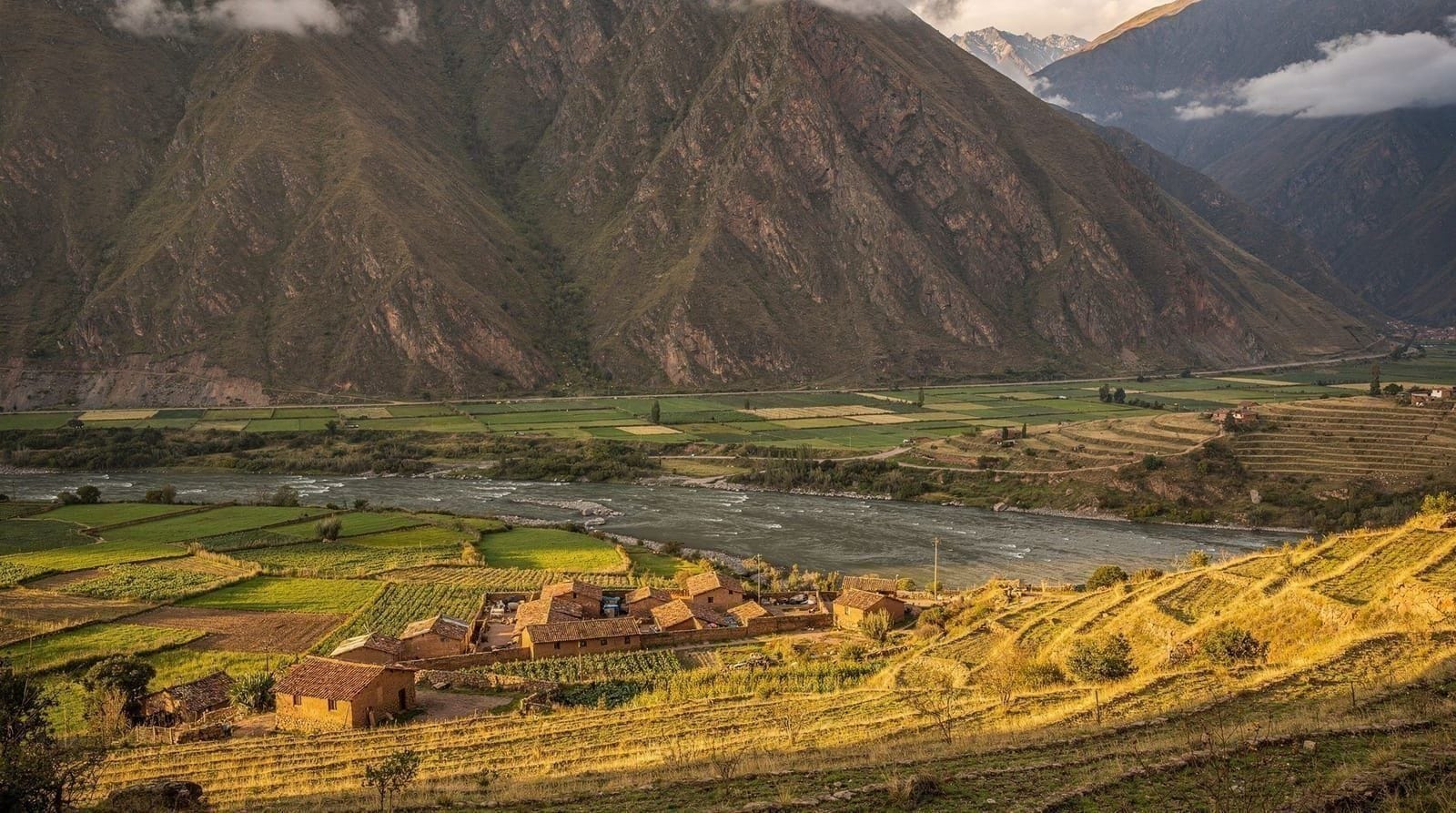
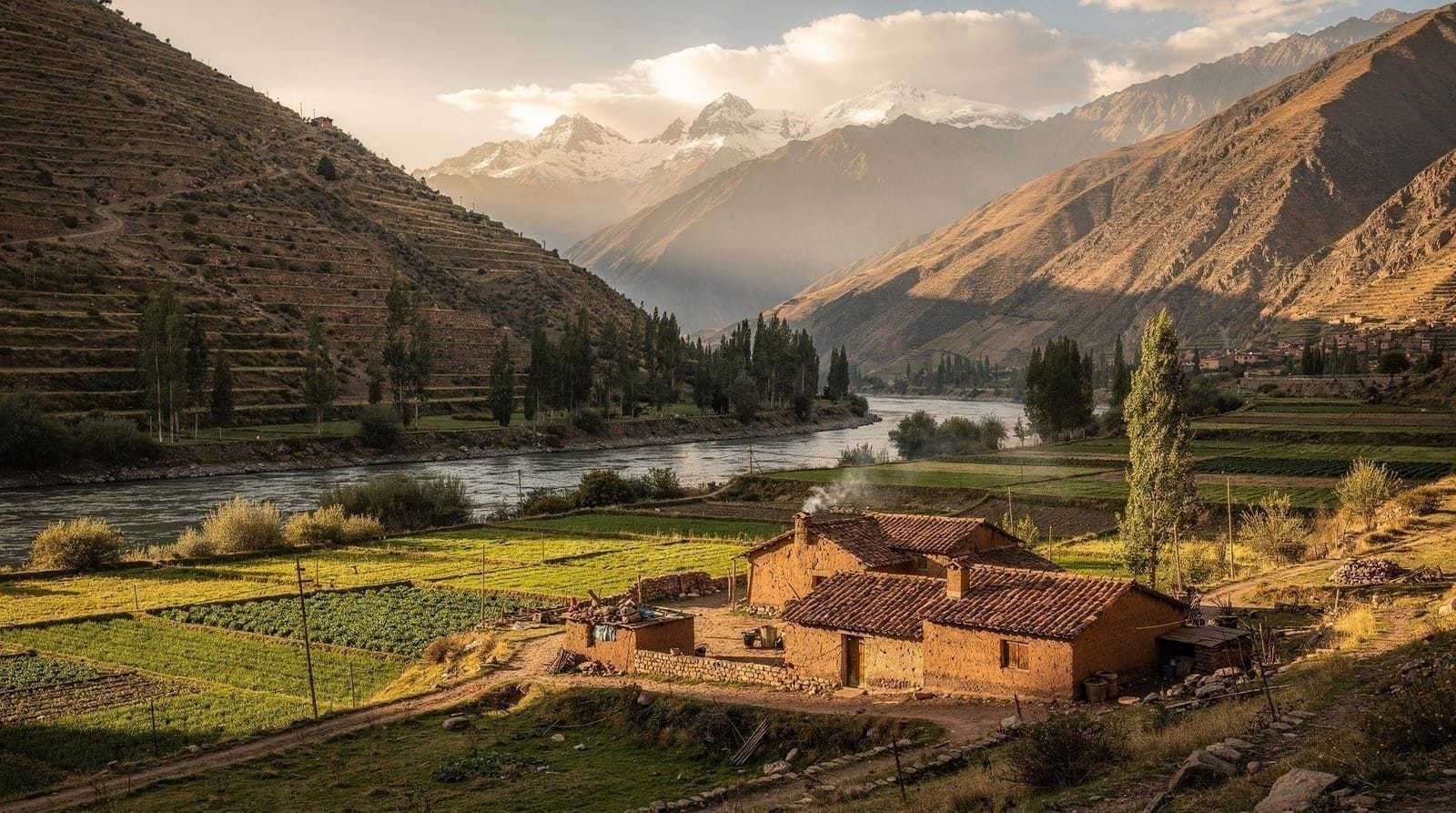
Cusco with children is wonderful and entirely doable — but the altitude changes how you plan. Cusco sits at 3,400 m, high enough to make kids tired, cranky, and breathless on day one, which is exactly when you do not want them at their worst. The trick this itinerary uses is to start in the lower Sacred Valley (around 2,800-2,900 m), where families acclimatise far more comfortably, then build up to Cusco and Machu Picchu over six relaxed days. Days are short, hikes are optional, and there is built-in downtime. Here is how to do it without a meltdown.
| Base first | Sacred Valley (Urubamba/Ollantaytambo), 2,800–2,900 m |
| Move up later | Cusco, 3,400 m, from day 5 |
| Cost per person | around USD 400–600 mid-range, excl. flights |
| Best time | Dry season (May–Sept) for easier walking and fewer rain delays |
| Book ahead | Machu Picchu circuit ticket and train, weeks ahead |
Quick answer: where should families base themselves in the Cusco area?
Base your first nights in the Sacred Valley towns of Urubamba or Ollantaytambo, not in Cusco. They sit 500-600 m lower than Cusco, which makes a real difference for children adjusting to altitude. You move up to Cusco only later in the trip, once everyone is acclimatised. The Cusco altitude vs Sacred Valley guide explains why this matters so much for families.
Altitude and kids: the honest version
Children feel altitude much like adults — headache, tiredness, poor appetite, broken sleep — but they are less able to tell you what is wrong. The safest approach is to descend to sleep: arriving at altitude and immediately going lower for the first nights dramatically reduces problems. That is why this itinerary lands you and gets you to the lower valley fast.
Keep the first two days very light, push fluids, and do not over-schedule. Coca tea is fine for adults; for children, plenty of water and rest do the job. Read Cusco with kids and the altitude sickness guide before you travel, and talk to your paediatrician about altitude in advance.
Day 1 — Arrive and go straight to the Sacred Valley
Fly into Cusco, but do not linger. Arrange a private transfer (around S/ 120-180 / USD 32-48 for a family van) straight down to the Sacred Valley, about 1.5 hours away. By the time you check in at Urubamba or Ollantaytambo, you are sleeping nearly 600 m lower than Cusco — a huge help for tired kids.
Spend the rest of the day doing almost nothing: a slow lunch, a wander around the hotel garden, an early night. The valley is greener, warmer, and gentler than Cusco. See the Sacred Valley complete guide and the Sacred Valley vs Cusco base comparison.
- Theme: arrive, descend, rest
- Sleeping altitude: ~2,800-2,900 m
- Win for kids: lower altitude, no hard activities
Most families fly into Cusco via a connecting flight through Lima — the Lima to Cusco flights guide is worth checking before you book, since morning departures carry less risk of the weather delays that hit later flights.
Day 2 — Easy Sacred Valley exploring
A gentle second day in the valley while everyone keeps acclimatising. Good low-effort options for families: the Maras salt mines, a hillside of thousands of white salt pans that kids find genuinely fascinating, and the circular Inca terraces of Moray. Both involve only short, flat walks. The Maras and Moray day trip guide has the details.
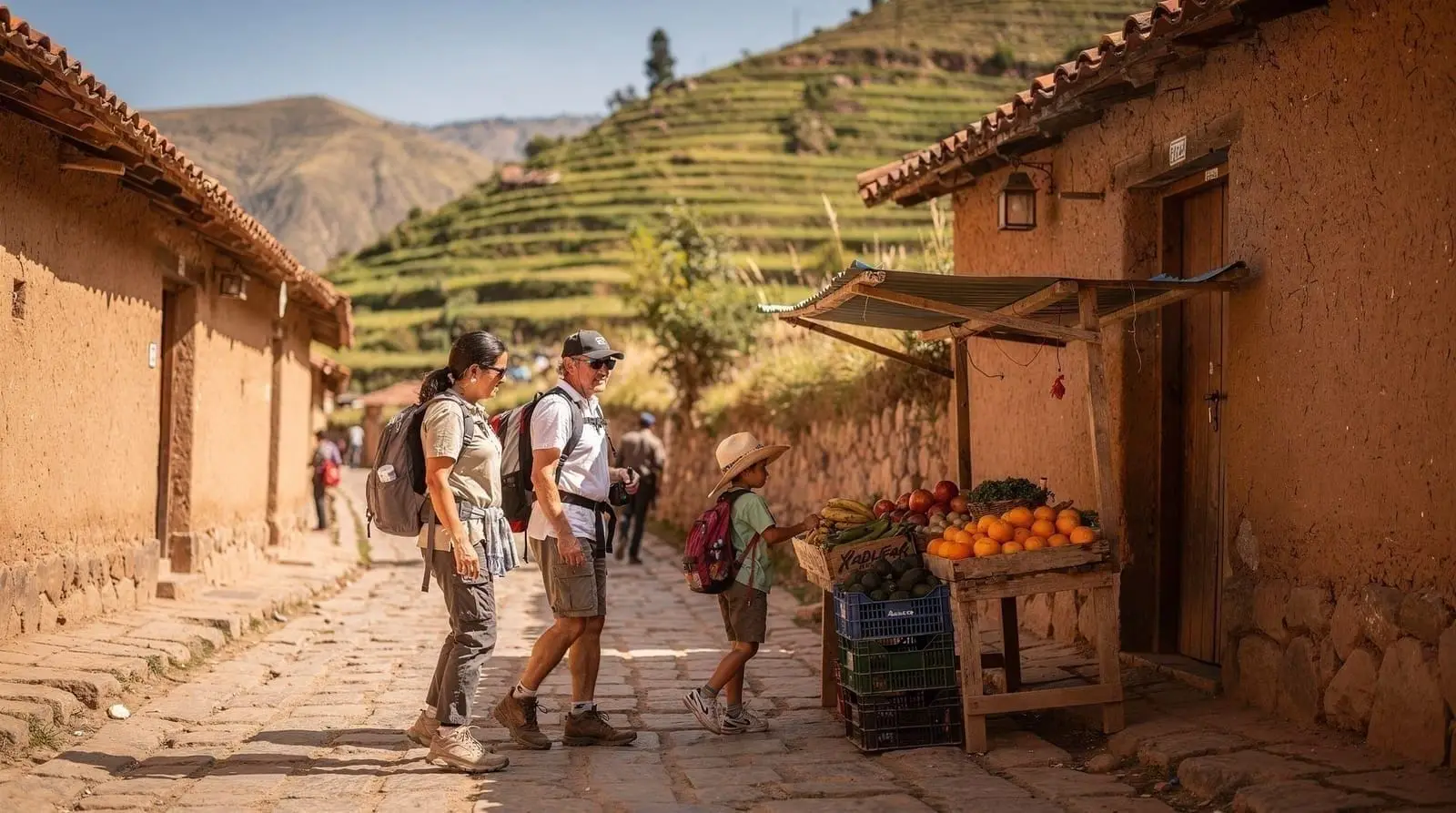
If your children like markets, time this for the Pisac market (busiest on Sundays, Tuesdays, and Thursdays) — colourful, full of textiles, and a fun place to let kids pick a souvenir. The Pisac market and ruins guide covers both.
Book a Sacred Valley tour with Maras and Moray- Walking: short and flat
- Highlight for kids: the salt pans at Maras
- Keep it: half a day, with afternoon downtime
Day 3 — Ollantaytambo and slow valley time
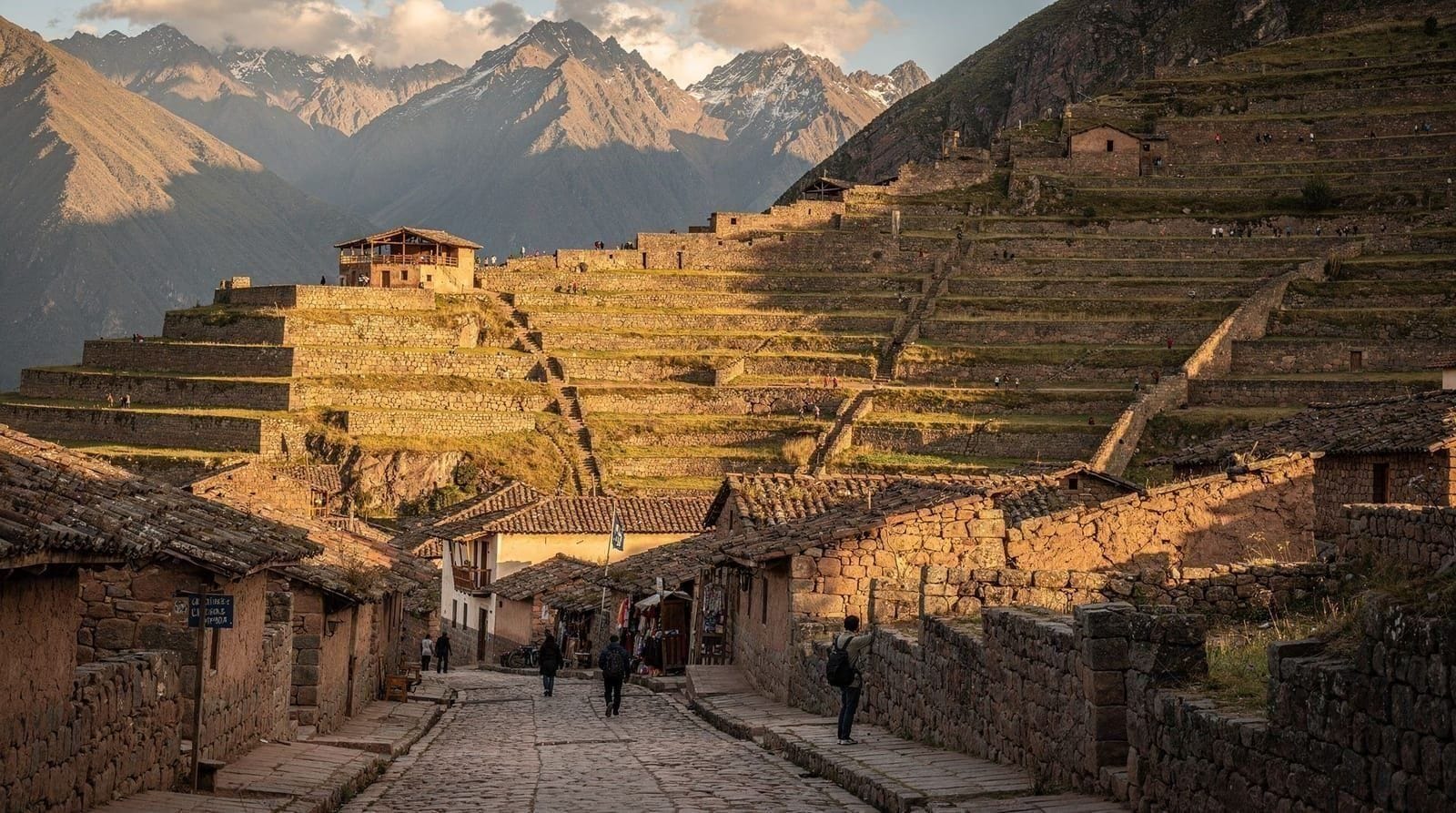
Spend day three around Ollantaytambo, the most charming valley town and still an inhabited Inca settlement with original streets and water channels. The fortress ruins involve a stair climb that older children enjoy; younger ones can stay at the base and explore the village. The Ollantaytambo village guide and Ollantaytambo ruins guide help you plan.
Keep the afternoon free. Many valley hotels have pools and gardens, which after three active mornings is exactly what families need. Tomorrow is the big day, so an early night helps. For an alternative low-key plan, see the one-day Sacred Valley itinerary.
- Theme: village, gentle ruins, rest
- Tip: stay in Ollantaytambo tonight — the train to Machu Picchu leaves from here
Day 4 — Machu Picchu by train (the easy way)
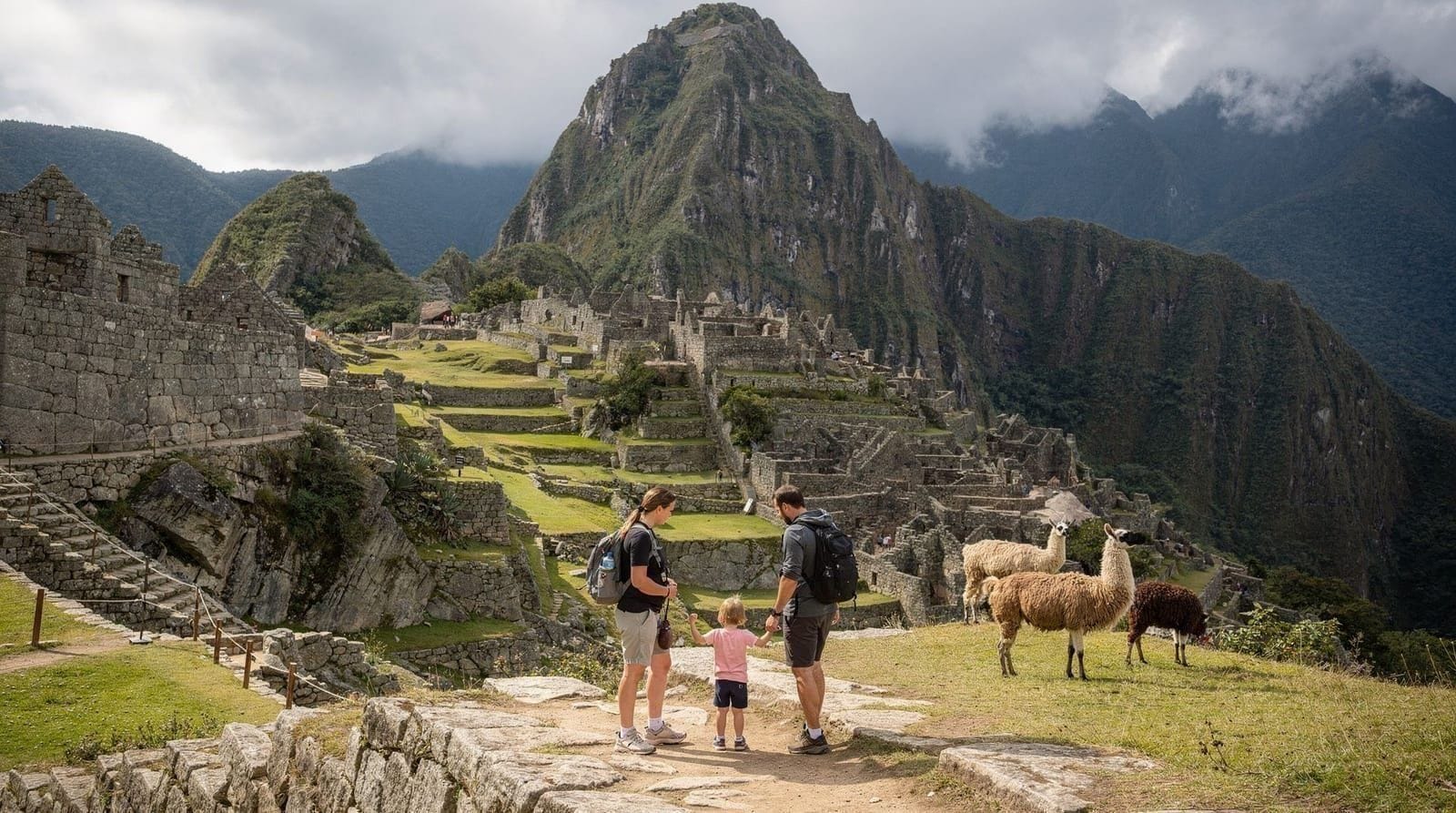
For families, take the train to Machu Picchu rather than any trek. Ollantaytambo is the main train station, so basing here on day three pays off. The journey to Aguas Calientes takes about 1.5-2 hours and the scenery along the Urubamba keeps kids glued to the window. From Aguas Calientes, the shuttle bus (about USD 12 each way) carries you up the switchbacks to the entrance — no climbing required.
At Machu Picchu, hire a guide and follow a shorter, flatter circuit; the Machu Picchu circuits compared guide flags which routes have the least stairs. Two to three hours is plenty for children. The Machu Picchu with kids guide is the essential read for this day — it covers stroller realities, snacks, toilets, and pacing.
You can do this as a long day trip back to the valley, or — gentler for families — sleep in Aguas Calientes and return the next morning. This itinerary assumes you return to the valley or Cusco the same evening; if your kids are young, build in the overnight instead.
Book the Machu Picchu day trip by train- Travel: scenic train, then shuttle bus (no hiking needed)
- At the site: 2-3 hours, flatter circuit
- Family tip: pack snacks, sun hats, and rain layers
Day 5 — Move up to Cusco, gently
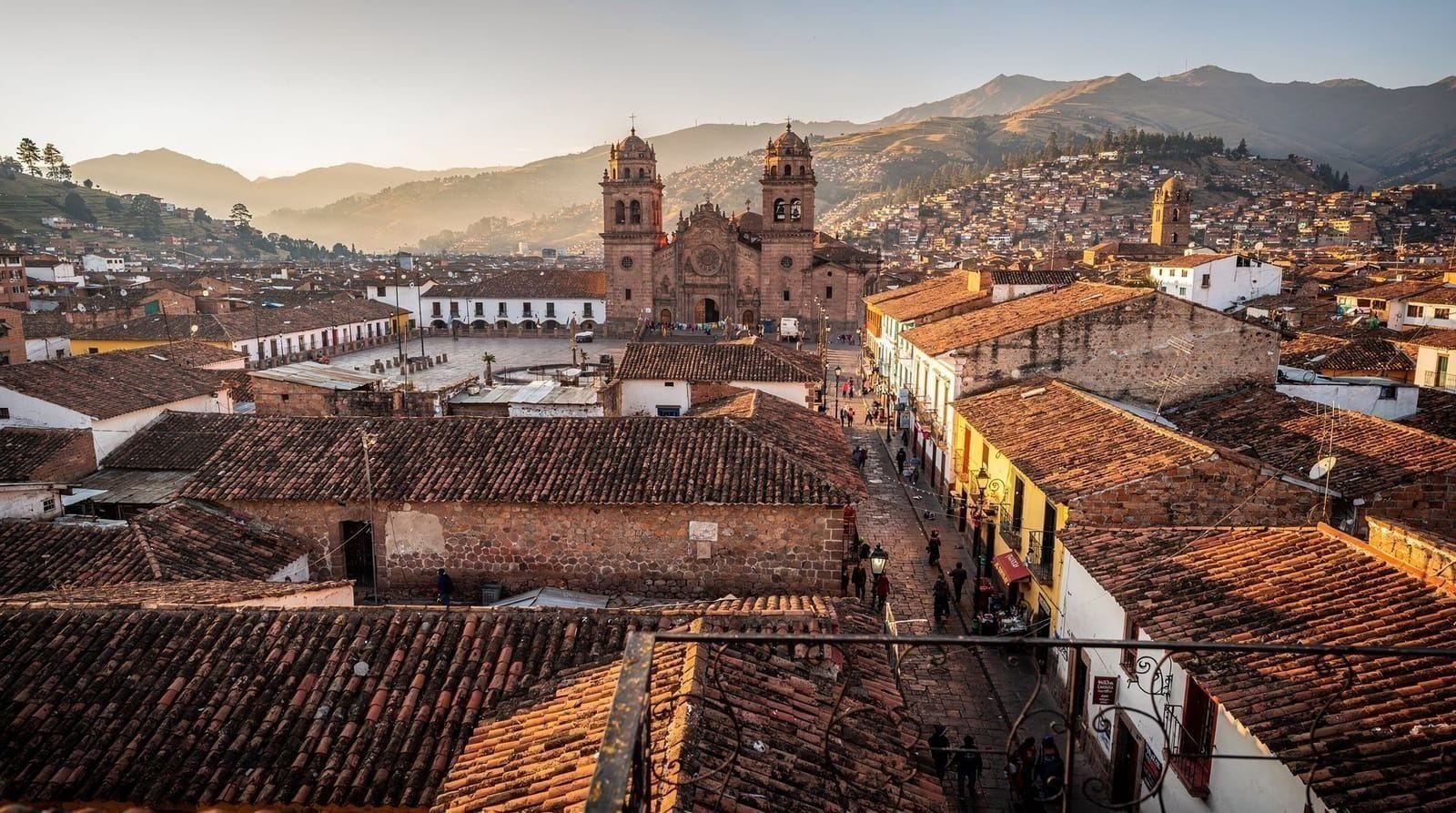
Now that everyone is well acclimatised, transfer up to Cusco itself. Take it easy on arrival at the higher altitude. A relaxed afternoon in the historic centre works well: the Plaza de Armas, the artisan lanes of San Blas, and a chocolate-museum or churro stop to keep kids happy. The Cusco archaeological sites guide helps you pick one or two highlights rather than overdoing it.
Keep the day short. Even acclimatised, the jump back up to 3,400 m can make children tired again, so do not pack the afternoon.
- Theme: move up, light city time
- Sleeping altitude: ~3,400 m
- Family win: chocolate, markets, and people-watching
Day 6 — Cusco highlights and Sacsayhuamán
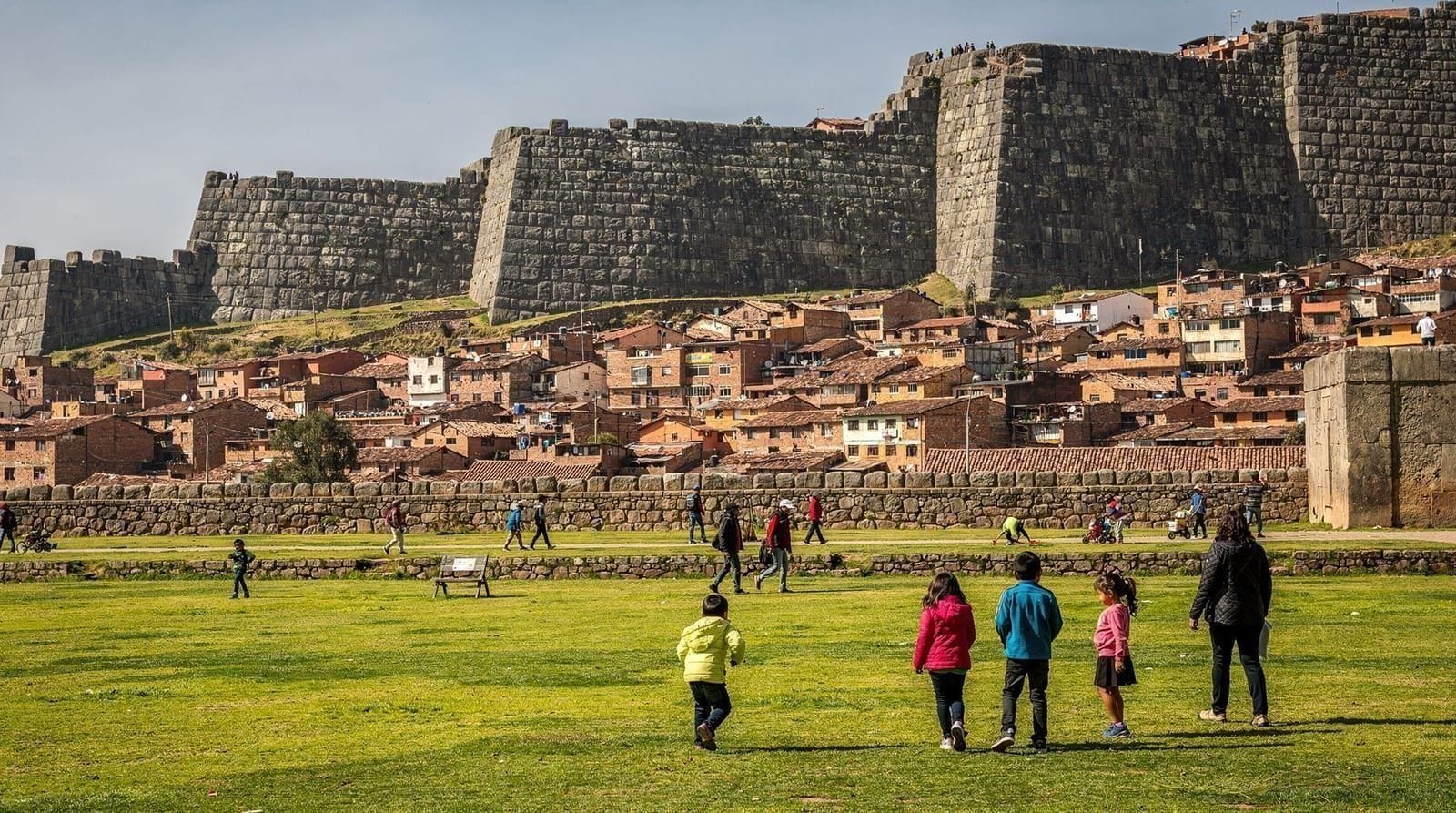
A final relaxed day in Cusco. The ruins of Sacsayhuamán just above the city are a family favourite — enormous Inca stones, open grassy areas to run around, and llamas grazing. It is a short uphill walk or a quick taxi. The Sacsayhuamán guide and the San Pedro Market food guide (a fun, low-cost lunch among the stalls) round out the day.
If you have energy left and the timing works, the family-friendly day trips from Cusco guide lists easy options. Otherwise, end with a slow afternoon and pack for departure.
- Theme: easy Cusco finale
- Highlight for kids: the giant stones and llamas at Sacsayhuamán
- Keep it: gentle, with time to rest before your flight
Sacred Valley vs Cusco base, for families
| Sacred Valley (days 1–4) | Cusco (days 5–6) | |
|---|---|---|
| Altitude | 2,800–2,900 m | 3,400 m |
| Pace | Slow, short flat walks | Slightly busier, still gentle |
| Good for | First acclimatization, pools/gardens | Culture, markets, final highlights |
| Kid-friendly draw | Maras salt pans, Ollantaytambo streets | Sacsayhuamán llamas, chocolate stops |
What to pack for a family trip at altitude
Layers matter more than any single “right” jacket: mornings are cold across the whole region, and midday sun is strong even when the air feels cool. Bring warm layers, a light rain shell, sun hats, high-SPF sunscreen, and comfortable closed shoes for uneven cobbles and ruins. Pack a small first-aid kit with children’s paracetamol and rehydration salts, and bring reusable water bottles rather than relying on buying enough bottled water each day. The what to pack for Cusco guide has the fuller list.
Practical family tips for the Cusco region
Bring layers — mornings are cold, midday sun is strong. Sunscreen and hats are non-negotiable at this altitude. Pack familiar snacks; kids can be fussy when tired. Build in pool or hotel time every day rather than racing between sights. And do not over-plan: a relaxed family trip beats an ambitious one that ends in exhaustion. The Cusco with kids guide has more on food, safety, and what to skip.
Frequently asked questions about Cusco with kids
Is the Cusco altitude safe for children?
For most healthy children, yes, with sensible precautions: descend to sleep in the lower Sacred Valley first, keep early days light, push fluids, and watch for persistent headache or vomiting. Discuss altitude with your paediatrician before the trip, especially for very young children.
Can toddlers visit Machu Picchu?
Yes, but the site is steep and uneven, and strollers are awkward on the circuits. A baby carrier works far better. Keep the visit short and follow a flatter circuit. The Machu Picchu with kids guide covers the realities.
Should we stay in Cusco or the Sacred Valley with kids?
The Sacred Valley for the first nights, because it is lower and gentler on altitude, then Cusco later once everyone is adjusted. This itinerary is built around exactly that order.
What’s the best way to get kids to Machu Picchu?
The train from Ollantaytambo plus the shuttle bus up to the site — no trekking, comfortable, and scenic. Treks are not suitable for young children.
How do we handle altitude sickness in a child?
Keep them hydrated and rested; mild headache and tiredness usually pass. If symptoms worsen — repeated vomiting, severe headache, confusion, breathlessness at rest — descend to lower altitude and seek medical help. The altitude sickness guide explains the warning signs.
Is six days enough for a family?
Yes. Six days lets you acclimatise slowly, see the Sacred Valley and Machu Picchu, and enjoy Cusco without rushing — the unhurried pace is exactly what makes it work with children.
What if one child gets altitude symptoms and the others are fine?
It happens — children react differently even within the same family. Keep the affected child resting and hydrated, delay any planned activity for them specifically rather than pushing through, and watch closely for the warning signs in the altitude sickness guide. If symptoms worsen rather than settle within a day, seek medical advice; do not continue moving to higher altitude.
Should we book Rainbow Mountain with young kids on this trip?
No — this itinerary deliberately leaves it out. Rainbow Mountain’s altitude (around 5,000 m) and long early-morning drive are hard even for fit adults and are not recommended for young children. If older kids want a taste of a “rainbow mountain,” the gentler Palccoyo day trip is a better fit on a longer trip, but it does not feature in this six-day family plan.
Top experiences
Bookable activities with verified prices and instant confirmation on GetYourGuide.