First time in Cusco: what I wish someone had told me on day one
I flew into Cusco at 3,400 metres and immediately did everything wrong
My first afternoon in Cusco I walked up to Sacsayhuamán, climbed back down, ate a big lunch, had a celebratory beer and felt fantastic. By 9pm I had a headache like a vice, couldn’t sleep, and spent a fairly grim night wondering if I’d made a terrible mistake coming somewhere this high. I hadn’t — but I’d done the first day about as wrong as it’s possible to do it, and the whole thing was avoidable.
This is the post I wish I’d read before I went. Not a polished guide — just the stuff that actually tripped me up as a first-timer, in roughly the order it tripped me up.
| Altitude | Around 3,400m (11,150ft) — hits hardest in the first 24–48 hours |
| Airport taxi (fair price) | Around S/15–20 (USD 4–5.50) to the historic centre |
| Minimum stay | 4 nights, ideally 5 with the Sacred Valley |
| First-day rule | Nothing strenuous — water, light food, no alcohol |
| Cash or card | Mostly cash — small notes, frequent ATM trips |
The altitude is the whole game on arrival
Cusco sits at around 3,400 metres (11,150 feet). If you fly in from Lima at sea level, as most people do, you go from beach to serious altitude in about ninety minutes. Your body has not been consulted about this. Mild altitude sickness — headache, breathlessness, a bit of nausea, terrible sleep — is common and not a sign anything’s wrong; it’s just the adjustment.
What I got catastrophically wrong was treating day one like a normal travel day. The single best thing you can do is almost nothing. Land, check in, walk slowly, drink a lot of water, eat light, skip the alcohol, and let your body catch up. I did the opposite of every one of those. The Cusco acclimatization plan lays out a sensible first-48-hours schedule, and I’d genuinely read it before you go rather than after, like I did.
A real, slightly counterintuitive tip: some people fly into Cusco and head straight down to the Sacred Valley, which sits several hundred metres lower, to sleep their first night or two before coming back up to the city. If I did it again I’d consider that. The Cusco altitude vs Sacred Valley guide explains why it can make the adjustment gentler.
The coca tea thing is real, but it’s not magic
Every guesthouse in Cusco has a pot of coca tea going in the lobby, and people press it on you the moment you arrive. It does seem to help — mildly — with the altitude, and it’s a pleasant grassy drink, so I leaned on it. Just don’t expect a miracle. It takes the edge off; it doesn’t replace acclimatising properly. Chewing the leaves does roughly the same, slightly stronger.
One honest warning: coca shows up on some drug tests and is illegal to bring back into a lot of countries, so enjoy it locally and leave it there. The coca tea and altitude remedies guide covers what actually helps versus what’s placebo, and the altitude sickness Cusco guide covers the medication side, which is worth understanding before you need it at 2am.
The airport will try to overcharge you, calmly say no
Walking out of Cusco’s airport you’ll be met by a wall of taxi drivers quoting wildly inflated fares — I got quoted S/40 (about USD 11) for a ride that should cost a fraction of that. This isn’t aggressive, exactly, it’s just the standard arrival hustle, and a polite, firm “no, gracias” while you walk to the official taxi stand or order through an app sorts it out.
A ride into the historic centre from the airport should be around S/15–20 (USD 4–5.50). I overpaid on arrival because I was tired and altitude-headachy and didn’t have my bearings, which is exactly when you’re easiest to overcharge. The Cusco airport guide and the Cusco taxi and money tips cover the going rates so you can quote them back.
You will be approached constantly, and most of it is fine
Within ten minutes of reaching the Plaza de Armas I’d been offered a massage, a painting, a hat, a tour, a restaurant and a shoeshine. As a first-timer this felt overwhelming and I got a bit defensive about it. By day three I’d relaxed — a friendly “no, gracias” with a smile is all it takes, and most of the sellers move on cheerfully. It’s not hostile, it’s just the rhythm of a tourist town. Don’t let the constant approaches sour your first impression of what is genuinely a lovely city.
The thing to actually watch for isn’t the harmless street sellers, it’s the people selling tours, train tickets and Machu Picchu entries on the street, some of which are scams or wildly marked up. Buy that stuff from a real agency or the official offices. The Cusco tourist traps guide is worth a read on this.
How many days you actually need
I’d budgeted three nights for Cusco and it was not enough, mostly because I lost most of the first day and a half to feeling rough. If you’re flying in cold and doing Machu Picchu and a couple of day trips, give it more room than you think — the altitude eats into your first 48 hours whether you like it or not. The how many days in Cusco guide breaks down realistic timings; my honest minimum after doing it badly would be four nights, ideally five if you want the Sacred Valley properly.
Money, cards and the small stuff that catches first-timers
A few practical things tripped me up that nobody had flagged. Cusco runs on cash far more than card — plenty of markets, small restaurants, taxis and even some tour agencies want soles in hand, so I ended up making more ATM trips than expected. Carry small notes, because nobody ever has change for a S/100 note and you’ll watch them disappear into a back room to find it.
The ATMs themselves charge fees and some have low withdrawal limits, so I pulled out larger amounts less often once I worked that out. And keep a stash of coins and small notes specifically for tips, taxis and market bargaining — being able to pay close to the right amount saves the awkward “no change” dance. The Cusco taxi and money tips guide is genuinely useful here, and I wish I’d read it before arriving rather than after my third confusing ATM visit.
What’s actually walkable on a first visit
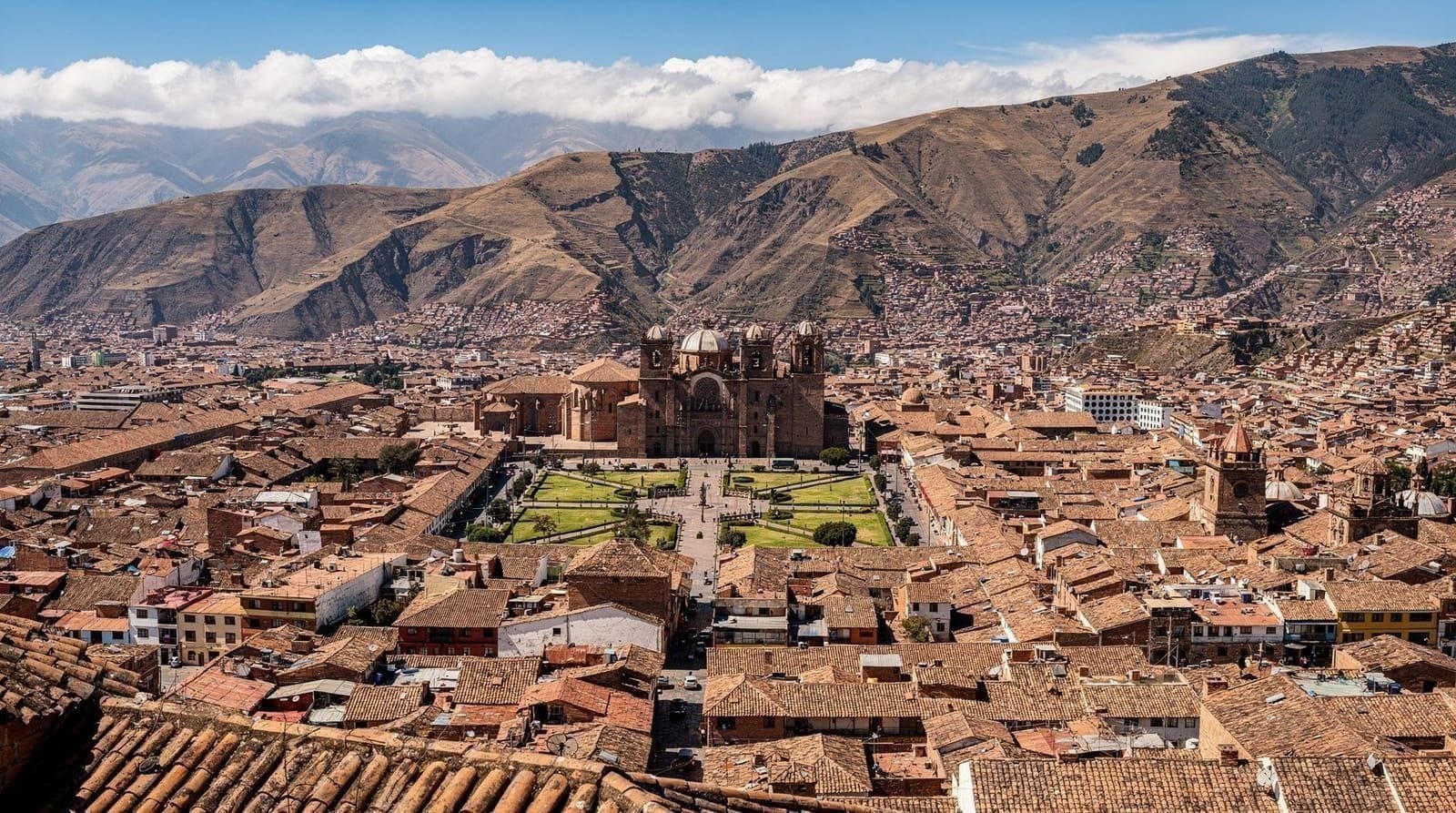
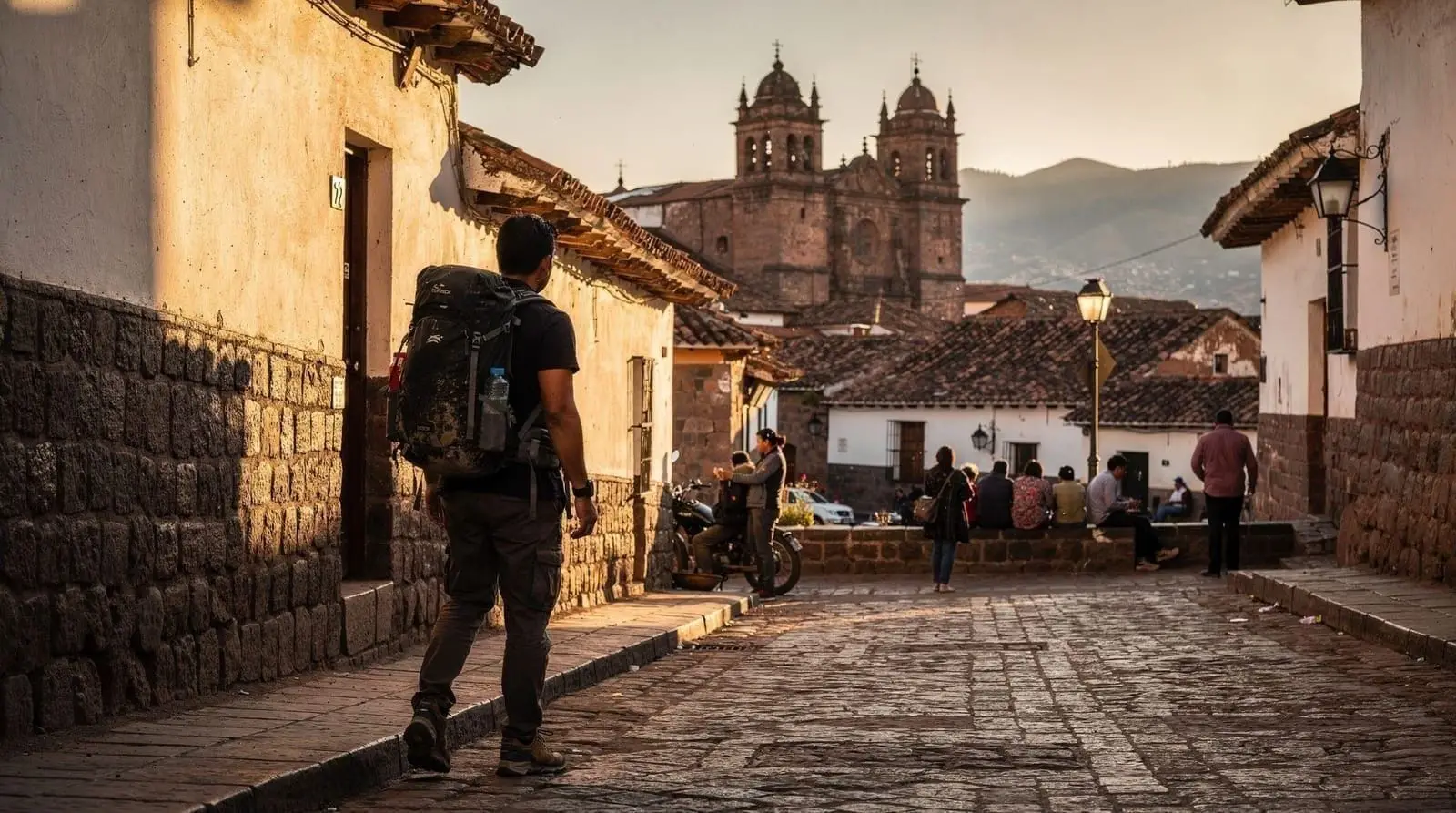
One pleasant surprise: the historic core of Cusco is compact and walkable, altitude permitting. From the Plaza de Armas you can reach the cathedral, Qorikancha, the San Blas quarter and San Pedro Market all on foot, slowly. The catch is that “slowly” is the operative word in the first couple of days — the climbs between them that would be nothing at sea level leave you puffing at 3,400 metres.
I learned to plan walking routes that didn’t involve too many uphill stretches early on, and to take the gentle downhill direction where I could. The historic centre of Cusco packs an enormous amount into a small, beautiful area, which is part of what makes the city so rewarding once your lungs cooperate.
What I’d do on a do-over first day
Land, take an official taxi at the right price, check in, and then genuinely take it easy. Drink water, have coca tea, eat a light lunch, and do nothing more strenuous than a slow wander around the immediate streets and maybe an early dinner. Save Sacsayhuamán and the city tour for day two, when your legs and lungs have caught up. If you want one gentle, organised thing once you’re feeling human, a half-day city tour is a good low-effort way to get oriented without overexerting.
Cusco half-day city tourThe bit nobody tells you: it’s worth the rough start
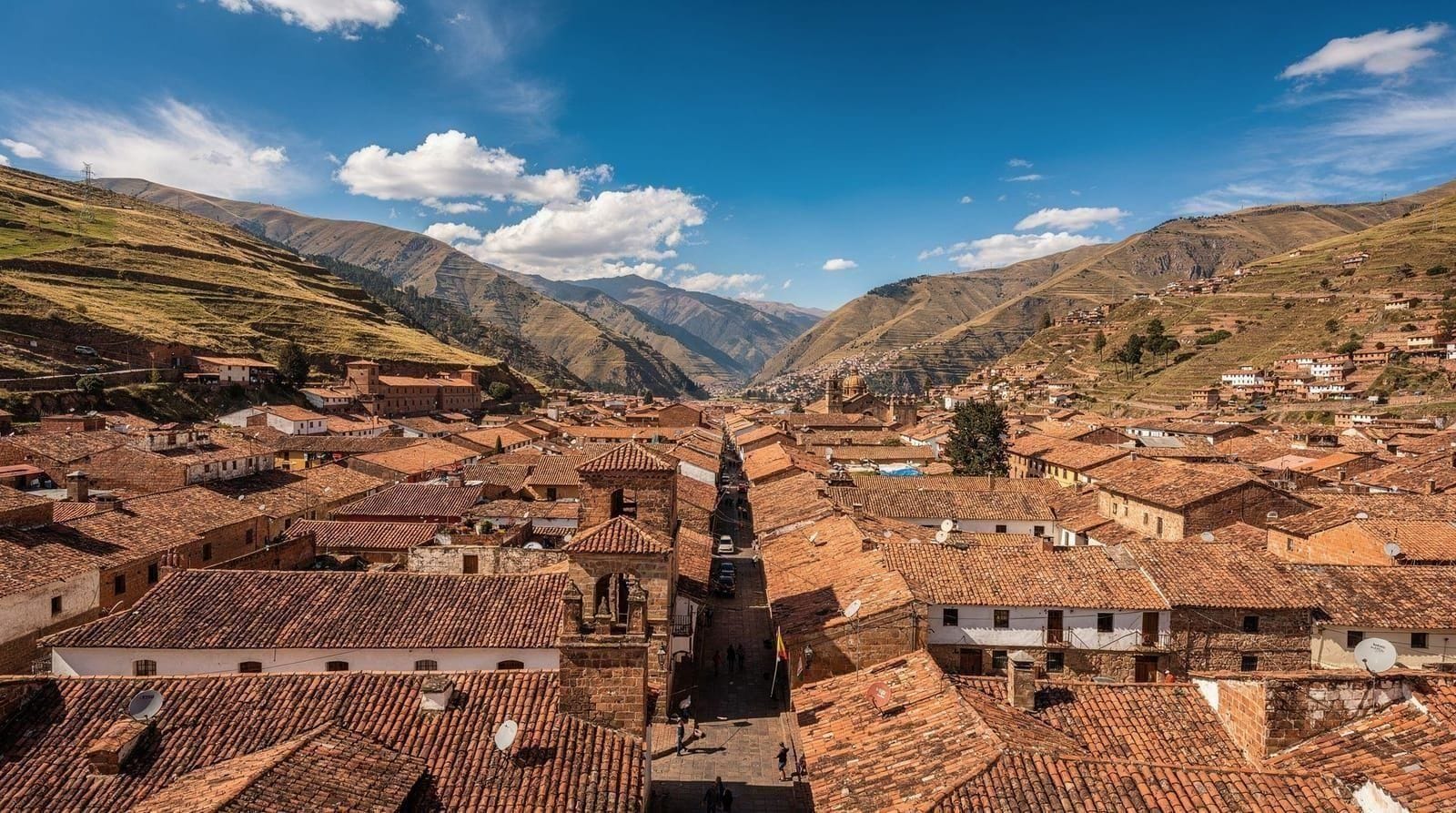
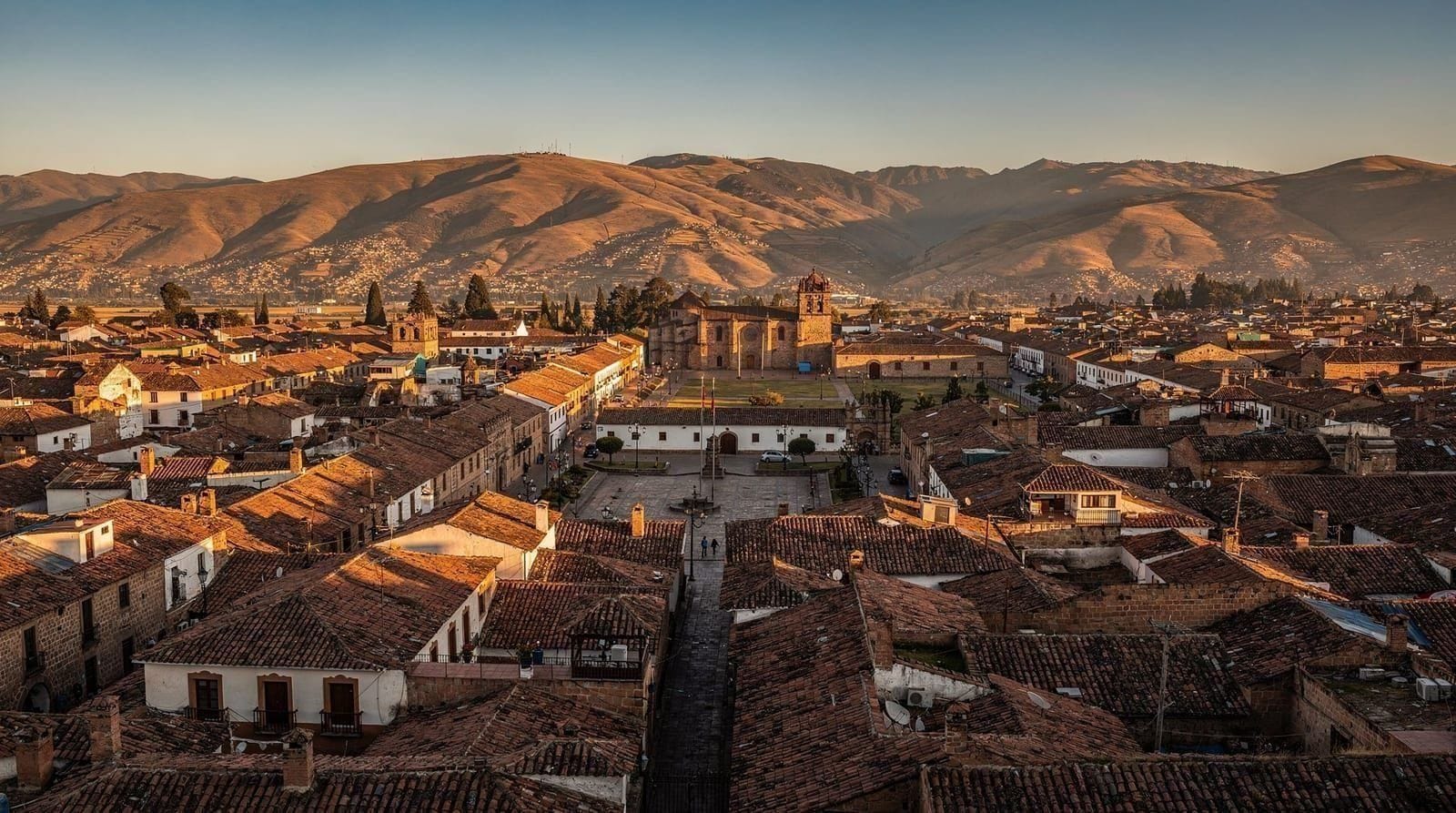
Here’s the thing. Despite the headache, the overpaying, the wide-eyed first-day chaos, by day three Cusco had completely won me over. The light on the red-tiled roofs in the late afternoon, the way the old Inca stonework holds up the colonial buildings, the food, the sheer density of history packed into walkable streets — it’s a special place and the rough landing fades fast.
Choosing where to stay as a first-timer
One decision that affected my whole trip was where I based myself. Cusco’s neighbourhoods feel quite different. The streets right on the Plaza de Armas are central and convenient but noisy and pricier, and the constant tour and restaurant touting is most intense there. San Blas, up the hill, is prettier and quieter but those charming cobbled lanes are a steep, lung-testing climb when you’re not acclimatised — something I underestimated on arrival, hauling a bag uphill while gasping.
If I did it again as a first-timer I’d pick somewhere a few minutes off the main square — central enough to walk everywhere, calmer than the plaza itself, and ideally not at the top of the steepest hill in town for those first altitude-addled days. The San Blas page gives a sense of the quarter; lovely to visit, a workout to stay in. A guided walk through those San Blas lanes on a calmer day, once you’re acclimatised, is one of the nicest slow mornings in the city.
Guided San Blas walking tour| Neighbourhood | Vibe | Best for | Watch out for |
|---|---|---|---|
| Plaza de Armas | Central, lively, touristy | First-timers who want everything on foot | Noise, touting, higher prices |
| San Blas | Artsy, quiet, cobbled | Longer stays, photographers | Steep climbs, brutal on day one |
| A few blocks off-square | Calmer, still walkable | Most first-timers, honestly | Slightly less “postcard” |
What I’d actually plan differently around food and pace
Looking back, the other first-day mistake was eating like I was still at sea level — a big lunch, a beer, no regard for how much harder my body was working just to digest at altitude. Light, frequent meals sit better for the first 48 hours than the big traditional lunch I was used to. Once acclimatised, Cusco’s food scene is genuinely one of the best reasons to linger — the best restaurants in Cusco guide is worth bookmarking for once you’re feeling human again, and the Peruvian food guide helped me understand what I was ordering instead of pointing blindly at a menu.
I’d also plan around the practical stuff earlier than I did. Packing right for the temperature swings (baking midday sun, cold nights) would have saved me a chilly first evening — the what to pack for Cusco list is the one I now send to friends before they go. And if you’re travelling with kids or as a slower-paced group, Cusco with kids and the family-friendly day trips from Cusco guide both plan around the same altitude reality this post is built on.
Don’t over-plan the first 48 hours
My biggest planning mistake was cramming. I’d filled my first two days with activities because I was excited and didn’t want to “waste” expensive trip time. But the altitude means those first 48 hours are exactly when you should under-plan, leaving room to feel rough, nap, and acclimatise. The trips that go well almost always have a soft landing built in.
So leave the Machu Picchu day, the Rainbow Mountain trip and the long Sacred Valley days for later in your stay once you’ve adjusted, and treat your first two days as gentle orientation. The how many days in Cusco guide helps you budget enough total time that you can afford to go slow at the start without missing the big stuff.
So if your first day goes sideways like mine did, don’t panic and don’t write the trip off. Drink water, sleep it off, go gently, and give the city a proper chance. Mine started with a vice-grip headache and ended with me trying to work out how to stay longer.