Máncora complete guide
Máncora: Whale Watching Tour
Is Máncora worth visiting?
Yes, if you build it into a longer Peru trip. Máncora has the country's warmest swimming water, reliable surf, July–October whale watching, and turtle snorkelling at El Ñuro. The catch is distance: it is 1,170 km north of Lima and not a casual add-on to a Cusco itinerary.
Why Peru’s beach reputation changes at the equator
Peru does not sell itself as a beach country, and along most of its 2,400 km coastline that is fair. The Humboldt Current pushes cold water up from the Antarctic, so Lima’s beaches sit at 16–18°C in winter and the coast from the capital northwards is desert all the way to Piura. Then, roughly 600 km north of Lima, the Humboldt’s grip weakens, water temperatures climb into the mid-to-high 20s, and the light turns properly tropical. Máncora sits in that transition zone at 4° south of the equator, which makes it the only place in Peru where warm-water swimming is genuinely pleasant for most of the year.
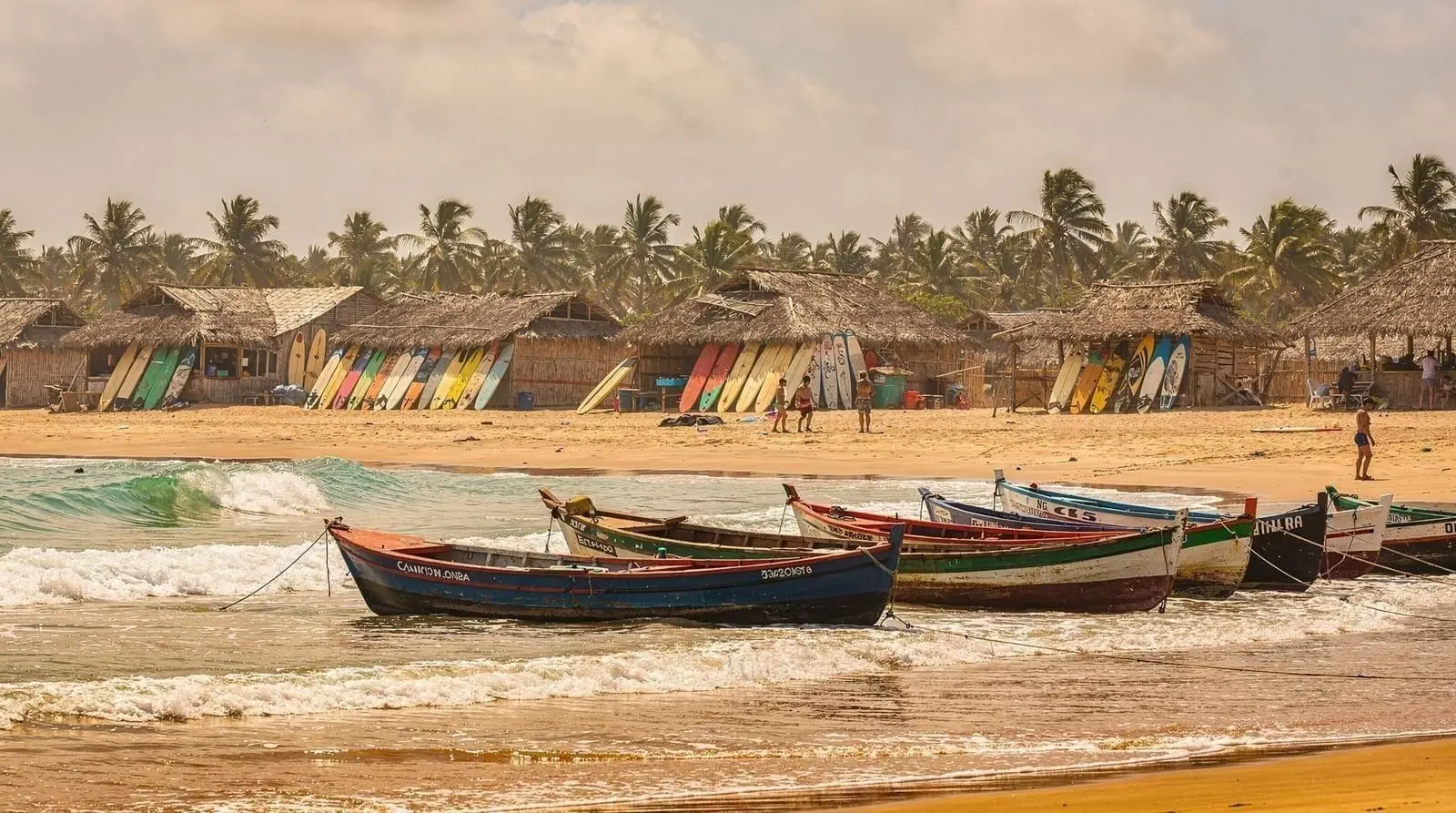
The town itself is unremarkable to look at: a single commercial strip of restaurants, surf shops, hostels and tour agencies running parallel to a four-kilometre arc of sandy beach. Nobody comes for architecture. They come for the combination of dependable surf, warm water, excellent marine wildlife just offshore, and an easy social atmosphere that has kept Máncora on the South American backpacker circuit since the early 2000s. This guide covers what is actually worth your time, what the real costs are, and how to fit Máncora into a Peru trip without wasting days on logistics.
| Where | Far north coast, 1,170 km / about 16-18hrs bus from Lima |
| Cost | around S/90-450/day depending on style |
| Time needed | 2-3 days minimum, a week for surfers |
| Getting there | Fly Lima-Piura + shared taxi, or overnight bus |
| Best time | Dec-Apr for beach, Jul-Oct for whales |
Getting to Máncora: the honest distance problem
There is no way around it — Máncora is far. Lima to Máncora is 1,170 km and there is no direct flight to the town itself. Plan your arrival before you plan anything else.
Direct bus from Lima. Cruz del Sur and Oltursa run overnight services from Lima’s Javier Prado terminal straight to Máncora. Journey time is 16–18 hours; a reclining cama seat costs S/120–200 (USD 32–54). It is survivable and saves a night’s accommodation, but it eats a full overnight plus part of the next day.
Fly to Piura or Tumbes, then transfer. The faster route is to fly Lima–Piura (55 minutes, from S/150–250 booked ahead) then take a shared taxi north (1.5 hours, S/30–45). Alternatively fly Lima–Tumbes (1h 10min, from S/180–280) and transfer south by colectivo (1 hour, S/20–30). LATAM, Sky and JetSMART all serve Piura; Tumbes has fewer daily flights.
Overland from the north coast. Chiclayo to Máncora is 3.5–4 hours by bus (S/30–50); Trujillo is about 6 hours. Either works as part of a northern Peru route starting in the south and working up.
The takeaway: Máncora is not a weekend add-on to a seven-day Cusco trip. If you want both, budget an extra travel day each way and fly to Piura rather than bussing from Lima. For the full overland picture, the Peru bus travel guide covers operators, seat classes and overnight safety.
The beach and the surf
Máncora’s main beach is a wide crescent of pale sand with a consistent shore break. The wave is a right-hander that works best at low tide on a small-to-medium south swell — ideal for intermediate and learning surfers, less interesting for experts chasing performance. Warm water (24–28°C most of the year, dipping to 22–24°C in June–September) means wetsuits are optional; a rash vest covers most visitors, with a 2 mm spring suit a comfort in the cooler months.
Surf shops on the main strip rent boards by the hour (S/30–50 / USD 8–14) or day (S/80–120), and beginner lessons run S/80–120 for a 90-minute session including the board. Mornings give the cleanest waves before the onshore wind builds; by midday the beach is swimming-friendly for everyone. The full breakdown of breaks, lessons and nearby spots is in the Máncora surfing guide.
A word of honest caution: the shore break can dump hard at certain tides and there are rip currents. Swim where other people are swimming, not at the empty ends of the beach, and keep an eye on children.
Whale watching, July to October
Between July and October, humpback whales pass through the far northern Peruvian coast on their way to breeding grounds near the equator. Máncora is one of very few places in Peru where boat-based whale watching is practical and regularly successful. Tours leave the pier in the morning, run 3–4 hours, and cover ocean 10–20 km offshore. Boats are small fibreglass speedboats or modest yachts carrying 6–12 passengers, and the cost is S/80–150 (USD 21–40) per person.
Sightings are not guaranteed — this is wildlife, not a show — but operators report regular surface behaviour through the peak of August and September. The crucial point is the season: outside July to October, legitimate sightings are rare to non-existent, regardless of what an over-keen agency tells you. If whales are a priority, time your visit accordingly and read the whale watching guide before booking.
Máncora: Whale Watching TourSwimming with turtles at El Ñuro
Six kilometres south of Máncora, the small bay of El Ñuro has become one of the most reliable places in South America to swim with wild green sea turtles. They congregate near the old wooden pier, feeding on algae and fish scraps in clear, shallow water (2–6 m). Because the bay is protected and the turtles are unharmed, they are habituated to people and swim alongside snorkellers at close range.
A shared taxi from Máncora costs S/10–15 (15 minutes) and the beach is free to enter; snorkel gear rents locally for S/10–20. Half-day tours with transport, guide and equipment run S/50–80 (USD 14–21). The turtles are present year-round, with calm-water mornings giving the best visibility. The single rule — no touching — is enforced by guides. Full details, ethics and the El Ñuro vs tour-from-Máncora comparison are in the turtle swimming guide.
Máncora: Swimming with Turtles in Their Natural HabitatSunset boats and the evening scene
Máncora’s nightlife runs from the beach bars and restaurants on Avenida Piura through to a boat-party tradition that mostly operates in high season (December to March). Sunset boat tours leave the pier around 5 pm, cruise the coastline with drinks and music, and last 2–2.5 hours for S/50–80 (USD 14–21) including a welcome drink. In high season these attract a young, backpacker-heavy crowd; in shoulder season they may run only on weekends and are far calmer. For free sunset views, the headland at the northern end of the strip gives an unobstructed western horizon.
Máncora: Sunset Boat TourWhere to eat
Máncora’s food scene punches above its size. Ceviche anchors every menu, and the northern version differs from Lima’s: the leche de tigre is less acidic, the fish is usually corvina (sea bass) or reineta, and it arrives with chifles (fried plantain chips) alongside the standard sweet potato and corn. A generous portion is S/20–35 (USD 5–9) at a local spot, S/40–60 at a beachfront restaurant. Green Eggs Café and Angela’s are long-standing traveller breakfasts; the strip between the pier and the central market has the densest cluster of seafood places. Set lunches (menú del día) at the cheapest local kitchens run S/12–18.
Where to stay
Accommodation spans dorm hostels (S/30–50 / USD 8–14), mid-range bungalow hotels (S/120–300 / USD 32–80), and a handful of upmarket beach lodges north of town (S/350+). DCO Suites, Punta Ballenas and Sunset Hotel cover the mid-range reliably. Book 4–6 weeks ahead for Christmas–New Year and Peruvian long weekends, when prices roughly double and the best places sell out. If you want quiet, stay away from the central hostel strip — the town is small enough that nothing is more than a 15-minute walk.
Practical information
Getting around. Máncora is walkable end-to-end in 20 minutes. Mototaxis cost S/3–5 per short hop. Shared taxis run along the main road to El Ñuro, Los Órganos and Punta Sal.
Money. Bring soles from Piura, Tumbes or Lima. Máncora’s two ATMs run dry on holiday weekends. USD are accepted in the tourist zone but change comes in soles.
Connectivity. Claro and Movistar give 4G in town; most hotels and restaurants have WiFi.
Health. Facilities are basic — serious emergencies require evacuation to Piura. Pack your own first-aid kit and any prescription medication.
Day trips beyond the beach. The inland poza de barro (mud baths) and hot springs make an easy half-day from town if the sea ever loses its appeal.
Máncora: Poza de Barro Hot Springs & Mirador de MáncoraMáncora vs Peru’s other beach options
Máncora is not the only coastal stop in Peru, but it is the warmest by a wide margin. Lima’s own beaches — Barranco has a cliffside promenade rather than swimmable sand — sit at 16-18°C year-round thanks to the Humboldt Current, fine for surfing in a wetsuit but not for a lounging swim. Paracas, further south near the Ballestas Islands, is a desert coastline valued for wildlife boat trips rather than swimming.
Of the realistic beach options within a Peru trip, Máncora is the only one where the water itself is the draw rather than a backdrop; if warm swimming is the priority, there is no substitute, and the distance is the price of that warmth. Travellers who want a beach day without the long haul north sometimes settle for a Lima surf lesson or a Paracas boat trip instead — both are reasonable, but neither delivers the tropical-water experience Máncora does.
What Máncora costs: a realistic budget
Máncora is cheap by international standards and mid-priced by Peruvian ones, with high season the big variable. A rough daily budget per person:
- Backpacker (low season): dorm bed S/30–50, menú del día lunches and street food S/30–40 in total, the odd shared-taxi outing — around S/90–130 (USD 24–35) a day before tours.
- Mid-range: a private room in a bungalow hotel S/120–300, restaurant meals S/60–100, a tour or two — around S/250–450 (USD 67–120) a day.
- Tours on top: whale watching S/80–150, El Ñuro turtle swim S/30–80, sunset boat S/50–80, surf lesson S/80–120.
High season (Christmas–New Year, Semana Santa, Peruvian long weekends) roughly doubles accommodation and pushes restaurant prices up. The single biggest cost of a Máncora trip is usually getting there, not being there — factor the Lima flights or the long bus into your total.
Day trips and activities beyond the beach
Máncora works as a base for more than sun and surf. Beyond the headline draws — whale watching, the El Ñuro turtles and surfing — there are several easy outings:
- El Ñuro and Los Órganos (15 minutes south): the turtle bay plus a quieter beach and fishing pier.
- Punta Sal (20 minutes north): a secluded cove with cleaner water, popular with Peruvian families.
- The inland mud baths and hot springs: a poza de barro sulphur mud pool and thermal spring set back from the coast, an easy half-day and a novelty if the sea palls.
- The Tumbes mangroves (about an hour north): Peru’s only tropical mangrove forest at Puerto Pizarro, a calm boat-and-birds half-day covered in the Tumbes mangroves guide.
The mix means even a non-surfing, off-season traveller can fill several days without repeating themselves.
When to go, summarised
| Months | What’s good | Trade-off |
|---|---|---|
| Dec-Apr | Warmest water, sunniest, best beach conditions | Busiest, most expensive, high-season crowds |
| Jul-Oct | Whale watching (the only reliable window) | Cooler water (22-24°C), overcast mornings common |
| May, Jun, Nov | Quiet shoulder months, decent surf and prices | No whales, occasional grey skies |
Because the warm-beach season and the whale season do not overlap, decide which matters more before you book. If you want both warm water and whales in one trip, late June or early July is the closest compromise. Compare this with the rest of the country in the best time to visit Peru guide.
Fitting Máncora into a wider Peru trip
Máncora rarely works as a standalone destination from overseas. It shines as the warm-water reward at the end of a northern Peru route that takes in Trujillo, Chiclayo, and possibly the highland detour to Cajamarca or Chachapoyas.
Travellers weighing the famous south against the quieter north should read north vs south Peru; those planning the classic loop can slot a few beach days onto the end of the Peru two-week itinerary. However you arrive, the travel safety guide is worth a look for the long-haul bus and beach-theft basics.
Combining Máncora with the rest of the north coast
Because the flight or bus to Máncora already covers most of the distance up the coast, it makes sense to break the journey rather than commute straight through. Travellers coming from Trujillo can stop at the Chan Chan ruins en route before continuing north.
Combining the beach with the archaeological north coast turns a pure add-on trip into a fuller two-region itinerary, and spreads the long travel days across more stops rather than one exhausting push. Further inland, Chiclayo’s Lord of Sipán tombs and the Túcume pyramids round out a north-coast archaeology detour for travellers with a few extra days to spend before reaching the beach.
Trujillo, Chan Chan and Huanchaco full-day tourFrequently asked questions about Máncora complete
How many days do you need in Máncora?
Is Máncora safe?
What is the cheapest way to get to Máncora?
When is the best time to visit Máncora?
Can you swim with turtles in Máncora?
Top experiences
Bookable activities with verified prices and instant confirmation on GetYourGuide.
