Huaraz and the Cordillera Blanca in a week
From Huaraz: Full-Day Laguna 69 in Cordillera Blanca
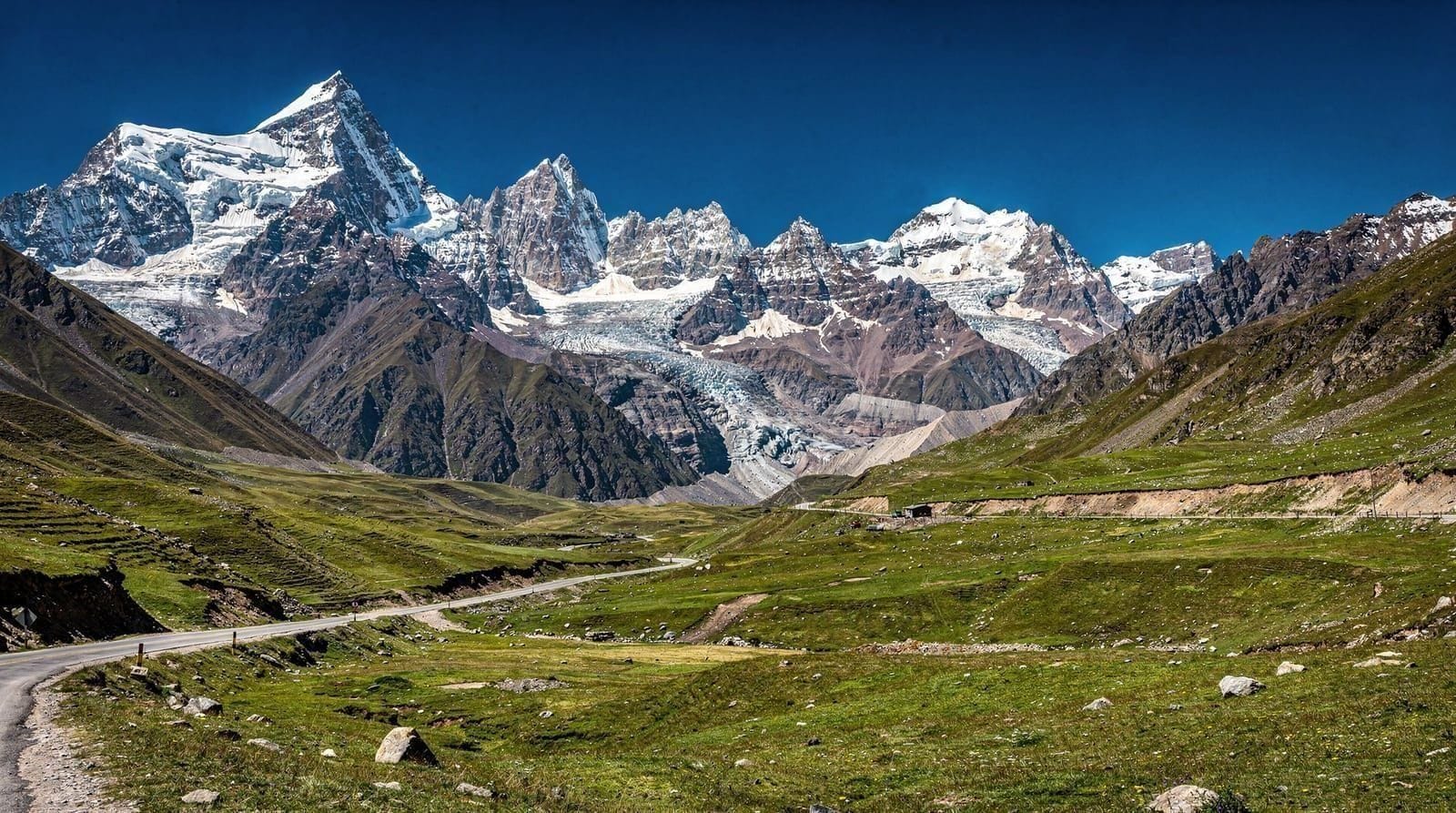
The Cordillera Blanca is the highest tropical mountain range on earth and, for trekkers, the most rewarding region in Peru that most tourists never reach. Glacial lakes the colour of antifreeze, 6,000-metre peaks, and the classic Santa Cruz trek all sit within reach of one scruffy, functional base town. This week assumes you are fit, takes altitude seriously, and builds from day hikes to a multi-day trek.
| Base town | Huaraz, 3,050 m |
| Getting there | Bus only from Lima, 7–8 hours (no scheduled flights) |
| Peak altitude | Up to 4,750 m (Santa Cruz’s Punta Unión pass) |
| Cost per person | around USD 500–900 for the week, excl. international flights |
| Best time | Dry season (May–Sept), June–August most reliable |
Quick answer: how hard is hiking in Huaraz?
Hard, mostly because of altitude. Huaraz sits at 3,050 m and the marquee hikes top out far higher: Laguna 69 reaches 4,600 m, the Santa Cruz trek crosses the Punta Unión pass at 4,750 m. The hiking itself is non-technical, but the thin air makes every climb feel doubled. The single most important rule is to acclimatise for two to three days before any big hike.
How this week connects
Huaraz is the hub; almost everything is a day trip or a trek that returns there.
- Lima to Huaraz: 400 km, 7-8 h by bus (Cruz del Sur, Movil Tours, Oltursa). There is no commercial passenger flight, so the bus is it. Take a day bus the first time for the scenery, or overnight to save a hotel night. The Peru bus travel guide covers seat classes and booking; unlike routes to Cusco, domestic flights do not help here.
- Day hikes: Laguna 69, Llanganuco, Laguna Parón and Pastoruri are all 3-3.5 h drives each way on tour transport from Huaraz.
- Santa Cruz trek: a point-to-point trek that starts and ends with transfers from Huaraz, usually run as a 4-day, 3-night package.
Day 1: Arrive, do nothing strenuous
Take the morning or overnight bus from Lima and check in. At 3,050 m you may feel breathless and headachy; this is normal. Walk slowly around the Plaza de Armas, drink plenty of water, eat lightly, and skip alcohol. The temptation to hike on day one is exactly the mistake that ends trips early. Our Huaraz acclimatization guide lays out the schedule.
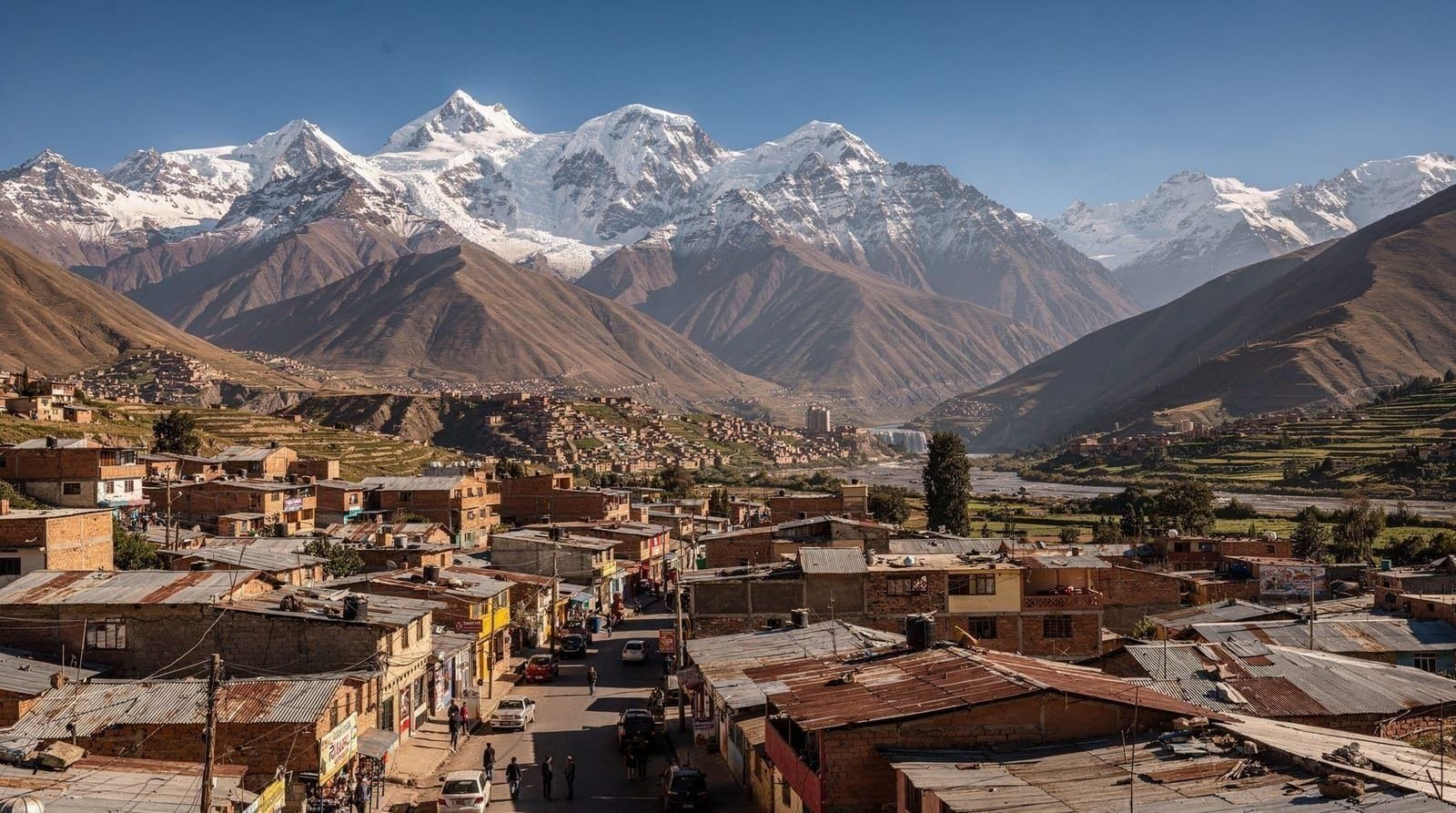
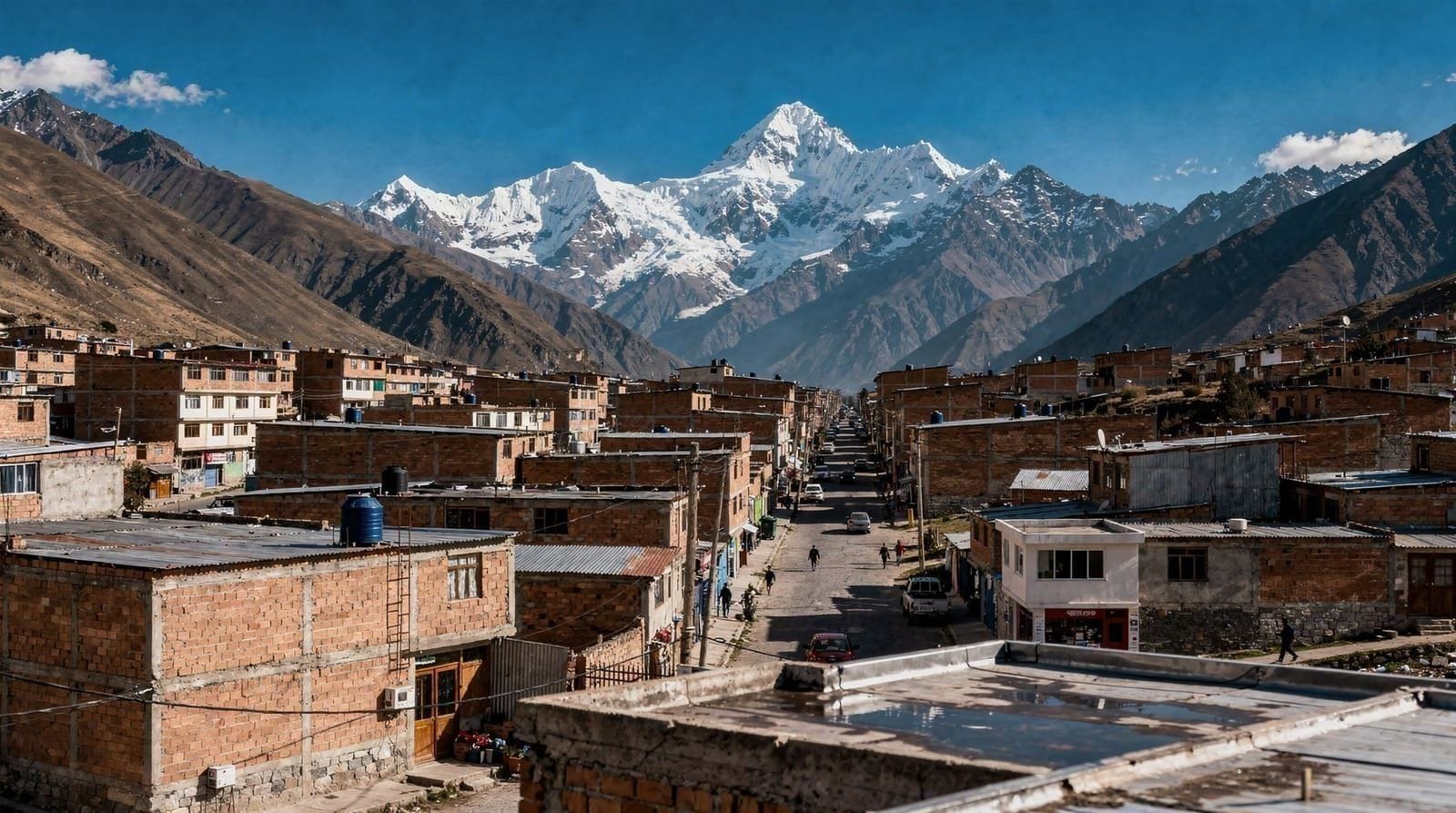
Huaraz itself is not pretty; an earthquake levelled it in 1970. You come for what surrounds it, covered in the Huaraz complete guide.
Day 2: Acclimatisation hike, Laguna Wilcacocha or Laguna Churup
Day two should be a moderate hike that gains altitude gently and tests how you feel. Laguna Wilcacocha (3,750 m, a short uphill walk with views across to the whole Cordillera Blanca) is the gentle option. Fitter travellers can attempt Laguna Churup (4,450 m), a steeper half-day with a short scramble at Huascarán National Park, which doubles as serious altitude prep.
If you feel rough at the top, scale back your plans. The mountains will still be there next year; cerebral and pulmonary edema are not bluffs at these heights.
Day 3: Laguna 69
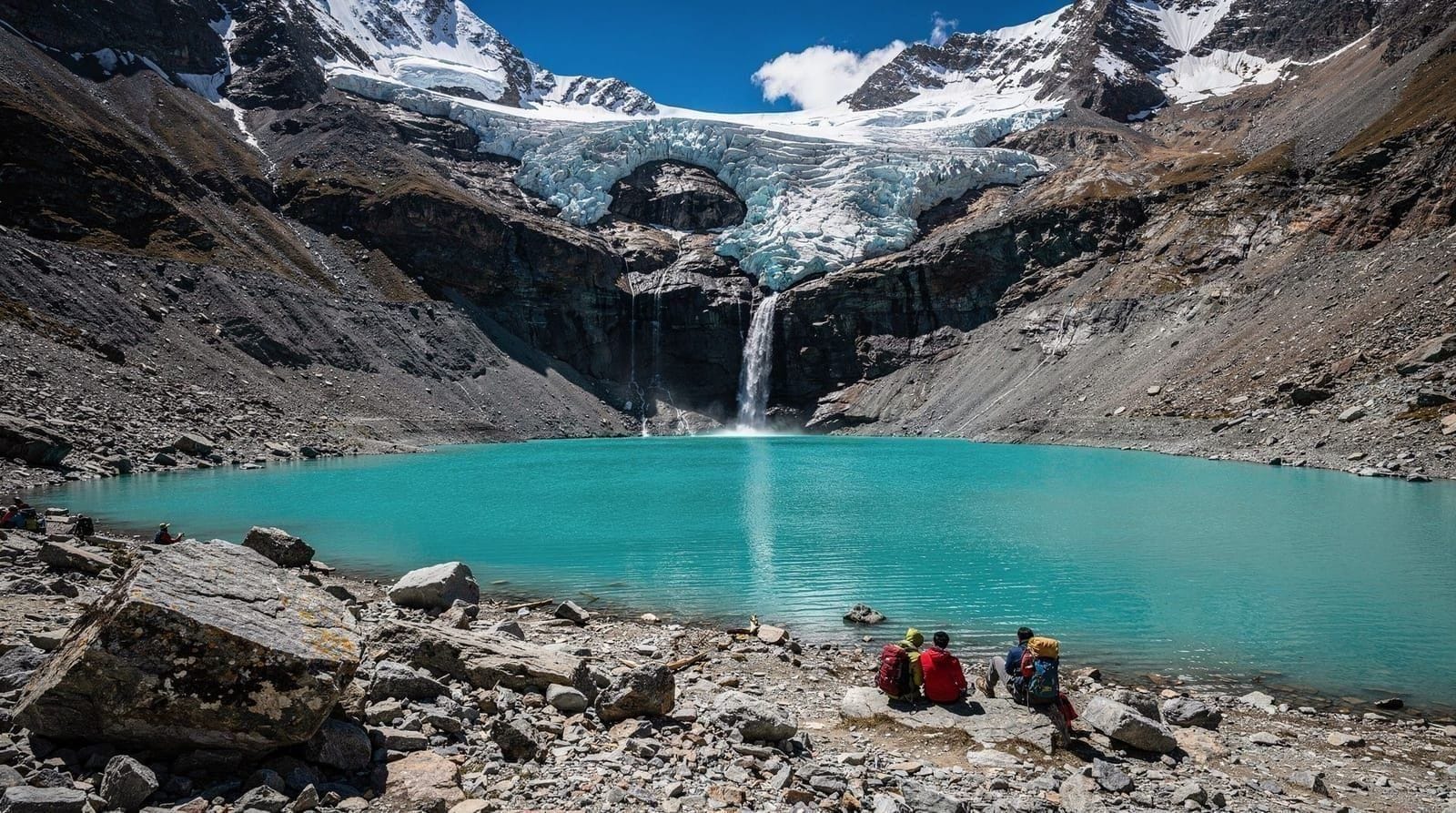
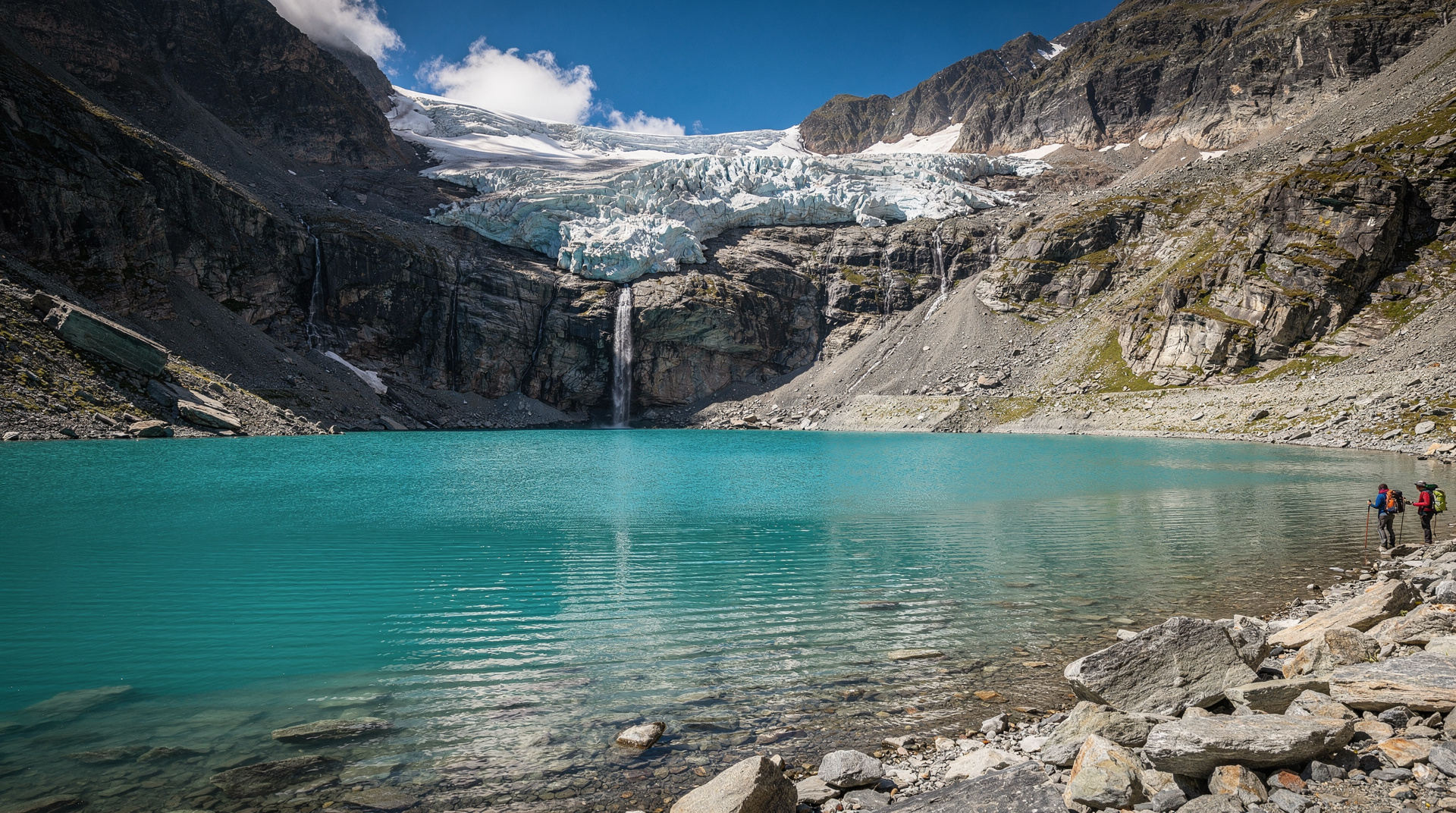
This is the famous one. Laguna 69 is a turquoise glacial lake beneath the Pisco and Chacraraju peaks, reached by a 6 km trail that climbs from 3,900 m to 4,600 m. It is steep in the final stretch and the altitude bites, but it is non-technical and thousands do it. Start early; afternoon clouds roll in and the trailhead is a 3-hour drive.
From Huaraz: full-day Laguna 69 in Cordillera BlancaPractical tips, including what the day actually feels like and how cold the early start is, are in the Laguna 69 complete guide and the Laguna 69 day hike tips.
Day 4: Rest or Laguna Parón
After Laguna 69 a rest day is sensible, especially before the Santa Cruz trek. If you would rather keep moving, Laguna Parón is the largest lake in the range, a deep blue under the pyramid of Artesonraju (said to be the Paramount Pictures peak), reached by a much gentler walk than Laguna 69.
From Huaraz: Laguna Parón full-day tourThe Laguna Parón guide and the best day hikes Huaraz round-up help you choose if your legs are tired.
Days 5-7 option A: The Santa Cruz trek
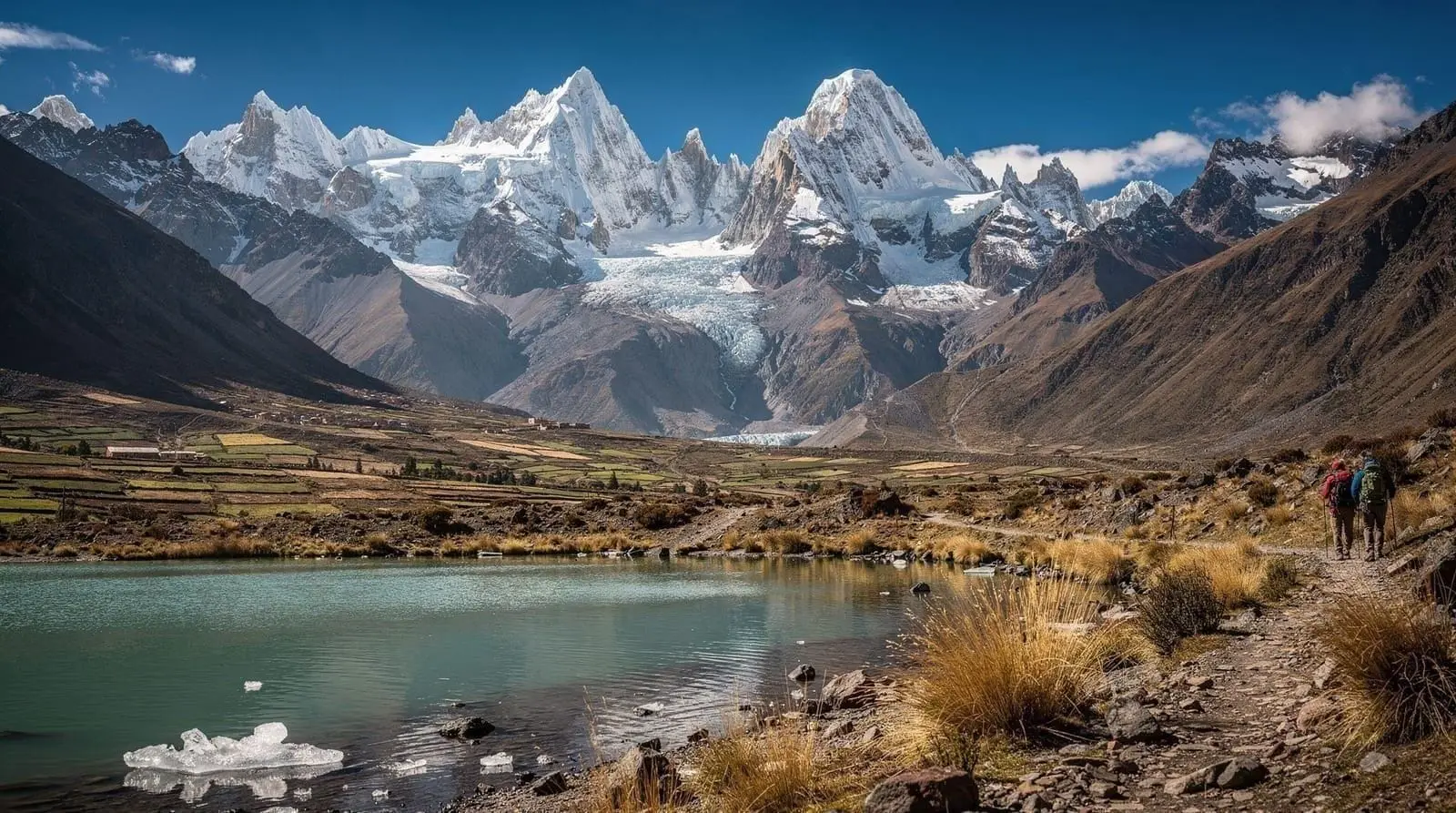
The classic Cordillera Blanca trek runs point to point through the Santa Cruz valley, over the Punta Unión pass at 4,750 m, past glacial lakes and beneath some of the range’s biggest peaks. Run as a 4-day, 3-night trip it overshoots a 7-day window slightly, so trekkers usually compress the day hikes above into days 1-3 and start Santa Cruz on day 4.
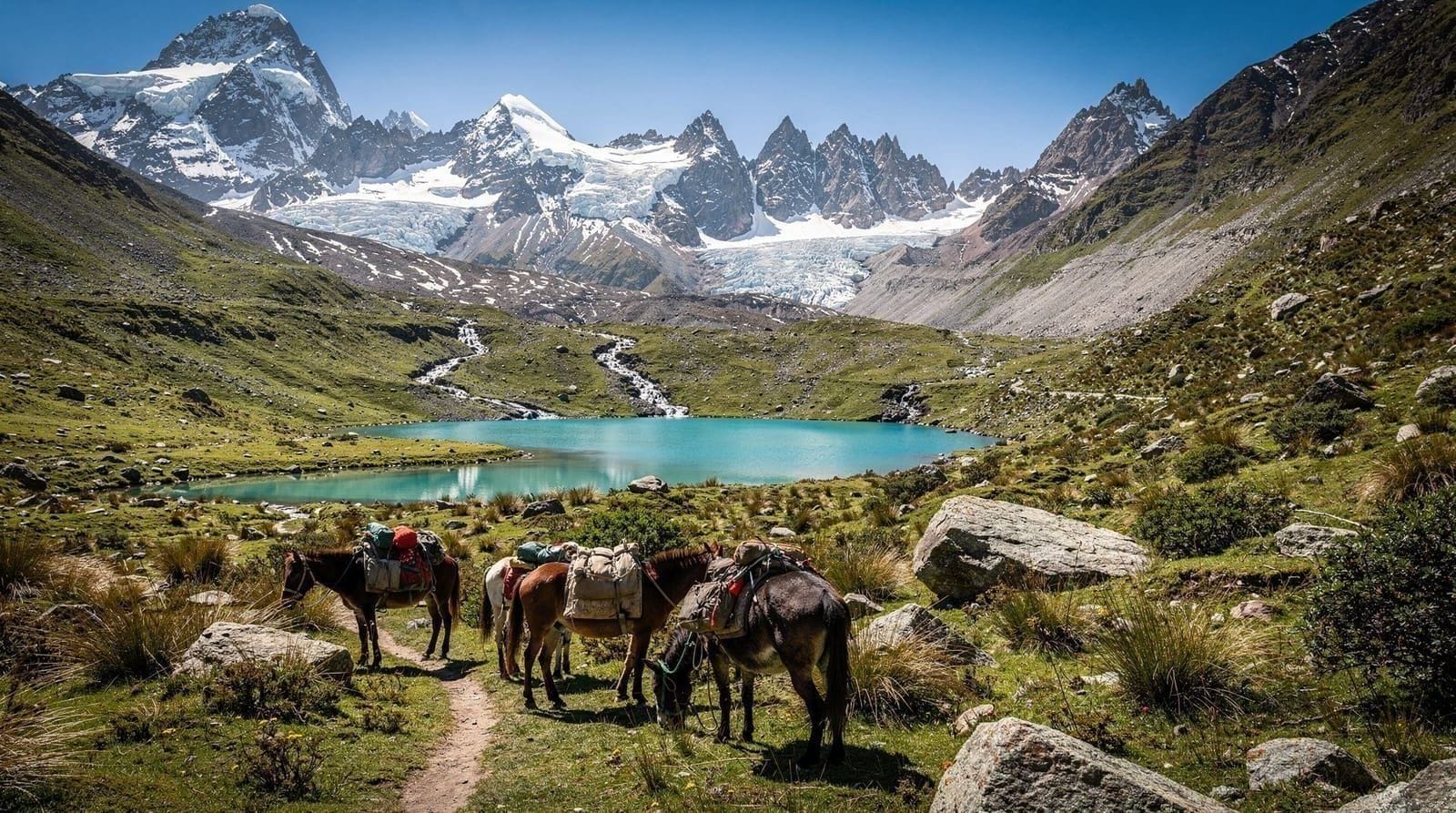
Huaraz: Santa Cruz trek 4-day guided tourIt is camping at altitude with mules carrying the heavy gear; you carry a daypack. Nights are cold, often below freezing, so a proper sleeping bag (rentable in Huaraz) is essential. The full route, packing list and operator advice are in the Santa Cruz trek guide.
Days 5-7 option B: Day hikes without camping
If multi-day camping is not for you, fill the week with more day trips and sleep in a warm bed each night. Pastoruri Glacier is the easiest high-altitude day, a short walk to a retreating glacier at 5,000 m that doubles as a stark climate-change lesson.
Huaraz: Pastoruri Glacier day tripAdd the Llanganuco lakes, Chavín de Huántar (a 3,000-year-old temple complex with underground galleries), and the Cordillera Negra viewpoints. The Pastoruri glacier guide and Chavín de Huántar guide have the details. The Llanganuco lakes guide covers the two glacial lakes at the foot of Huascarán, an easy add if you have a spare day.
Day hikes compared, at a glance
| Hike | Peak altitude | Difficulty | Best for |
|---|---|---|---|
| Laguna 69 | 4,600 m | Steep final stretch | The signature turquoise-lake view |
| Laguna Parón | ~4,200 m | Gentler walk | Tired legs, still-stunning scenery |
| Llanganuco lakes | ~3,850 m | Easy, mostly flat | A lighter day between bigger hikes |
| Pastoruri Glacier | ~5,000 m | Short walk, very thin air | A glimpse of a retreating glacier |
If a week is not enough: the Huayhuash circuit
Trekkers with more time or who want something wilder than Santa Cruz should look at the Huayhuash circuit, a multi-day trek widely rated among the most scenic in South America. It needs 8–12 days and is a different trip from this one-week plan, but worth knowing about if the Cordillera Blanca leaves you wanting more.
Altitude: the part you cannot skip
Huaraz is higher than Cusco, and the day hikes climb far above the town. Symptoms of mild altitude sickness (headache, nausea, breathlessness, poor sleep) are common and usually pass with rest and hydration. Coca tea and acetazolamide help some people. What does not help is pushing through severe symptoms: confusion, a wet cough, or worsening headache mean descend now. The mechanics are explained in the altitude sickness guide, which applies equally here.
If you have a choice of regions and altitude worries you, weigh Huaraz against Cusco in Huaraz vs Cusco for hiking.
Where to sleep, by type
- Backpacker: Selina, Caroline Lodging, Way Inn dorms, S/ 35-70.
- Mid-range: Hotel San Sebastián, Andino Club Hotel, S/ 150-350. The Andino has the best mountain views in town.
- On-trek: tents provided by your operator; no booking needed.
What this week costs, roughly
Excluding the Lima bus, budget S/ 200-380 (USD 55-100) a day for day hikes with mid-range lodging. The Santa Cruz trek as a package runs roughly USD 220-380 depending on group size and operator quality; do not pick on price alone, as the cheapest outfits cut corners on food, guides and rescue insurance. The Lima-Huaraz bus is S/ 50-120 each way.
Frequently asked questions about Huaraz and the Cordillera Blanca
Do I need to acclimatise before Laguna 69?
Yes. Laguna 69 tops out at 4,600 m and people arrive in Huaraz from sea-level Lima. Spend at least two days in Huaraz with one gentle acclimatisation hike before attempting it. The schedule is in the Huaraz acclimatization guide.
Is Huaraz higher than Cusco?
Yes. Huaraz sits at 3,050 m versus Cusco’s 3,400 m for the town, but the Cordillera Blanca day hikes climb to 4,600-4,750 m, well above almost anything you do around Cusco. Treat the altitude with at least as much respect.
When is the best time to hike in Huaraz?
May to September, the dry season, with June to August the most reliable. The wet season (December to March) brings mud, cloud and dangerous trail conditions, and many treks close. See best time to visit Peru for the regional breakdown.
Can I do the Santa Cruz trek independently?
It is possible for experienced, self-sufficient trekkers with their own gear, but most people go with an operator who provides tents, food, mules and a guide. The pass at 4,750 m and remote terrain make a guided trip the safer default. Details in the Santa Cruz trek guide.
Is Huaraz or Cusco better for hiking?
Huaraz wins for raw alpine scenery, glacial lakes and serious treks with far fewer crowds. Cusco wins for the cultural depth of Inca trails and Machu Picchu. The full comparison is in Huaraz vs Cusco for hiking.
How do I get from Lima to Huaraz?
By bus only; there is no scheduled flight. The journey is 7-8 hours with companies like Cruz del Sur and Movil Tours. A daytime bus shows you the dramatic climb into the Andes; an overnight saves a night’s lodging.
What should I pack for a week of Cordillera Blanca hiking?
Layers are essential: warm base layers and a down jacket for cold mornings and nights, a windproof and waterproof shell, broken-in hiking boots, trekking poles for steep descents, high-SPF sunscreen and sunglasses for the intense high-altitude sun, and a headlamp for early starts. If you are doing Santa Cruz, a proper cold-rated sleeping bag (rentable in Huaraz) is essential, since nights on the trek regularly drop below freezing.
Is Huaraz safe for solo travellers?
Huaraz town is generally safe and used to independent trekkers, but the trails themselves are remote — always hike with a guide or a well-established group tour rather than alone, since help can be hours away if something goes wrong. Stick to licensed operators for both day hikes and the Santa Cruz trek.
Top experiences
Bookable activities with verified prices and instant confirmation on GetYourGuide.