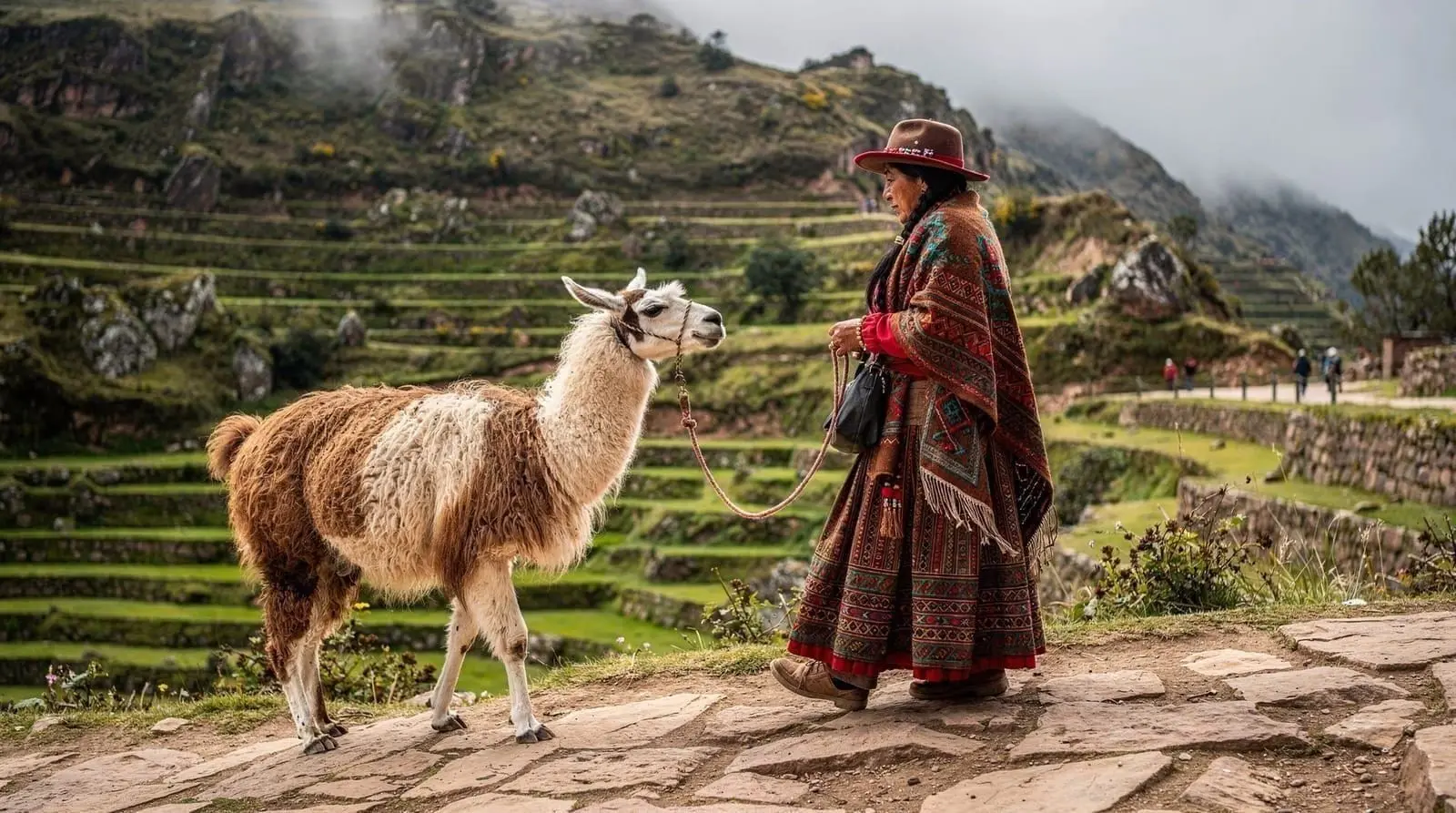
First time in Peru: what I wish I had known before landing
The flight lands and you have no idea what soles look like
My plane touched down at Jorge Chávez at 11:40pm, which I now know is the single most common arrival time in Peru and the worst possible moment to make any decision. I had not changed money. I had not booked an airport pickup. I had a vague plan that involved “figuring it out,” which is the kind of plan that survives exactly until you walk out of customs into a wall of taxi drivers saying your name from laminated signs that are not yours.
What I wish someone had told me, in order, is this. The currency is the sol, written S/. When I went, one US dollar bought roughly S/3.75, so a hundred-sol note was about 27 dollars and felt like real money. The ATMs in the arrivals hall (BCP and Interbank are the ones I trusted) dispense soles fine, but several of them tried to charge me a withdrawal fee of around S/25 on top of my bank’s fee, so I pulled out S/400 in one go rather than feeding the machine twice. Globalnet ATMs are everywhere and they are the ones with the worst fees — I avoided them after the first sting.
That first night I took an official taxi from the counter inside the terminal for S/70 to Miraflores, which is more than a pre-booked car (S/45–55) but less than the drivers circling the exit who quoted me S/120 without blinking. The honest version of this story is that I overpaid and I was fine with it because it was midnight and I wanted a bed.
| Currency | Sol (S/), around 3.7–3.8 to the US dollar |
| Cusco altitude jump | Sea level (Lima) to ~3,400m in 80 minutes |
| Minimum trip length | 10–14 days to cover Lima, Cusco/Sacred Valley, one more region |
| Book ahead | Machu Picchu tickets and trains, especially dry season |
| Cash vs card | Cash for markets/taxis/small towns, card fine in Lima/Miraflores |
Altitude is the thing nobody dramatises enough
I had read the phrase “altitude sickness” maybe forty times before the trip and filed it under “happens to other people.” Then I flew Lima to Cusco, which is sea level to 3,400 metres in 80 minutes, dropped my bag, walked uphill to a café, and felt my heart going like I had sprinted there. I had not.
The mistake I made was scheduling Cusco first and then Machu Picchu basically immediately. If I did it again I would build in the acclimatisation that everyone recommends and almost nobody actually does — there is a sensible breakdown in the Cusco acclimatization plan that I read too late. The short version of what worked once I stopped being stubborn: the first day in Cusco I did nothing strenuous, drank the coca tea the hostel left in a thermos, and went easy on alcohol. The pisco sour at 3,400 metres hits differently and not in a fun way.
If your itinerary allows it, the genuinely smart move is to spend your early days lower — the Sacred Valley sits around 2,800 metres and is a gentler landing than Cusco itself. I learned this from a Dutch couple at breakfast who looked annoyingly fresh while I nursed a headache.
Lima deserves more than a layover
The biggest planning error in my whole trip was treating Lima as a place to survive rather than visit. I gave it one rushed day on arrival and one on departure, both jet-lagged. Everyone online frames Lima as a city you escape on the way to Cusco, and having now spent proper time there on a later trip, that advice is wrong.
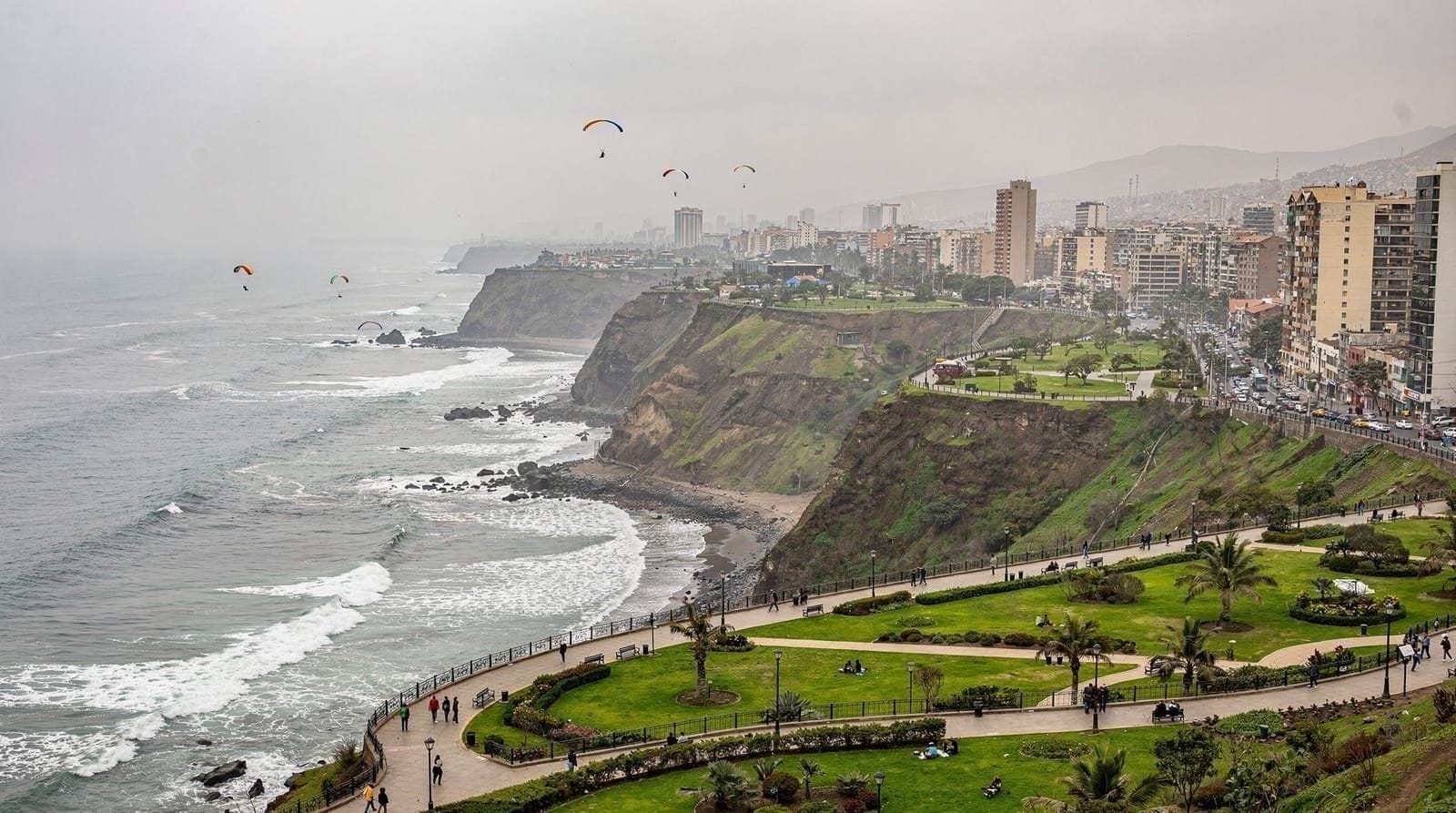
Barranco at golden hour, the cliff-top walk along the Miraflores malecón, and a plate of ceviche eaten at 1pm exactly when locals eat it — these were the moments I rushed past the first time. If you are wondering whether the city earns a day or two, the case is made better than I can make it in is Lima worth visiting. My vote: yes, and give it two nights minimum.
The scams are mild but real
Peru was not a frightening place to travel as a first-timer. The scams I ran into were the petty, friction kind rather than anything dangerous, but knowing them in advance would have saved me a few soles and a little dignity.
The taxi meter does not exist. Prices are agreed before you get in, full stop, and I quickly switched to apps — InDrive and Uber both work in Lima and Cusco and removed the haggling entirely. The “broken note” move happened to me once: a vendor handed back a torn S/20 as my change, and torn notes are genuinely hard to spend, so I refused it and got a clean one. And the markets — San Pedro Market in Cusco is wonderful but the first price is the tourist price, and a calm “¿el precio real?” usually knocked a third off.
For genuine safety planning rather than my anecdotes, the Peru travel safety guide is more current than my memory.
Money, tipping, and the small daily maths
Cash still rules outside the nice restaurants. I kept a stash of small notes — S/10s and S/20s — because the guy selling me empanadas was never going to break a S/100. Tipping is lighter than the US: rounding up a taxi, leaving 10% at a sit-down restaurant, S/5–10 for a guide who did good work. Bathrooms in bus stations cost S/1 and the attendant rations the toilet paper, so I always had a few coins.
A flat white in Miraflores ran me S/14 (under 4 dollars). A menú del día — soup, main, drink — in a working lunch spot was S/15–20 and was often the best food I ate all day. A long-distance bus seat with Cruz del Sur cost a fraction of a flight but ate a whole day; the trade-offs are laid out properly in the Peru bus travel guide.
What I would actually book in advance
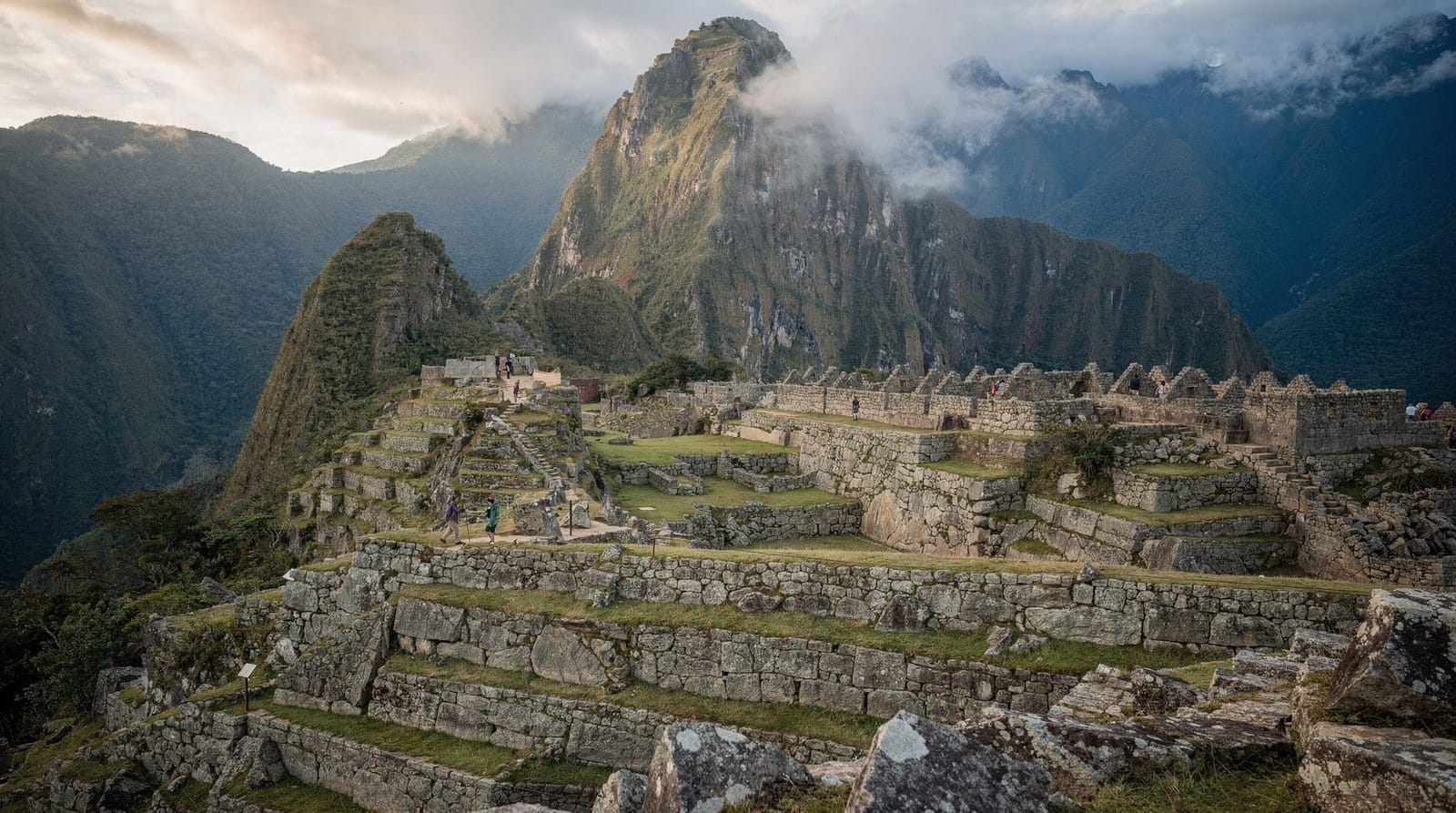
I am normally an anti-planner, and Peru gently corrected me. Machu Picchu entry tickets and the train sell out, especially in the dry season, and turning up hopeful is not a strategy that works there. I also wish I had pre-booked a couple of the things that are genuinely better with a guide — a Lima city tour gave me context for the centre that I would never have pieced together wandering alone.
Lima historical and modern city tourBeyond that, I left room to be spontaneous, and that balance — fixed anchors, loose middle — is the one I would recommend to any first-timer. For deciding how many anchors you even need, how many days in Peru talks you through the realistic minimum better than I worked out on the fly.
What a rough two-week budget actually looked like
I never planned a strict budget going in, which meant I found out the hard way what things cost. A menú del día lunch, a night bus, a shared taxi in the Sacred Valley — these are cheap. Machu Picchu tickets, the train, and any multi-day trek are not, and they add up fast if you book last-minute. The honest total for a two-week first trip, mid-range, comfortable but not flashy, landed somewhere around 1,800–2,500 dollars per person excluding international flights, and the Peru trip cost guide breaks that down properly instead of my rough memory of my bank statement.
If I’d known the numbers ahead of time I would have booked the expensive fixed points — Machu Picchu, the train, one or two guided day trips — the moment I had dates, and left the cheap, flexible stuff (buses, markets, casual meals) to figure out on the ground. That order, expensive-first, is the one that actually saves money.
Deciding where to actually go beyond Cusco
My first trip was Lima-Cusco-Machu Picchu and nothing else, which is the default itinerary and not a bad one, but Peru is bigger and stranger than that loop suggests. On a second trip I finally got to the desert coast — Paracas and the Nazca Lines I’d skipped the first time round — and regretted not building it into the original plan when flights and buses down the coast are so straightforward. The Lima to Paracas and Nazca itinerary is the plan I wish I’d had the first time.
For anyone deciding whether to stick to the well-worn Lima-Cusco corridor or push further, the north vs south Peru guide lays out the trade-offs honestly — south is the classic first-timer loop, north is quieter and less touristed but asks more of your itinerary-building.
Paracas and Ballestas Islands day tripThe day everything clicked
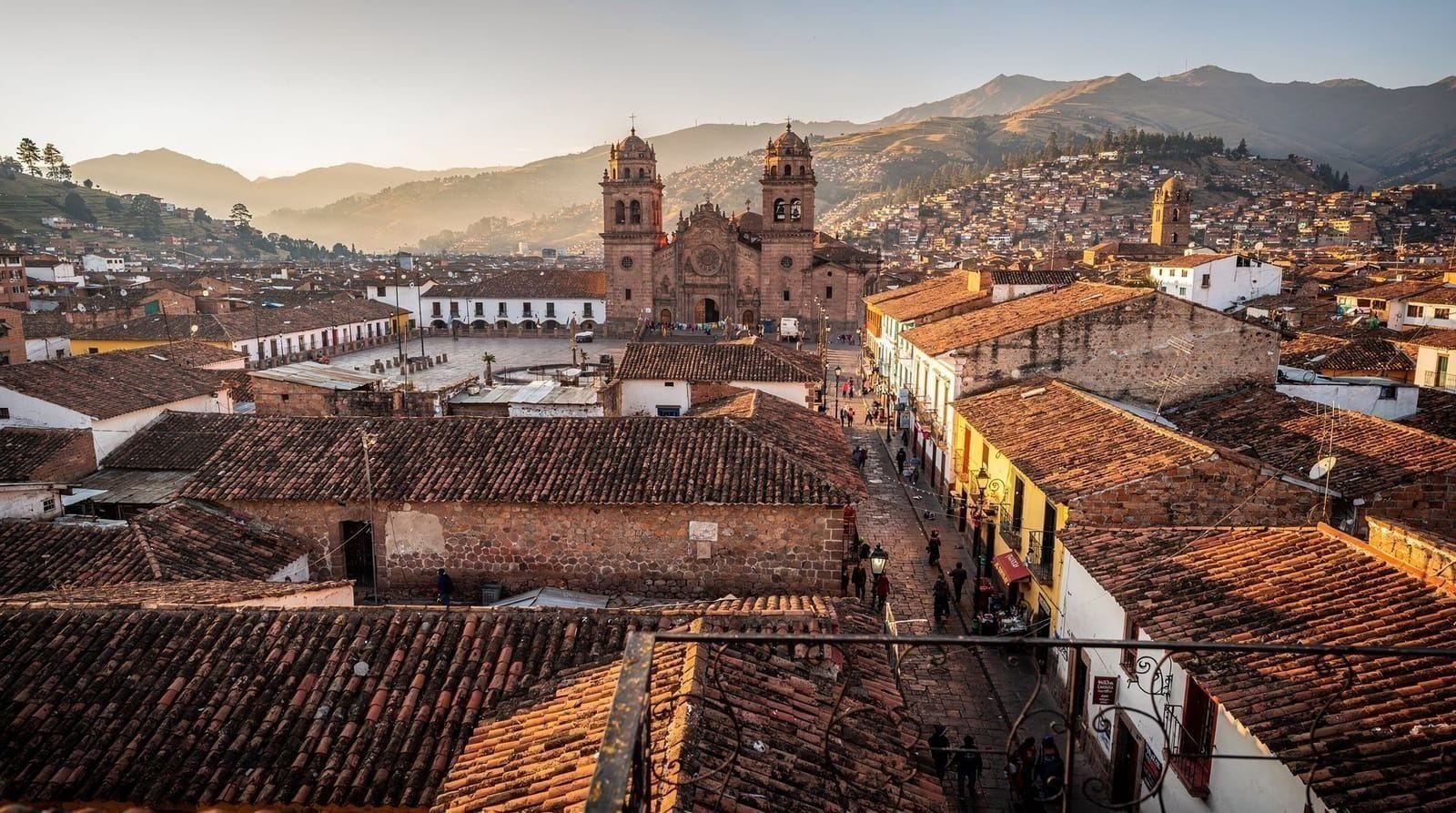
It was day six. I had stopped fighting the altitude, I had soles in three denominations, I knew to eat ceviche at lunch and not dinner, and I was sitting in a plaza in Cusco with a coffee watching the light go orange on the cathedral. Nothing was happening. That was the point. The first five days had been admin — figuring out the country — and from there it became a trip.
If you take one thing from this diary, take this: build the boring competence in early. Sort the money, respect the altitude, give Lima its time, agree your taxi price. Do the unglamorous things first and Peru opens up fast.
A few honest regrets
I skipped the Nazca Lines because I “didn’t have time,” which really meant I had not planned the south coast at all. I now think that was a mistake. I also lugged a too-heavy bag up too many cobbled streets because I packed for weather extremes I never met. And I drank tap water once in a moment of confidence and paid for it for a day and a half — bottled or filtered only, every time, no exceptions.
None of these ruined anything. Peru is forgiving of a first-timer’s stumbles. But the trip I had was the slightly clumsy first draft, and writing this is partly so your first time is the cleaner second draft of mine.
Internal flights, buses, and the geography problem
The thing that genuinely surprised me about Peru is how big it is and how the distances eat your days. On a map Lima to Cusco looks like a hop. By road it is roughly 20 hours through the Andes; by air it is 80 minutes. I had naively imagined a casual overland loop and quickly learned that without weeks to spare, you fly the long legs and bus the short, scenic ones.
Domestic flights are cheap if booked ahead and brutal if booked last-minute — I paid about 55 dollars Lima to Cusco booked three weeks out, and saw the same route over 200 dollars at the gate. LATAM, Sky, and JetSMART all run it. The catch is that Peruvian domestic flights are famously prone to delays and the occasional cancellation, so I learned not to book anything tight on either end. The full breakdown of which routes to fly versus drive is in the Peru domestic flights guide, which I’d read before booking a single internal leg.
For the shorter hops — Cusco to the Sacred Valley, Lima down the south coast — the bus or a shared transfer is fine and often more scenic than the plane. What I’d tell my pre-trip self is to map the country honestly: pick three or four anchors, fly between the distant ones, and stop trying to “see it all” in ten days. Peru does not compress.
Language: more Spanish than I expected to need
I had assumed tourist English would carry me, and in Miraflores and the train it largely did. Everywhere else, a little Spanish went a very long way. Bus stations, markets, taxi drivers, the menú del día — these run in Spanish, and the effort to fumble through it was met with patience and warmth every single time. I learned the numbers, the food words, and “¿cuánto cuesta?” on the plane, and that handful of phrases probably saved me money and definitely earned me smiles. You do not need to be fluent. You need to be willing to try, and to point at things cheerfully.