Inca Trail closed in February
From Cusco: Salkantay Route and Machu Picchu – 4D/3N Tour
Is the Inca Trail really closed in February?
Yes. The classic Inca Trail closes for the entire month of February every year for maintenance and to let the rain-battered path recover. Machu Picchu itself stays open, so you can still reach it by train, and the Salkantay trek runs all month as the main hiking alternative.
The one month the classic trail does not run
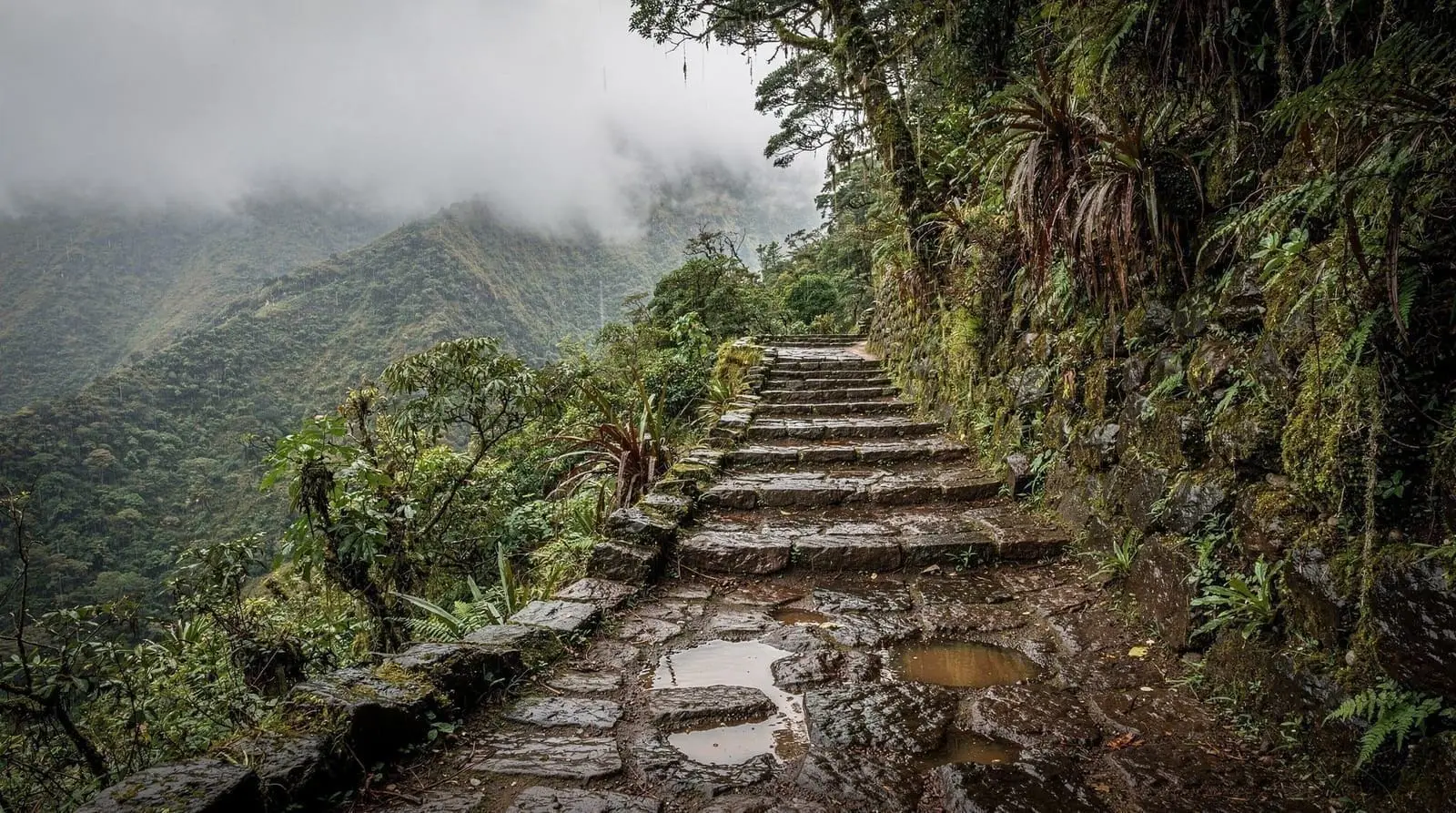
If your trip to Peru lands in February, there is a hard fact to absorb before you build any plans around the famous trek: the classic Inca Trail is closed for the entire month. Not a long weekend, not “weather permitting” — the whole of February, every single year. The Peruvian authorities shut the route to repair it and let it recover from the heaviest rains of the year. No operator, however reputable, can get you onto the classic trail in February, and any company that claims it can is either confused or dishonest.
The good news is that February closes one route, not your whole Machu Picchu trip. The citadel itself stays open, the train keeps running, and the Salkantay trek hikes all month. This guide explains why the closure happens, exactly what stays open, and how to plan a genuinely good February trip around it.
| Closed | Classic 4-day Inca Trail, 2-day short Inca Trail |
| Open | Machu Picchu, train, Salkantay, Lares, Inca Jungle |
| Reopens | 1 March every year |
| Why | Peak rainy season, trail maintenance and repair |
| Best fallback | Salkantay trek or train to Aguas Calientes |
Why February specifically
February sits at the peak of Peru’s Andean rainy season. In the cloud-forest stretches of the trail, that means saturated ground, frequent downpours and a real risk of landslides and erosion on the steep, stone-stepped sections. Closing for the month does two things at once: it removes hikers from a path that is at its most slippery and hazardous, and it gives maintenance crews a clear window to repair storm damage, clear debris, shore up vulnerable sections and let the surface settle.
The result is a trail that survives decades of foot traffic instead of degrading. It is the same logic behind seasonal closures on fragile trails worldwide — the Cusco rainy season guide puts February’s weather in fuller context.
What stays open in February
The closure is narrower than many travellers fear. Open and running all of February:
- Machu Picchu itself. The citadel operates year-round. You reach it by train to Aguas Calientes, then the shuttle bus or a steep walk up to the entrance. The Machu Picchu day trip by tourist train is the simplest way to see it in February.
- The Salkantay trek. No permit, runs every month, and the standard February alternative for hikers — more on it below.
- Cusco, the Sacred Valley and the wider region. Cusco, Ollantaytambo, Pisac and the Sacred Valley are all open, green and notably quieter than in peak season.
Closed for the month: the classic 4-day Inca Trail and the 2-day short Inca Trail, which follows the same protected final section.
The best February alternative: Salkantay
For travellers set on a multi-day mountain trek, Salkantay is the obvious replacement. It crosses a high pass beneath the Salkantay mountain, no permit is required, and it can be booked far closer to your dates than the Inca Trail ever could. What it does not offer is the chain of Inca ruins along the path or the Sun Gate arrival — you reach Machu Picchu by a standard entry on the final day.
Be realistic about February conditions on Salkantay: it is the wettest month, so expect rain, mud, river-swollen crossings and cloud that can hide the big peaks for hours at a time. Pack serious waterproofs, gaiters and a dry bag, and accept that views are a lottery.
The 4-day Salkantay route to Machu Picchu is the standard version, while the 5-day Salkantay ultimate trek spreads the distance out for a gentler pace. The Inca Trail vs Salkantay comparison weighs the two routes in detail, and the best treks to Machu Picchu covers the full range of alternatives.
If you would rather skip the mud: the train
Not every traveller wants to trek through the wettest month of the year, and there is no shame in taking the train. February train trips to Machu Picchu are quieter and the landscape is lush and green. You ride from Ollantaytambo or Cusco to Aguas Calientes, stay a night if you want an early, crowd-free entry, and tour the citadel with a guide. It is the lowest-effort, most weather-proof way to reach Machu Picchu in February, and the citadel is just as impressive in mist as in sun — arguably more atmospheric.
Other treks you can still do in February
Salkantay is the best-known alternative, but it is not the only multi-day route open during the closure. Because they sit outside the protected classic-trail section, several other Cusco-region treks run year-round and make good February options if you want to keep walking:
- The Lares trek. A culturally rich route through Andean villages and weaving communities, ending with a train link to Machu Picchu. Lower-profile than Salkantay, with more human contact and fewer hikers, though February rain affects it too. See the Lares trek guide for the full route.
- The Inca Jungle route. A biking, hiking and rafting adventure to Machu Picchu that needs no permit and runs all year. The lower, warmer terrain handles rain better than the high passes, making it a sensible February pick for travellers who want variety over a single hard trek — the Inca Jungle trek guide covers the day-by-day plan.
- Day hikes from Cusco. If a multi-day trek in the rain does not appeal, shorter outings such as the Humantay Lake day trip or valley walks let you stretch your legs between downpours without committing to camping in the mud.
The best treks to Machu Picchu compares these routes head to head, which is useful when February has taken the headline option off the table.
What February weather is actually like
It helps to be realistic rather than gloomy. February in the Cusco region is wet, but not a constant deluge. Mornings are often clear and bright; the rain tends to build into heavy afternoon and evening showers. Between storms the landscape is at its most vivid — deep green hillsides, full rivers, dramatic skies — and the light after rain can be superb. Temperatures in Cusco stay mild by day and cool at night, much as they do all year.
The real downsides are practical: slick stone and mud underfoot on any trek, the chance of cloud hiding the big peaks on Salkantay, occasional rail disruptions if storms damage the line, and the persistent need for good waterproofs. The upsides are equally real: far thinner crowds at Machu Picchu, lower prices on accommodation outside the Inti Raymi rush, and a region that feels alive rather than dusty. For the fuller seasonal picture, the Cusco rainy season guide and the best time to visit Cusco lay out the trade-offs month by month.
Basing yourself in Aguas Calientes for a February visit
Whichever route brings you to Machu Picchu in February, staying a night in Aguas Calientes rather than day-tripping matters more than usual. Rail disruptions from storm damage are more common in February than in the dry months, and a spare night gives you a buffer if the return train is delayed. It also lets you take the first shuttle bus up while the morning is often still clear, before the afternoon downpours typical of the month roll in. The Aguas Calientes guide covers where to stay and how to time an early entry.
Machu Picchu 2-day tour by train, with a night in Aguas CalientesWhen the trail reopens and how to plan around February
The classic Inca Trail reopens on 1 March every year. Early March can still be wet and the path freshly repaired, but permits for the first weeks of March are often far easier to secure than the peak summer dates. If your dates are even slightly flexible, shifting a trip from late February into early March can be the difference between no trail at all and walking it with the route nearly to yourself.
If your dates are fixed in February, plan the Salkantay trek or the train early rather than holding out hope — there is no permit to wait for and no last-minute classic-trail option that will appear. For the trek itself once you are on it, the Inca Trail complete guide and Inca Trail permits guide cover March-onward trips, and the itineraries hub and tools page help you build a February-friendly schedule.
Frequently asked questions about Inca Trail closed in February
Why does the Inca Trail close in February?
Does Machu Picchu close in February too?
Can I do the Salkantay trek in February?
When exactly does the Inca Trail reopen?
Is the short Inca Trail open in February?
Is February a bad time to visit Cusco overall?
Are the Lares trek and Inca Jungle route open in February?
Should I stay overnight in Aguas Calientes in February?
Top experiences
Bookable activities with verified prices and instant confirmation on GetYourGuide.

