Cusco and Rainbow Mountain 3-day itinerary
Vinicunca Rainbow Mountain Day Trip from Cusco
Three days is enough to see central Cusco and tackle Rainbow Mountain (Vinicunca) — but only if you order the days correctly. Rainbow Mountain tops out near 5,000 m, higher than Everest Base Camp, and people who fly into Cusco and do the trip the next morning regularly end up sick or unable to finish the walk. This itinerary front-loads acclimatisation in the city, then sends you to Vinicunca on day three once your body has had time to adjust. It covers the real costs, the early-start logistics, and an easier alternative if the altitude worries you.
| Best for | Altitude-aware first-timers with a short window |
| Peak altitude | ~5,000 m at Vinicunca — higher than Everest Base Camp |
| Cost per person | around USD 250–350 mid-range, excl. flights |
| Pickup time | 3:00–4:00 am on Rainbow Mountain day |
| Book ahead | Rainbow Mountain tour, especially for dry-season weekdays |
Quick answer: can you do Cusco and Rainbow Mountain in 3 days?
Yes, comfortably, if day one and day two are spent acclimatising at Cusco’s 3,400 m before the Rainbow Mountain trip on day three. Doing Vinicunca on your first or second day after arriving at altitude is the single most common mistake. If you are at all unsure about the 5,000 m elevation, swap in Palccoyo, an easier “rainbow mountain” alternative with far less climbing.
A note on altitude before anything else
Cusco is high enough that many visitors feel the altitude on arrival — headache, breathlessness, poor sleep. Rainbow Mountain is in a different league at roughly 5,000 m. Your three days only work if days one and two keep you in and around the city, walking gently and resting, so that the high-altitude trek on day three is hard but safe.
Drink plenty of water, go easy on alcohol the first night, and use coca tea if it helps. Our Cusco acclimatisation plan and the altitude sickness guide are worth reading before you arrive. If symptoms get worse rather than better, do not do the Vinicunca trip.
Day 1 — Arrive in Cusco and take it slow
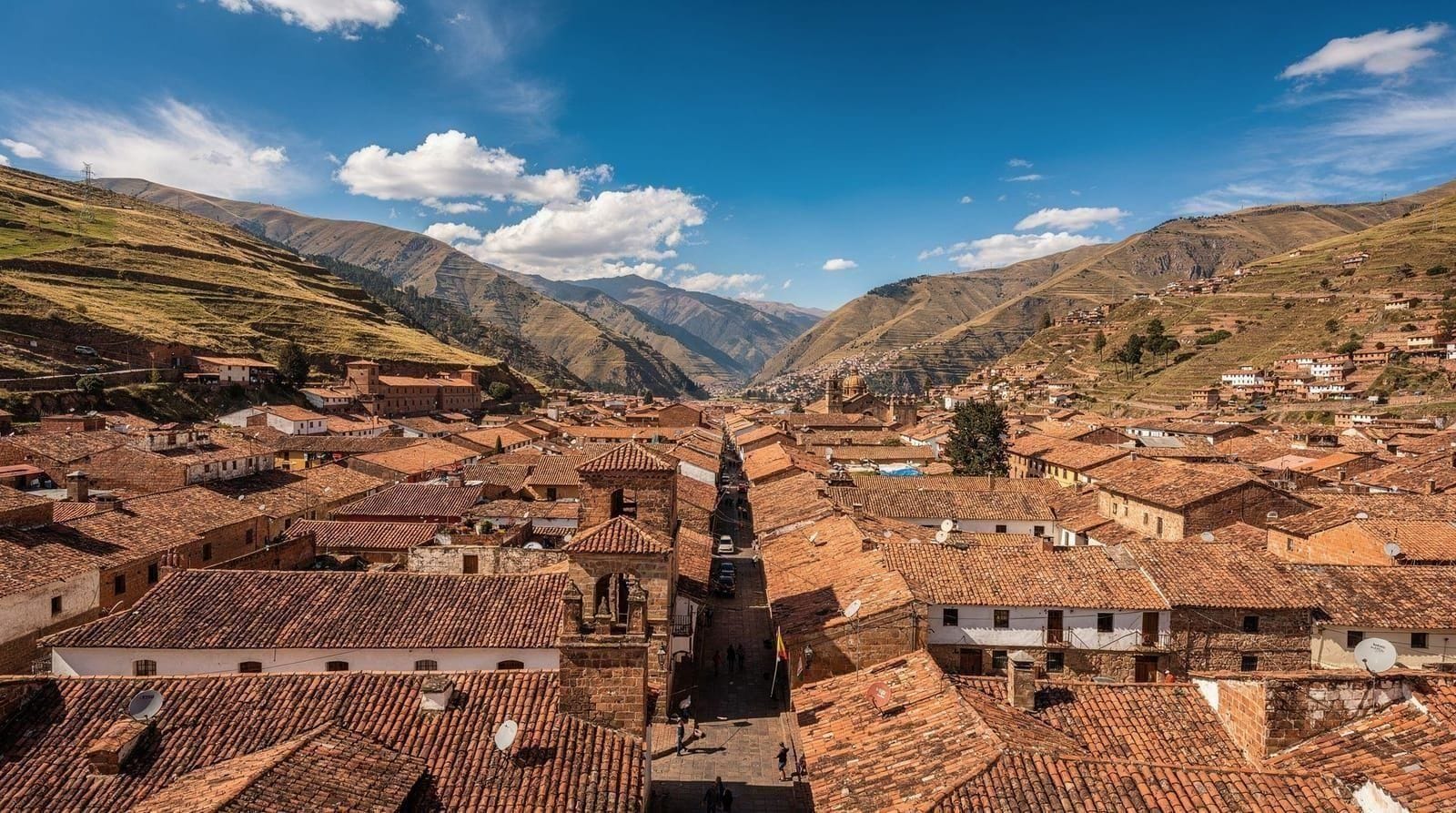
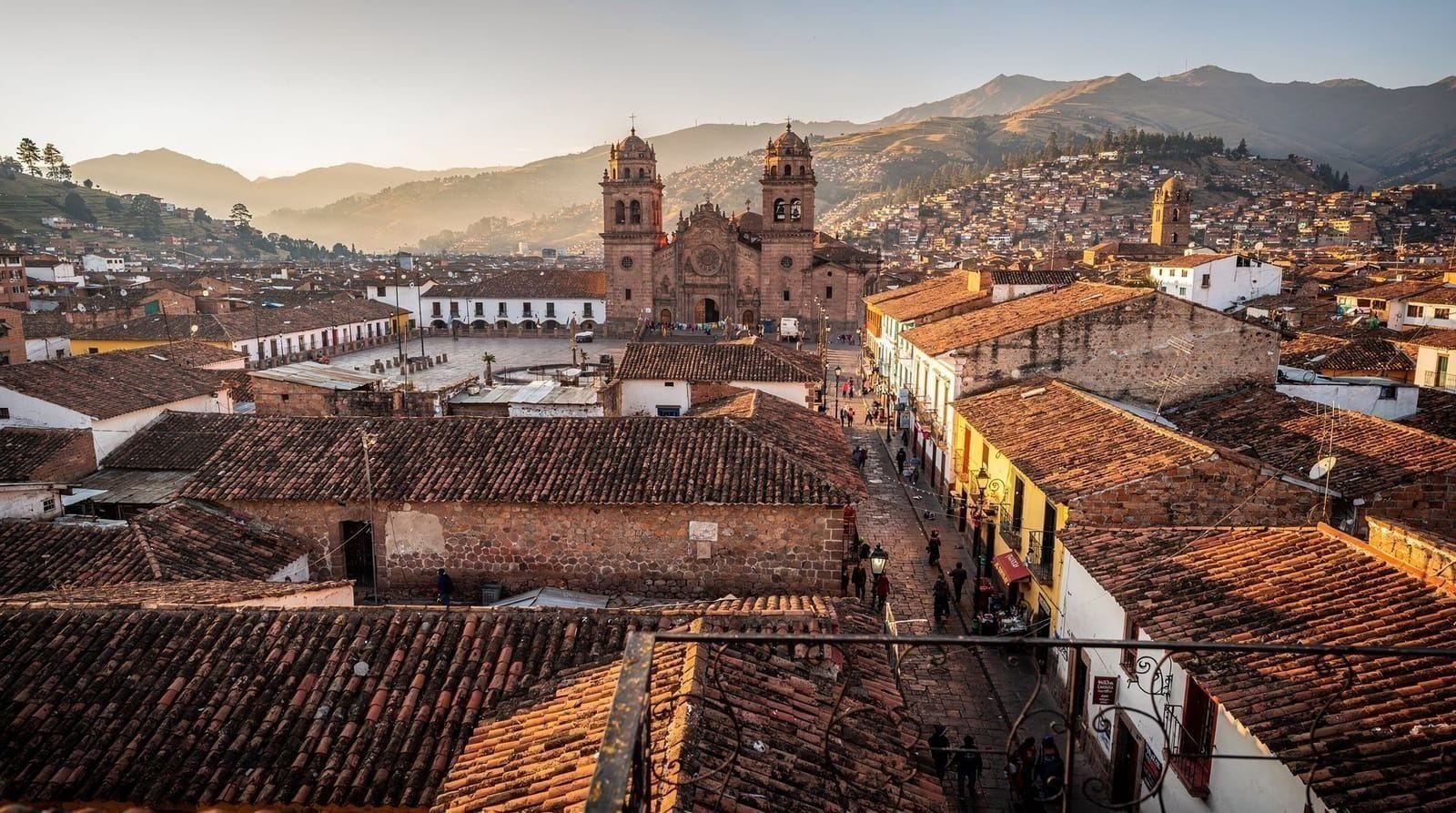
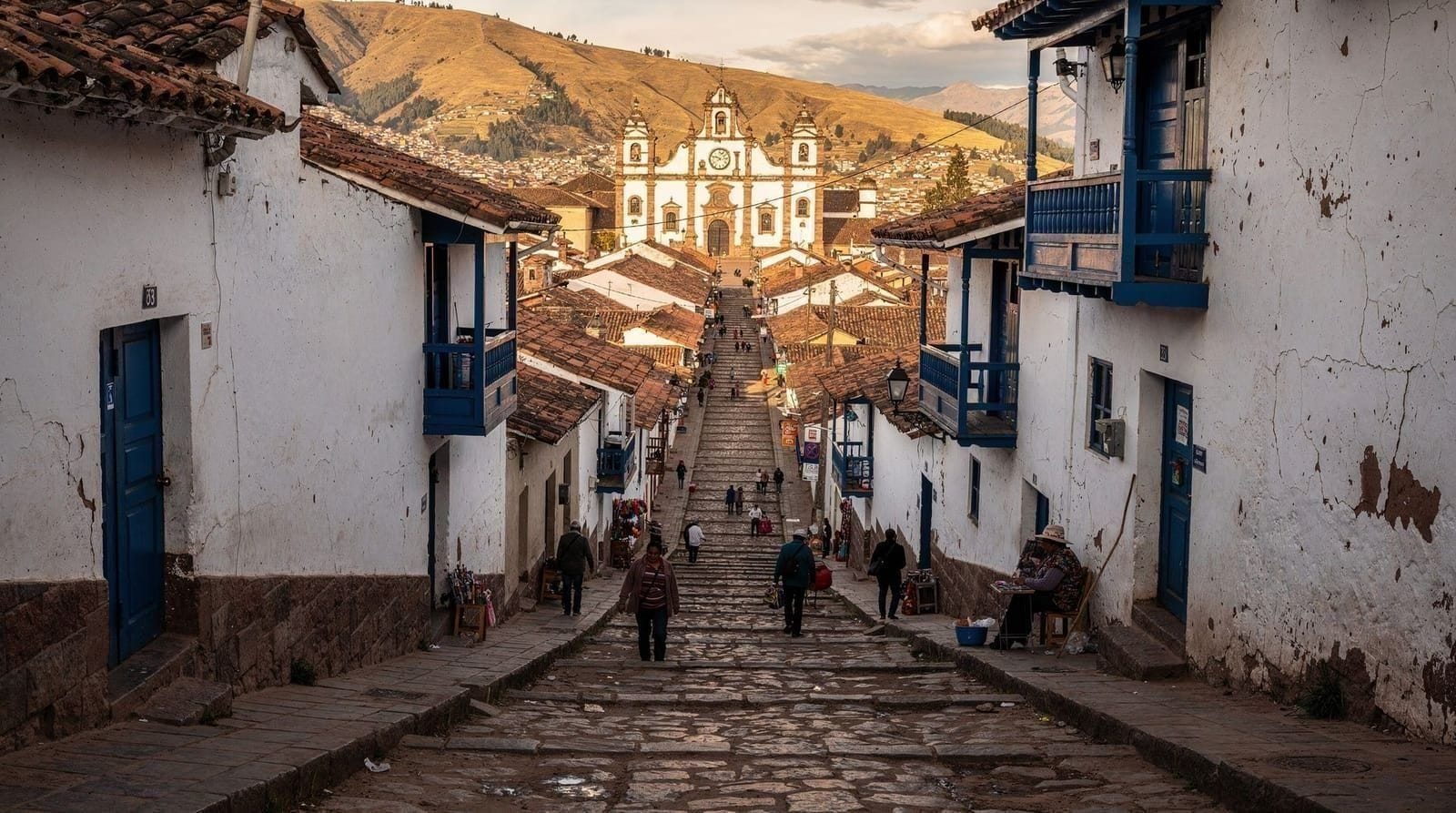
Fly into Cusco and resist the urge to do anything strenuous. The smart first day is deliberately quiet: check in, rest for a couple of hours, then stroll the historic centre on foot. Wander the Plaza de Armas, climb gently up to the San Blas artisan quarter, and have an early dinner. The cobbled lanes of San Blas are steep, so pace yourself.
If you want structure, an afternoon half-day city tour covers the cathedral, Qorikancha, and the nearby ruins of Sacsayhuamán without overexertion. See the Cusco archaeological sites guide and the San Blas and Sacsayhuamán pages for context.
Book a half-day Cusco city tour- Theme: arrival, rest, gentle acclimatisation
- Sleeping altitude: ~3,400 m
- Avoid: heavy hikes, big nights out
Most flights into Cusco connect through Lima — the Lima to Cusco flights guide is worth a look before you book, since a morning departure gives you more buffer against the airport’s occasional weather delays.
Day 2 — Cusco in depth (and the Boleto Turístico)
Day two keeps you in the city while your body keeps adjusting. Cusco rewards a slow second day. Visit the Qorikancha temple-convent, the cathedral on the main square, and the San Pedro Market for lunch among the food stalls. If you plan to see several archaeological sites, buy the Boleto Turístico (tourist ticket) — the Boleto Turístico explained guide covers which version is worth it.
A short walk up to Sacsayhuamán in the late afternoon, if you skipped it on day one, doubles as acclimatisation: you climb to about 3,700 m and come back down. Book a good dinner; the best restaurants in Cusco guide has neighbourhood picks, and the San Pedro Market food guide is useful for a cheap, local lunch.
By the end of day two you should have two nights at altitude behind you — the minimum buffer before Rainbow Mountain.
- Theme: city, culture, more acclimatisation
- Tip: confirm your day-three pickup time the night before
- Watch out for: pushy street sellers and overpriced “private” tours; see Cusco tourist traps
Day 3 — Rainbow Mountain (Vinicunca)
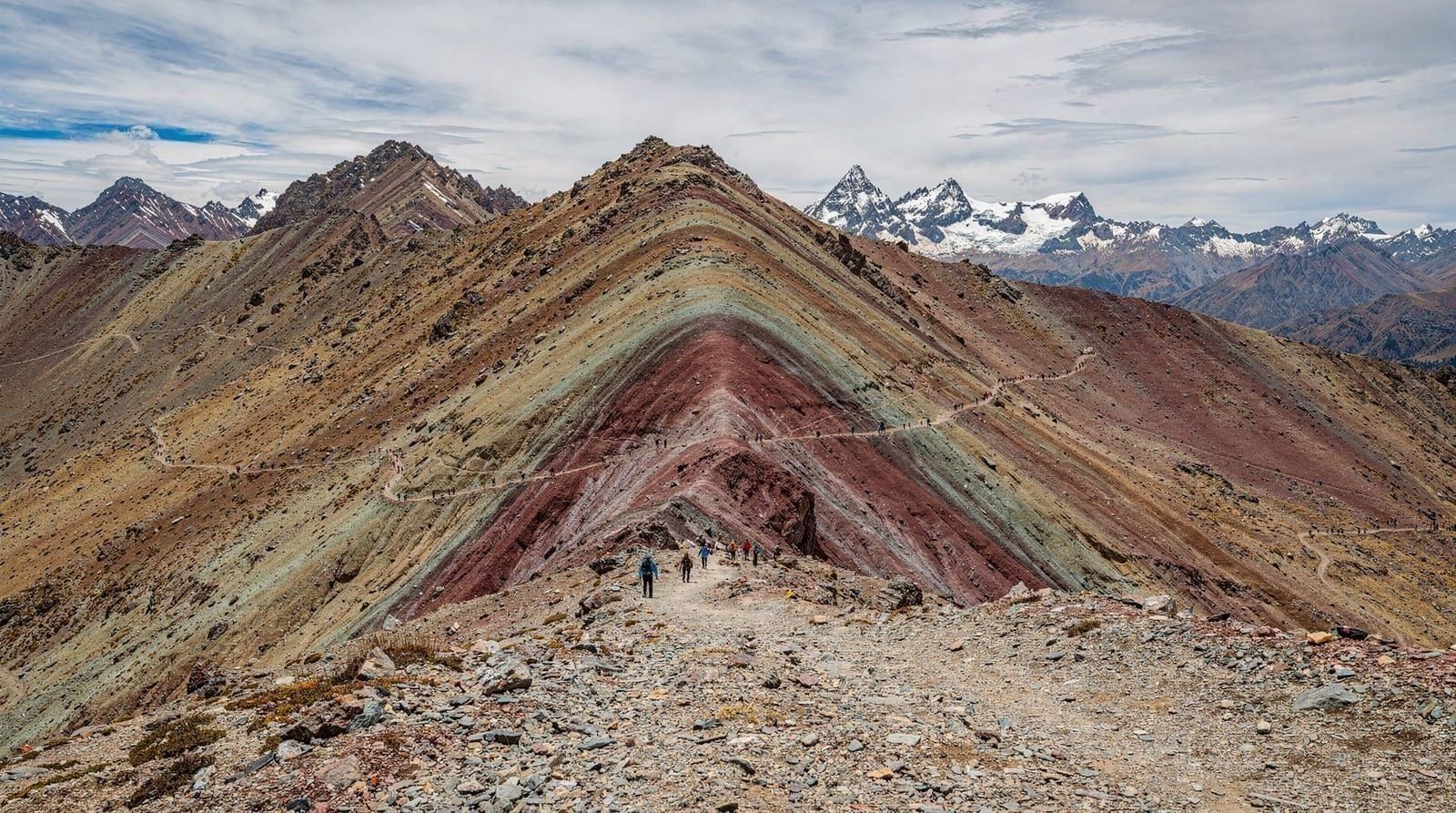
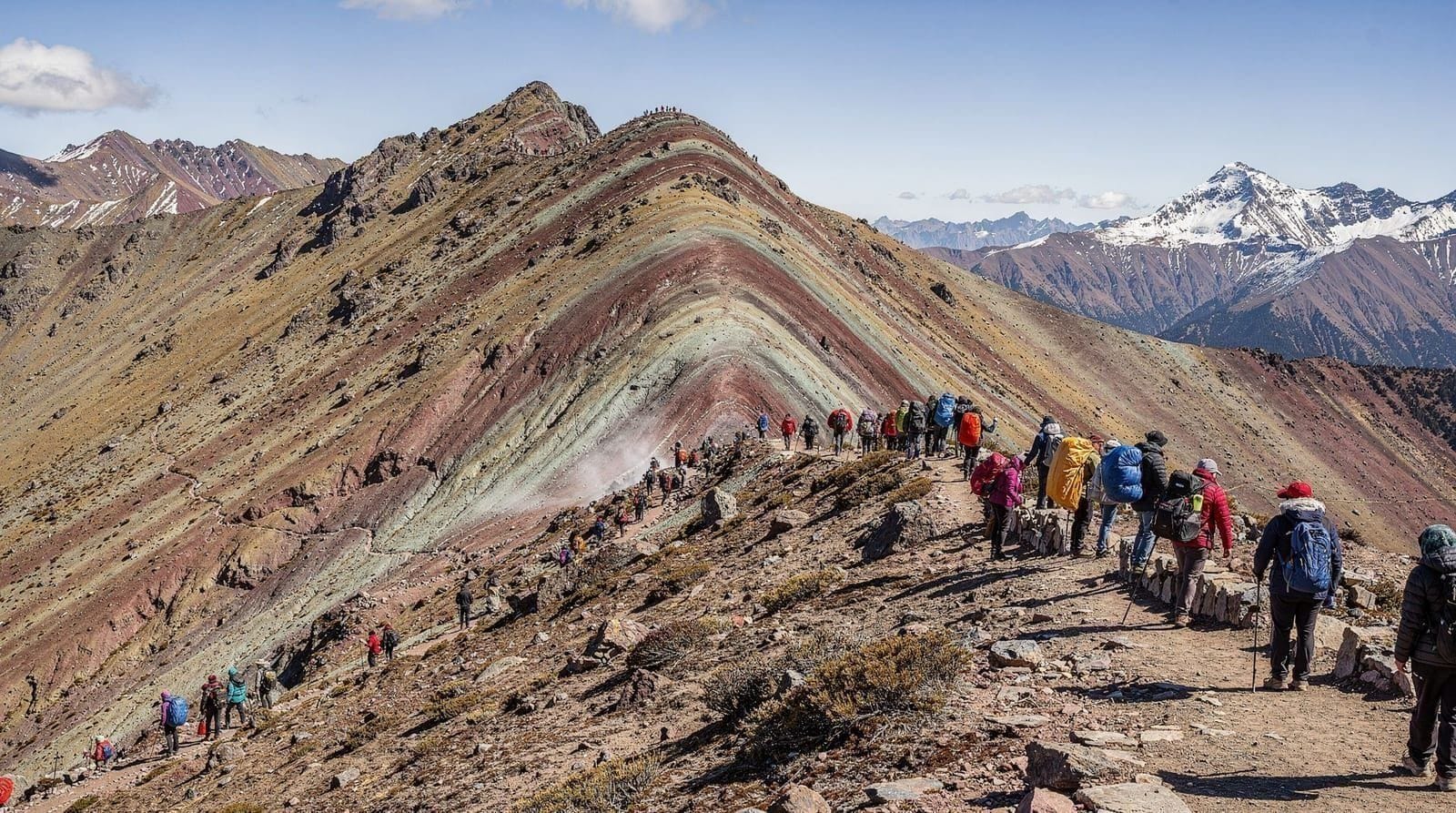
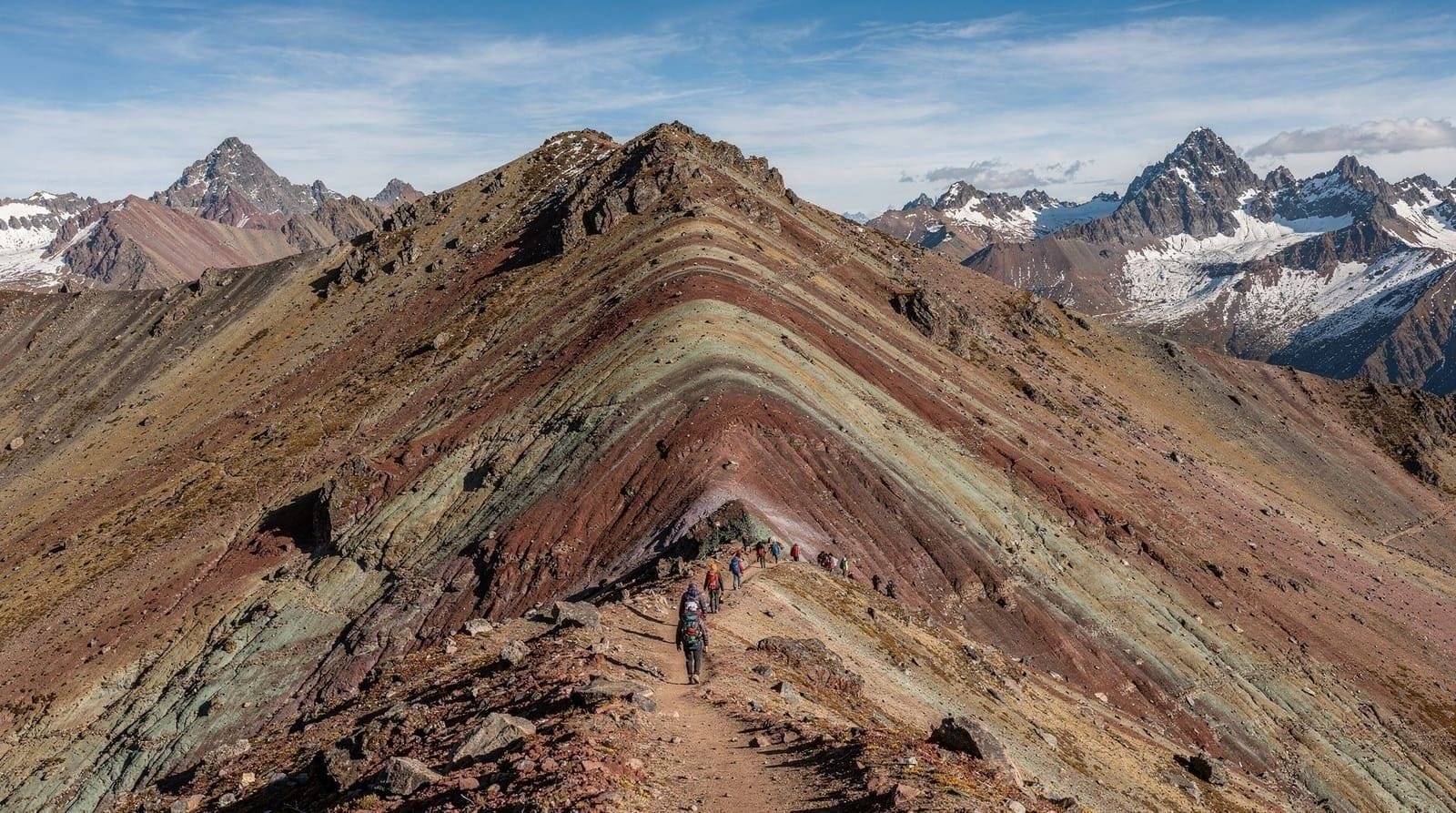
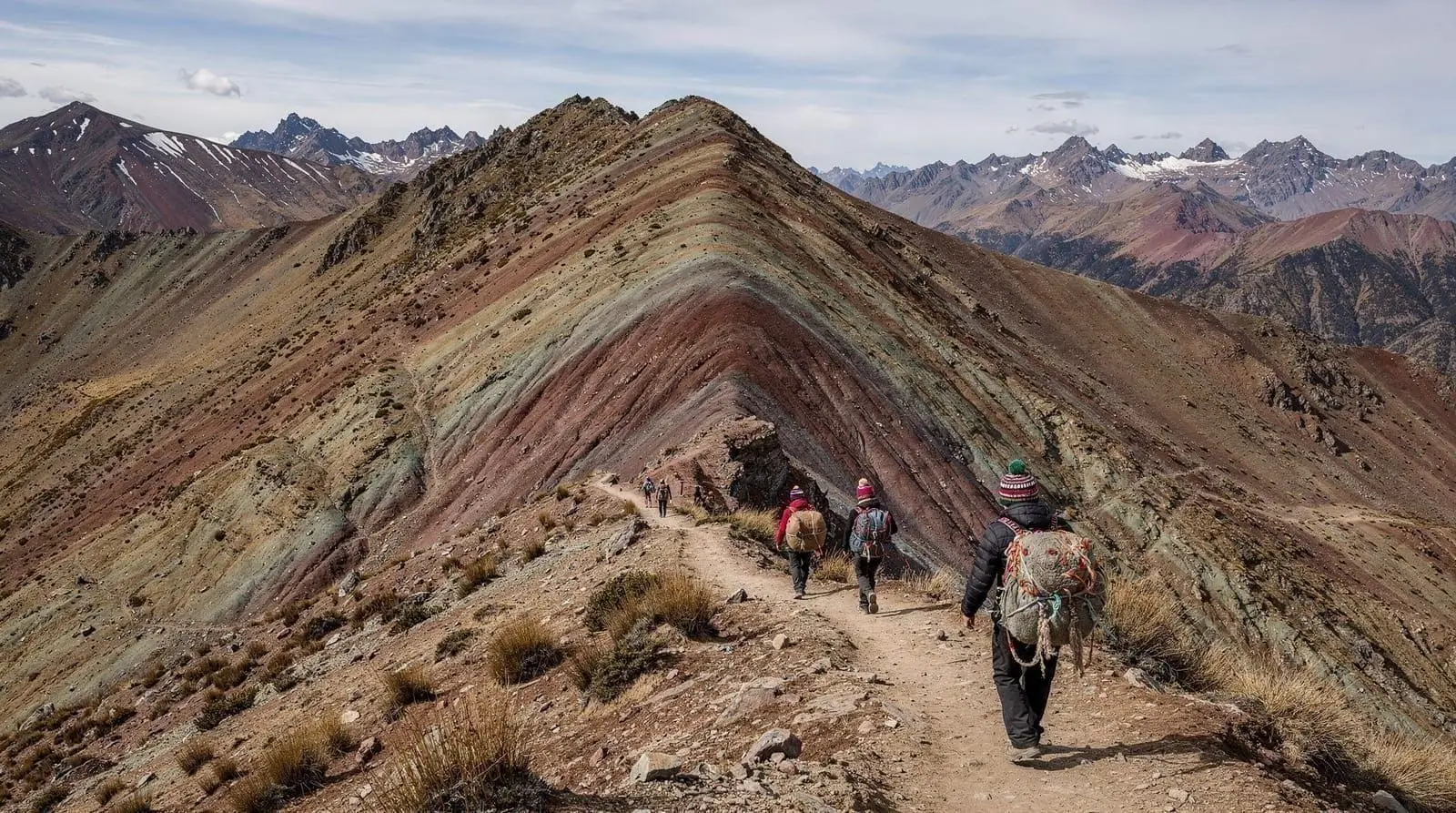
This is the big day and it starts brutally early. Most tours collect you from your hotel between 3:00 and 4:00 am for the roughly three-hour drive to the trailhead near Pitumarca, with a breakfast stop on the way. From the car park you walk up to the Vinicunca ridge at around 5,000 m. The hike is only 5-7 km round trip and not technically difficult, but the altitude makes it genuinely tough — expect to stop often.
If the climb feels like too much, horses are available for hire on the lower section (about S/ 80-120, USD 21-32) up to a point near the final viewpoint; you still walk the last steep stretch yourself. Bring layers, sun protection, water, and cash. A standard group day trip costs around S/ 70-130 (USD 19-35) plus the site entrance of roughly S/ 25-30, paid at the trail.
You return to Cusco in the afternoon. For everything about the site — when the colours show best, weather, and crowds — read the Rainbow Mountain complete guide and the honest is Rainbow Mountain worth it take. The Rainbow Mountain altitude tips guide is essential reading the night before.
Book the Rainbow Mountain day trip- Start: 3:00-4:00 am pickup
- Walking: ~5-7 km round trip at ~5,000 m
- Hardest part: the thin air on the final climb to the viewpoint
An easier alternative: Palccoyo
If 5,000 m sounds like too much, or you want a quieter experience, swap Vinicunca for Palccoyo. It reaches a similar altitude but the walk to the viewpoints is short and almost flat — perhaps 20-40 minutes — making it far gentler. The crowds are smaller too. The Palccoyo rainbow mountain guide and Vinicunca vs Palccoyo comparison help you decide.
Book the Palccoyo full-day tourVinicunca vs Palccoyo, at a glance
| Vinicunca (Rainbow Mountain) | Palccoyo | |
|---|---|---|
| Altitude | ~5,000 m at the viewpoint | Similar, but far less climbing to reach it |
| Walk | 5–7 km round trip, steep in places | 20–40 minutes, mostly flat |
| Crowds | Heavy, especially dry-season mornings | Noticeably quieter |
| Views | The famous striped ridge, one main viewpoint | Three separate viewpoints, less iconic |
| Best for | Fit, acclimatised hikers wanting the classic shot | Families, older travellers, altitude-cautious visitors |
If Ausangate’s lakes interest you as a third option with fewer crowds again, the Ausangate lakes day trip guide covers a similar high-altitude alternative.
Could you add a fourth day?
If you can stretch to four days, the obvious add-on is the Sacred Valley — Pisac, Maras, Moray, and Ollantaytambo — which sits lower than Cusco and is gentle on the lungs. See the Sacred Valley day trip guide. Many travellers actually prefer to acclimatise in the lower valley before any high-altitude hike.
Frequently asked questions about Cusco and Rainbow Mountain in 3 days
Why can’t I do Rainbow Mountain on my first day?
Because you have not acclimatised. Going from sea level to a 5,000 m hike within 24-48 hours sharply raises your risk of altitude sickness, and many people simply cannot finish the walk. Two nights in Cusco first makes the trip far safer and more enjoyable.
How early does the Rainbow Mountain tour really leave?
Hotel pickups are typically between 3:00 and 4:00 am because of the long drive and the need to reach the summit before midday cloud rolls in. It is an exhausting day; an early night beforehand matters.
Is Rainbow Mountain too crowded?
At peak times hundreds of people queue along the final ridge. Going in the dry season on a weekday helps, and Palccoyo is far quieter. Read is Rainbow Mountain worth it for an honest assessment.
What does the whole trip cost?
A budget Cusco visit with a group Rainbow Mountain tour can be done for well under USD 200 in tours and entrances over three days, excluding accommodation and meals. The Cusco on a budget guide breaks down realistic daily spending.
What should I wear for Vinicunca?
Layers: it can be below freezing at the start and warm by mid-morning. Bring a windproof jacket, gloves, a hat, strong sun protection, and sunglasses — the high-altitude sun is fierce even when it is cold.
Can children do Rainbow Mountain?
The altitude makes it hard for young children, and it is not recommended for under-eights. Families with older, fit kids sometimes manage it with plenty of rest and the horse option. Palccoyo is a far better family choice.
What if I feel unwell on day two and I’m not sure about day three?
Listen to your body over your itinerary. Mild headache and tiredness are common and usually settle with rest, water, and no alcohol, but worsening symptoms — severe headache, vomiting, confusion — mean you should skip Rainbow Mountain and see a doctor, not push through a 5,000 m hike. The altitude sickness guide explains the warning signs in detail, and Palccoyo remains an option if Vinicunca feels too risky but you still want the rainbow-mountain experience.
Do I need travel insurance for Rainbow Mountain?
It is strongly recommended for any high-altitude activity in Peru, since evacuation from remote trailheads is expensive if something goes wrong. Confirm your policy explicitly covers activities above 4,500–5,000 m, as some standard policies exclude high altitude by default.
Top experiences
Bookable activities with verified prices and instant confirmation on GetYourGuide.