Cusco off the beaten path: the days I skipped the famous stuff
| Where | South Valley, San Blas, sites above Cusco |
| Cost | Mostly boleto turístico-inclusive or free |
| Time needed | A spare 3–4 days after the headline sites |
| Getting there | Colectivos, taxis, or on foot from the centre |
| Best time | Any season; early morning or evening for the quiet |
I’d already done Machu Picchu, and I had a week left
This wasn’t my first time in Cusco. I’d done the big-ticket run on an earlier trip — Machu Picchu, the Sacred Valley, Rainbow Mountain, the lot — and I’d enjoyed it the way you enjoy a thing you’re supposed to enjoy. This time I had a spare week, no fixed plan, and a quiet ambition to spend it doing the stuff that doesn’t make the highlight reels. What follows is roughly how that week went, with the genuinely good detours flagged and the duds noted honestly.
Tipón, where the Incas plumbed a mountainside
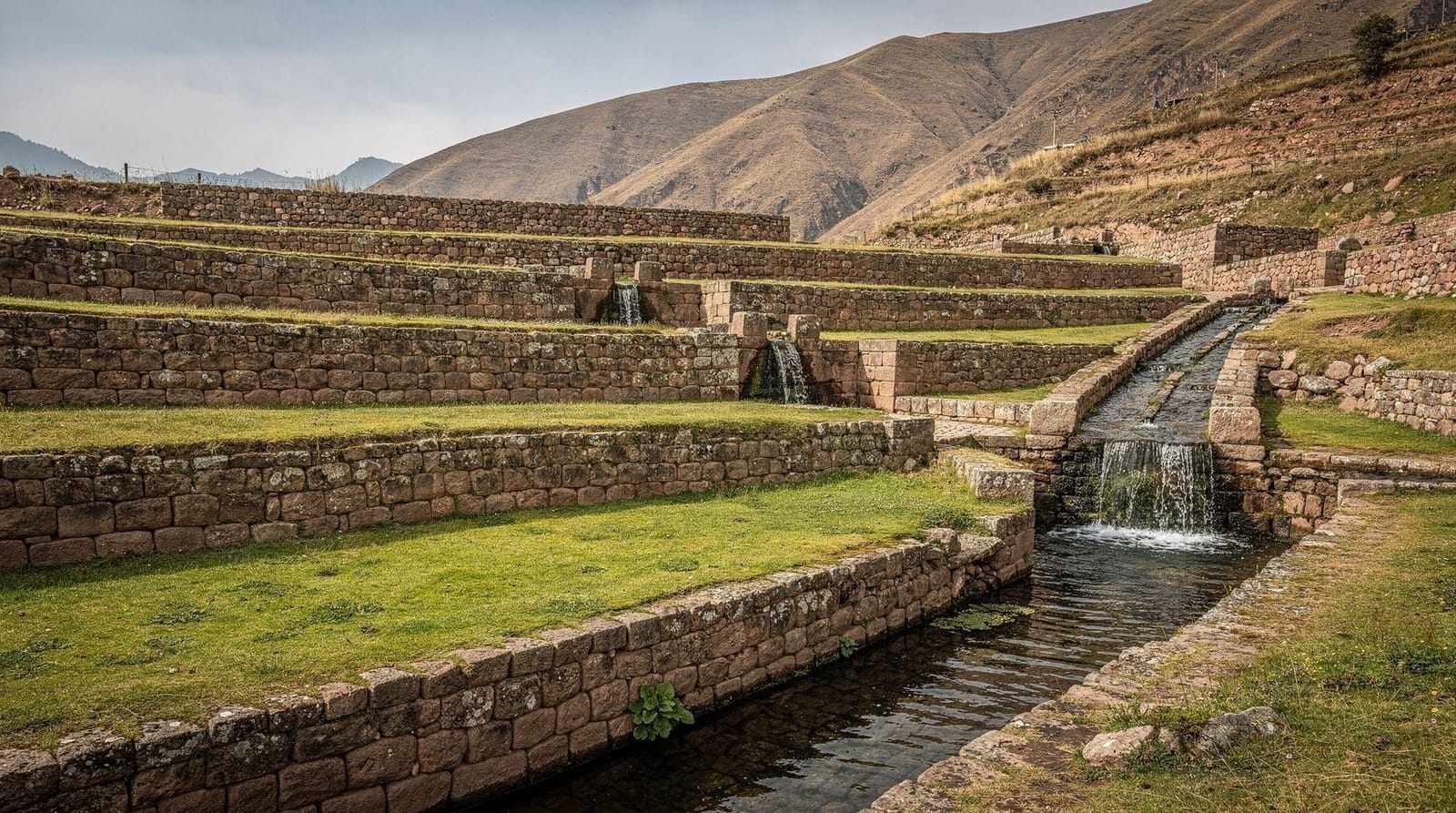
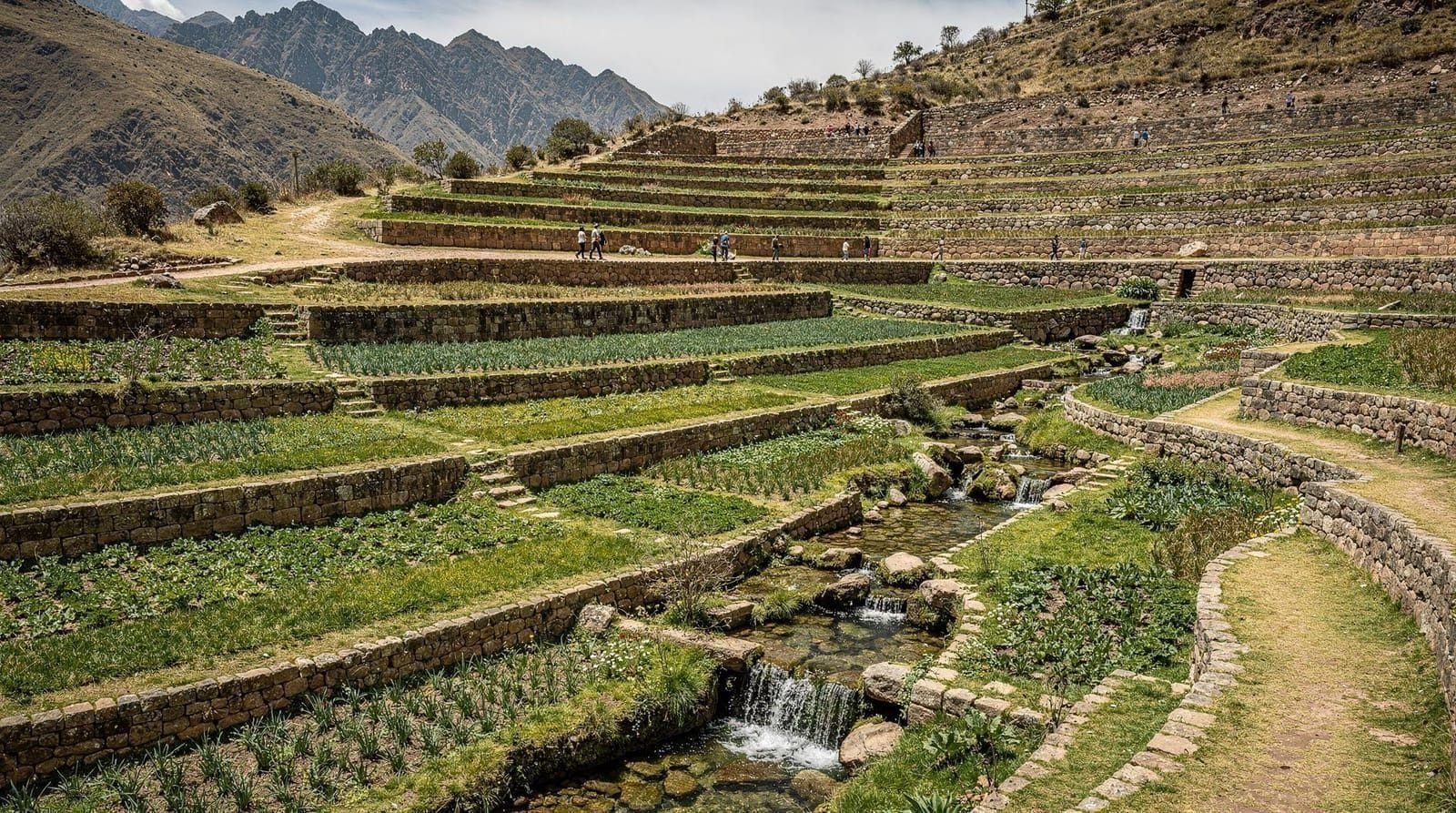
The morning I went out to Tipón there were maybe six other people on the whole site. Six. After the human conveyor belt of Machu Picchu, standing alone on a terrace listening to water still running through Inca channels six hundred years later was almost disorienting.
Tipón is in the South Valley, the stretch southeast of Cusco that most tours ignore in favour of the Sacred Valley to the north. It’s an agricultural and hydraulic site — terraces fed by stone canals that still work, fountains that still flow. If you’re even slightly into how the Incas actually engineered things rather than just how the ruins photograph, it’s a quietly astonishing place. A colectivo from Cusco out toward Urcos dropped me near the turnoff for a couple of soles, then a short taxi up the access road, and entry came off my boleto turístico so it cost nothing extra on the day.
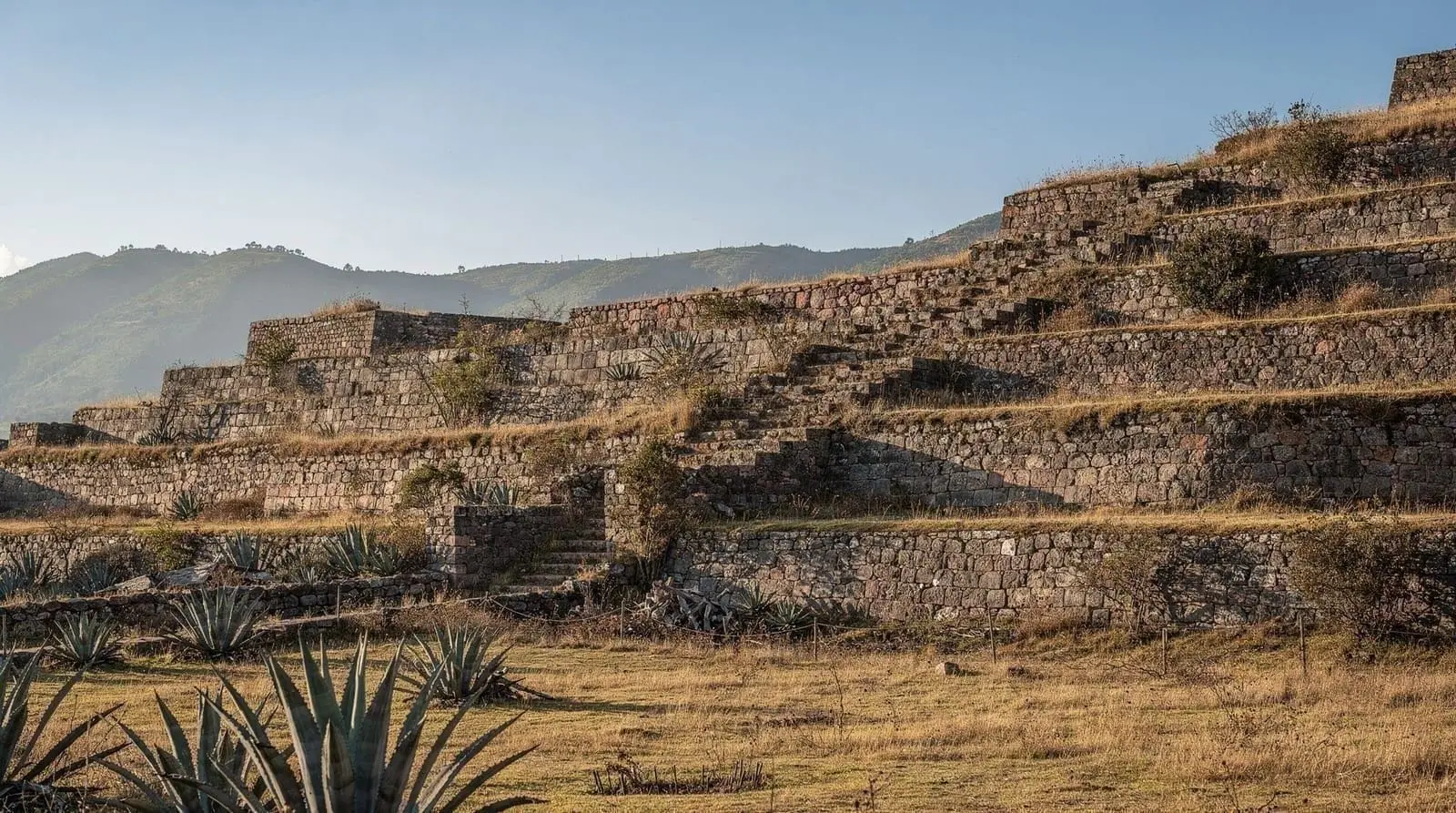
I paired it with Pikillacta down the valley, a pre-Inca Wari city of hundreds of identical compounds spread across a dusty plain. It’s not pretty in the conventional sense and it doesn’t try to be, but walking those grid streets with nobody around had a strange weight to it. The South Valley Tipón Pikillacta page covers the logistics if you want to do it independently, and the South Valley day trip guide lays out the route.
If you’d rather not faff with colectivos, a small-group South Valley tour exists, but honestly the public transport version was cheap and easy enough that I’d only book a tour to save time.
San Blas after the day-trippers leave
Everyone tells you to visit San Blas, the artists’ quarter climbing the hill above the centre, and they’re right — but they all visit at the same time, midday, when the steep cobbled lanes are clogged with people doing the same loop. The trick I stumbled into was going up at around 6pm, after the tour buses had emptied out, and just sitting on the little plaza by the white church while the light went gold.
The neighbourhood empties of visitors but stays alive with people who actually live there — kids playing, the corner shops doing their evening trade, a couple of the workshop doors still open. I bought a small carved retablo directly from the woman who’d made it for S/40 (about USD 11), no haggling theatre, no tour markup. The San Blas page has more on the area, but the real tip is just: go at the wrong time of day on purpose.
The market that isn’t San Pedro
San Pedro Market is the famous one and it’s worth a wander, but it’s also firmly on the tourist circuit now — half of it is juice stalls performing for cameras. The morning I had more fun was at a sprawling local market further out where I was clearly the only foreigner and nobody cared. I ate a bowl of caldo de gallina (hen soup, the local hangover cure) for S/8 standing at a counter, watched a woman sell about forty kinds of potato I couldn’t name, and got quietly told off for photographing a cheese stall, which was fair.
I’m deliberately not turning this into a “secret market” pin-drop, because the whole point is that these places work precisely because they aren’t on a list. Ask your guesthouse where they actually shop. The answer is rarely San Pedro. That said, if you do want to learn the San Pedro stalls properly, the San Pedro Market food guide is good for that.
Cusco’s empty archaeological sites are right above the city
Here’s the thing nobody told me on the first trip: there’s a string of Inca sites strung along the road just above Cusco that almost everyone skips because they’re racing off to the headline stuff. Tambomachay, Q’enqo, Puka Pukara — all within a short ride of the centre, all on the boleto turístico, all reliably quiet outside the brief mid-morning tour-bus window.
I walked the lot in an afternoon. You can taxi to the highest one, Tambomachay, then walk gently downhill back toward Cusco hitting the others on the way — a few hours, mostly downhill, ending with the city spread out below you. Q’enqo’s carved-rock chamber, half-cave half-temple, was completely empty when I ducked into it. The Tambomachay, Q’enqo, Puka Pukara page has the route, and the broader Cusco archaeological sites guide explains what each one actually was.
Chinchero, for the weaving and not much else
I took a morning out to Chinchero, up on the high plain toward the Sacred Valley. It’s known for its weaving cooperatives, and yes, the demonstrations are partly a sales pitch — but the good ones are genuinely educational, walking you through the natural dyes, the spinning, the way patterns encode meaning. I watched cochineal beetles get crushed into a vivid red and a woman my mother’s age spin alpaca thread faster than I could follow.
Was there pressure to buy? A bit. Did I mind? Not really, because the textiles were real and the cooperative model means money goes to the weavers rather than a middleman. I bought a runner for S/120 (USD 32) that I still use. The Chinchero weaving guide explains which cooperatives are the honest ones, which matters because a few are tourist traps in cooperative clothing.
A morning walk that beat any tour
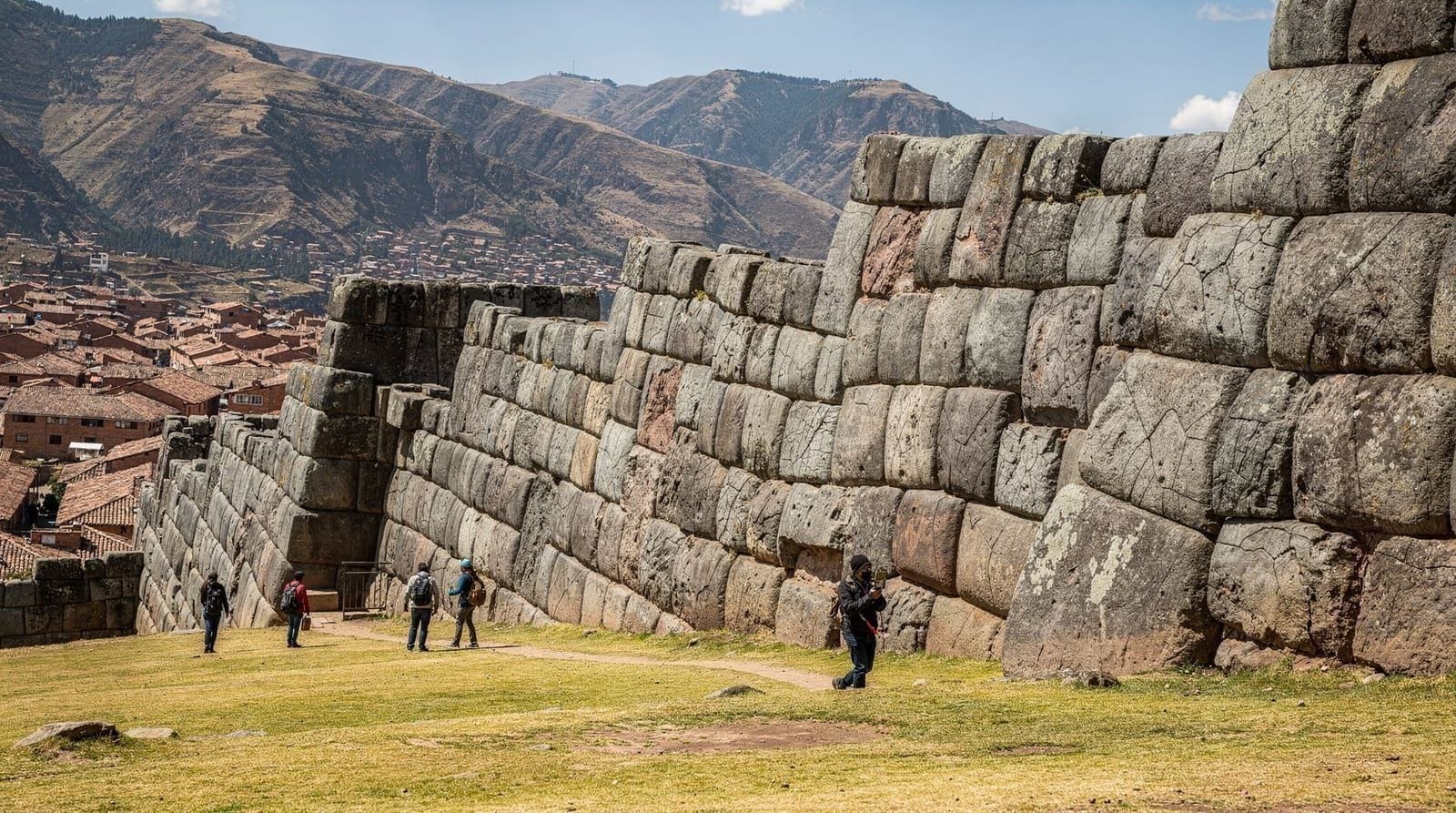
One of the best things I did that week cost nothing and wasn’t on any itinerary. I got up early — properly early, before the city woke — and just walked. Up through the silent lanes above the Plaza de Armas, past the great Inca walls on Calle Hatun Rumiyoc with the famous twelve-angled stone, while the only other people about were women setting up bread stalls and a few dogs. The light came up over the red roofs and the whole city had a stillness it never has after about 9am.
By the time the first tour groups appeared I’d already seen the centre at its quietest and most beautiful. I’d recommend this over almost any paid experience: set an alarm, walk the historic core before it fills, and watch a working Andean city start its day. The historic centre of Cusco is worth doing this way at least once.
Eating where the workers eat
The other quietly off-the-beaten-path move is lunch. Cusco’s tourist restaurants cluster around the square and charge accordingly; a few streets out, the menú del día — a set lunch of soup, a main and a drink — runs S/10–15 (USD 2.70–4) at places packed with locals on their break. I made a habit of following office workers and market traders at noon, and ate better, cheaper food than anything near the Plaza.
These places don’t have signs in English and rarely have menus at all — you eat what’s cooking. The soup is always good, the portions are honest, and you’re surrounded by people who actually live here. It’s the simplest off-the-tourist-track tip I’ve got, and one of the best. The Cusco on a budget guide leans into this.
The detour that wasn’t worth it (for me)
In the interest of honesty: I spent the better part of a day chasing a “hidden” site I’d read about that turned out to be a long, bumpy, expensive taxi ride to a small ruin that was fine but not remotely worth the effort or the S/150 I paid the driver. Off-the-beaten-path doesn’t automatically mean good. Some things are off the path because they don’t justify the path. Use judgement, and don’t romanticise obscurity for its own sake.
How to actually find the quiet Cusco
My real takeaway after that week: you don’t need secret locations, you need the famous places at the unfamous times and the secondary sites everyone skips. Go to San Blas in the evening. Do the South Valley instead of the Sacred Valley one day. Walk the ruins above the city on a weekday afternoon. Eat where your host eats.
If you’re building this into a longer stay, the best day trips from Cusco guide is a good map of the lesser-run options, and a couple of the included sites pair naturally with the headline tours if you want one easy, organised day in the mix.
Cusco half-day city tourI came back from that week with no spectacular Instagram post and a much better sense of the place. I’d take that trade every time.
Pisac’s market versus the ruins above it
One more pairing worth flagging: most day-trippers pass through Pisac for the crafts market and never make it up to the ruins on the hillside above, which are quieter and honestly more interesting than the stalls below. If you’ve only got time for one, skip the market — you can find the same crafts elsewhere — and spend the time on the terraces and the views instead.
A quieter alternative to Rainbow Mountain
If you’ve already done the classic circuit and are looking for something with the same dramatic colours but far fewer people, Palccoyo is the detour locals mention when you ask. It’s a gentler walk than Rainbow Mountain itself, with three separate colour-striped hillsides rather than one, and a fraction of the crowds because it sits slightly further out and doesn’t have the same name recognition yet. I’d rank it alongside Tipón and the sites above Cusco as one of the better “same reward, less queue” swaps in the region.