A week in Cusco — my honest trip report
I gave Cusco seven nights because everyone online told me three was enough and I didn’t believe them. After the week I had, I’m glad I ignored the internet. Three days would have meant doing Machu Picchu with a headache and a stomach that hadn’t decided whether it liked me yet. Here is what actually happened, day by day, with the prices I paid in April 2019 (roughly S/3.3 to the US dollar back then).
| Where | Cusco, Peru (~3,400m/11,150ft) |
| Cost for the week | Around US$420, flights and Machu Picchu train not included |
| Time needed | 7 nights minimum for a relaxed first visit |
| Getting there | LATAM flight from Lima, around 1hr |
| Best time | Dry season (May–Sept) for clear skies; see below for trade-offs |
Day one: doing nothing, on purpose
I landed at Alejandro Velasco Astete airport mid-morning after the short LATAM hop from Lima. The flight cost me around US$70 one way, booked three weeks ahead. A taxi from the airport to the Plaza de Armas area was S/15 once I’d walked past the official-looking desk inside the terminal that wanted S/40. Lesson one of the trip: the closer you book to the arrivals door, the more you pay.
My hostel near Calle Suecia had warned me by email to take it easy on arrival, and I’m telling you the same thing. I dropped my bag, drank the cup of coca tea they handed me at reception, and then made the mistake of climbing the stairs to my room too fast. I had to sit on the landing for a minute with my heart going like a drum. Cusco sits at about 3,400 metres, and your body genuinely does not care how fit you think you are.
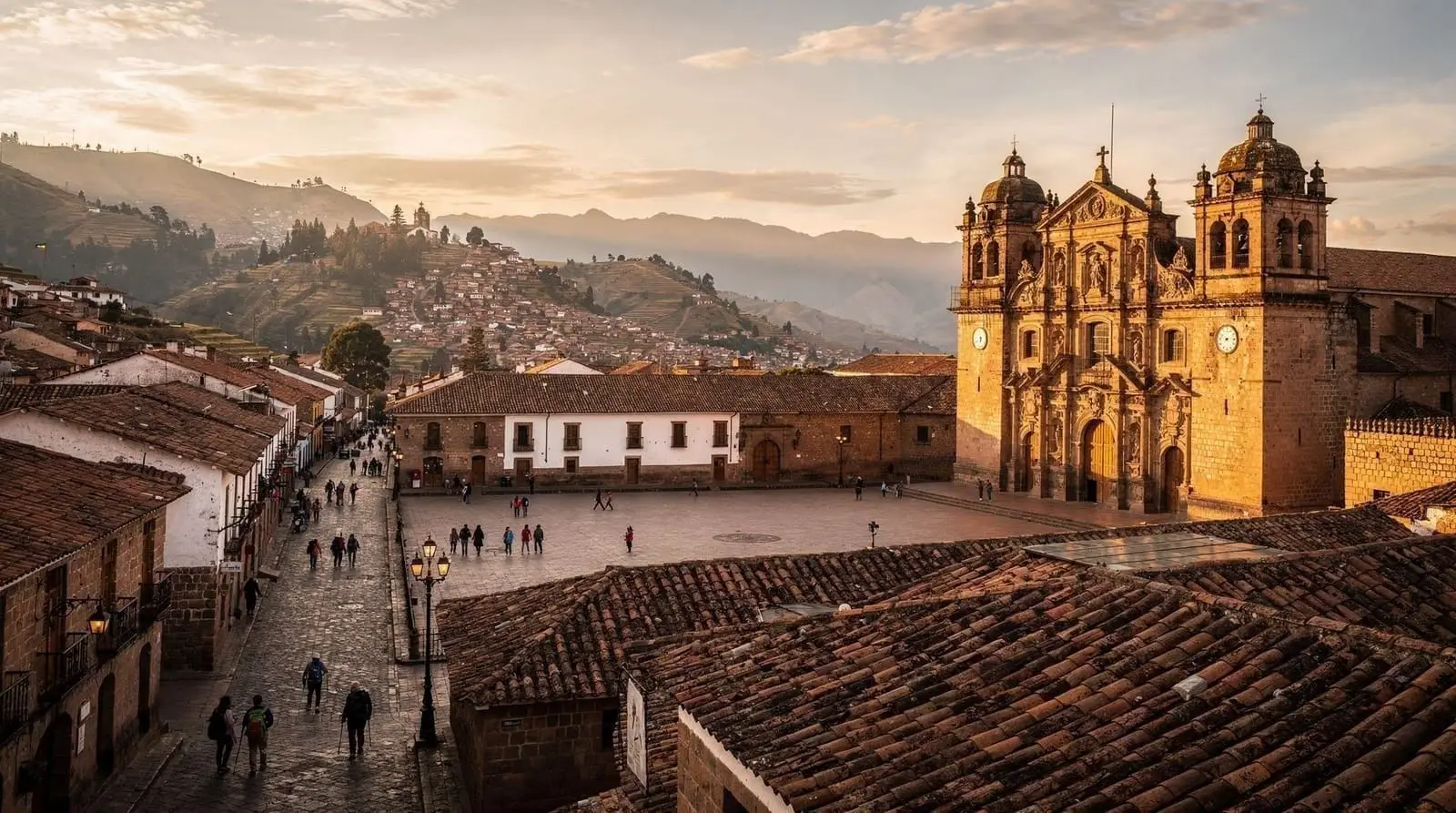
So day one was a slow walk around the Plaza de Armas, a long lunch, and an early night. I’d read the acclimatization plan beforehand and stuck to it: no alcohol, lots of water, no big meals. It felt like a wasted day at the time. It absolutely wasn’t.
Day two: San Blas and the slow uphill
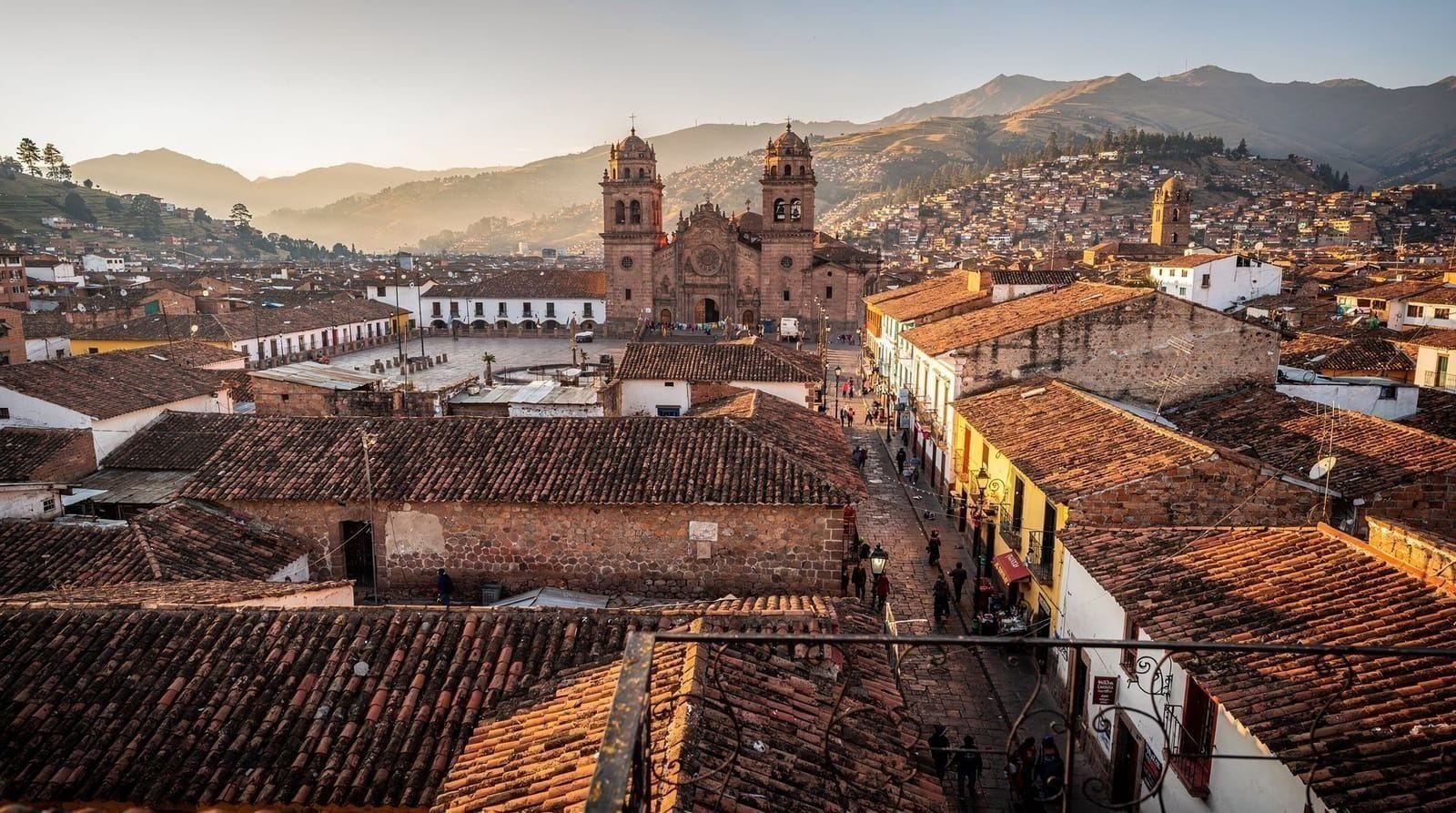
Feeling braver, I walked up to the San Blas neighbourhood, which is the artsy quarter clinging to the hillside above the centre. The streets here are steep enough that I had to stop and pretend to admire the view several times just to catch my breath. The little plaza at the top has a white church and a few cafés, and I sat at one called Café Cappuccino with a flat white for S/12 and watched a man carry a fridge up the cobbles on his back.
I’d recommend giving San Blas a full half-day rather than rushing it. The workshops selling carved wood and silver are genuine here, unlike some of the tourist-tat stalls down by the plaza. I bought a small carved retablo for S/45 after a friendly bit of haggling that started at S/80.
Day three: the city tour I almost skipped
I’d been sniffy about organised tours, but the half-day city tour turned out to be the single most useful thing I did all week, mostly because the guide explained the Inca-on-Spanish-on-Inca layering of the whole city in a way I never would have pieced together alone. We did Qorikancha, Sacsayhuamán, Q’enqo and a couple of the smaller sites above town.
I booked the half-day city tour with Sacsayhuamán and Q’enqo for a bit under US$25, and it included transport up to the ruins, which matters because they’re a steep haul from the centre. The only catch is the entrance tickets aren’t included — you need the boleto turístico, which I’ll come back to.
Standing inside Qorikancha, where the Spanish built a church directly on top of the Inca sun temple’s perfect stonework, was the moment Cusco clicked for me. The guide pointed out where the gold panels had been stripped, and the famous trapezoidal niches that survived three earthquakes the colonial walls did not.
Day four: the boleto turístico and Sacsayhuamán again
I went back up to Sacsayhuamán on my own to sit among the giant zigzag walls without a group. The stones here are the size of buses, fitted so tightly you can’t slip a knife blade between them. There were a few llamas grazing for the photos, and yes, I took the photo.
A word on tickets, because it confused me. The boleto turístico is a combined pass covering Sacsayhuamán, Q’enqo, several Sacred Valley sites and some museums. The full version cost S/130 (about US$40) and is valid ten days. There’s a partial version for S/70 if you’re only doing the sites near the city. I’d read the tourist ticket guide the night before, which saved me from buying the wrong one at the gate. You cannot pay per site at most of these places, so you’re locked into the pass whether you like it or not.
Day five: Machu Picchu logistics eat a whole day
I’m not going to relive my full Machu Picchu day here because it deserves its own write-up, but I’ll say this: getting there and back from Cusco in a single day is brutal and I wouldn’t do it again. I left at 4am and got back near midnight, wrecked. If I had the week to plan again I’d sleep in Aguas Calientes the night before. The site itself, when the cloud finally lifted around 9am, was every bit worth the misery. Read up on how to get to Machu Picchu and budget properly — the train alone is the most expensive thing most people do in Peru.
Day six: markets, food, and the meal that surprised me
By now my appetite was back, so day six was the eating day. I started at the San Pedro Market, where the juice stalls will blend you a glass of fruit you’ve never heard of for S/6. The back rows are where locals eat — I had a bowl of caldo de gallina, a clear chicken broth, for S/8, and it was exactly what my altitude-battered body wanted.
For dinner I’d booked ahead at a place called Cicciolina in an upstairs dining room off Calle Triunfo. It’s not cheap by Cusco standards — I spent about S/110 on a main and a glass of wine — but the alpaca dish was the best meal of the trip. If you want the cheaper end, the best restaurants in Cusco rundown points to a lot of solid mid-range spots I wish I’d found earlier in the week.
The tourist trap I fell for: a restaurant right on the Plaza de Armas with a man outside handing out flyers and a “free” pisco sour. The pisco sour was watery, the lomo saltado was S/55 and mediocre, and the whole thing felt like a tax on laziness. Walk two streets back from the plaza and prices roughly halve.
Day seven: the cooking class I’d recommend to anyone
For my last full day I did a Peruvian cooking class that started with a market tour and ended with us eating what we’d made. We learned to make a proper pisco sour (the trick is the egg white and a lot of shaking) and a ceviche-style dish, and the guide walked us through the market explaining ingredients I’d been too shy to ask about all week.
The cooking class with the market tour ran about US$45 for roughly four hours including all the food and two cocktails, which made it decent value as both a meal and an activity. I left with a recipe card I’ve actually used at home, which is more than I can say for most souvenirs.
The week in numbers
Here’s roughly where the money went, day by day, so you can see what a realistic first-timer’s week actually costs beyond the headline total.
| Day | What it was | Rough cost (US$) |
|---|---|---|
| 1 | Airport taxi, slow acclimatisation day | ~20 |
| 2 | San Blas wander, retablo souvenir | ~25 |
| 3 | Half-day city tour + boleto turístico | ~65 |
| 4 | Sacsayhuamán solo, café stops | ~15 |
| 5 | Machu Picchu day (train + entry) | ~230 |
| 6 | Markets, Cicciolina dinner | ~45 |
| 7 | Cooking class + market tour | ~50 |
The Machu Picchu day dwarfs everything else, which is exactly why I’d point anyone planning a first trip to read how to get to Machu Picchu properly before booking — the train pricing tiers alone can swing that single day by US$100 or more.
What I’d change
If I did this week again I’d swap the same-day Machu Picchu sprint for an overnight in Aguas Calientes, and I’d move the cooking class earlier so I had the recipe knowledge for the rest of the trip. I’d still keep day one completely empty. The altitude is not a suggestion.
What I wouldn’t change is the length. A week let me have a flat afternoon where I genuinely couldn’t move, a rained-off morning, and a day lost entirely to train logistics, and still come away feeling I’d seen Cusco rather than ticked it. For anyone deciding how many days in Cusco to commit to, my vote is firmly more, not fewer.
Rough total for the week, excluding flights and the Machu Picchu train: around US$420 including a mid-range private room, all food, the boleto, two tours and the cooking class. Cusco can be done for far less, and I’ll write about that another time — but for a first visit, this felt like money well spent.
What I’d tell a first-timer to pack in
If your week has any flexibility, don’t cram a Sacred Valley day into the same stretch as your Machu Picchu day — I made that near-mistake and cut it because day five had already wrecked me. A gentler overland alternative some travellers take instead of flying straight home is the bus down to Arequipa, which drops you to a warmer 2,300 metres and a completely different city if your itinerary has the extra two or three days to spare.