Cusco on a shoestring — what a week really cost me
| Where | Cusco, Peru, budget backpacker route |
| Cost | ~US$27/day living, ~US$287 for the week incl. Machu Picchu |
| Time needed | 7 nights |
| Getting there | Dorm beds near the centre, self-guided sites |
| Best time | Shoulder/wet season for lower accommodation prices |
The first time I came to Cusco I spent freely and didn’t track a thing. The second time, travelling on the dregs of a long South America trip, I had a hard daily budget and I kept the receipts. This is the honest ledger: what a week in Cusco cost me when I was genuinely watching every sol, and where the corners are safe to cut versus where cutting hurts.
The target
My goal was under US$30 a day, which at the August 2020 rate of around S/3.5 to the dollar meant roughly S/105 daily, everything in except the Machu Picchu day. I came in just under, averaging about US$27. It’s very doable, and the Cusco on a budget guide was my starting framework — most of what follows is me stress-testing its advice in practice.
Sleeping: S/30–40 a night
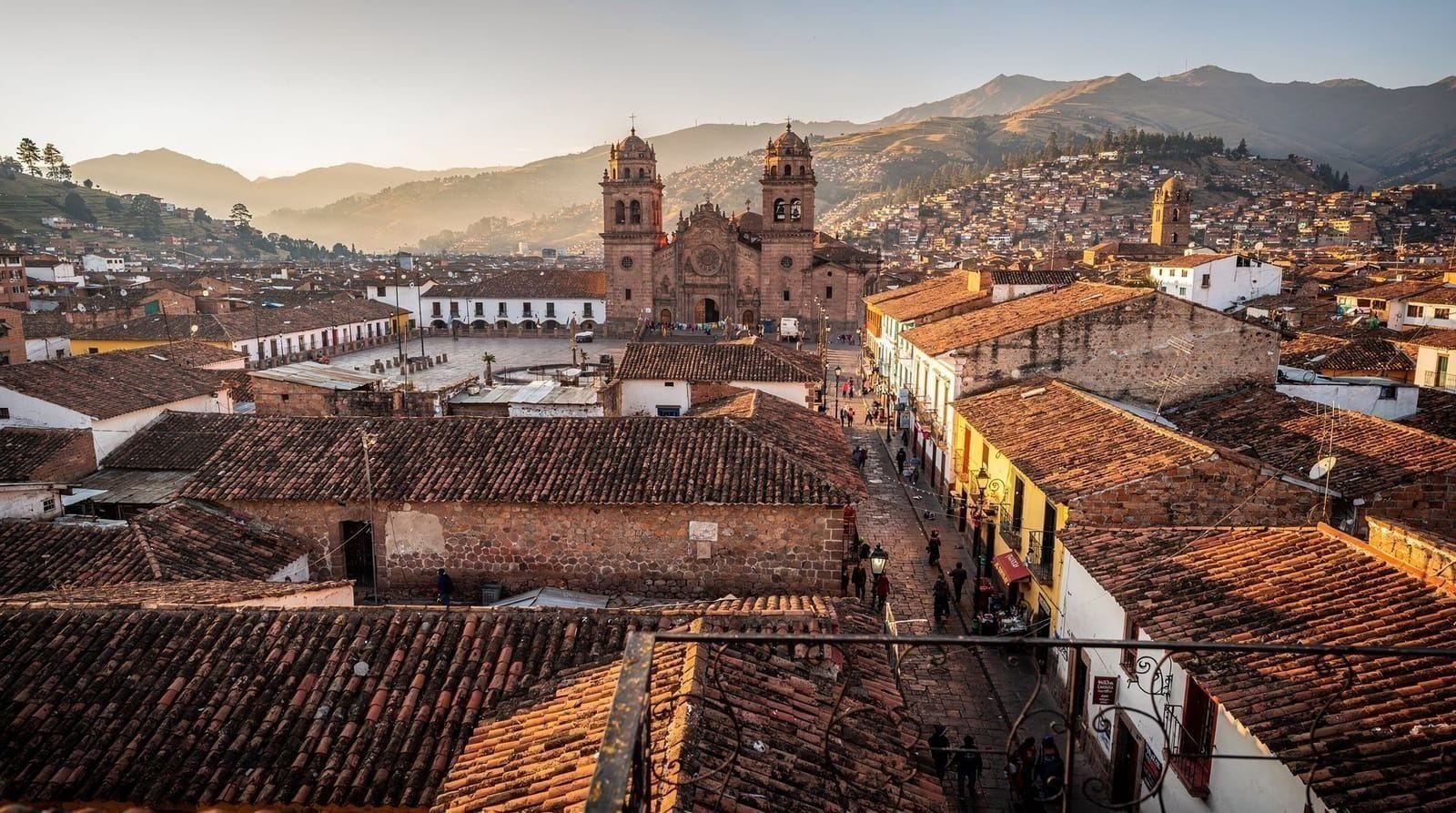
I stayed in dorm beds the whole week. A bed in a clean, social hostel in the centre of Cusco ran me S/30 to S/40 (US$9–11) including breakfast and the all-important thermos of coca tea. I picked places a few streets up from the Plaza de Armas — Cusco gets quieter and cheaper the further you climb away from the square, though your legs will pay for it at altitude.
The one splurge I’d defend: I paid S/55 for a private room my first night because I’d just come off a long bus and knew I needed real sleep to handle the altitude. Arriving exhausted into a noisy ten-bed dorm at 3,400 metres is a recipe for getting sick. Spend the extra on night one if you possibly can.
Eating: S/25–35 a day
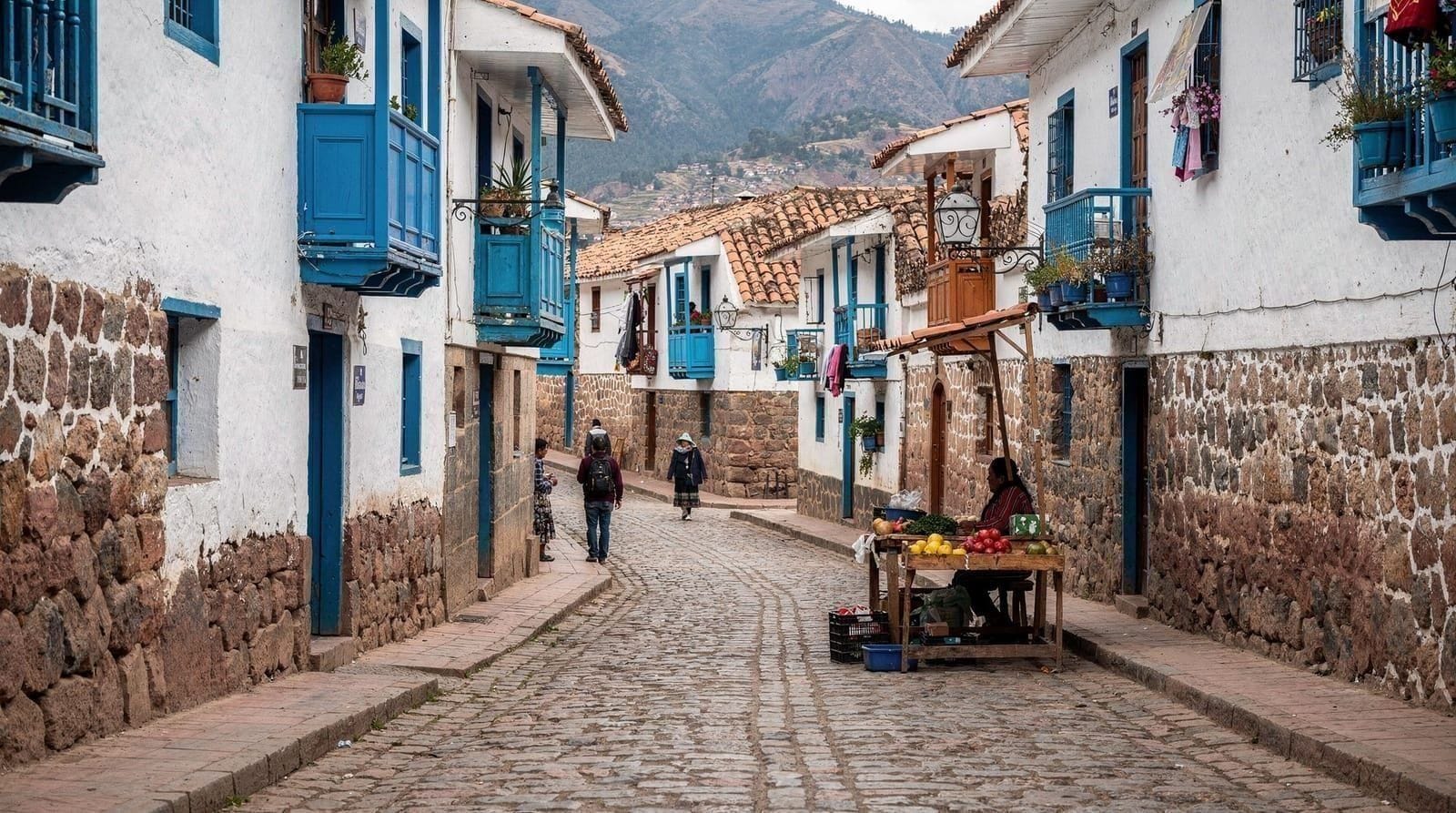
This is where Cusco rewards you for getting off the plaza. The menú del día — a set lunch of soup, a main, and a drink — is the budget traveller’s best friend. Away from the tourist streets I paid S/8 to S/12 for a filling two-course lunch. At the San Pedro Market, the back rows where the porters and stallholders eat will feed you a huge plate for S/10, and the juice stalls do a giant glass of fresh fruit for S/6.
Breakfast was included at the hostel. Dinner, if I wasn’t cooking in the hostel kitchen, was usually street food — anticuchos (grilled beef heart skewers) from a cart for S/5, or an empanada and a soup. I cooked maybe three nights, buying eggs, avocado, bread and fruit from the market for a few soles.
What I avoided entirely: any restaurant on the Plaza de Armas with a tout outside, and the “gourmet” tourist spots where a main is S/50-plus. The food two streets back is better and a third of the price. The full breakdown in the budget guide matches what I found — the savings are almost entirely about location, not quality.
Getting around: nearly free
Cusco’s centre is walkable, which is fortunate because at altitude you’ll be walking slowly anyway. I took a taxi maybe three times all week, always agreeing the fare first — S/8 to S/15 for anything within the city. Combis (local minibuses) cost S/1 to the further-out sites if you can decode the routes painted on the windscreen. I walked almost everywhere.
Sights: pick your tickets carefully
The boleto turístico is unavoidable if you want the main ruins, and even the partial version is S/70. I bought the partial pass for the city-area sites — Sacsayhuamán, Q’enqo, Tambomachay — and walked up to them rather than paying for a tour, which saved the US$25 tour cost. The walk up to Sacsayhuamán is steep but free, and you can self-guide easily.
I skipped paid attractions where the free version was just as good. San Blas costs nothing to wander. The Plaza de Armas and most of the churches’ exteriors are free. I did pay the small entry to the cathedral because I wanted to, and didn’t regret it.
The big one: Machu Picchu the cheap way
Here’s the line item that breaks most budgets. The train to Machu Picchu is expensive — easily US$130-plus return for the standard tourist service, which on a shoestring is simply out of reach. So I did it the back way, via Hidroeléctrica.
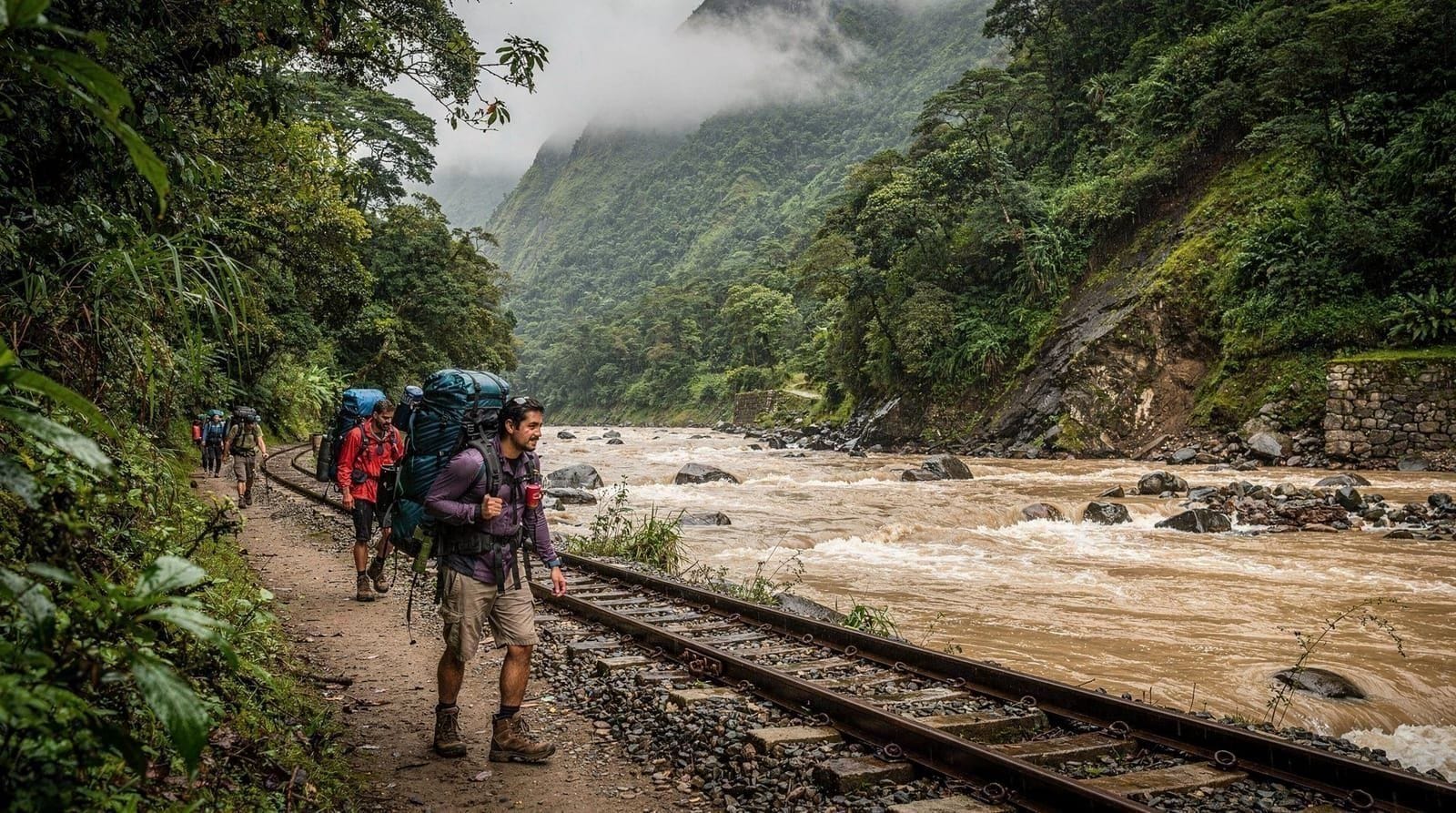
This is the budget legend’s route: a long shared-van ride from Cusco to the Hidroeléctrica hydroelectric station (six to seven hours), then a flat two-hour walk along the railway tracks to Aguas Calientes. You sleep there, climb to Machu Picchu at dawn, and reverse the whole thing the next day. It’s slow and the van road is hair-raising in places, but it’s cheap. The full mechanics are in the Machu Picchu via Hidroeléctrica guide, which I followed almost to the letter.
My costs for the two-day Hidroeléctrica trip: about S/70 each way for the shared transport (US$40 round trip), S/35 for a basic room in Aguas Calientes, the Machu Picchu entry ticket at S/152 for foreigners, and the bus up the final switchbacks at S/80 return — which I’d skip next time and walk up the stairs for free if my legs weren’t already destroyed. Total for the whole Machu Picchu excursion: around US$120, against US$250-plus the comfortable way. The trade is a day of your life on a minibus and a walk along train tracks. Worth it when money is tight; not worth it if it isn’t.
The week’s ledger
Rough totals for seven nights, in US dollars:
- Accommodation (6 dorm nights + 1 private): about US$75
- Food and drink: about US$60
- Local transport and taxis: about US$12
- Boleto turístico (partial): about US$20
- Machu Picchu via Hidroeléctrica (all in): about US$120
That’s roughly US$287 for the week including Machu Picchu, or about US$41 a day across the whole stay. Strip out the one-off Machu Picchu cost and the daily living rate was the US$27 I was aiming for.
What I’d cut, and what I wouldn’t
Cut: the bus up to Machu Picchu (walk it), plaza restaurants, taxis you can walk instead, and paid city tours you can self-guide. Don’t cut: the private room on arrival night, water, and the slow first day to acclimatise — getting altitude sick and losing days is the most expensive thing that can happen to a budget trip. I learned that the hard way on an earlier visit.
Cusco on a shoestring is genuinely achievable, even with Machu Picchu, if you’re willing to trade comfort and time for money. The city doesn’t punish frugality — some of my best meals all week were the S/10 ones in the back of the market.
If Hidroeléctrica sounds like too much hassle
The Hidroeléctrica route is genuinely the cheapest way in, but it’s also a long day of shared vans and walking railway tracks, and it’s not for everyone. If you’d rather pay a bit more for a simpler, guided version of the budget route without arranging the legs yourself, this covers the transport and entry in one booking.
Machu Picchu 2-day budget trip by car and HidroeléctricaIt won’t get you all the way down to my US$120 all-in figure, but it removes the logistics headache — the shared vans, working out where to buy the entry ticket, and timing the walk into Aguas Calientes — for a modest premium. For anyone whose budget has some flexibility but whose patience for DIY logistics doesn’t, that trade is often worth it.