Why I keep telling people to visit Cusco
People ask me where they should go, and more and more often I just say Cusco. Not Peru in the abstract, not Machu Picchu specifically - Cusco, the city, which most travellers treat as a glorified airport lounge on the way to the famous ruins. That’s the mistake I made the first time, and correcting it on my second trip is why I now press the place on anyone who’ll listen. Here’s the honest version of why.
| Where | Cusco, Peruvian Andes |
| Altitude | 3,400m |
| Time needed | At least 3-4 days, ideally more |
| Best time | May-September, dry season |
| Getting there | Flight from Lima, around 1.5hrs |
Most people skip the actual city
The standard itinerary uses Cusco as a base: arrive, sleep, leave at dawn for the Sacred Valley, leave at dawn for Machu Picchu, fly out. The city itself gets an afternoon, maybe, squeezed between bigger plans. I did exactly this and barely saw the place I’d flown thousands of miles to.
The second time I gave Cusco proper days, and it turned out to be a genuinely great city in its own right - layered, walkable, beautiful, and far more than a launchpad. If you only take one thing from this, give the city more time than the standard tour does. The how many days in Cusco guide makes the case with actual numbers.
The stones
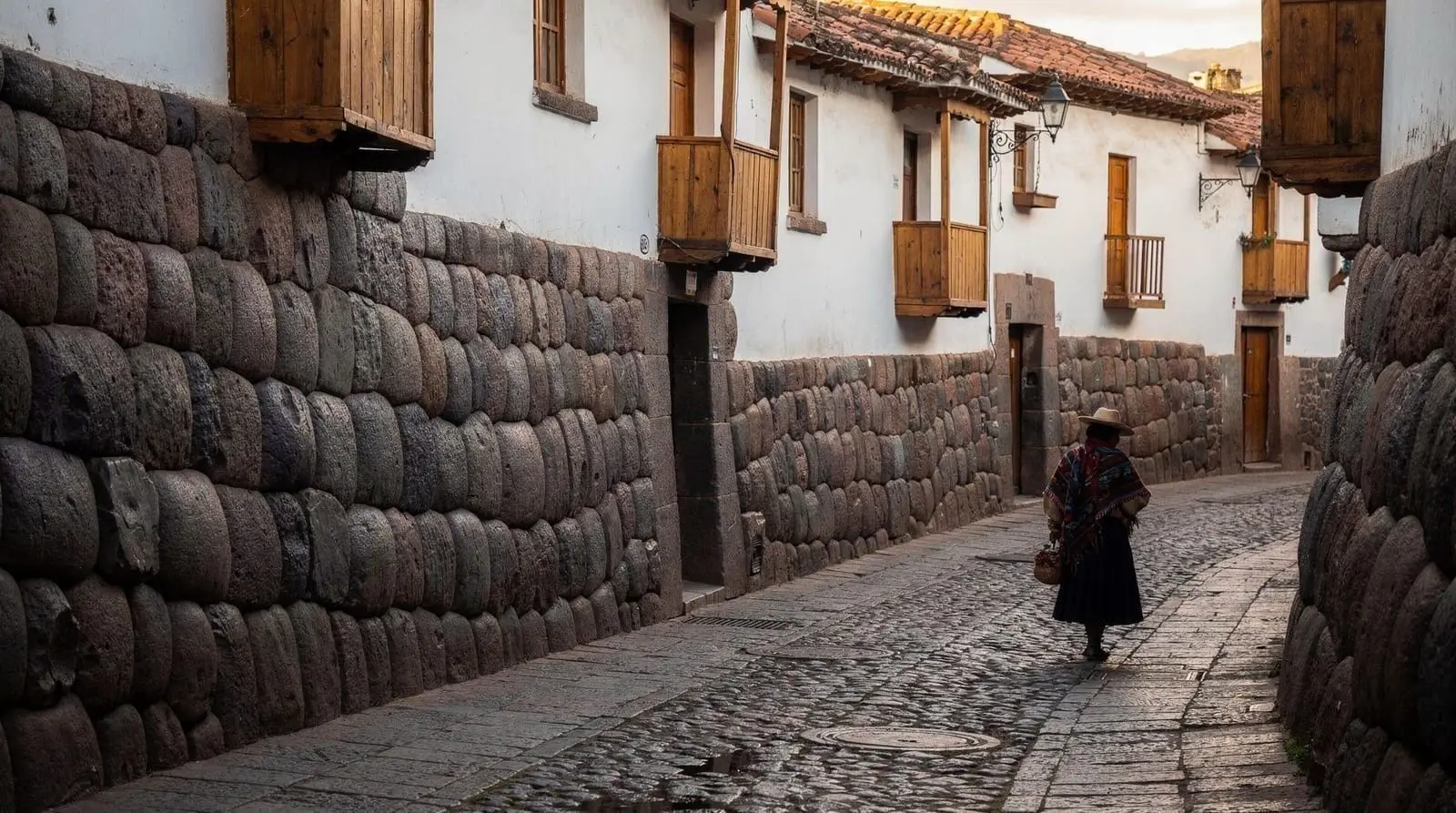
I’m not usually moved by walls, but Cusco’s Inca masonry got me. On Hatun Rumiyoc street there’s a famous stone with twelve angles, fitted so precisely into its neighbours that you can’t slide a piece of paper into the joins - no mortar, just rock cut to interlock. It survived earthquakes that flattened the Spanish colonial buildings stacked on top of it.
That’s the thing about Cusco that I find genuinely awe-inspiring: it’s a city built twice. The Inca built it first; the Spanish demolished what they could and built churches and mansions directly on top of the foundations they couldn’t move. So you walk down a street and the bottom three feet are flawless 15th-century Inca stonework and everything above is colonial. Qorikancha is the clearest example - a Spanish church and convent sitting on the Incas’ most sacred temple, the seams between the two civilisations visible in the very walls. The Cusco archaeological sites guide maps where to see the best of it.
San Blas, where I’d live
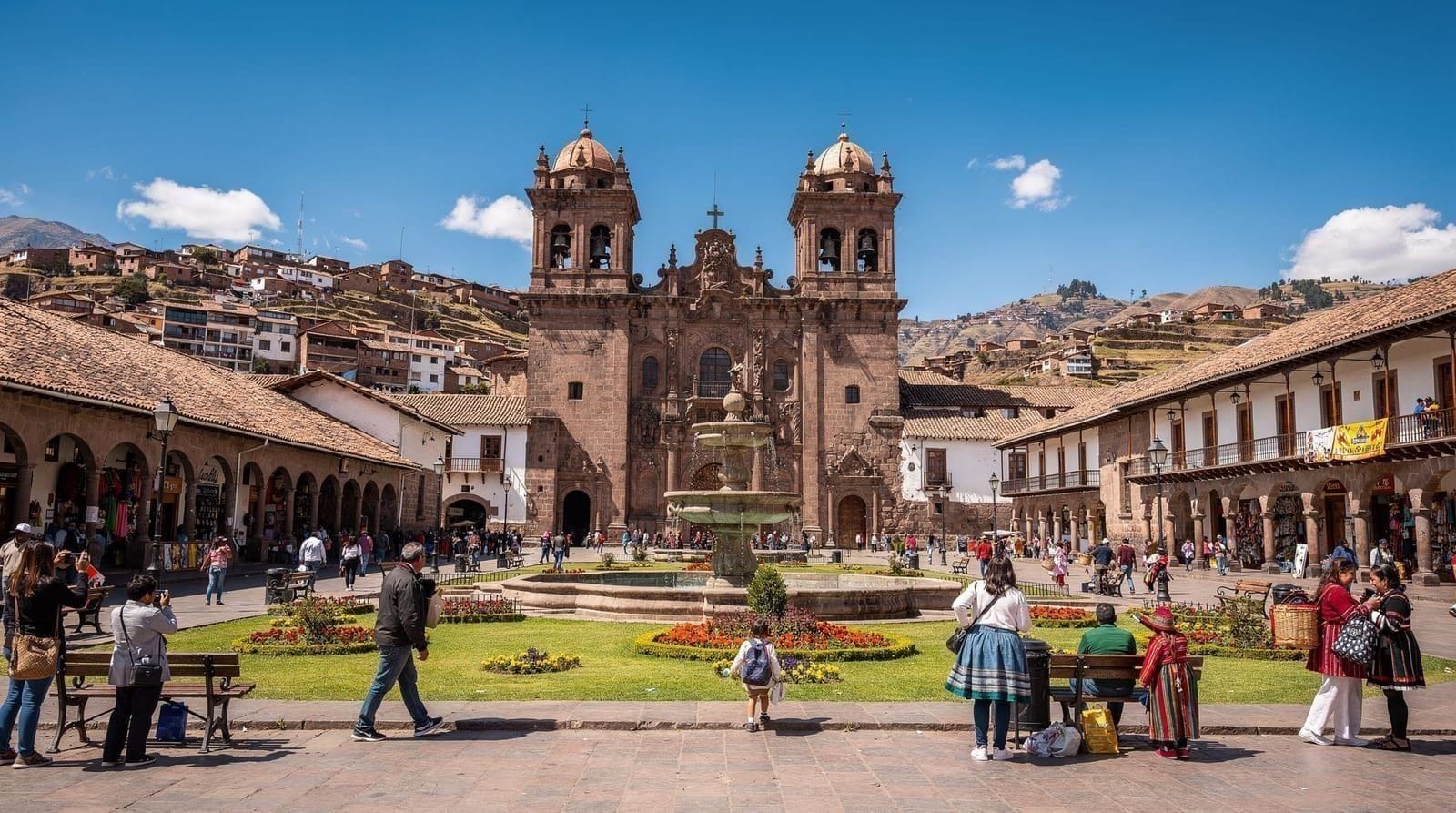
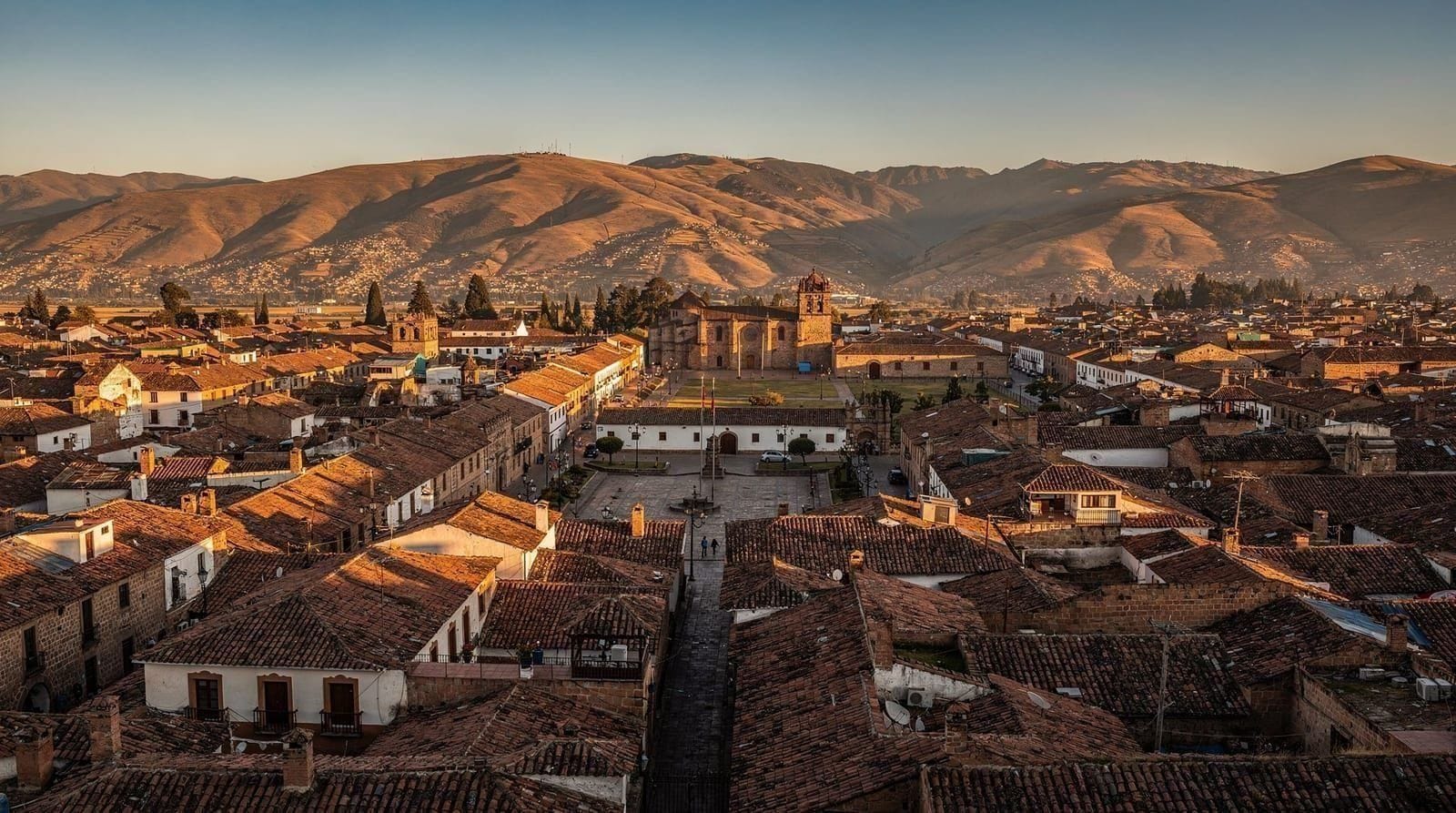
Up the hill from the main square is San Blas, the old artisan quarter - steep cobbled lanes, whitewashed walls, workshops, tiny cafés, and a viewpoint over the terracotta rooftops that I climbed to most evenings. It’s touristy now, sure, but it has held onto a real character that the Plaza de Armas has partly traded away.
I spent my best Cusco hours just walking San Blas with no agenda - finding a printmaker’s studio, drinking coffee that’s actually good now that Peruvian specialty coffee has arrived, watching the light go orange on the hills. A walking tour is a good way in if you want the history with it:
Cusco city center and San Blas walking tourThe San Blas destination guide has the specifics, but honestly the neighbourhood rewards aimless wandering more than a checklist.
The food caught me off guard
I expected Machu Picchu. I did not expect Cusco to be a serious food city, but it is. There’s the everyday side - the set lunches, the San Pedro market breakfasts, the cuy (guinea pig) if you’re brave, which I tried once and found mostly to be a lot of work for a little meat. And then there’s a surprisingly ambitious restaurant scene drawing on Andean ingredients you won’t find elsewhere.
I learned more in a cooking class than at any restaurant, though - starting in the market, then making the dishes myself:
Peruvian cooking class and market tourThe best restaurants in Cusco and the Peruvian food guide cover what to eat. Just don’t arrive expecting bad tourist food; that’s not the city Cusco has become.
The setting
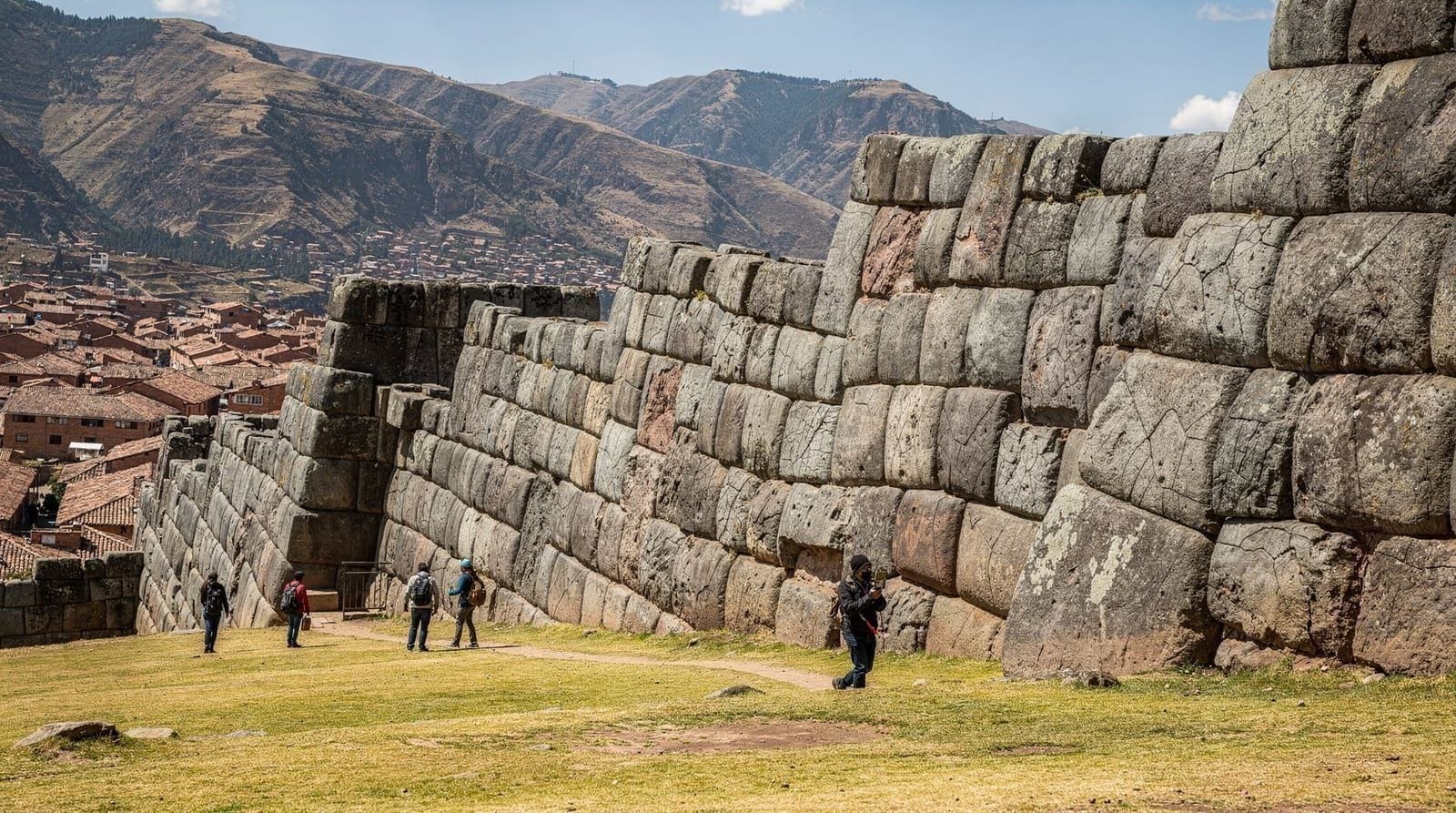
Cusco sits in a bowl in the Andes at 3,400 metres, the old centre ringed by neighbourhoods climbing the surrounding hills, the whole thing under a sky that at this altitude is an impossible blue by day and thick with stars at night. Above the city sits Sacsayhuamán, the vast Inca fortress with stones so enormous nobody is entirely sure how they were moved. Walking up there at sunset, with the city spread out below, is free and one of the best things I did.
When to actually come
The season shapes the city more than most first-timers expect:
| Months | Weather | Verdict |
|---|---|---|
| May-September | Dry, cold nights, sunny days | Best for walking and photos, busiest |
| October-November | Shoulder, some rain | Good balance, fewer crowds |
| December-March | Wet season, green terraces | Cheaper, lush, but wet hikes |
| April | Transitional | Often underrated - green and drying out |
I’ve been in both the dry crush of July and a quieter, rainier October, and honestly the city itself works in both. It’s the day trips into the mountains where the season really bites, which the best time to visit Cusco guide covers properly.
The honest caveats
It’s not flawless, and I’d be lying to say so. The altitude is real and will flatten you if you ignore it - read the best time to visit Cusco and acclimatise properly. The Plaza de Armas is relentlessly worked by tour touts, massage sellers, and photo-with-a-baby-llama operators, and it can wear thin. Prices in the tourist core are inflated, though three blocks out they reset to local levels. And the city does get crowded in high season.
None of that changes my answer. Manage the altitude, walk away from the plaza, give it real days instead of an afternoon, and Cusco becomes the kind of place you find yourself comparing other cities to afterward.
So, why visit Cusco?
Because it’s a living city built on the bones of an empire, where flawless 600-year-old walls hold up colonial churches, where a market sells frog soup next to a cathedral, where you can walk uphill into an artisan quarter and lose an afternoon, and where the famous ruins everyone comes for turn out to be just one part of a much richer place.
Most people pass through it to get somewhere else. Stay a while instead. That’s the whole pitch, and after two trips I’m more convinced of it than ever.