North coast beaches in a week: Máncora, Tumbes and Chiclayo
From Máncora: Whale Watching & Swimming with Sea Turtles
Peru is not famous for beaches, and along most of its cold Humboldt-current coast that reputation is deserved. The far north is the exception. Above Piura the water turns warm, the sun reliably shows up even in the southern winter, and a string of laid-back beach towns runs up to the Ecuadorian border. This week pairs that warm-water coast with the one cultural detour worth the drive: the gold tombs around Chiclayo.
| Where | Máncora, Tumbes and Chiclayo, far north coast |
| Cost | around S/ 250-450 (USD 65-120) a day mid-range |
| Time needed | 7 days |
| Getting there | fly Lima to Piura or Tumbes, then bus/colectivo |
| Best time | Dec-Apr for warmth, Jul-Oct for whales |
Quick answer: where is the warm water in Peru?
The warm Pacific begins roughly at Máncora and runs north to Tumbes, where two ocean currents meet. From around December to April the water sits at 24-27°C and the sun is strongest; the rest of the year it stays swimmable at 22-24°C. Unlike Lima’s grey coast, the far north is sunny most of the year, which is why limeños fly up for long weekends.
How this week connects
Everything here is a short hop along the coastal Panamericana. The catch is reaching the far north in the first place: it is about 18 hours by bus from Lima, so almost everyone flies.
- Lima to the north: fly to Piura (LATAM, Sky), 1 h 50, then van or bus 2.5-3 h to Máncora. Some flights serve Tumbes directly, closer to the beaches.
- Máncora to Tumbes: 110 km, about 2 h by colectivo or bus, S/ 15-25.
- Tumbes to Chiclayo: 280 km, 4-5 h by bus (Cruz del Sur, Oltursa).
- Chiclayo back to Lima: 1 h 30 flight or a 13-14 h overnight bus.
A clockwise loop (fly into Tumbes or Piura, beaches first, Chiclayo last, fly home from Chiclayo) avoids backtracking.
Day 1: Fly north, settle into Máncora
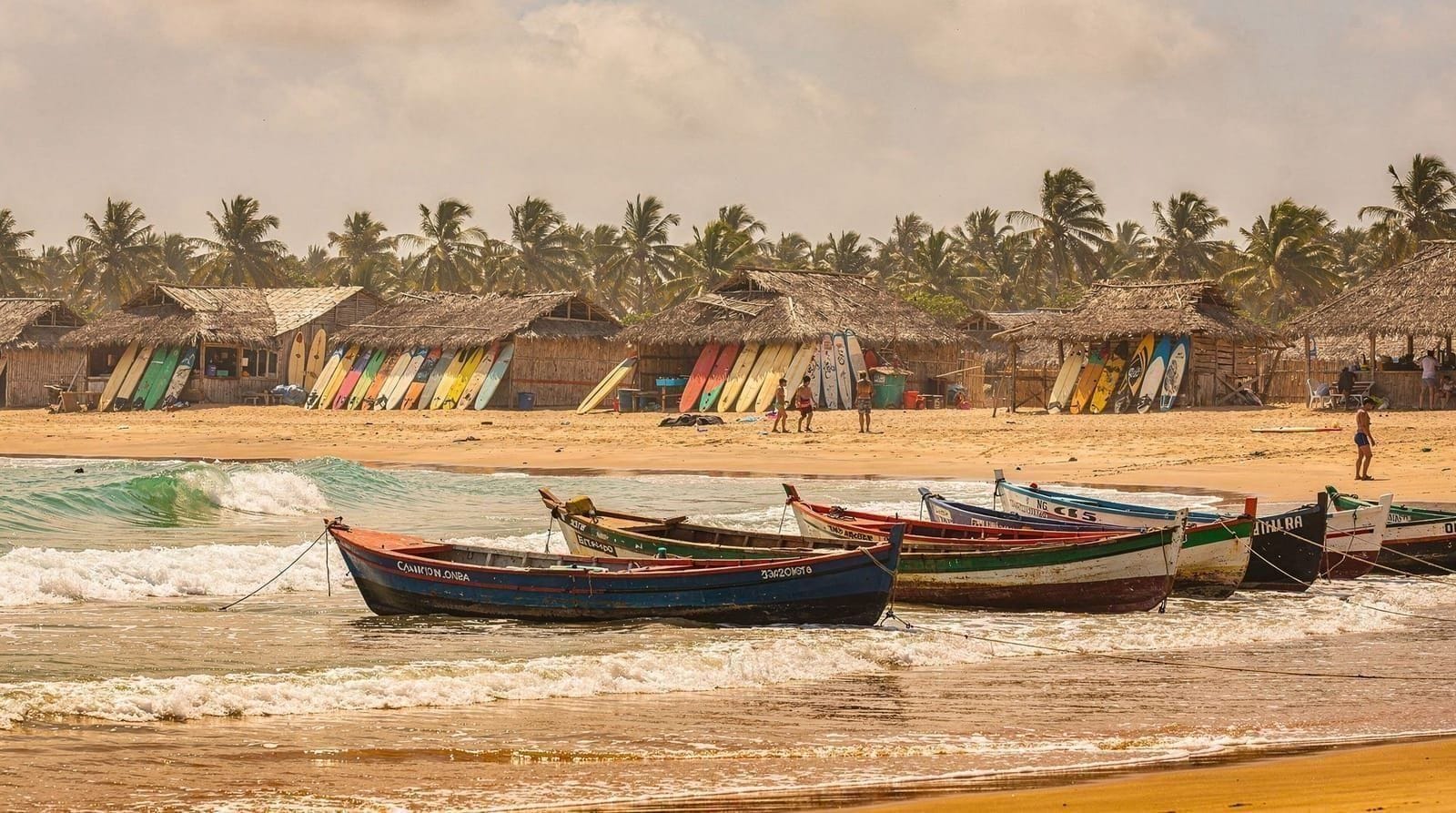
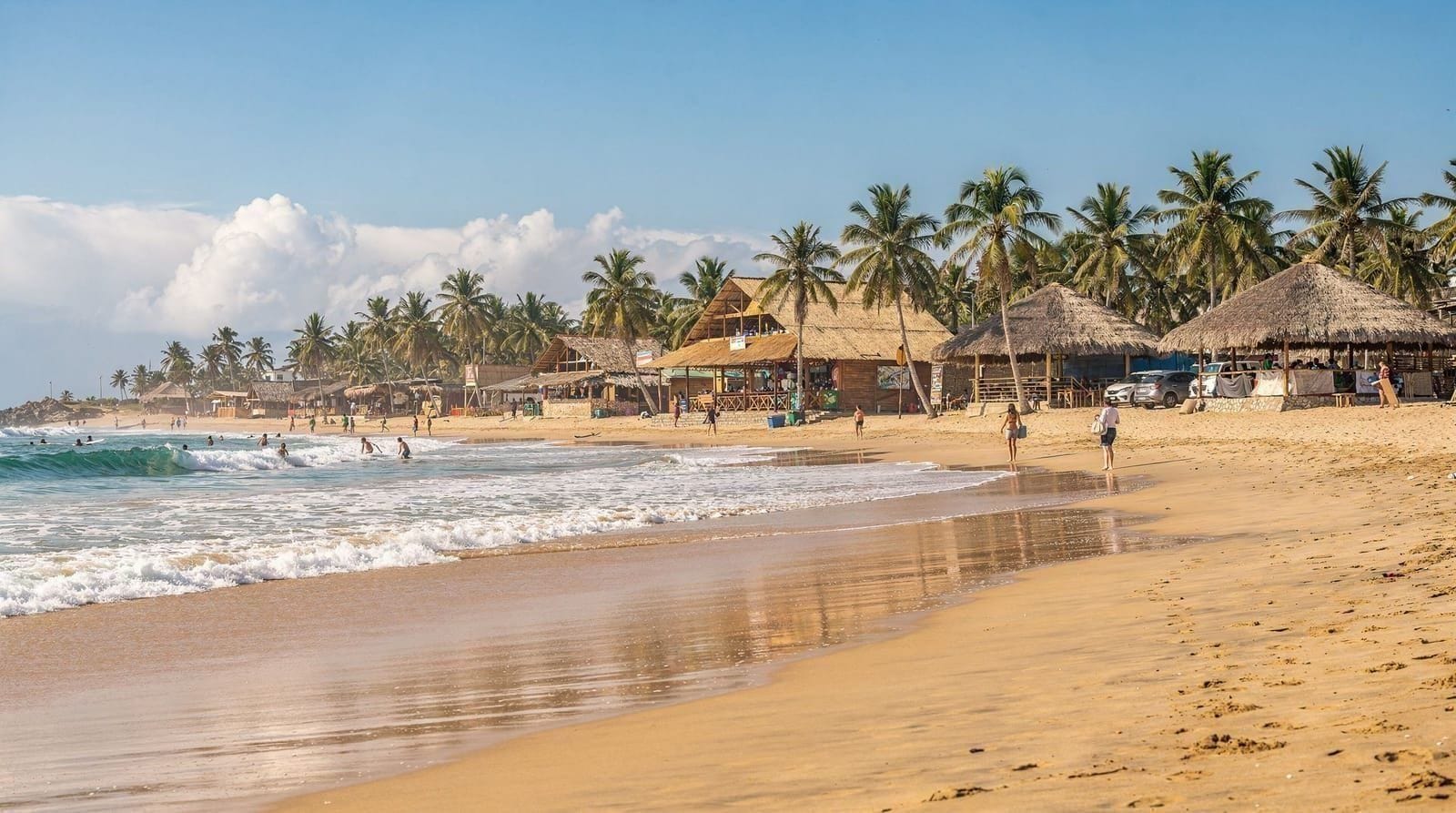
Land at Piura or Tumbes and transfer to Máncora. The town is a single dusty main street that erupts into bars at night, fronting a long sandy beach. Where you sleep matters: the central beach near the pier is loud and built-up, while Las Pocitas and Vichayito a few kilometres south are quieter and prettier, with boutique places like Arennas and DCO. The Máncora complete guide maps the difference.
Spend the first evening doing nothing but watching the sunset, which here is genuinely the main event.
Day 2: Surf or learn to surf
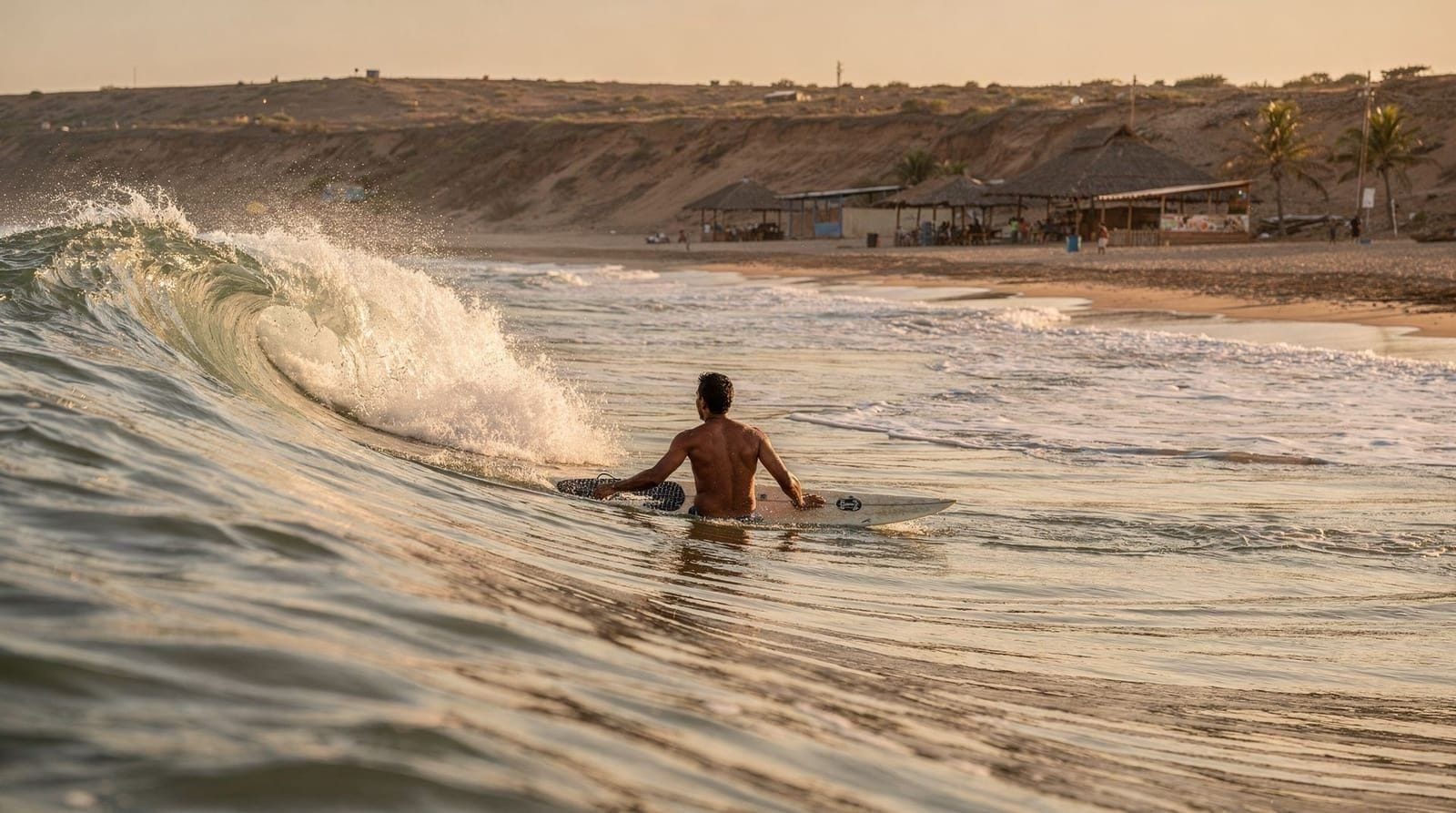
Máncora is one of South America’s most consistent beginner-to-intermediate surf spots, with a long left point break working most of the year and bigger swells from November to March. Boards rent for S/ 20-40 a day and group lessons run S/ 60-100. Soledad and the point are the main breaks. Our Máncora surfing guide covers the breaks by skill level and season.
Non-surfers can take a sunset boat tour or simply work through the seafood shacks. Try the spicy sudado and the grilled mero.
Day 3: Whales and sea turtles
From roughly July to October humpback whales pass close to shore on their migration, and the boat tours are among the most reliable whale-watching in Peru. Outside that window, the turtle excursions at El Ñuro pier (about 30 minutes south) let you snorkel beside green sea turtles that gather where fishermen clean their catch.
From Máncora: whale watching and swimming with sea turtlesA word of honesty: the turtle interaction is crowded and the turtles are habituated to handouts, which is not ideal wildlife practice. Keep your distance, do not touch, and choose operators who enforce that. Background in our Máncora whale watching guide and the swimming with turtles in Máncora write-up.
Day 4: Hot springs, then move to Tumbes
Before leaving, the Poza de Barro mud baths inland make a good lazy morning: a hot mineral pool you wallow in for the photos and the supposedly therapeutic mud.
Máncora: mud bath and hot springs tour with pickupIn the afternoon take the colectivo north to Tumbes, the gateway to Peru’s only mangrove ecosystem.
Day 5: Tumbes mangroves
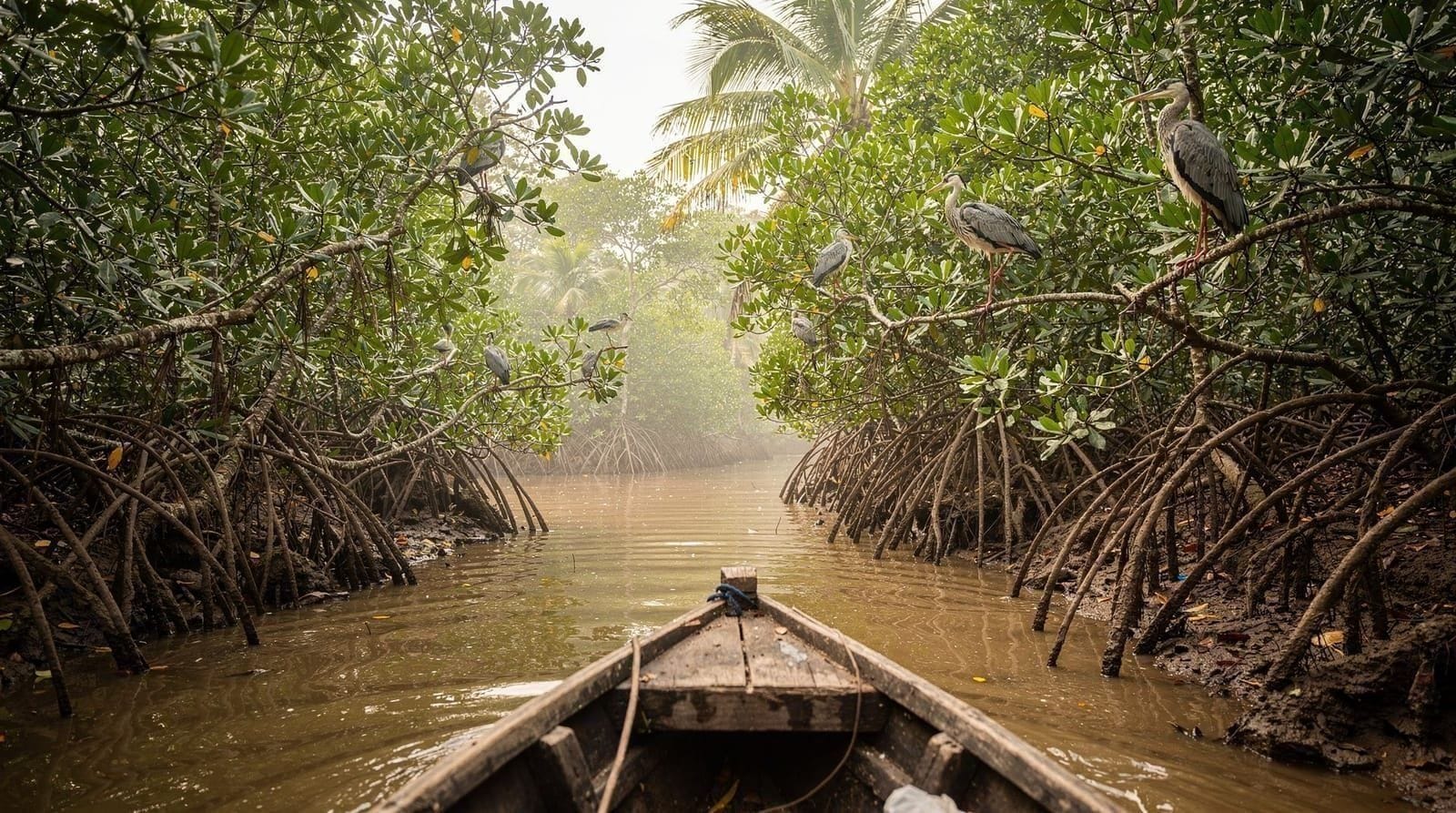
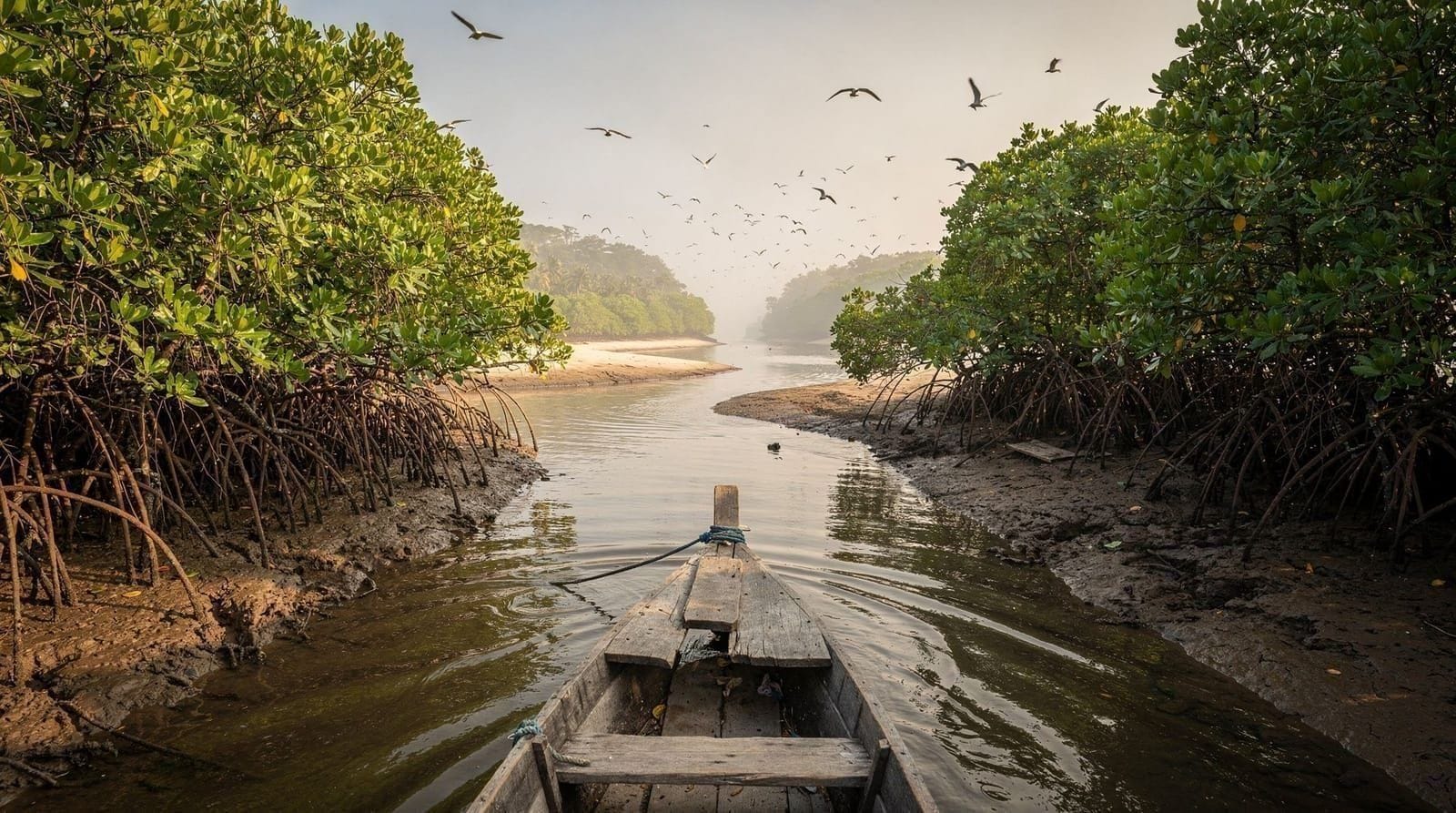
The Tumbes mangroves at Puerto Pizarro are unlike anywhere else in Peru: tidal channels lined with red mangroves, an island where rescued crocodiles are kept, and bird life that draws serious watchers. The standard boat trip threads the channels, stops at the crocodile sanctuary, and visits Isla de los Pájaros at the right tide.
Tumbes: Puerto Pizarro mangroves and islands tourTime the tour to the tide; at low water the channels are thin mud. The Tumbes mangroves guide explains when to go.
Day 6: Bus to Chiclayo, then Sipán
Take the morning bus down to Chiclayo, about 4-5 hours, and use the afternoon for the Royal Tombs of Sipán Museum in Lambayeque. After days of beach, the intact gold-laden tomb of a Moche warrior-priest is a jolting change of register and one of the best museums in the Americas.
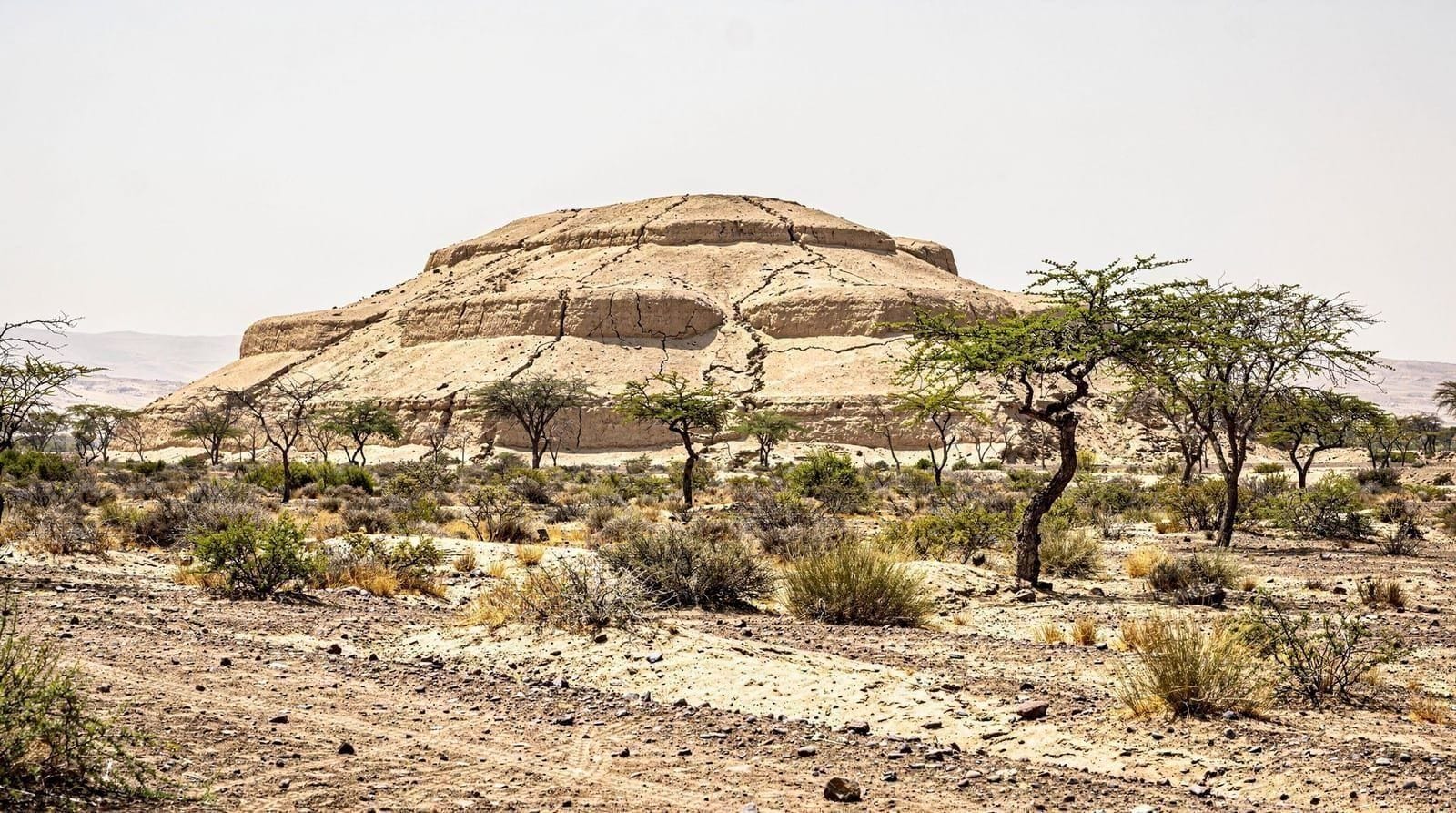
Chiclayo: Tomb of the Lord of Sipán and site museumThe full context, including the Túcume pyramids if you want a second site, is in the Chiclayo complete guide and the Lord of Sipán guide.
Day 7: Fly home from Chiclayo
A short morning in Chiclayo’s market (try the local arroz con pato or king-prawn ceviche) before the flight back to Lima and your onward connection. If you want to stretch the beach time instead, fly straight home from Tumbes or Piura and cut the Chiclayo leg.
Where to sleep, by stop
- Máncora (Las Pocitas / Vichayito): Arennas, DCO, Vichayito Bungalows, S/ 250-600 for the boutique places; the town centre has hostels from S/ 40.
- Tumbes / Zorritos: Casa Andina or a Zorritos beach hotel, S/ 150-300.
- Chiclayo: Casa Andina or Win Meier, S/ 150-280.
What this week costs, roughly
Excluding international flights, budget S/ 250-450 (USD 65-120) a day mid-range. The far north can be pricier than the rest of Peru in high season (Peruvian summer, late December to March) when limeños fill the boutique hotels; book ahead for January and Semana Santa. The round-trip internal flights add roughly USD 120-200.
When to go, month by month
| Months | Water & sun | Crowds | Best for |
|---|---|---|---|
| Dec-Apr | Warmest, 24-27°C, strongest sun | Peak, highest prices | Beach time, swimming |
| May-Jun | Cooling, 22-24°C, still sunny | Quieter | Surfing, better value |
| Jul-Oct | 22-24°C, sunny | Moderate | Whale watching, surf |
| Nov | Transitional, warming | Low | Off-season value |
Getting around once you’re there
Within the north coast, colectivos (shared vans) and short bus hops link every stop; you rarely need a private driver. From Máncora, colectivos to Tumbes leave frequently from the main street for a few soles. Between towns, Cruz del Sur and Oltursa run comfortable coach services on the longer Tumbes-Chiclayo leg, while shorter hops (Máncora to Los Órganos or El Ñuro) are easiest by mototaxi or colectivo. Renting a car is rarely worth the hassle for this route; the bus and colectivo network is frequent and cheap. See the Peru bus travel guide for how the networks connect nationally.
Frequently asked questions about Peru’s north coast beaches
When is the best time for Máncora?
For the warmest water and strongest sun, December to April, but that is also Peru’s peak holiday season with the highest prices and crowds. For whales and good surf with fewer people, July to October, when it is sunny but the water is a touch cooler. Our best time to visit Peru guide has the full seasonal picture.
Is Máncora a party town?
The central beach strip is, with beach bars and clubs running late. If that is not your scene, stay in Las Pocitas or Vichayito a few kilometres south, where it is calm. The split is explained in the Máncora complete guide.
How do I get to Máncora from Lima?
Fly to Piura or Tumbes (under two hours) and transfer by van or bus. The overland bus from Lima is 16-18 hours and only worth it if you are travelling the whole coast slowly. See Peru domestic flights guide for airline options.
Is the water actually warm?
Yes, in the far north. From Máncora to Tumbes two currents meet and the sea stays 22-27°C year-round, unlike the cold grey water off Lima. This is the only stretch of Peruvian coast most people would call a proper beach holiday.
Can I combine this with the rest of northern Peru?
You can add Trujillo and the archaeology of the central north coast, but it lengthens the route by several days. For the deeper cultural loop including Chachapoyas, see our separate northern Peru ten-day itinerary and the northern Peru route guide.
Is the turtle swimming ethical?
It is controversial. The turtles at El Ñuro are habituated to fishermen’s scraps and the sites can be crowded. If you go, choose operators who keep boats and swimmers at a distance and never feed or touch the animals. The trade-offs are discussed in our swimming with turtles in Máncora guide.
Do I need a car for this trip?
No. Colectivos, buses and mototaxis cover every leg of this route, and driving yourself adds insurance and parking headaches for little benefit over a week. Save the rental car for a trip where you need flexibility between many small stops.
Is one week enough, or should I add days?
One week covers the highlights comfortably. If you have more time, add two or three days in Máncora itself for surf lessons to actually progress, or extend into the fuller northern Peru 10-day itinerary to add Chachapoyas and Kuélap.
Top experiences
Bookable activities with verified prices and instant confirmation on GetYourGuide.