Chiclayo complete guide
Chiclayo: Tomb of the Lord of Sipán & Site Museum Day Tour
How many days do you need in Chiclayo?
Two days lets you do the region properly: one for the Lord of Sipán (Huaca Rajada plus the Tumbas Reales museum) and one for Túcume and the Pómac forest with the Sicán museum. A single rushed day covers only two of these sites.
Why a working coastal city rewards the patient traveller
Chiclayo is not a pretty place. A 1983 earthquake flattened much of the old centre, and what replaced it is functional concrete, busy markets, and a constant churn of mototaxis. Travellers who arrive expecting colonial charm leave disappointed. Travellers who arrive for the archaeology leave reorganising their entire mental map of ancient Peru.
| Where | North coast, ~600,000 people |
| Time needed | 2 days (Sipán + northern loop) |
| Cost | S/80-150 for a day tour, or S/150-200 taxi for the day |
| Getting there | Fly from Lima (~1h20) or overnight bus (12-13hrs) |
| Best time | May-October (dry, cooler coastal season) |
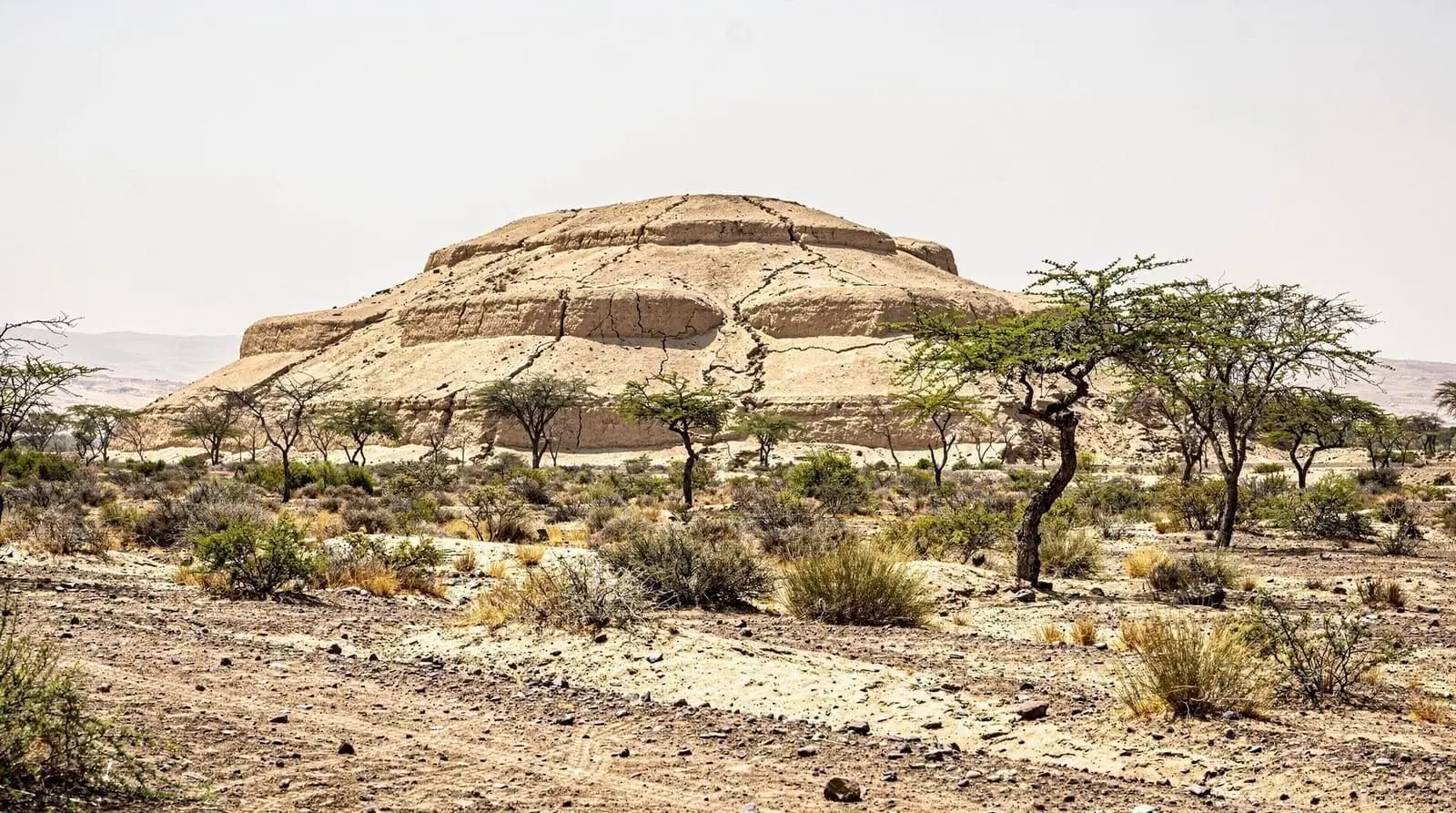
The region around this city of roughly 600,000 people holds the densest concentration of monumental pre-Columbian sites outside the Cusco area, and crucially they are not Inca. The Moche, the Lambayeque (often called Sicán), and the Chimú built here across more than a thousand years, leaving royal tombs stuffed with gold, adobe pyramids the size of small mountains, and the dry-forest sanctuary that hid them. Best of all, the crowds that suffocate Machu Picchu simply do not exist here. You can stand in front of a gold-and-turquoise death mask with the room entirely to yourself.
This guide covers the practical mechanics: how to arrive, what each site costs, how to string them together without wasting half your trip in colectivos, and where to eat the north coast’s distinctive food. For the deeper history, the dedicated Lord of Sipán guide, Túcume pyramids guide and Sicán museum guide go further than the overview below.
Getting to Chiclayo
By air, LATAM and Sky Airline run multiple daily flights from Lima to Capitán FAP José Abelardo Quiñones Gonzales Airport (airport code CIX), 2 km east of the centre. Flight time is about 1 hour 20 minutes; book two to three weeks ahead and fares land around S/150–280 (USD 40–75). A taxi from the airport to a central hotel is S/15–20.
By bus, the long-distance terminals sit roughly 3 km from the Plaza de Armas; a taxi there costs S/10–15. From Lima, overnight cama-class buses with Cruz del Sur, Oltursa or Civa take 12–13 hours for S/90–160. From Trujillo the run north is 3.5–4 hours (S/35–60), which makes the Lima–Trujillo–Chiclayo sequence the backbone of any northern Peru route. North toward Máncora is 3.5 hours direct; east up the Andes to Cajamarca is roughly 5 hours.
The honest verdict: fly into Chiclayo unless budget forces the bus. The overnight bus saves a hotel night but costs you most of a travel day and arrives you tired before a day of walking ruins.
The four sites and what they cost
The Chiclayo region’s appeal is spread across four areas, none of them in the city itself. Distances matter because they dictate how you plan.
Huaca Rajada / Sipán sits 35 km east near the town of Zaña. This is the burial mound where the Lord of Sipán was found in 1987. Entrance is S/10, and a site guide adds roughly S/30. Allow about an hour.
Museo Tumbas Reales de Sipán is in Lambayeque, 12 km north of Chiclayo. This is the museum that displays the Sipán gold and the reconstructed royal burial. Admission is S/15 (USD 4). Allow 90 minutes to two hours; it is the single best thing in the region.
Túcume lies 33 km north, a field of 26 adobe pyramids. Entrance S/10. Allow 1.5–2 hours including the site museum and the Mirador Natural viewpoint.
Bosque de Pómac and the Sicán museum are south and northeast respectively. The Pómac forest sanctuary (16 km south) protects Sicán mounds inside living algarrobo woodland; entrance is around S/8–10. The Museo Nacional Sicán in Ferreñafe (18 km northeast) houses the Pómac tomb finds; admission S/10.
For booked options that handle the transport between these scattered points, the most popular combinations are:
Chiclayo: Tomb of the Lord of Sipán & Site Museum Day TourBuilding a realistic itinerary
The core planning problem is geometry. Huaca Rajada is east, Túcume is north, Pómac is south, and the two key museums are in different towns again. No public route connects them, so independent visiting means either chaining colectivos slowly or hiring a taxi for the day (S/150–200 / USD 40–54). Organised tours solve the logistics for S/80–150.
One day (the compromise): Tumbas Reales museum in the morning, then either Túcume or Huaca Rajada in the afternoon. You will not see everything, but you will see the best.
Two days (recommended): Day one is Sipán — Huaca Rajada plus the Tumbas Reales museum, with lunch in Lambayeque. Day two is the northern loop — Túcume in the morning, then Pómac forest and the Ferreñafe Sicán museum in the afternoon. This is the rhythm most archaeology-minded visitors settle on.
If you want the pyramids and forest combined on a single guided day, the standard north-loop tour is:
Chiclayo: Túcume Pyramids and Pómac ForestAnd the forest-plus-Sicán-museum pairing, which works well as a half-day, is:
Chiclayo: Pómac Forest Sanctuary & Sicán MuseumUnderstanding the four cultures you will meet
Chiclayo’s archaeology can blur into a list of unfamiliar names, so it helps to fix the chronology before you arrive. Four distinct civilisations are represented within an hour of the city, spanning more than a thousand years.
The Moche (roughly 100–800 CE) were the earliest of the four to leave royal tombs here; the Lord of Sipán was a Moche ruler buried around 300 CE. They were warrior-priests with a religion centred on ritual sacrifice, and their craftsmanship in gold, silver and copper set the standard everything after followed.
The Lambayeque, or Sicán (roughly 750–1375 CE), rose after the Moche collapsed. Master metallurgists who produced gold-copper alloys on an almost industrial scale, they built the early phases of Túcume and buried their lords upside-down in the Pómac forest tombs. Their distinctive almond-eyed “Sicán Lord” face appears on objects throughout the region’s museums.
The Chimú (roughly 900–1470 CE) expanded north from their capital at Chan Chan near Trujillo, conquering the Lambayeque around 1375 CE and absorbing Túcume into their empire. Finally the Inca, sweeping down the coast in the late 1400s, took over the whole region for the few decades before the Spanish arrived.
Seeing the sites in this frame turns a confusing sequence of mounds and museums into a coherent story of north-coast power changing hands across a millennium. The Moche and Chimú civilisations guide traces the full arc.
The city itself: markets and food
Chiclayo’s redemption is its kitchen. North-coast cooking diverges sharply from Lima’s ceviche culture and the Andean stews of the highlands, and Chiclayo is arguably its capital.
The signature plates are cabrito a la norteña, kid goat braised with chicha de jora and ají panca; arroz con pato, duck cooked into dark cilantro-stained rice; and chinguirito, a ceviche made from dried, shredded guitarfish. Sweet-toothed travellers should try king kong, a layered shortbread-and-manjarblanco confection sold in boxes across the north as a gift to take home. Reliable local restaurants include El Huaralino and El Rincón del Pato; expect S/25–50 per person at a mid-range table, S/12–18 for a set lunch menú near the market.
The Mercado Modelo, a 15-minute walk from the Plaza de Armas, is the real attraction in town. Beyond produce and fish stalls, its curanderismo section sells San Pedro cactus, dried herbs, and folk-medicine objects used by traditional healers — a window into a living shamanic culture you will not find in coastal resort towns. Go in the morning, keep your bag zipped and in front of you, and treat photography of the healers’ stalls with discretion.
When to visit
The coastal dry season from May to October is the most comfortable time for Chiclayo: cooler air, clearer skies and the best birdlife at the Pómac forest. From December to March the heat builds and occasional El Niño rains can damage roads and the unprotected adobe sites, so leave a buffer day if your onward travel is fixed and check conditions before overland legs. The region has no single big festival that dominates the calendar the way Cusco’s Inti Raymi does, so timing is driven by weather and your own schedule rather than events.
Whatever the season, plan site visits for the mornings. Túcume and Huaca Rajada are largely shadeless and uncomfortable by late morning, and the museums are quietest early. Building each day around an early start and a late lunch is the rhythm that works best on the north coast.
Where to stay
Stay in central Chiclayo rather than Lambayeque; it is the better base for day trips in every direction and has more food and services. Casa Andina Select and Costa del Sol Wyndham anchor the mid-range bracket near the plaza (S/160–280 / USD 43–75). Independent mid-range hotels run S/80–160, and budget hostels start around S/40 a night. There is little reason to pay for a high-end room here — spend the savings on a private guide who can decode the sites.
Getting around the region
Within Chiclayo, mototaxis handle short hops for S/3–6 and regular taxis cost S/8–20 across town. For reaching the archaeological sites, the realistic choices are three. Colectivos and combis from the relevant terminals serve each town individually — Lambayeque, Ferreñafe, the Túcume and Sipán areas — for a few soles, but they connect to single destinations, not to a circuit, and they run on their own unhurried schedule. A private taxi hired for the day (S/150–200 / USD 40–54) gives you freedom to design your own route if you have done the reading. An organised tour (S/80–150) hands the logistics and a guide to someone else, which for most visitors is the path of least resistance given how scattered the sites are.
One practical tip: confirm site opening hours the day before, especially for Huaca Rajada and the museums, which can close earlier than posted in low season and are shut on Mondays in the case of the Tumbas Reales. Building your itinerary around a Monday closure is a common and avoidable mistake.
Honest cautions
A few things worth knowing before you commit. First, do not expect interpretation in English at every site; Huaca Rajada and Túcume signage is patchy, and a guide genuinely transforms the visit. Second, beware tours that promise “all four sites in one day” — they exist, but you will spend most of it in a van and arrive at each place rushed. Third, the regional airport has limited capacity; flights cancel or shift in El Niño weather, so leave a buffer day if onward travel is fixed. Finally, ignore touts at the bus terminal offering cut-price tours; book through your hotel or a recognised agency.
For travellers weighing whether to base in Chiclayo or Trujillo for north-coast archaeology, the short answer is that they are complementary — Trujillo for the Moche Huacas and Chimú Chan Chan, Chiclayo for Sipán and the Lambayeque sites. The north versus south Peru comparison sets the whole region against the Cusco circuit if you are deciding where your limited days should go.
Extending north: Chiclayo to Máncora
If archaeology is only half your northern Peru trip, Chiclayo sits a comfortable 3.5-hour direct drive from Máncora, the country’s best-known beach town. A sensible week-long northern loop runs Trujillo (Chan Chan and the Huacas de Moche) into Chiclayo (Sipán, Túcume, Pómac) and finishes with a few beach days at Máncora — history first, relaxation last, rather than trying to reverse the order once you are already unwinding.
The logic is practical as much as aesthetic: doing archaeology in the desert heat is more comfortable early in a trip when energy is fresh, and few travellers want to leave a relaxed beach state to go stand in a sun-baked pyramid field. Buses run the whole corridor reliably, so the loop does not require flying between each stop.
Value comparison: tour vs taxi vs colectivo
| Option | Cost | Best for |
|---|---|---|
| Organised tour | S/80-150/person | First-timers, no local Spanish, want a guide |
| Private taxi for the day | S/150-200 total | Small groups, flexible pacing, own route |
| Colectivo per site | A few soles each | Single-destination visits only, no time pressure |
There is no wrong answer among the three — the right pick depends entirely on your Spanish, your patience for logistics, and how many sites you are trying to cover in how little time. Mixing methods works too: a tour for the Sipán day, then a hired taxi for the more scattered northern loop, is a common and sensible split.
Frequently asked questions about Chiclayo complete
Is Chiclayo worth visiting?
How do I get from Lima to Chiclayo?
Can I visit the Chiclayo sites without a tour?
Is Chiclayo safe for tourists?
What is the best time of year to visit Chiclayo?
What food is Chiclayo known for?
Can I combine Chiclayo with a Máncora beach trip?
Is a private taxi or an organised tour better for the Chiclayo sites?
Top experiences
Bookable activities with verified prices and instant confirmation on GetYourGuide.

