Best ceviche in Lima
Lima: Ultimate Peruvian Food Tour
Where is the best ceviche in Lima?
For a special meal, La Mar in Miraflores is the famous benchmark; Pescados Capitales and Punto Azul are excellent and easier to book. The golden rule everywhere: eat ceviche at lunch, when the fish is freshest, not at dinner.
What makes Lima ceviche worth the hype
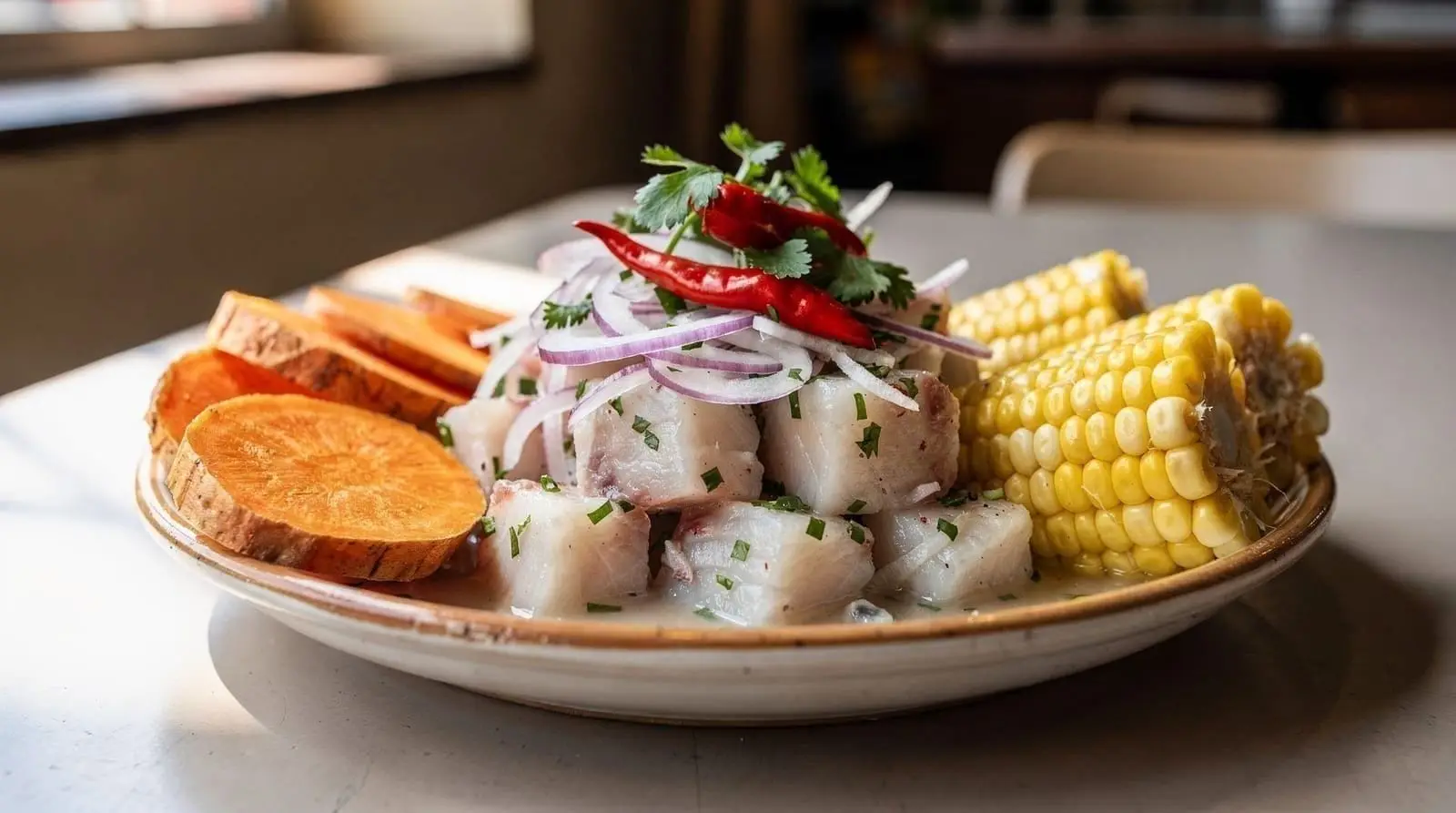
Ceviche is Peru’s national dish and Lima is its capital — declared a cultural heritage of the nation, with its own annual holiday on 28 June. At its simplest it is raw white fish cubed and cured in fresh lime juice with red onion, ají chilli, salt, and coriander, served with sweet potato and Andean corn. What separates a great Lima ceviche from a forgettable one is not a secret recipe but discipline: fish landed that morning, lime squeezed to order, a brief cure rather than a soggy soak, and the right balance of acid, salt, and heat. Get those right and it is one of the world’s great plates of food.
This guide ranks where to eat it honestly, explains the timing and freshness rules that matter, and tells you how to spot the difference between the real thing and a tourist imitation. For the broader food picture, see /guides/lima-food-scene-guide/.
| Where | Miraflores and Barranco, plus markets citywide |
| Cost | S/20–90 / about $5–24 depending on venue |
| Time needed | Lunch, roughly noon–2:30pm |
| Booking | La Mar walk-in only; Pescados Capitales/El Mercado bookable |
| Best time | Weekday lunch, before the 1–2pm rush |
The single most important rule: eat it at lunch
If you remember nothing else, remember this. In Lima, ceviche is culturally and practically a lunch dish. The fish comes in from the morning catch, and dedicated cevicherías serve it at its peak between roughly noon and mid-afternoon, then close. Ordering ceviche at dinner in a place that is not a specialist usually means fish that has been sitting since the lunch service. Plan your ceviche as a proper midday sit-down meal, not a casual evening order. This one habit does more for the quality of your ceviche than choosing any particular restaurant.
The famous benchmark: La Mar
La Mar (Av. La Mar 770, Miraflores) is Gastón Acurio’s cevichería and the international reference point — the place that put Lima ceviche on the global map. It does not take reservations and the midday queue can run long, so arrive before noon or after 2 pm. The ceviche clásico is precise and generous, the leche de tigre outstanding, and the menu extends to tiraditos, arroz con mariscos, and grilled fish. Budget S/60–90 / about $16–24 for the ceviche and more for a full lunch with drinks. It is touristy and priced accordingly, but the quality genuinely holds up.
Reliable excellent alternatives
Pescados Capitales (Av. La Mar 1337, Miraflores) is the locals’ counter-argument to La Mar — equally serious about freshness, takes reservations, and is calmer. The name puns on the seven deadly sins; the seafood is the draw. Plan S/55–85 for a full lunch.
Punto Azul (Calle San Martín 595, Miraflores, plus other branches) is the dependable mid-range choice: no fuss, generous portions, popular with Limeño families, and walk-in friendly. A ceviche runs S/35–50 / about $9–13 and the portions are large enough to share.
Canta Rana (Calle Génova 101, Barranco) is the long-running Barranco institution, plastered in football memorabilia, beloved for its no-nonsense ceviche and seafood at S/40–60. Pair a ceviche lunch here with an afternoon exploring Barranco.
El Mercado (Av. Hipólito Unanue 203, Miraflores), Rafael Osterling’s seafood restaurant, sits at the upmarket end — refined, lunch-only, and worth booking for a special meal at S/90–150 per person.
Market and hole-in-the-wall ceviche
For the unpolished, local version, the stalls inside Mercado de Surquillo and the cevicherías around the working markets serve plates for S/20–35 / about $5–9 — less refined plating, no English menu, but often startlingly fresh because the fish is bought metres away. This is ceviche as Limeños eat it on a weekday. To navigate the markets and find the good stalls, the ultimate Peruvian food tour walks you through the seafood section and the traditional huariques with someone who knows which counter to trust.
How to spot a great ceviche
A few honest tells:
- The fish is firm and opaque, not mushy. Over-cured fish that has sat too long in lime turns soft and chalky. A good ceviche is barely cured, the fish still translucent at the centre when it hits the plate.
- The leche de tigre is fresh and balanced — bright, citrusy, and spicy, not flat or fishy. Many cevicherías serve it as a shot; a great one is a giveaway of overall quality.
- The accompaniments are right: camote (sweet potato), choclo (large-kernel Andean corn), and cancha (toasted corn) balance the acid. Their presence signals a kitchen that respects the tradition.
- It is busy at lunch. Turnover equals freshness. An empty cevichería at 1 pm is a warning sign.
The history behind the dish
Ceviche is older than it looks. Coastal Peruvians have been curing fish in acidic fruit juices for at least two thousand years — the Moche and other pre-Columbian cultures used fermented chicha or the juice of the tumbo fruit before limes arrived. The Spanish brought citrus and onions in the 16th century, and the modern lime-cured version took shape from that fusion.
The brief, fresh cure that defines today’s Lima ceviche — fish that arrives at the table still tender rather than soaked white — is itself relatively recent, championed by chefs like Gastón Acurio from the 1990s as part of the wider Peruvian gastronomic revival. Understanding that lineage explains why Limeños treat ceviche with near-reverence: it is not just lunch, it is a dish that ties the modern food capital back to its earliest coastal cultures. The state recognises this, with ceviche declared part of the nation’s cultural heritage and its own holiday on 28 June.
Make it yourself
If you fall for ceviche, the best souvenir is knowing how to make it. The cooking class with a local Peruvian family teaches a proper ceviche alongside other staples in a home kitchen — including the leche de tigre and the cure timing that makes or breaks the dish. It is the kind of skill that survives the flight home better than a fridge magnet.
The anatomy of a Lima ceviche
Understanding the parts helps you order and appreciate it. The fish is cut into roughly two-centimetre cubes — bigger than sashimi, small enough to cure quickly. The cure is fresh lime juice (Peruvian limes are small, sharp, and aromatic), salt, and ají, applied for just a few minutes so the surface firms while the centre stays tender; over-curing turns the fish chalky.
Red onion, thinly sliced and rinsed, adds crunch and bite. Coriander brings freshness. The plate is finished with camote (sweet potato) and choclo (large-kernel Andean corn) to balance the acid, and often cancha (toasted corn nuts) for texture. The pooled marinade left behind is leche de tigre. Every element has a job; a kitchen that respects all of them is making real ceviche, not a tourist approximation.
The regional and modern variations
Beyond Lima’s classic, ceviche shifts by region and era. Northern Peru, around Trujillo and Chiclayo, favours a punchier, spicier style. Amazonian versions use river fish like paiche. Modern Lima kitchens experiment with ceviche caliente (warm), nikkei-influenced soy-and-sesame dressings, and fusion plates that purists raise an eyebrow at. None of this is wrong — Peruvian cuisine is restlessly inventive — but if you want to understand the dish, eat the Lima clásico first at a serious cevichería, then branch into the variations. The base teaches you what the experiments are playing against.
What a ceviche lunch actually looks like
If you have never sat down to a proper Lima ceviche lunch, here is the rhythm. You arrive at a cevichería around 1 pm to a busy, often loud room. You start with a small shot of leche de tigre, served in a glass, sometimes with a few pieces of fish and shellfish at the bottom — a bright, spicy wake-up for the palate. The ceviche itself comes next, generous, plated with its sweet potato and corn, and meant to be eaten promptly while the fish is at its peak.
Many tables then share a warm second course — arroz con mariscos, a chicharrón de pescado (fried fish), or a jalea (mixed fried seafood platter) — to round out the meal, since ceviche alone is light. You drink a cold beer or a chilcano. The whole thing runs an hour or more and is unhurried despite the bustle. Budget S/60–110 per person for the full sit-down experience at a good cevichería, less if you stick to a single ceviche plate.
Beyond classic ceviche
Once you have the clásico down, branch out. Tiradito is the Nikkei cousin — fish sliced sashimi-thin and dressed in citrus and ají, no onion, lighter and more delicate. Ceviche mixto adds octopus, squid, and prawns. Leche de tigre on its own, as a starter shot, is a delicacy and a famed hangover cure. And arroz con mariscos, a saffron-tinted seafood rice, is the warming counterpoint many people order after a cold ceviche. All of these appear on a good cevichería menu and are part of understanding Lima’s seafood culture, covered further in /guides/lima-food-scene-guide/.
Timing your ceviche around the rest of the day
Because ceviche is a lunch dish, it shapes how you plan a Lima day. The smart move is to slot your ceviche lunch in the middle of a sightseeing day rather than as a standalone outing. A typical rhythm: a morning sight such as the Larco Museum or Huaca Pucllana, then a ceviche lunch at around 1 pm near where you are, then an afternoon on the cliffs or in Barranco.
Avoid leaving ceviche for the evening — not only does the quality drop at dinner in non-specialist restaurants, but you would be skipping the city’s best midday meal in favour of a compromise. If you are only in Lima for a short time, build one day’s plan explicitly around a proper ceviche lunch; it is worth that much priority. The full day-structuring advice is in /guides/lima-complete-guide/ and /guides/things-to-do-in-lima/.
What to avoid
The honest warnings. Skip ceviche at dinner in any place that is not a dedicated cevichería. Be wary of tourist-strip restaurants with multilingual photo menus on the busiest Miraflores avenues — their ceviche is usually pre-made and over-cured. And ignore the cheapest “all-day ceviche” offers near the main squares; cheap plus all-day plus seafood is the combination most likely to disappoint or, occasionally, upset your stomach. Stick to the lunch rule and busy specialists and you will eat well. General food and water safety is covered in /guides/peru-travel-safety-2026/.
A cevichería shortlist by purpose
To cut through the choices, matched to what you want:
| Pick | Area | Best for | Typical price |
|---|---|---|---|
| La Mar | Miraflores | The famous benchmark, no bookings | S/60–90 |
| Pescados Capitales | Miraflores | Bookable, equally serious quality | S/55–85 |
| El Mercado | Miraflores | Upmarket special-occasion lunch | S/90–150 |
| Punto Azul | Miraflores | Reliable, generous, walk-in | S/35–50 |
| Canta Rana | Barranco | No-nonsense, paired with sightseeing | S/40–60 |
| Mercado de Surquillo stalls | Surquillo | Local, unpolished, freshest | S/20–35 |
Whichever you pick, the lunch rule overrides everything. A market stall ceviche eaten at 1 pm beats a famous restaurant’s dinner-service ceviche. Pair your choice with the wider plan in /guides/lima-complete-guide/ and the broader food picture in /guides/lima-food-scene-guide/.
Pairing a ceviche lunch with the rest of Lima
A ceviche lunch anchors a Lima day well. Morning options that end near a good cevichería include the Larco Museum, Huaca Pucllana, or a walk through Miraflores itself; afterward, an afternoon in Barranco or along the Malecón rounds out the day. If your trip continues north to the coast, the ceviche styles shift noticeably — see how Trujillo and the north do it differently, or read a first-timer’s take in the Lima food pilgrimage blog post for a personal account of chasing the city’s best plates.
Drinks that belong alongside ceviche
A ceviche lunch is rarely just ceviche. The classic pairing is a cold Cusqueña or Pilsen lager, which cuts through the acid without competing with it, or a chilcano — pisco, ginger ale, lime, and bitters — a lighter, more refreshing cousin of the pisco sour that many Limeños actually prefer at lunchtime. Speaking of which, the pisco sour itself deserves its own attention beyond the ceviche table; see the pisco sour guide for how it is made and where to drink a properly balanced one. Save anything stronger for the evening — a heavy lunchtime drink undoes the whole point of eating light and fresh at midday.
If you only have one meal in Lima
Pressed for time and only able to eat one proper meal in the city, make it ceviche, and make it lunch. It concentrates everything distinctive about Lima’s food culture — the discipline around freshness, the produce of a coastline and a mountain range meeting on one plate, and a dish genuinely without equal elsewhere in the world — into a single sitting. Pair the meal with a walk through whichever neighbourhood you are in, whether that is Miraflores or historic-centre Lima, and you have, in half a day, a fair sample of why people rate this city’s food as highly as they do.
Ceviche outside Lima, briefly
If your trip continues beyond the capital, know that ceviche changes character as you move around the coast. The Paracas and Ballestas Islands area does a simpler, more rustic seafood-shack version worth trying if you are passing through on the way south to Ica or Nazca. Inland in the Andes, genuine coastal-quality ceviche becomes hard to find — the fish simply is not as fresh that far from the sea — so treat your Lima ceviche meals as the benchmark and temper expectations once you head up into the mountains. This is one more reason to prioritise a proper ceviche lunch while you are still on the coast, rather than assuming you can catch up on it later in the trip.
Frequently asked questions about Best ceviche in Lima
Why is ceviche a lunch dish in Lima?
Is the raw fish in ceviche safe?
How much does ceviche cost in Lima?
What is leche de tigre?
What fish is used in Lima ceviche?
Do I need to book a cevichería?
What goes with ceviche?
Top experiences
Bookable activities with verified prices and instant confirmation on GetYourGuide.

