Pisco sour: the drink, the recipe, the bars
Lima: Historic Center Walking Tour with Pisco Sour Tasting
What is a pisco sour?
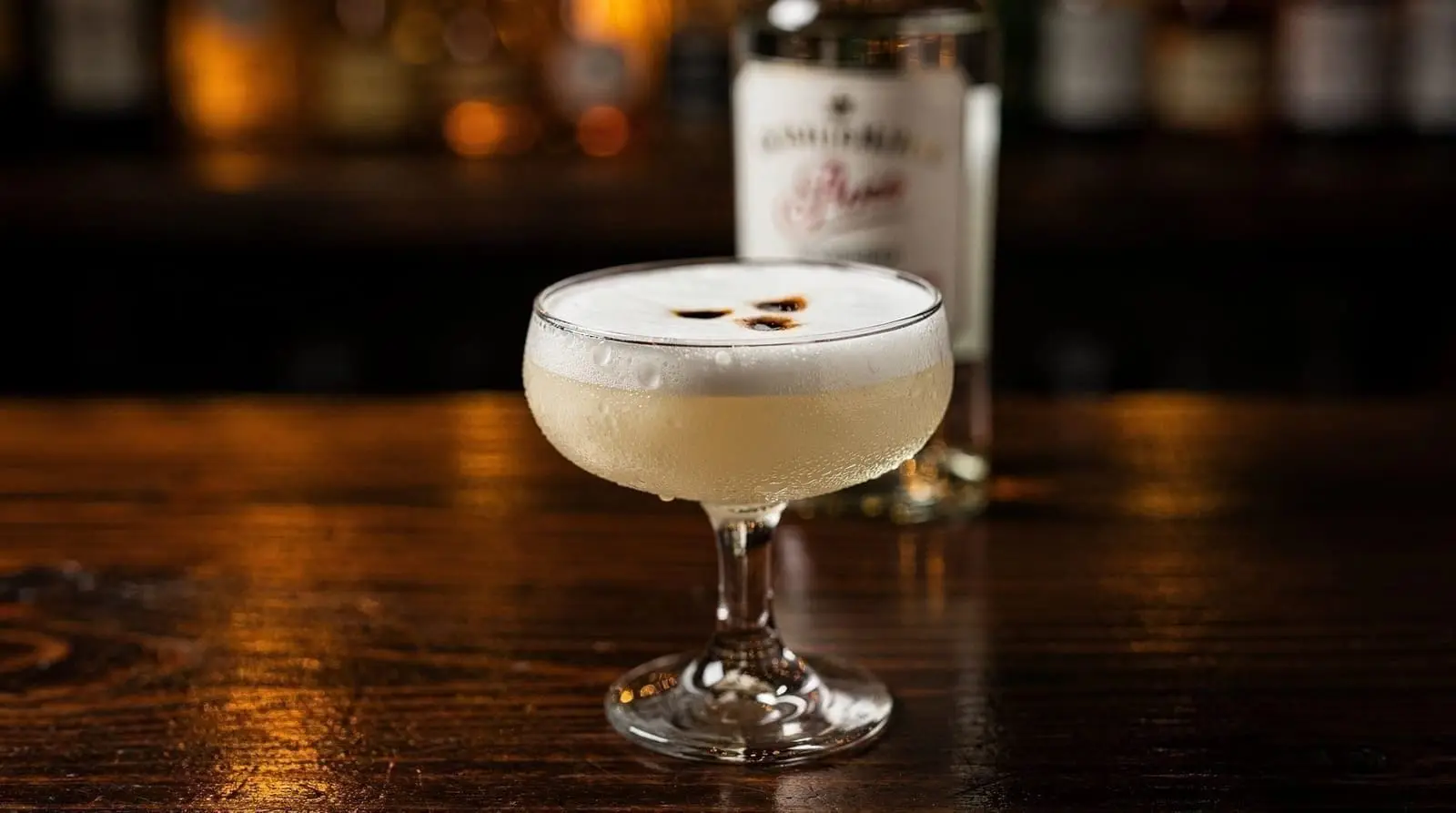
A pisco sour is Peru's national cocktail: pisco (a clear grape brandy) shaken with fresh lime juice, simple syrup, egg white, and ice, then finished with a few drops of Angostura bitters on the foam. The egg white gives it a thick white head; the lime and syrup balance the spirit. It is tart, strong, and frothy — and easy to make badly.
Peru’s national drink, and why so many are bad
The pisco sour is to Peru what the negroni is to Italy or the caipirinha is to Brazil: the national cocktail, a point of culinary pride, and a thing that travellers feel obliged to order on their first night. It even has its own holiday — the first Saturday of February is Día Nacional del Pisco Sour. And like most famous cocktails, it is far more often served badly than well, because the cheap versions cut corners on exactly the things that make it good: fresh lime, real pisco, and a proper shake.
This guide is about the cocktail itself — what is actually in it, how to make a decent one yourself, and where to drink a good one without overpaying. If you want the bigger picture on pisco the spirit — the grapes, the production styles, the Peru-versus-Chile argument, and the town of Pisco on the coast — that is covered in the pisco: the drink and the town guide, and the vineyard side around Ica is in the Ica vineyards and pisco guide. Here we stay with the glass in front of you.
| Where | Lima and Cusco bars; best known in Lima |
| Cost | Around S/15–25 everyday, S/30–50+ upmarket |
| Made from | Pisco, fresh lime, syrup, egg white, bitters |
| Avoid | Bottled mix, over-sweetened tourist versions |
| Best time to order | Happy hour, late afternoon/early evening |
What goes in a real pisco sour
The Peruvian pisco sour is built from five things and nothing else:
- Pisco — Peruvian grape brandy, clear and unaged. Most bars use a quebranta or an acholado (blended) pisco for sours; the aromatic Italia and Torontel piscos are usually saved for sipping or chilcanos.
- Fresh lime juice — specifically Peruvian limón, a small, intensely sour key-lime-type citrus, not the big Persian lime sold in much of the world. This sharpness is central; bottled lime juice ruins the drink.
- Simple syrup — equal parts sugar and water, dissolved. Some bars use jarabe de goma (gum syrup) for a slightly silkier texture.
- Egg white — one fresh white, which whips into the thick foam that defines the drink’s look and silky mouthfeel.
- Angostura bitters — a few drops dotted on the foam at the end, both for aroma and the classic three-dash garnish.
A widely used ratio is 3 : 1 : 1 — three parts pisco to one part lime to one part syrup — plus one egg white, all shaken hard with plenty of ice. There is no cream, no triple sec, no bottled “sour mix.” If a bar’s version tastes flat, watery, or weirdly sweet, one of those shortcuts is usually the reason.
How to make one at home
It is genuinely easy to make a good pisco sour, and once you can, you will be ruined for the bad ones. Per drink:
- Combine 60 ml (2 oz) pisco, 20 ml (¾ oz) fresh lime juice, 20 ml (¾ oz) simple syrup, and 1 egg white in a shaker.
- Dry-shake first — shake hard with no ice for 10–15 seconds. This whips the egg white into foam before the ice can knock it down.
- Add ice and shake hard again, 15–20 seconds, until the shaker is frosted.
- Double-strain into a chilled rocks or coupe glass — no ice in the glass.
- Finish with three or four drops of Angostura bitters on the foam.
The two-stage shake (dry, then wet) is the single trick that separates a thick, stable, restaurant-quality foam from a thin, collapsing one. Use the sharpest fresh lime you can find — if you cannot get Peruvian limón, regular limes work but adjust the syrup up slightly to balance the extra tartness.
If raw egg is a concern, you can leave it out (you lose the foam but keep a perfectly good sour) or substitute aquafaba — the brine from a can of chickpeas — which foams surprisingly well and makes a vegan version.
Where to drink a good one
Quality tracks far less with price than you would hope. A S/15 sour in a no-name restaurant can be superb if they squeeze fresh lime; a S/45 hotel-bar version can be a disappointment if it is bashed out from a pre-mix during a rush. The honest signal to watch for is fresh lime and a proper shake, not the room’s décor.
Lima
Lima is the heart of the country’s cocktail culture, and the place to take the drink seriously. The historic-centre institutions and the polished bars of Miraflores, San Isidro, and Barranco are where the form is at its best. El Bolivarcito at the Gran Hotel Bolívar on the Plaza San Martín is the famous old-school address, pouring oversized “catedral” sours in a faded grand-hotel setting — touristy and not the technically best version in town, but a piece of history.
For modern, carefully made sours, the bars of Miraflores and the cocktail-forward spots in Barranco are a surer bet. The Lima food scene guide and the best ceviche in Lima guide both pair naturally with a sour-hunting evening, and the Lima in 2 days guide and the wider things to do in Lima guide help slot a bar crawl into a short city stay.
A pisco-sour tasting also slots neatly into a walking tour of the old centre. The Lima historic centre walking tour with a pisco sour tasting combines the colonial core with a guided tasting, which is a tidy way to learn the drink’s context while you sample it. For a deeper food-and-drink evening, the Lima gourmet food tour by night works through Miraflores and Barranco with the cocktail woven into the meal.
Cusco
Up in Cusco, the pisco sour is everywhere, but with two caveats. First, altitude and alcohol do not mix on arrival — that celebratory first-night sour is the classic way to make soroche worse, so save it for day two or three once you have acclimatised. Second, the balcony bars on the Plaza de Armas charge a serious view premium; walk a block off the square for the same drink at half the price. The cocktail bars in the San Blas quarter and the better restaurants do excellent, properly made sours.
The altitude caution is not just folklore: alcohol is a mild respiratory depressant and a diuretic, both of which work against the body’s early acclimatisation efforts, and it can mask or worsen the early symptoms of altitude sickness — headache, nausea, poor sleep — making it harder to tell ordinary hangover from something that needs attention. None of this means avoiding pisco in Cusco altogether; it just means treating the first night or two as a lower-key introduction and saving the enthusiastic sour-sampling for once you have settled in.
Prices, happy hours, and traps
A pisco sour costs roughly:
- S/15–25 (USD 4–7) in an everyday Peruvian restaurant
- S/30–50+ in upmarket bars and hotels in Lima’s Miraflores and San Isidro, or on the Cusco plaza
Almost every tourist-facing bar runs a happy hour — often “2x1,” two sours for the price of one — typically in the late afternoon and early evening. It is genuinely good value, but watch the trade-off: 2x1 venues sometimes pour a thinner, pre-batched sour to make the maths work. One well-made sour can beat two weak ones.
The traps to sidestep:
- Bottled mix. If the bartender pours from a carton or a labelled “pisco sour mix” bottle, walk. Fresh lime squeezed to order is non-negotiable.
- The wrong pisco. Some cheap venues use the lowest-grade pisco or, worse, a different spirit. Ask which pisco they use; a real bar will happily tell you.
- Over-sweetening. Tourist versions often dial up the syrup to mask harsh pisco. A good sour is tart and balanced, not candy.
- Cusco plaza pricing. As above — the view costs you double for the same glass.
Beyond the sour: the chilcano
If you fall for pisco but find the sour too rich to drink all night, order a chilcano: pisco, fresh lime, ginger ale, ice, and a dash of bitters in a tall glass. It is lighter, fizzier, lower in alcohol, and many Peruvians consider it the superior everyday drink — the sour being the showpiece you have once or twice, the chilcano being what you actually sit and drink. Both are explored further, alongside the spirit’s history, in the pisco: the drink and the town guide. For the full sweep of Peruvian cuisine to pair with your drinking, see the Peruvian food guide.
Bringing a bottle home
Buying pisco to take home is one of the better souvenirs from Peru, and it travels well since it is unaged and bottled at standard spirit strength. Skip the airport souvenir shops, which routinely mark up the same bottles well above supermarket or vineyard prices, and instead buy from a supermarket (S/35–60 for a decent bottle), a proper liquor store, or directly at a vineyard around Ica or the coastal town of Pisco itself, where you can also taste before buying.
Stick to standard duty-free liquor allowances — typically one to two litres per adult, though check your destination country’s specific rule — and pack bottles in checked luggage, well wrapped, since carry-on liquids rules will otherwise confiscate anything over 100 ml. The Ica vineyards and pisco guide covers which producers are worth visiting and what to look for on the label.
A short, useful history
You do not need the full backstory to enjoy a sour, but a little context makes the drink more interesting and helps you spot the marketing myths.
Pisco the spirit is colonial-era — Spanish settlers planted vines on the Peruvian coast in the 16th century, and grape brandy distilled there took its name from the port town of Pisco on the south coast, from which it was shipped. The cocktail, though, is a 20th-century invention. The widely accepted story credits an American bartender, Victor Morris, who ran the Morris Bar in Lima in the 1910s and 1920s and is generally said to have created or popularised the modern pisco sour there. The drink spread from Lima’s bar scene to become the national cocktail, eventually earning its own official day, the first Saturday of February.
The recurring Peru-Chile dispute is really two arguments tangled together: who owns the name “pisco” (both countries make a grape spirit they call pisco, from different regions and by different methods), and who invented the sour (both claim a version). For a traveller the honest answer is that the Peruvian pisco sour described here — with egg white and bitters, made from Peruvian pisco — is its own distinct, well-documented drink, and the argument matters far more to national pride than to your enjoyment of the glass. The deeper history of the spirit and the rivalry is laid out in the pisco: the drink and the town guide.
Learning to make it: cooking and cocktail classes
If you take to the drink, learning to make it properly is one of the more useful souvenirs you can bring home — and many Peruvian cooking and market classes finish with a pisco-sour demonstration, since it pairs naturally with a meal of ceviche or causa. A market-to-table cooking session in Cusco or Lima typically teaches the two-stage shake and the local lime trick alongside the food, so you leave able to both cook a Peruvian meal and mix the national cocktail to go with it.
The Peruvian food guide covers the dishes a sour sits best beside, and the Lima food scene guide maps the city’s broader eating-and-drinking landscape for a dedicated food trip. The key skills are simple and transfer anywhere: source the sharpest fresh limes you can, use a decent pisco, and never, ever reach for a bottled mix.