A Lima food pilgrimage: three days of eating, ranked honestly
I came to Lima to eat and that was the whole itinerary
There are cities you visit for the buildings and cities you visit for the food, and I will be honest that I booked three nights in Lima almost entirely to eat. I had heard the city described as the food capital of South America so many times that I needed to know if it was marketing or true. After three days, two slightly painful credit-card moments, and one meal that I still think about, my verdict is that it is true, with caveats I will get to.
| Where | Miraflores and Barranco, Lima |
| Budget per day | S/40-70 (USD 11-19) eating well without a tasting menu |
| Splurge meal | S/500+ (USD 150+) per person for a celebrated tasting menu with pairing |
| Time needed | 3 full days minimum to cover street food, markets and one tasting menu |
| Booking | Tasting menus need reservations weeks ahead; street food needs no booking at all |
This is not a guide. It is a diary of what I ate, what it cost, and whether I would send a friend back to the same table.
Day one: ceviche at the right hour, and a lesson
Rule number one, learned fast: ceviche is a lunch dish. The fish is bought that morning and the good cevicherías sell out their best by mid-afternoon. Order it for dinner and you are eating yesterday’s idea of fresh. I broke this rule on a previous trip and have never broken it since.
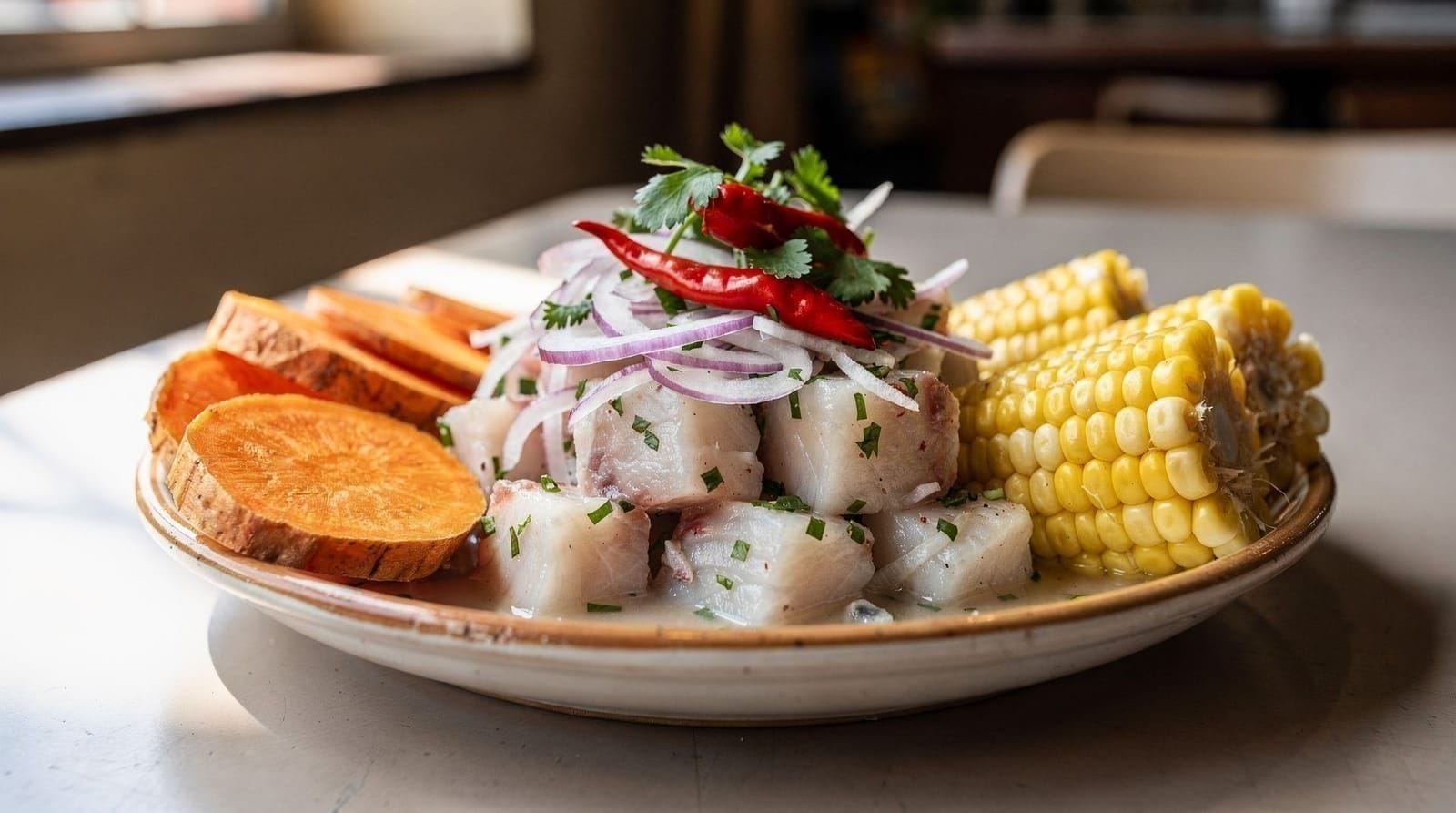
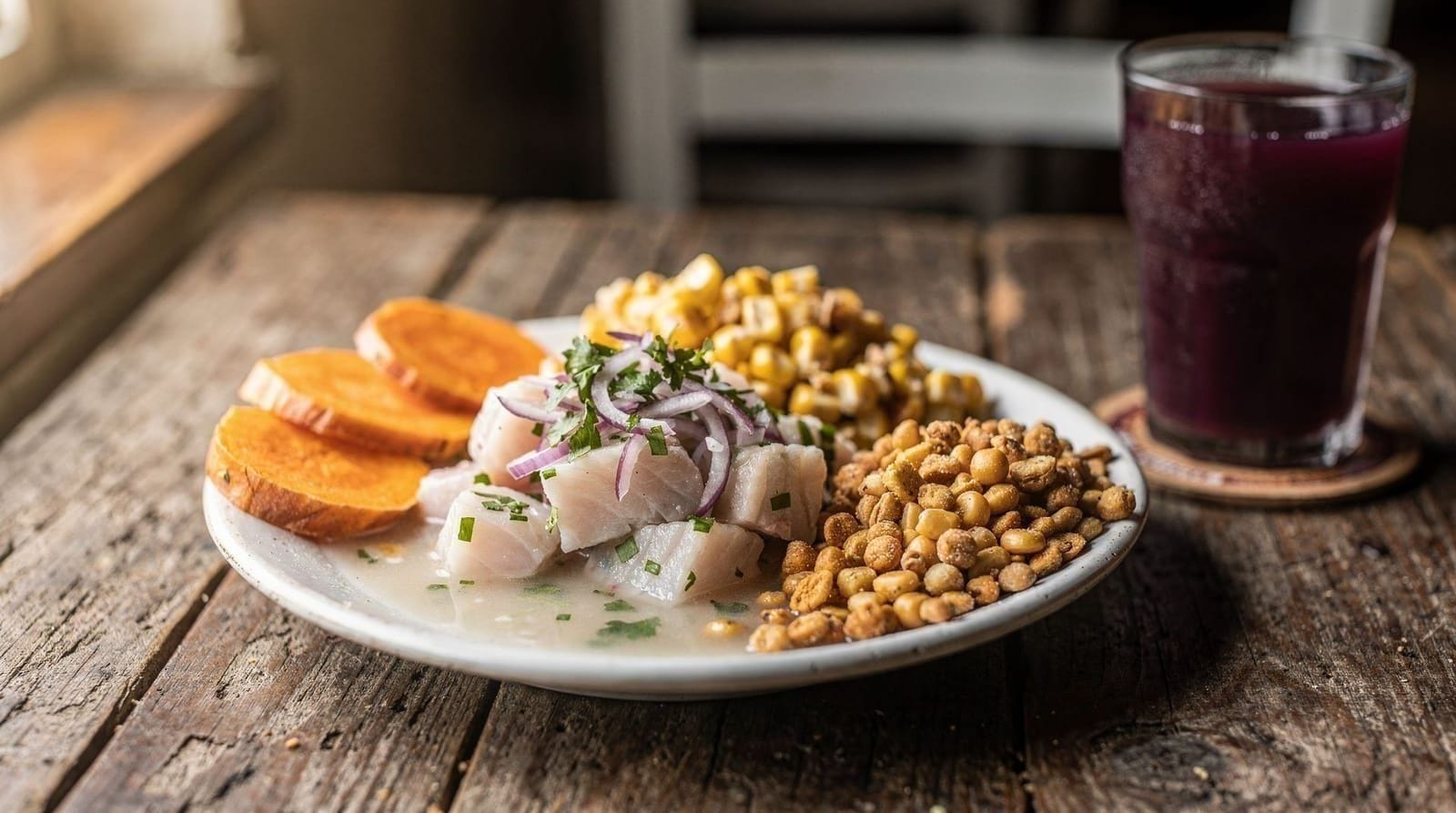
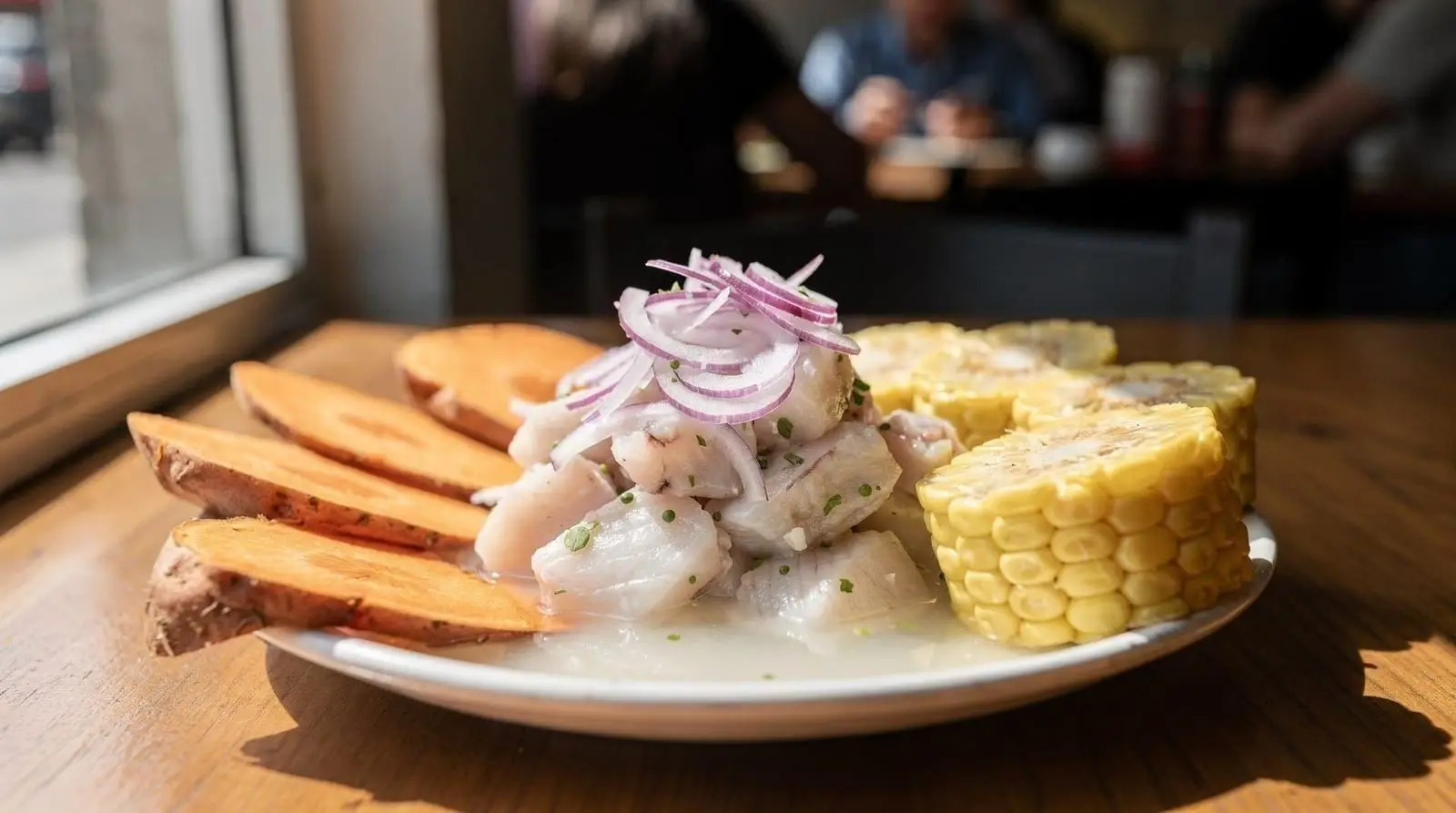
My first lunch was at a cevichería in Barranco where a classic ceviche of corvina ran S/42 (around 11 dollars), came with a chunk of sweet potato, toasted corn, and a glass of the leche de tigre — the citrus-chilli marinade — served separately like a shot. It was sharp, cold, and alive. I followed it with arroz con mariscos and immediately regretted ordering two dishes, because the portions were enormous and I had two more days of eating planned.
For the actual ranking of where to do this properly rather than my one lucky table, best ceviche in Lima does the legwork I didn’t. What I will say is that the difference between a tourist ceviche and a great one is the fish, the freshness, and whether they over-marinate it into mush. The great one I had was assembled in front of me in under ten minutes.
Day one evening: anticuchos on a street corner
That night I skipped restaurants entirely and went looking for anticuchos — skewers of beef heart grilled over coals on the street. Beef heart sounds confronting and is, in fact, tender, smoky, and one of the best things I ate all trip. A skewer with a potato and the green ají sauce cost S/12 (a bit over 3 dollars) from a cart with a queue, and the queue is the whole review. Empty cart, walk on. Queue of locals, join it.
This is the caveat to “Lima is the food capital”: the famous tasting menus are world-class, but the street and the lunch counters are where the soul is, and they cost a tenth as much. If you want the wider lay of the land, the Lima food scene guide maps the high end and the humble end together.
Day two: I went on a food tour and it was worth it
I am usually sceptical of food tours — they can be overpriced laps of places you’d find yourself. But Lima’s neighbourhoods are spread out and the best lunch spots are not the ones with English menus, so I booked an evening tour to short-circuit the research.
Lima gourmet food tour by nightIt took me to three places I would never have found, including a hole-in-the-wall doing causa — that layered cold potato dish with chilli and lime — that reset my idea of what a potato could be. The honest accounting: the tour cost more than the food itself would have, but it bought me context, four stops, and a guide who explained why Peruvian cuisine is the way it is — the Japanese influence (Nikkei), the Chinese (chifa), the African, the Andean. That history is the actual flavour. There’s a fuller version of it in the Peruvian food guide if you want to read before you chew.
Day two midnight: chifa, because Lima told me to
Around midnight, full but not done, I ended up in a chifa — a Peruvian-Chinese restaurant, of which Lima has hundreds. Arroz chaufa (fried rice) and a plate of tallarín saltado for S/28 between the bowls. It is comfort food, it is everywhere, and it is the most honest answer to “what do Limeños actually eat on a Tuesday.” Not every meal is a revelation. Some are just deeply good fried rice at midnight, and that counts.
Day three: the tasting menu, ranked last (sort of)
Day three I did the thing I had been building toward and avoiding: a proper tasting menu at one of the celebrated restaurants in Miraflores. I will not pretend the bill didn’t sting — it was, with the wine pairing, more than every other meal of the trip combined, comfortably over 150 dollars per person.
Was it brilliant? Technically, yes. Plates that looked like ecosystems, ingredients from the Amazon and the Andes I could not have named, service that anticipated everything. And yet — and this is the diary being honest — the meal I would actually go back for was the S/12 anticucho skewer and the S/42 ceviche. The tasting menu was a performance I was glad to have seen once. The street food was dinner I wanted again the next night.
So my ranking, genuinely: anticuchos first, ceviche second, the food tour third for what it taught me, chifa fourth for reliability, and the famous tasting menu last — not because it was bad, but because the joy-per-sol was lowest. Your mileage will vary and your wallet may disagree.
The drink that bridges every meal
I cannot write about eating in Lima without the pisco sour. Tart, frothy, deceptively strong, and present at basically every meal I described. A good one runs S/25–35 in a nice bar and a fraction of that at a lunch spot. The proper backstory — what pisco even is, and why Peru and Chile argue about it — is in the pisco sour guide, which I read on the flight home wishing I’d had one more.
Practical things I’d tell my pre-trip self
Eat ceviche at lunch. Judge street carts by their queue. Carry small notes because the best food rarely takes cards. Book one food tour early in the trip so the rest of your eating is smarter. And do not blow your whole budget on the tasting menu before you’ve tried the S/12 skewers — you might find, as I did, that the cheap thing wins.
Cusco has its own market-food scene worth knowing about if your trip continues there — the San Pedro market food guide is the equivalent diary-turned-guide for that city, and the contrast between Lima’s coastal, seafood-driven food and Cusco’s heartier Andean cooking is one of the more interesting throughlines of a Peru trip that covers both.
The breakfast and coffee tangent
I have not mentioned breakfast and that is an oversight, because Lima does mornings well in its own way. The classic move is a pan con chicharrón — a roll stuffed with fried pork, sweet potato, and a salsa criolla of red onion and lime — eaten standing up at a bakery counter for around S/12. It is enormous and it is the right way to start a day of eating. I had one most mornings and skipped lunch on the heavy days because of it.
Lima’s coffee deserves a word too. Peru grows excellent coffee and for years exported all the good stuff while drinking instant, but the specialty cafés in Barranco and Miraflores have flipped that — a proper flat white or pour-over runs S/12–16 and the beans are often single-origin Peruvian. After a few days I started planning my walks around the cafés, which is how you know a food trip has fully taken over.
What I’d do with one more day
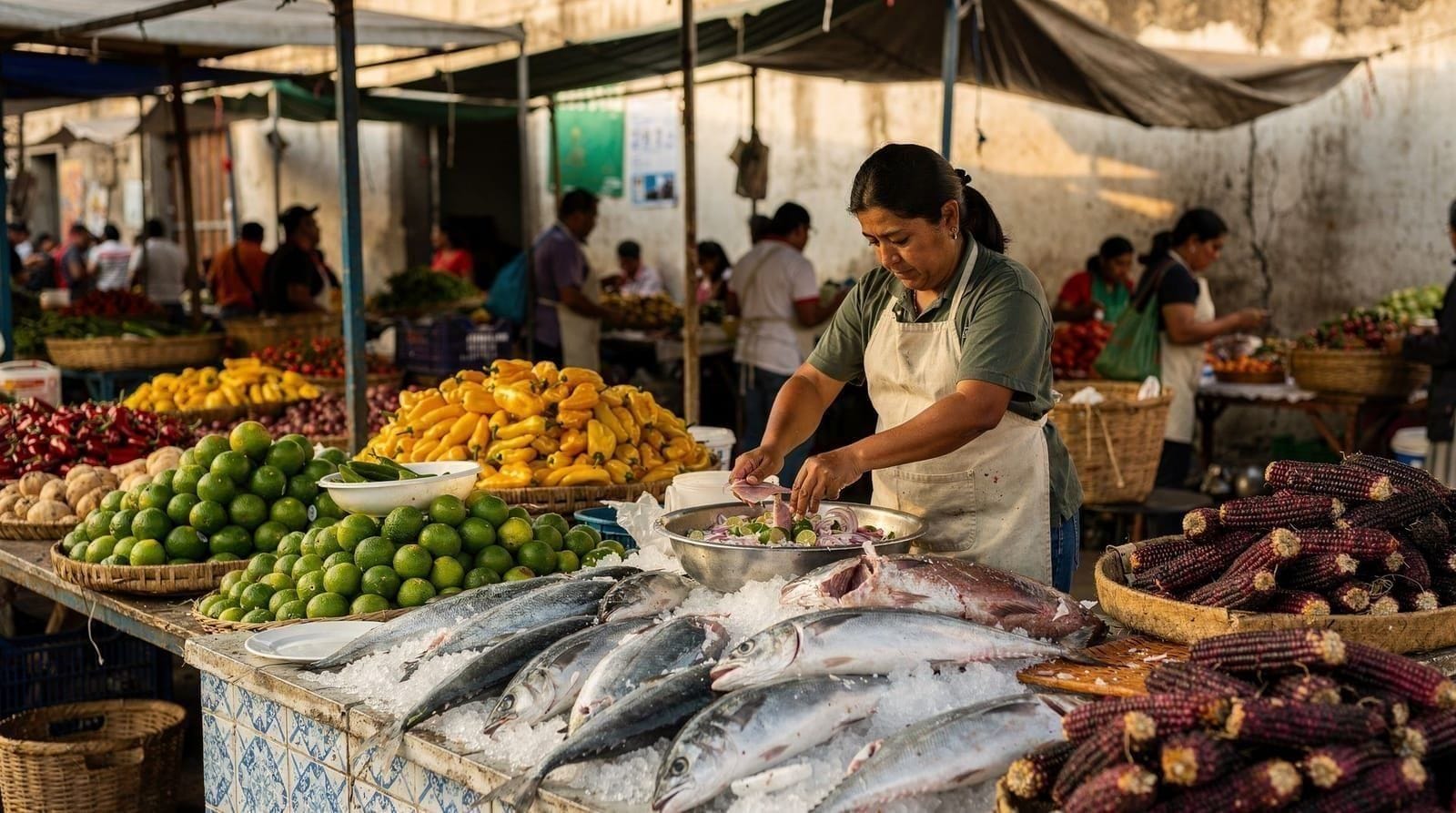
If I’d had a fourth day I would have given it entirely to the markets and the suburbs the tour didn’t reach. The Surquillo market across from Miraflores is where the restaurant chefs buy their produce, and wandering it — past stalls of ají peppers in a dozen colours, river fish, and fruit I couldn’t name — was more educational than any single meal. I’d also have done a cooking class, because the one thing eating doesn’t teach you is how the dishes are built, and several friends who did one in Lima still cook the recipes at home. The home-kitchen versions in particular get good reviews.
Eating on a budget vs eating to splurge
If someone handed me one day and a tight budget, I’d spend it entirely on the S/12 anticucho cart, a S/25-30 ceviche lunch in Barranco, a pan con chicharrón for breakfast, and a pisco sour at a lunch spot rather than a fancy bar — a full, excellent day of eating for under S/100 (about USD 27). If someone handed me one day and no budget, I’d book the celebrated tasting menu, add the wine pairing, and treat it as theatre rather than sustenance. What I would not do is split the difference and eat mid-range the whole trip — Lima’s mid-range restaurants are fine but forgettable next to either extreme, and the Lima food scene guide is more useful than I was at picking the good ones.
The honest verdict
Three days was enough to confirm the reputation and not nearly enough to finish the city. I left with a list of places I didn’t reach, which is the correct way to leave a food city. If you go for the food and only the food, Lima will reward it, and your favourite meal will probably be the cheapest one.