The 5-day Salkantay trek to Machu Picchu: an honest review
Cusco: 5-Day Salkantay Ultimate Trek to Machu Picchu
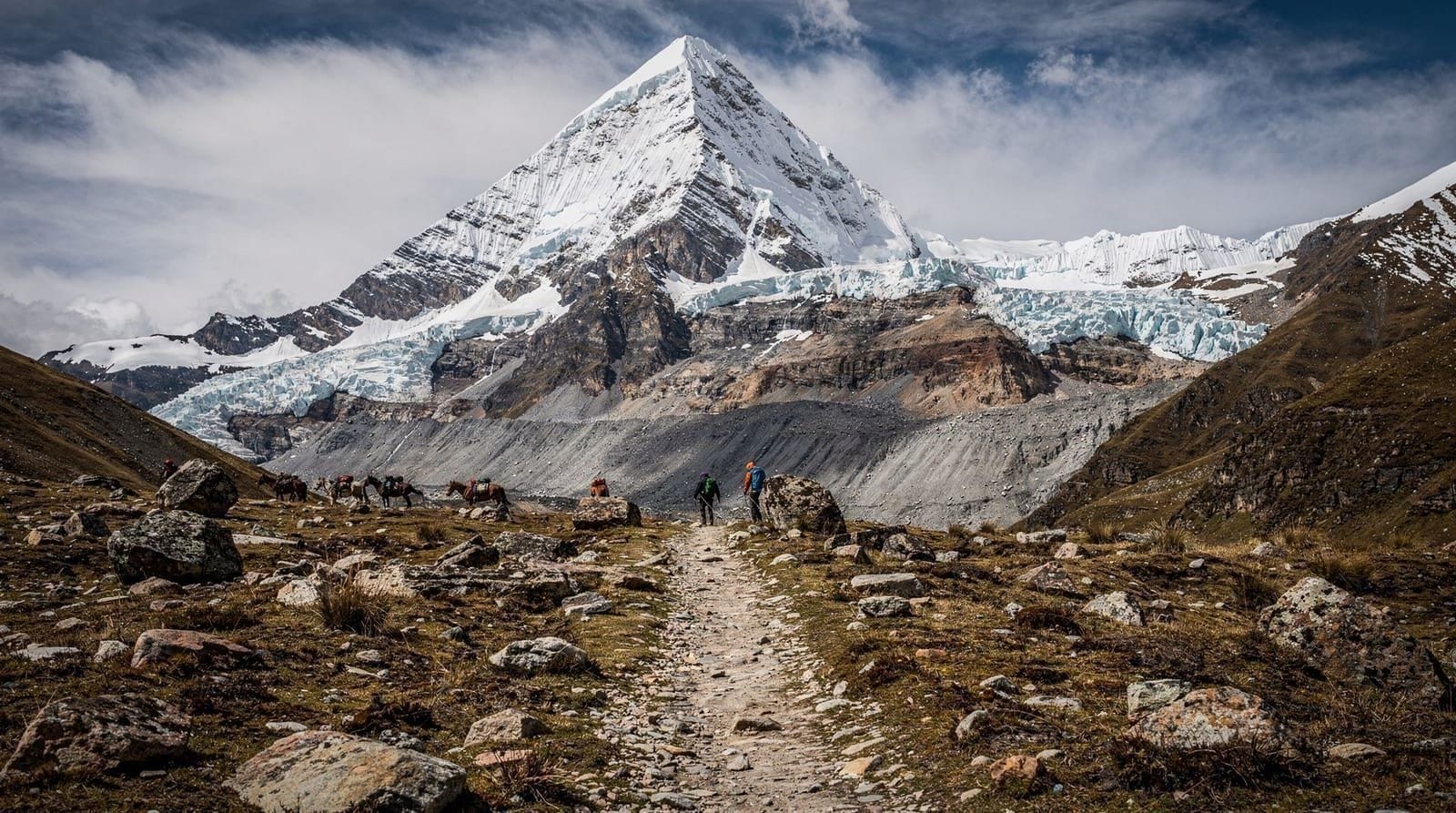
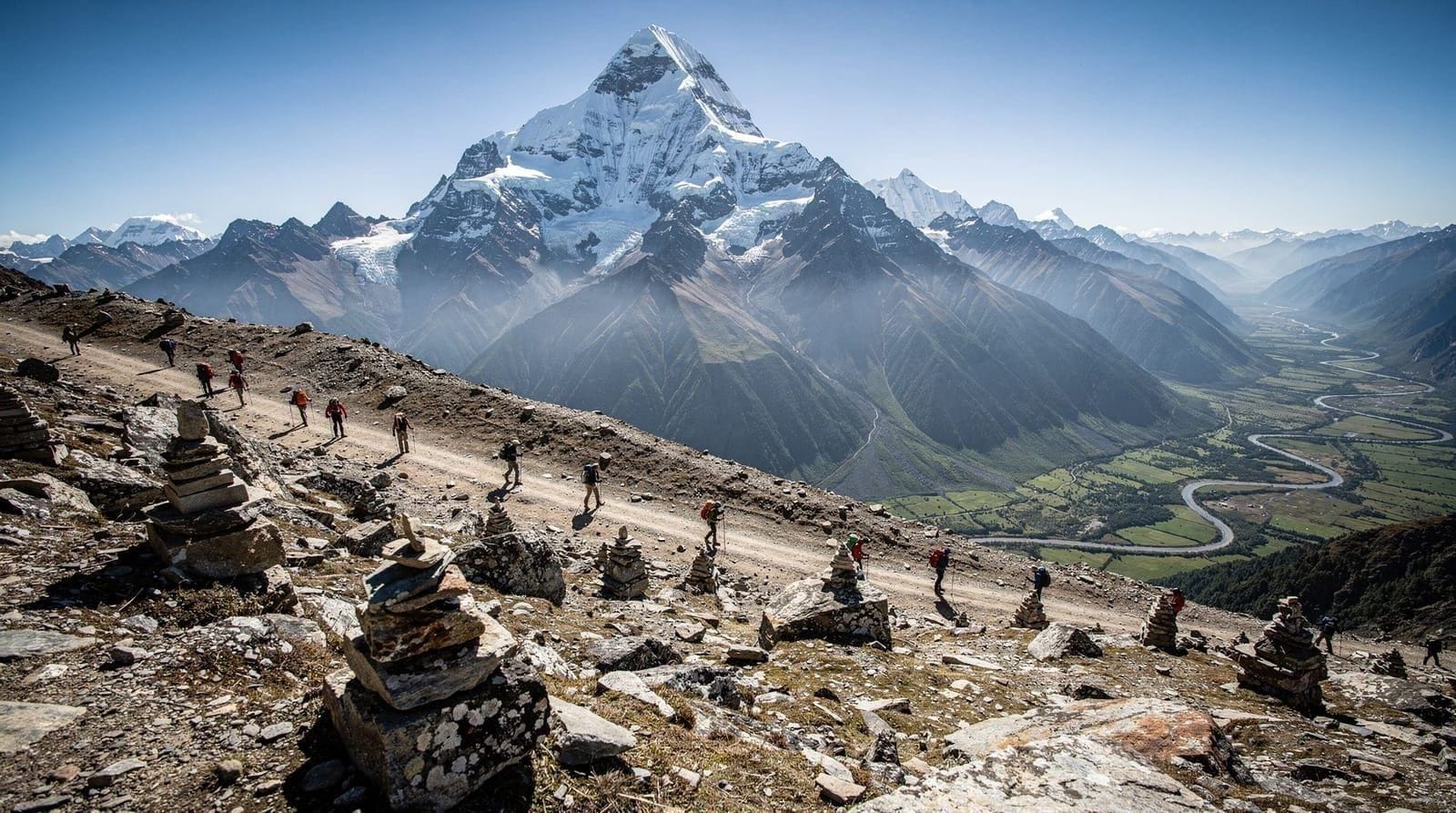
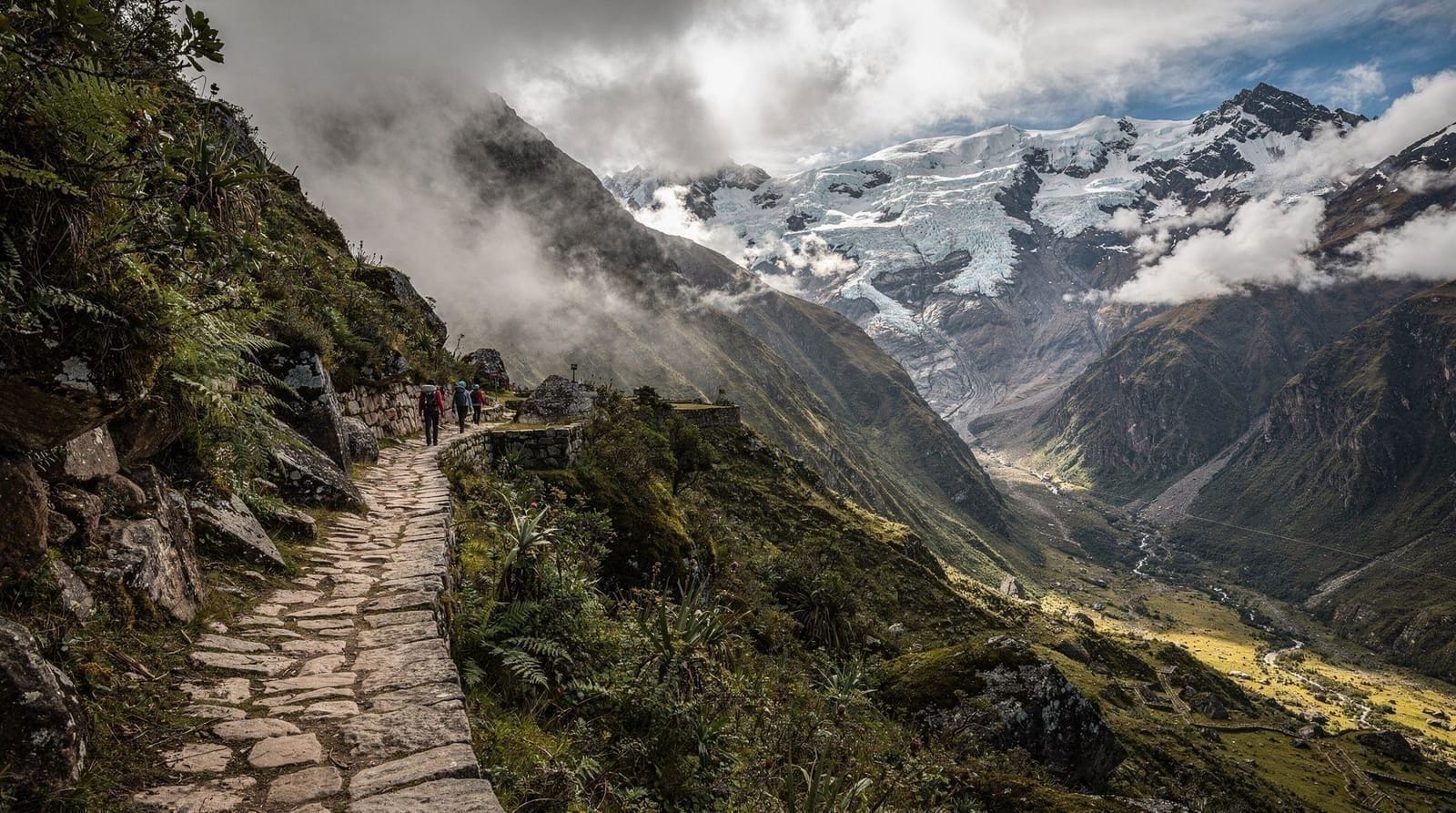
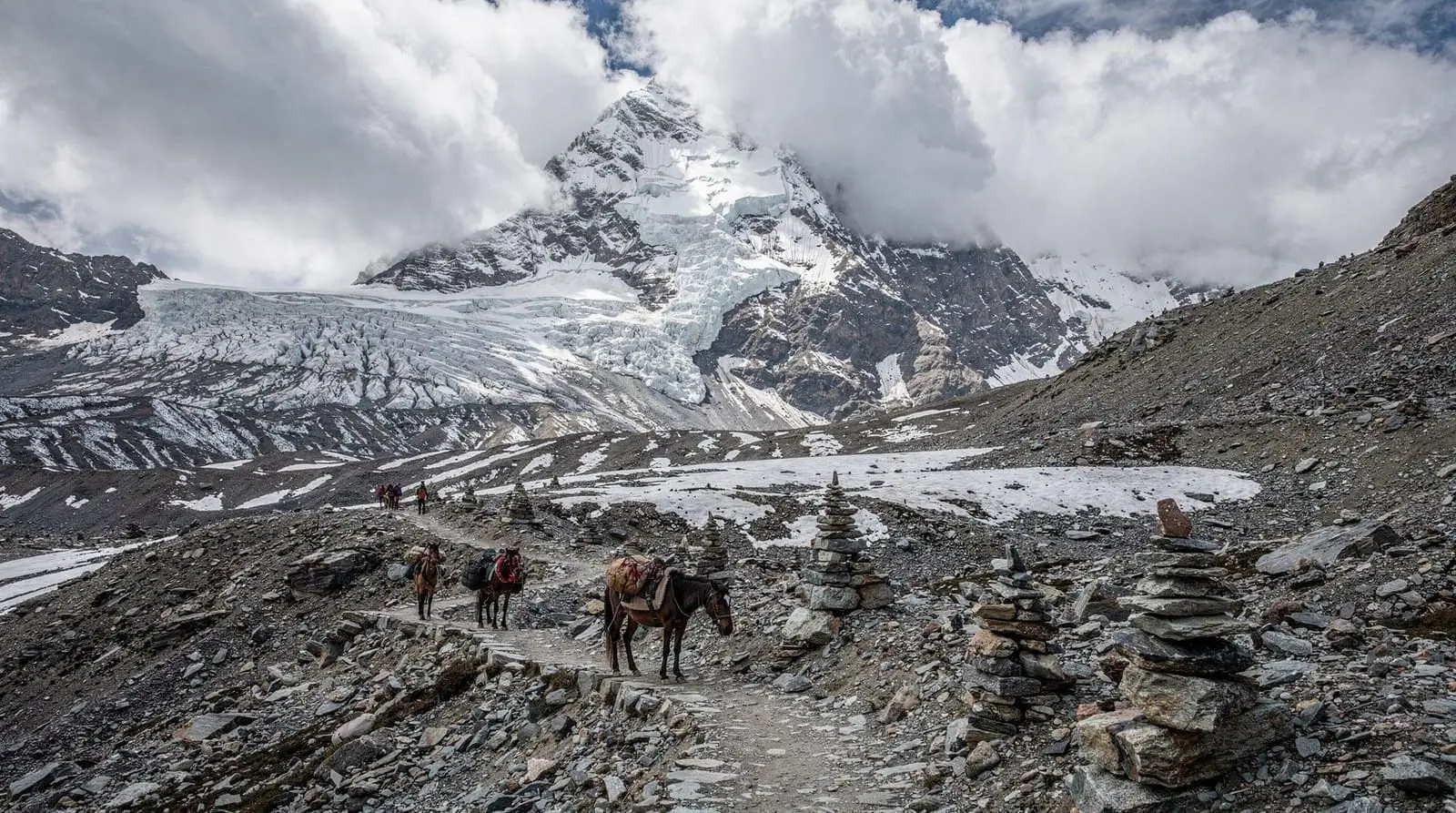
The Salkantay trek is what people book when the Inca Trail permits are gone, when it is February and the classic route is closed, or when they simply want bigger mountains than the famous trail offers. It circles the glaciated 6,271 m Nevado Salkantay, drops from high puna into cloud forest, and ends at Machu Picchu. This review covers the 5-day version, the more comfortable cousin of the popular 4-day route, and explains exactly what you trade for that extra day.
What the trek includes
A standard 5-day package covers an English-speaking guide, all camping or lodge accommodation along the route, every meal on trail, a pack animal or porter team for group gear, transport to the trailhead, the Machu Picchu entrance ticket on the final day and the return train to Ollantaytambo. The route does not require a permit, so booking is far more flexible than the Inca Trail.
Inclusions vary more than on the Inca Trail because Salkantay operators range from basic camping to glass sky-dome lodges. Read the accommodation line carefully: “camping” and “domes” are very different nights. Sleeping bag rental, trekking poles and tips are typically extra. Our Salkantay trek guide breaks down the daily route and the lodge-versus-camp options.
Check 5-day Salkantay dates and pricePrice, in soles and dollars
A solid group trek runs S/ 1,500 to S/ 2,600 per person, roughly USD 400 to 700 at mid-2026 rates. That usually undercuts the permitted Inca Trail because there is no permit fee, and the lower price is one of Salkantay’s biggest draws. As always, very cheap quotes mean cut corners, undersized groups of porters, poor food or oversized hiking groups, so apply the same scrutiny you would to any Cusco operator and avoid the unlicensed agencies.
Premium sky-dome versions, where you sleep in heated glass pods with valley views, run several times this price. They are a genuine experience but a different product; this review is about the standard trek.
No permit: the practical advantage
The single biggest reason to choose Salkantay is logistics. There is no government permit cap, so you can book weeks rather than months ahead, and you can walk it in February when the Inca Trail is closed. For travelers with fixed dates who discovered too late that Inca Trail permits had sold out, Salkantay is the rescue. It is the route I most often recommend to people planning Peru on shorter notice.
How hard it really is
This is a serious trek. You cover roughly 70 km over five days, and day two takes you over the Salkantay Pass at 4,630 m, higher than anything on the Inca Trail and the clear crux. The reward is standing beneath a 6,000 m glaciated wall, which is genuinely awe-inspiring. After the pass the route descends steadily into warmer cloud forest, and the final days are easier.
The five-day format helps because it splits the punishing sections that the 4-day route crams together, giving you more recovery and a less rushed Machu Picchu finish. Even so, acclimatization is non-negotiable: arrive in Cusco two or three days early and follow an acclimatization plan. Read our altitude sickness guide before you commit to crossing 4,600 m.
Who should do it, and who should not
Do Salkantay if you want dramatic high-mountain scenery, you missed Inca Trail permits or are traveling in February, and you can handle five days of effort at altitude. It also suits hikers who prioritize landscape over ruins.
Skip it if your heart is set on walking the original Inca road past Inca sites and entering through the Sun Gate, because Salkantay does neither; you reach Machu Picchu by bus from Aguas Calientes on the final day. Also skip it if a 4,630 m pass worries you and you have limited time to acclimatize. In that case the gentler Lares trek or arriving by train is the safer choice.
How it compares to the alternatives
The 4-day Salkantay covers the same headline scenery in less time and at a slightly lower price, but it is more demanding day to day and the Machu Picchu visit can feel rushed. If your schedule is tight and your legs are strong, it is a fair trade.
Compare the 4-day Salkantay routeAgainst the classic 4-day Inca Trail, Salkantay wins on scenery and flexibility and loses on archaeology and the Sun Gate arrival. Our Inca Trail versus Salkantay piece is the detailed head-to-head, and the best treks to Machu Picchu compares both with Lares and the Inca Jungle route. Many trekkers also tack on a side visit to Humantay Lake, which sits on or near the early Salkantay route.
See the classic 4-day Inca Trail insteadPractical packing and prep
Expect a wide temperature range: near-freezing nights up high and humid warmth in the cloud forest below. Layers, a waterproof shell, broken-in boots and a warm sleeping bag are essential, and trekking poles save your knees on the long descent. Bring your original passport for the Machu Picchu entry and the return train. Train your downhill legs and your lungs before you arrive; the pass is the test, but it is the descents that leave people sore. The general packing principles for the Inca Trail apply almost identically here.
Adding Humantay Lake without adding a day
Many 5-day itineraries route the first morning past Humantay Lake, a turquoise glacial lake a short detour above the trailhead. It costs a couple of extra hours of steady uphill walking on already the busiest acclimatization day, so ask your operator explicitly whether it is included or optional-some skip it to save time, others build it in as the headline photo stop. If your trek does not include it and you have a spare day in Cusco before or after, the standalone Humantay Lake day trip covers the same ground without adding weight to your pack.
Choosing an operator you can trust
Salkantay’s no-permit status means dozens of agencies sell the same route, and quality varies far more than price alone suggests. Group size is the clearest signal: a trek capped around 8-12 people with one guide manages the trail and the campsites far better than a 20-plus group shuffling along together. Ask directly how many porters or pack animals accompany the group, whether the guide is first-aid trained and carries oxygen, and what happens if someone cannot continue past the pass. A reputable operator answers plainly; a vague or evasive answer is your cue to keep shopping, and the same red flags covered in our unlicensed agencies guide apply here as much as on the Inca Trail.