Ica vineyards and pisco: bodegas, tastings and an honest guide
From Ica or Huacachina: Tacama Vineyard & Artisanal Winery
Which Ica bodegas are worth visiting?
Tacama for serious wine, Vista Alegre for scale and history, and El Catador for artisanal pisco made in clay botijas. A half-day covers two or three; expect to pay S/30–80 per person including tastings, or hire a taxi for a group.
The Ica valley is where most of Peru’s pisco and a good share of its table wine come from, and it has been making both for almost five centuries. That sounds like the setup for a polished, Napa-style wine route. It is not. Ica is a working agricultural city in the desert, the bodegas are spread across dusty back roads, and the experience ranges from a slick corporate hacienda tour to a family pouring you pisco from a clay pot in their courtyard. This guide is about getting the most out of that range without overpaying or wasting a day.
| Where | Ica valley, south coast desert, ~4.5–5hrs from Lima |
| Cost | Around S/50–80 ($14–22) guided half-day, 2–3 bodegas |
| Time needed | Half a day for bodegas; a full day with Huacachina |
| Getting there | Bus from Lima (Cruz del Sur, Oltursa) or taxi within Ica |
| Best time | Year-round; harvest (vendimia) late Feb–April is liveliest |
What you are actually tasting
Before you book anything, it helps to understand the two products on every Ica tasting table, because they are made very differently and judged very differently.
Wine here is fermented grape juice, full stop. The desert climate plus Andean snowmelt irrigation gives the grapes high sugar, which is why Ica wines tend toward the sweet and full-bodied. The dry reds and whites have improved a lot in the last two decades, but the region’s historic bread and butter is semi-sweet wine and the fortified, oxidative styles the bodegas sell by the demijohn to locals.
Pisco is the more serious export. It is wine distilled once — and only once — into a clear grape brandy, then rested but never diluted with water afterward. That no-dilution rule is written into Peruvian law and is the single biggest difference from Chilean pisco. The result sits at 40–48% ABV and keeps the aroma of the grape it came from. You will hear four main grape names: Quebranta (the workhorse, non-aromatic, the backbone of a pisco sour), and the aromatic trio Italia, Moscatel and Torontel. A blended pisco is called acholado; a single-grape one is puro; and pisco distilled while the wine still has residual sugar is mosto verde, the smoothest and priciest style.
If you taste nothing else, taste a mosto verde Italia next to a Quebranta puro. The difference — floral and soft versus earthy and structured — tells you more about pisco in two sips than any tour script.
Tacama: the polished one
Hacienda Tacama traces its roots to the 1540s, which makes it, by most accounts, the oldest functioning winery in the Americas — though the operation you visit is thoroughly modern. It sits about 11 km from central Ica, a S/20–25 round-trip taxi.
This is the most professionally run visit in the valley. Tours move through the vineyards, the fermentation halls, the barrel room where the Gran Vino Tacama ages, and the distillery, ending with a guided tasting of two wines and a pisco. The Selección Especial labels (red and white) are the wines to try; the Selección Especial pisco is the one that collects medals. You can buy bottles at winery prices, which run roughly S/35–80 and undercut Lima retail noticeably.
From Ica or Huacachina: Tacama Vineyard & Artisanal WineryA guided Tacama visit costs around S/30–45 per person including the tasting. It is the right choice if you want context and a clean, comfortable experience and do not mind that it feels a little corporate. Book ahead on weekends and during the March–April harvest, when slots fill.
Vista Alegre: scale and history
Vista Alegre, just a few kilometres northeast of the city centre, is the other big name and the easiest to reach — close enough to combine with a city errand. Founded in the late 19th century by the Picasso family (no relation to the painter), it is one of Peru’s largest producers and leans more toward pisco and affordable, sweeter wines than Tacama’s fine-wine ambitions.
The appeal here is the old machinery and the sheer scale: vast cellars, antique copper stills, and a tasting room that runs through a broad lineup including their well-known perfecto amor and sol y sombra sweet styles alongside the piscos. It is less refined than Tacama and more honest about being a commercial operation — which some travellers find refreshing. Entry plus tasting is modest, typically under S/20, and you can usually walk in without booking outside peak season.
Vista Alegre is the pick if you want history and volume over polish, and if you would rather spend your soles on bottles than on a guided experience.
El Catador: the artisanal one
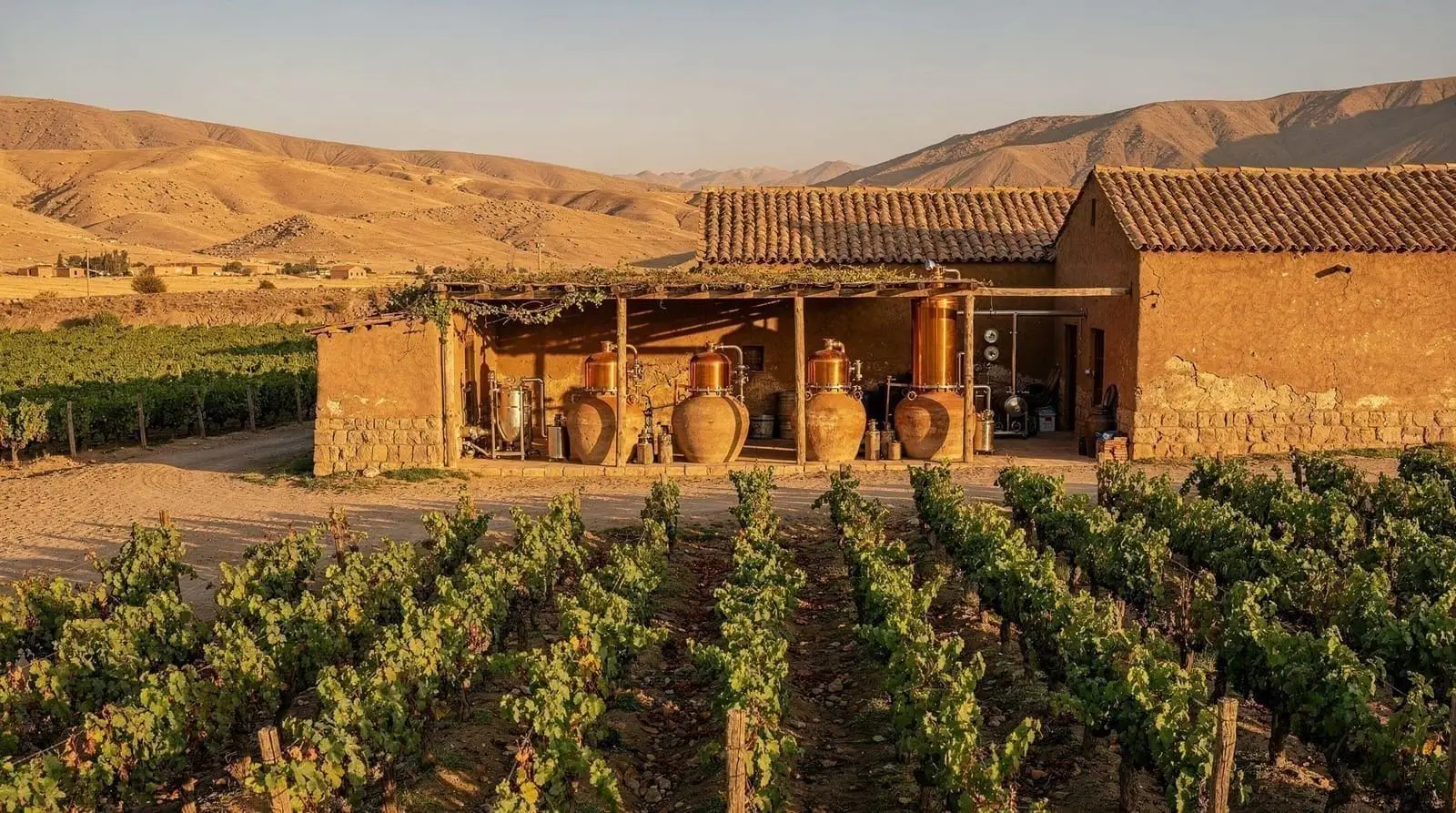
El Catador, about 7 km from the centre near the village of Tres Esquinas, is the antidote to the big estates. It is a smaller, family-feel bodega that still ferments in traditional clay pots called botijas, which give the pisco a slightly earthier character than stainless steel. The visit is informal — someone genuinely enthusiastic walks you through the process — and there is a shop and a small restaurant attached.
Most combined tours pair El Catador with Tacama or Vista Alegre, which makes a well-balanced half-day: one polished estate, one artisanal bodega.
From Ica or Huacachina: Wine and Pisco Vineyards TourThe standard wine-and-pisco circuit covers two or three bodegas with transport and tastings for S/50–80 per person. If you are a group, hiring a taxi for a half-day (S/80–120 total, including waiting time) and visiting independently is cheaper and lets you set the pace.
A note on the smaller bodegas
Beyond the three above, the Ica and neighbouring Pisco valleys are dotted with tiny artisanal producers — names like Lazo, La Caravedo (home of the premium Portón pisco), and dozens of unmarked family operations. La Caravedo, near the town of Pisco, is the most polished of the small-batch distilleries and worth a detour for serious pisco people, though it sits closer to Pisco than to Ica city. The roadside family bodegas are hit or miss: the pisco can be excellent and absurdly cheap, but quality and hygiene vary, and you are buying on trust. If a taxi driver offers to take you to “his friend’s bodega,” treat it as entertainment rather than a recommendation.
How to taste without ruining your day
Bodega pours are generous and the spirit is strong. A few practical rules:
- Eat first. Ica heat plus 45% ABV on an empty stomach is a fast route to a wasted afternoon. The market on Calle Lima has cheap, filling plate lunches.
- Sip pisco, do not shoot it. A straight puro or mosto verde is meant to be nosed and sipped like brandy. Shooting it is both a waste and a headache.
- Pace the wines. The sweet fortified styles are deceptively heavy.
- Hydrate. The desert dries you out faster than you notice, and dehydration amplifies everything.
- Decide who is driving. If you hire a car or scooter, sort a designated driver before the first tasting, not after.
Pisco sour, and taking the drink further
If a tasting hooks you on pisco, the natural next step is understanding the country’s signature cocktail. The pisco sour guide covers the classic recipe — pisco, lime, simple syrup, egg white, and a dash of bitters — and where in Peru to drink a genuinely well-made one rather than the sugary, over-shaken version served to tourists in Cusco and Lima. Many Ica bodegas also sell their own bottled sour mix, which is a decent souvenir if you do not want to carry a full bottle of spirit home.
Combining Ica with the rest of the south coast
Few travellers come to Ica only for the bodegas. Most combine it with Huacachina, the oasis and dune-buggy town five kilometres away — see the Huacachina dune buggy guide for that half of the day, and the Huacachina sunset diary for what the sandboarding-and-sunset combo actually feels like in practice.
Further south, Paracas and its national reserve add a coastal and wildlife dimension; the Paracas complete guide covers that leg. Many travellers link Lima, Paracas, Ica, and Nazca into a single loop, and the Lima–Paracas–Nazca 4-day itinerary shows how to sequence bodegas, the Ballestas Islands, and the Nazca Lines flight without doubling back.
Prices, hours and logistics
Bodegas generally open from around 09:00 to 17:00, with last tours an hour before closing. Tacama and Vista Alegre keep more reliable hours; smaller operations may close for lunch or open shorter hours midweek. During the vendimia (late February to April) everything runs longer and busier.
Getting around: mototaxis handle short city hops for S/3–5; a standard taxi for a half-day bodega circuit is S/80–120. Uber does not operate in Ica, but the InDriver and Beat apps do and undercut street taxis. From Huacachina, the oasis 5 km away, most hostels can arrange a morning bodega run, which is the easy option if you are already staying at the dunes.
For where the bodega visit fits into a wider trip, see the south coast two-day guide and the broader Ica destination page. If pisco itself is what hooked you, the guide to pisco the drink and the town goes deeper on production, styles and where the name actually comes from.
Is it worth it?
For most travellers on the south coast circuit, a half-day of bodegas is one of the better-value things to do in the region — cheaper than the Nazca flight, less weather-dependent than a boat trip, and genuinely interesting if you have any curiosity about how pisco is made. It is not a reason to fly to Peru on its own, and the marketing that frames Ica as “Peru’s Napa” oversells it. Go in expecting a dusty, unpolished, occasionally charming working wine region, and you will enjoy it. Go expecting Tuscany and you will be disappointed.
The honest sweet spot: one polished estate (Tacama or Vista Alegre), one artisanal bodega (El Catador), lunch in the market, and the afternoon free for the Huacachina dunes. That is a full, good day in Ica.
Frequently asked questions about Ica vineyards and pisco: bodegas, tastings and an honest
How much does an Ica bodega tour cost?
Can I visit the bodegas without a tour?
What is the difference between pisco and wine here?
When is the grape harvest in Ica?
Is Tacama wine actually good?
How do I get to Ica from Lima for a wine trip?
Can I combine Ica bodegas with Huacachina in one day?
What's a genuinely good pisco sour, and where do I find one?
Top experiences
Bookable activities with verified prices and instant confirmation on GetYourGuide.
