Slowing down in the Sacred Valley
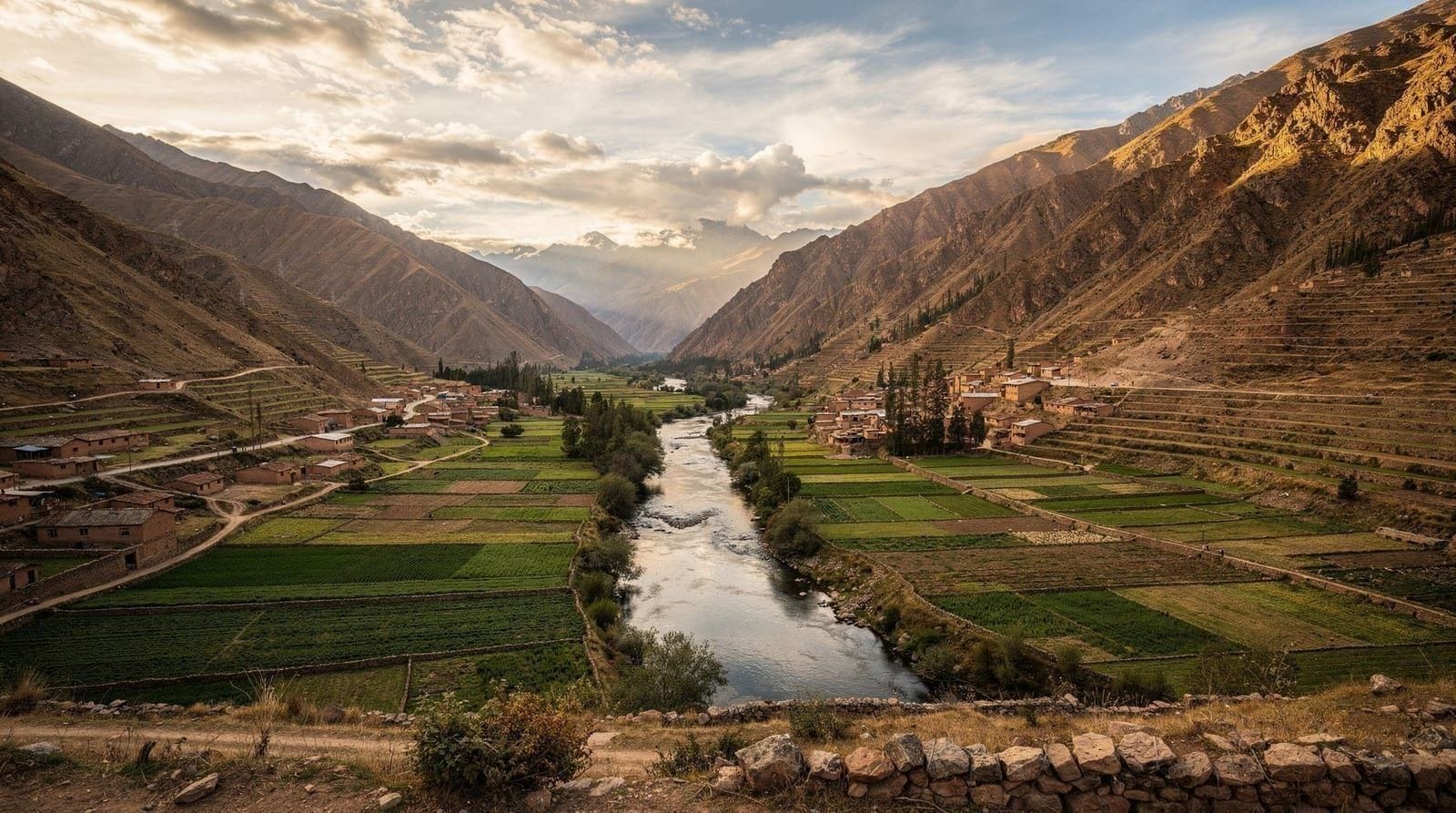
Most people see the Sacred Valley from a coach window between 9am and 5pm. You get Pisac market, a lunch buffet in Urubamba, the Ollantaytambo ruins, and you’re back in Cusco for dinner with a memory card full of photos and almost no sense of the place. I did it that way once. The second time I rented a room in Urubamba for five nights and let the valley unfold at its own pace, and it became the best part of the whole trip.
| Where | Urubamba or Ollantaytambo, Sacred Valley |
| Altitude | Around 2,800m, lower than Cusco’s 3,400m |
| Cost | Around S/ 80-100/night (USD 21-27) for a simple guesthouse |
| Time needed | 3-5 nights to feel the difference |
| Getting there | Colectivo or taxi from Cusco, around 1-1.5hrs |
Why I based myself in the valley
The valley sits around 2,800-2,900 metres, six or seven hundred metres lower than Cusco. That altitude difference is not trivial - I slept better, breathed easier, and acclimatised here before tackling anything high. I’ve made the case for this in the Sacred Valley vs Cusco base comparison, but living it for a week sold me completely.
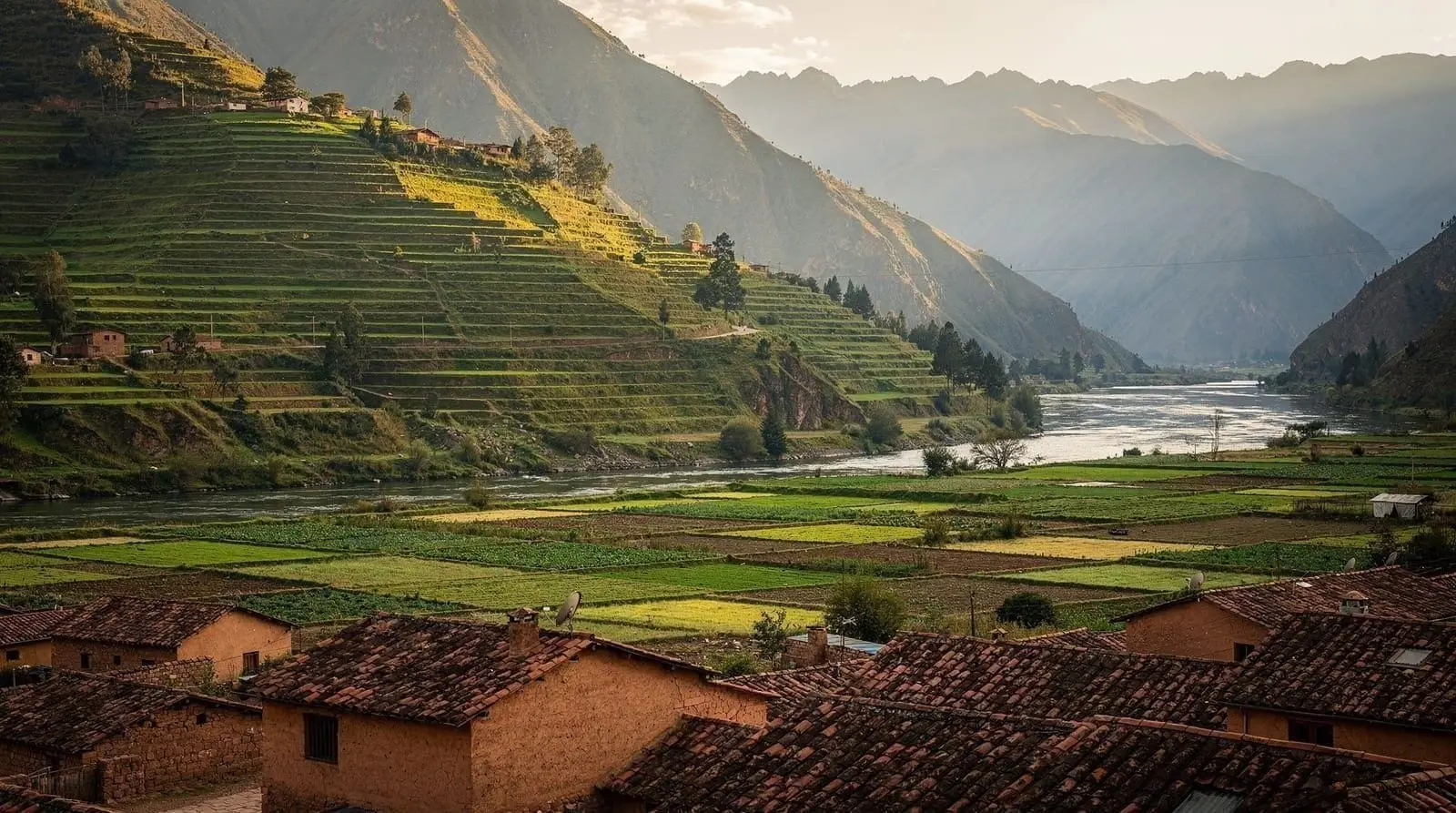
Urubamba isn’t pretty in the postcard sense - it’s a working market town - but it’s central, it’s cheap, and it has actual restaurants where actual locals eat. My room cost S/ 90 a night (about USD 24) with breakfast, run by a family who let me leave my bag for a day while I went up to Machu Picchu.
Pisac, but at the right time
The Pisac of the day tours is the lower market, packed shoulder to shoulder by mid-morning. The Pisac I came to love was the upper ruins at 7am, when the only other people on the terraces were a couple of vendors setting up and a man herding goats below.
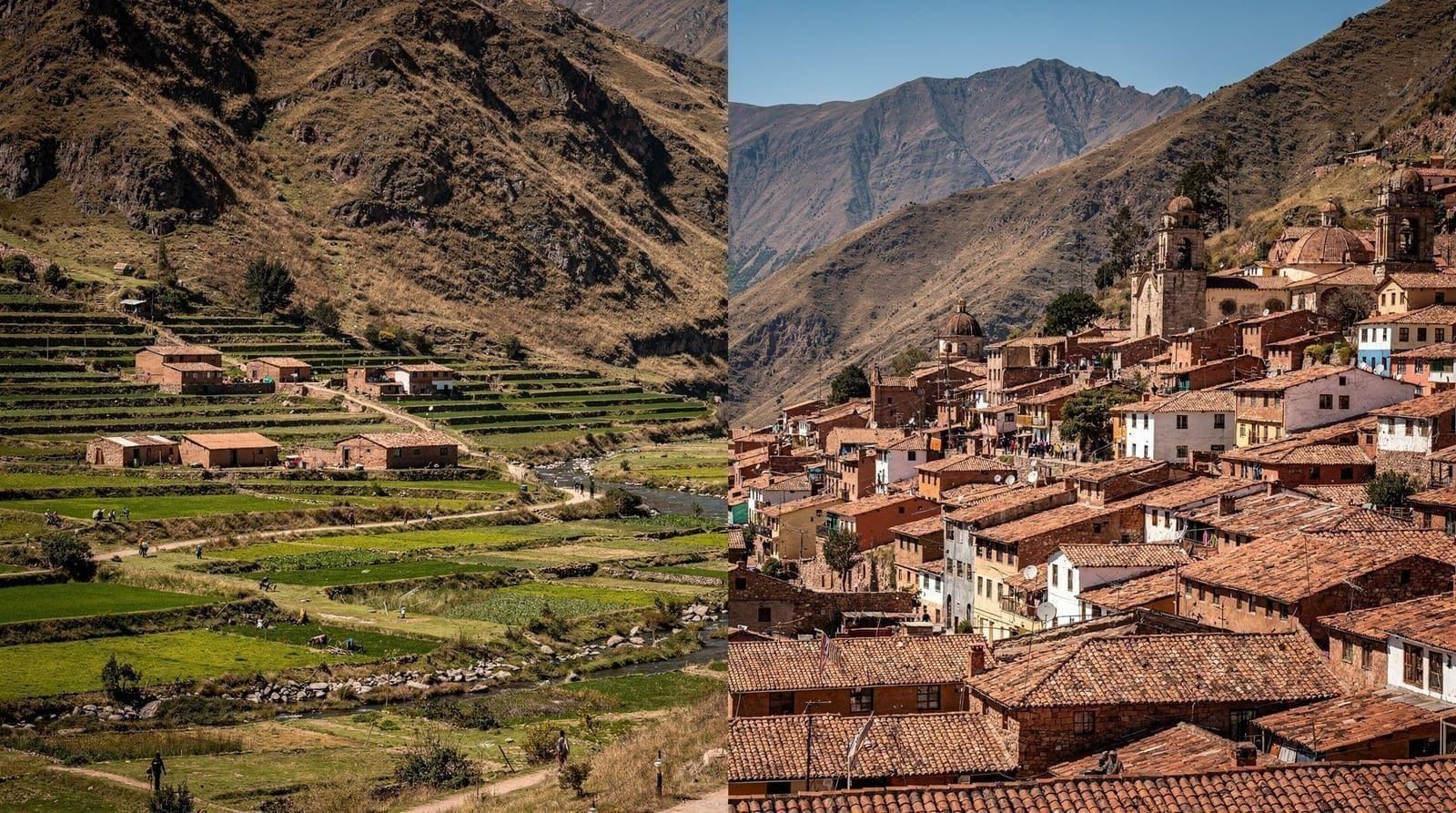
The ruins are spread along a ridge with agricultural terraces curving down the mountainside, and they’re genuinely more impressive than I expected from a “market town.” I spent three hours up there alone with a thermos of coca tea before walking down into the market when it actually opened. By the time the buses disgorged their crowds I’d already had my morning. The Pisac ruins guide has the practical access details; the Pisac market and ruins page covers timing.
A word on the market: the genuine textiles are there if you look, but so is a lot of factory stuff trucked in from elsewhere. The Tuesday, Thursday and Sunday markets are the bigger ones. I bought a real alpaca scarf for S/ 45 (USD 12) after the third stall and a lot of polite haggling, and a “baby alpaca” blanket that was almost certainly acrylic for tourist money on day one before I learned better.
Maras, Moray and the salt I keep cooking with
The Moray terraces - those concentric circular depressions the Incas seem to have used as an agricultural laboratory - are the kind of thing that’s better in person than in photos, because you only grasp the scale standing on the rim. Nearby, the Maras salt pans are thousands of shallow terraced pools that have been worked by hand for centuries, fed by a salty spring. I bought a bag of pink Maras salt at the source for a few soles and I’m still using it at home, which is a small absurd joy every time.
These two are awkward to reach without a car or tour, and this is the one segment where I’d happily book a guided trip rather than fight the logistics. I used a half-day option that paired the salt mines with Moray:
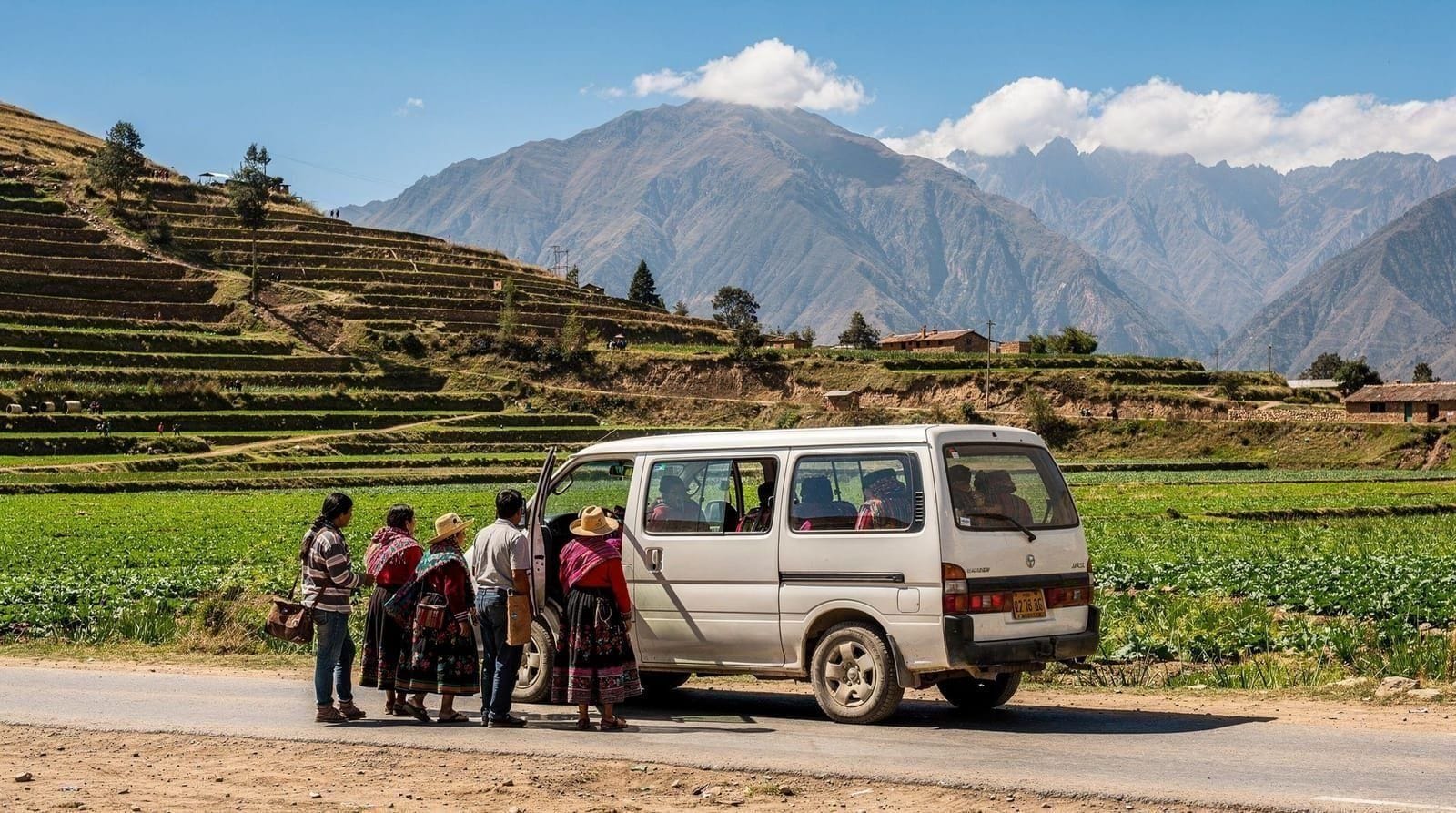
Sacred Valley tour with Pisac, Ollantaytambo and ChincheroThe getting around the Sacred Valley guide explains the colectivo (shared minivan) network if you’d rather do it independently - it’s cheap, fun, and slightly chaotic.
Ollantaytambo, where I’d stay if I went back
If I redid the trip, I’d base myself in Ollantaytambo instead of Urubamba. It’s the most intact living Inca town in the valley - people still live inside the original Inca walls and walk the original canal-lined streets - and once the day-trippers leave around 4pm it becomes magical. I went up for an afternoon and ended up staying for the golden hour, watching the light move across the fortress terraces with maybe a dozen other people around.
The ruins themselves are steep and worth the climb; the Ollantaytambo ruins guide covers the details, and the village guide covers the town. Practically, Ollantaytambo is also where most Machu Picchu trains depart, so basing here makes the Machu Picchu day far less stressful.
Urubamba or Ollantaytambo: where to actually base yourself
I stayed in both over two trips, and the honest comparison looks like this:
| Urubamba | Ollantaytambo | |
|---|---|---|
| Character | Working market town, less scenic | Living Inca town, atmospheric |
| Cost | Cheaper rooms, more choice | Slightly pricier, especially near the plaza |
| Convenience | Central to the whole valley | Best if Machu Picchu is the priority |
| Evenings | Ordinary, functional | Genuinely magical once day-trippers leave |
If Machu Picchu logistics matter most to you, Ollantaytambo wins outright. If you want a cheaper base to explore the whole valley at leisure, Urubamba still makes sense.
The markets beyond Pisac
Pisac gets the fame, but Chinchero and Urubamba both run their own smaller markets worth a wander if you’re based in the valley long enough to catch them. Chinchero’s is quieter and, in my experience, has a higher ratio of genuine handwoven textiles to factory imports, partly because it sits right next to the weaving cooperatives that supply it. Urubamba’s is more of a produce and daily-goods market - less photogenic, more revealing of how the valley actually eats. Neither replaces Pisac, but both reward a slow itinerary that has room for them.
The rhythm that made it work
What slow travel bought me in the valley wasn’t more sights - it was the same sights without the rush, plus the ordinary stuff that becomes the actual memory. The set lunch at a corner spot in Urubamba for S/ 12. The afternoon I read a book on a bench in the Ollantaytambo plaza. The vendor at Chinchero who showed me how the natural dyes work, which deserves its own story. The morning I had Pisac to myself.
A standard valley day tour costs around S/ 80-130 and shows you the highlights efficiently, and if your trip is genuinely short it’s a reasonable way to compress the valley into one day - I’ve used the full-day version myself:
Sacred Valley of the Incas full-day tourBut if you have the days, give them to the valley. The Sacred Valley complete guide lays out the full menu of what’s here.
I came to the valley expecting a stopover between Cusco and Machu Picchu. I left thinking it might be the reason to come to Peru at all. The ruins are extraordinary, but it was the slow mornings - terraces and goats and coca tea - that I actually brought home.