Is the Boleto Turístico worth it? My 2024 receipts and verdict
The pass everyone tells you to buy
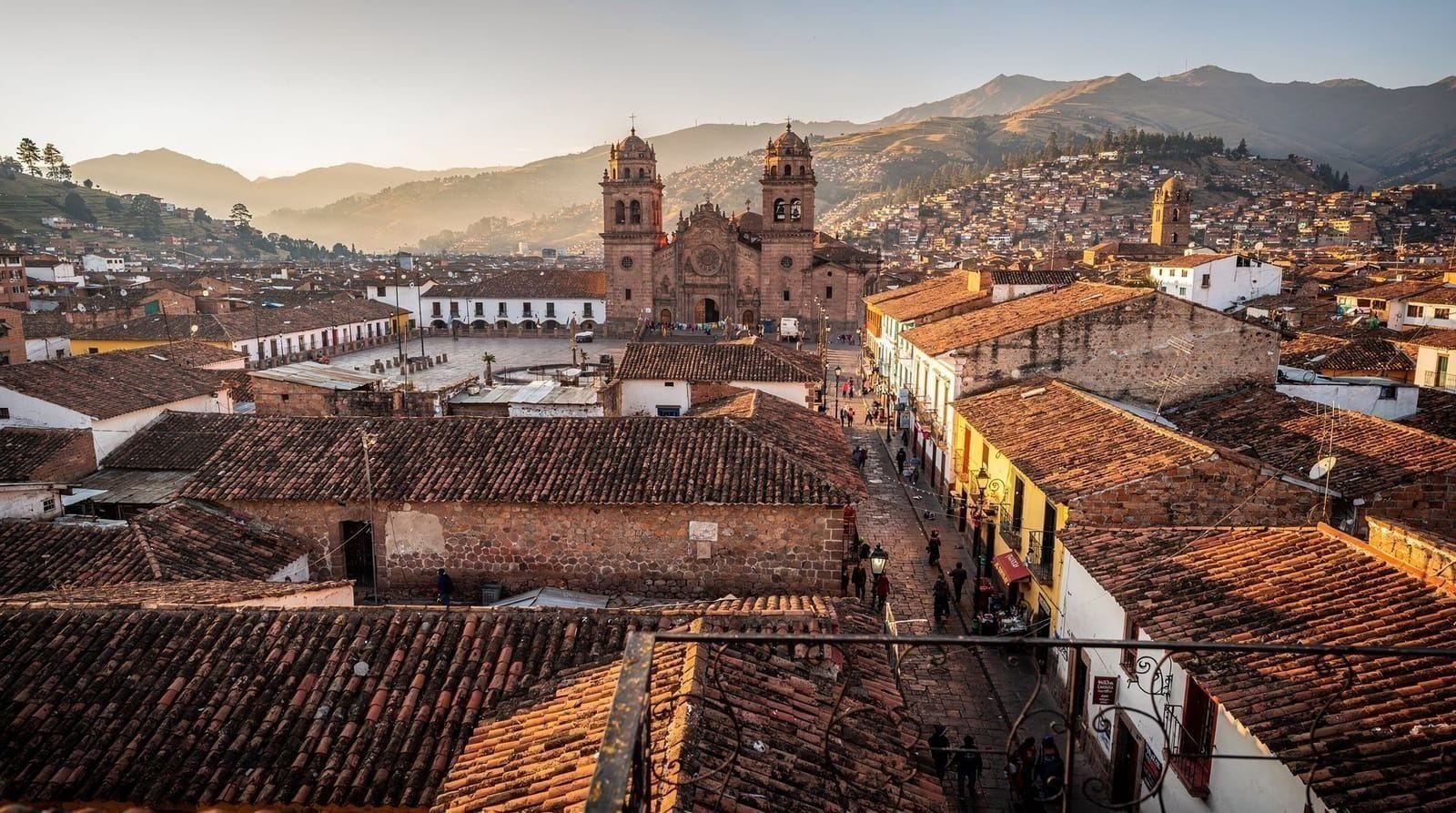
Before I went to Cusco, every blog and every hostel forum told me to buy the Boleto Turístico — the tourist ticket that bundles entry to a clutch of Inca sites and museums around the city and the Sacred Valley. “Just get it, it’s worth it.” Nobody seemed to have actually added up whether it was, so I kept my receipts and did the maths myself. Here’s what I found in early 2024, with real numbers.
| Full ticket price | Around S/ 130 (about USD 35), valid 10 days |
| Partial ticket price | Around S/ 70 (about USD 19), valid 1-2 days |
| Where to buy | COSITUC office in Cusco or at the gate of most sites |
| Covers | Sacsayhuamán, Sacred Valley ruins, some museums |
| Does NOT cover | Machu Picchu, Qorikancha interior, the Cathedral |
What the Boleto Turístico actually is
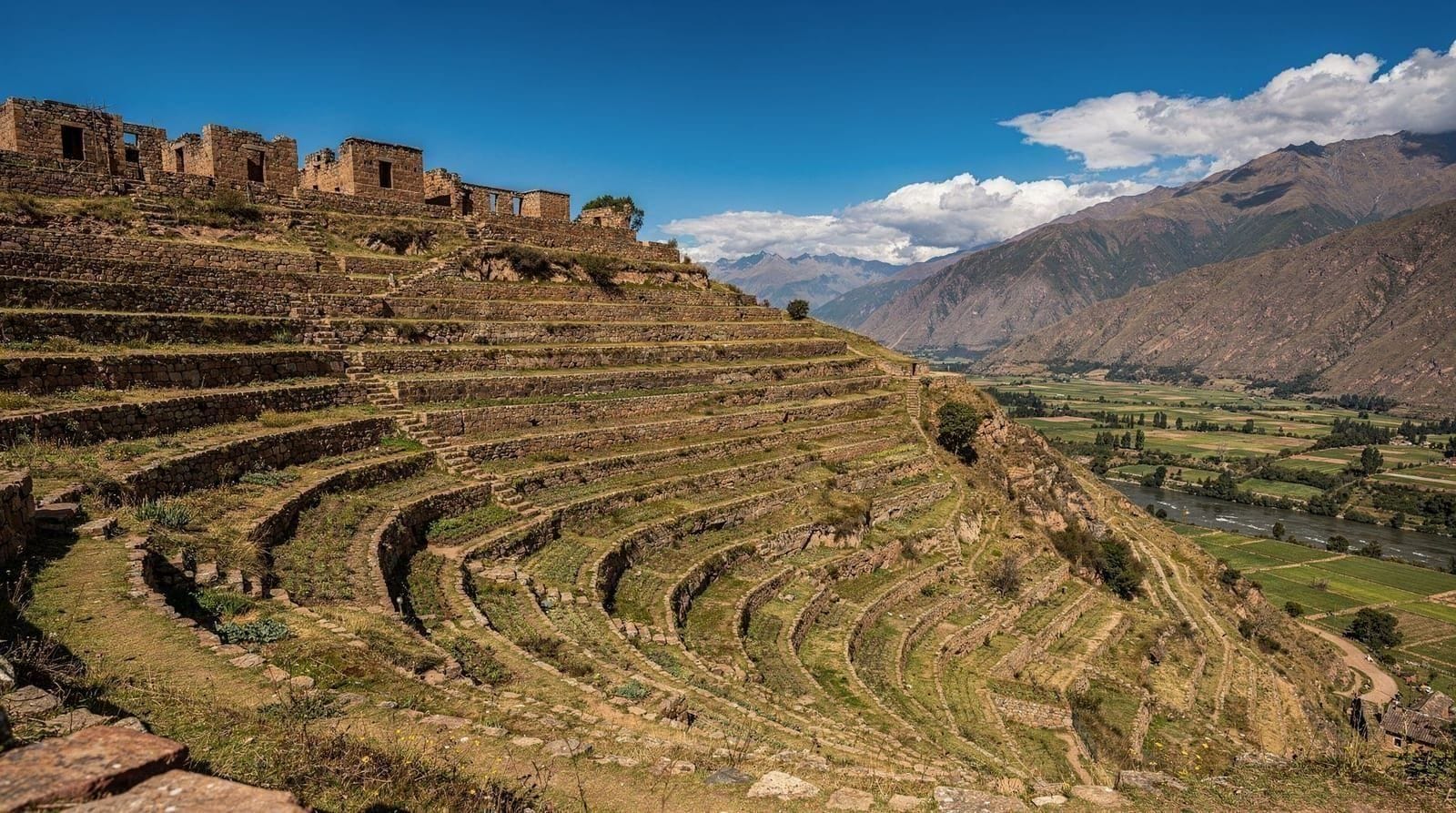
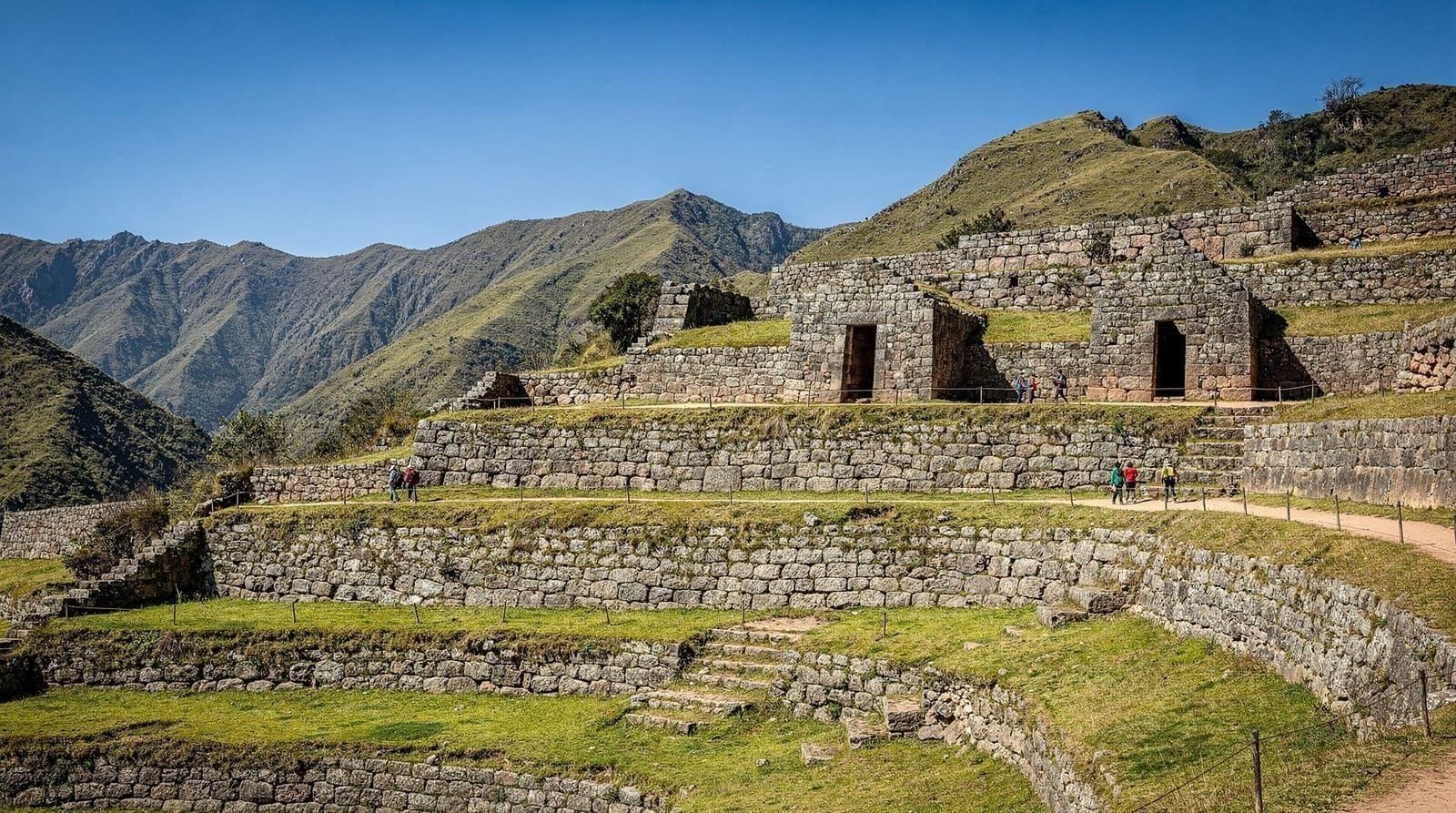
Quick version, because the boleto turístico explained guide covers the full detail: it’s a single pass that gets you into a fixed list of attractions. The catch a lot of people miss is that it does not include the big-name individual sites — Qorikancha’s interior, the Cathedral, or Machu Picchu are all separate. It covers the second tier: Sacsayhuamán, Q’enqo, the Sacred Valley ruins, some Cusco museums, and a few performances.
There are several versions:
- Full ticket (Boleto General): all sites, valid 10 days. Around S/ 130 (about USD 35) for foreign adults in 2024.
- Partial tickets (Circuitos I, II, III): a subset of sites, valid 1-2 days. Around S/ 70 (about USD 19) each.
Those were the prices I paid. They tend to creep up year to year, so check before you go.
My actual receipts
I bought the full S/ 130 ticket. Here’s everything I used it for over five days:
- Sacsayhuamán — the big one, the fortress above Cusco
- Q’enqo, Puka Pukara, Tambomachay — the cluster on the road above Cusco
- Pisac ruins in the Sacred Valley
- Ollantaytambo ruins
- Chinchero site and church
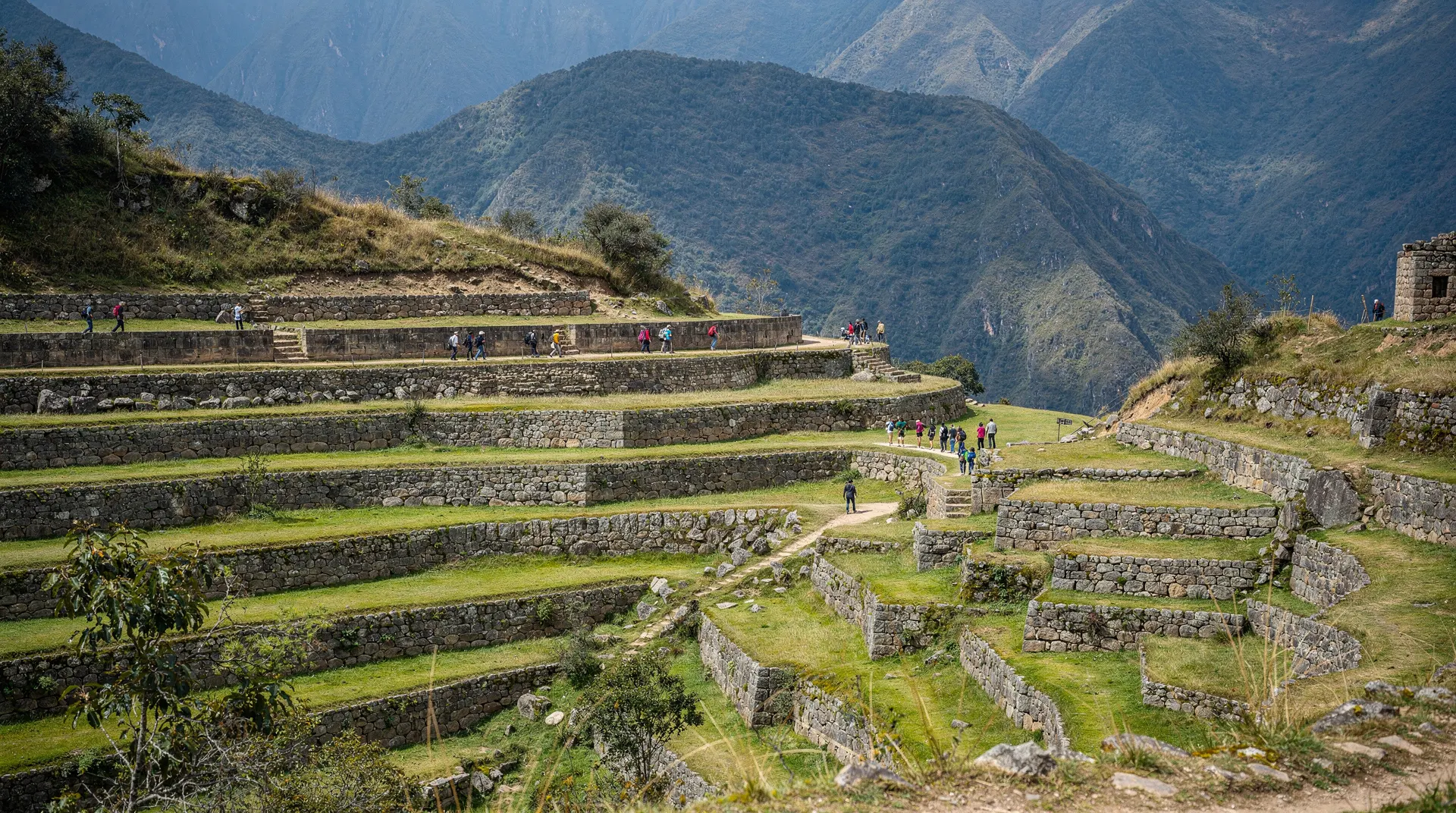
- Moray, the agricultural terraces
- A couple of the Cusco museums I’d otherwise have skipped
Here’s the thing: most of those sites have no individual ticket at all. You literally cannot pay to enter Sacsayhuamán or the Pisac ruins without a Boleto Turístico. That single fact changes the whole calculation. It’s not really “pass versus per-site” for the headline ruins — for those, the pass is the only door in.
The break-even maths
So the real question isn’t “does the pass save money” — it’s “do I visit enough sites to justify it.”
Sacsayhuamán plus the cluster of Q’enqo, Puka Pukara and Tambomachay are usually visited together on a Cusco city tour. On their own, those four sites already eat a big chunk of the ticket’s value, because there’s no other way to see them.
Add a Sacred Valley day with Pisac and Ollantaytambo — both ruins requiring the boleto — and you’ve comfortably justified the full S/ 130.
My honest finding: if you’re doing both a Cusco-area sightseeing day and a Sacred Valley day, the full ticket pays for itself easily, and the extra museums are a bonus. If you’re only doing one of those, the partial circuit ticket at ~S/ 70 is the smarter buy.
Who should NOT buy the full ticket
This is where most advice fails travellers. The full boleto is genuinely not worth it if:
- You’re only in Cusco 2-3 days and heading straight to Machu Picchu. You won’t tick enough sites. Buy a partial ticket.
- You don’t care about the second-tier ruins. If you only want Machu Picchu, Qorikancha’s interior, and the Cathedral, the boleto covers none of those. You’d be buying a pass you never use. I met a couple who’d done exactly this and were furious.
- Your time is tight. The full pass tempts you to cram in museums you don’t actually want, just to “get value.” That’s a false economy with your hours.
The Cusco tourist ticket guide has a decision tree for this, but the short version: match the ticket to your actual route, not to FOMO.
The catch nobody warns you about: validity windows
The full ticket is valid 10 days, which is generous. But the partial tickets are 1-2 days only, and the clock starts on first use. I watched someone buy a partial ticket “to be safe” three days before their Sacred Valley tour, then discover it had expired. Buy partials the day before or the day of, not in advance.
Also: the ticket is checked at every site, sometimes by someone who clips it. Keep it dry and don’t lose it. There are no replacements.
Where to buy it
You can buy the boleto at the COSITUC office in central Cusco or, for most people more conveniently, at the gate of the first site you visit — Sacsayhuamán sells them. There’s more detail in where to buy tickets in Cusco. Avoid anyone on the street offering to “sort your tickets” — the fake ticket scams are real, even if they mostly target the Machu Picchu market.
Does a tour change the calculation?
A little. Most organised tours of the Sacred Valley and the Cusco sites don’t include the boleto — you pay it separately at the gate. So booking a tour doesn’t get you out of the ticket. What a tour does is make the sites worth more, because a good guide turns a pile of stones into a story. If you’re going to pay S/ 130 for entry anyway, paying a bit more for context is, in my view, the better value than the pass itself.
If you want that, a guided Sacred Valley tour covering Pisac, Maras, Moray and Ollantaytambo pairs naturally with the full boleto, since those ruins are exactly what the ticket unlocks. Just confirm whether the entry fee is included or extra when you book — it usually isn’t.
If you’d rather do the Cusco city half separately, a half-day tour covers exactly the sites the boleto opens up around town, with a guide explaining what you’re looking at rather than a pile of stones.
Cusco city tour taking in Sacsayhuamán and Qorikancha
Does the maths still hold up now?
I keep this post updated because the underlying logic hasn’t changed even as soles figures creep. The core fact that made the boleto worth it for me — that Sacsayhuamán, Pisac and Ollantaytambo have no individual ticket — is still true, and it’s the single biggest reason to stop treating this as a “value pass” question and start treating it as an access question. If anything, the case for the full ticket has gotten slightly stronger, because a la carte pricing hasn’t appeared for any of the sites it covers. Always check the current soles figure at COSITUC or with your operator before you travel, since ticket prices are one of the few things in this post that move year to year.
One thing worth planning around: pair your Boleto Turístico days with your Cusco acclimatization plan, since Sacsayhuamán and the Sacred Valley ruins sit at altitude and are much more enjoyable once you’re not gasping on every staircase. And if you’re building the ticket into a wider trip, the how many days in Cusco guide and the Cusco trip planning 2026 guide both assume you’ll be using it.
My 2024 verdict
For me, the full Boleto Turístico at S/ 130 was clearly worth it — but only because I did both a Cusco day and a full Sacred Valley day, and because half the sites I wanted have no other ticket. That’s the real reason to buy it: not savings, but access.
If your trip is Machu-Picchu-and-out, skip it or buy a partial. If you genuinely want to see the Inca sites scattered around Cusco and the valley — and you should, they’re a big part of why you came — buy the full ticket without overthinking it. Just don’t let the sunk cost guilt you into trudging through museums you’d rather skip. The ruins justify it on their own.