Cusco in the dry season — a photo diary in words
| Where | Cusco, Peru, dry season |
| Best months | May–September, June for Inti Raymi |
| Light | Clear blue mornings, harsh midday sun 11am–3pm |
| Temperature swing | Near freezing at dawn to t-shirt weather by noon |
| Trade-off | Best photography light, but peak-season prices and crowds |
I came back to Cusco in June specifically to photograph it, having visited once before in the soggy shoulder season and spent half my time wiping rain off the lens. The dry season delivered exactly the light I’d hoped for, and a few problems I hadn’t. This is a diary of a week chasing pictures, with the practical notes I wish I’d had.
Why June
Cusco’s dry season runs roughly May to September, and June sits in the sweet spot: reliably clear skies, the surrounding mountains still green from the rains that ended weeks before, and the big Inti Raymi festival at the end of the month. The trade-off is that everyone knows this, so it’s peak season — more visitors, higher prices, fuller sites. The best time to visit Cusco breakdown lays out the calendar honestly, and the dry-season guide goes deeper on what to expect month by month. For photography specifically, June won me over.
The light, morning and evening
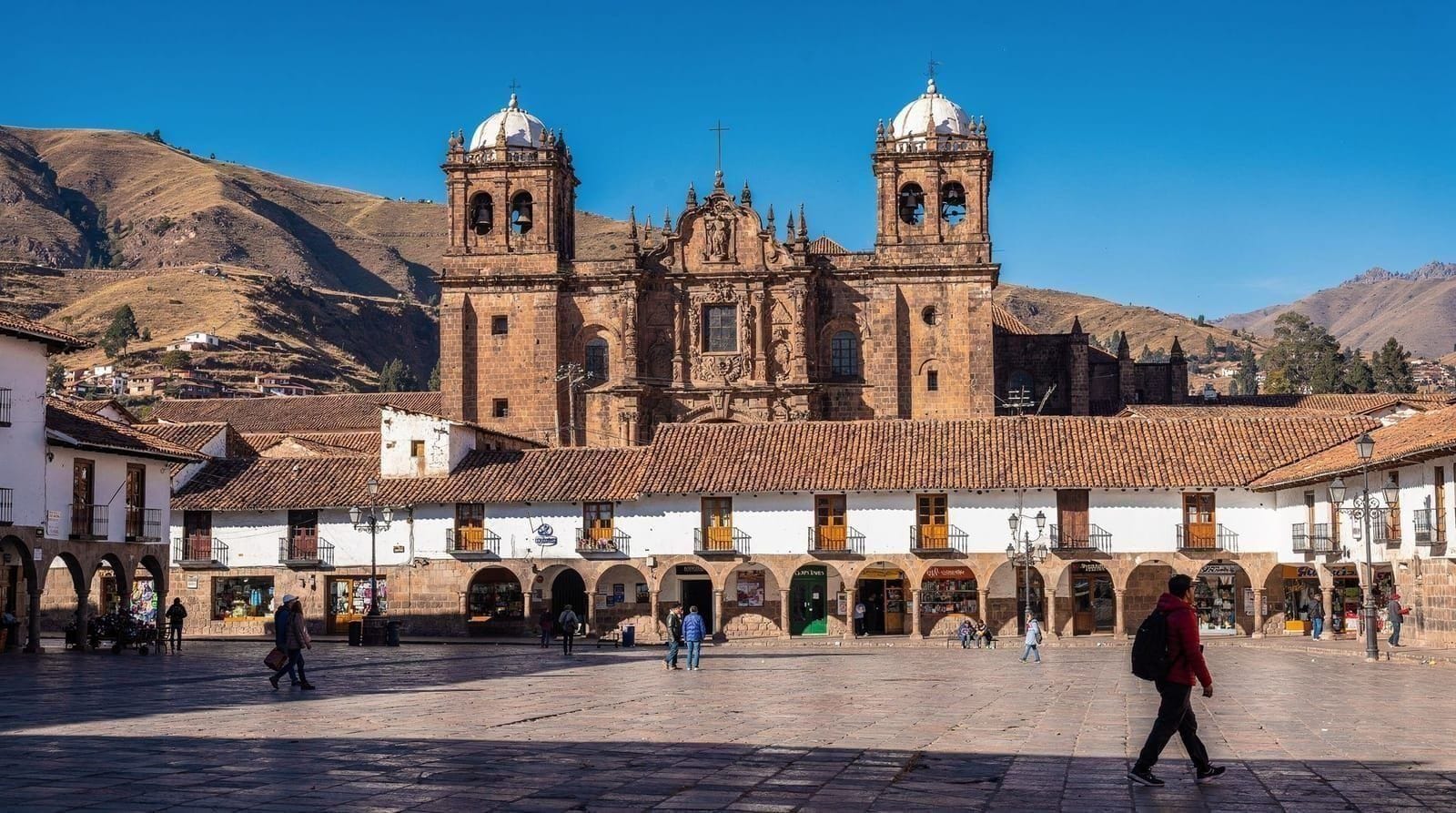
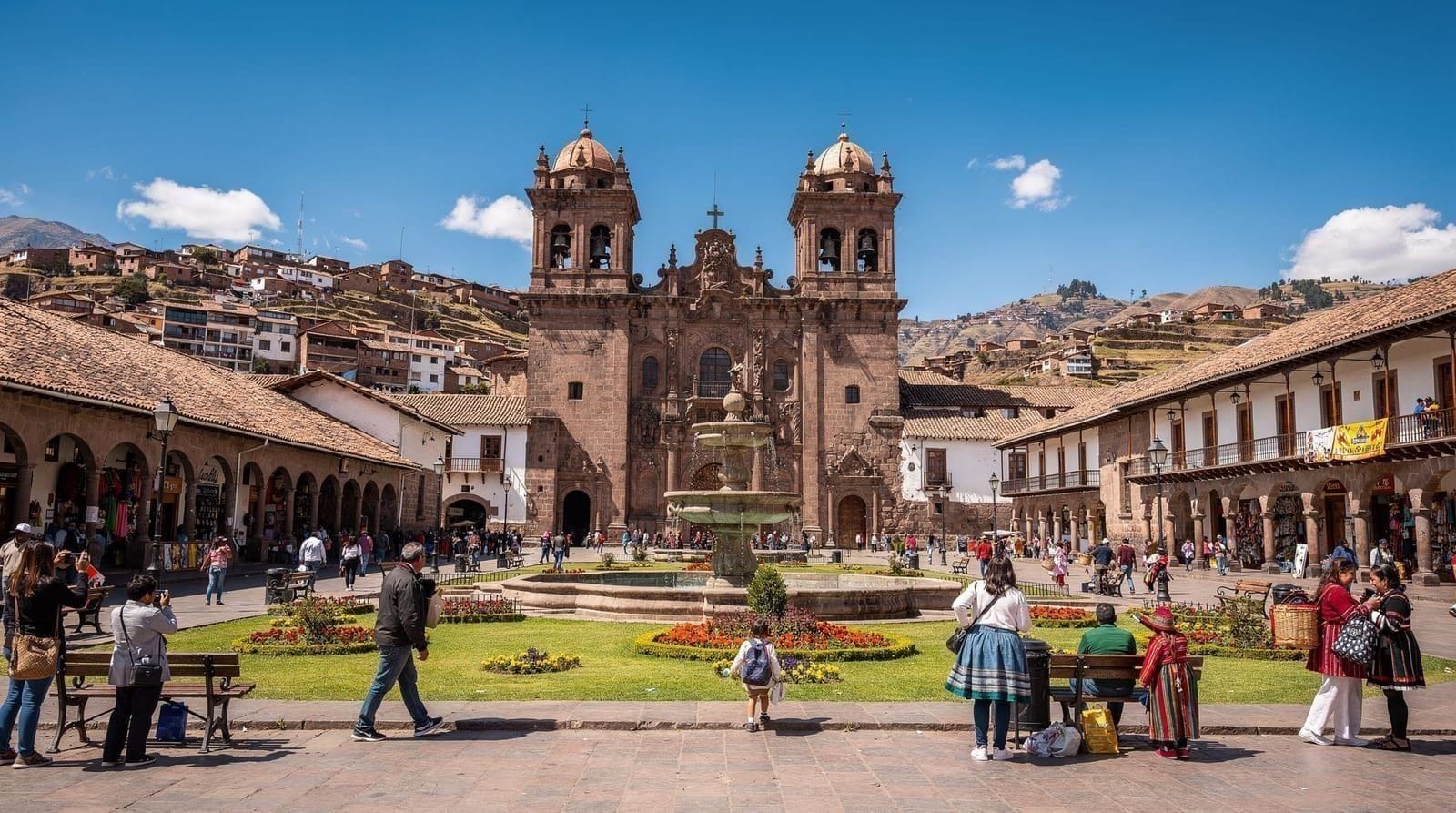
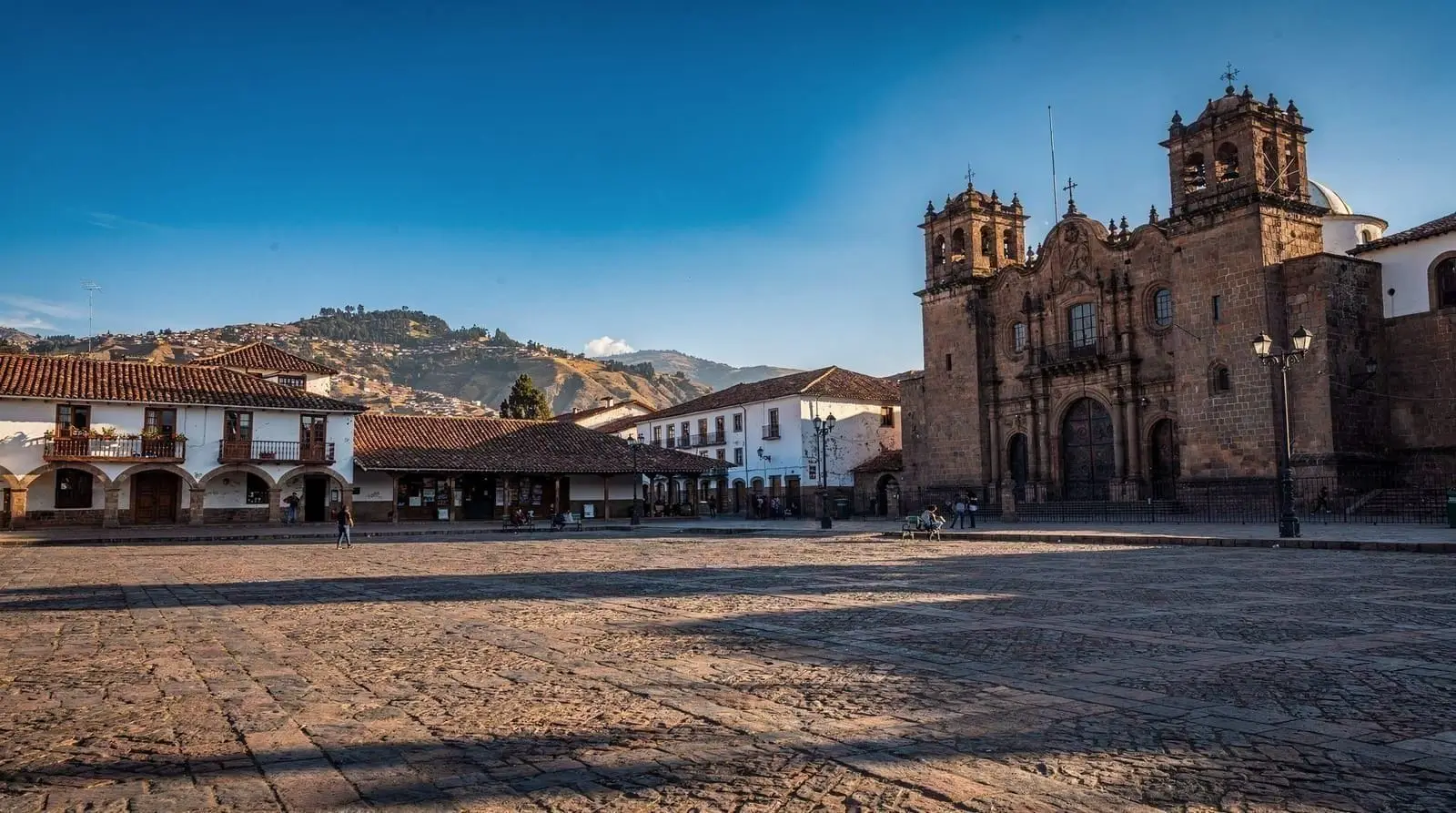
The single best thing about dry-season Cusco for a camera is the consistency. Every morning that week, the sky was a hard, cloudless blue by 7am. I shot the Plaza de Armas in the early light with the cathedral catching the first sun and the square almost empty — by 9am it fills with tour groups, so the only way to get a clean frame is to be out at dawn.
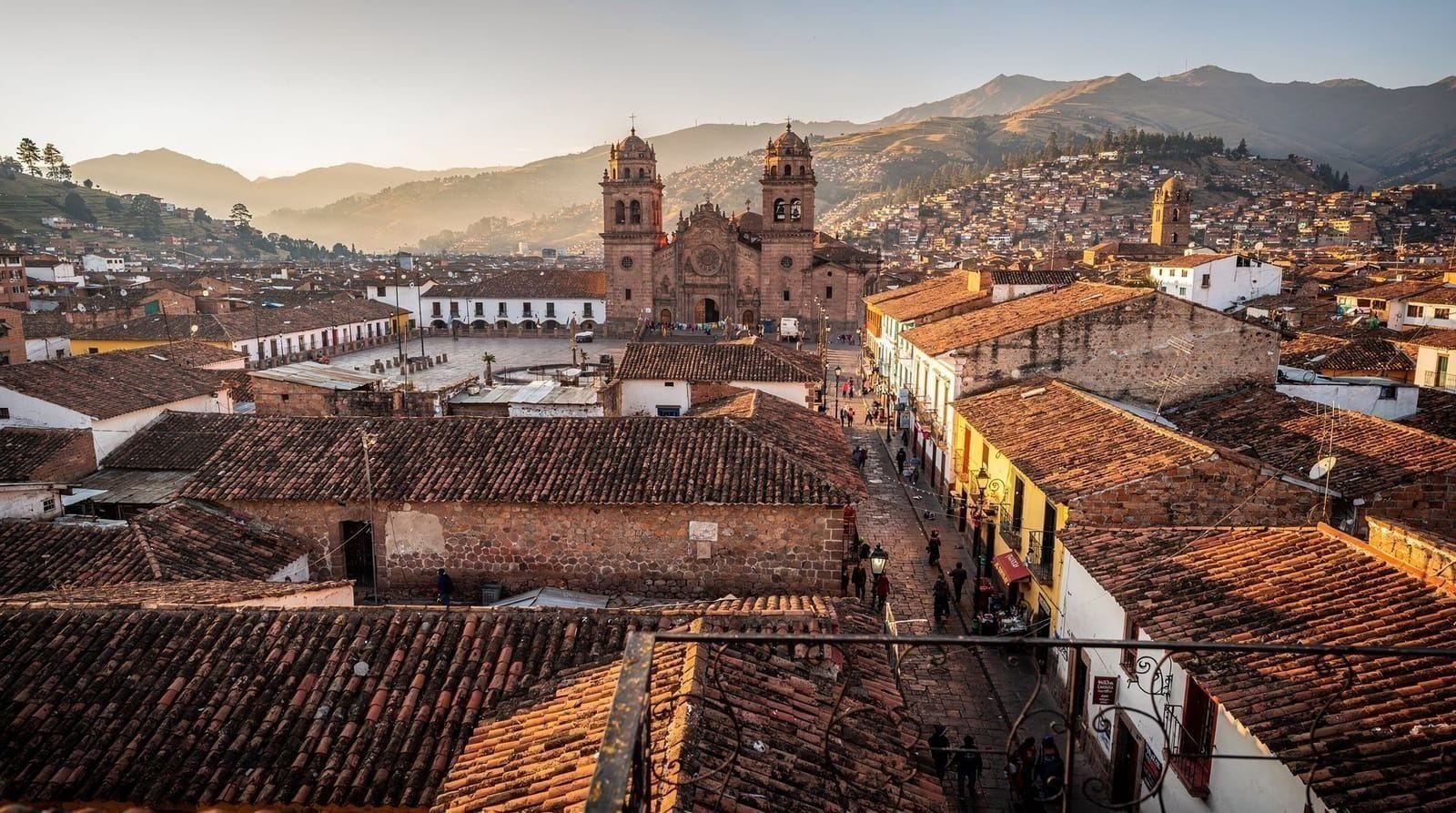
The terracotta roofs of the old town glow in the low evening light, and the best vantage I found was from the steps above San Blas, looking back down over the city to the mountains. I went up there three evenings running. The golden hour here is genuinely golden — the thin high-altitude air seems to make the colours more saturated than they have any right to be.
A warning the photos don’t show: the sun
Here’s the catch nobody mentions about the dry season. At 3,400 metres with no cloud cover, the midday sun is savage. Between roughly 11am and 3pm the light goes flat and harsh — bad for photos — and the UV is intense enough that I burned the back of my neck on day one despite it being cool enough for a jacket. The temperature swing is wild: I was in gloves at dawn and a t-shirt by noon, then back in two layers after sunset when it dropped close to freezing.
For shooting, this meant a rhythm: out early, back to rest and edit through the harsh midday, out again for the late afternoon and golden hour. Trying to photograph in the middle of the day was a waste of a card. The cold, clear nights, incidentally, are also superb for star photography if you can get away from the town lights — the Sacred Valley skies were astonishing.
The places that photographed best
Sacsayhuamán in the morning. The giant zigzag walls of Sacsayhuamán catch raking side-light at around 8am that throws the joints between the stones into relief and shows just how absurdly tight the masonry is. Llamas grazing among the ruins are, yes, a cliché, but in that light they’re an irresistible one.
Qorikancha’s curved wall. The smooth Inca curve of Qorikancha under the colonial church is a study in contrast, and the late afternoon light coming across the gardens below it is lovely.
The Sacred Valley terraces. I took a day out to the Sacred Valley, and the agricultural terraces of Moray and the salt pans of Maras were the standout frames of the whole trip — the salt pans especially, thousands of white-rimmed pools cascading down a hillside, blinding in the clear dry-season sun. Go in the afternoon when the angle lights up the geometry.
Inti Raymi, and a confession
I’d timed the trip partly for Inti Raymi, the Festival of the Sun on 24 June, when Cusco stages a huge re-enactment of the Inca winter solstice ceremony at Sacsayhuamán. Tens of thousands of people pack the site. The costumes and colour are extraordinary for photography, but here’s my honest confession: I underestimated the crowds completely.
Without a paid grandstand seat (which sell out months ahead and aren’t cheap), I was stuck on a distant hillside with a long lens and a thousand other photographers. The atmosphere in the city beforehand — the parades, the processions through the streets — turned out to be better and more accessible than the main event itself. If you come for Inti Raymi, book the grandstand far in advance or focus your lens on the street celebrations.
Practical notes for the dry season
A few things I learned the hard way that week:
Sunscreen and a hat are non-negotiable. The cool air lies to you about the UV. I reapplied at lunch every day after the day-one burn.
Layers, always. The 15-degree swing between dawn and noon means you’re constantly adding and shedding clothes. I carried a packable down jacket everywhere and used it morning and night.
Book ahead. June is peak season. Hostels and the better restaurants near the centre of Cusco fill up, and prices run higher than the green months. I paid noticeably more for the same dorm bed than I had on a previous shoulder-season trip.
Dust. It’s the dry season, so it’s dusty, especially on the dirt roads out to the ruins and in the Sacred Valley. I kept a lens cloth in every pocket.
Would I shoot Cusco in June again?
Without hesitation. The clear blue mornings and saturated golden evenings are exactly what you picture when you imagine Cusco, and the dry season is the only time you can rely on them. Just plan around the brutal midday light, protect your skin, and go in expecting company — the same conditions that make June perfect for photography make it the busiest month of the year. Shoot at the edges of the day, rest through the harsh middle, and you’ll come home with the pictures you came for.
Rainbow Mountain and the Sacred Valley in dry-season light
The dry-season clarity extends well beyond the city. If your itinerary includes Rainbow Mountain, the dry months give you the best odds of a genuinely clear summit view rather than cloud rolling in and hiding the colours entirely — it’s worth checking the forecast the night before if photos are the priority. Down in the Sacred Valley, the same hard light that flatters Sacsayhuamán works even better on Ollantaytambo’s terraced fortress in late afternoon, when the raking sun picks out every course of stonework on the hillside.
Gear notes for high-altitude dry-season shooting
A polarising filter earns its keep here — the dry-season sky is so clear that a polariser deepens the blue dramatically and cuts glare off the pale stonework at places like Qorikancha. Batteries drain faster in the cold mornings, so I kept a spare in an inner pocket rather than my bag. And the dust genuinely gets into everything; I wished I’d brought a proper sensor-cleaning kit rather than relying on a blower brush borrowed from another traveller.