Cusco in the rainy season: what three soggy weeks taught me
| Where | Cusco, Peru, wet season (Nov–March) |
| Savings | Around 35% less on rooms, tours and taxis |
| Rain pattern | Clear mornings, downpours roughly 2pm–5pm |
| Trade-off | Greener valleys, cheaper prices, but cloud risk and Inca Trail closed in Feb |
| Best for | Flexible, budget-conscious travellers, not tight schedules |
I booked February on purpose, and people kept telling me I was wrong
Every forum thread, every blog, every guesthouse owner I emailed in the run-up had the same reaction when I said I was coming to Cusco in February. A polite pause, then some version of “you know it’s the rainy season, right?” I knew. I came anyway, partly because flights in early February were almost half what they cost in July, and partly because I’m stubborn and wanted to see what the off-season actually felt like rather than reading other people’s warnings about it.
Three weeks later I have opinions. Some of them line up with the warnings and some of them really don’t. If you’re weighing a wet-season trip, here’s what it was actually like rather than the worst-case version everyone defaults to.
The rain has a schedule, and once you learn it you’re fine
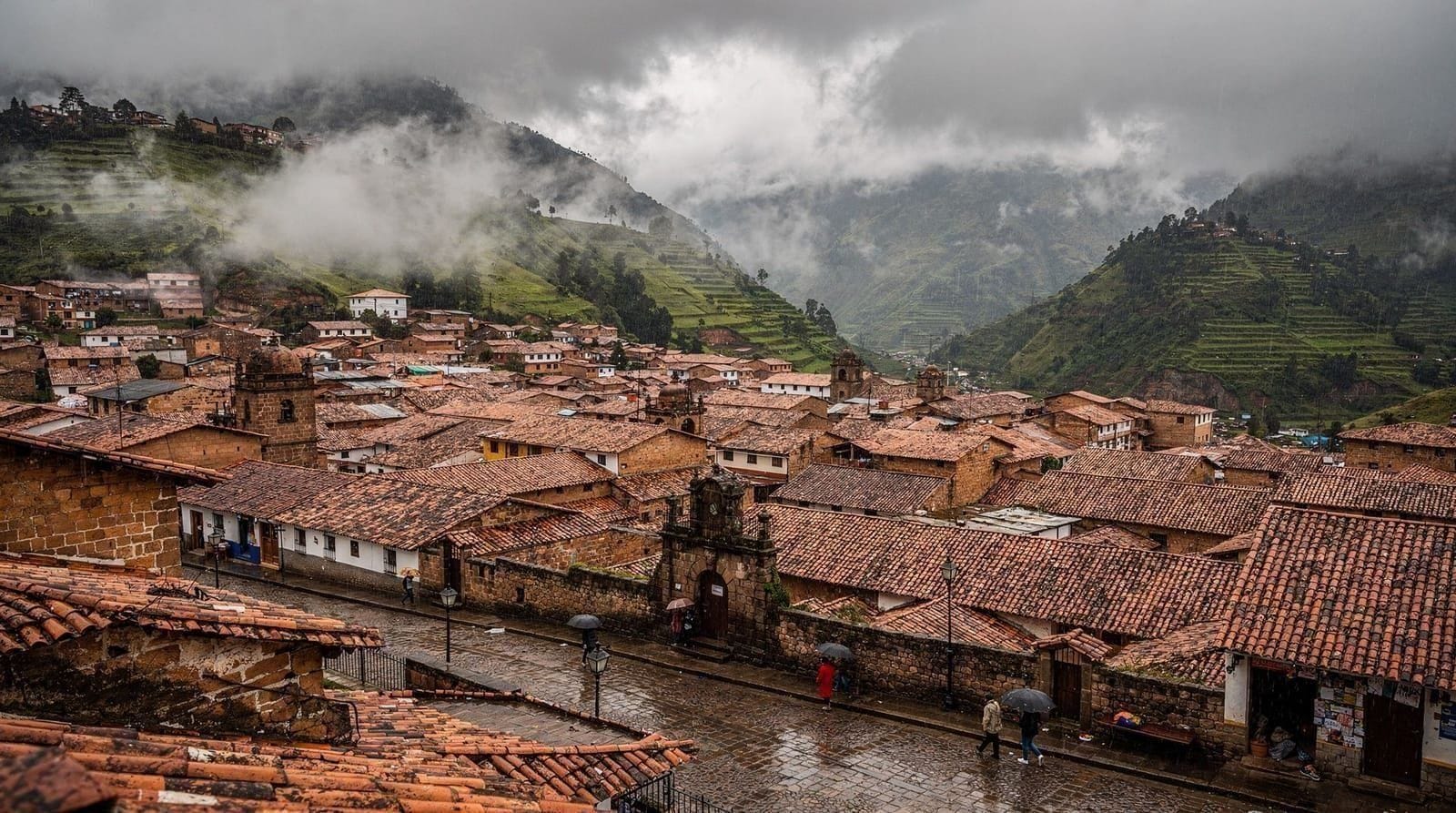
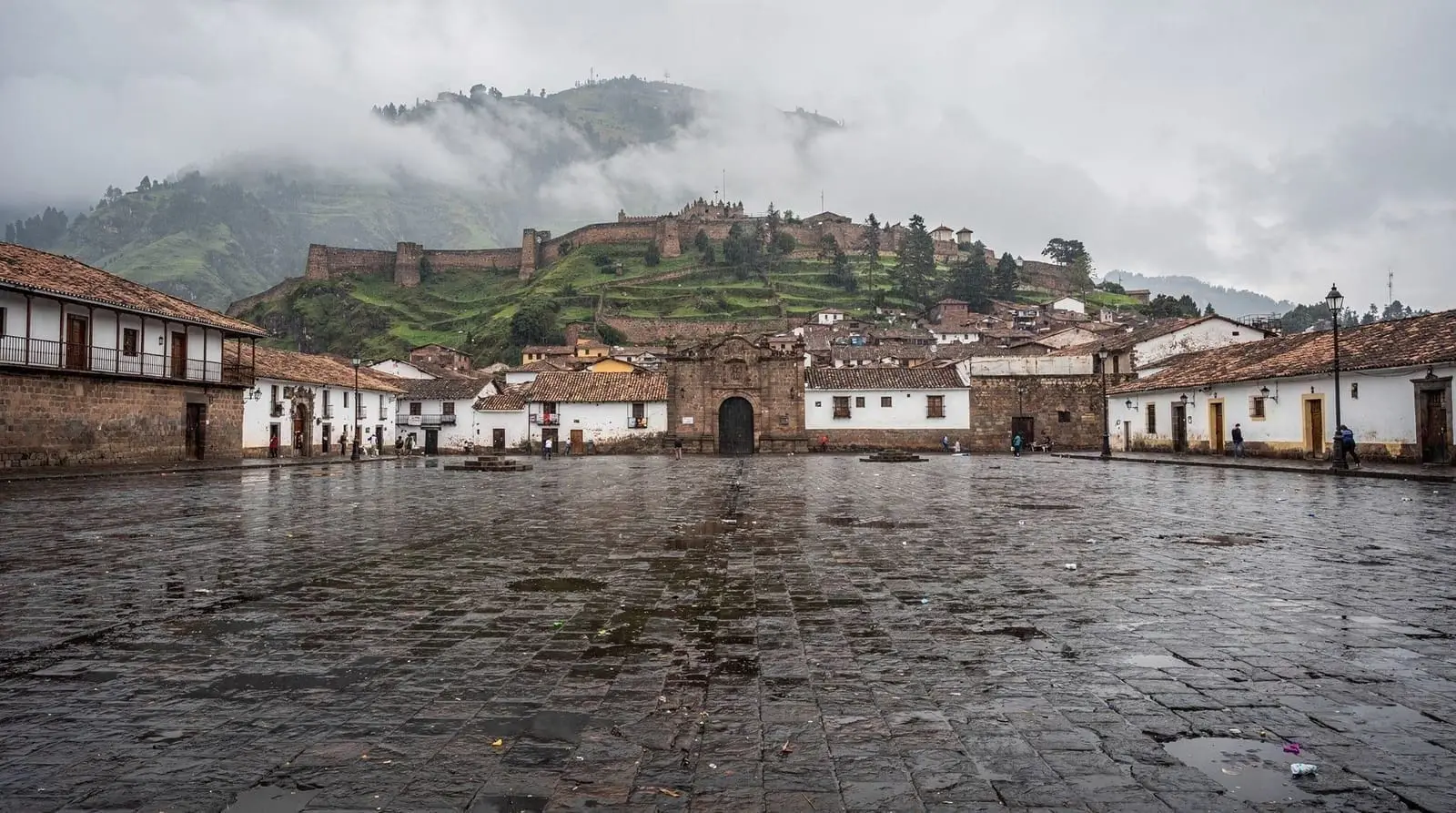
This was the single biggest surprise. I’d pictured grey, drizzly all-day rain like a bad British autumn. That’s not what happens. The typical day went: clear or hazy-blue morning, building cloud around noon, then a proper downpour somewhere between 2pm and 5pm that could be genuinely violent — streets turning into shallow rivers, that kind of thing — followed by a calmer, washed-clean evening.
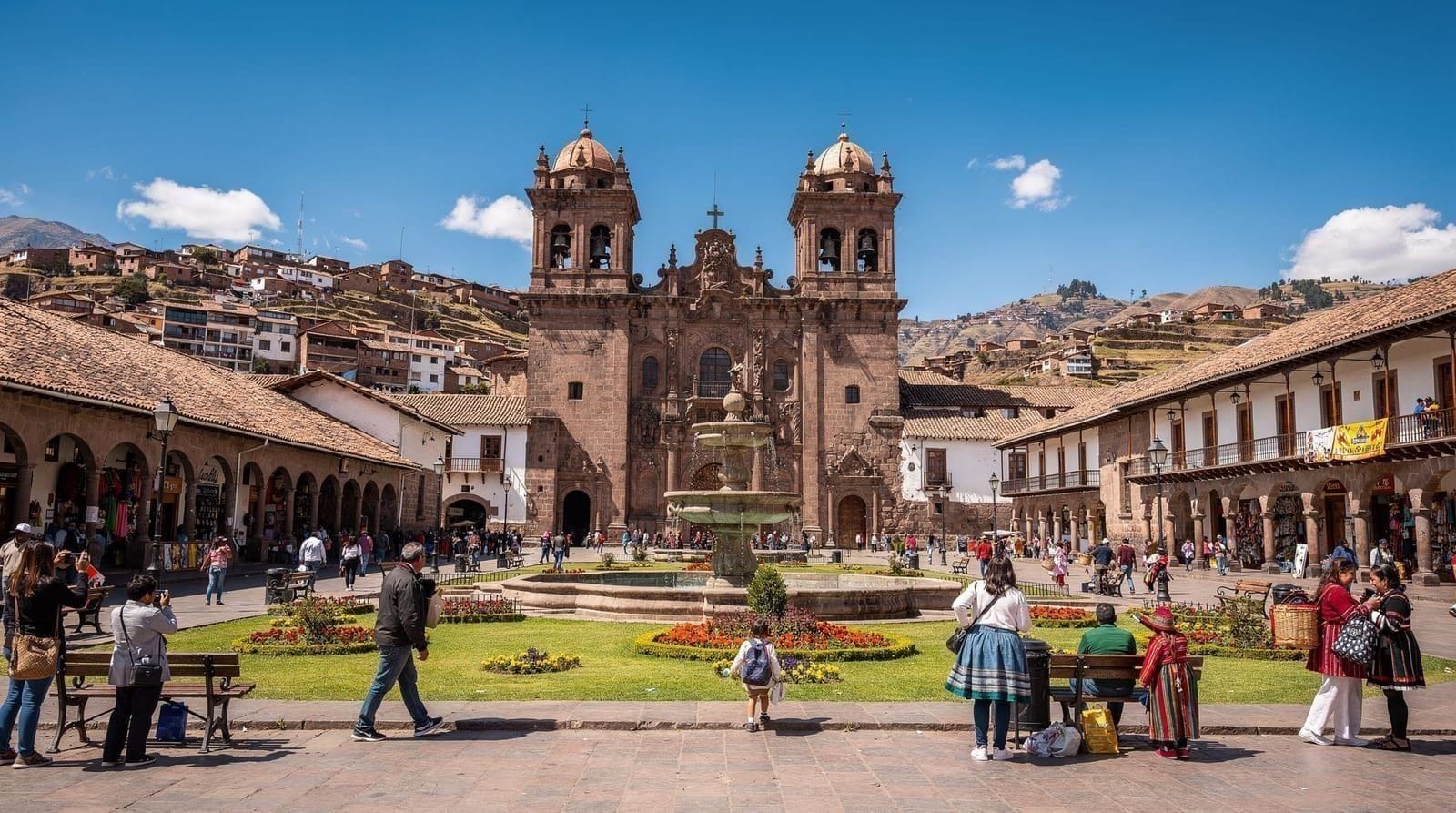
Once I clocked the pattern I just rearranged my life around it. Big outdoor things in the morning, lunch and indoor stuff in the early afternoon, then back out. I climbed up to Sacsayhuamán on a Tuesday morning under blue sky and had the upper terraces almost to myself; by the time the rain came in I was already drying off in a café on the Plaza de Armas watching everyone else get caught out. The trick isn’t avoiding the rain, it’s not being out in the open at 3pm.
There were exceptions. Two or three days it rained from breakfast onwards, and one night it didn’t stop for about fourteen hours. But “predictable afternoon downpour” was the rule far more than “miserable all day.” If you want the full breakdown of the weather pattern, the Cusco rainy season guide covers it month by month.
What it actually cost (and why that mattered)
I tracked everything in a note on my phone because the savings were the whole reason I came. A private room with a private bathroom in San Blas that the owner told me runs S/180 in July (around USD 48) was S/95 (about USD 25) when I checked in. A day tour I’d half-expected to pay USD 60 for came in around S/120 (USD 32) because the agency was clearly desperate to fill seats.
The street food and markets don’t really change price by season — a menú del día at a hole-in-the-wall near San Pedro Market was S/12 (USD 3.20) whether it’s rainy or dry — but the discretionary stuff, the rooms and tours and taxis, all softened noticeably. Over three weeks I reckon I spent maybe 35% less than the same trip would have cost in high season. For a long, slow trip on a normal budget that’s a meaningful difference.
The flip side: a lot of the tour operators run smaller groups or skip days entirely in February, so you sometimes wait for a tour to fill or pay a bit more for a private one because nobody else booked. I ended up doing a couple of half-private tours by accident, which was honestly lovely.
The green is unreal, and so is the cloud
Nobody who tells you to skip the rainy season mentions how the hills look. The whole valley around Cusco was electric green, the kind of saturated green you only get when it’s been raining for months. The terraces, the slopes above the city, the drive out to the Sacred Valley — all of it lush in a way the dry-season photos never show. If you’ve only seen Cusco in the brown, dusty palette of July images, the wet-season version is a different place.
The catch, of course, is the cloud. I went out to a Sacred Valley day trip and Pisac was wrapped in mist for the first hour — atmospheric, but you couldn’t see the famous terraces stacking up the mountain until it burned off mid-morning. That’s the gamble. Some days the cloud is a moody bonus; some days it just sits there and you don’t get the view you came for.
Machu Picchu in the mist: I’d do it again
This is the part people are most anxious about, so let me be honest. I went to Machu Picchu on a day that started cloudy and I genuinely thought I’d wasted the ticket. For the first 40 minutes I could see maybe twenty metres in front of me. Then the cloud started lifting in pieces — a terrace appearing, then Huayna Picchu’s outline, then the whole thing revealing itself in slow motion. It was, weirdly, one of the most memorable hours of the trip precisely because of the cloud, not despite it.
But I got lucky with the timing. The people who arrived at 7am and left at 9am that day never saw the full site. The lesson I took: in the rainy season, go early and stay late, give the weather time to change, and don’t book a tight two-hour window if you can help it. If you want a no-mist guarantee, the wet season can’t give you one — that’s the real trade-off, and the best time to visit Cusco breakdown lays out exactly what you’re trading.
If you’d rather lock in the train, entry and guide as a package so a cloudy morning doesn’t derail your logistics, this is roughly what I’d book.
Machu Picchu day trip with train and entranceFebruary has one hard rule: the Inca Trail is shut
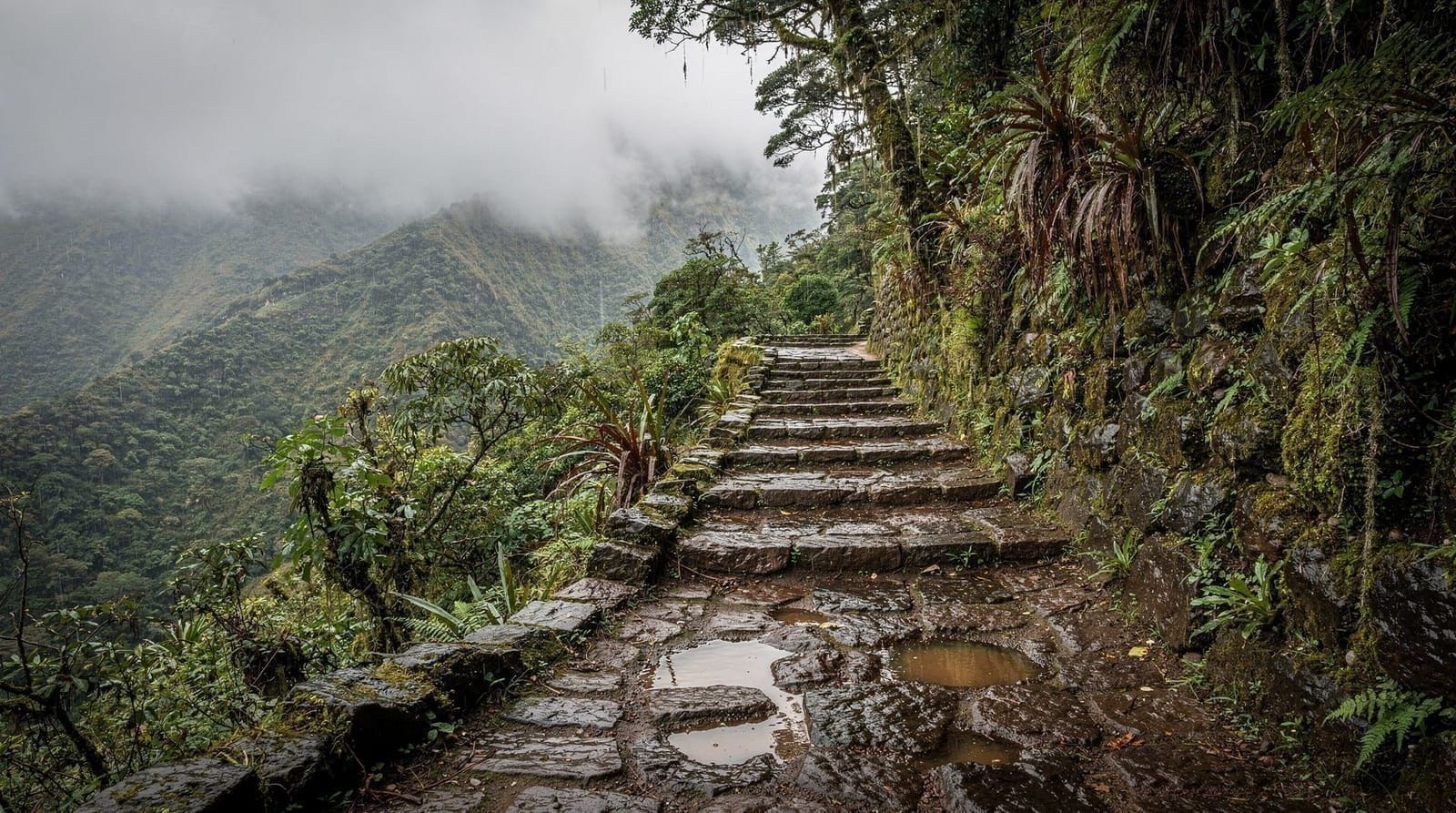
If your heart is set on the classic four-day Inca Trail, February is simply off the table. The trail closes for the entire month for maintenance — it’s the wettest, muddiest, most landslide-prone time of year and the authorities clear and repair it. I knew this going in and it didn’t bother me because I wasn’t trekking, but I met two travellers who’d assumed they could just rock up and were genuinely deflated.
The alternatives stay open. Salkantay and Lares both run in February, slippery and wet but open. So if you’re a February visitor who wants a multi-day trek, you’re doing one of those, not the Inca Trail. The Inca Trail closed February guide explains the closure and what to do instead.
The landslide thing is real but overblown
The genuine downside of wet-season travel is disruption. Heavy rain in January and February can trigger landslides that block the road and rail to Machu Picchu, sometimes for a day or two. It happens. It’s not a daily event, but it’s a real risk you should plan around.
My only practical move was buffer days. I never scheduled Machu Picchu for my last possible day, never booked a tour with zero margin before my flight home, and kept everything refundable or flexible where I could. Nothing actually went wrong on my trip, but I slept better knowing a one-day delay wouldn’t cascade into a missed flight. If you take one thing from a rainy-season trip planner, make it this: leave slack in the schedule.
What I’d pack differently
A proper rain shell, not a flimsy poncho — though a cheap plastic poncho from a market stall (S/5, about USD 1.30) is great over a daypack. Waterproof shoes or quick-drying trail runners; my canvas sneakers were a wet, miserable mistake for the first three days until I bought boots. A dry bag for the camera and phone. And honestly, a bit of patience, because the upside of the season is space and quiet and savings, and the cost of that is the occasional washed-out afternoon.
A few rainy-season days I actually loved
The rain reshapes what’s pleasant to do, and some of my best afternoons were ones I’d never have planned in the dry season. A long, slow lunch turning into three hours of card games in a café on a side street off the Plaza while a downpour hammered the cobbles outside. Ducking into the Cusco cathedral and the museums precisely because it was raining, and having proper unhurried time with the colonial paintings instead of racing past them. An evening in San Blas where the rain had emptied the lanes and the whole quarter felt like it belonged to the handful of us who’d stayed out.
The wet season pushes you indoors at the right times, and indoor Cusco — its churches, museums, markets and cafés — is genuinely good. I’d structured an earlier dry-season trip entirely around being outside and barely set foot in any of it. The rain forced a better balance.
The cooking class that became a rainy-afternoon highlight
On one of the all-day-rain days I’d been dreading, I booked into a cooking class on a whim, mostly to have somewhere dry to be. It turned out to be one of the trip’s standouts — a wander through a market to buy ingredients between downpours, then a few hours indoors learning to make ceviche and a proper pisco sour while the weather did its worst outside. The best restaurants in Cusco guide is good on the city’s food scene, but doing rather than just eating was the bit that stuck. If you want a guaranteed-good rainy-afternoon plan, this is the kind of thing I’d book.
Cusco cooking class and market tourWould I tell someone to come in February?
Yes, with conditions. If you need guaranteed clear skies over Machu Picchu, if you’re trekking the classic Inca Trail, or if your trip is short and inflexible — go in the dry season and pay the premium. But if you’ve got time, a normal budget you’d like to stretch, and you can roll with a cloudy morning here and there, the rainy season gives you a greener, quieter, cheaper Cusco that I genuinely preferred to the high-season crowds I saw on a later trip.
I came expecting to endure it. I left planning to come back in the rain.
Wet-season month by month, roughly
| Month | What to expect |
|---|---|
| November | Rains beginning, still mostly clear mornings |
| December | Wetter, green landscapes starting to fill in |
| January | Heaviest rain, real landslide risk on the Machu Picchu line |
| February | Wettest month, Inca Trail closed entirely |
| March | Rain easing, valley at its greenest |
If your priority is the greenest landscapes with the least rain risk, March is arguably the better wet-season pick over February — you still get lower prices and lush valleys without quite the same landslide odds. I chose February for the flight savings, and would make the same call again, but it’s worth knowing the month-to-month gradient isn’t uniform.
What I’d do differently on a second wet-season trip
Beyond the buffer-day advice above, I’d build in one full “rain day” plan for every three days of the trip — a museum, a cooking class, a long café afternoon — rather than treating rain as an inconvenience to route around. It stopped feeling like the weather was against me once I planned for it rather than just hoping to dodge it. I’d also research Sacred Valley towns at a lower altitude as a base for a couple of nights, since the rain pattern there felt gentler than up in Cusco itself, and it doubles as a smart acclimatisation move if altitude is a concern too.