The classic 4-day Inca Trail trek: an honest review
From Cusco: 4-Day Inca Trail Guided Trek to Machu Picchu
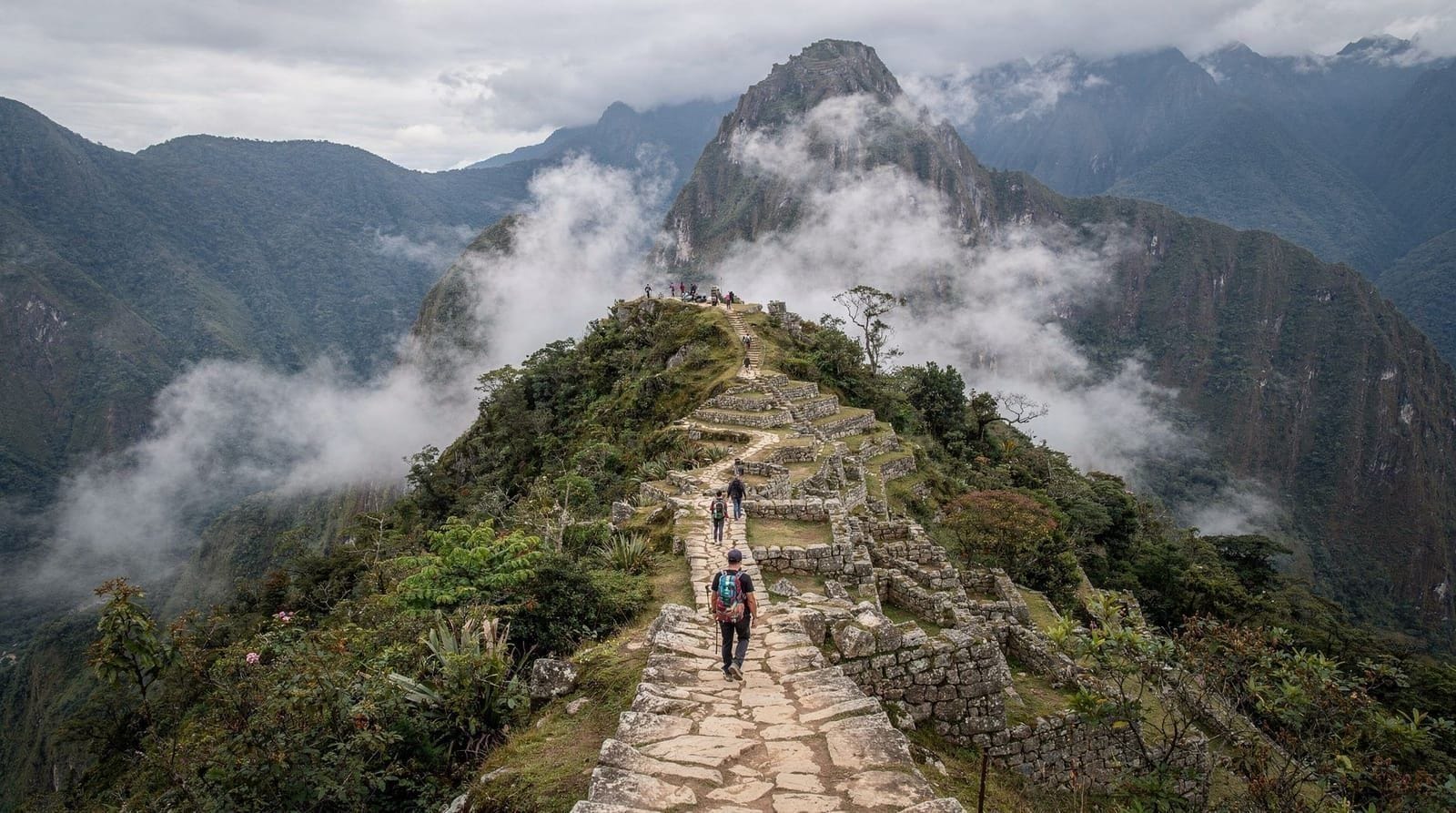
The classic 4-day Inca Trail is the only trek that ends by walking through the Sun Gate and looking down on Machu Picchu at dawn, and that single moment is why it stays the most coveted hike in South America. It is also a logistical commitment, a permit lottery and a genuine physical effort. This review covers the standard licensed group version: what you get, what it costs, how hard it really is, and when one of the alternatives is the smarter pick.
| Where | Km 82 (Piscacucho) to Machu Picchu via Dead Woman’s Pass |
| Cost | around S/2,400–3,300 (USD 650–900) per person |
| Time needed | 4 days, 3 nights camping, ~43 km |
| Getting there | operator transport from Cusco to the trailhead, included |
| Best time | May–September (dry season); closed every February |
What the trek includes
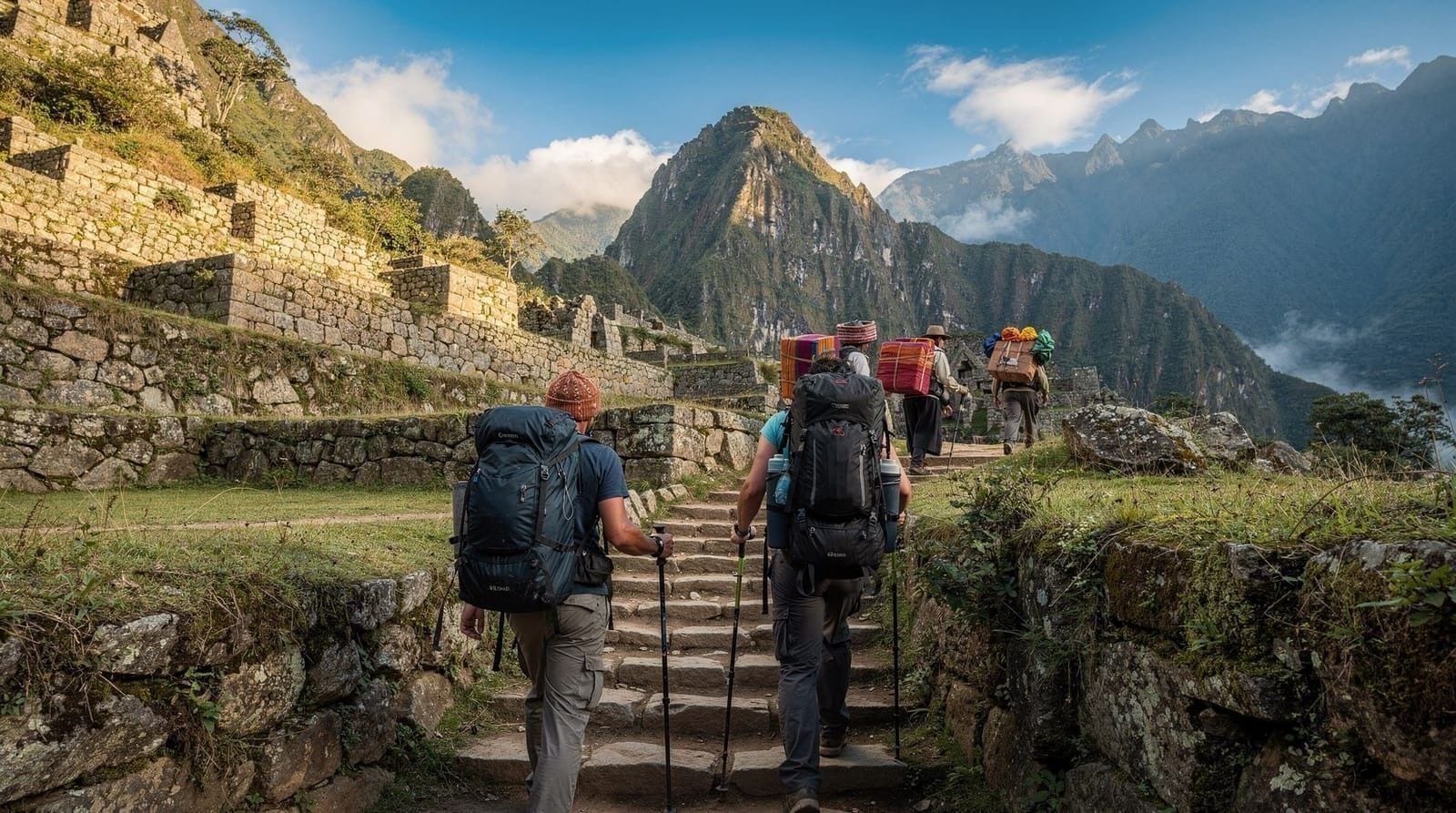
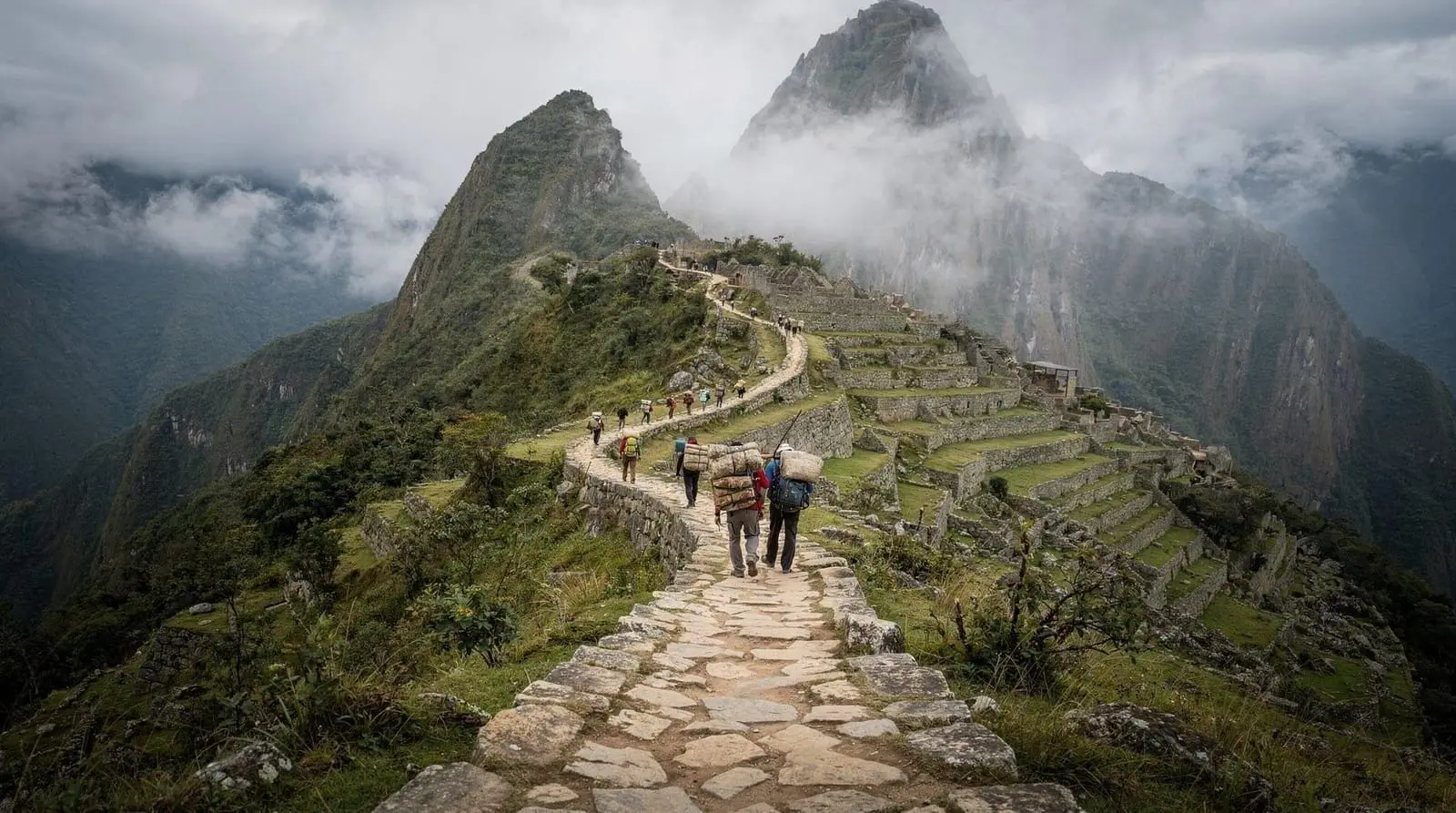
A proper 4-day package covers the government permit, your timed Machu Picchu entrance on the final morning, an English-speaking guide, a porter team carrying tents and kitchen gear, all camping equipment, every meal on trail and the return train from Aguas Calientes to Ollantaytambo. The food on the better operators is genuinely good; expect cooked breakfasts, hot lunches and three-course dinners prepared at camp.
What is usually extra: a sleeping bag and inflatable mat rental, trekking poles, and the option to add a personal porter to carry a few kilos of your own kit. Tips for the guide, cook and porters are also separate and customary. Before you book, confirm the operator is licensed and read the porter-weight and welfare policy, which is the clearest signal of whether you are dealing with an ethical company. Our Inca Trail complete guide walks through every day in detail.
Check 4-day Inca Trail dates and pricePrice, in soles and dollars
Expect S/ 2,400 to S/ 3,300 per person for a quality group trek, roughly USD 650 to 900 at mid-2026 rates. The price floor is real: permits, entrance, train and fair porter wages have fixed costs, so anything advertised dramatically cheaper is almost certainly underpaying porters, skimping on food or running oversized groups. This is one place where the unlicensed agencies in Cusco cause real harm, and where paying a fair price is also an ethical choice.
The price is comparable to the bundled Machu Picchu day trip by train once you factor in four days of meals and camping, so per day it is arguably better value, you are just paying with effort as well as money.
Permits: the part that decides your trip
You cannot walk the classic Inca Trail without a permit, the daily number is capped, and they sell out months ahead. For dry-season dates between May and September, plan to secure your spot four to six months in advance. Permits are tied to your name and passport and are non-transferable, so book the operator before you book flights if the trek is a must-do. The full mechanics are in our Inca Trail permits guide, and note that the trail closes every February for maintenance.
How hard it really is
The trek is about 43 km over four days at altitude, and the difficulty is concentrated. Day one is an easy warm-up. Day two is the crux: a long climb to Dead Woman’s Pass at 4,215 m, the single hardest stretch, followed by a knee-testing descent. Day three is the longest but most rewarding, with the best ruins and cloud-forest scenery. Day four is an early, short walk to the Sun Gate.
The decisive factor is not raw fitness but acclimatization. Arrive in Cusco at least two full days early and follow a sensible acclimatization plan; altitude, not the distance, is what defeats most people. If you are worried about the height, read our altitude sickness guide before you commit.
Who should do it, and who should not
Do the classic trail if reaching Machu Picchu on foot through the Sun Gate matters to you, you can hike six to eight hours a day with a daypack, and you can lock in a permit early. It rewards planners.
Skip it if you cannot get a permit in time, if you are traveling in February when it is closed, or if camping for three nights at altitude does not appeal. There is no shame in choosing comfort; the destination is identical and several alternatives are arguably more scenic.
How it compares to the alternatives
If permits are gone or you want a softer commitment, the 2-day short Inca Trail walks the final, most spectacular section and still enters through the Sun Gate, sleeping in a hotel rather than a tent. It is the easiest way to keep the iconic finish.
Compare the 2-day short Inca TrailFor bigger mountain scenery, the Salkantay trek circles a 6,000 m glaciated peak and needs no permit, which makes it the standard February alternative. Our Inca Trail versus Salkantay comparison is the honest head-to-head, and the best treks to Machu Picchu covers Lares and the Inca Jungle route too.
See the 5-day Salkantay trek alternativePractical packing and prep
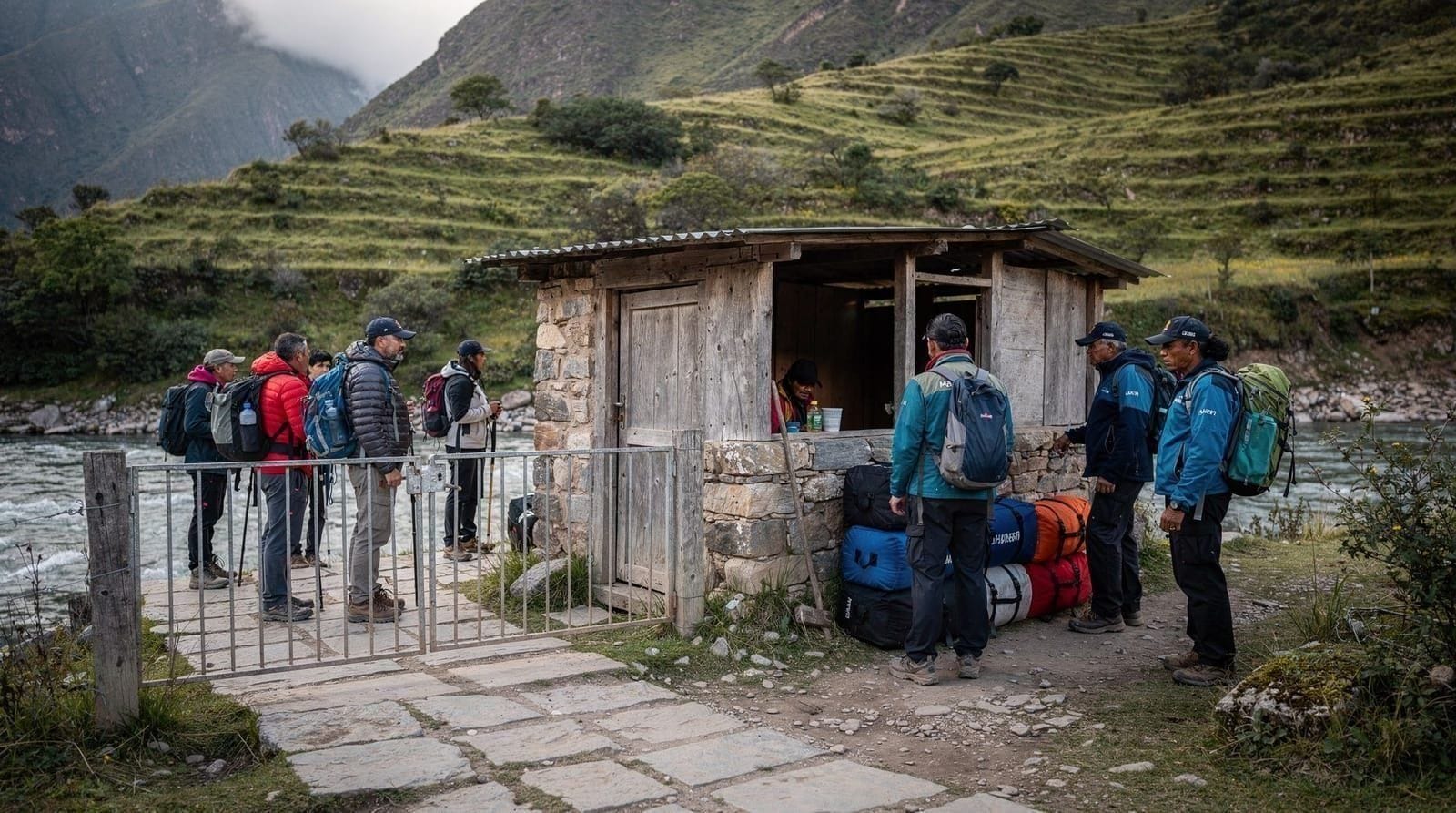
Pack layers, a proper rain shell even in dry season, broken-in boots, and a headlamp for the early Sun Gate start. Our what to pack for the Inca Trail list is exhaustive; the items people most regret skipping are blister plasters and trekking poles. Bring your original passport, since it is checked at the trailhead and at Machu Picchu, and carry small soles notes for tips. Train your downhill legs before you come; the descents, not the climbs, are what leave people sore.
Tipping the crew: what is customary
Tipping is not optional in practice, even though it is technically separate from the tour price. The unwritten but widely followed guideline is a pooled tip for porters (commonly S/50-70 per trekker for the whole trek, given to the crew as a group on the last morning), a separate tip for the cook (roughly S/40-60 per trekker), and a tip for the guide (often S/80-150 per trekker, more for exceptional guiding). Bring the cash in soles before you leave Cusco, since there is nowhere on trail to withdraw money, and check with your operator whether these figures match local expectations for the specific company, as amounts drift year to year.
Camp life and what the nights are actually like
Evenings on the trail follow a comforting rhythm: arrival at camp to hot tea and popcorn, a wash-up basin of warm water, a three-course dinner cooked in a tent kitchen that regularly surprises first-timers with its quality, and an early retreat to sleeping bags once the cold sets in, often by 8 or 9 pm. Toilets are shared long-drop or portable cassette facilities depending on the campsite and operator tier; paying more generally buys cleaner, more private facilities. Nights get genuinely cold, especially at the higher camps before Dead Woman’s Pass, so a sleeping bag rated to at least -5°C (whether your own or a rental) matters more than people expect from a “dry season” trek.