How to get to Chachapoyas
Chiclayo: Tomb of the Lord of Sipán & Site Museum Day Tour
What is the best way to get to Chachapoyas?
The fastest reliable route is a flight from Lima to Jaén (about 1.5 hours), then a road transfer of around 4 hours to Chachapoyas. Flying to Chiclayo and taking a bus (8-10 hours) is the classic coastal route. Direct overnight buses from Lima run 22-24 hours and suit budget travellers with time. Tarapoto is a third bus gateway from the jungle side.
Getting your head around a genuinely remote destination
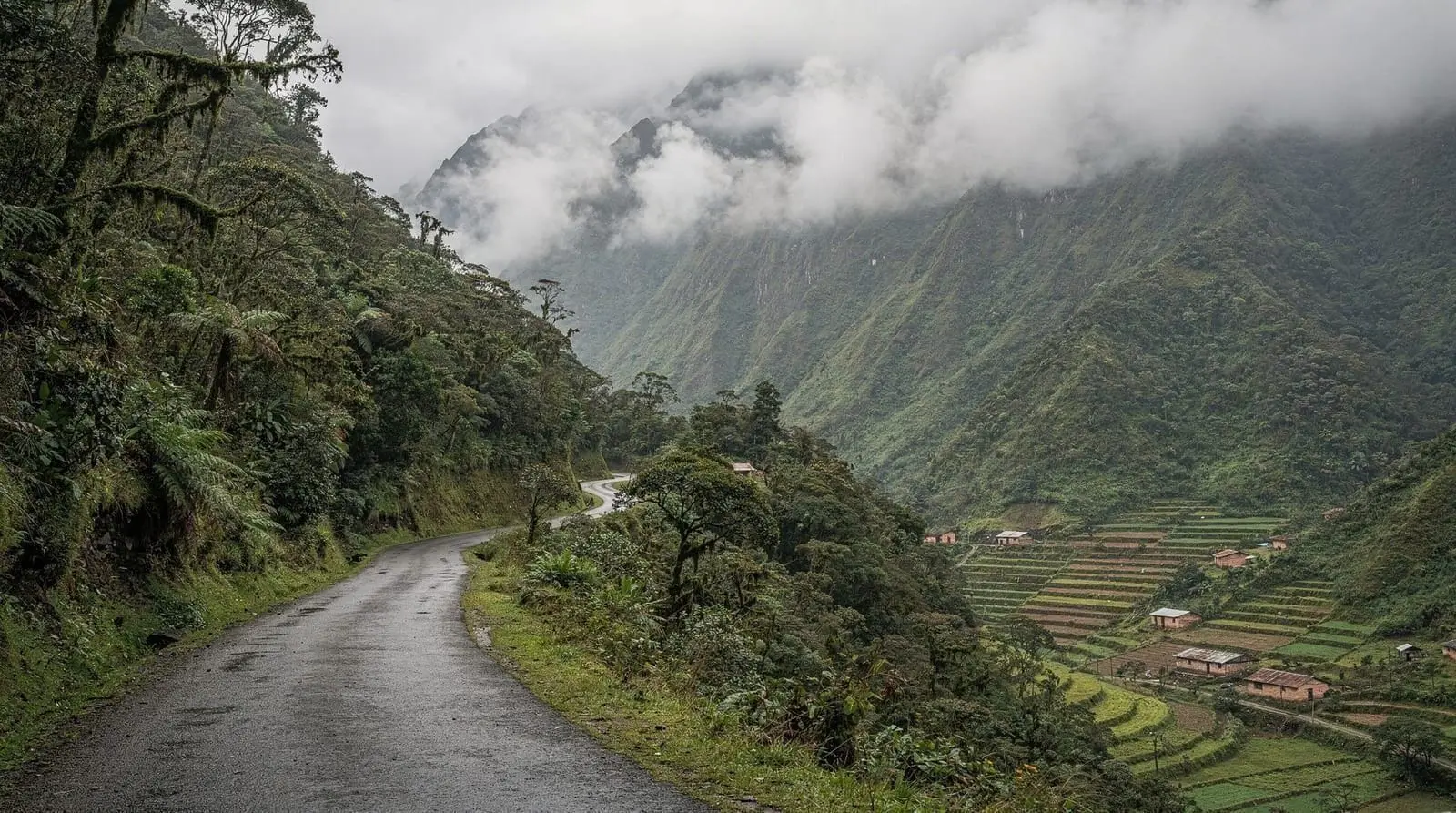
There is no way to soften this: Chachapoyas is hard to reach, and that is the single biggest reason its remarkable sites stay uncrowded. The town sits high in the Amazonas region of northern Peru, far from the country’s main tourist circuit, and every route in involves either a flight plus a long road transfer or a very long bus. Understanding the options before you book saves money, frustration and — most importantly — wasted days.
This guide lays out every realistic route from the main starting points, with honest times and costs, the tourist traps to avoid, and how to fit the journey into a wider trip. For what to do once you arrive, see the Chachapoyas complete guide and the Chachapoyas destination page.
| Where | Amazonas region, northern Peru highlands |
| Fastest route | Fly to Jaén (1.5h), drive 4h |
| Cheapest route | Direct Lima overnight bus, 22–24h |
| Cost | $60–150 flight, or S/90–160 bus |
| Minimum stay once there | 3+ nights — never a one-night detour |
The fast route: fly to Jaén, then drive
The quickest reliable way to reach Chachapoyas is to fly from Lima to Jaén (airport code JAE), a flight of about 1.5 hours, then take a road transfer of roughly 4 hours to Chachapoyas via Bagua Grande and Pedro Ruiz.
- Flights: LATAM and other domestic carriers serve Jaén from Lima, typically with morning departures. Fares vary widely with how far ahead you book — roughly $60-150 each way depending on timing and demand.
- Transfer: Shared vans (combis or colectivos) and private transfers run from Jaén towards Chachapoyas. Shared services cost in the region of S/40-60 (about $11-16); private transfers more. Some tour operators arrange airport pickups in Jaén directly.
This is the route to choose if your priority is getting there efficiently. The combined flight-plus-drive can have you in Chachapoyas the same day you leave Lima, provided you take a morning flight.
The classic route: fly to Chiclayo, then bus
The traditional approach is to fly Lima to Chiclayo (airport code CIX) on the north coast — about 1.5 hours — then take a bus of 8-10 hours to Chachapoyas via the highland road.
- Flights: Chiclayo is a busier airport than Jaén with more frequent flights, which adds scheduling flexibility. Fares are broadly similar to Jaén.
- Bus: Companies such as Móvil Tours and others run services from Chiclayo to Chachapoyas, often overnight, with comfortable cama (full-recline) seating on the better classes. Fares run roughly S/40-80 (about $11-22) depending on class.
The reason to choose Chiclayo over Jaén despite the longer road leg is the chance to break the journey on the coast. Chiclayo itself has the extraordinary Royal Tombs of Sipán, and Trujillo further south has Chan Chan and the Moche temples. Stringing these into the journey turns a long transfer into a proper northern Peru circuit. See north vs south Peru for how the north fits a wider trip.
If you land in Chiclayo and want to use the stopover well, a guided day trip to the tomb of the Lord of Sipán and its site museum saves you organising separate transport to the excavation site. It suits travellers who only have a free day before the highland bus and would rather have the context explained on the spot than wander the ruins alone.
The budget route: the direct Lima overnight bus
For travellers with time and a tight budget, direct buses from Lima to Chachapoyas run roughly 22-24 hours, usually via the northern highlands route through Chiclayo and Pedro Ruiz.
- Companies: Móvil Tours and Civa among others operate the long-haul service. The better cama classes have full-recline seats, onboard meals and toilets, which makes the marathon journey genuinely manageable.
- Cost: roughly S/90-160 (about $24-43) depending on class and company — far cheaper than flying.
It is a long haul, but Peru’s premium overnight buses are better than many travellers expect. If you sleep on buses and want to save the flight cost, this is a legitimate option. If you value your time and your back, fly to Jaén instead. The Peru bus travel guide covers what to expect from long-distance coaches in general, and the Peru domestic flights guide covers the flying alternative.
The jungle route: from Tarapoto
If you are coming from or heading to the northern jungle, Tarapoto is a useful gateway. Buses from Tarapoto to Chachapoyas run via Moyobamba and Pedro Ruiz, taking roughly 7-9 hours on scenic but winding mountain roads.
This route makes sense if you are combining Chachapoyas with the high jungle around Tarapoto and Moyobamba, or arriving on the eastern side of the Andes. Tarapoto is well served by flights from Lima, so a Lima-Tarapoto flight plus the bus is an alternative way in that also opens up the jungle. The roads are spectacular and slow; expect the journey to take its full estimated time.
The Chachapoyas airport question
Chachapoyas has its own small airport — Heli Ochoa, code CHH — and scheduled commercial flights from Lima, sometimes via Chiclayo, have operated at various times. The honest reality is that these services have been intermittent and historically unreliable, with routes appearing and disappearing from schedules.
If a direct flight to Chachapoyas is available for your dates, it is the most convenient option of all and worth taking. But do not build a trip assuming it will run — verify the current schedule close to your travel dates, and have the Jaén-plus-drive route as your fallback. Most travellers end up flying to Jaén or Chiclayo precisely because the direct CHH service cannot be relied upon.
What to book once you have arrived
Given how much effort it takes to reach Chachapoyas, most travellers arrange the headline excursions — Kuélap, Gocta waterfall, the Karajía sarcophagi — through a local operator rather than piecing together public transport on the ground, since the sites are spread out on unpaved rural roads. A full-day combination is the efficient way to see the two headline sites without a second long transfer day:
Chachapoyas full-day tour to the Karajía sarcophagiPlanning the journey around the sites, not the other way round
The most useful mental shift is to treat the journey as part of the trip rather than a cost to be minimised. The northern highlands reward travellers who arrive with a loose, realistic plan. Before you pick a route, decide what you actually want from the region. If the draw is the cloud-forest fortress of Kuélap, read the Kuélap fortress guide and the Kuélap cable car guide first, because the way you reach the fortress shapes the day. If you are after waterfalls, the Gocta waterfall guide explains how that excursion fits around your arrival.
Think about which end of the journey you can afford to be tired at. Arriving after a long overnight bus means your first day in town is best spent slowly: walking the streets, eating well and sleeping early. Arriving by a morning flight and a daytime drive leaves you fresher, but you still land in a mountain town where the pace is gentle and the evenings are quiet. Either way, do not schedule a demanding excursion on the day you arrive.
Matching the route to your wider trip
- Coming from the Cusco side of Peru: the journey north is a major change of region, not a side trip. The Chachapoyas vs Cusco comparison helps you decide whether you want both on the same trip, and Peru domestic flights shows how to link the two without losing days.
- Building a northern circuit: if you are travelling through the north coast, the northern Peru route guide and the northern Peru 10-day itinerary show how Chachapoyas slots in alongside the coastal sites.
- Adding Cajamarca: the highland city of Cajamarca is a natural companion on the road side of the trip, and the Cajamarca complete guide explains what it adds.
- Short on time: if you only have a week or so in the country, the northern highlands may not be the right choice at all. The Peru 7-day classic itinerary covers a more compact option.
Practical tips for the long-haul legs
Whichever route you choose, a few habits make the road legs easier. Keep your passport or identity document within reach, because bus companies ask for it at boarding. Carry a warm layer even if you start on the hot coast, since the highland roads climb and nights get cold on the bus. Keep snacks and water in your day bag rather than the hold, and keep valuables on your person or under your feet instead of in overhead racks or the luggage compartment.
If you are coming up from sea level, the road crosses higher ground before dropping back towards the valleys, and some people feel the change. It is nothing like the challenge of the southern Andes, but a slow first day is wise. The altitude sickness guide for Cusco explains the symptoms in general terms, which is helpful background even though Chachapoyas sits much lower than Cusco.
Book the first night of accommodation before you travel, so that a late arrival does not leave you searching for a bed. Tell your hotel which route you are taking, as many will happily advise on where the van or bus will drop you and how to reach the centre. And keep some cash in small notes: shared vans, taxis and small roadside stops rarely take cards.
Leaving Chachapoyas and onward travel
Plan your exit as carefully as your arrival. The same routes run in reverse, and the same cautions apply: allow slack before any flight, particularly an international one. Many travellers loop out through a different gateway than the one they arrived by, for instance arriving through Jaén and leaving towards the coast by bus, or the other way round. That turns an out-and-back into a one-way route and often saves a day.
If you are continuing south to the capital, the Lima complete guide and the Lima airport to city guide help you organise the first hours after landing. If you are heading to the coast instead, the Trujillo complete guide and the Chiclayo complete guide are good places to start. If the southern circuit is still on your list afterwards, the Inca empire for travellers gives useful background.
Honest warnings and tourist traps
- Do not book a tight one-night Chachapoyas detour. Given the travel times, treat Chachapoyas as a multi-day destination. A one-night stop wastes the long journey and leaves no buffer for weather or transport delays. See the Chachapoyas complete guide for how many days you actually need.
- Never connect a Chachapoyas-area flight to an international departure on the same day. Domestic flights to Jaén and especially CHH can be delayed or cancelled. Build at least one buffer day in Lima before any onward international flight.
- Beware over-optimistic transfer times. The mountain roads are slow. A “4-hour” Jaén transfer is 4 hours of genuinely winding road, and times stretch in the wet season. Pad your estimates.
- Use reputable bus companies. On the long hauls, the difference between a budget operator and a premium cama service is the difference between misery and a decent sleep. Pay a little more for the better class on overnight routes.
- Prefer daytime road travel where you can. The scenery is part of the experience and daytime travel on mountain roads is safer and more comfortable. The Jaén transfer in daylight is genuinely beautiful.
Choosing your route
A simple decision framework:
| Route | Total time | Best for |
|---|---|---|
| Fly to Jaén, drive 4h | ~6 hours door to door | Time-pressed travellers |
| Fly to Chiclayo, bus 8–10h | ~10–12 hours, with a coastal stopover | Combining Chiclayo and Trujillo |
| Direct Lima overnight bus | 22–24 hours | Budget travellers who sleep on buses |
| Via Tarapoto | 7–9 hours by bus from the jungle side | Pairing with the northern jungle |
| Direct CHH flight (if running) | Under 2 hours | Convenient if it runs — never rely on it |
For where Chachapoyas sits in a broader itinerary, see the itineraries hub and north vs south Peru. For general travel safety, the Peru travel safety guide covers the country as a whole.
How the journey changes by season
The wet season (November to March) genuinely worsens every road option here. Landslides and washouts are more common on the Jaén and Chiclayo highland roads, the “4-hour” and “8-10 hour” transfer estimates stretch further, and the overnight Lima bus occasionally reroutes or delays for road conditions. The dry season (April to October), especially June to September, gives the most predictable transfer times and is the safer window if your schedule has little slack. Whichever season you travel in, build at least one buffer day into your plan before any onward international flight — Amazonas-region transport is the last place you want a tight connection.
Frequently asked questions about How to get to Chachapoyas
Is there an airport in Chachapoyas?
How long is the bus from Lima to Chachapoyas?
Should I fly to Jaén or Chiclayo for Chachapoyas?
Can I get to Chachapoyas from Tarapoto?
Is it safe to travel to Chachapoyas?
Top experiences
Bookable activities with verified prices and instant confirmation on GetYourGuide.


