Planning a Cusco trip in 2026: what I'd do differently
| Where | Cusco and the Sacred Valley |
| Book first | Inca Trail permit (if wanted), then Machu Picchu entry ticket |
| Altitude | Cusco ~3,400m; sleep low (Sacred Valley) first 2 nights |
| Budget/day | Roughly S/100-200 (USD 27-53) for meals and a private room |
| Time needed | 5 days minimum; 7-8 days comfortable with acclimatisation |
The first time I planned a Cusco trip I treated it like any other city break: book the flight, book the hotel, sort the rest on arrival. That worked out badly enough that when I went back I rebuilt the whole approach from scratch. This is the version I wish someone had handed me before I started clicking “confirm” on things.
The booking order that actually matters
The single thing nobody tells you clearly is that Cusco is not a destination you book front to back. The order is dictated by scarcity, and scarcity in 2026 means two things: the classic Inca Trail and your Machu Picchu entry slot.
If the four-day Inca Trail is on your list, that is the first thing you book and everything else bends around it. Permits for the high season - roughly May through September - vanish months ahead. I started looking in late January for a June trip and the dates I wanted were already gone. The operator I eventually used had two permits left for a Tuesday I hadn’t planned for, so my entire itinerary reshaped itself around a single Tuesday. Book that first, then your flights, then everything else.
If you’re not doing the classic trail, the pressure point becomes the Machu Picchu entry ticket itself. Since the circuit system tightened, the popular morning slots for Circuit 2 sell out, especially the 6am and 7am entries. I’ve written up how the circuits differ in the Machu Picchu circuits guide, but the short version is: decide which circuit you want, then buy the timed ticket before you build the rest of the week.
Altitude is a scheduling problem, not just a health one
I lost a full day of my first trip lying in a hostel bed in San Blas with a headache that felt like someone tightening a strap around my skull. That was entirely self-inflicted. I’d flown from Lima (sea level) to Cusco (3,400 m) and gone straight up to Sacsayhuamán the same afternoon.
The fix isn’t medical so much as logistical. The smartest move I made the second time was sleeping my first two nights lower down, in the Sacred Valley around Urubamba (about 2,870 m), and saving Cusco city for the back half of the trip once I was adjusted. The valley is gorgeous, it’s quieter, and you arrive in Cusco already acclimatised instead of using the city as a recovery ward. I put the full reasoning in the Cusco vs Sacred Valley altitude comparison, but if you only remember one planning tip from this whole article, make it this one.
Coca tea is everywhere and it does help a little, mostly with the nausea. It is not a substitute for going slowly. A box of soroche pills from a Cusco pharmacy ran me about S/ 15 (under USD 5), and I’d happily pay ten times that to skip the headache day.
What things actually cost
Prices shift, but here’s what I was paying in early 2026, in soles with rough dollar equivalents so you can sanity-check quotes:
- A decent private room in San Blas: S/ 120-180 a night (USD 32-48)
- Set lunch (“menú”) at a local spot off the main square: S/ 12-20 (USD 3-5)
- A proper dinner at a mid-range restaurant: S/ 60-90 per person (USD 16-24)
- Taxi from the airport to the centre: agree S/ 25-30 before you get in (USD 7-8)
- Rainbow Mountain day trip with a group: around S/ 90-130 (USD 24-35) depending on inclusions
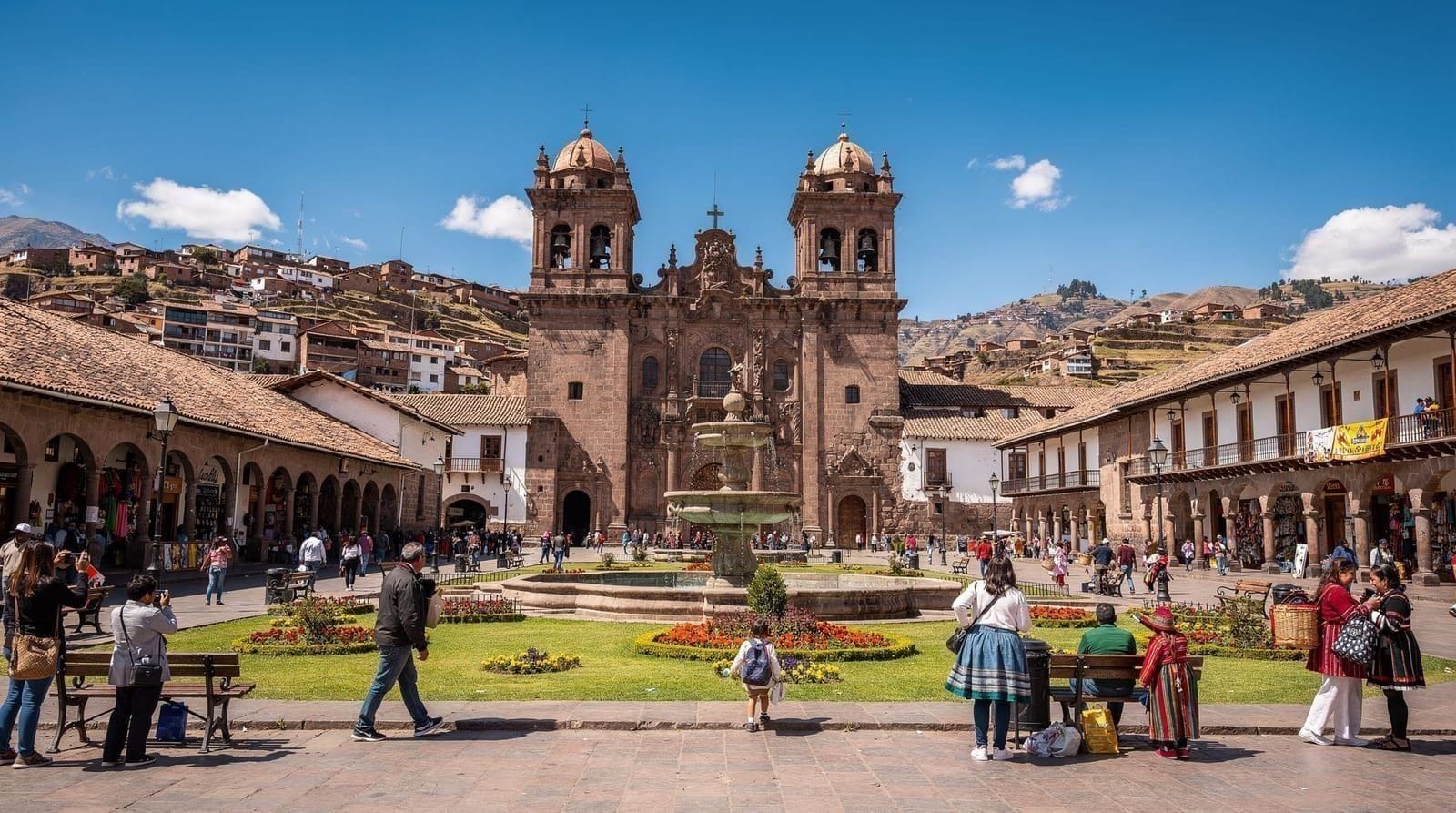
The gap between the tourist price and the local price is real and it’s widest around the Plaza de Armas. Walk three blocks in any direction and a bottle of water drops from S/ 5 to S/ 2. I keep more detail in the Cusco on a budget guide for anyone watching every sol.
The day trips worth pre-booking vs. sorting locally
This is where I overspent the first time by booking everything online in advance at inflated prices, then discovered identical tours sold from agencies on Calle Plateros for half as much. The honest split:
Pre-book before you arrive: anything tied to a fixed entry ticket or a permit. Machu Picchu, the Inca Trail, Huayna Picchu. These are not “decide on the day” activities.
Sort locally if you want to save: the standard Sacred Valley loop, city tours, and Rainbow Mountain are sold from dozens of storefront agencies. Quality varies wildly though, and the cheapest Rainbow Mountain trips cram you into a packed van for a brutal pre-dawn start. I cover which agencies to avoid in the unlicensed tour agencies guide.
When I did want a reliable Sacred Valley day without the agency lottery, I booked the small-group version ahead:
Pisac, Maras, Moray and Ollantaytambo small-group tourFor Machu Picchu itself, which is the one thing I genuinely recommend locking in early, the train-plus-entry packages take the logistics off your plate:
Machu Picchu with train and entrance ticketHow many days you really need
I did Cusco in four days the first time and it was too rushed; the second time I gave it eight and that felt right with acclimatisation built in. My rough framework, which I expand on in how many days in Cusco:
- Two days minimum to acclimatise (ideally in the valley)
- One full day for the Sacred Valley
- One day for Machu Picchu (two if you stay over in Aguas Calientes)
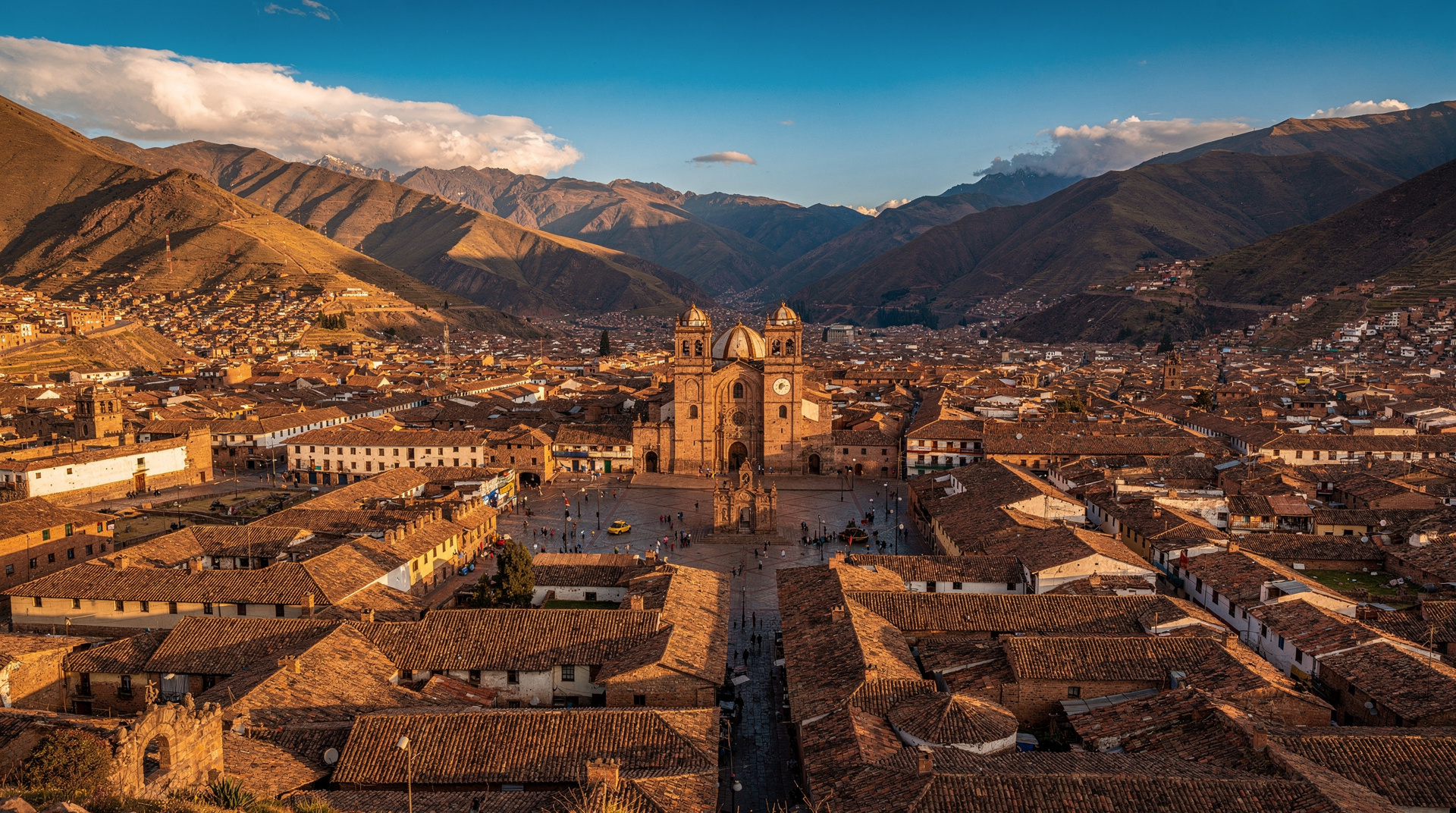
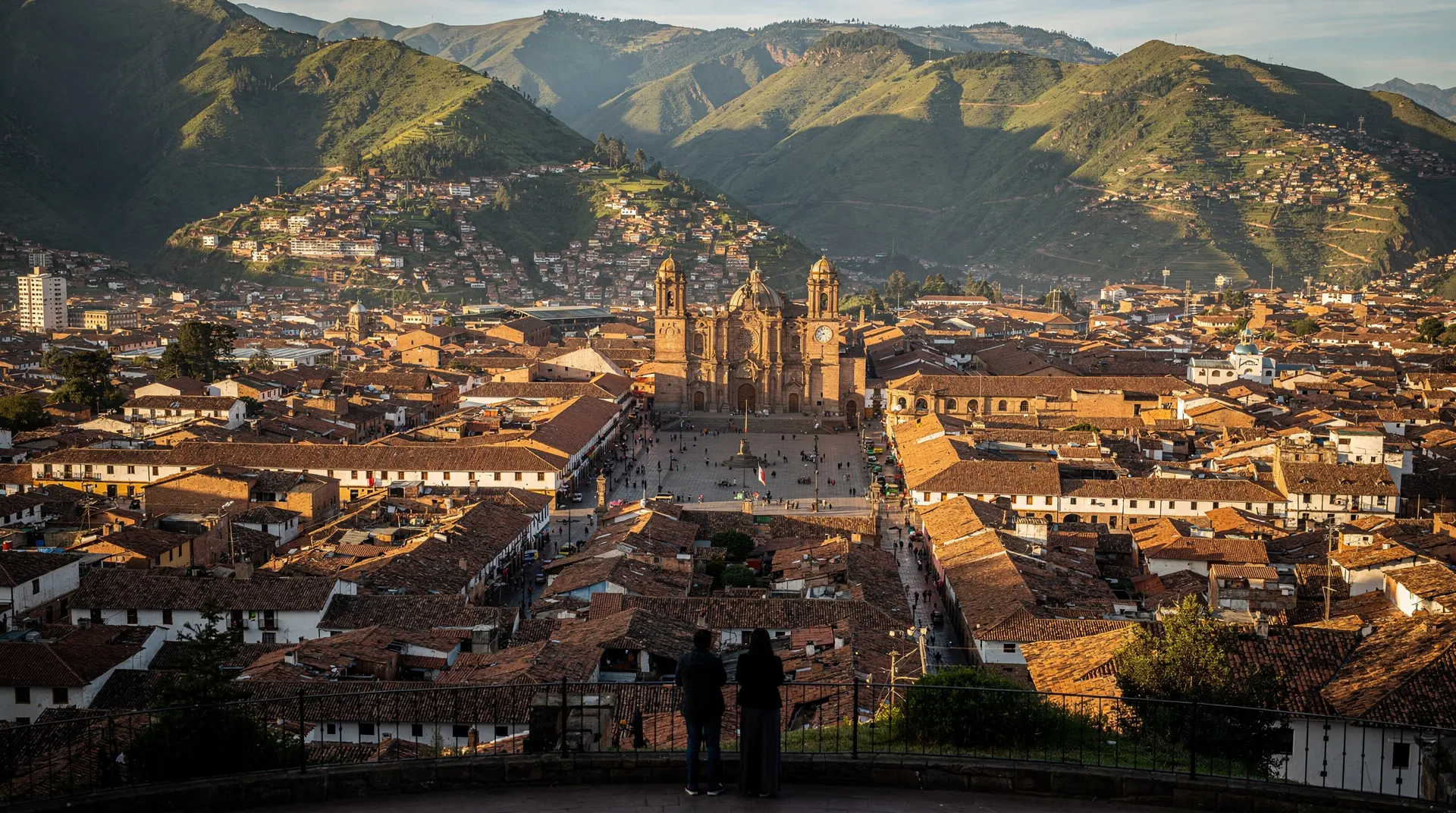
- One day for the city itself - the cathedral, Qorikancha, San Blas, San Pedro market
- Add days for Rainbow Mountain, Humantay Lake, or a trek
Anything under five days and you’re either skipping the valley or sprinting Machu Picchu, both of which I regret doing.
The mistakes I’d undo
Booking Cusco city for my first two nights. Wrong - go lower first.
Buying all my tours online in a panic. Half of them were cheaper on the ground.
Packing for “South America” instead of for “high-altitude Andes.” It was 22°C at midday and 2°C at night in the same June day. Layers, not a single warm coat. The Cusco packing list has the full breakdown.
Not carrying cash. Cards work in restaurants but markets, taxis, and small agencies want soles, and the ATM by the plaza charges a fee on every withdrawal.
A loose 2026 timeline
If you’re starting from zero, here’s the order I’d follow now:
Six months out: decide your dates, book the Inca Trail permit if you want it, book international flights.
Four months out: buy your Machu Picchu entry ticket and choose your circuit, book the train, reserve accommodation in the valley and the city.
One month out: book any pre-arranged transfers, confirm your acclimatisation buffer, finalise the packing list.
On arrival: walk the day trips agencies for anything you left flexible, eat the set lunches, drink the coca tea, and do not climb anything strenuous on day one.
What I’d change again for a third trip
If I went a third time, the one thing I’d still adjust is festival timing. I got lucky the second trip and overlapped with a local festival weekend without planning for it, and the city was livelier and more crowded than any guidebook prepared me for — hotel prices spiked and the main square was a wall of people for two days. The Cusco festivals calendar is worth checking against your dates before you book flights, whether you want to catch a festival deliberately or avoid one clashing with your Machu Picchu slot.
I’d also budget an extra buffer day I didn’t build in either time — a day with nothing booked, in case a bus is late, an entry ticket needs re-confirming, or altitude just wins for a morning. Both my trips would have benefited from one unstructured day somewhere in the middle instead of packing every single day with a booking.
Solo vs travelling with others
Both my trips were solo, and Cusco is one of the easier South American bases to do that in — day trips fill with other solo travellers, agencies are used to single bookings, and the hostel-adjacent private rooms I favoured meant I still had my own space at altitude, which matters more than it sounds when you’re not sleeping well the first nights. The solo travel Cusco guide covers the safety and logistics side in more depth than I can from two trips’ experience, including which day trips are easiest to join solo versus which are better with a small group you already trust.
Cusco rewards a little patience in the planning more than almost anywhere I’ve travelled. Get the scarce stuff booked, give your body two days, and the rest of it falls into place once you’re there.